The plan started with a tsunami. In 2011 the surge damaged buildings at Keauhou Bay and exposed a sewer line, and Kamehameha Schools, the bay's majority landowner, needed emergency repairs. Big Island Now reported that Hawaiʻi County then asked the school to put together a plan for the vacant land around the bay.
The answer took more than a decade. The school began community outreach in 2016 and, by Big Island Now's count, has since held more than 150 meetings with lineal descendants, the Daughters of Hawaiʻi, commercial operators, land tenants, recreational users and elected officials. The result is the Keauhou Bay Management Plan, and its Final Environmental Impact Statement was published on September 8, 2025.
Buyers looking at Keauhou usually hear the plan described in one line, as "bungalows coming to the bay." Most of the document deals with something else. It is mainly about moving the tour traffic and parking that crowd the shoreline today. The bungalows are the most expensive piece and come last. For a home purchase made this winter, the first phase and today's bay are what count.
Most of the Plan Is About Traffic, Not Rooms
The plan covers about 29 acres around the bay, the birthplace of Kauikeaouli, later King Kamehameha III. In the school's own words, commercial activities "would be reoriented away from culturally sensitive sites to reduce congestion and establish a new cultural education center," and existing operations and parking would move "to new facilities in more suitable locations." The low-impact lodging on the plateau mauka of the bay is listed after those goals.
The Final EIS lays out the pieces:
- A low-rise retail and dining center of about 14,000 square feet at Kaimukī.
- Space for the ocean tour operators who would be relocated.
- A heritage corridor.
- A rebuilt Old Kona Road as a future access route.
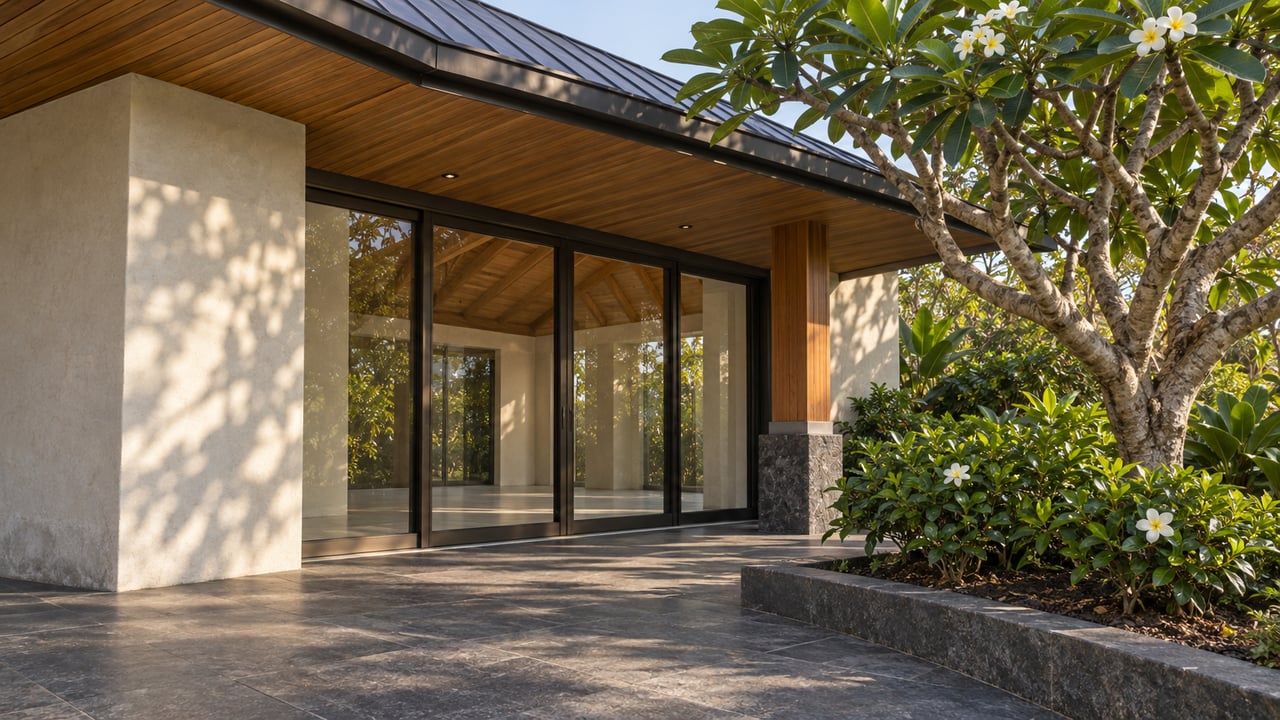
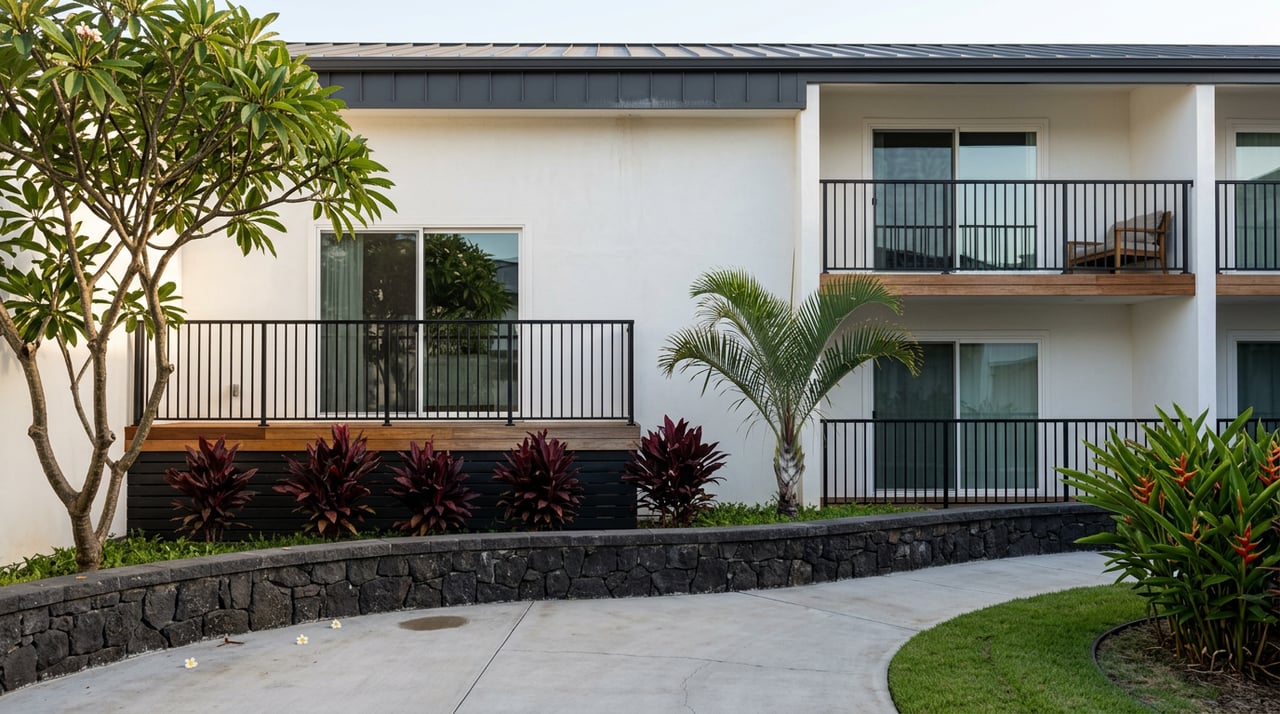
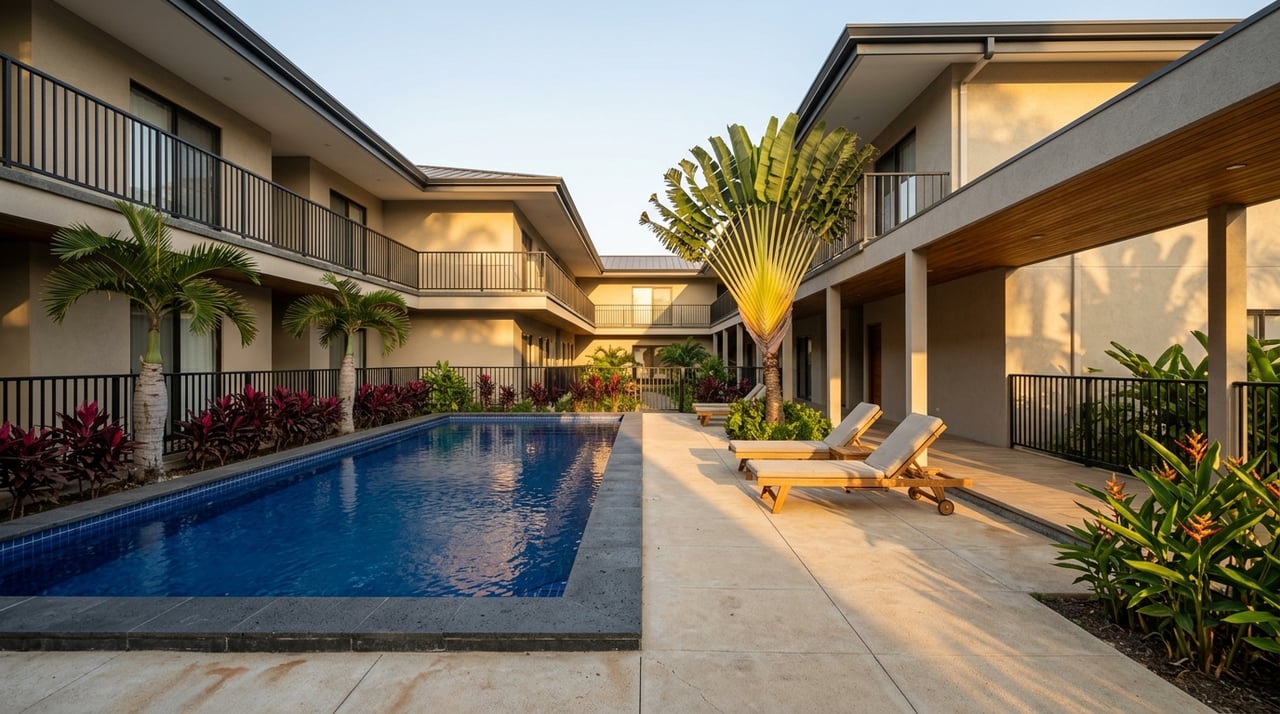
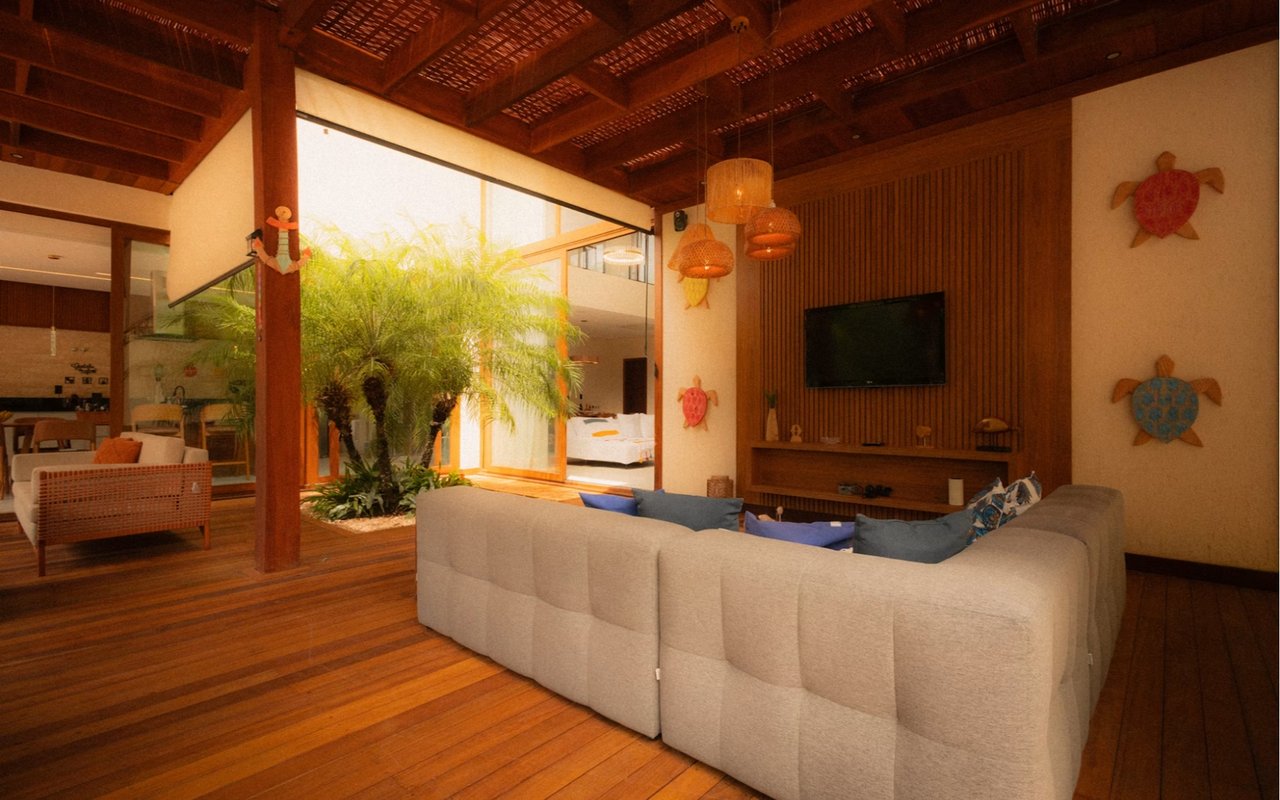
- 150 lodging units in 43 two-story structures on roughly eight acres of the plateau.
The cost table in the same document totals $124,225,000. Of that, $87,922,000 is for the lodging and $12,892,000 for the Kaimukī retail and dining center. About seven of every ten dollars go to the bungalows. The FEIS ties the timing of each phase to market conditions as well as county approvals.
Kamehameha Schools describes the project as its own. "We don't have a developer on board. This is a KS-developed vision," Marissa Harman, director of planning and development for the school's ʻĀina Pauahi group, said in a December 3, 2025 Kamehameha Schools article.
The Order of the Phases
The FEIS sequence starts at the small end. The retail and dining center is the first phase. The heritage corridor, Old Kona Road, the lodging and new boat and vehicle parking come in later phases. In June 2026, Big Island Now reported that the school planned to submit a county permit request later in 2026 and that the bungalows were at least five to 10 years away. Harman said the same thing in the school's December article: "We really wanted to convey to the community that we are not in a rush to do this."
Public comment followed the same split between the early and late phases. Big Island Now reported that 130 agencies and individuals commented on the preparation notice and 300 on the draft EIS. Most comments supported protecting the cultural sites and moving the commercial operations, and there was strong opposition to the bungalows. The Association of Hawaiian Civic Clubs approved a resolution supporting the plan at its October 2025 convention, according to the school's article. Big Island Now also reported a pending judicial-review case in Kona's Third Circuit Court challenging the Final EIS. Kamehameha Schools told the outlet it would "continue to address claims raised in pending litigation through the legal process."
The Bay as It Is Now
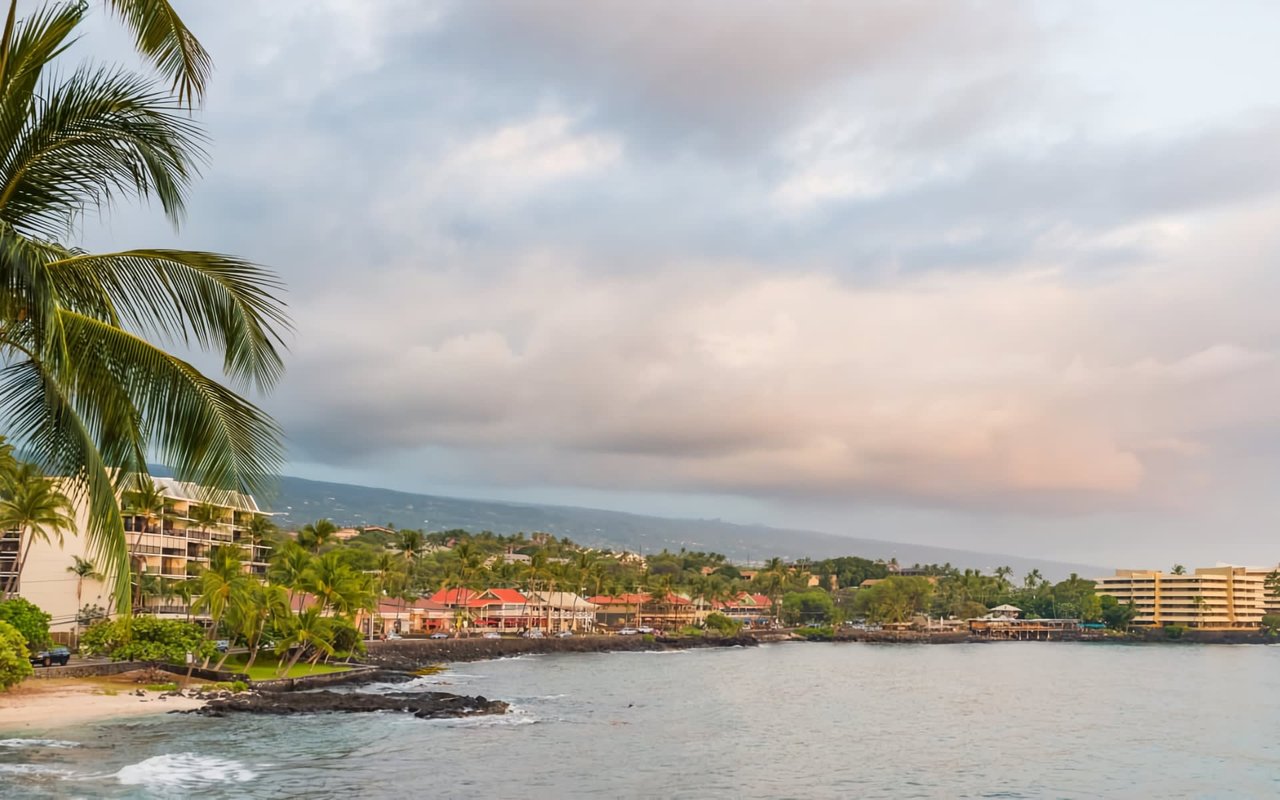
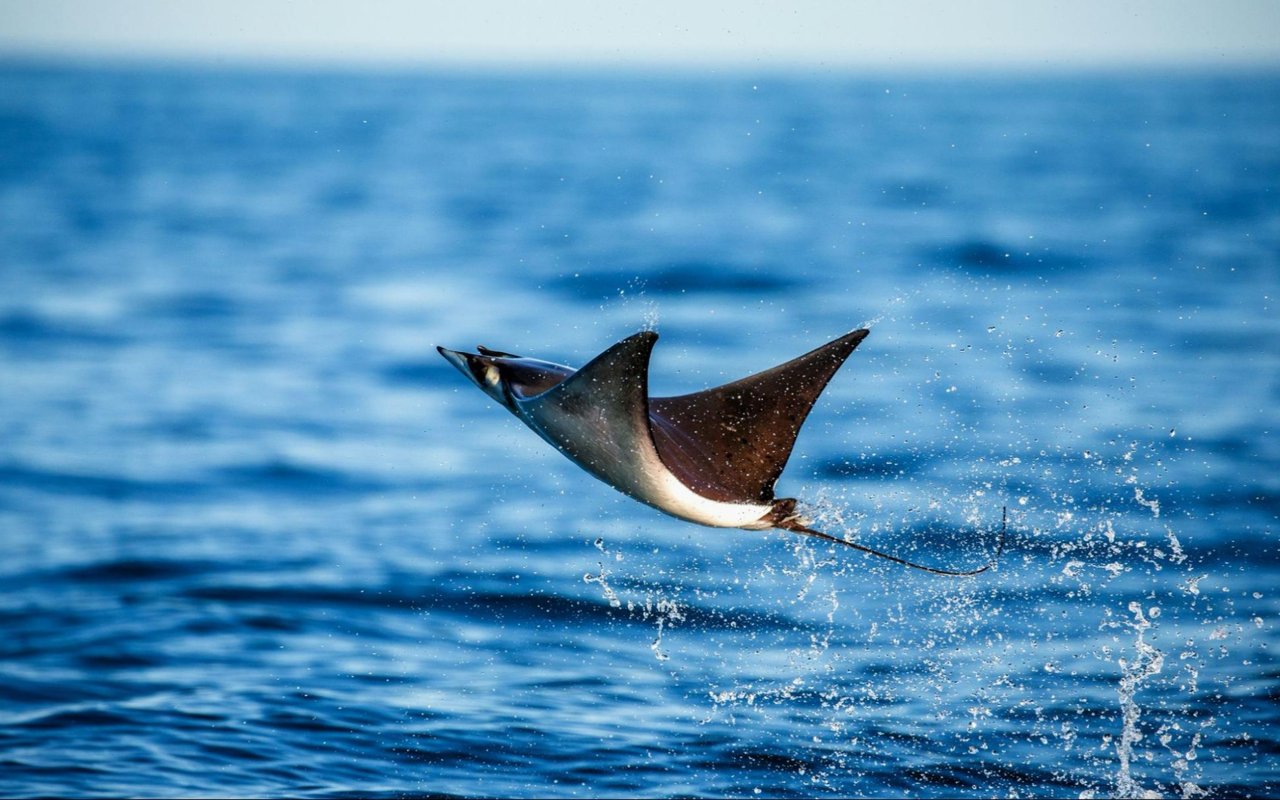
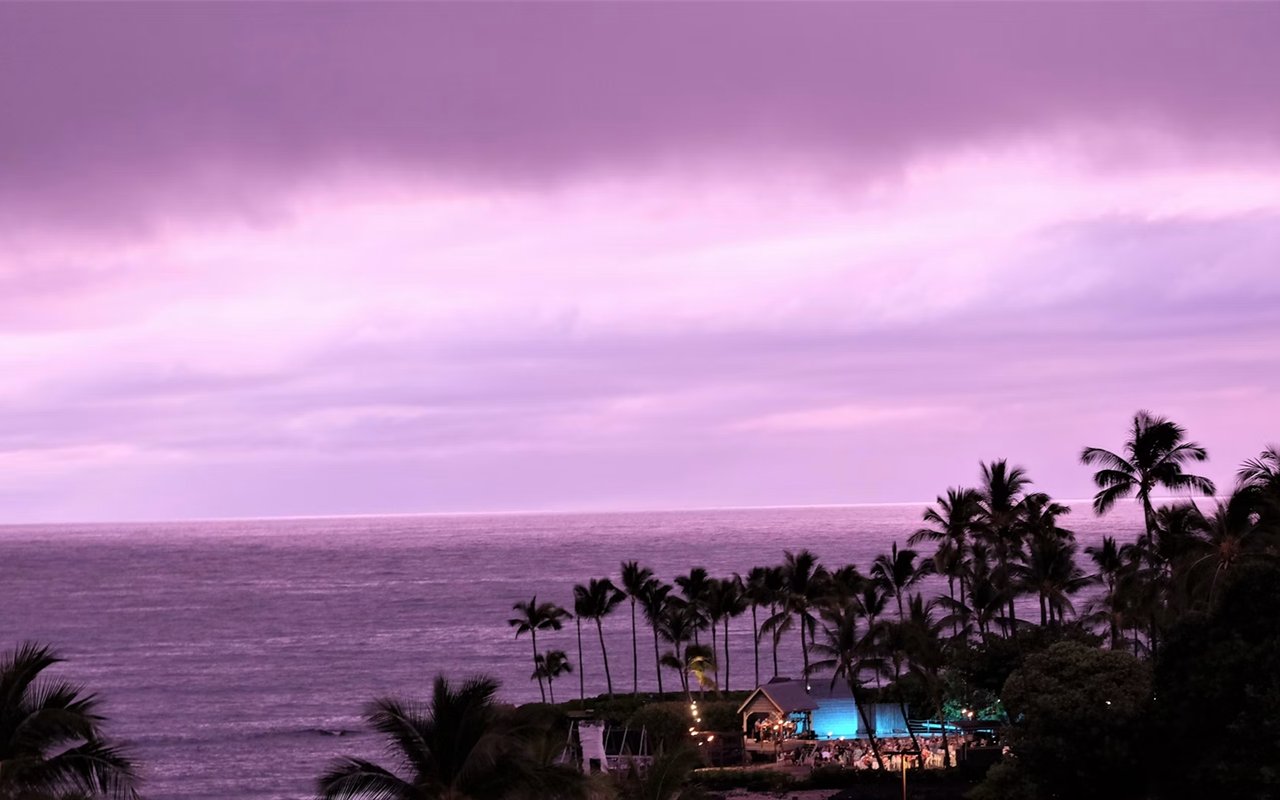
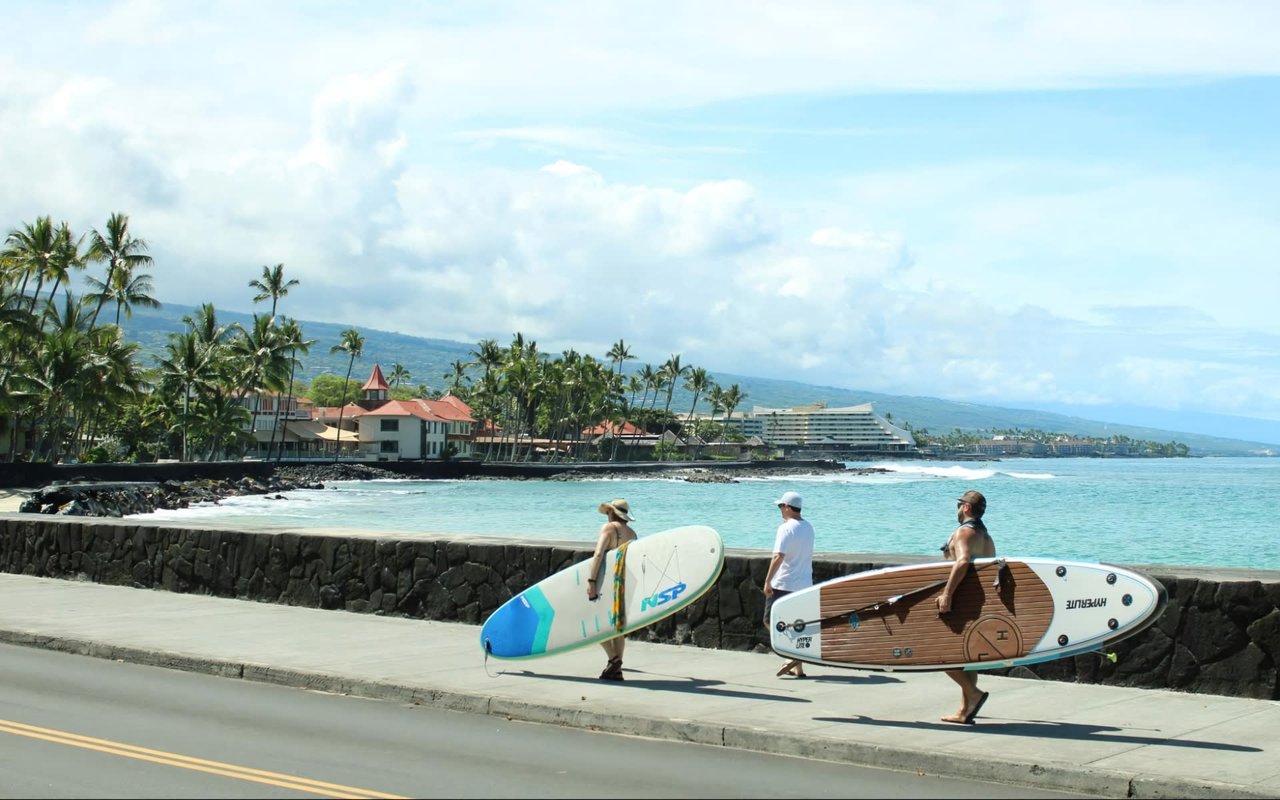
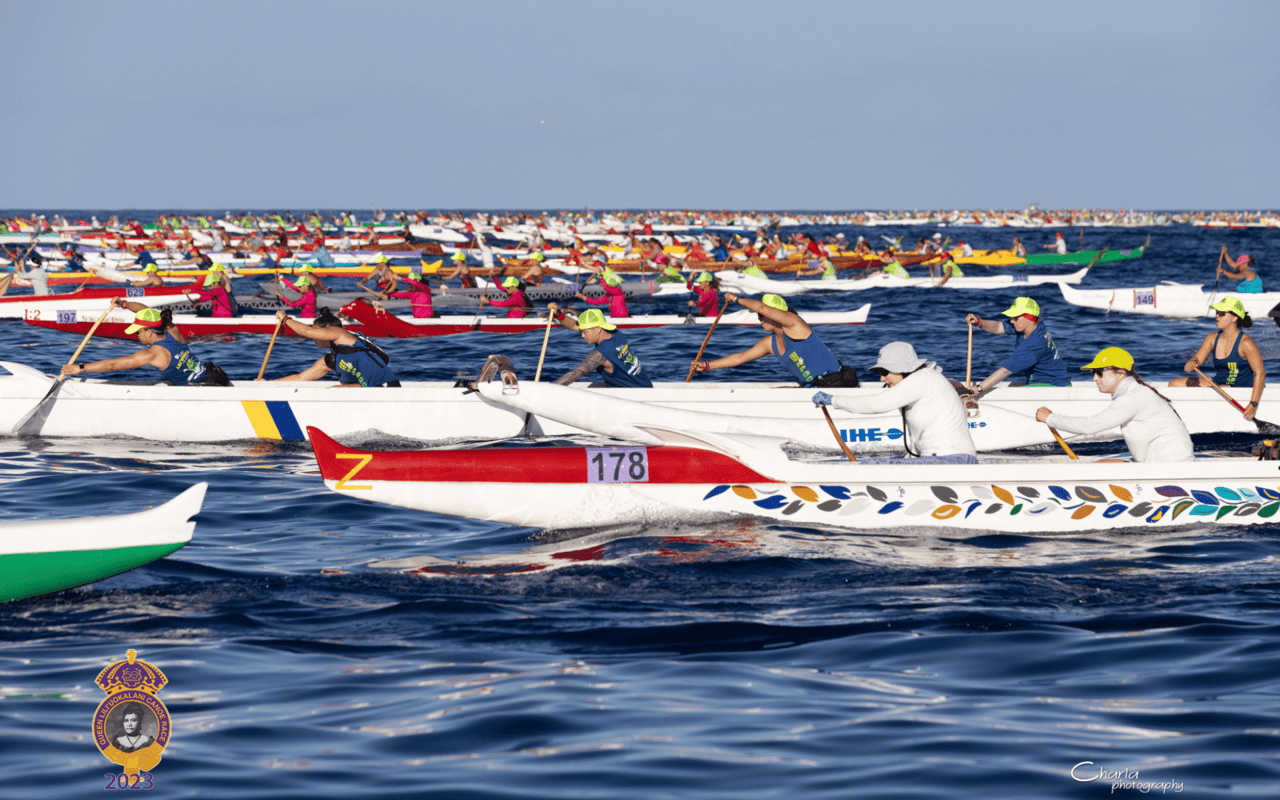
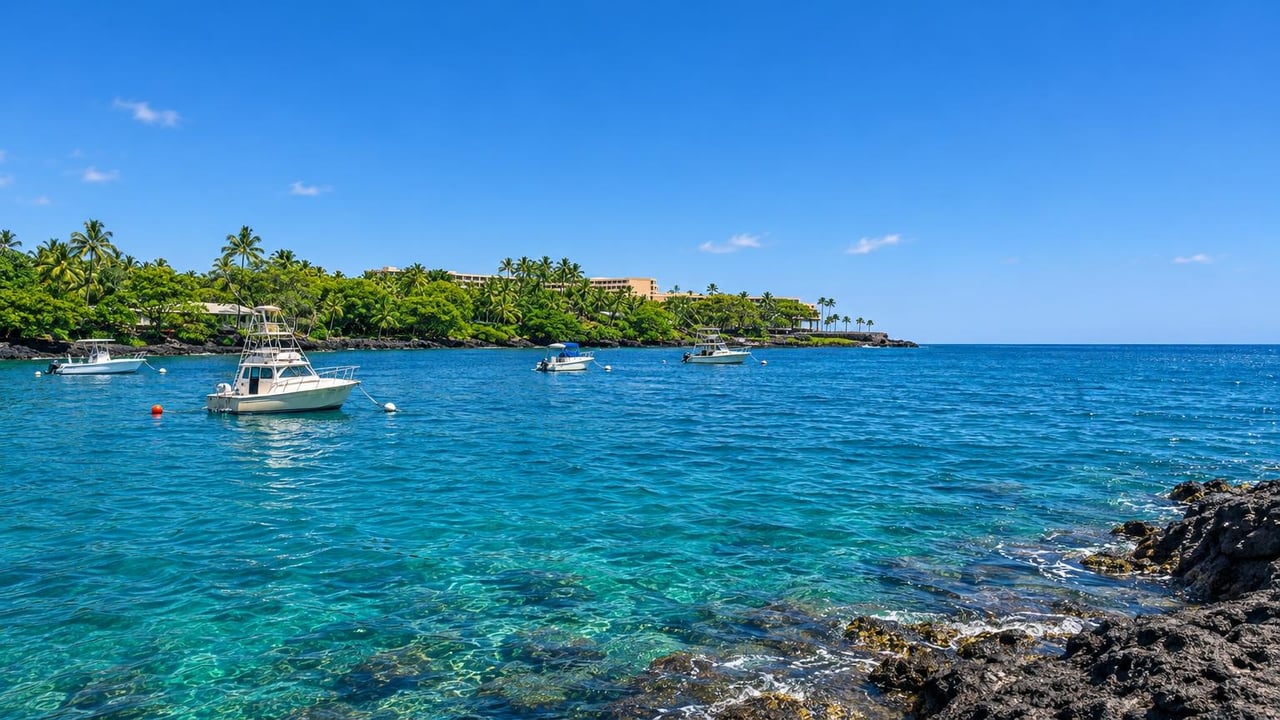
The part of the plan with the broadest support is aimed at the bay's daily crowding, and that crowding is what anyone visiting Keauhou Bay this season will see. Big Island Now describes calm water and easy ocean access that draw visitors, fishermen and canoe paddlers. Manta rays come regularly, attracted by the lights at the Outrigger Kanaloa at Kona, and hundreds of daily visitors compete for too few parking spots. Our manta ray viewing guide covers the bay after dark.
Sea Quest and Fair Wind both operate at the bay. Manu Powers, Sea Quest's owner and a member of the Daughters of Hawaiʻi, told Big Island Now that the school had "been making it possible to engage over the years and they've been accessible." In the school's article, Harman described the friction the plan is meant to resolve: "These commercial operators have businesses, they have people they want to take out on tours or fishing expeditions." She added that the operators share the bay with local people "who are trying to recreate out of the bay."
Some shoreline uses are already settled. The school told Big Island Now that the canoe storage is not moving from the shoreline. In the FEIS, Keauhou Boat Harbor stays a state-managed facility with nine moorings, a double-lane launch ramp, a pier and a vessel washdown, and the plan adds boat-trailer parking without redeveloping the harbor.
The largest recent spending in this part of Keauhou has happened next door. OUTRIGGER Kona Resort & Spa completed a $60 million renovation in 2024 covering its 511 rooms, meeting spaces, pools and the Piko Coffee & Wine Bar. Our guide to the Outrigger's open evenings covers what the resort runs for non-guests.
Weighing Keauhou Against Other Neighborhoods
A buyer comparing Keauhou with Kailua-Kona or the hillside neighborhoods can draw three points from the record. The first visible change would be a dining and retail center of about 14,000 square feet, a modest addition to the bay. The plan's main goal is to ease the parking and tour-boat congestion that defines the bay today, and public comments backed that goal most widely. The bungalows carry most of the cost and most of the opposition, and they are the furthest out, at least five to 10 years according to Big Island Now's June 2026 report.
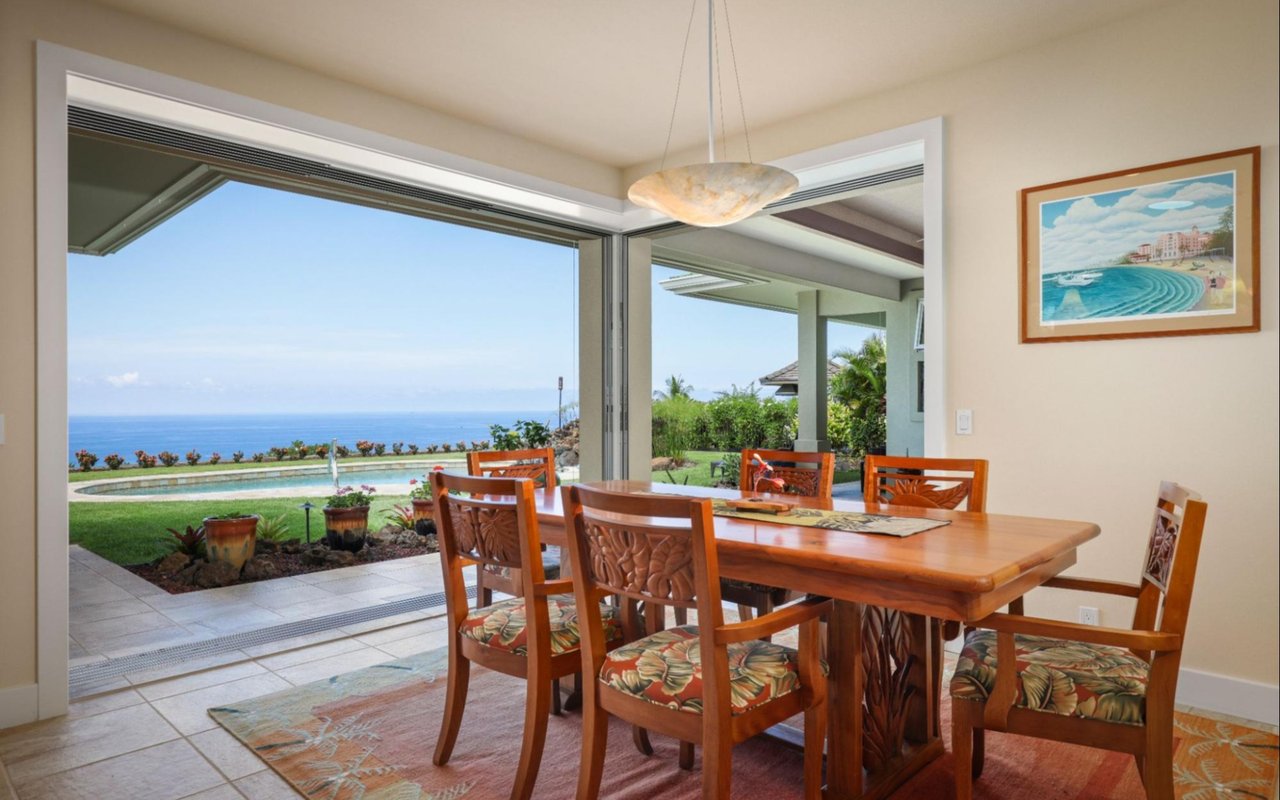
Buyers ask about this most for homes and condos that look toward the plateau or sit along Kamehameha III Road and Aliʻi Drive near the bay. The Kamehameha Schools project page and the Final EIS are public, and Volume II of the FEIS contains the comments.
A Few Questions Buyers Ask
Who is building the Keauhou Bay plan? Kamehameha Schools says it has no outside developer and describes the plan as its own vision. The lodging is 150 two-story bungalows on about eight acres of the plateau.
What would be built first? The Final EIS makes the roughly 14,000-square-foot Kaimukī retail and dining center the first phase.
Will the tour boats leave the bay? The plan moves existing commercial operations and their parking to new facilities away from the cultural sites, and the FEIS includes space for relocated ocean operators.
If you're considering a home near Keauhou Bay and want to see how the plan relates to a particular street, view or lanai, Kris can walk the bay with you and show you where each phase would sit. Kristina Vaughn-Hazard works throughout Keauhou and North Kona. Schedule a personalized Kona consultation, and we'll start at the water's edge.