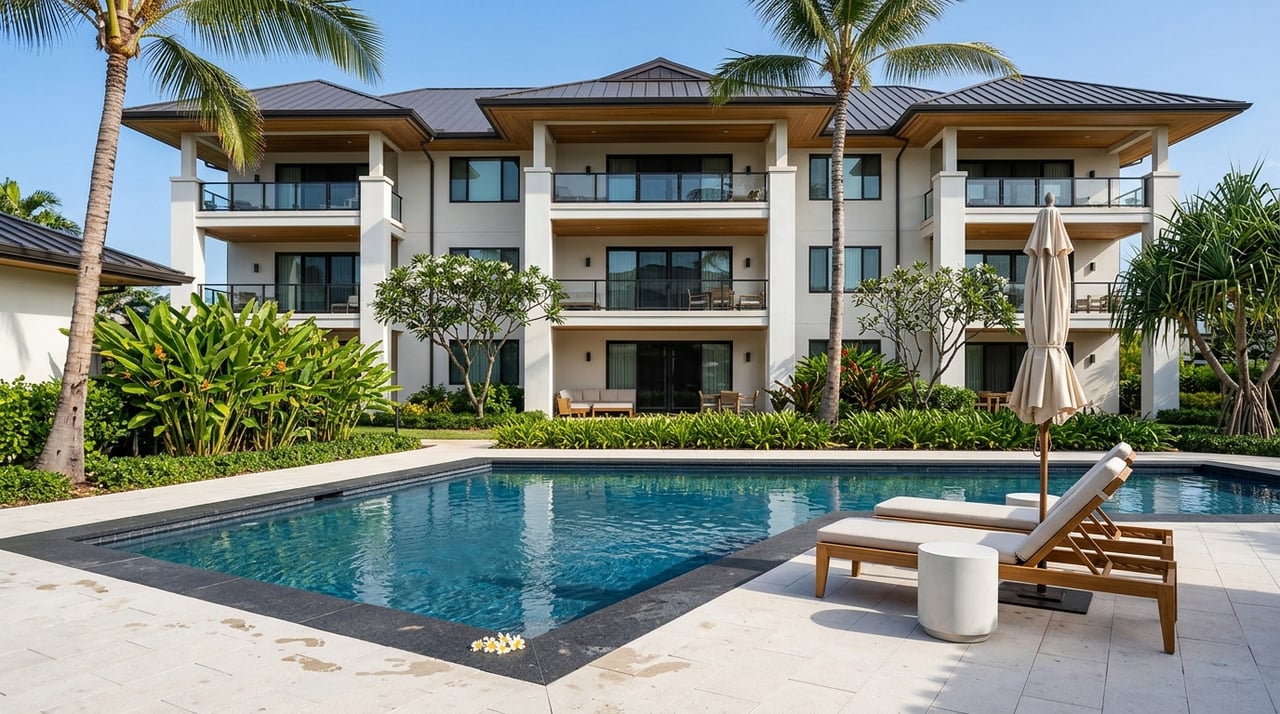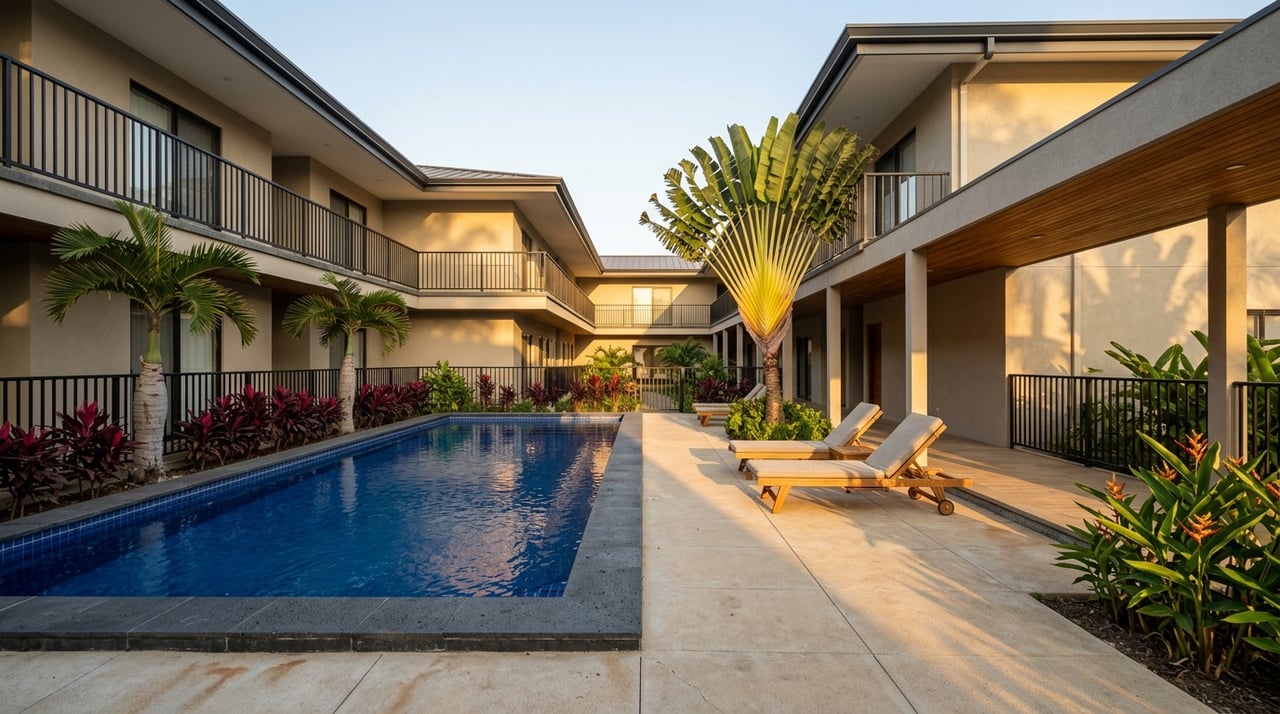
You've made an offer on a two-bedroom oceanfront unit at Kanaloa at Kona. The seller's disclosure comes back clean. No pending special assessment, no litigation, nothing flagged in the last board meeting minutes. Your agent tells you the building looks fine. You start picking out furniture.
Here's what that clean disclosure doesn't tell you: Hawaii law only requires a condo association to fund half of what its own reserve study says it needs. Half. A building can be fully compliant, fully disclosed, and still be one failed elevator motor away from a five-figure bill mailed to every owner. The question that actually predicts your risk isn't whether an assessment has happened. It's what percentage of the reserve is funded right now, and when someone independent last checked the math.
The Law Sets a Floor, Not a Guarantee
Under Hawaii Revised Statutes §514B-148, every condominium association in the state must fund at least 50 percent of its reserve study's estimated replacement reserves, or 100 percent if it's using an alternative 30-year cash flow projection instead. Either path is legal. Either path lets a board tell you, truthfully, that the association is in compliance.
But 50 percent funded and prepared for the roof, the elevator, or the salt-corroded rebar are not the same statement. A building sitting at the statutory floor has done nothing wrong. It has also left itself with meaningfully less cushion than a building funded closer to 100 percent, and that gap is exactly where special assessments come from. The law does require the reserve study itself to be reviewed by an independent preparer at least every three years under a more recent update (Act 62), so a study that's older than that, or one that's never been independently reviewed at all, is a separate red flag worth asking about directly.
None of this shows up in a "yes or no, has there been a special assessment" conversation. It shows up when you ask for the reserve study itself and look at the funding percentage on the page.
What This Looks Like in Keauhou's Own Buildings
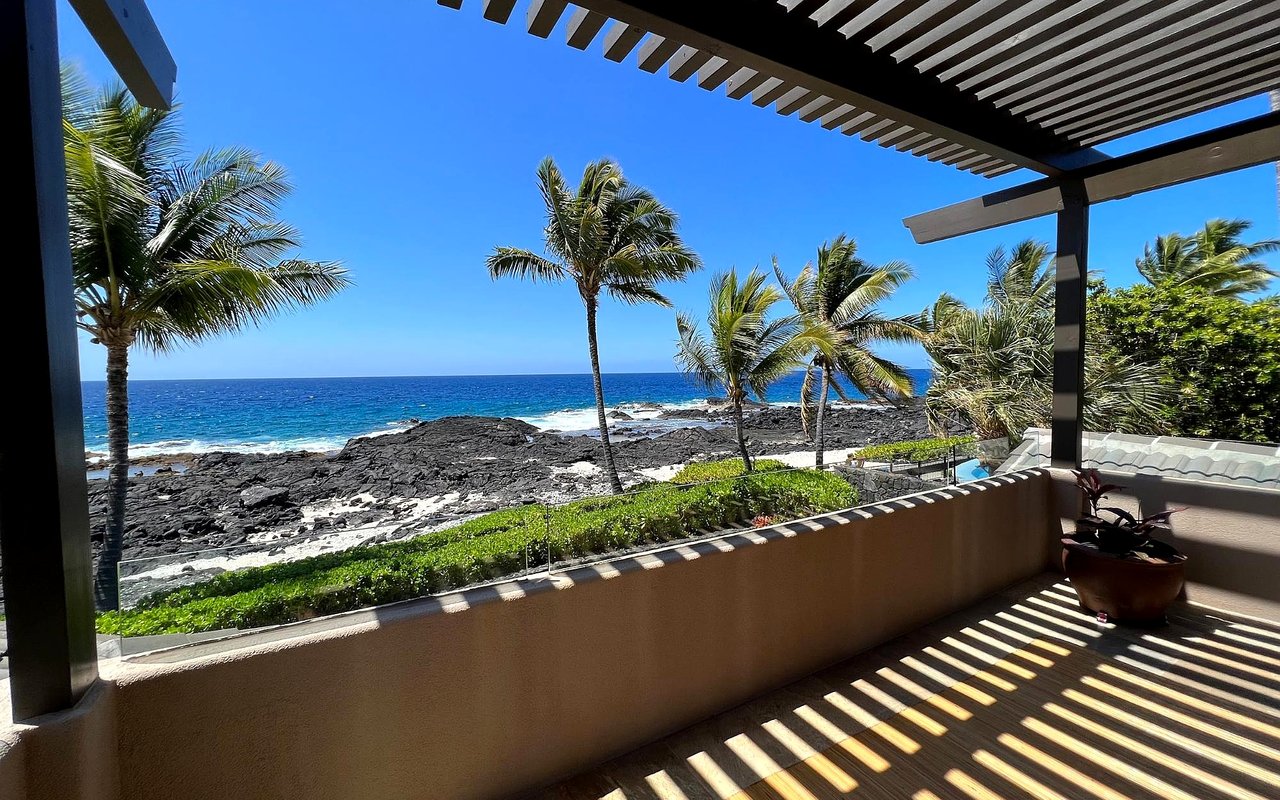
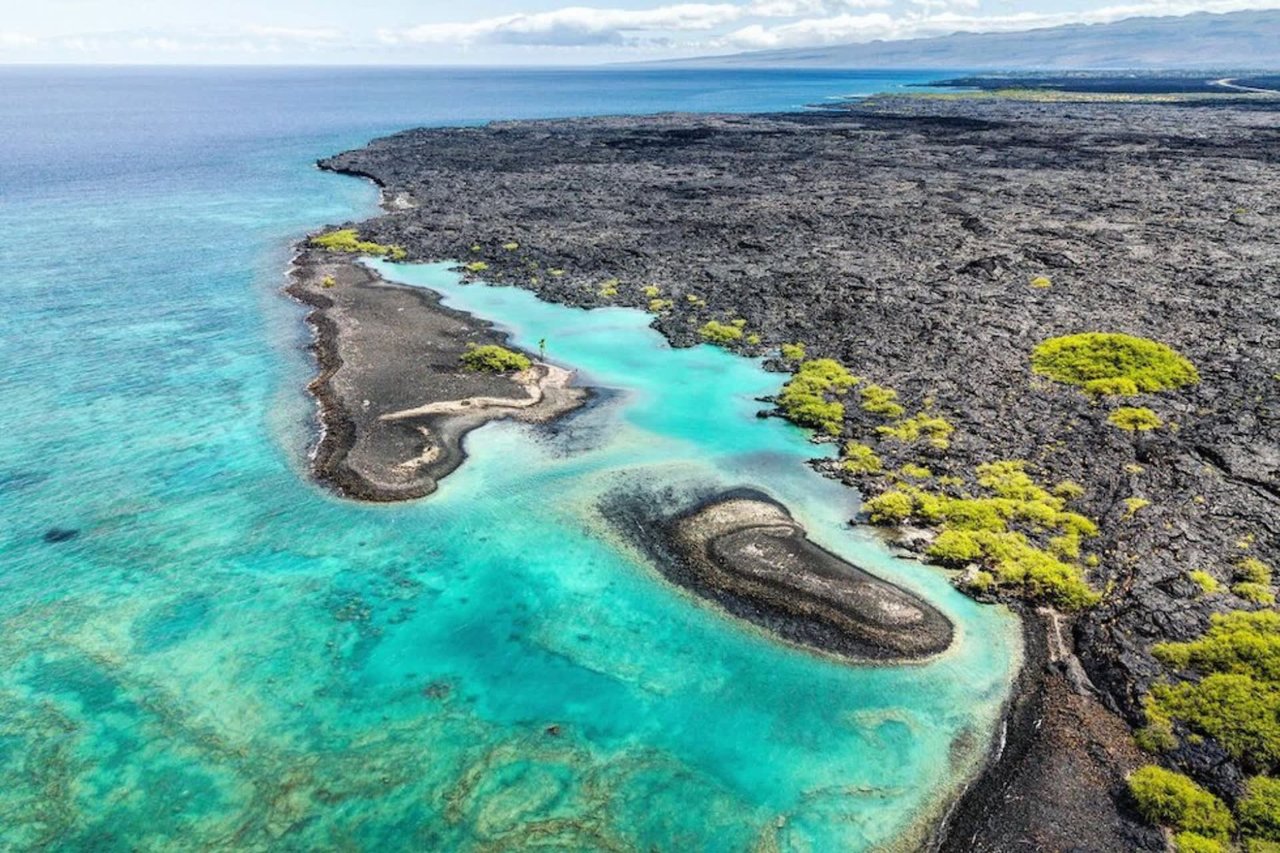
Keauhou's resort condo stock is part of what makes the neighborhood distinct within Kailua-Kona. Kanaloa at Kona and Keauhou Kona Surf & Racquet Club both sit on the lava-rock oceanfront at the south end of town, and both belong to a wave of Kailua-Kona condo construction that ran mostly from the 1970s through the mid-1990s. That's not a knock on the buildings. It's a fact that changes what due diligence looks like, because components installed in 1985 are now well past the point where a reserve study assumes they'll need replacing.
Monthly HOA fees across Kailua-Kona typically run somewhere between $700 and $1,400, covering exterior insurance, water and sewer, landscaping, and pool maintenance. Older oceanfront buildings dealing with decades of salt-air exposure and reserve catch-up tend to land at the higher end of that range, and that's before anyone talks about an assessment. If a listing's HOA fee looks unusually low for an oceanfront Keauhou building, that's worth a second look rather than a sigh of relief.
Ownership structure adds another layer specific to this pocket of Keauhou. Some complexes include phases with different legal footing entirely. One well-known Keauhou property has an individually owned condominium phase alongside a later phase operated primarily as a resort with timeshare interests attached, and buyers need to confirm which phase and which association actually governs the specific unit they're buying. A separate Keauhou complex includes leasehold interests with substantial timeshare use, which means the buyer isn't just evaluating a reserve fund but also a lease term, a renegotiation schedule, and how that affects future financing and resale. These aren't universal Keauhou conditions. They're property-specific facts that only surface if you ask which phase, which association, and which ownership type you're actually acquiring.
| What buyers usually ask | What actually predicts risk |
|---|---|
| "Any special assessments pending?" | What percentage of the reserve study is funded, and when was it last independently reviewed? |
| "How much are the HOA dues?" | Does the dues level match the building's age and exposure, or is it unusually low for an oceanfront complex built before 1995? |
| "Is there a lawsuit against the association?" | Does the master insurance policy cover full replacement value, or only a fraction of hurricane exposure? |
| "Is this a good deal on price?" | Which phase and ownership structure governs this specific unit, especially in complexes with mixed leasehold or timeshare interests? |
The Second Bill Nobody Puts in the Reserve Study
Even a well-reserved building can get hit by a cost that has nothing to do with deferred maintenance. Hawaii's condo insurance market has hardened enough that the state's Department of Commerce and Consumer Affairs issued a public Condo Insurance FAQ in January 2026 to explain why. Insurers are limiting how much hurricane exposure they'll take on a single building, often covering only 20 to 30 percent of it, which pushes associations into surplus lines coverage for the rest at higher rates the state doesn't regulate. The storms that hit Hawaii in March and April of this year caused more than a billion dollars in estimated damage statewide, and insurers price future risk based on recent losses, not just historical averages.
This matters to a buyer for a specific reason. Fannie Mae and Freddie Mac require full building coverage for hurricane risk before they'll purchase a mortgage on a unit in that building. If the association's master policy falls short of full replacement value, the building can lose its eligibility for conventional financing entirely, which shrinks the buyer pool for every unit in the complex and drags down resale value for owners who had nothing to do with the insurance decision. That's a cost the reserve study never captures, because it isn't a maintenance line item. It's a coverage gap.
There's a financing deadline worth flagging too, even though it sits slightly past this year. Starting with loan applications dated January 4, 2027, Fannie Mae and Freddie Mac will raise the minimum share of assessment income that associations must direct into reserves from 10 percent to 15 percent. Buildings with a reserve study completed in the last three years and funded at that study's highest recommended level are exempt from the flat rule, which gives well-run associations a clear incentive to get current now rather than scrambling next year. If you're buying with financing that might close near that window, or if you plan to hold and resell before 2027, ask whether the association's study is current enough to qualify for that exemption.
Reading the Numbers Before You Write the Offer
A seller's disclosure statement answers the legal minimum. Getting the full picture takes a few more specific requests, ideally before your inspection contingency runs out:
- Ask for the actual reserve study document, not just a summary, and check the funding percentage against the 50 percent statutory floor
- Confirm the date of the last independent review of that study
- Request 12 to 24 months of board meeting minutes, which often flag maintenance concerns or proposed assessments before they become official
- Ask what percentage of hurricane exposure the master policy actually covers, not just what the annual premium is
- If the complex has multiple phases or any timeshare or leasehold component, confirm in writing which phase and ownership structure applies to the specific unit
None of this replaces your own attorney's review of the condo documents or your lender's underwriting process. It does mean you walk into a purchase decision knowing the difference between a building that's compliant and a building that's actually prepared.
A Few Questions Worth Asking Directly
Does a clean special assessment history mean the reserves are healthy? Not necessarily. A building can have never levied a special assessment and still be funded at the statutory 50 percent minimum, which leaves less cushion than a fully funded reserve. The absence of a past assessment tells you what happened. It doesn't tell you what's coming.
Why do two Keauhou buildings with similar unit sizes have such different HOA fees? Age, insurance coverage level, and how aggressively the association has been building reserves all factor in. A lower fee isn't automatically a better deal if it means the building is underfunded relative to its age and oceanfront exposure.
Is a leasehold or timeshare-adjacent unit ever the right move? It can be, particularly if the discount reflects your actual holding period and financing needs. The discount exists because of the lease term, renegotiation risk, and narrower resale market, so those specifics need to be reviewed with intention rather than treated as a footnote.
Buying in a resort complex is different from buying a single-family home, and the difference lives almost entirely in documents most buyers never ask to see. If you're comparing Keauhou's condo stock to other pockets of North Kona, our Keauhou neighborhood guide and buyer resources are a good place to start, and if you want to look specifically at what's currently listed along this stretch of coast, our Kailua-Kona waterfront homes page stays current.
If you'd like a second set of eyes on a reserve study or a master policy before your inspection period closes, Kris Hazard has spent more than two decades reading these documents for North Kona buyers and sellers. Schedule a personalized Kona consultation before you're locked into a decision the paperwork should have flagged first.