"We wanted to ensure that folks that were getting the tax breaks for farming, for doing agriculture, were actually doing farming and agriculture." That's a Hawaii County Council member explaining, in January, why the county rewrote its agricultural tax dedication program, as reported by Aloha State Daily. The second half of that same explanation is the one that matters if you're pricing a coffee farm in Holualoa this fall: the changes were also meant to stop speculation on agricultural land, because speculation is one of the things that drives prices up.
If you've been looking at listings in the coffee belt above Kailua-Kona, you already know the range. Working farms with three to fifteen acres of producing trees have been trading between $1 million and $3 million through the first half of 2026. What most buyers don't realize is that number isn't really about the coffee. It's about a tax classification the county is actively rewriting, and the terms of that rewrite are landing on calendars right now.
The Audit That Rewrote the Rules
Holualoa's coffee farms have always carried a built-in advantage: land dedicated to agricultural use gets assessed on what it produces, not on what it would sell for as view acreage, as the Hawaiʻi County Code provides.
That changed starting in 2023, when the county council restructured the program after an audit found the existing controls weren't strong enough to confirm people receiving the tax break were actually farming. The county stopped accepting new applications into the old non-dedicated program as of September 1, 2024, and Hawaiʻi Agbusiness describes the replacement as three tiers: a low-commitment Community Food Sustainability option, a three-year dedication, and a ten-year dedication. Each one requires documented proof of active use, not just zoning.
Here's how the current structure breaks down for anyone comparing options on a Holualoa parcel:
| Program | Commitment | Application deadline | Renewal cycle |
|---|---|---|---|
| Community Food Sustainability (CFS) | Flexible, lower barrier | December 31 | Every 5 years |
| 3-Year Dedicated | Fixed term | September 1 | Every 3 years |
| 10-Year Dedicated | Fixed term, recorded with the state | September 1 | Every 10 years |
The ten-year option carries the deepest tax savings, but it also comes with a detail buyers routinely miss: it has to be recorded with the state Bureau of Conveyances. That single filing requirement is the hinge this whole story turns on.
The Deadline Landed on Your Calendar This Month
Property owners still sitting in the old non-dedicated program don't get to keep that status indefinitely. The county set September 1, 2026 as the deadline to transition into one of the three new tiers. This year, that date moved.
Hurricane Lala made a close pass south of the Big Island on August 15 and 16, coming in as a Category 1 storm that damaged or destroyed more than one hundred homes and knocked out power to well over 200,000 customers statewide. County offices closed. Paperwork slowed. In response, Hawaii County pushed the 2026 filing deadline for agricultural dedication applications out to October 13.
That means as of today, any Holualoa property still carrying the old non-dedicated designation is inside a five-week window to transition or lose the tax treatment that's currently baked into its listing price. If you're a buyer, this isn't background noise. A seller's current tax bill, the one shown to you in a disclosure packet, may reflect a status that expires in October regardless of who owns the property. The county's Real Property Tax Office keeps the current program rules and deadlines posted directly, and it's worth checking before you rely on any tax figure quoted in a listing.
What a Buyer Actually Inherits
Agricultural dedication attaches to the land, not the person who applied for it. That's good news if you're buying a property that's already properly dedicated. It's a much bigger question if you're buying one that isn't, or one where the dedication was set up under the old rules.
Two things follow from this. First, a ten-year dedication recorded at the Bureau of Conveyances becomes part of the public record tied to the parcel. If you buy that property and don't continue the agricultural use the dedication describes, county code allows the tax savings to be recaptured retroactively, effectively billing you as if the land had never been dedicated at all. Second, applying fresh as a new owner is slower and harder than inheriting a status that's already established.
That changes what due diligence should look like on a Holualoa coffee farm offer. Before you write one, it's worth confirming:
- Which program the property currently participates in, and how many years remain on the term
- Whether a long-term dedication is recorded at the Bureau of Conveyances, which a title search will show
- What specific agricultural use the dedication describes, since that's the use you'd be expected to continue
- Written confirmation from the county's Real Property Tax Division on the property's current standing, not just a verbal assurance from the seller
None of this shows up on a comps sheet. It shows up in the fine print of a title report and a conversation with a county office that most out-of-state buyers don't know to have.
Why the Price Range Makes Sense Now
Put the pieces together and the $1 million to $3 million band for working coffee farms in Holualoa, Honaunau, Captain Cook, and Kealakekua starts to look less like a coincidence and more like a market responding to policy in real time. The county's stated goal was to squeeze out speculative land banking that used the ag tax break without the ag use behind it. Tighter documentation requirements do exactly that. They make it harder to hold agricultural land purely as an investment vehicle without the farming to back it up.
What survives that filter are properties with a genuine operating history: named tree counts, processing infrastructure, a track record of income that clears the county's threshold. Those are the farms holding their value, because their tax status isn't fragile. A bare parcel with agricultural zoning but no working farm behind it is a much shakier bet under the current rules than it was three years ago.
For a buyer, that's the actual signal to read in a listing. Ocean views and elevation get you the lifestyle. A clean, transferable dedication gets you the price you were quoted.
A Few Questions Worth Asking Directly
Does buying a Holualoa coffee farm mean I have to keep farming it myself? Not necessarily. Some owners lease their coffee-producing acreage to a farm operator while living on the property themselves. What matters for tax purposes is that qualifying agricultural use continues on the dedicated portion of the land, not who personally does the work.
What happens if I want to convert a working farm into a private residence with no farming at all? You can, but if the property carries an active dedication, discontinuing the agricultural use before the term ends can trigger the recapture of prior tax savings. It's worth pricing that possibility into your offer if a lifestyle change is part of your plan.
How do I confirm a property's ag dedication status before making an offer? Request a title search that specifically checks the Bureau of Conveyances for recorded dedications, and ask your escrow team to request written confirmation from the county's Real Property Tax Division. Don't rely solely on the seller's most recent tax bill.
The Bottom Line for Holualoa Buyers This Fall
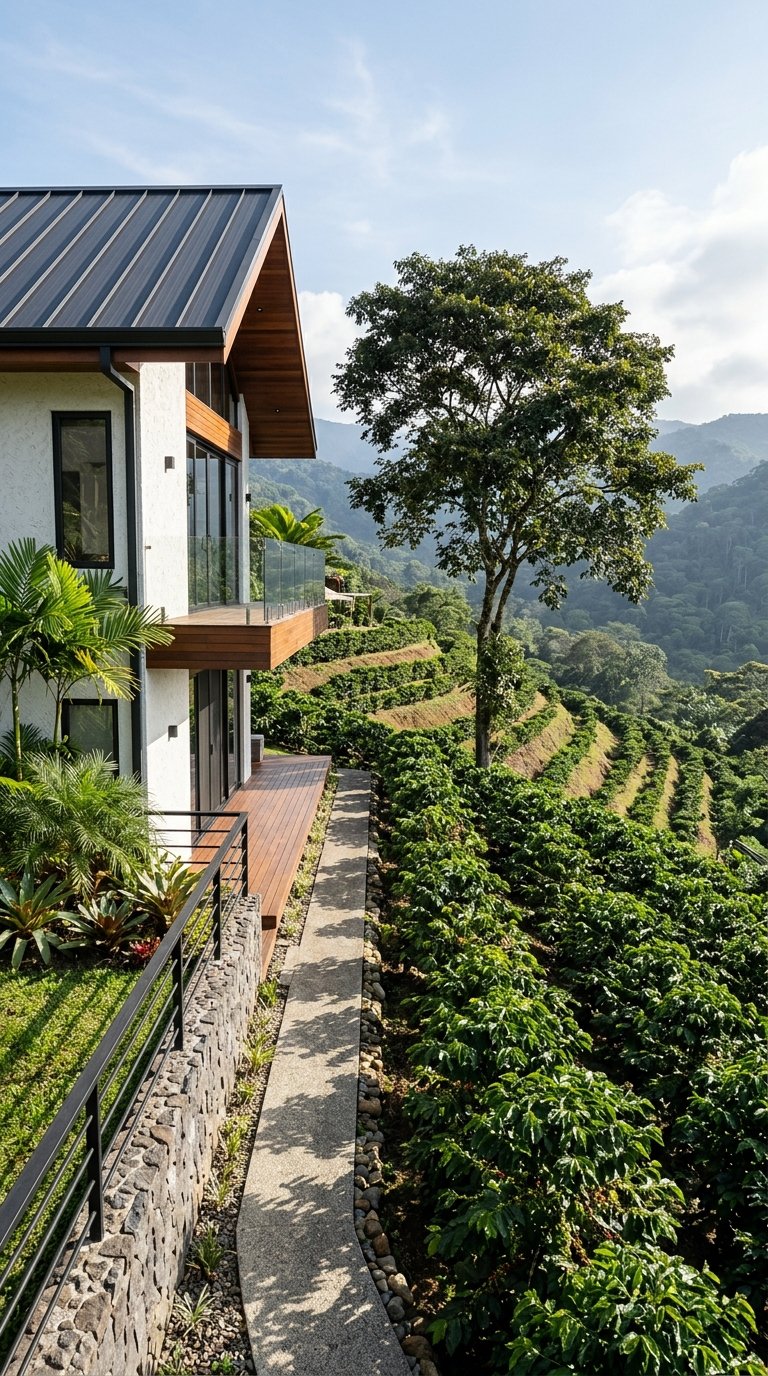
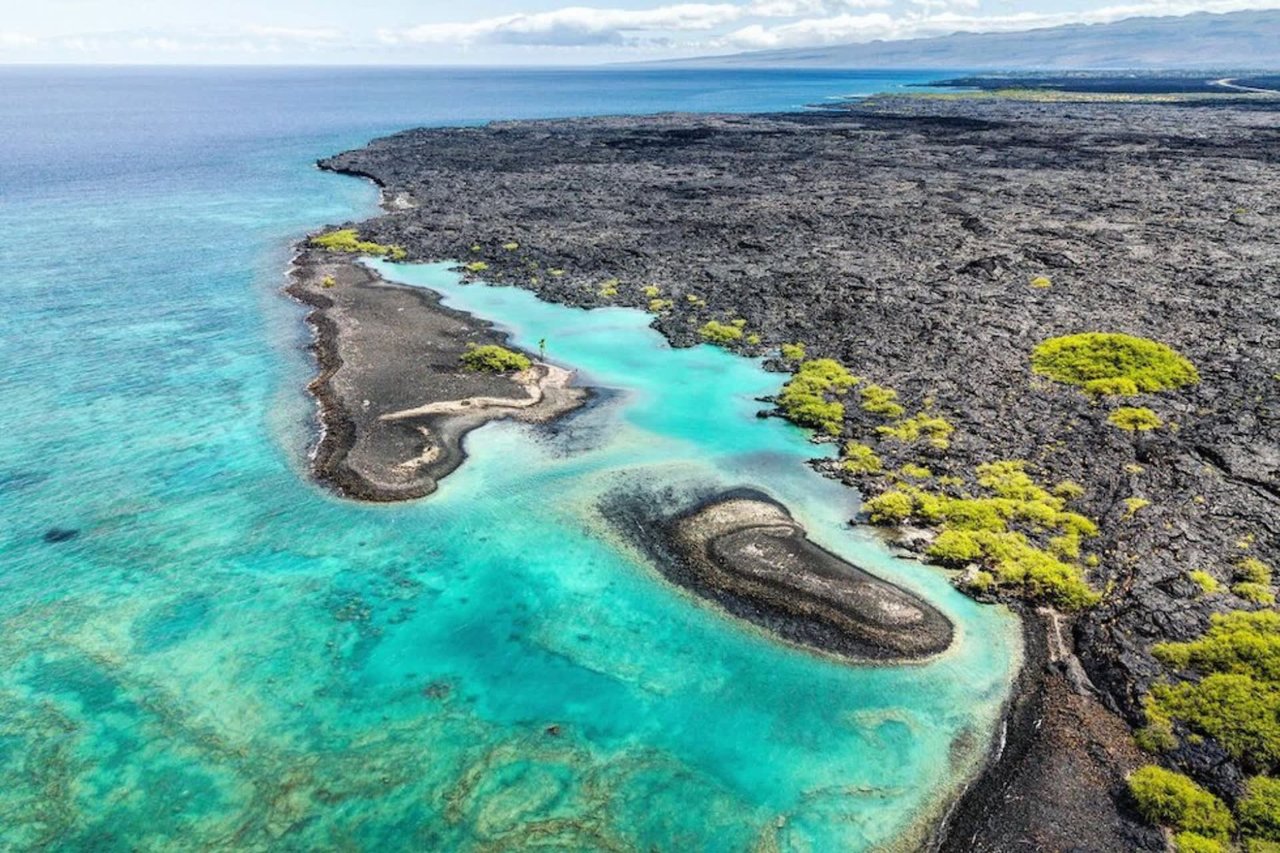
The coffee belt above Kailua-Kona has always sold on lifestyle first, on the misty uplands, the working orchards, the short drive down to Kahaluʻu Bay for an afternoon swim. That part hasn't changed. What's changed is the machinery underneath the price tag, and it's being rebuilt in county chambers while the October 13 deadline sits five weeks out.
If you're comparing a Holualoa coffee farm against other acreage on the island, the smartest question isn't just what the trees produce. It's what tax program the land is currently under, whether that status transfers cleanly, and what you'd be signing up to continue.
I've spent more than two decades working full time in this market, and the properties that hold up best in escrow are the ones where sellers can answer those questions before a buyer has to ask them. If you're looking at coffee country and want someone who can walk the title report with you before you write an offer, I'd welcome the conversation. You can find more on how I work with buyers and sellers across Holualoa and the rest of North Kona at Kristina Vaughn-Hazard, and I'm always happy to schedule a personalized Kona consultation to talk through a specific property.
This article is general information, not legal, tax or financial advice. Consult a qualified professional about your situation.