By Kris Hazard, Kailua-Kona Real Estate Broker
Furnishing a home in Kailua-Kona is very different from furnishing a home anywhere else. Our climate, architecture, and lifestyle on the Kona Coast demand a more intentional approach—one that balances beauty, durability, and a deep respect for the way we live indoors and out.
As a Kailua-Kona real estate broker, I walk through homes every day, from oceanfront estates in Keauhou to hillside retreats above Holualoa. Time and again, I see how the right furniture enhances not just a space, but the entire living experience.
Choosing furniture that truly fits your Kona home isn’t about following trends. It’s about understanding the environment, honoring the architecture, and creating spaces that feel effortless, inviting, and enduring.
Below, I’ll walk you through the key considerations I recommend to homeowners who want their interiors to feel as exceptional as the island itself.
Understand Kona’s Climate First
Kona’s warm temperatures, ocean breezes, and salt air shape everything—from how homes are built to how furniture performs over time. One of the most common mistakes I see is importing furniture designed for cooler, drier climates.
Humidity and salt can be hard on certain materials. Solid hardwoods that aren’t properly sealed may warp. Metal finishes can corrode if they aren’t marine-grade. Upholstery fabrics not designed for moisture can fade or mildew.
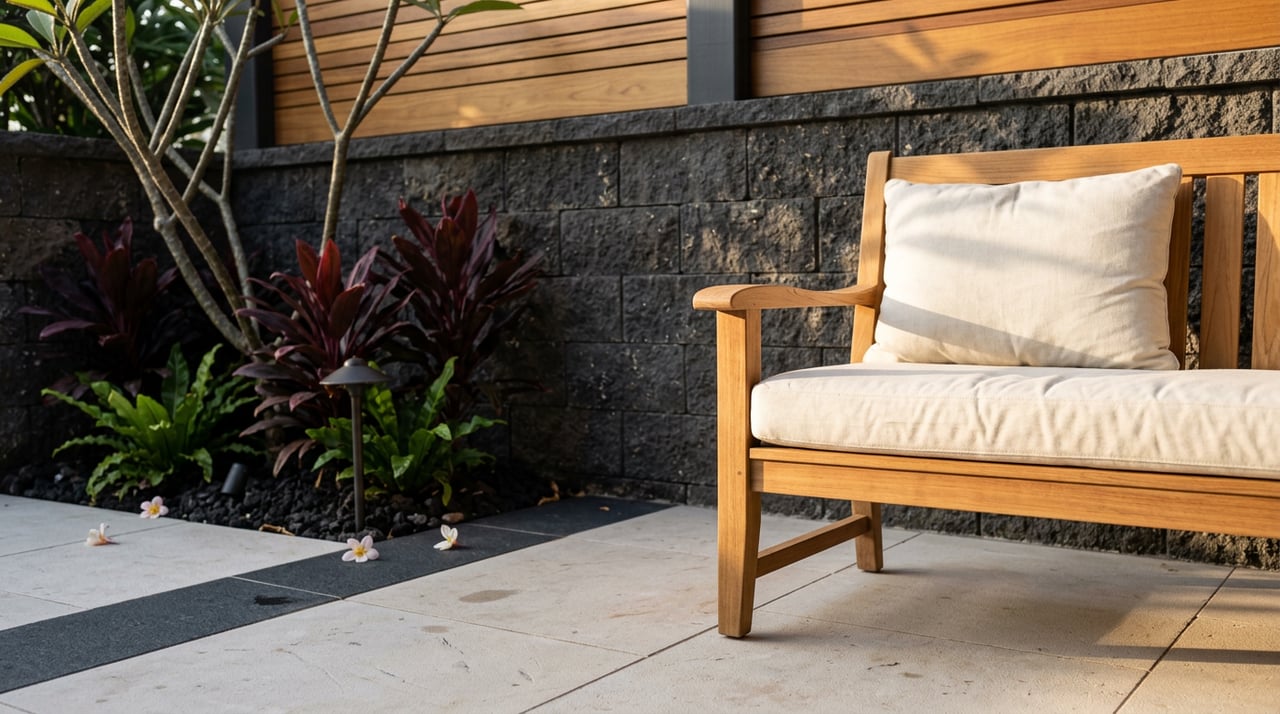
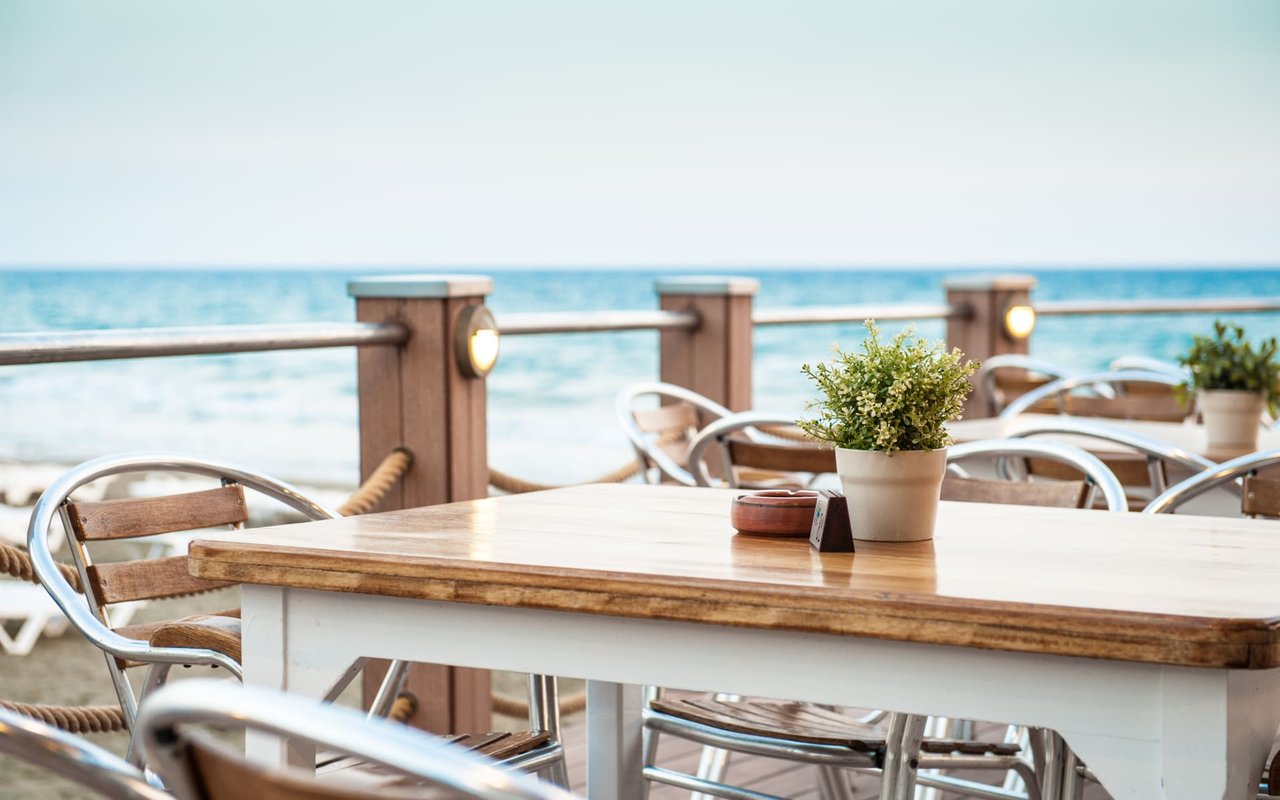
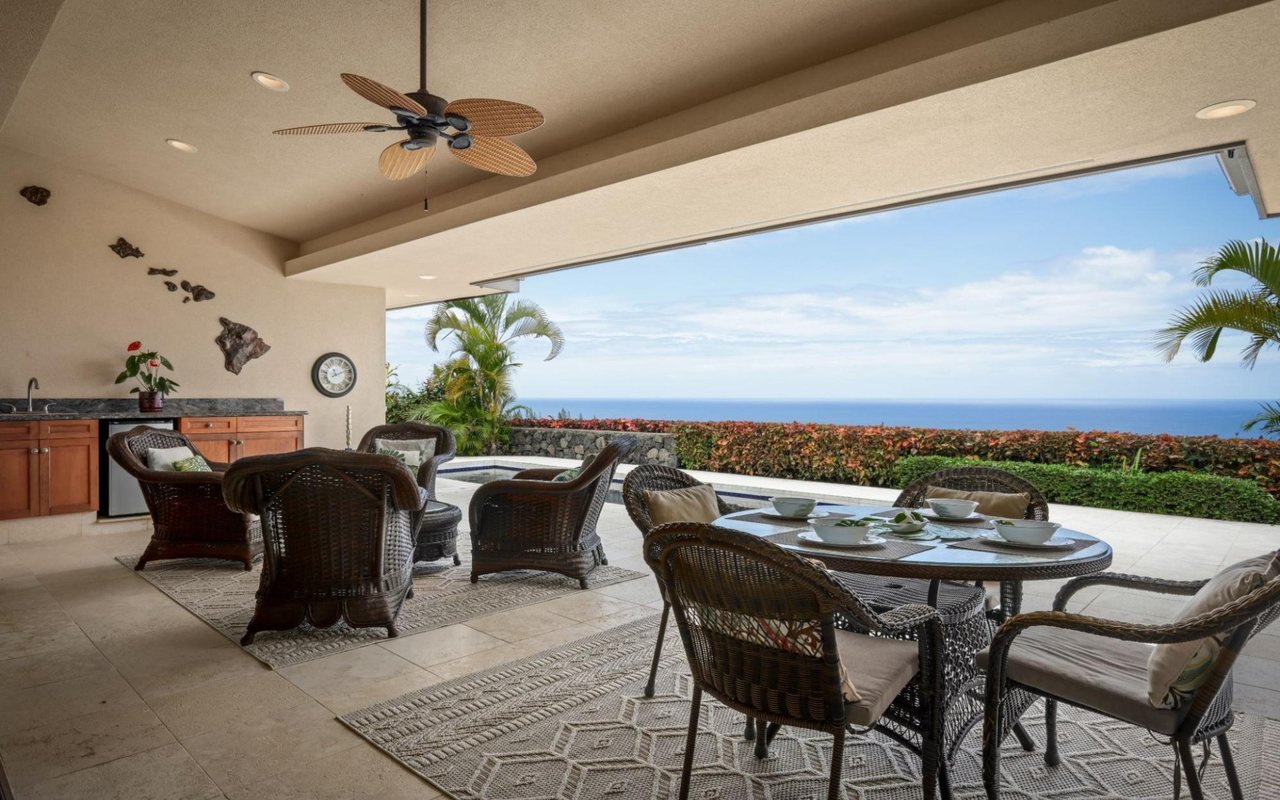
I encourage Kona homeowners to look for furniture made with climate resilience in mind. Teak, powder-coated aluminum, high-quality rattan, performance fabrics, and sealed woods hold up beautifully here. These materials don’t just last longer; they maintain their elegance without requiring constant upkeep.
Let Indoor-Outdoor Living Guide Your Choices
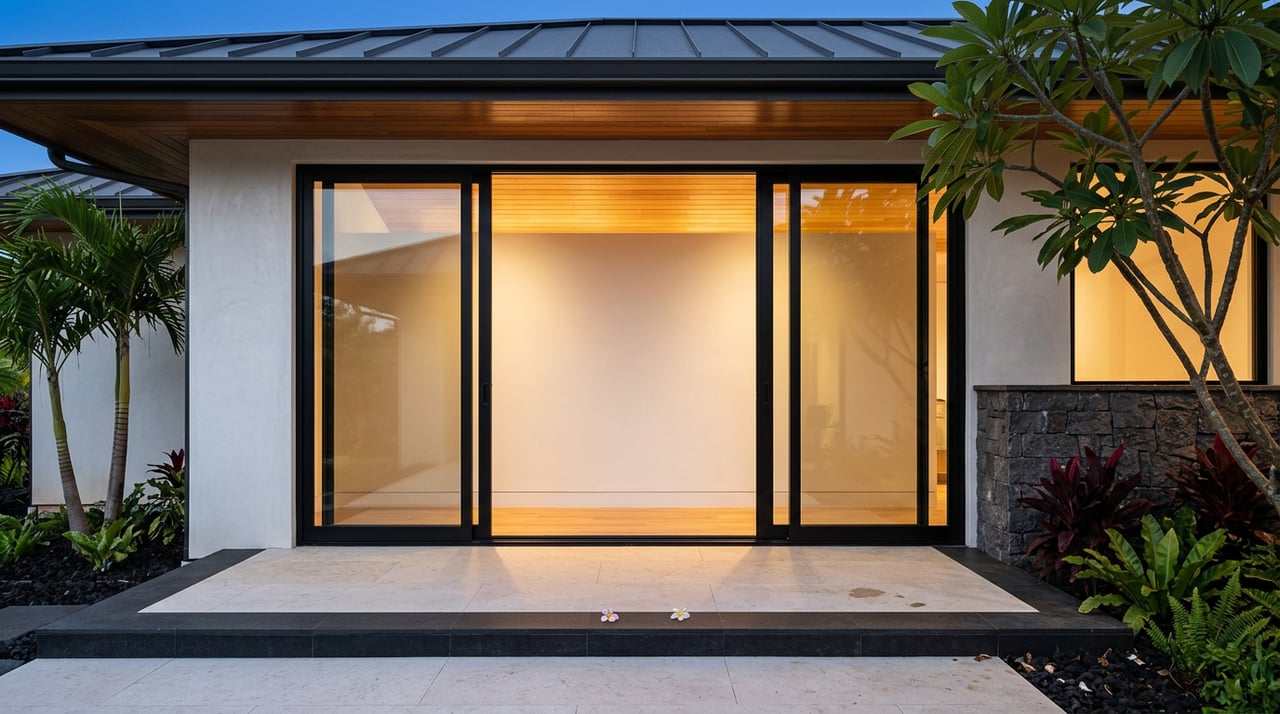
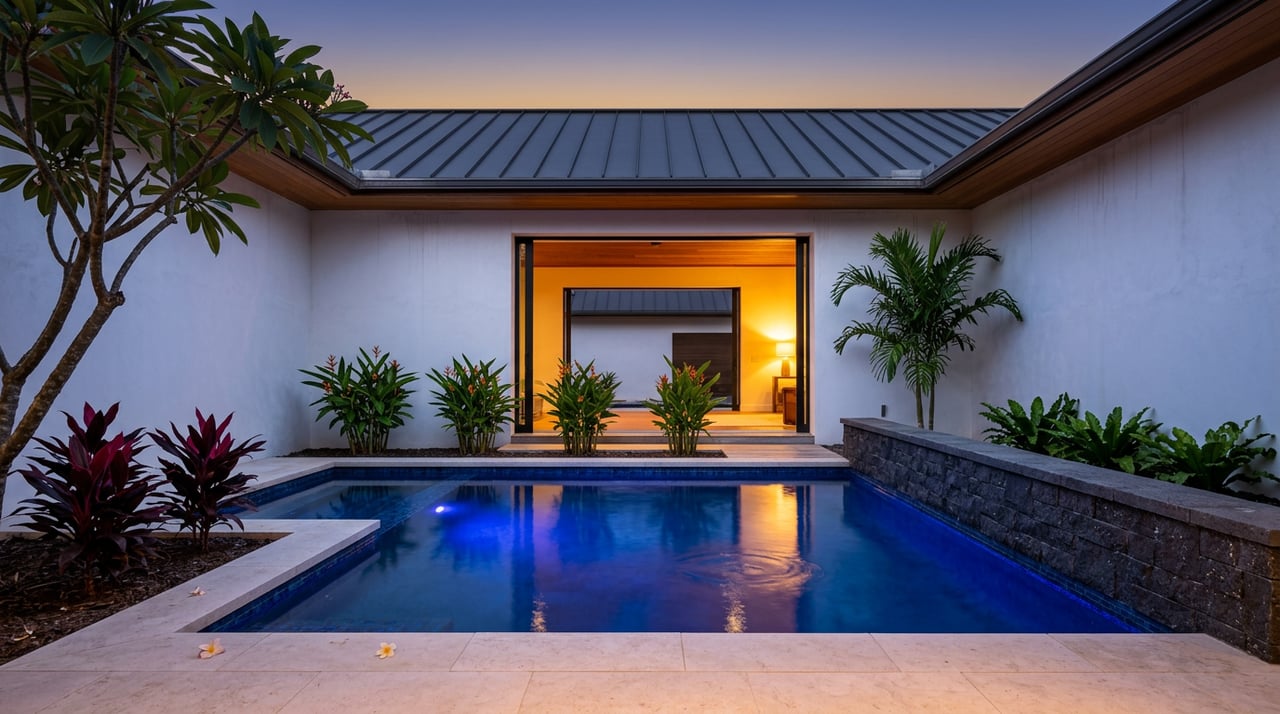
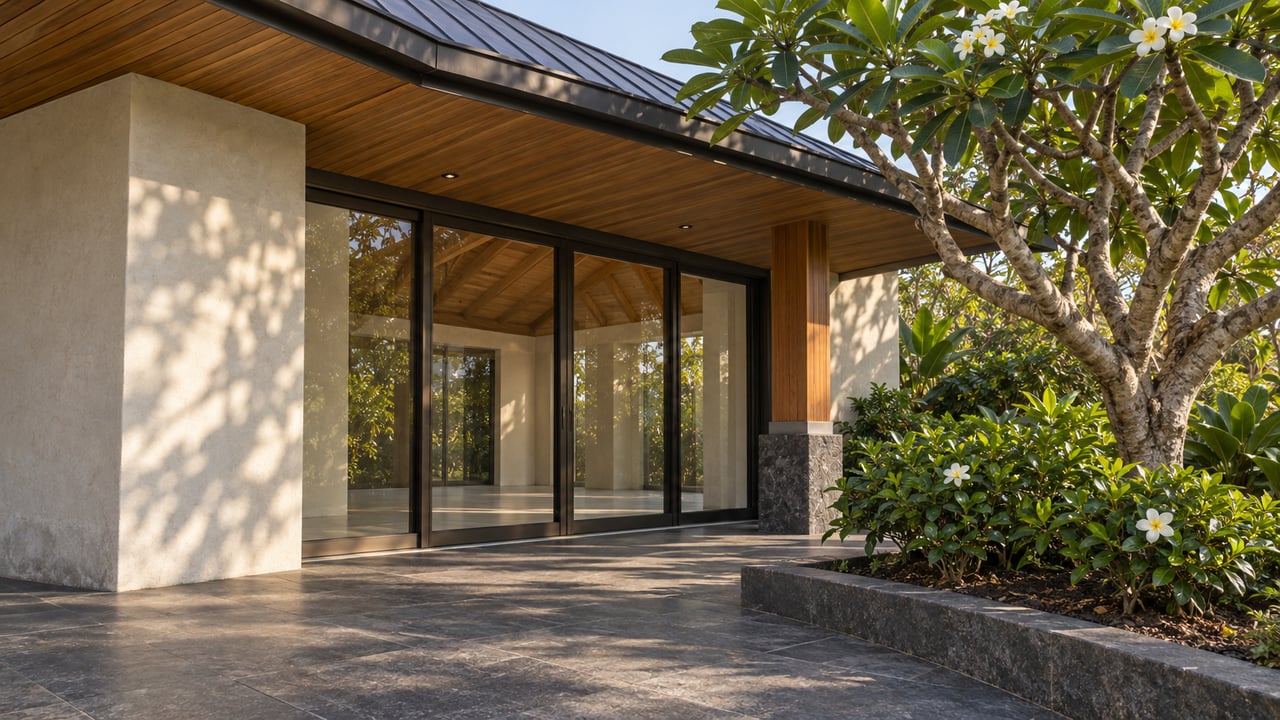
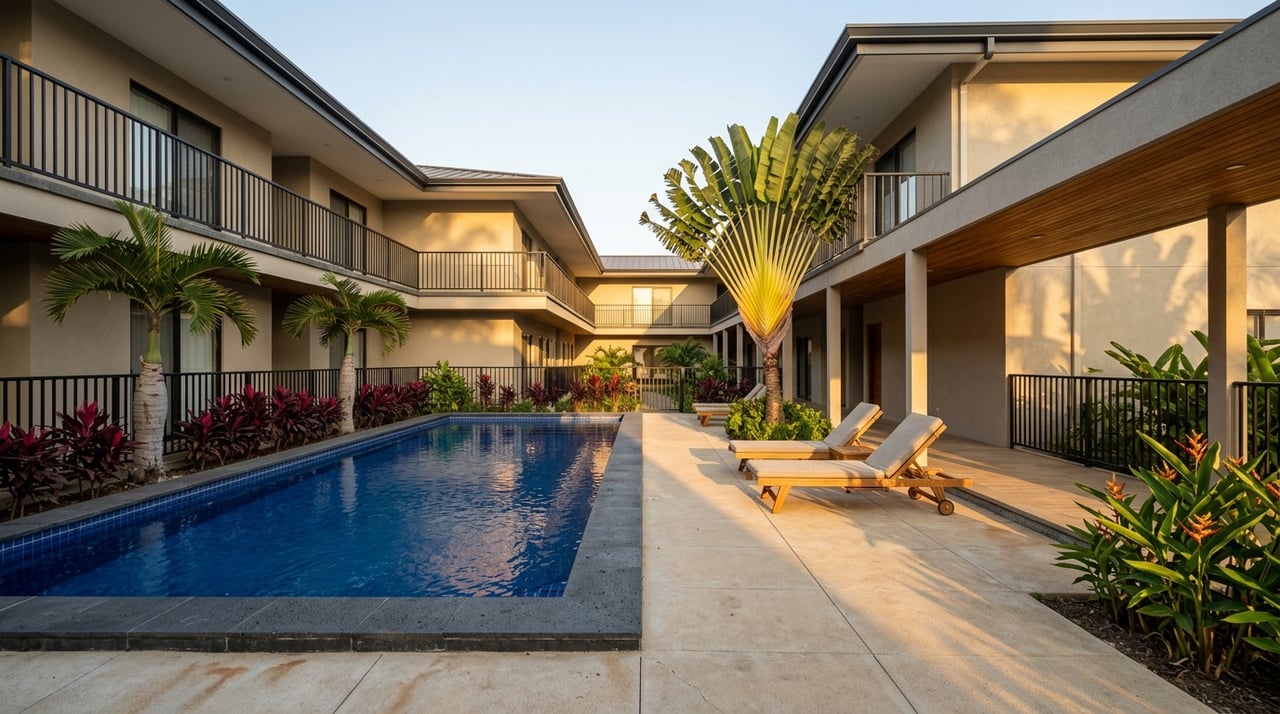
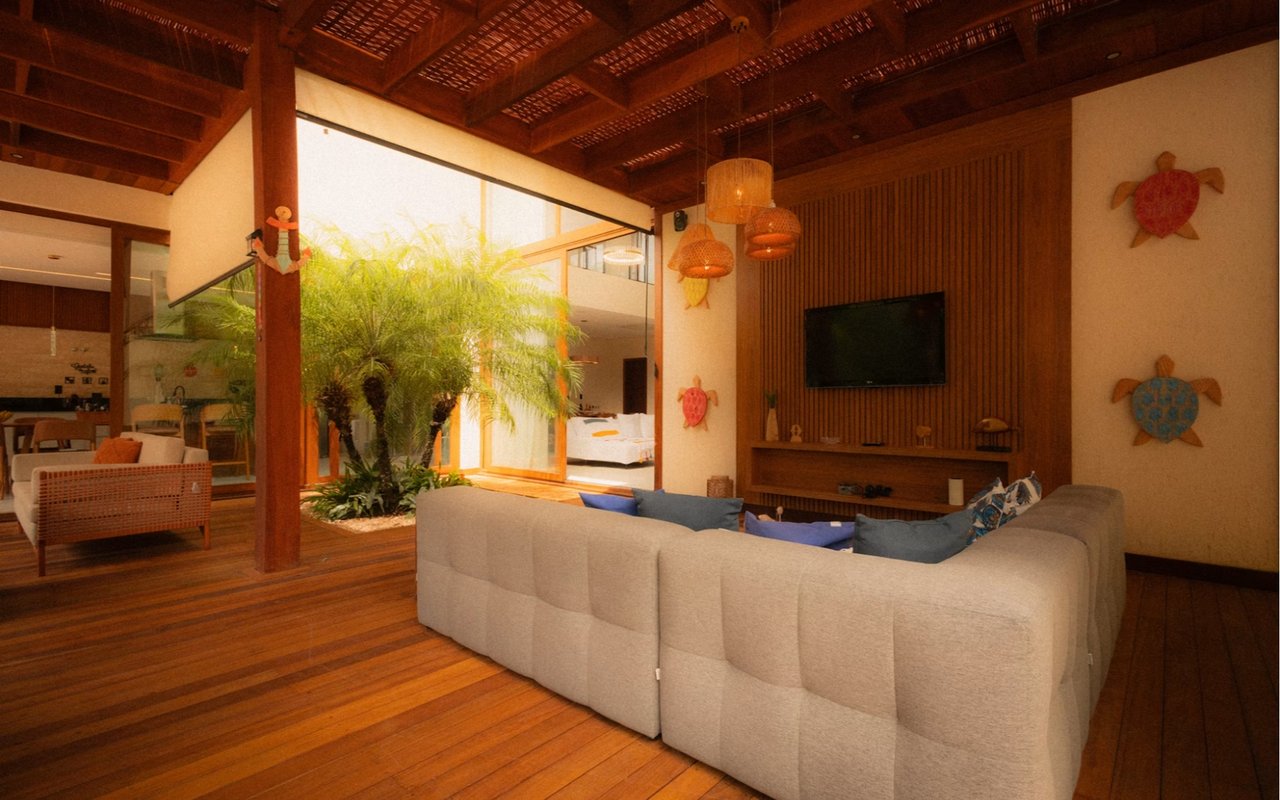
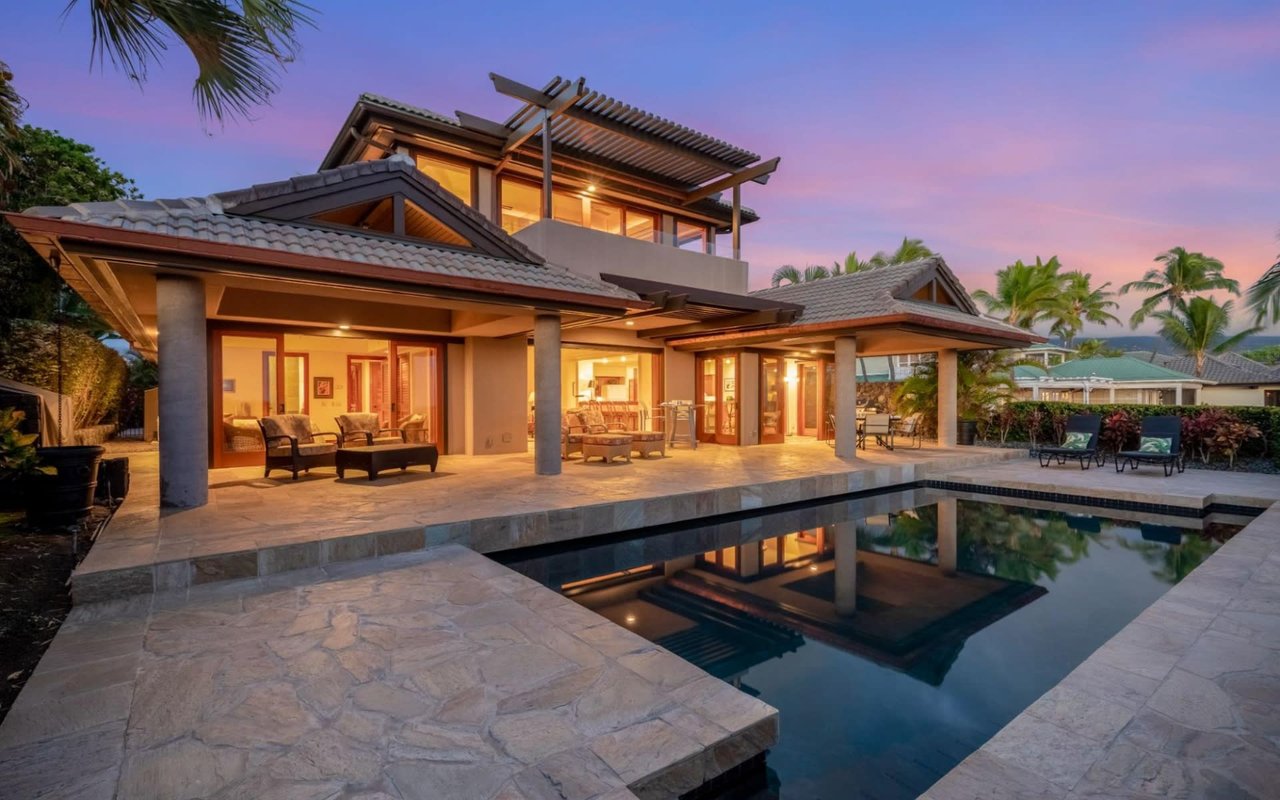
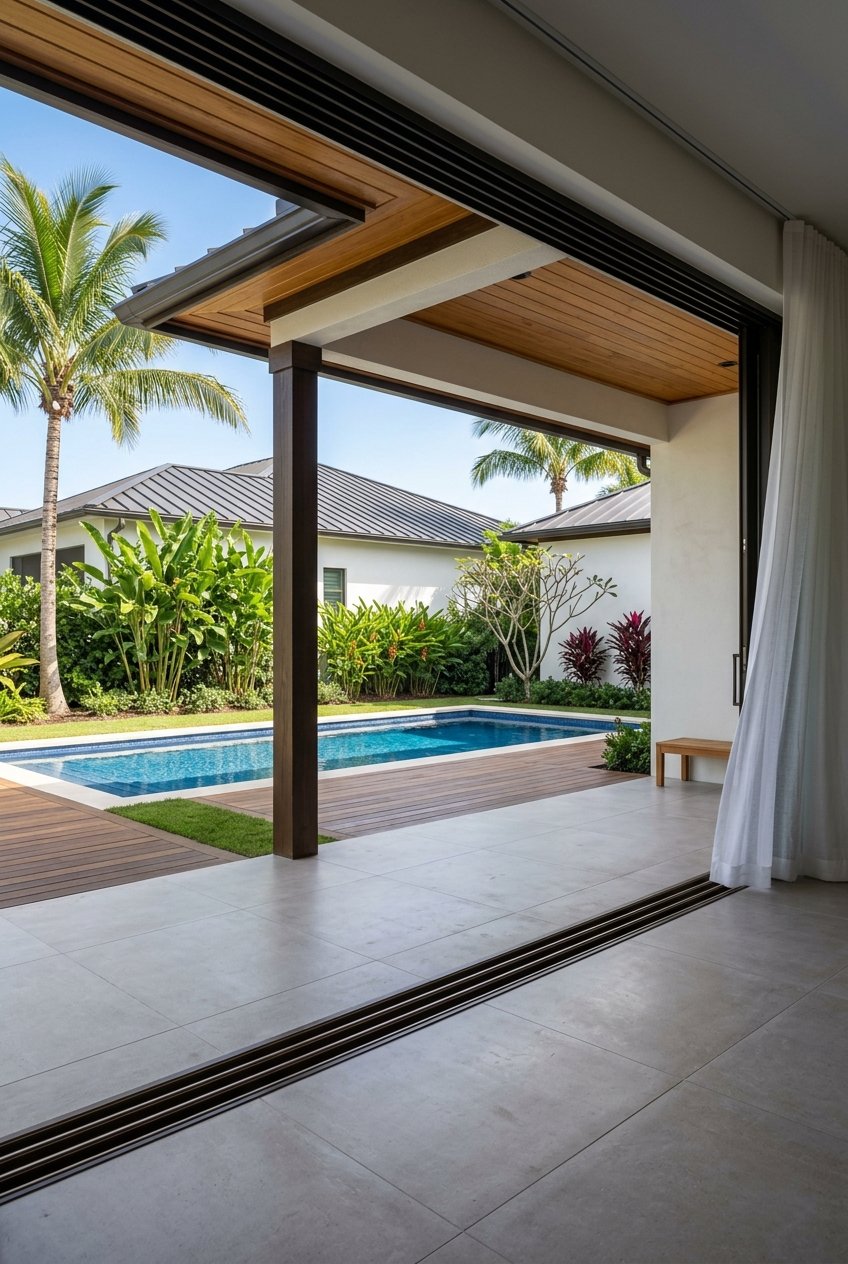
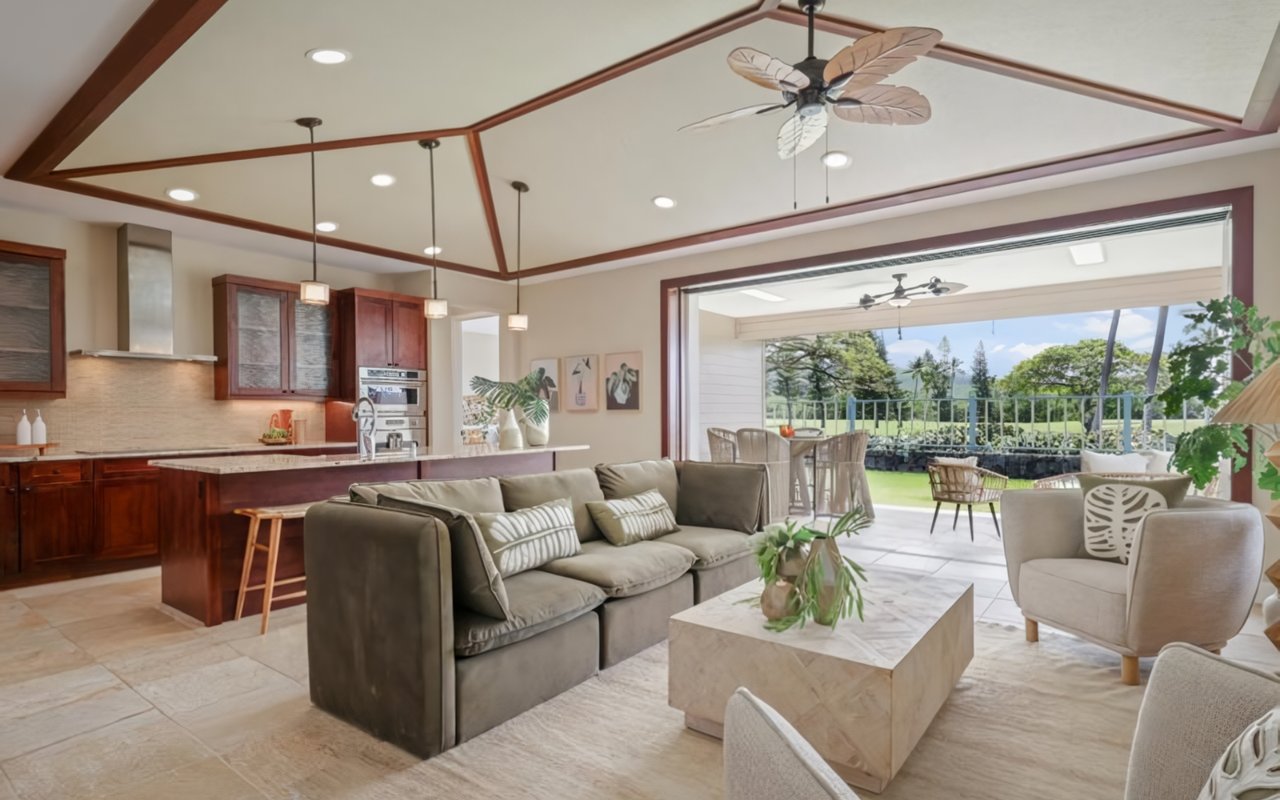
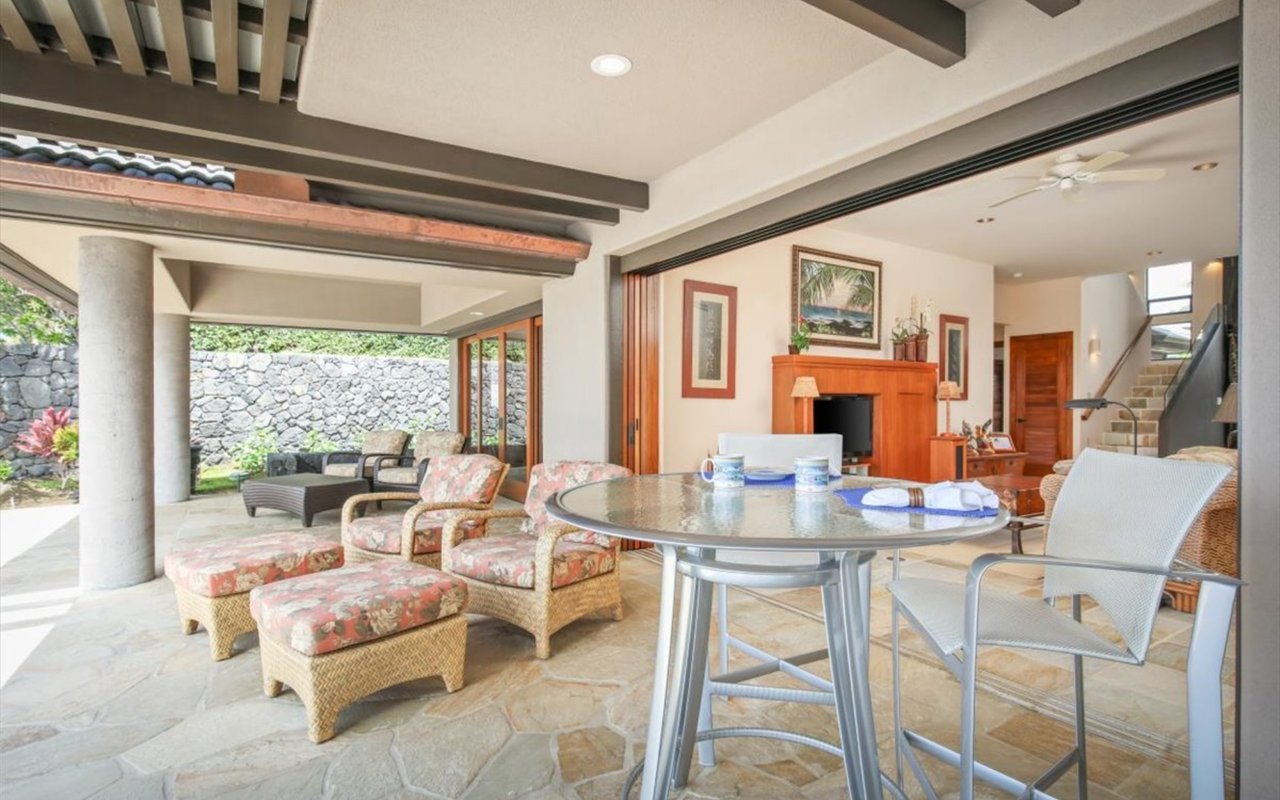
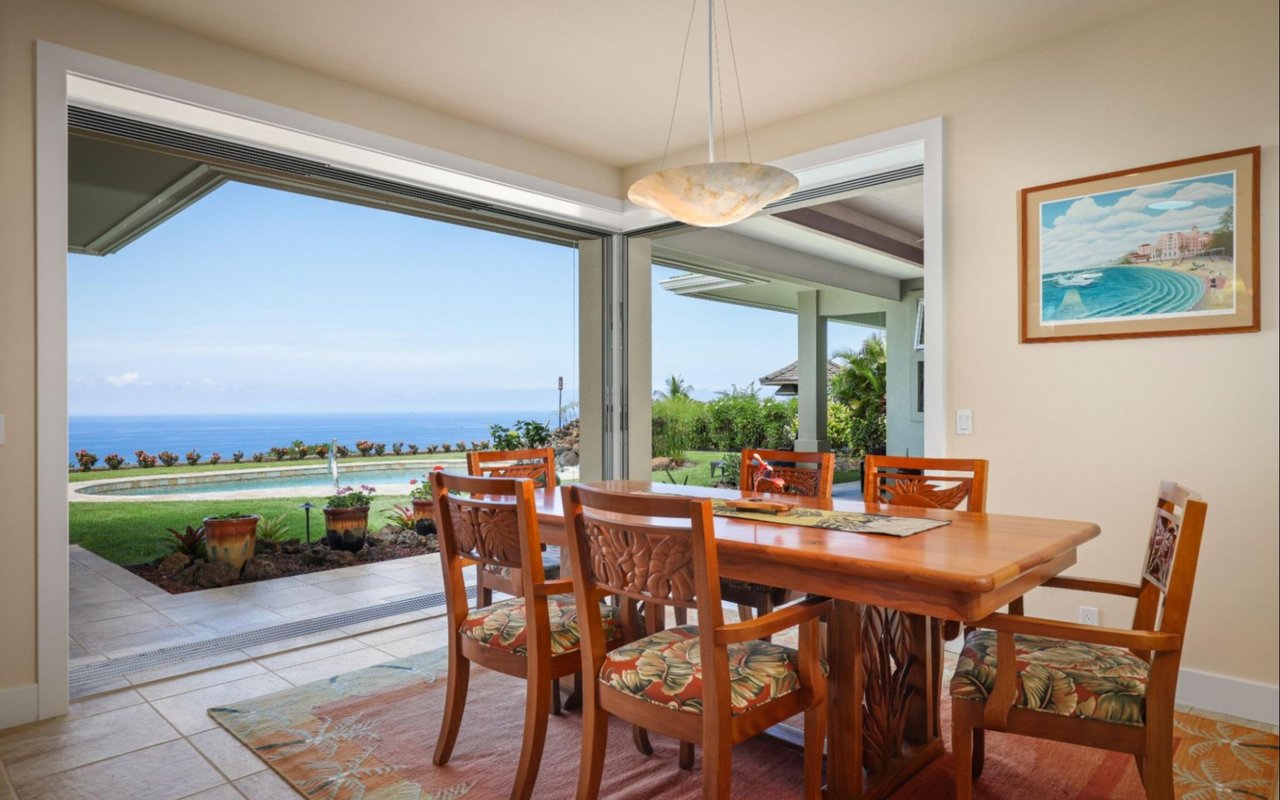
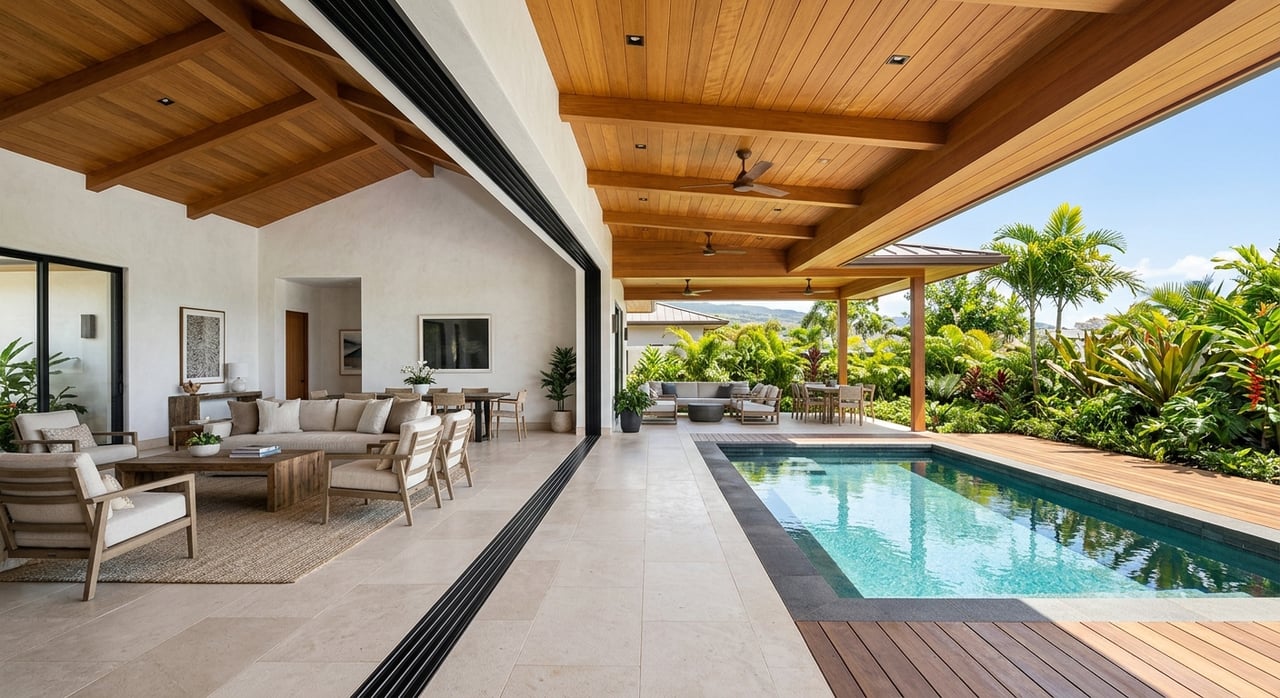
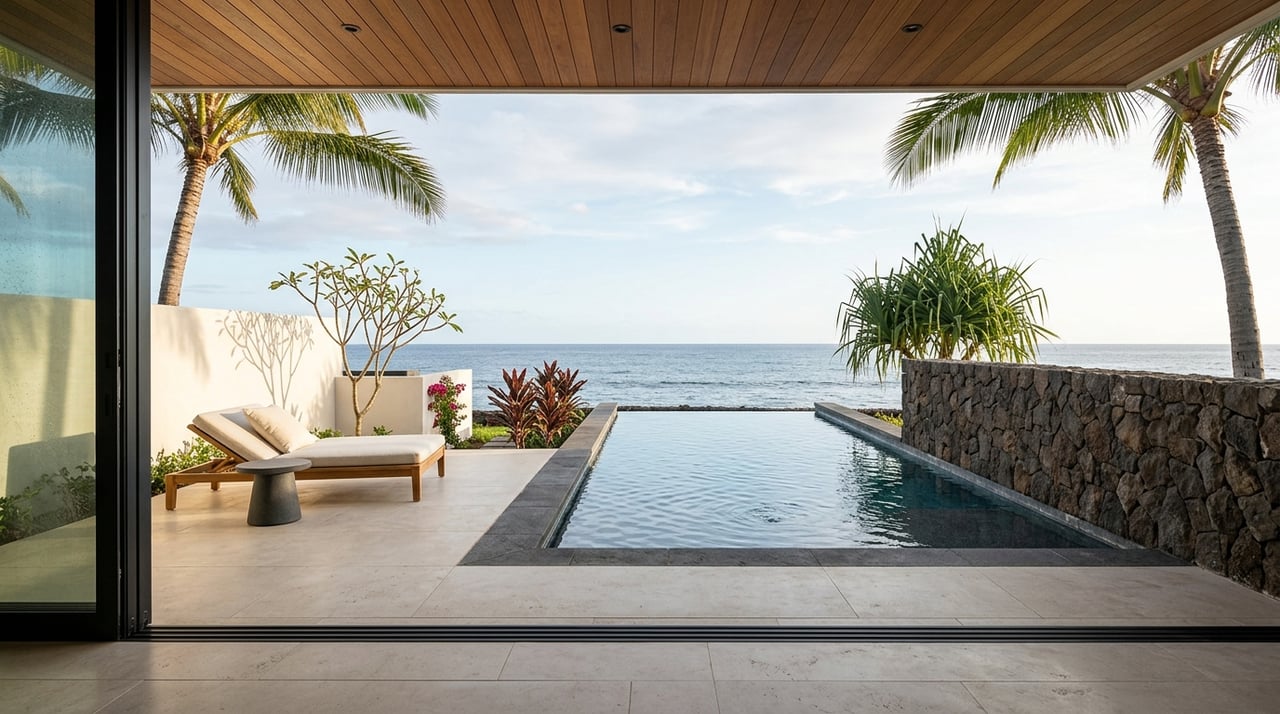
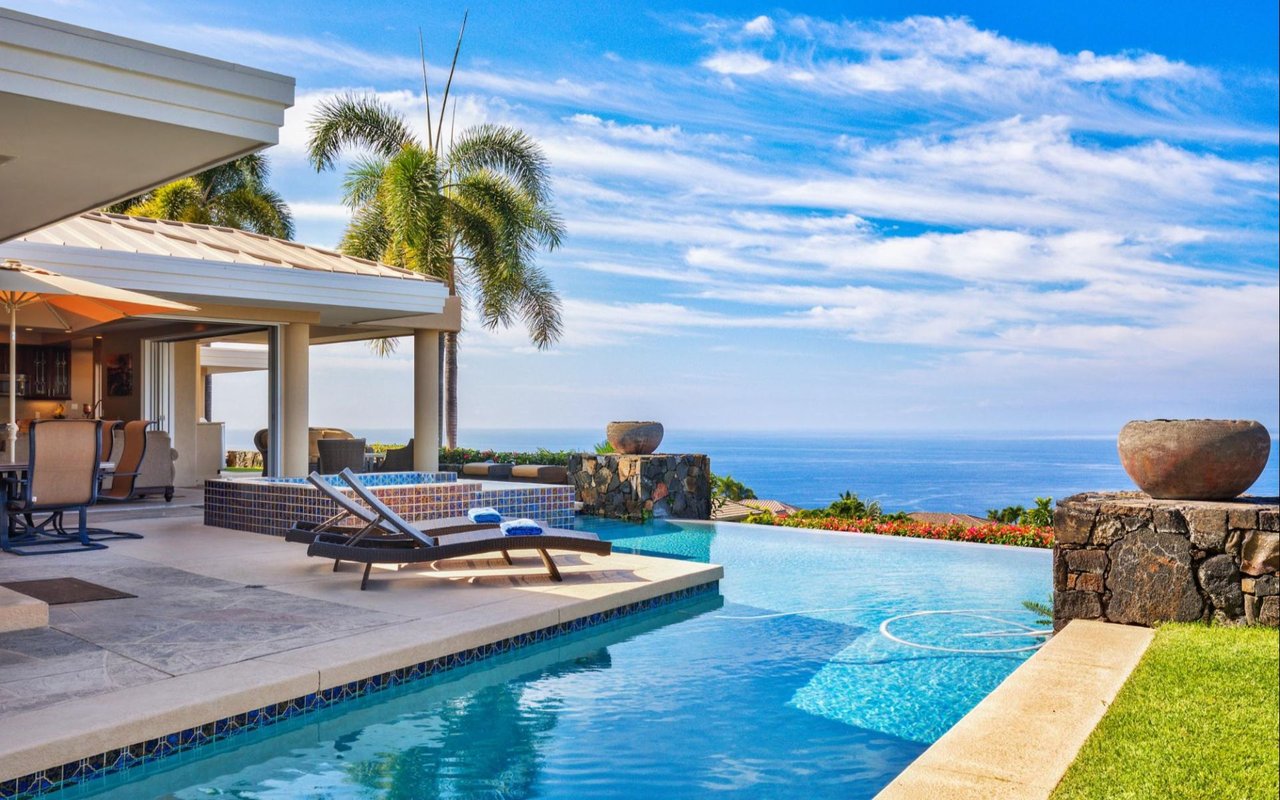
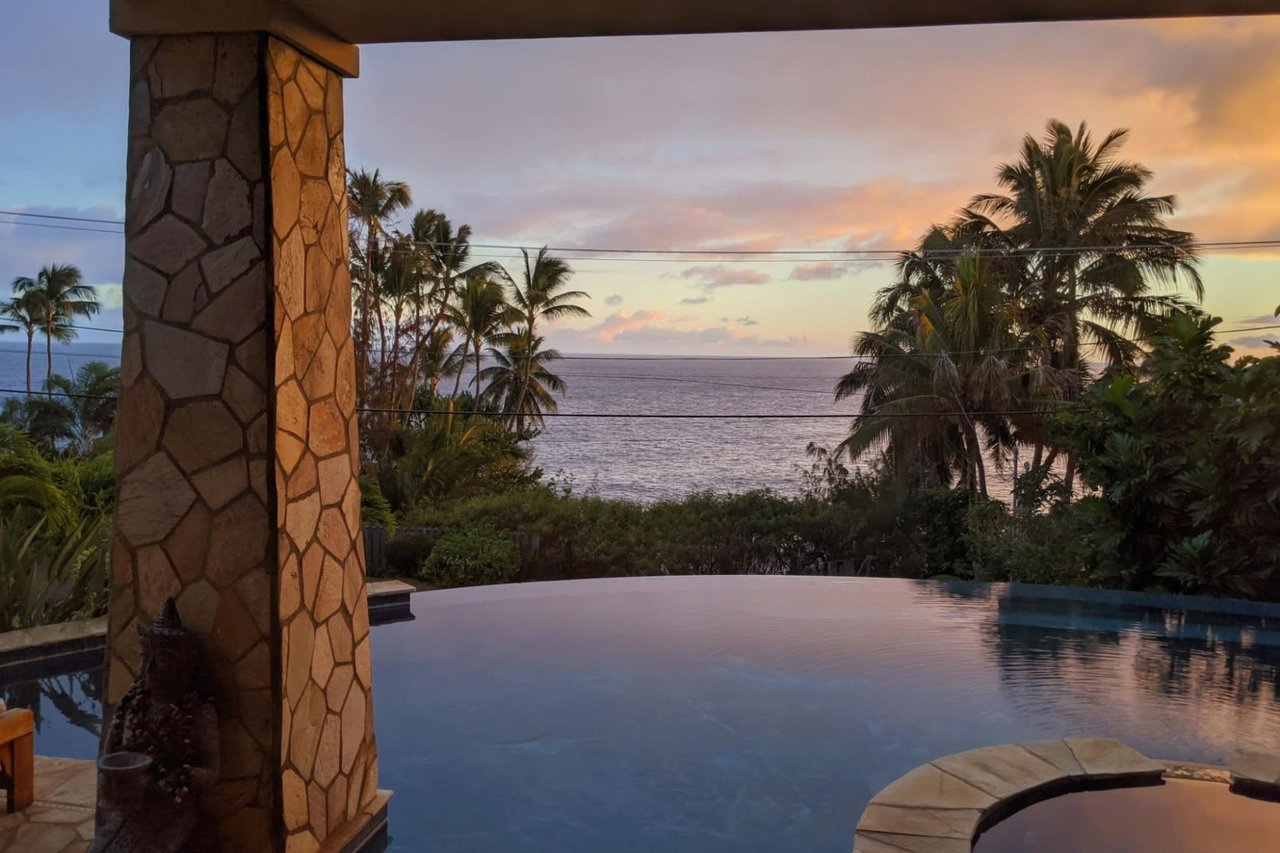
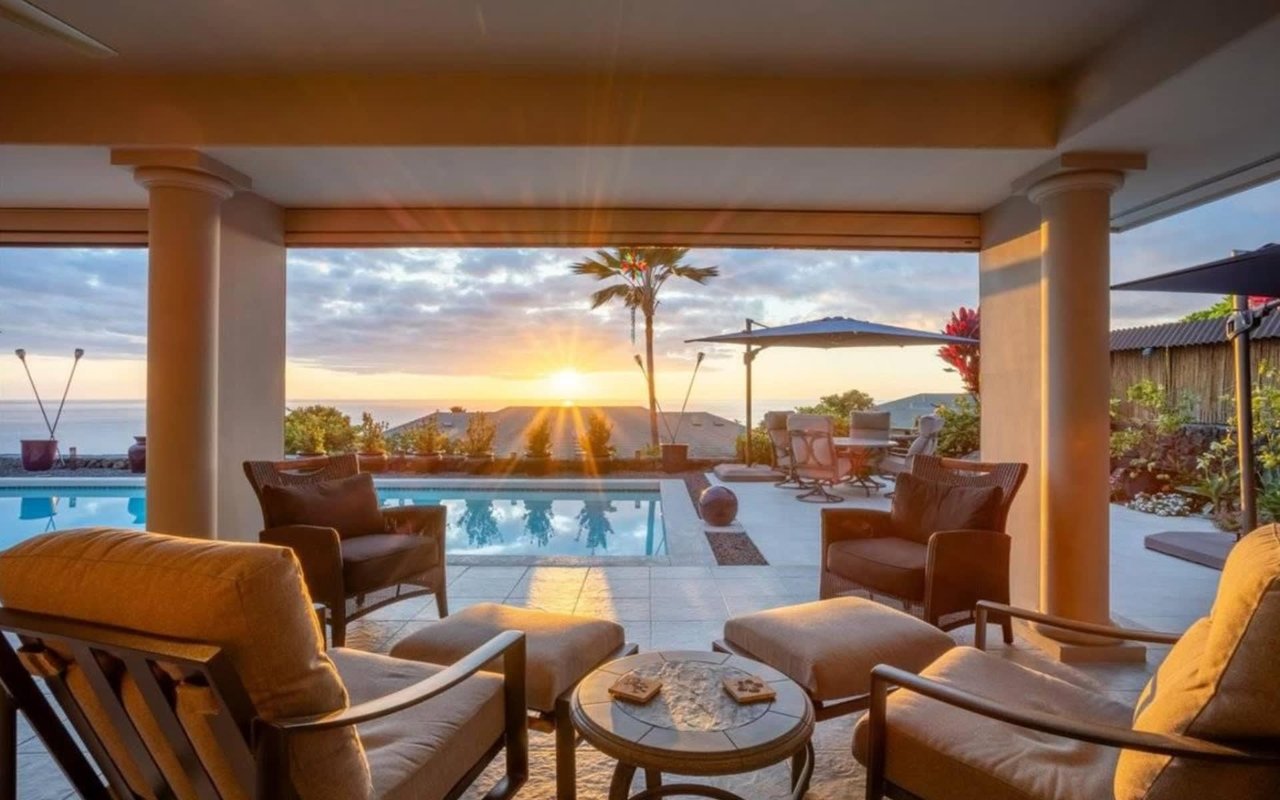
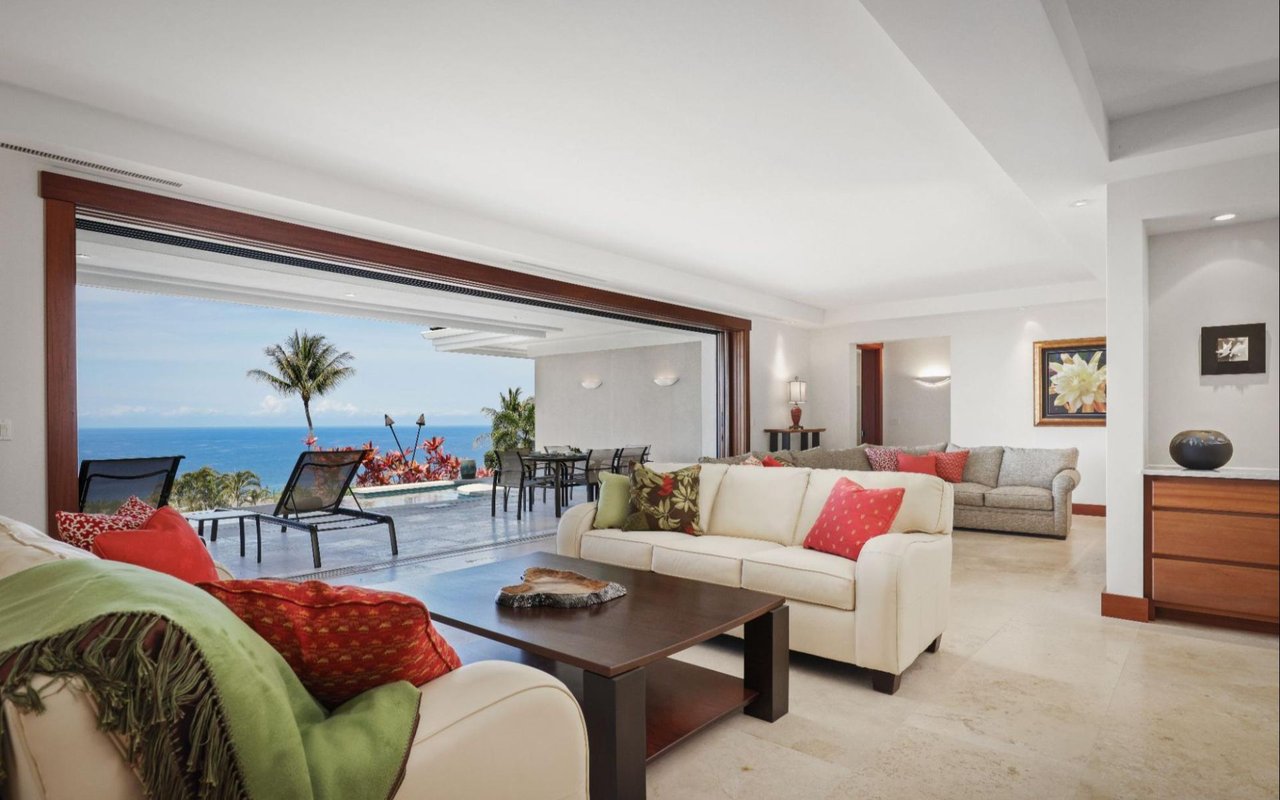
Life in Kailua-Kona naturally flows between indoors and outdoors. Sliding pocket doors, expansive lanais, and open-concept great rooms are staples of Kona architecture, whether you’re in Kukio, Kona Highlands, or a custom home overlooking Keauhou Bay.
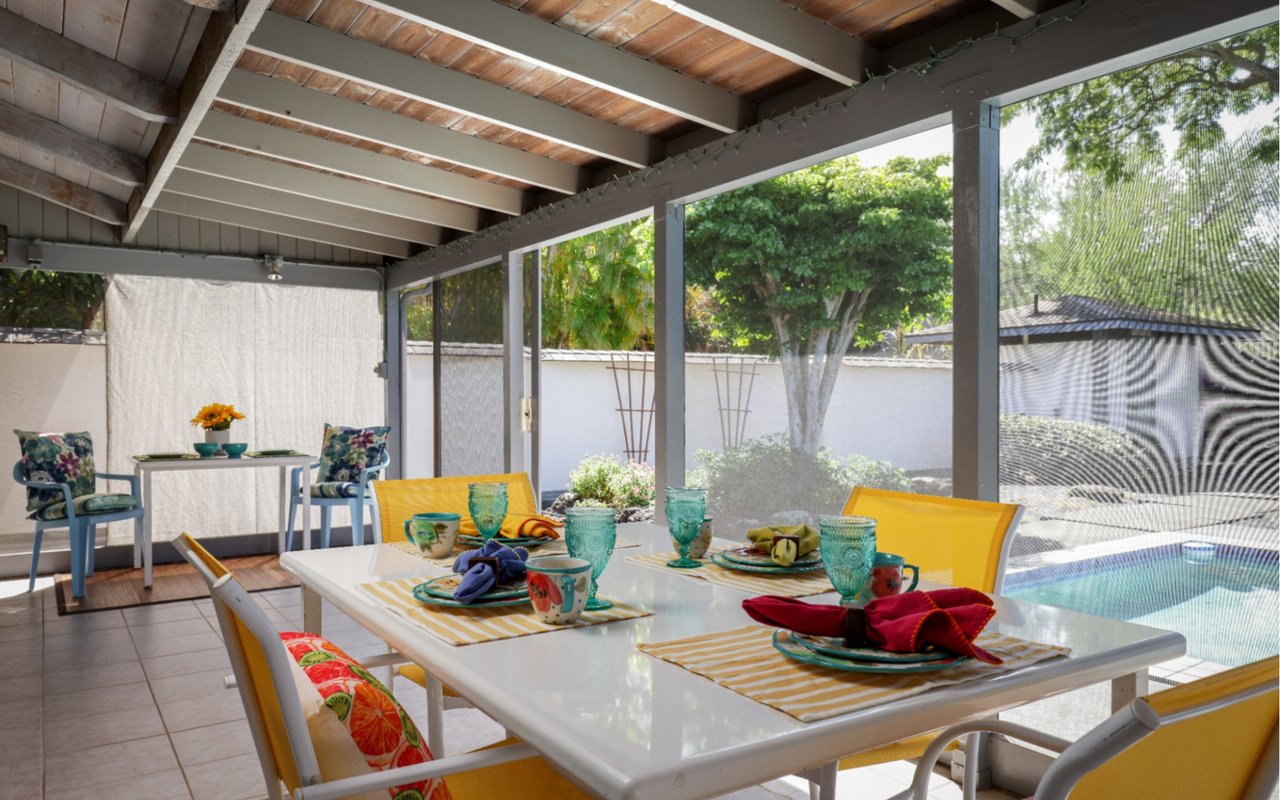
Furniture should support that flow. Pieces that are easy to move, visually light, and adaptable create continuity between spaces. I often suggest coordinating indoor seating with lanai furniture so the transition feels seamless rather than segmented.
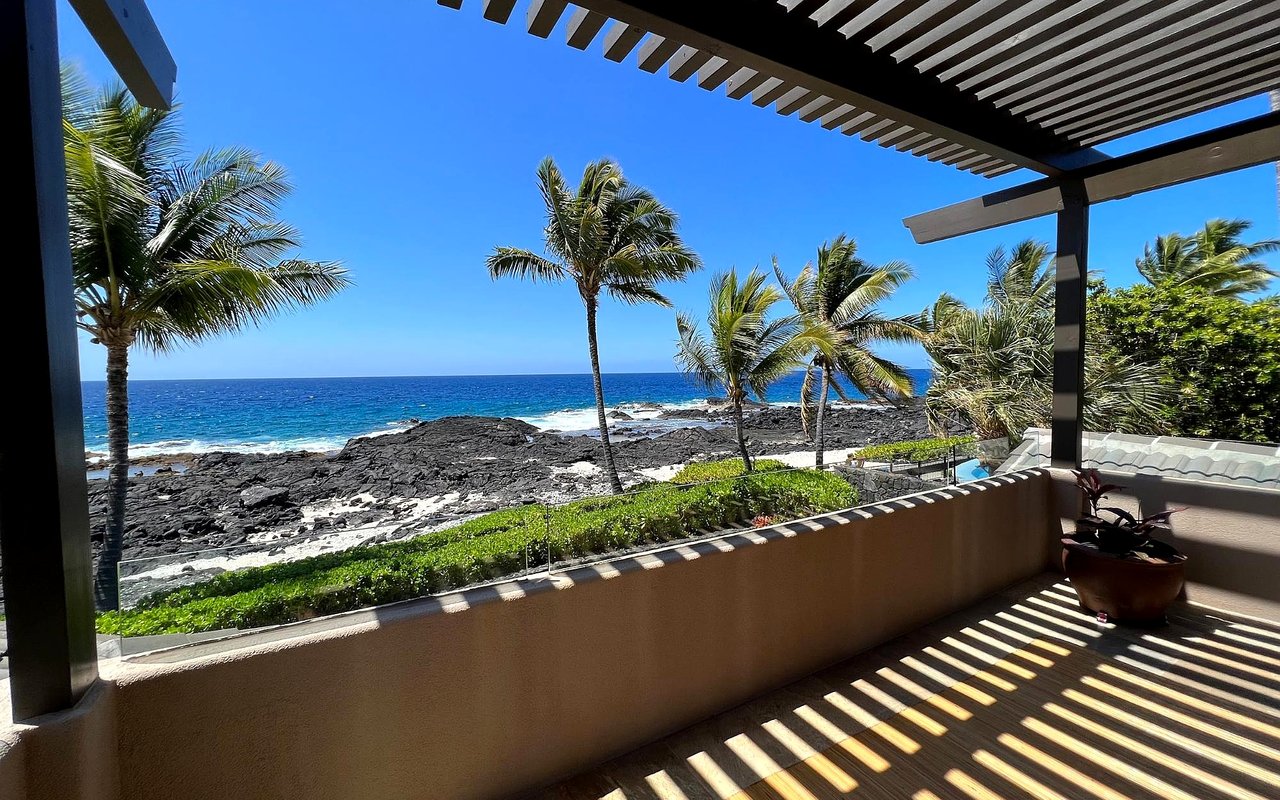
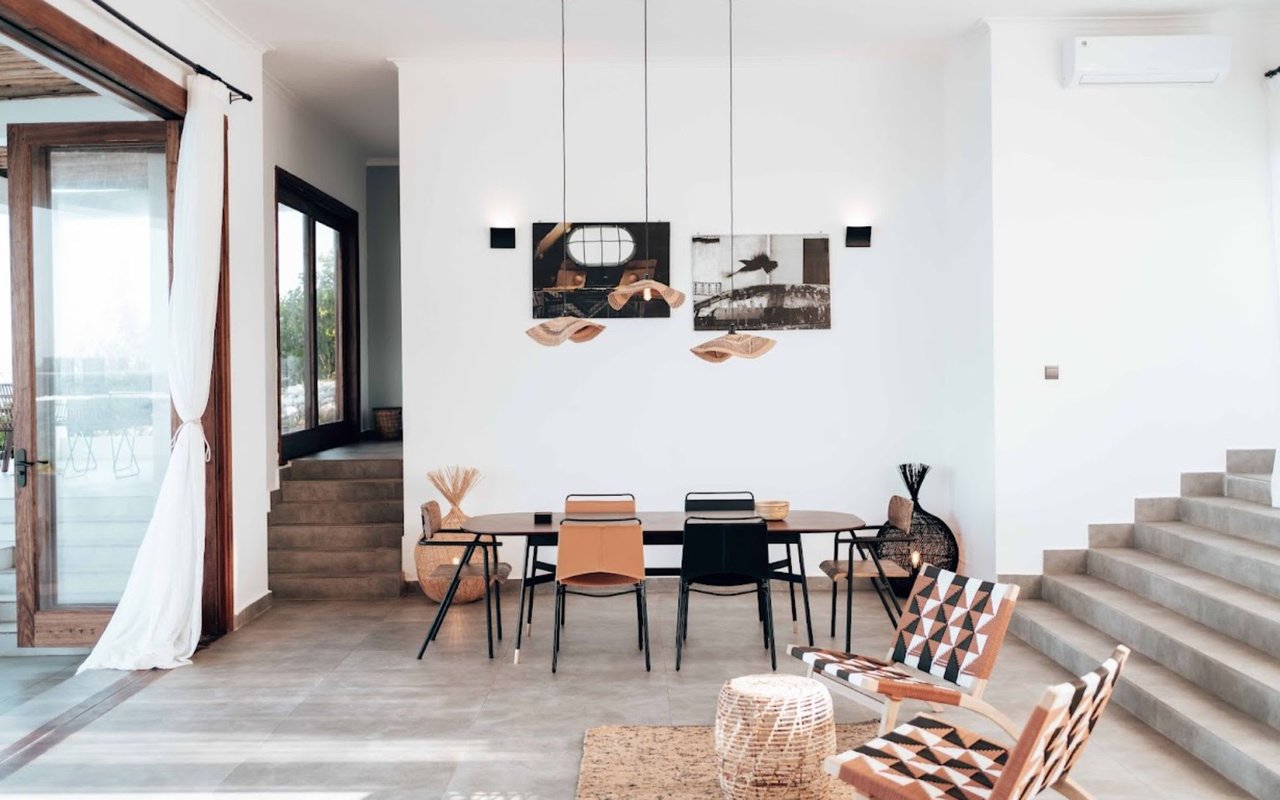
Low-profile sofas, open-leg dining chairs, and natural textures help maintain sightlines to the ocean, mountains, or sunset skies. In Kona, the view is part of the design, and furniture should never compete with it.
Honor the Architecture of Your Home
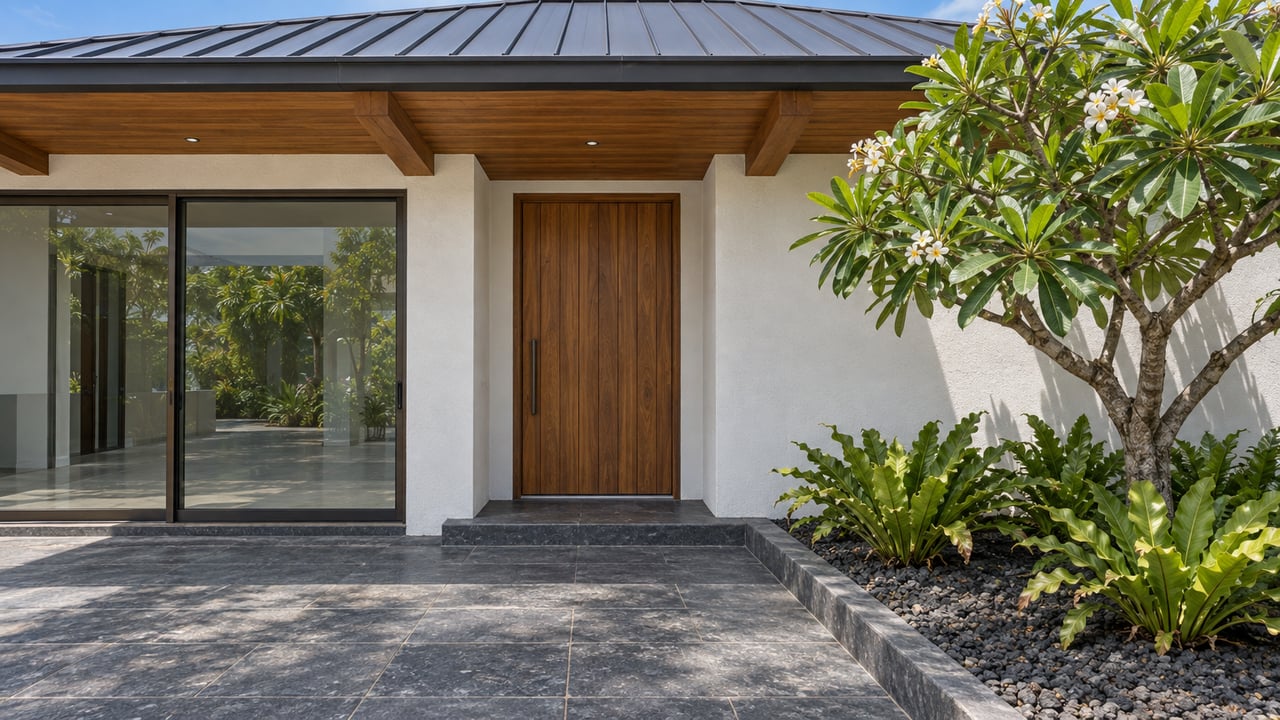
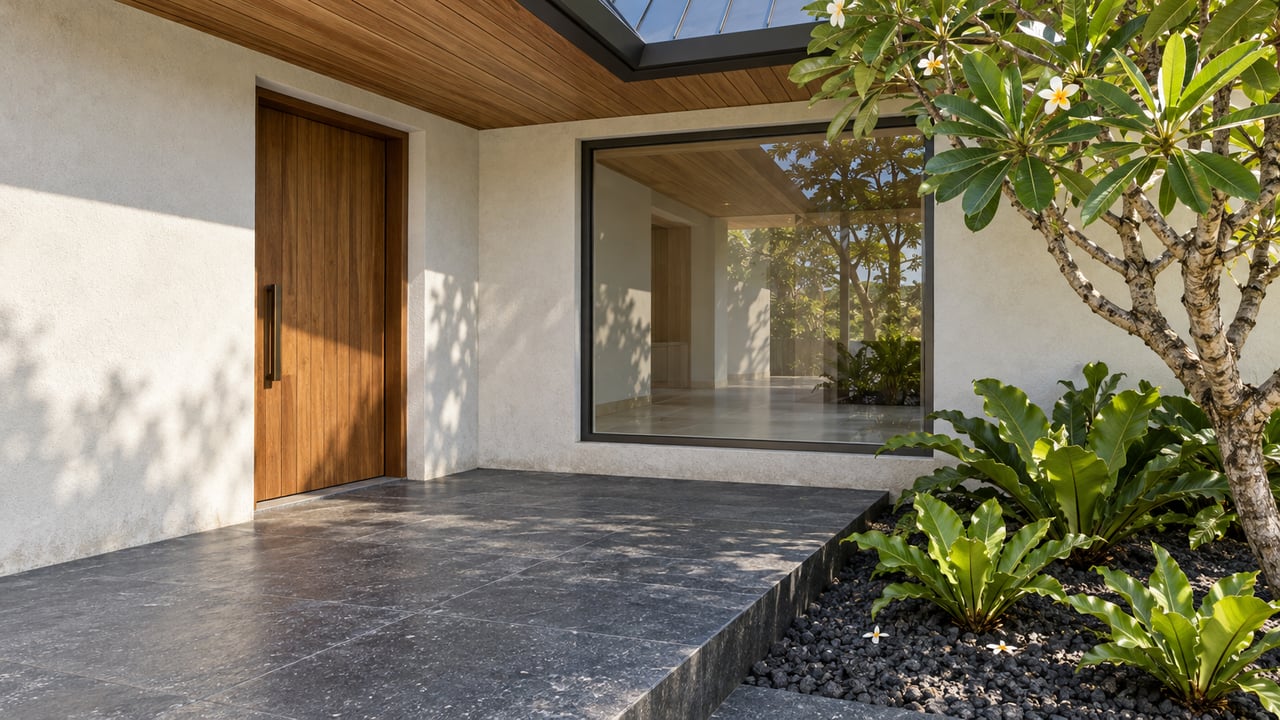
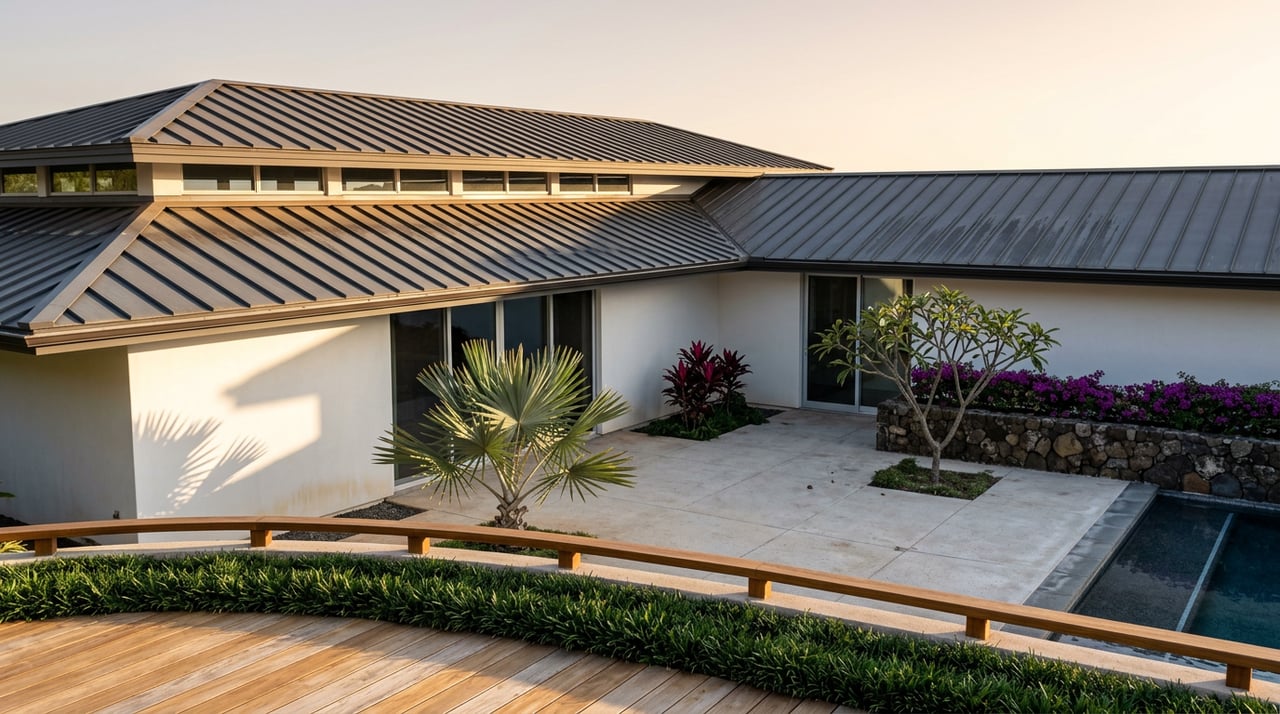
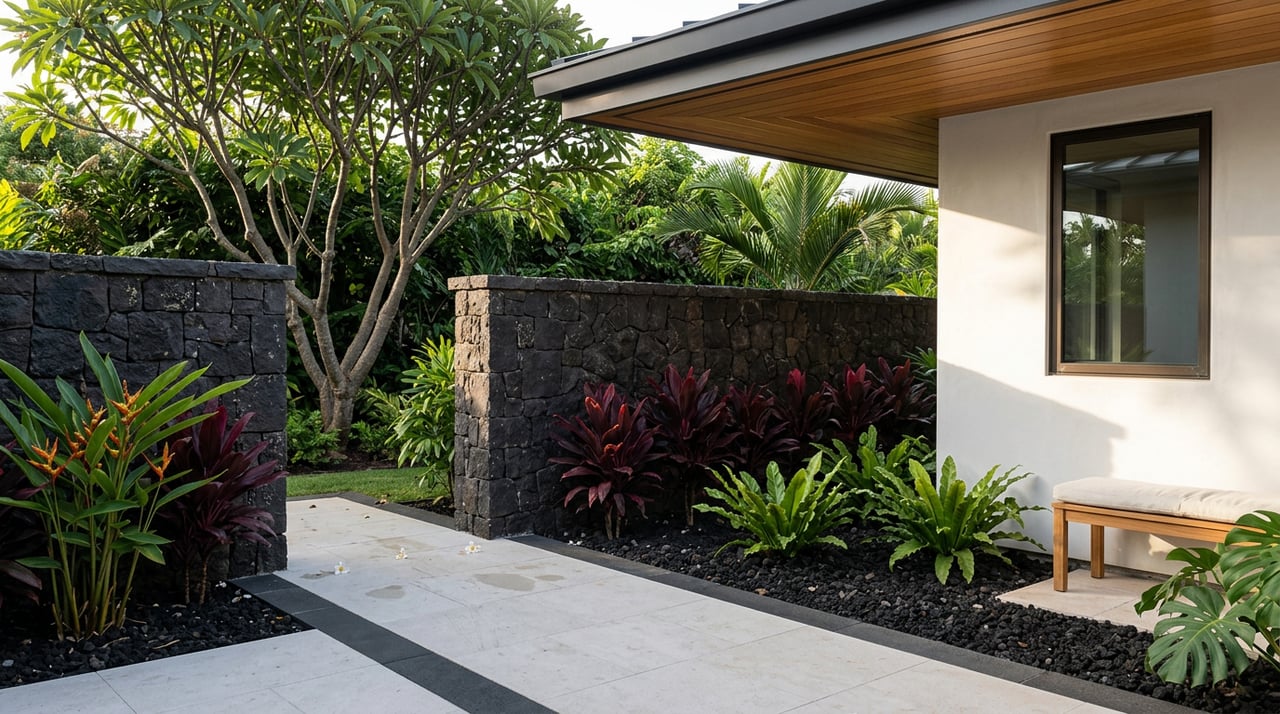
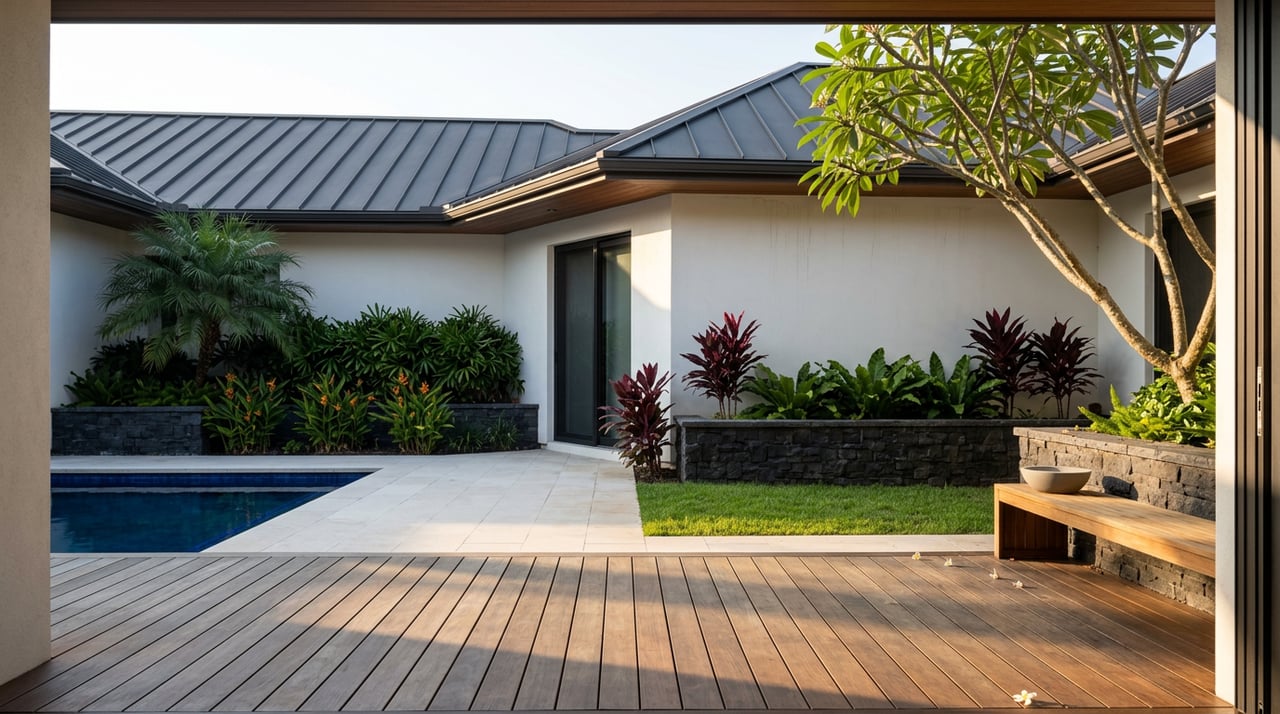
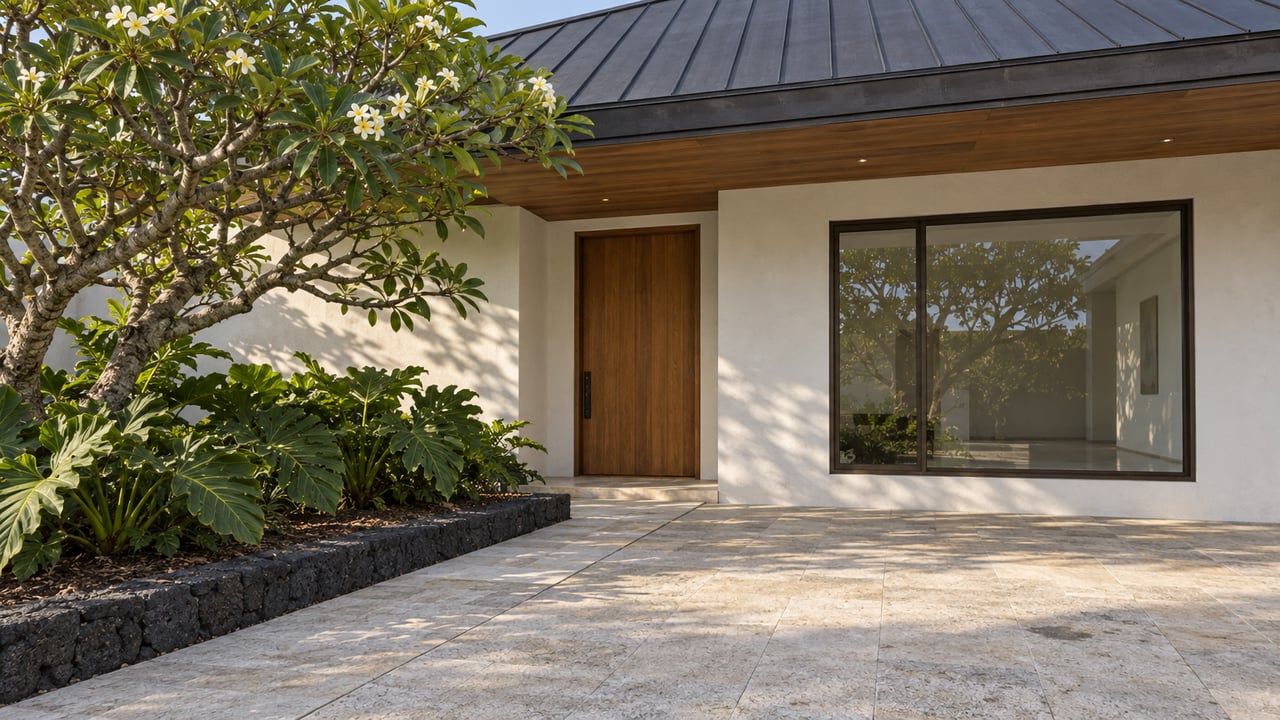
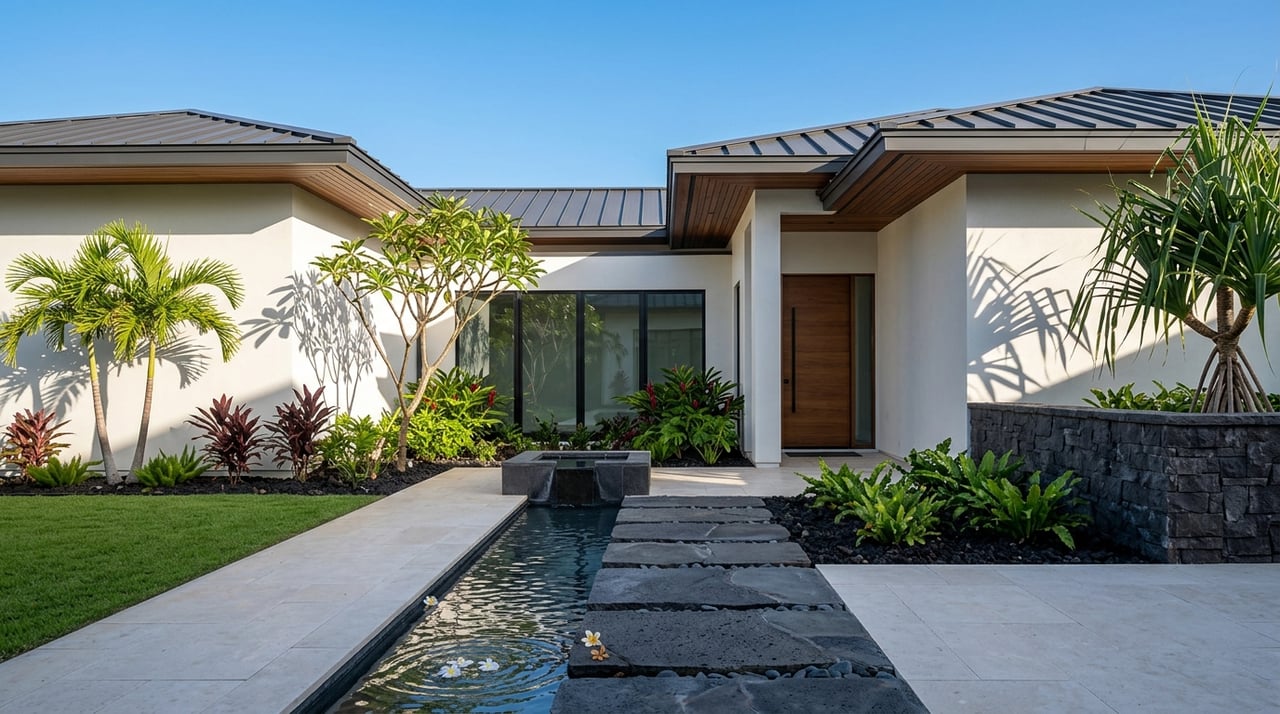
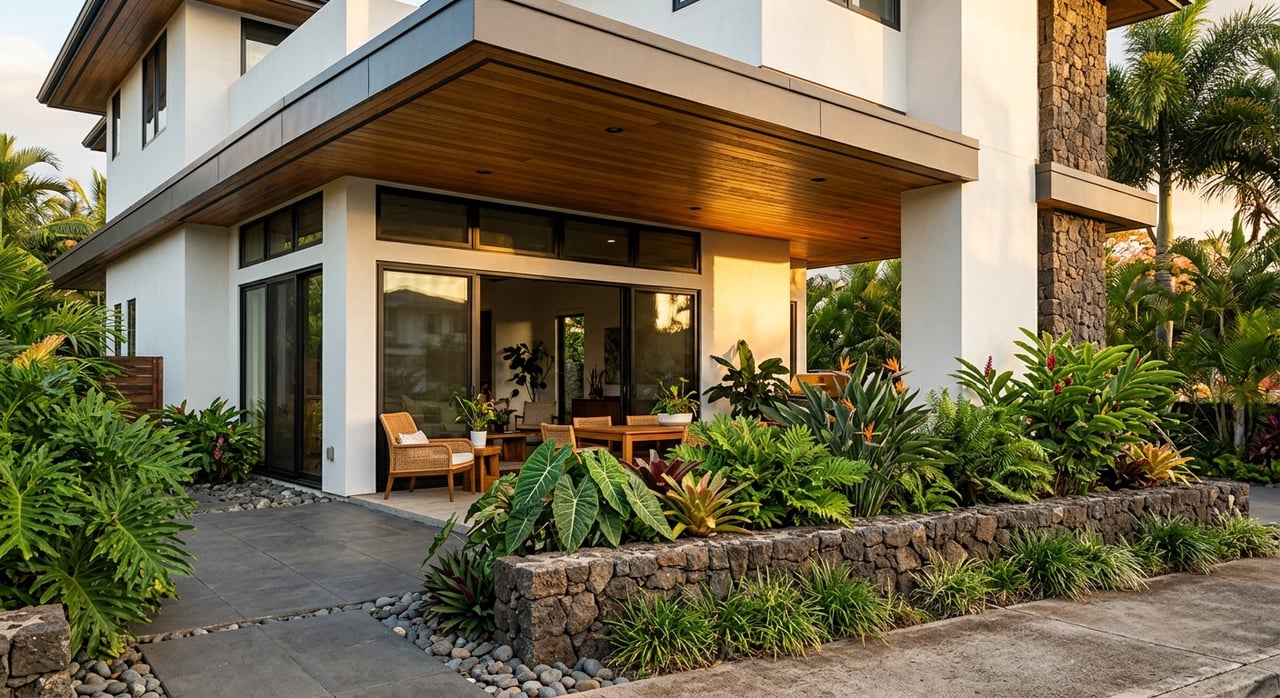
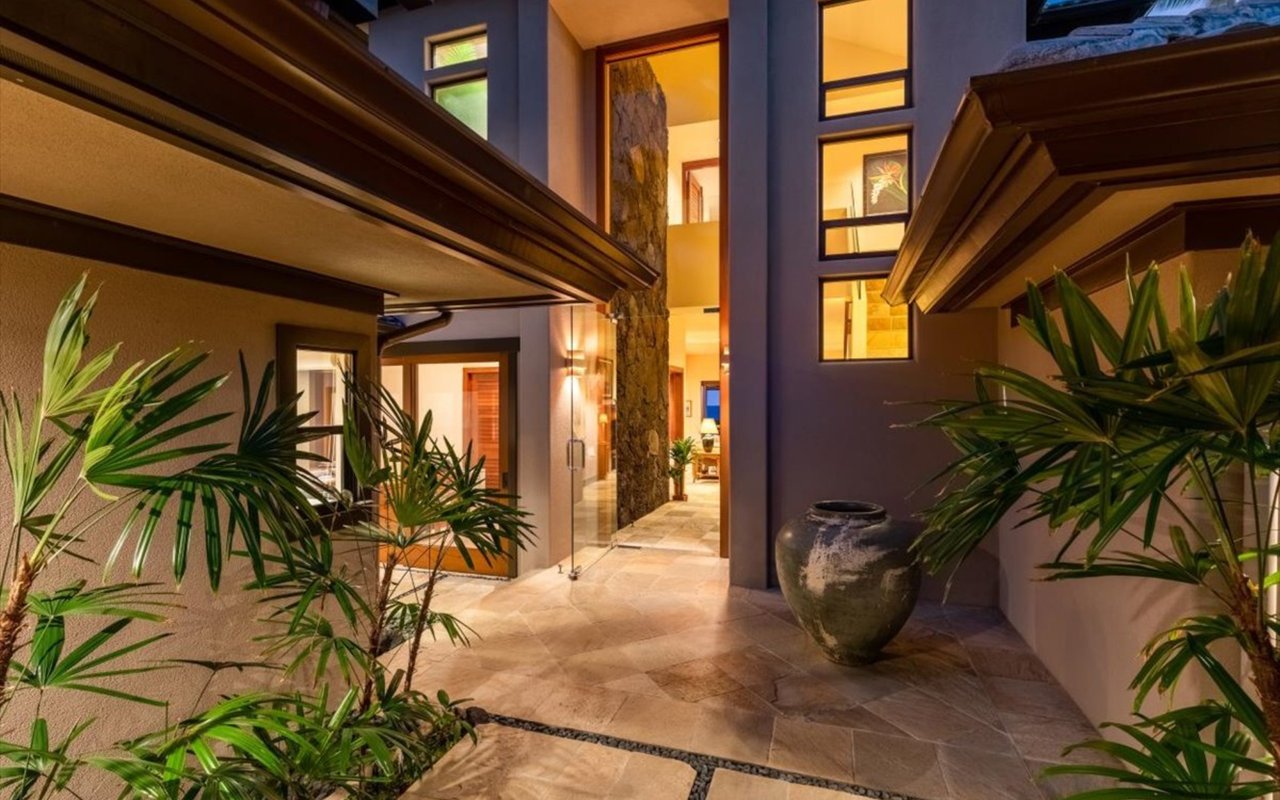
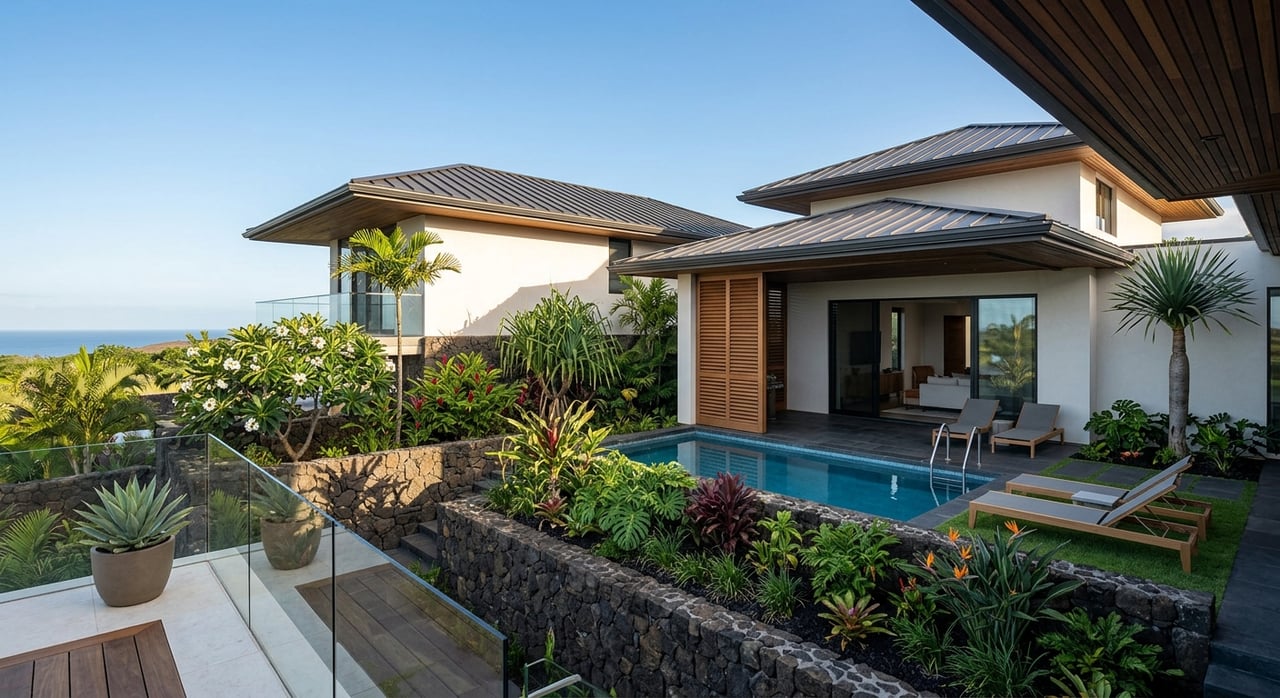
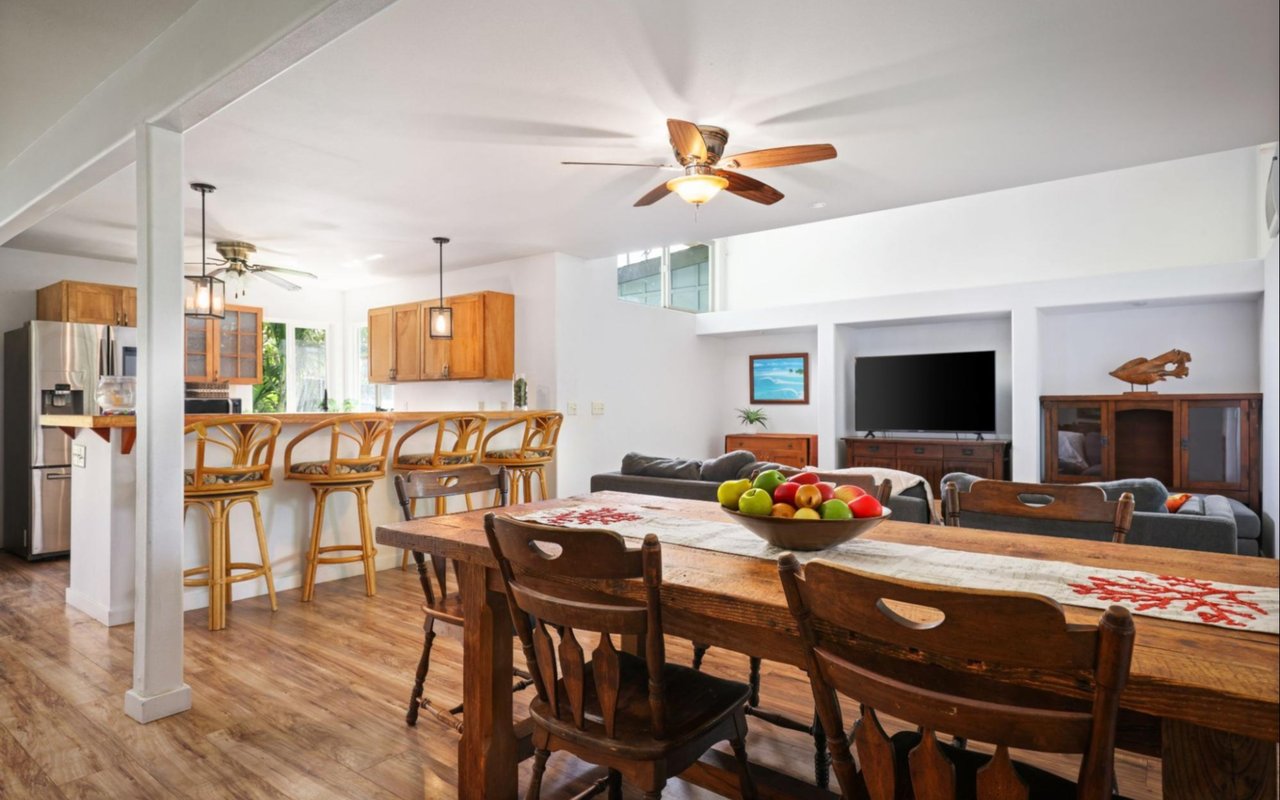
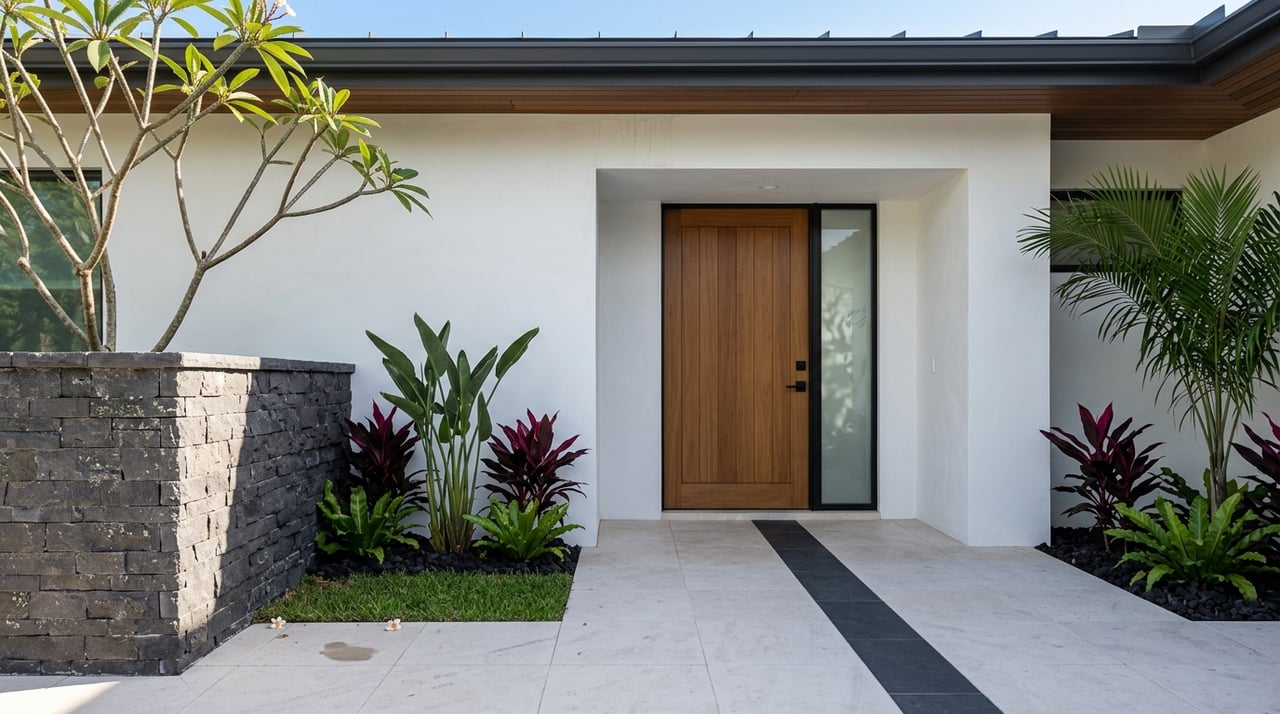
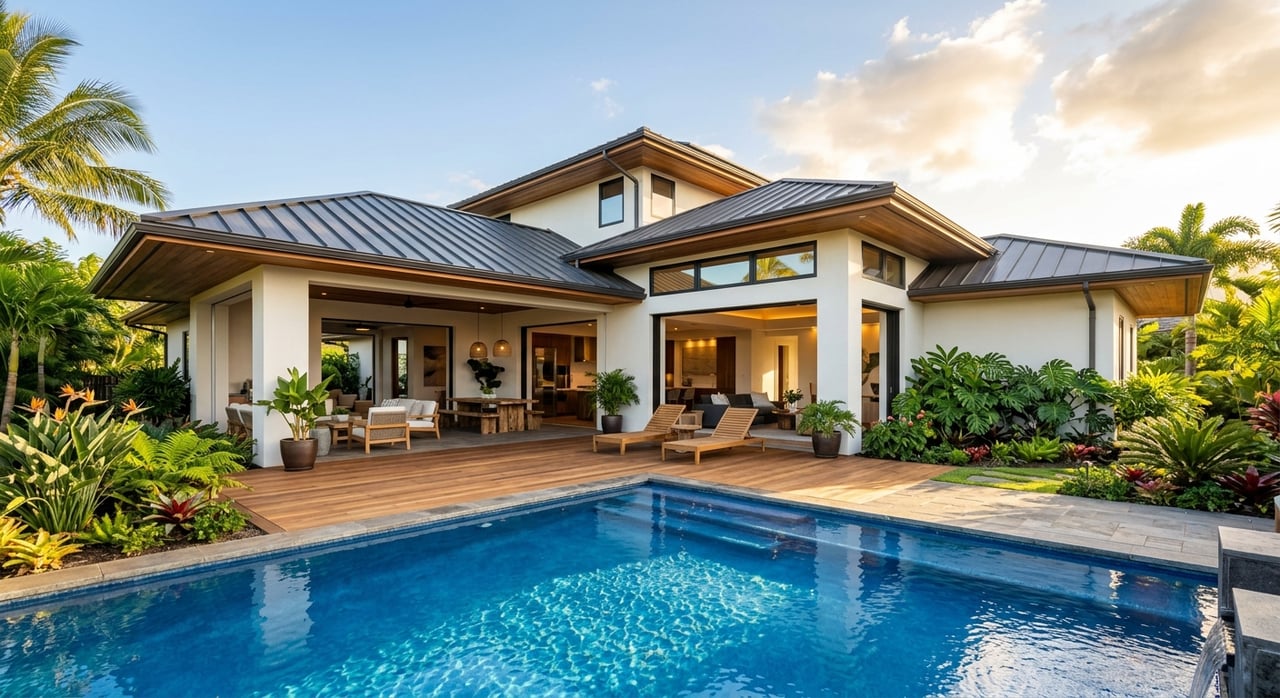
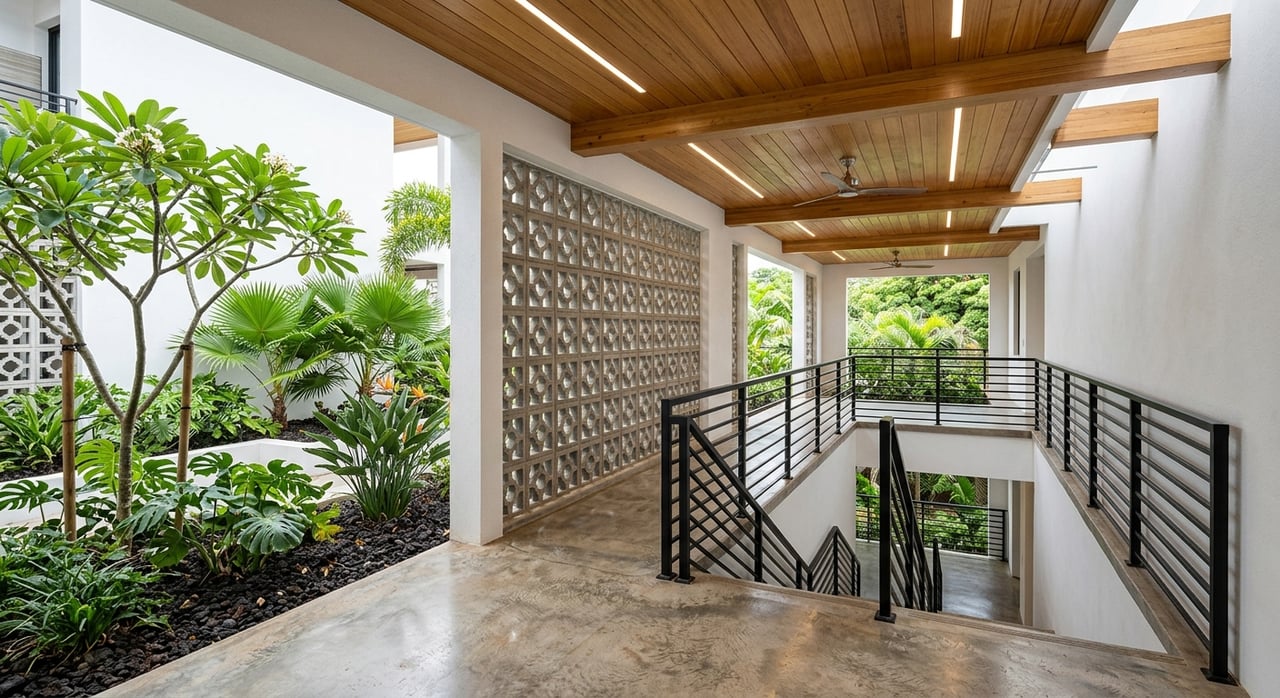
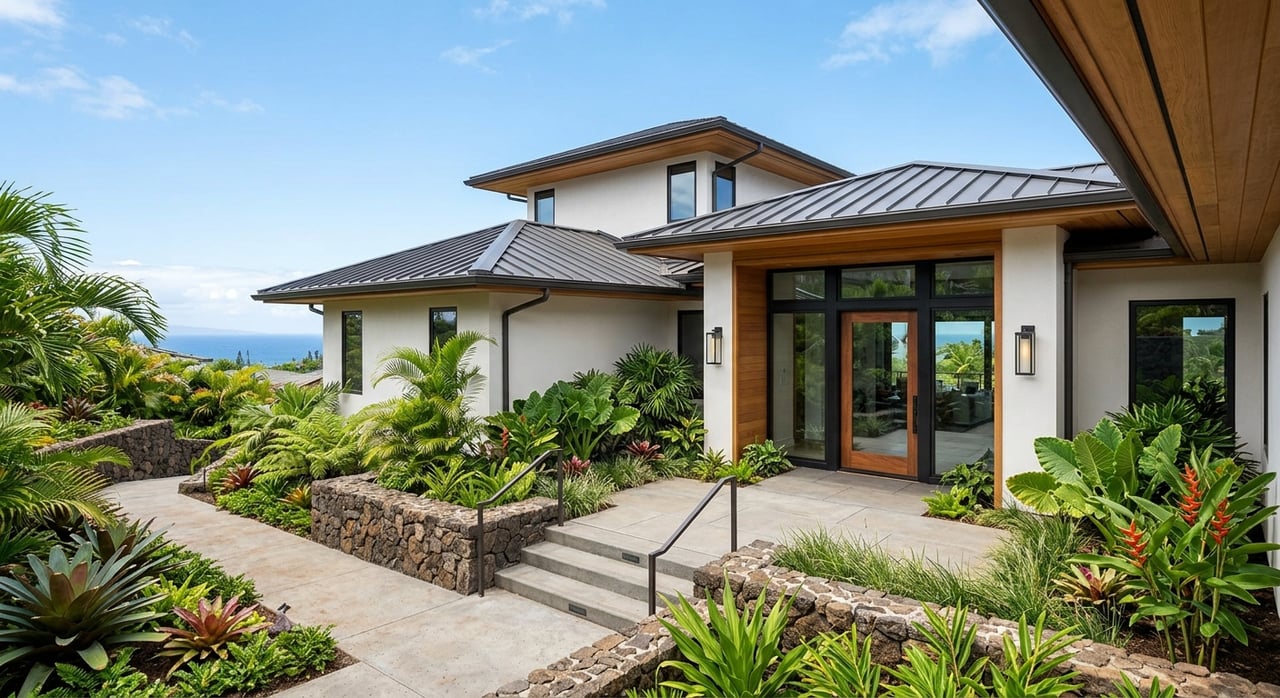
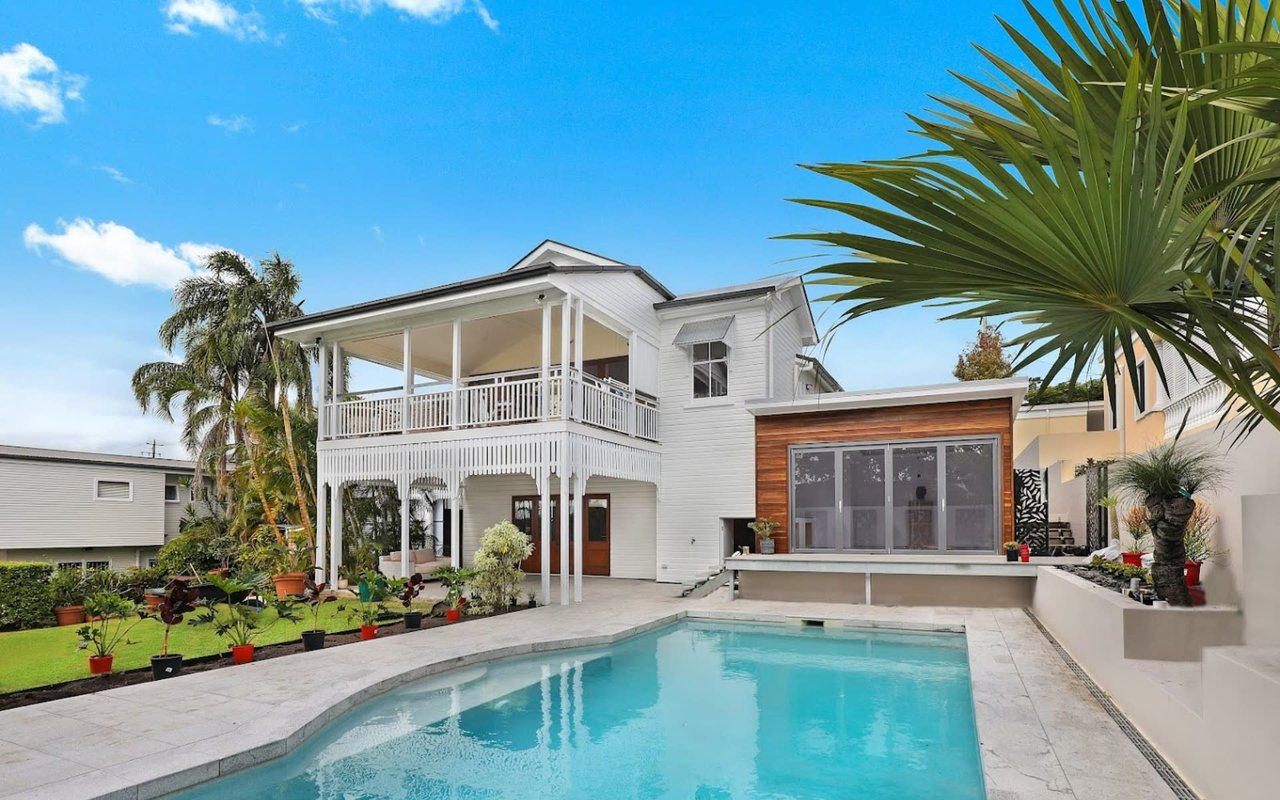
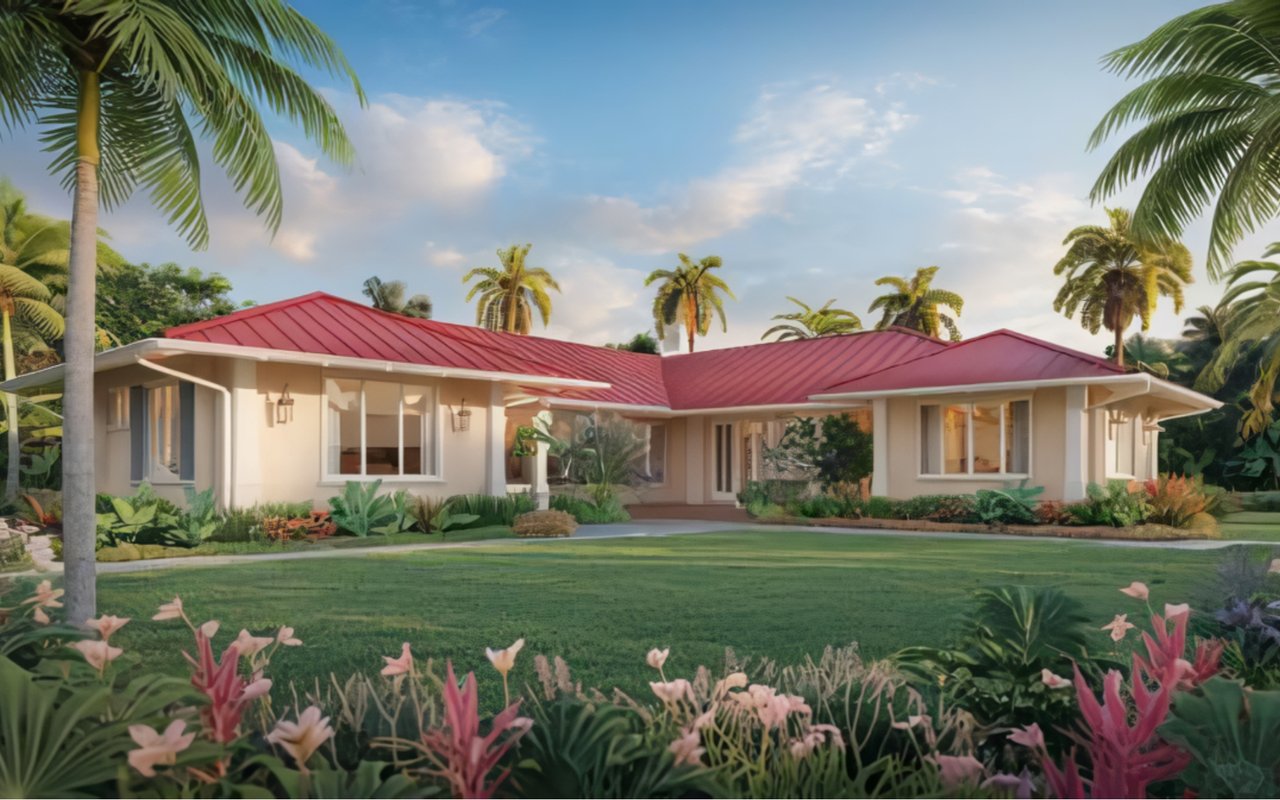
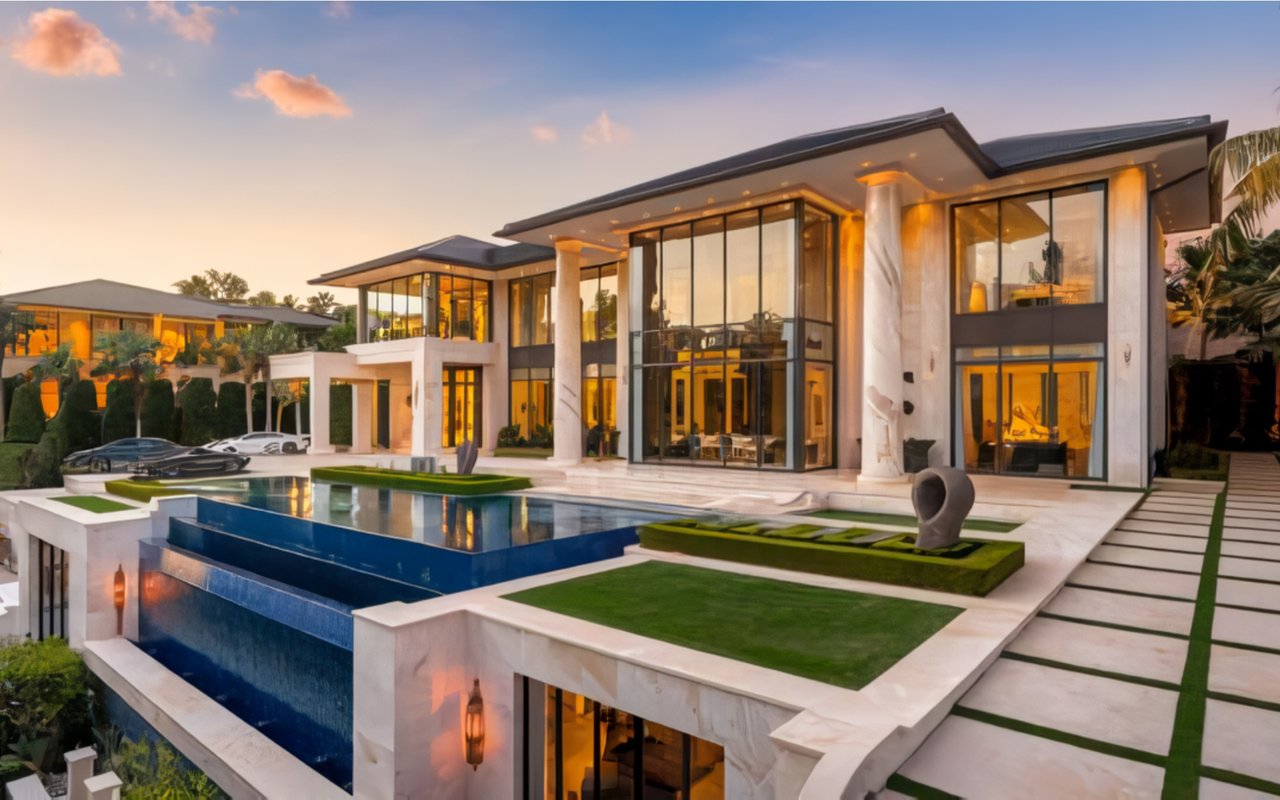
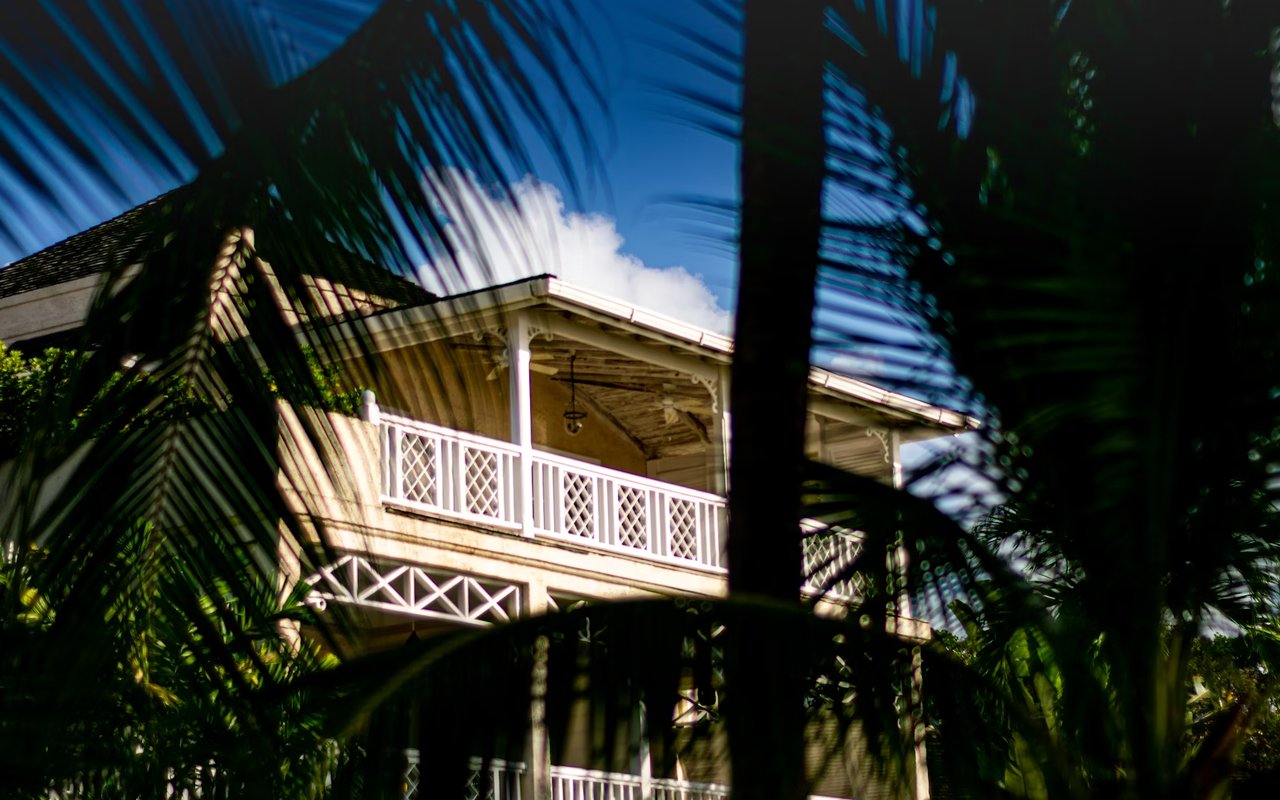
Kona homes span a range of architectural styles, from classic plantation-inspired residences to sleek modern builds with lava rock accents and clean lines. Furniture should complement the bones of the home, not fight them.
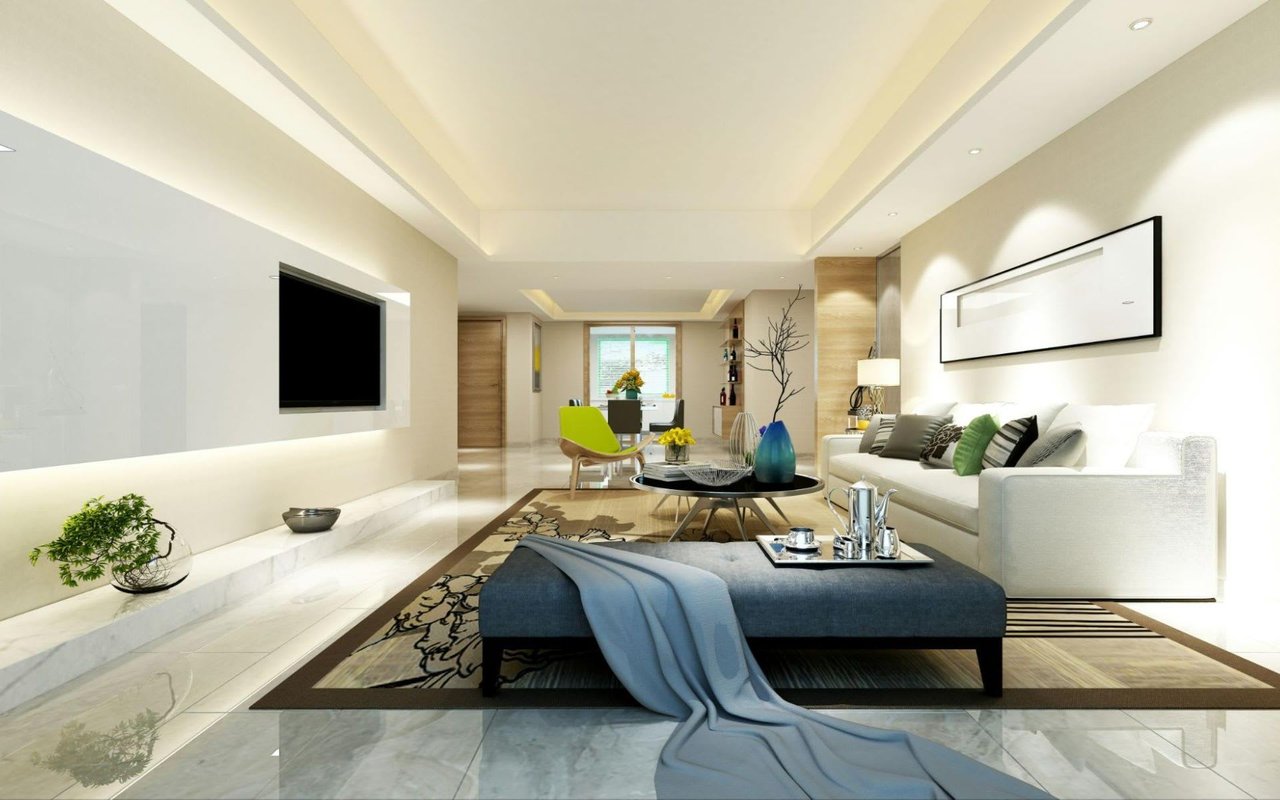
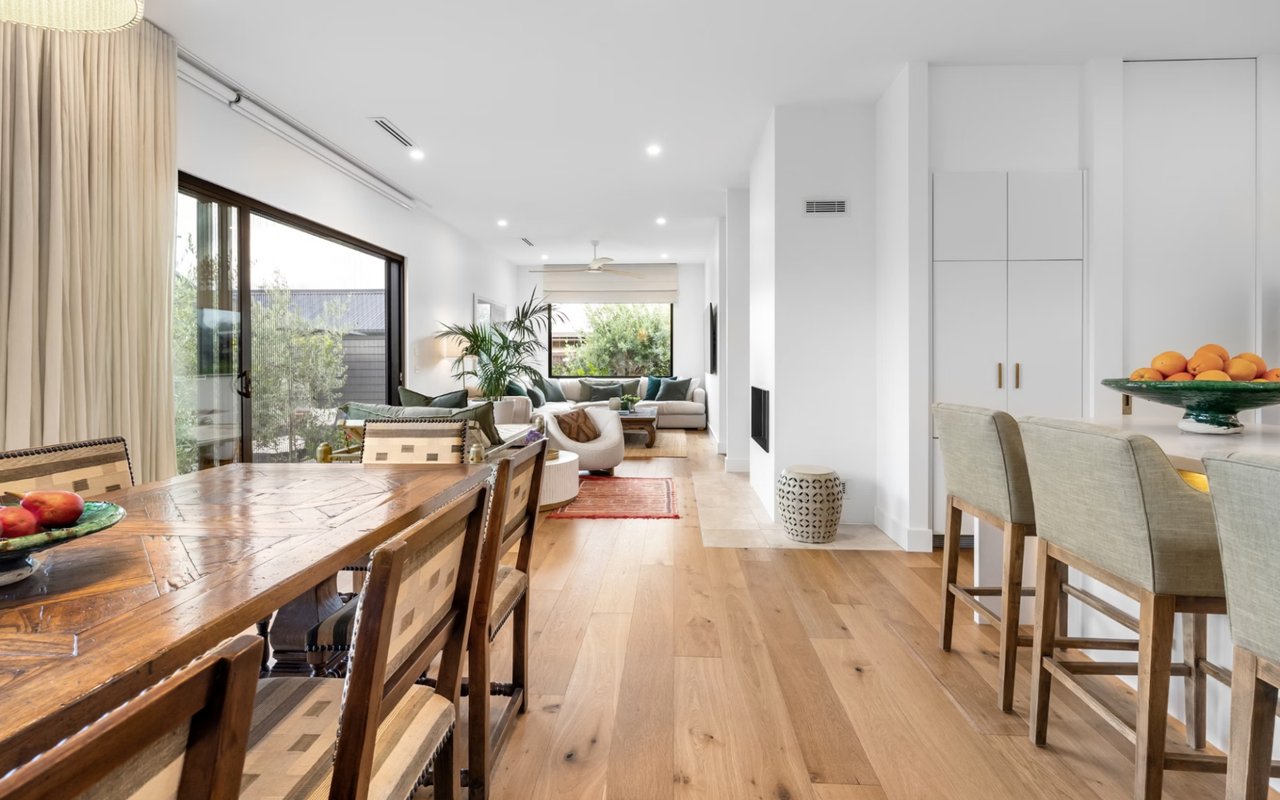
In plantation-style or island-traditional homes, I recommend warm woods, woven textures, and relaxed silhouettes. In contemporary Kona estates, furniture with clean geometry, neutral palettes, and refined finishes often feels most appropriate.
When furniture aligns with architecture, the home feels cohesive and intentional. Buyers notice this immediately, which is why staging and furnishing matter so much when preparing a property for market.
Scale Matters More Than You Think
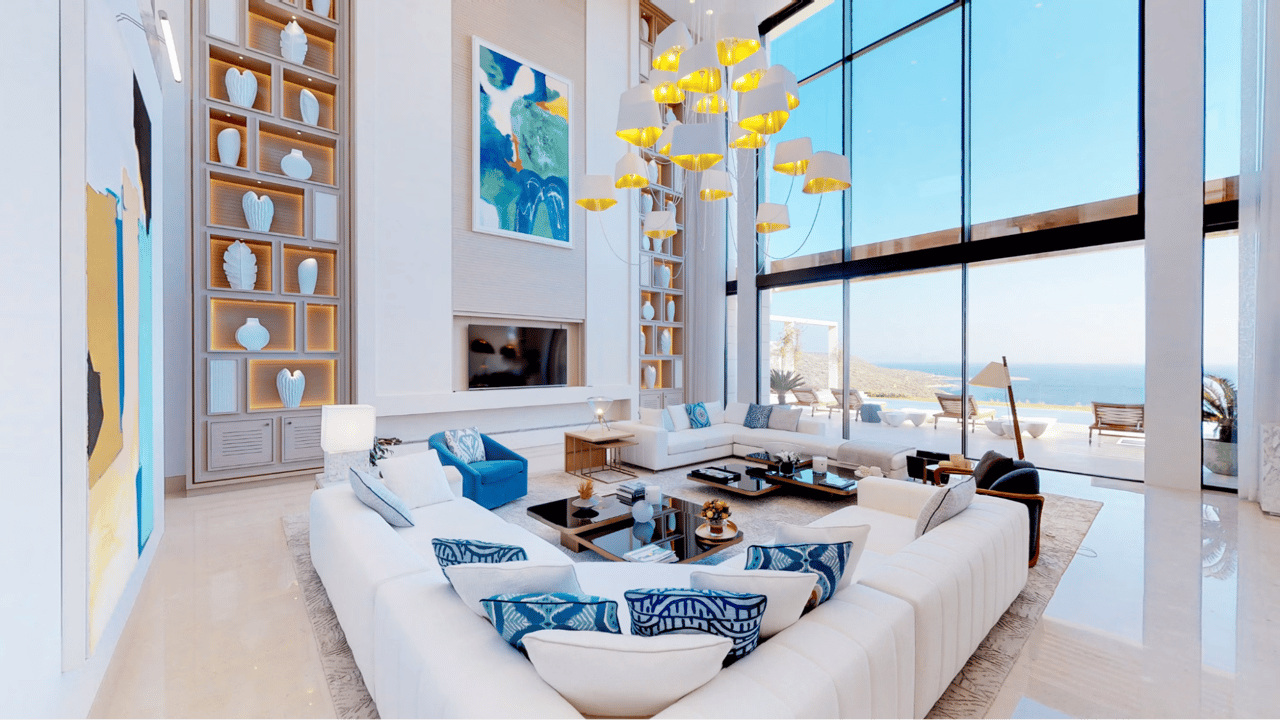
Many Kona homes feature vaulted ceilings, oversized living areas, and wide-open floor plans. Furniture that’s too small can feel lost, while oversized pieces can block airflow and views.
Before purchasing anything, measure carefully and think in three dimensions. Consider ceiling height, door widths, and how furniture will be delivered into the home—especially in hillside properties with stair access.
I advise homeowners to invest in fewer, better-scaled pieces rather than filling a room unnecessarily. Space is a luxury in Kona, and allowing rooms to breathe enhances both comfort and value.
Choose Colors Inspired by the Island
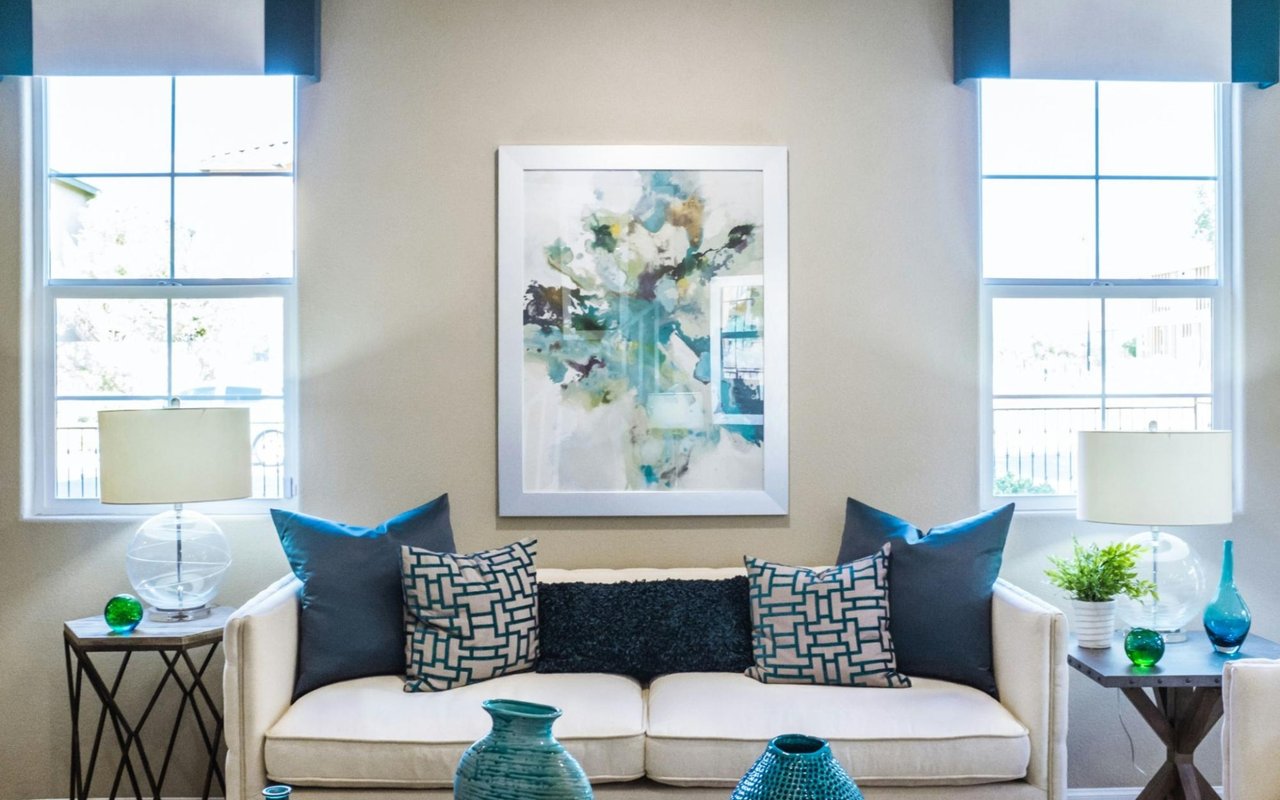
Kona’s natural palette is incredibly sophisticated: volcanic stone, deep ocean blues, lush greens, warm sand, and soft sky tones. Furniture colors that echo these elements feel grounded and timeless.
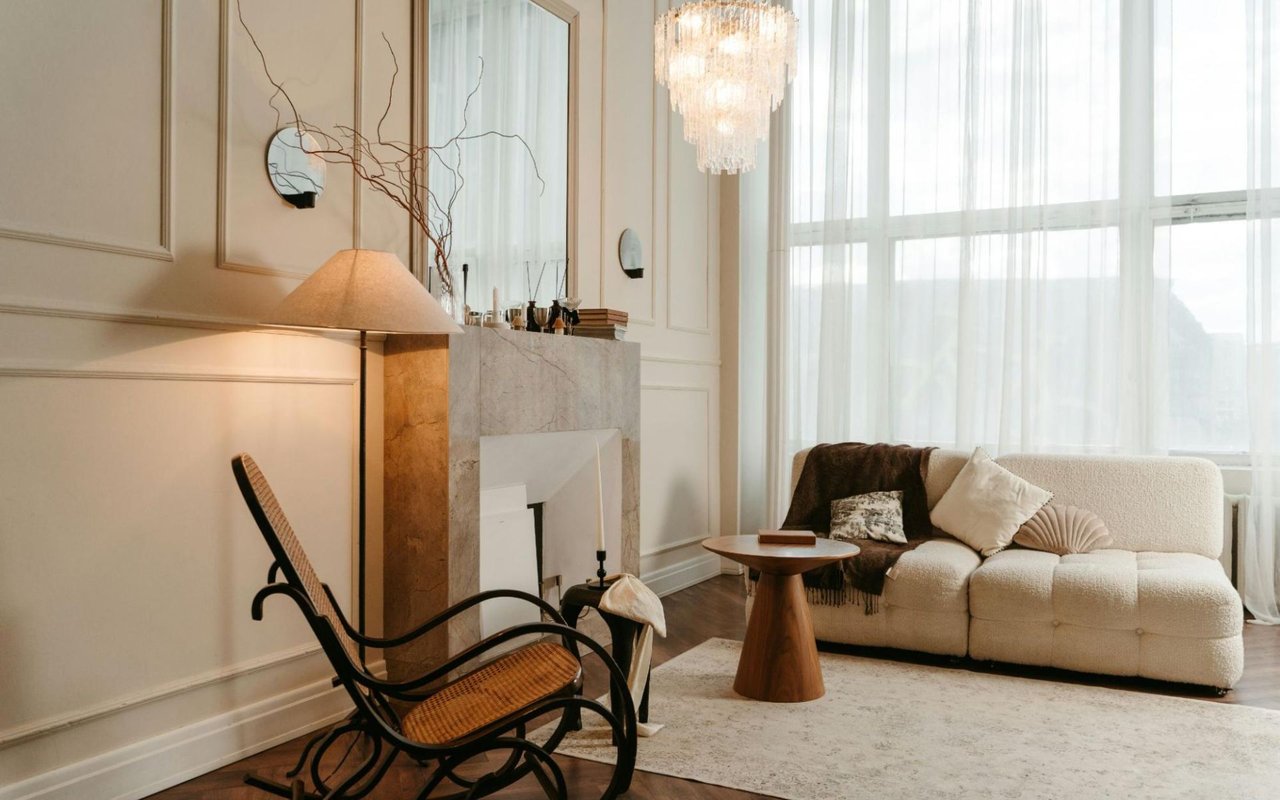
Neutral foundations—ivory, taupe, driftwood, soft gray—allow you to layer in island-inspired accents without overwhelming the space. This approach also keeps interiors flexible should you ever decide to sell or refresh your décor.
Avoid overly dark finishes in rooms with abundant natural light, as they can feel heavy. Kona homes shine when interiors reflect the brightness and openness of the outdoors.
Prioritize Comfort Without Sacrificing Elegance
Island living is inherently relaxed, but that doesn’t mean furniture should feel casual or temporary. Comfort and sophistication can—and should—coexist.
Deep seating, supportive cushions, and breathable fabrics make everyday living more enjoyable, especially in homes designed for entertaining. Whether hosting sunset gatherings or quiet mornings with the trade winds flowing through, furniture should invite you to stay awhile.
When buyers tour Kona homes, they’re imagining a lifestyle. Comfortable, refined furniture helps them emotionally connect to the space.
Think Long-Term, Not Just Right Now
Kona real estate is a long-term investment, and furniture should be viewed the same way. Quality pieces that age gracefully will serve you well whether you’re living in the home full-time, using it as a second residence, or preparing it for future resale.
I always encourage clients to choose timeless over trendy. Clean lines, quality craftsmanship, and neutral foundations rarely go out of style—and they photograph beautifully, which matters greatly in today’s digital-first real estate market.
Frequently Asked Questions About Furnishing a Kona Home
What furniture materials last best in Kona’s climate?
Teak, sealed hardwoods, marine-grade metals, and performance fabrics tend to perform best in Kona’s humidity and salt air. These materials resist warping, corrosion, and fading.
Should I use outdoor furniture indoors in Kona?
In some cases, yes. High-end outdoor furniture can work beautifully indoors, especially in open-air homes where boundaries between spaces blur. The key is choosing refined designs with comfortable cushions.
How important is furniture when selling a Kona home?
Extremely important. Well-chosen furniture enhances scale, highlights views, and helps buyers envision the lifestyle. Properly furnished homes often sell faster and at stronger price points.
Are neutral interiors better for resale in Kailua-Kona?
Yes. Neutral, island-inspired interiors appeal to a broader range of buyers and allow the home’s architecture and location to take center stage.
Can furniture impact airflow in an open-concept home?
Absolutely. Bulky or poorly placed furniture can block breezes. Thoughtful layouts preserve airflow and maintain comfort naturally.
If you’re furnishing a Kona home—or preparing one for sale—I’m always happy to offer guidance rooted in real-world experience and local insight. Thoughtful design choices can elevate your lifestyle and your property’s value.
Explore Kailua-Kona real estate opportunities and connect with me directly. I look forward to helping you create a home that truly fits life on the Kona Coast.