By Kris Hazard
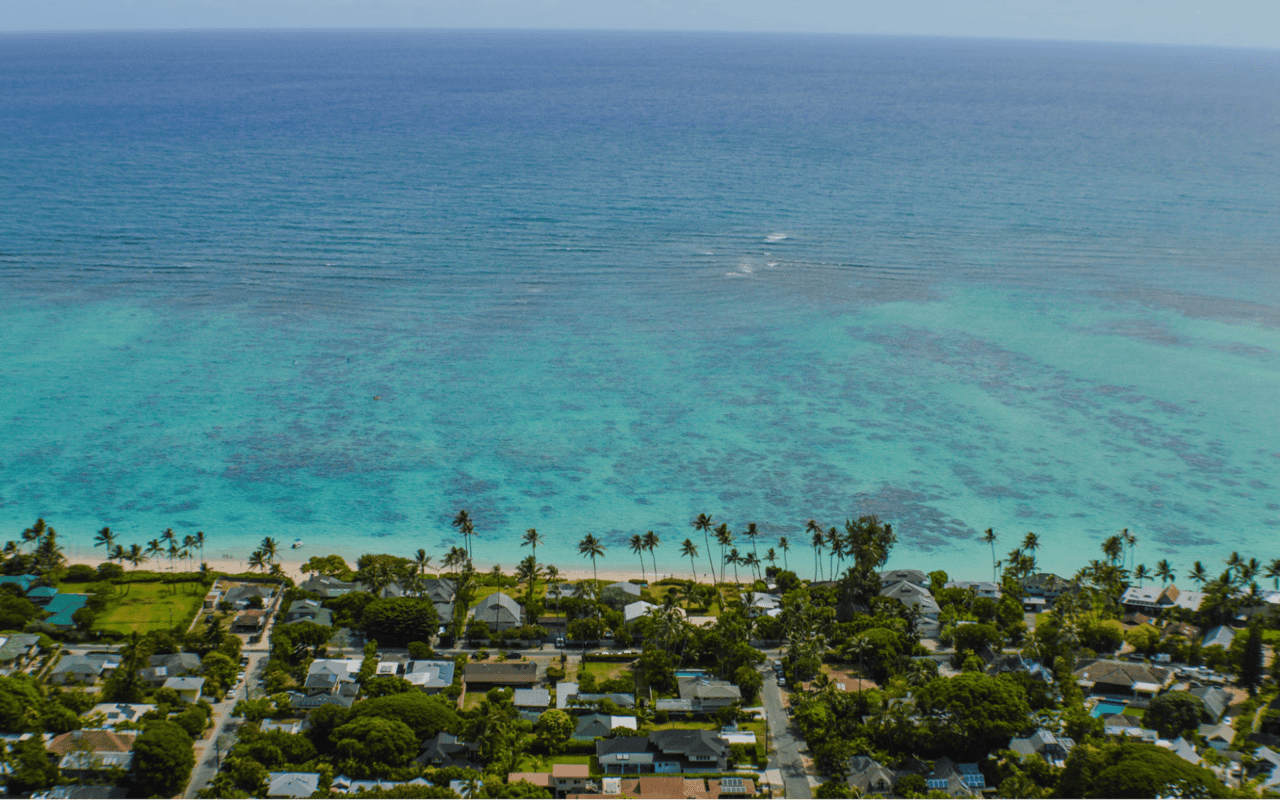
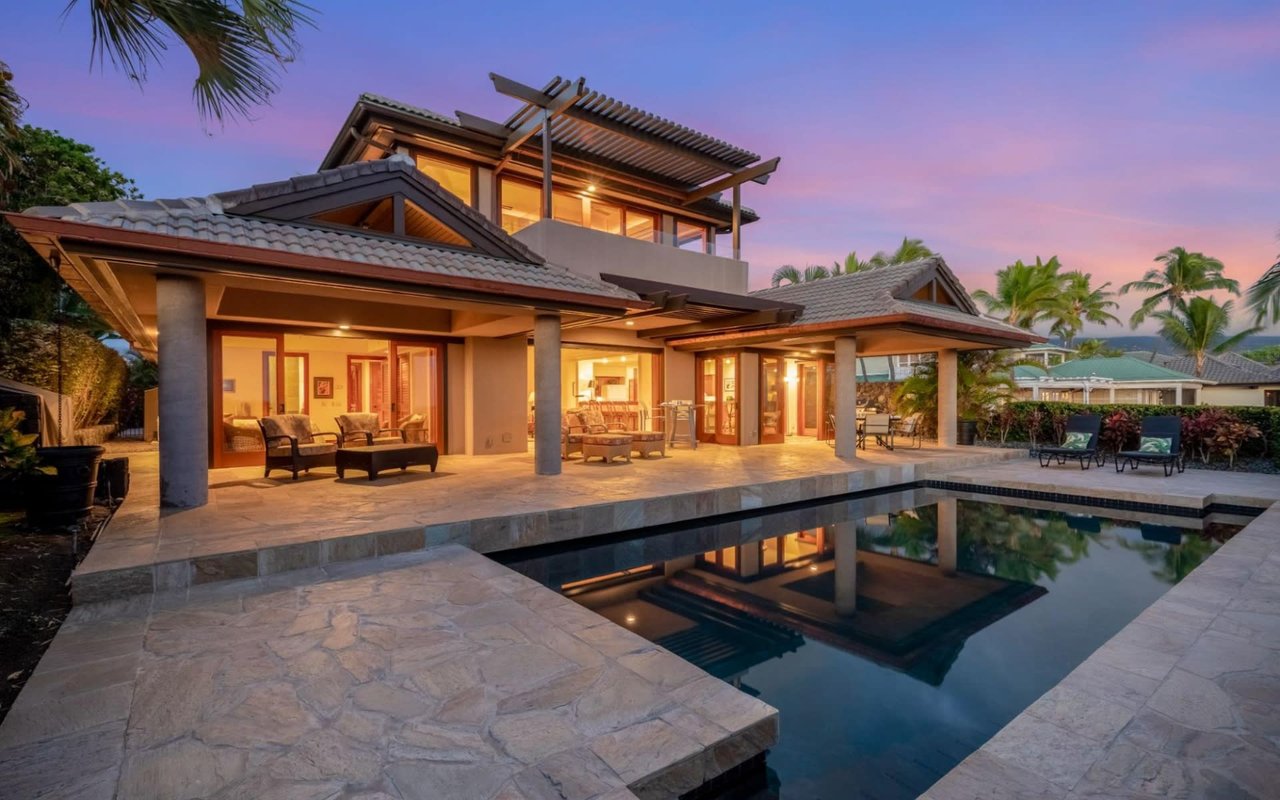
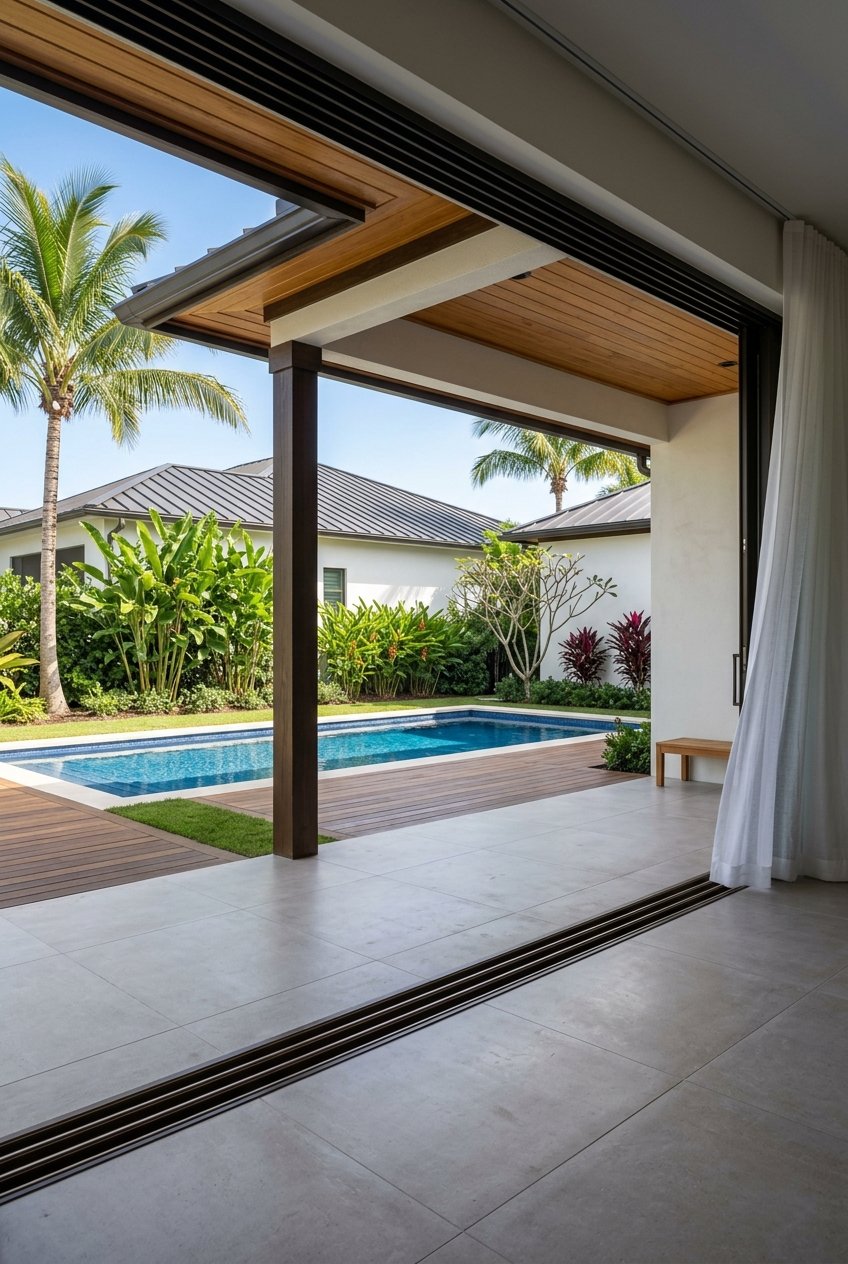
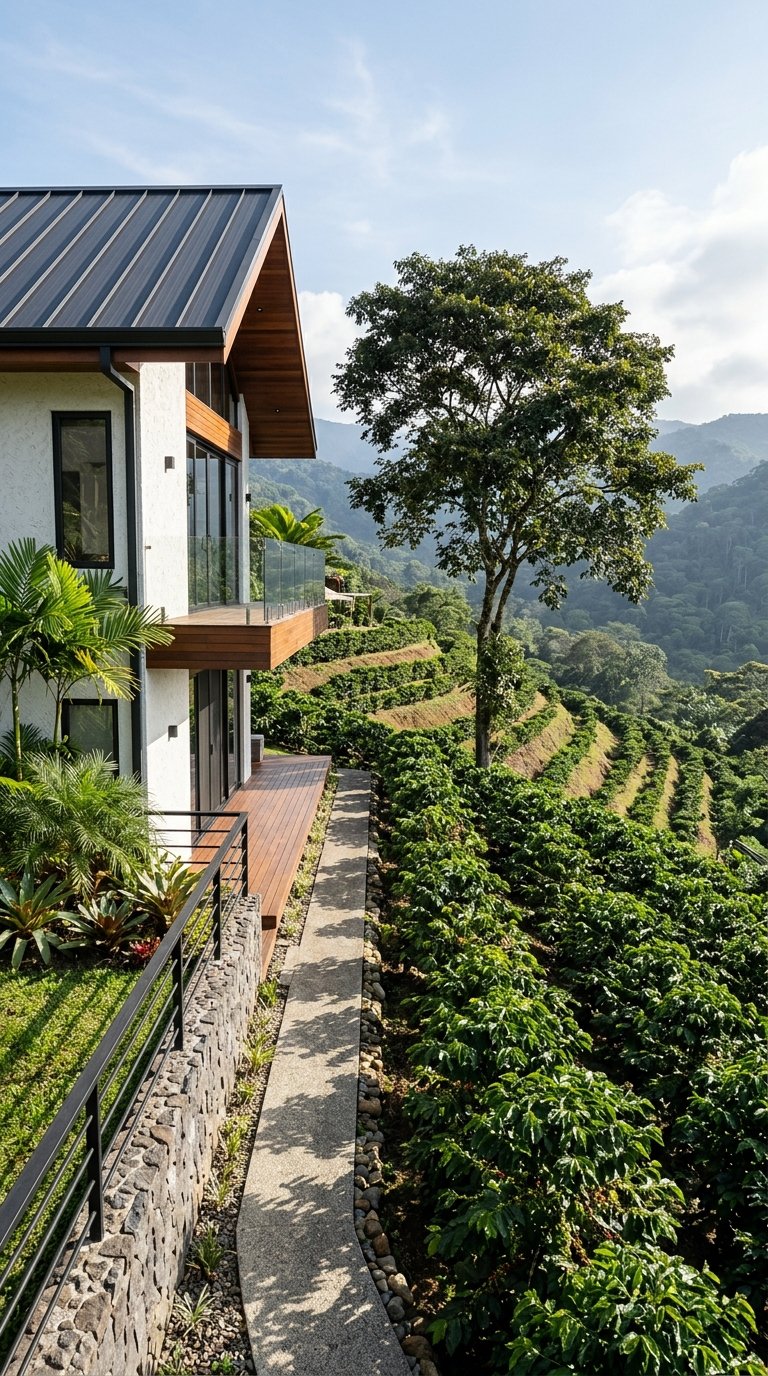
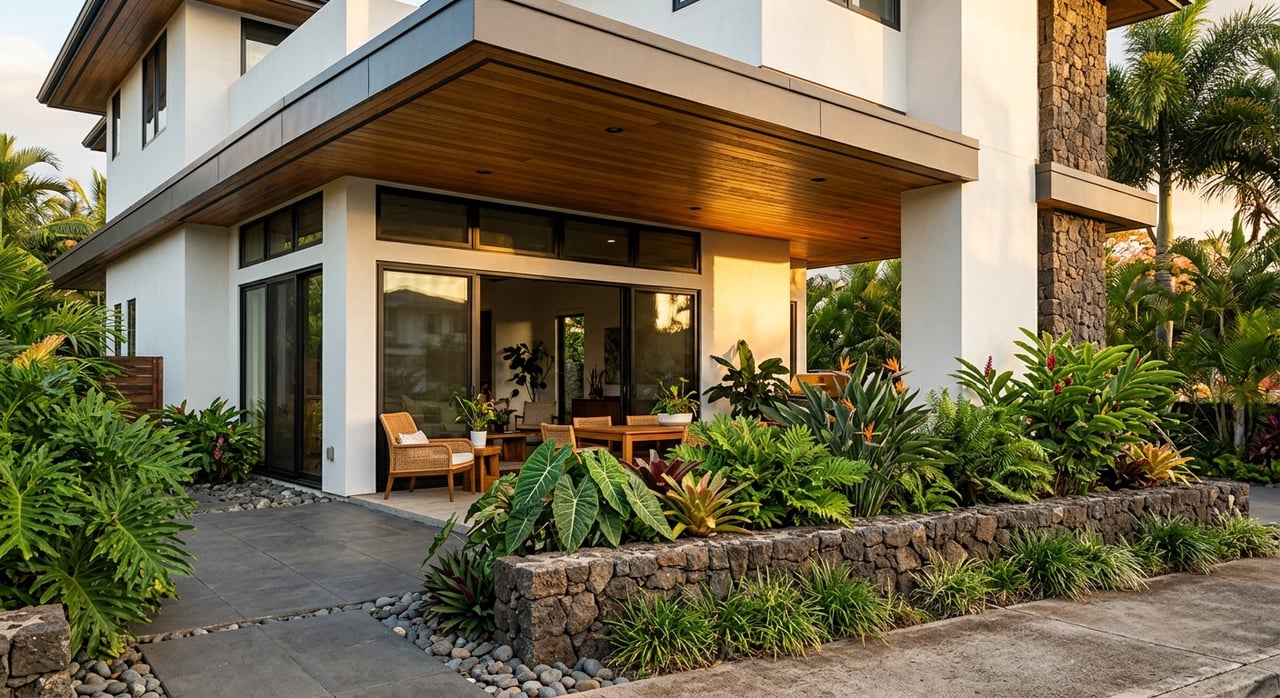
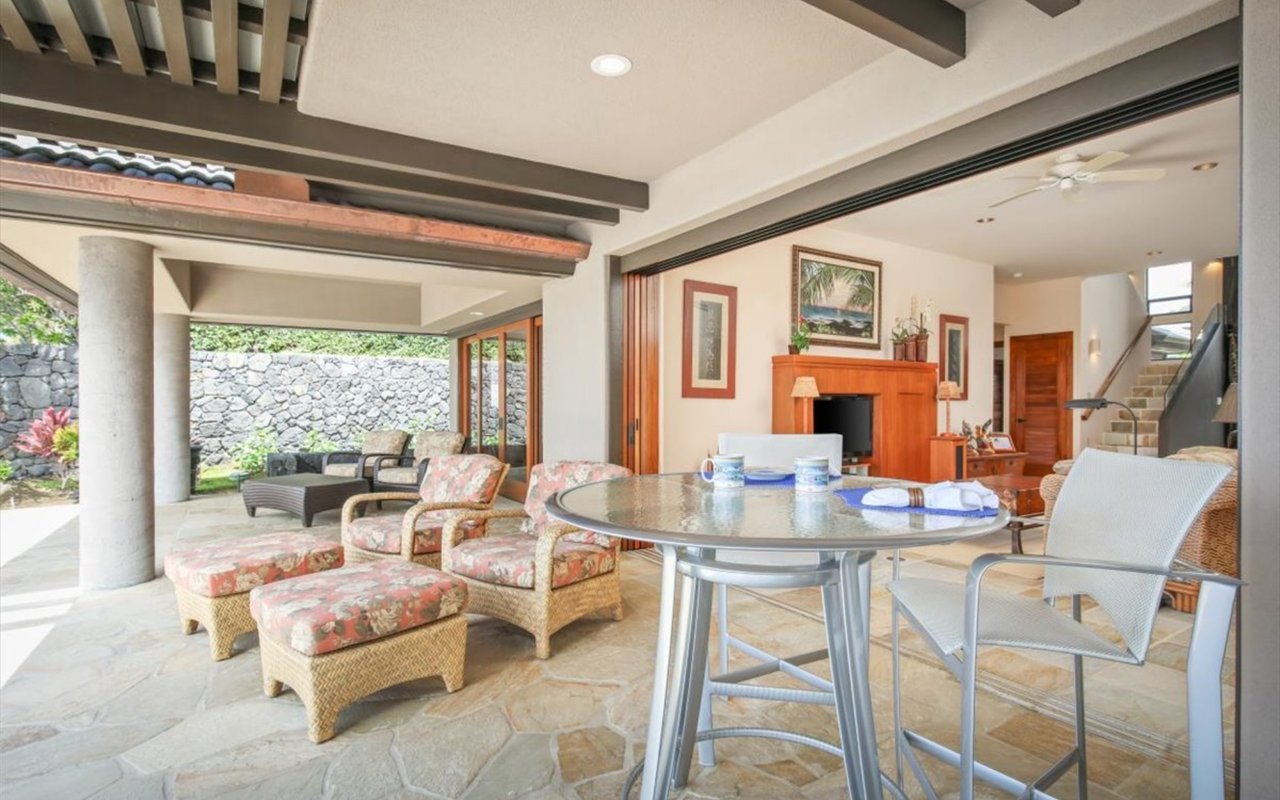
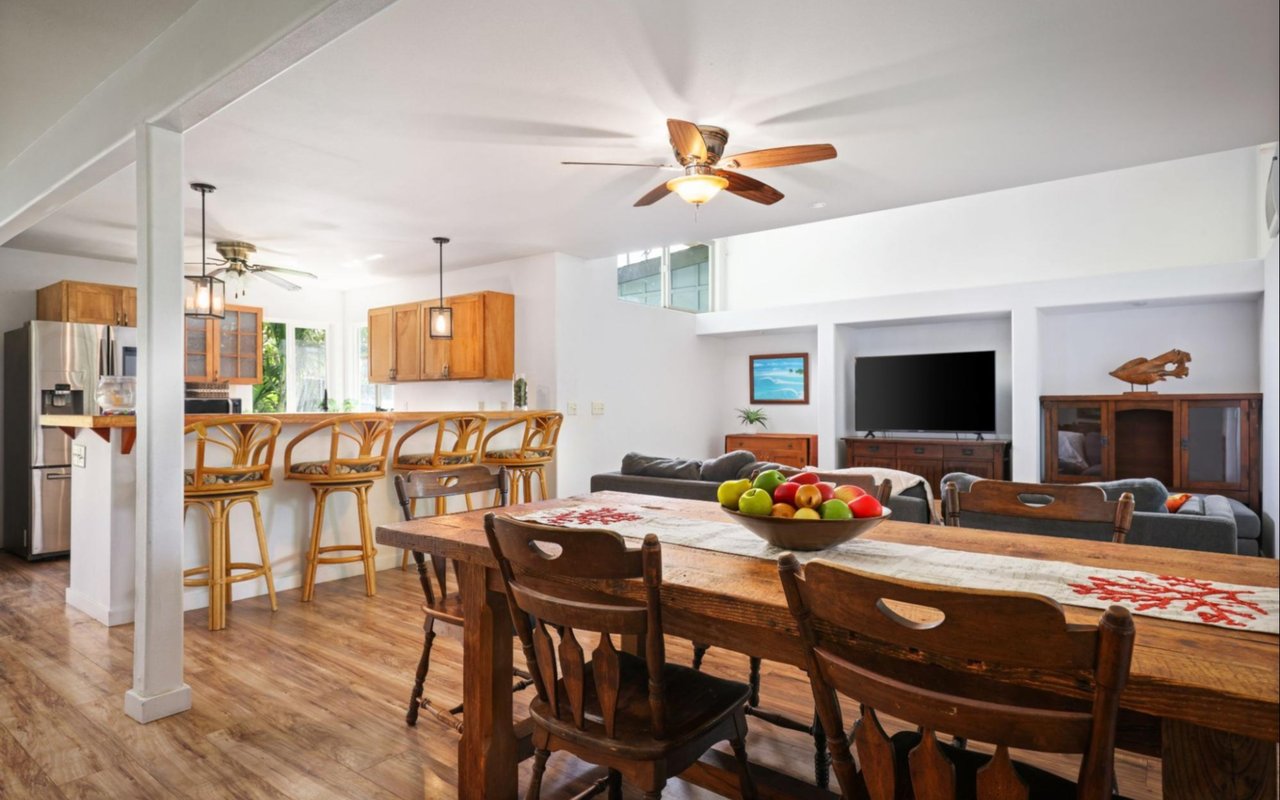
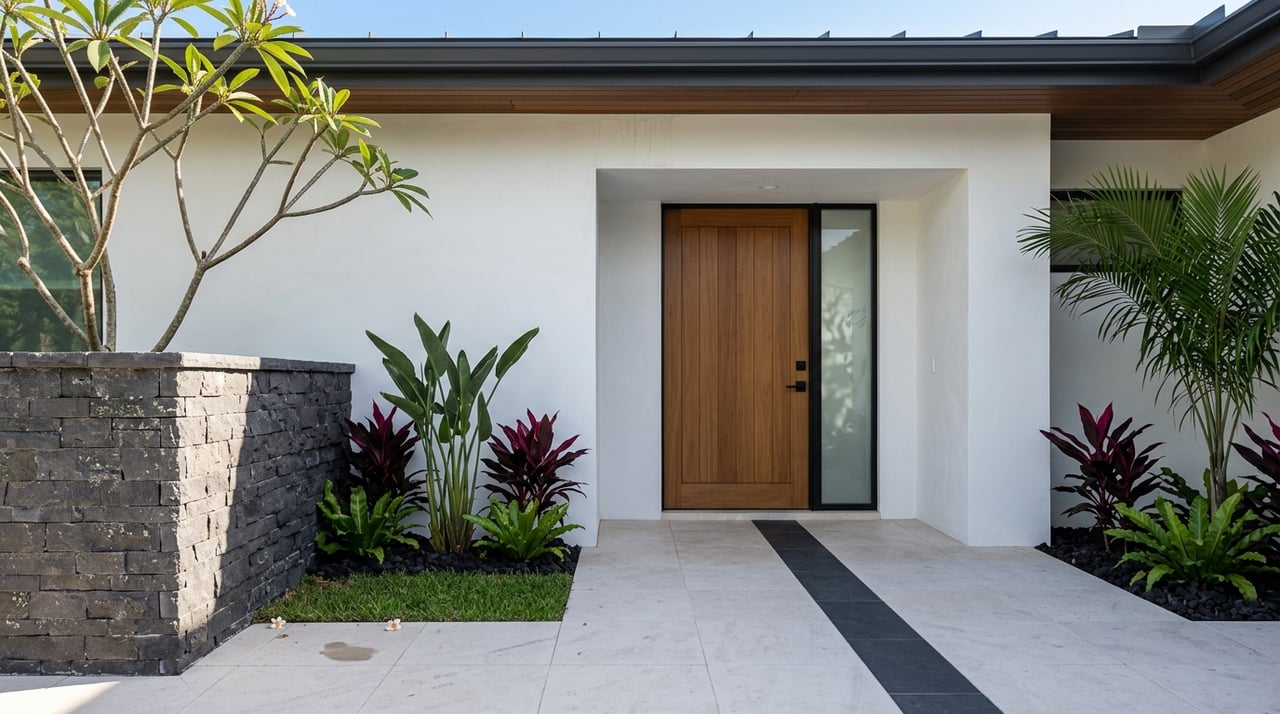
Investing in real estate in Kona attracts buyers from across the mainland for good reason. The combination of a supply-constrained island environment, strong vacation rental demand, year-round sunshine, and a growing population of relocators creates structural advantages that most continental U.S. markets simply cannot offer. Here is what you need to understand before you commit.
Key Takeaways
- Kona is a supply-constrained island market where finite land and strict zoning create persistent upward pressure on values over the long term
- The vacation rental market draws consistent visitor demand supported by direct mainland flights and year-round sunny weather on the west side of the Big Island
- The market has shifted toward balance with more inventory and longer timelines, creating better entry conditions than in recent years
- Golf course communities surrounding the Kona Country Club represent a distinct and consistently popular investment category on the Kona Coast
Understand the Structural Advantages
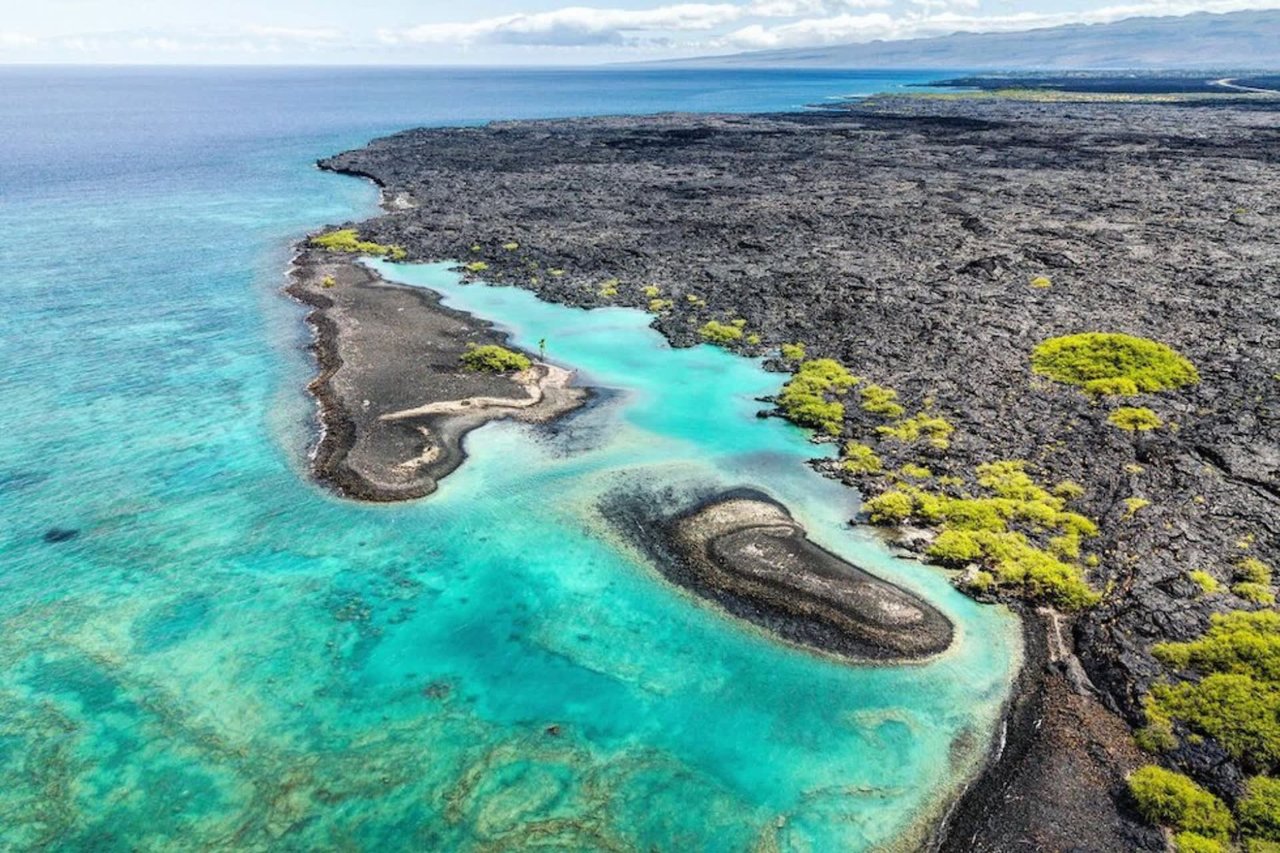
The most fundamental thing to understand about investing in real estate in Kona is the supply dynamic. Hawaii's land is finite. Strict agricultural and conservation zoning protects large portions of the Big Island from development, and meaningful new inventory in established Kona neighborhoods is rare. When demand increases it cannot be met by new supply the way it can on the mainland, and that constraint is the bedrock of long-term appreciation here. Kona's position on the west side of the island produces the sunny dry weather that draws visitors and residents alike, and finite land plus sustained demand is the simplest explanation for why this market has historically performed over the long term.
Why the Fundamentals Favor Long-Term Investment
- Agricultural and conservation zoning limits developable supply in established Kona neighborhoods, creating a structural floor under values that mainland markets with available land cannot match
- Direct flights from major mainland cities to Kona International Airport sustain visitor arrivals without requiring inter-island connections, making the rental market more independent than other Big Island destinations
- The west side climate keeps Kona sunny and dry year-round, a geographic asset that drives consistent demand regardless of economic cycle
- A growing cohort of remote workers and retirees relocating from high-cost mainland markets adds sustained demand on top of the traditional vacation rental investor and lifestyle buyer base
The Kona Country Club and Keauhou Investment Appeal
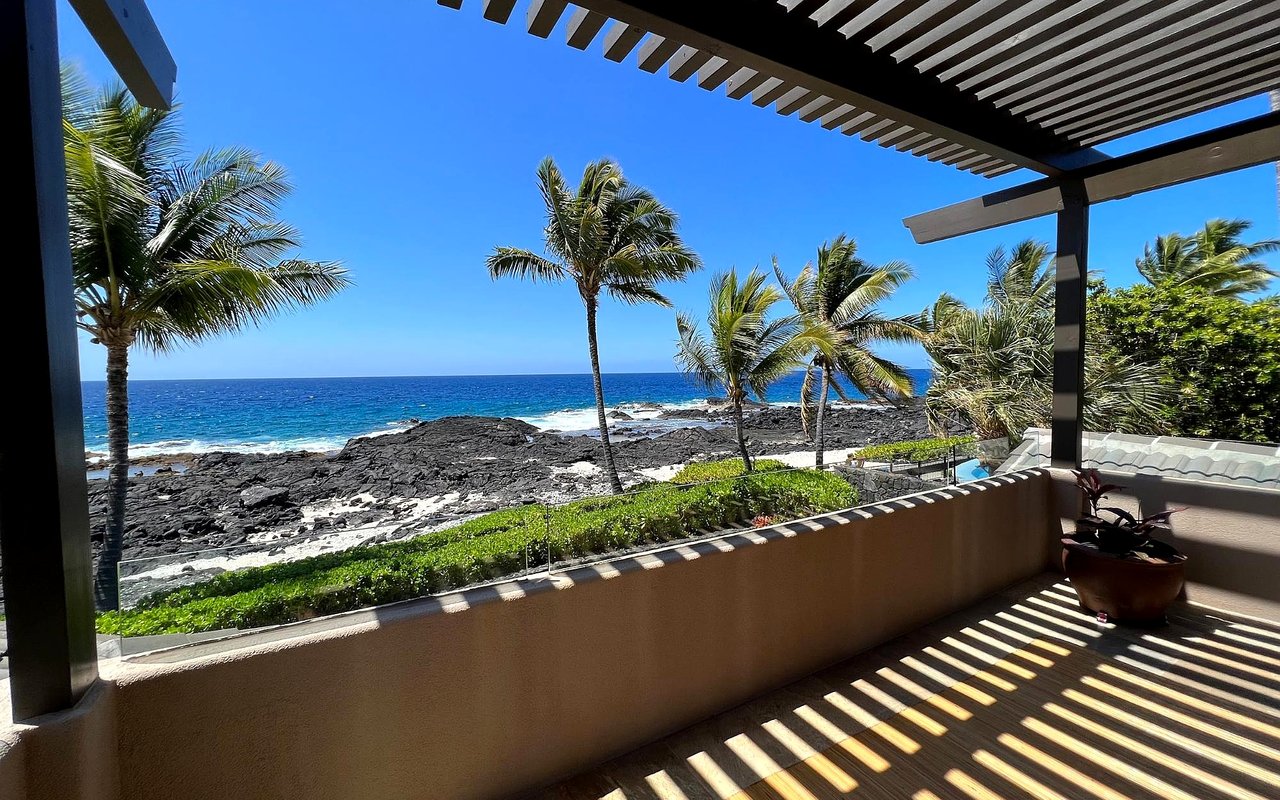
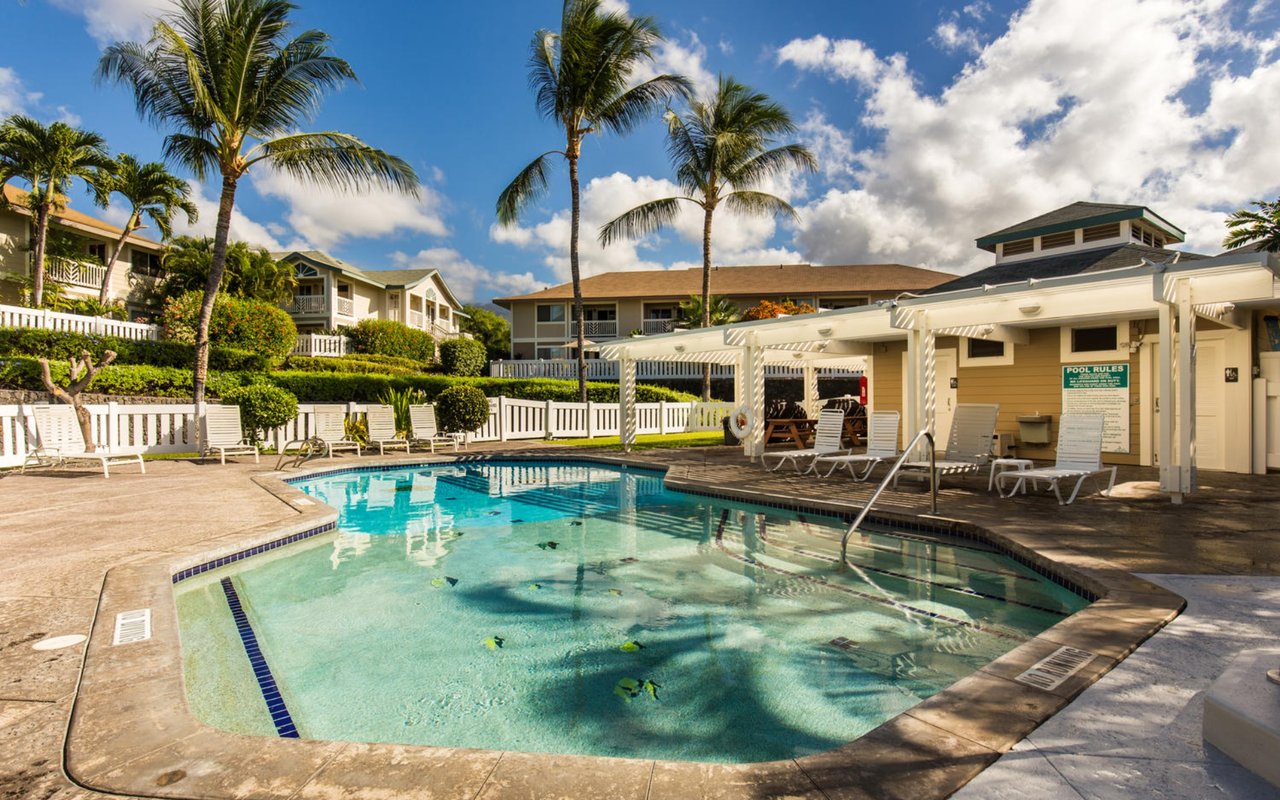
One of the most consistently sought-after investment corridors in Kona is the Keauhou area, about six miles south of downtown along Ali'i Drive. At its center is the Kona Country Club, an 18-hole oceanfront golf course running along the Pacific with ocean and lava rock views that make it one of the more distinctive playing experiences in Hawaii. The course is a meaningful quality-of-life driver and a significant draw for the investment properties that border it. Communities like Country Club Villas and Kanaloa at Kona sit directly adjacent to the course and represent some of the most active vacation rental inventory on the Kona Coast. Both benefit from proximity to Keauhou Shopping Center, Kahalu'u Beach Park, and Keauhou Bay, giving renters daily-life convenience alongside a resort-style environment.
What Investors Should Know About the Keauhou Golf Course Corridor
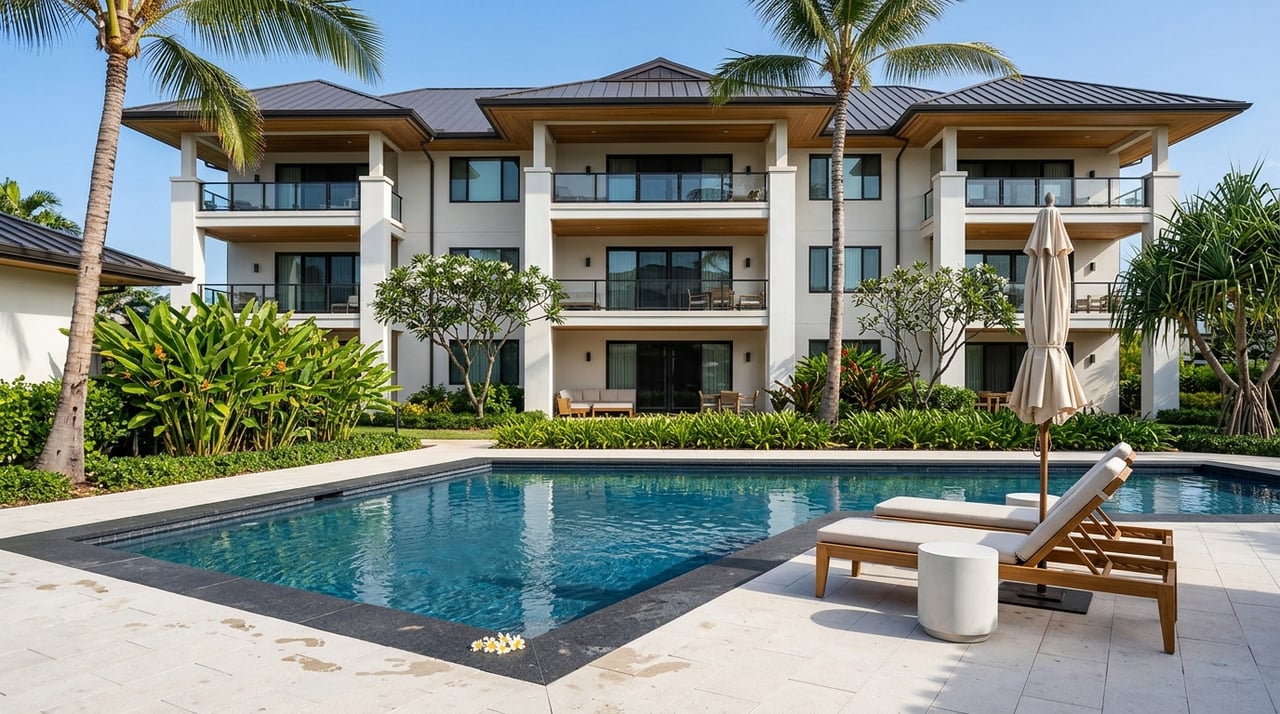
- Country Club Villas and Kanaloa at Kona are the primary condo communities adjacent to the Kona Country Club, offering golf course, ocean, or combined views at a range of price points
- Short-term vacation rental activity is well-established in both communities, making them among the more accessible entry points for investors new to the Kona rental market
- The course's 14th hole features a blowhole viewable from the fairway
- Keauhou's proximity to Kahalu'u Beach Park and Keauhou Bay for manta ray night swims diversifies the rental appeal well beyond golf alone
Understand the Vacation Rental Market
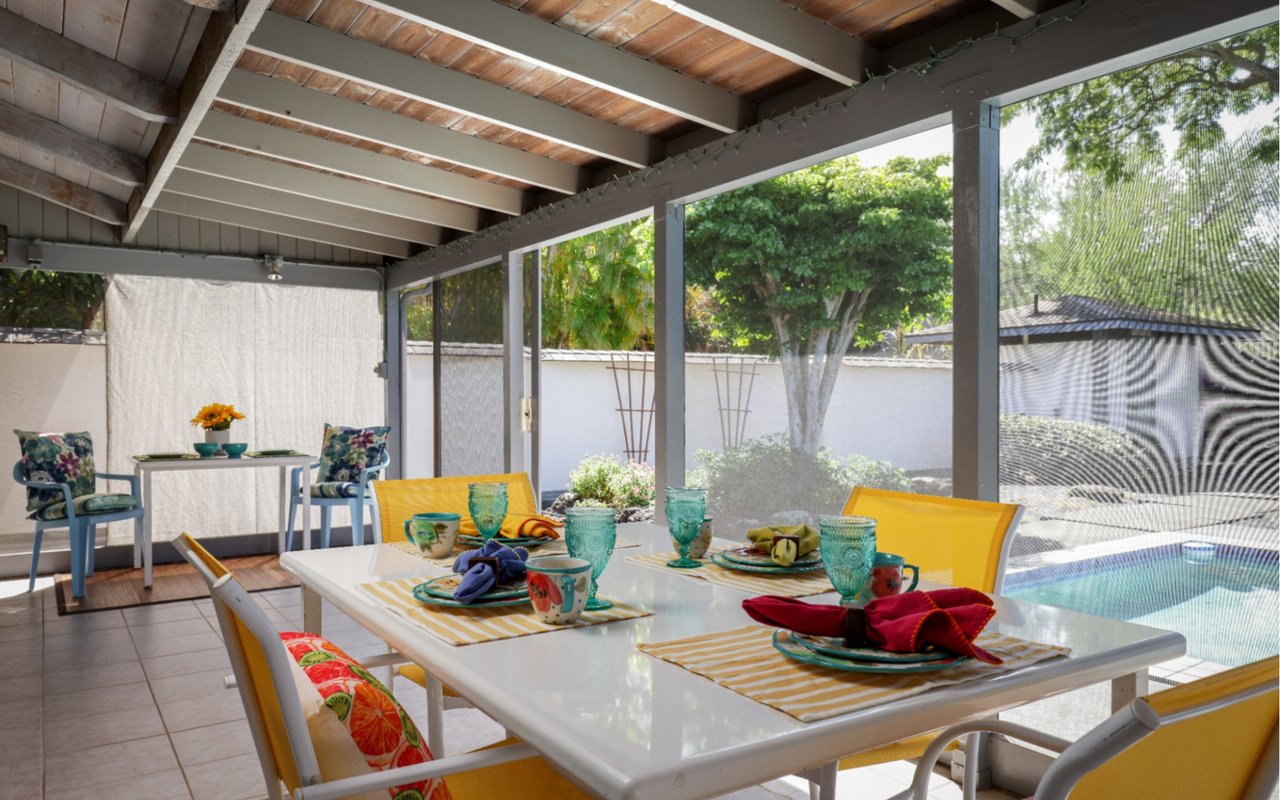
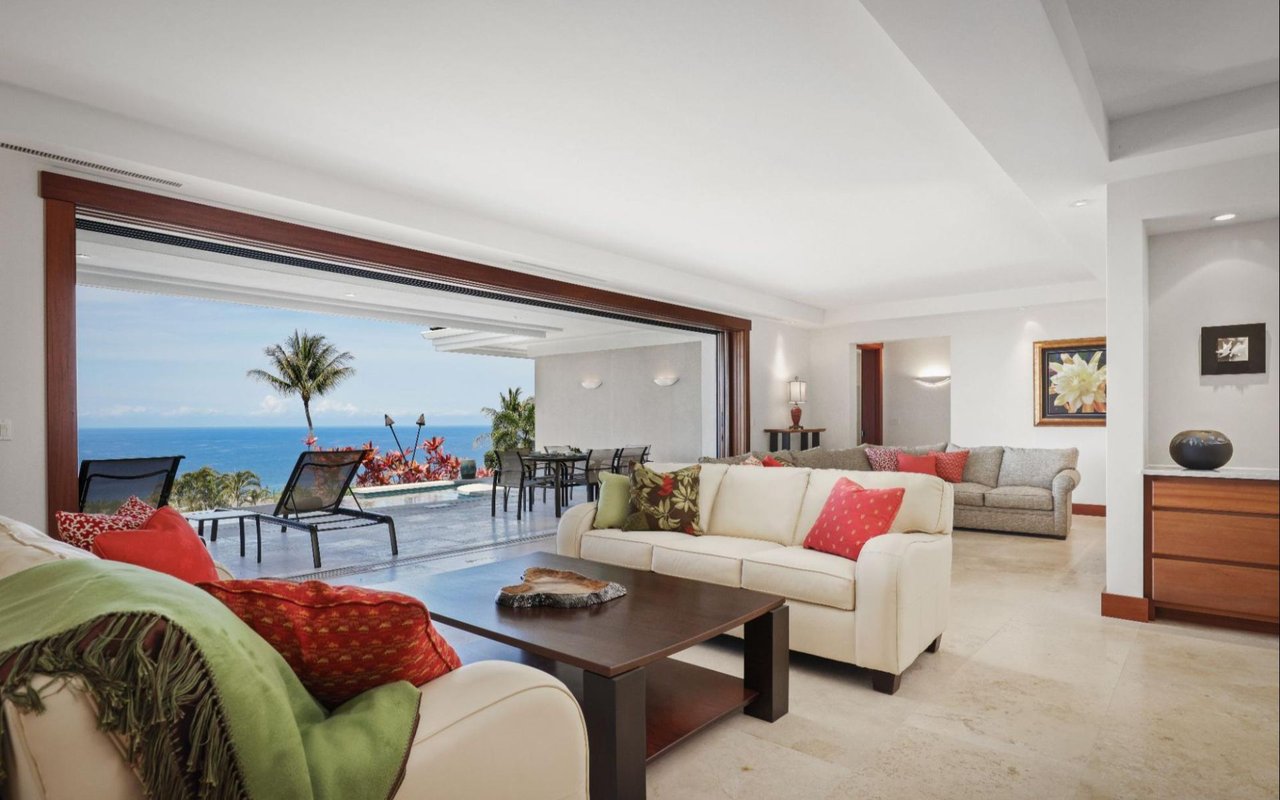
The vacation rental opportunity is one of the most compelling reasons for investing in real estate in Kona. The coast draws visitors for deep sea fishing, snorkeling, diving, and outdoor adventures, and the consistent sunny weather means demand is less seasonal than many other Hawaii destinations. Properties with ocean views or proximity to popular beaches command the strongest rental premiums and occupancy. Hawaii's vacation rental regulatory environment requires careful attention — permits in Hawaii County are property specific, and purchasing one with an existing valid permit is a materially different proposition than assuming one can be obtained.
What Investors Need to Know About Kona Vacation Rentals
- Short-term rental permits in Hawaii County are property specific and not automatically transferable
- Ocean view and ocean access properties command the strongest rental premiums and most consistent occupancy
- Golf course adjacent properties in Keauhou attract a high-value renter segment combining golf with snorkeling, diving, and the broader Kona outdoor recreation landscape
- Working with a local agent is essential because permit status and rental income history are not always accurately represented in listing materials
Know the Limitations
Investing in real estate in Kona is not a high-yield cash flow proposition relative to entry prices. Purchase prices, Hawaii property taxes, HOA fees, and island maintenance costs mean immediate returns are typically modest, and the investment case rests on long-term appreciation and rental income that offsets carrying costs. Hawaii's general excise tax and transient accommodations tax on short-term rental revenue add complexity that investors need to understand before projecting returns.
What to Understand Before You Invest
- Hawaii's general excise tax and transient accommodations tax apply to rental income and affect net return calculations in ways mainland investors often underestimate
- Island operating costs including property management and maintenance affect cash flow more significantly than comparable mainland properties
- The investment case rests on long-term appreciation and income that offsets carrying costs
- Exit liquidity is strong for well-priced Kona properties but pricing and presentation matter more in a balanced market
FAQs
Is Kona a good market for out-of-state investors?
It can be excellent but requires strong local professional support. Vacation rental permit status, HOA rules, property management logistics, and Hawaii's specific tax structure all require knowledge that out-of-state investors rarely bring from their home markets.
What property types perform best for investing in real estate in Kona?
Ocean view condominiums with existing vacation rental permits are the most accessible entry point. Golf course and oceanfront communities in Keauhou like Country Club Villas and Kanaloa at Kona offer a strong combination of rental appeal and lifestyle amenities.
How does the current market compare to recent years?
Significantly better for buyers. More inventory, longer days on market, and sellers open to negotiation represent a meaningful shift from the compressed conditions of the peak period.
Contact Kris Hazard Today
Investing in real estate in Kona rewards preparation, local knowledge, and a long-term perspective. I work with buyers and investors across the Kona Coast and the Big Island and bring honest market analysis and deep local knowledge to every conversation.
Visit me at Kris Hazard to connect and let's talk through what a Kona investment position could look like for your goals.