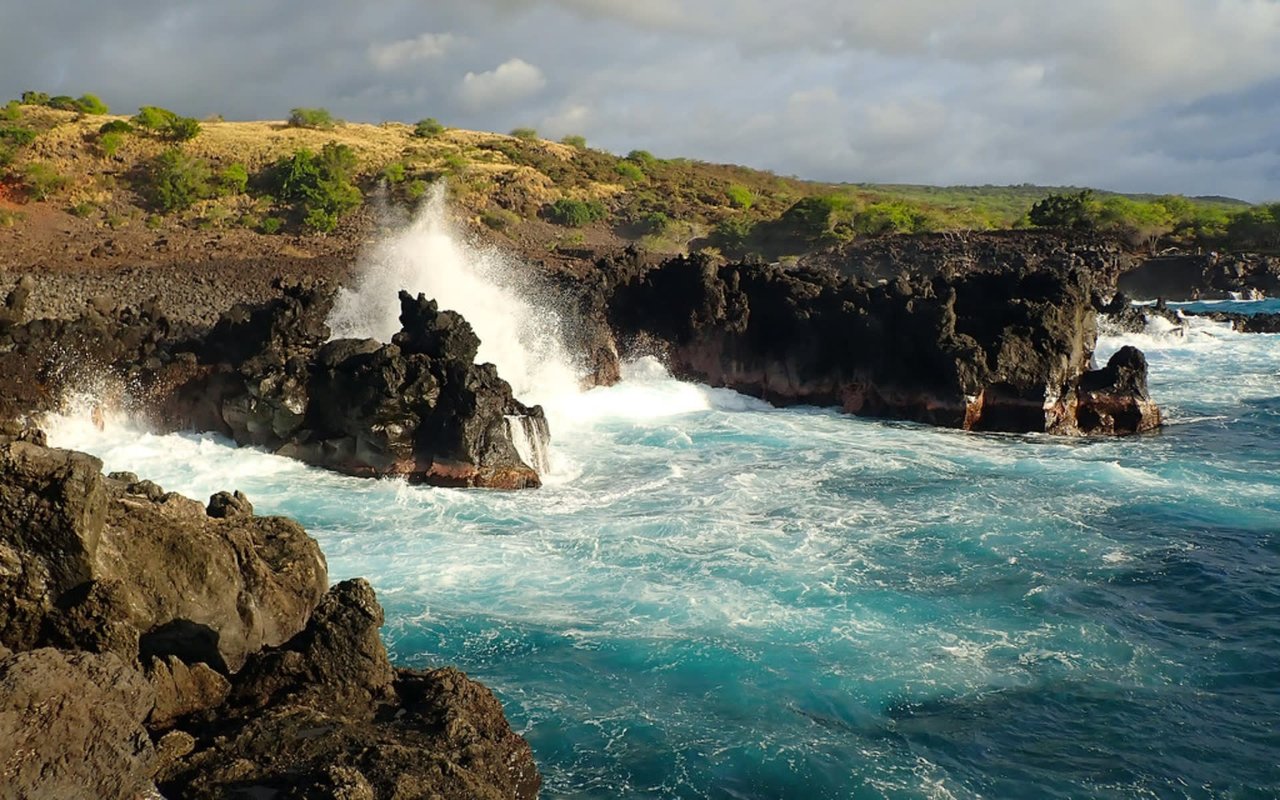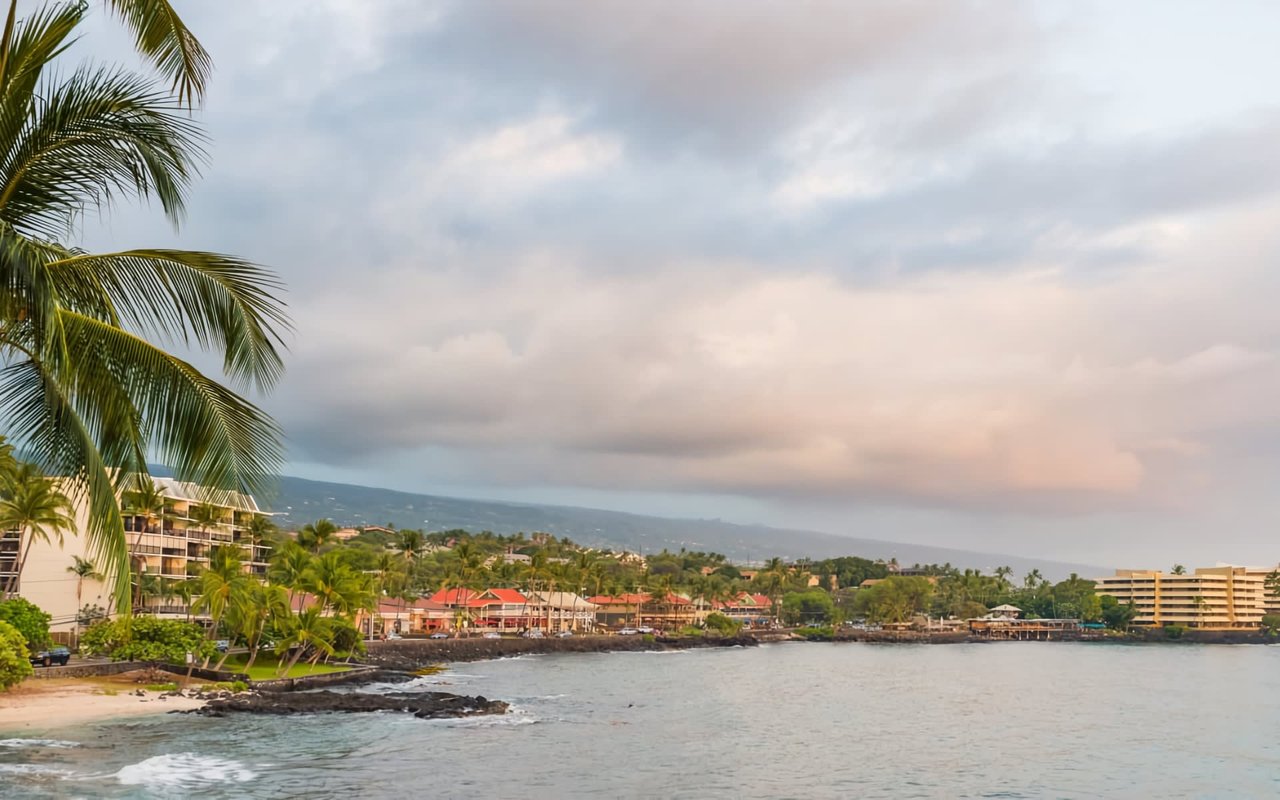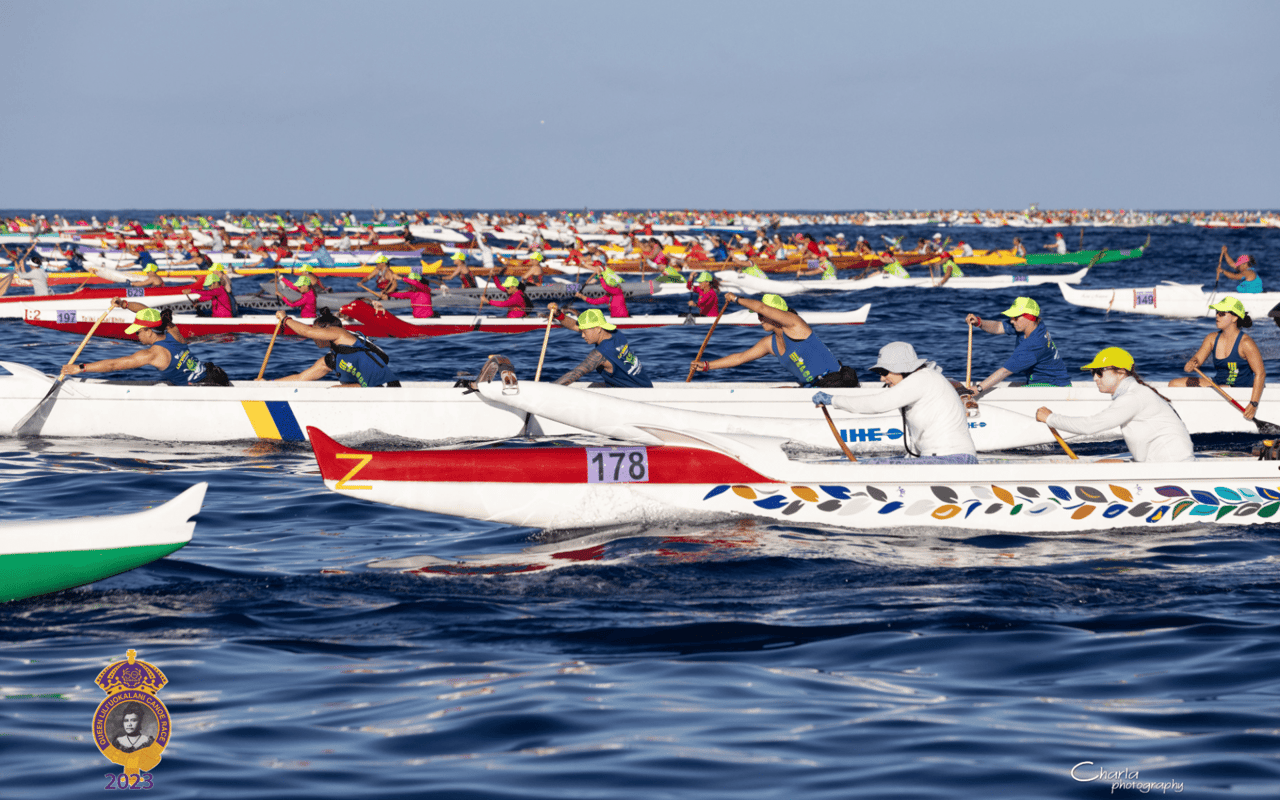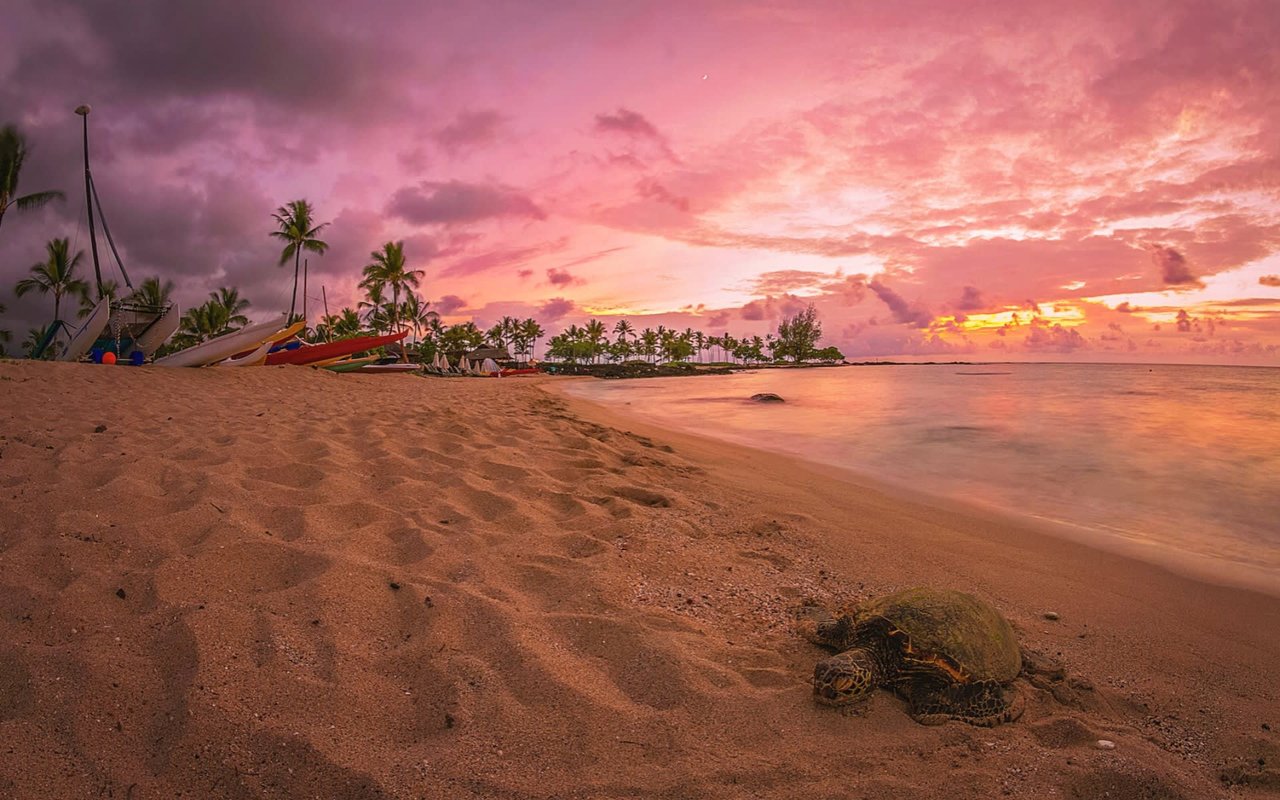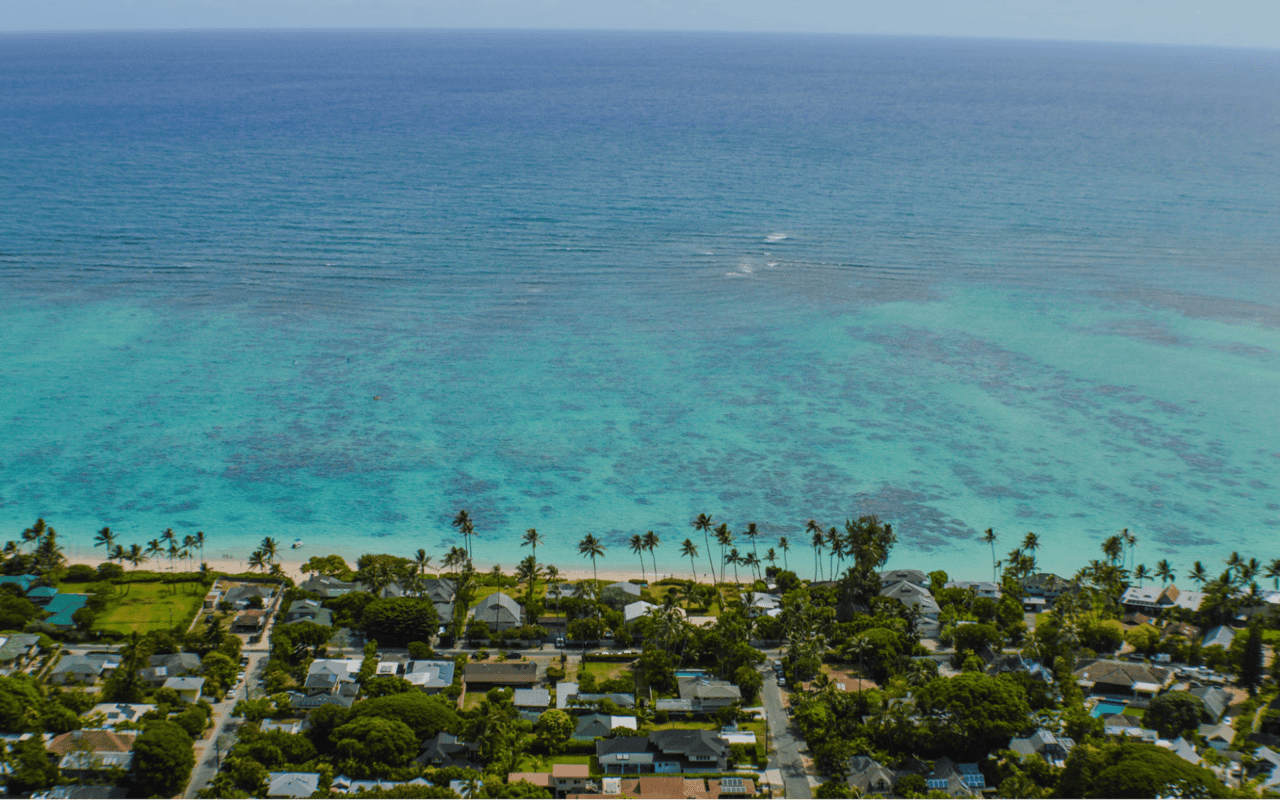
By the last week of August, the trailers start appearing. Six-person hulls stacked two-high on flatbeds, escort trucks with club decals from Tahiti and Vancouver Island and Southern California, coolers lashed under tarps. If you live on Aliʻi Drive, you already know the sequence. The pier changes shape overnight, the seawall fills before sunrise, and for five days the ocean in front of your building becomes the working floor of the largest long-distance outrigger race on the planet.
This year the race runs September 3 through 7, 2026, and it is the 52nd running of the event. The best way to enjoy it as a resident is to stop treating it as one big Saturday and start reading it the way the paddlers do: five distinct days, each with its own tempo, its own crowd, and its own opening in the street where a local can slip in.
The Thesis, Stated Plainly
The Queen Liliʻuokalani race is not a festival that visits Aliʻi Drive. It is a competition that briefly rewires the street. Parking, sightlines, cafe seating, dinner reservations, the shoulder of the road itself, all of it reorganizes around a fleet of canoes moving north and south of Kailua Pier. If you know the geometry, race week is the best week of the year to live here. If you do not, you spend it circling for a parking spot two blocks from your own front door.
The rest of this post is that geometry.
Five Days, Five Different Streets
The race is billed as a Labor Day weekend event, but the interesting texture starts on Thursday. Kai ʻŌpua Canoe Club, which has hosted the race every year since 1972 in honor of Queen Liliʻuokalani, whose birthday falls on September 2, spreads roughly 2,500 paddlers across a five-day schedule of shorter sprints, iron races, and the marquee open-ocean long-distance day. Exact daily start times shift year to year, so confirm the current schedule at the official race site before you build a morning around a single heat.
Here is the shape of the week as it lands on the street:
Day | What the street looks like |
|---|---|
Thursday, Sept 3 | Trailers arrive, canoes rigged along the pier lawn, quiet morning, buzzing evening |
Friday, Sept 4 | Shorter warm-up and sprint races, first serious crowd on the seawall |
Saturday, Sept 5 | The 18-mile OC-6 long-distance race, the day the whole town shows up |
Sunday, Sept 6 | Double-hull, OC-1, OC-2, and SUP divisions, a lighter, more family-shaped day |
Monday, Sept 7 | The Kupuna Classic for paddlers 50 and older, then teardown |
If you only step out for one morning, Saturday is the obvious answer. If you want the race without the crowd, Sunday and Monday are quietly the best days to be a resident. The paddling is real, the seawall is thinner, and half of the visiting clubs have already turned their attention to the flight home.
The Course, Read From Your Front Steps
The marquee OC-6 long-distance race is roughly 18 miles, run in traditional six-person outrigger canoes from Kailua Pier north up the Kona coast toward Honokōhau Harbor and back. Iron crews, the ones paddling the full distance without a chase-boat swap, have historically clocked the course in about two to two and a half hours, with iron-women starting near 7:30 a.m. and the leading men expected back at the pier around 1 p.m.
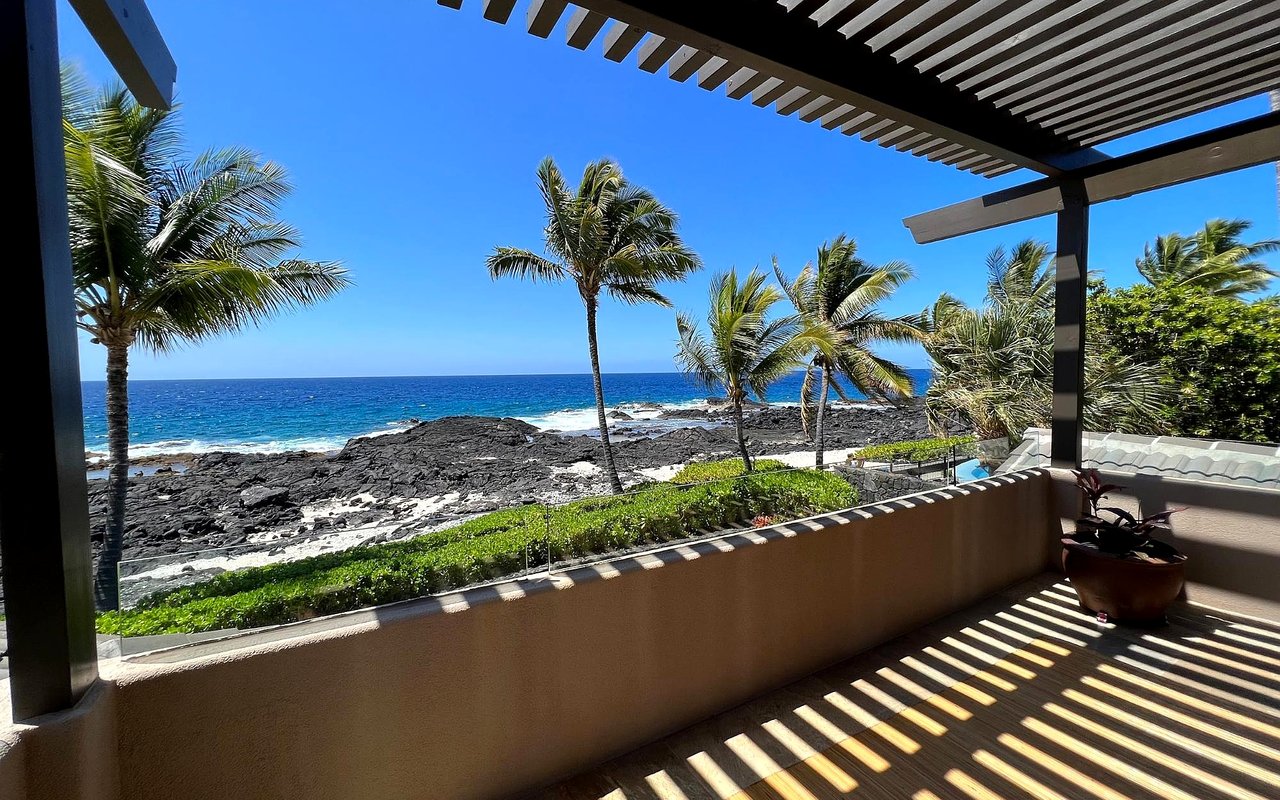
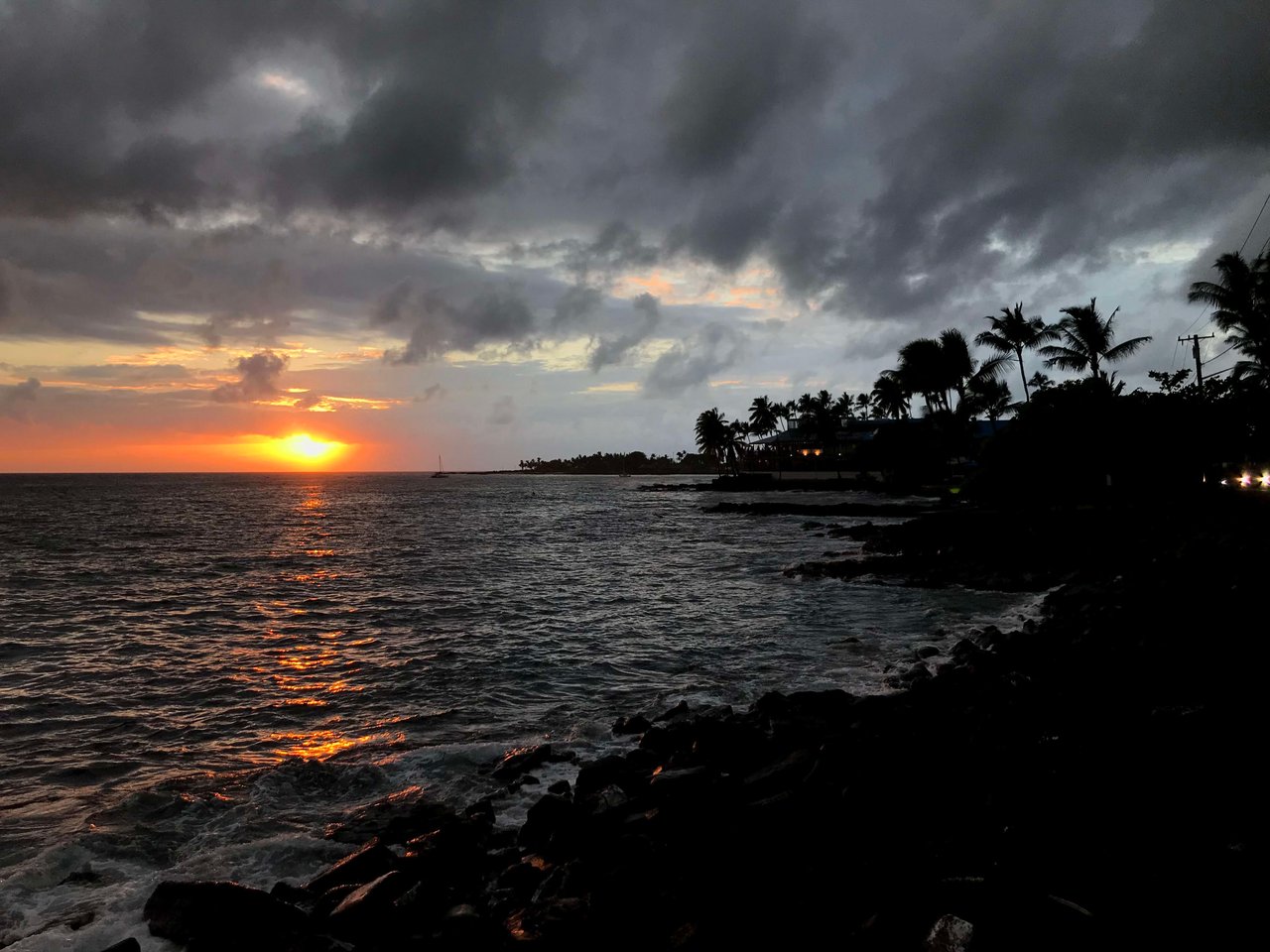
That timing matters if you live along the drive. The window between roughly 7 and 10 a.m. is when the canoes are visible in tight formation off your shoreline. By late morning, the fleet has stretched and the last crews are still working south while the leaders are drinking water at the pier. If your lanai faces north of the pier, you have the start. If you face south, you get the long, quieter parade of the middle-of-the-pack crews finishing their day.
Where the Seawall Actually Works
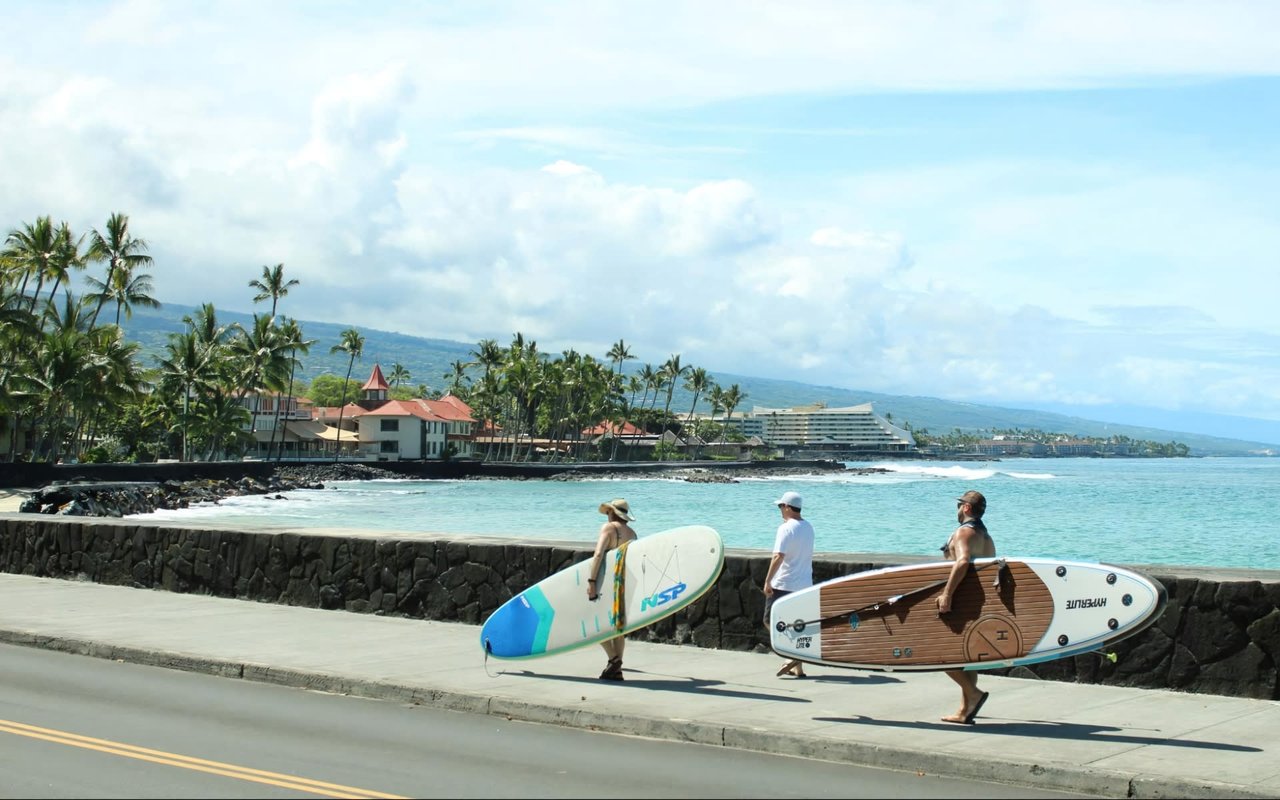
Every visitor guide points people to Kailua Pier. Residents know the pier fills first, and the sightlines from the seawall running south along Aliʻi Drive are often better than the pier itself. A few working notes.
- The stretch of seawall between the pier and Huliheʻe Palace offers the cleanest morning angle on the start. It also fills by 6:30 a.m. on Saturday.
- Anywhere along Aliʻi Drive with an oceanside pullout works for tracking the fleet once it has moved into open water. Bring binoculars. From shore, an OC-6 half a mile out looks like a pencil.
- The seawall corner near Kamakahonu Beach, the small crescent tucked against the King Kamehameha Kona Beach Hotel, is the closest you can stand to the mass launch without being in the way of a crew carrying a hull. The reconstructed Ahuʻena Heiau sits on the hotel grounds, and the framing of canoes launching against the heiau is the photograph that most out-of-state paddlers take home.
For a quieter watching spot, drive south. The course does not officially extend to the Holualoa or Keauhou shoreline, but crews practice and warm up along that same stretch all week, and the late-afternoon light on the canoes coming in is arguably the best photography of the whole weekend.
What Happens To Parking, And Your Morning Coffee
Parking near the pier disappears before the first heat. If your building has assigned stalls, this is the week to remind guests that street parking is not a plan. If you normally walk to the pier for coffee, budget an extra fifteen minutes on Saturday morning and expect the line at every cafe within three blocks of the water to be doubled.
A few practical resident moves for race week:
- Move your Saturday errands to Thursday. Grocery runs, hardware, dry cleaning, anything that requires driving into or across the village becomes materially harder from Friday afternoon through Sunday evening.
- Make dinner reservations for Saturday night by mid-August. Every oceanfront table between the pier and the south end of the drive is claimed by paddlers, escorts, and family. Restaurants along the walking corridor of Aliʻi Drive absorb the biggest single-night surge of the entire fall.
- If you are hosting family in from the mainland, this is the weekend to have them fly in on Wednesday, not Friday. Kona International sees a compressed Friday arrival wave, and rental car counters run thin.
The Cultural Layer Most Visitors Miss
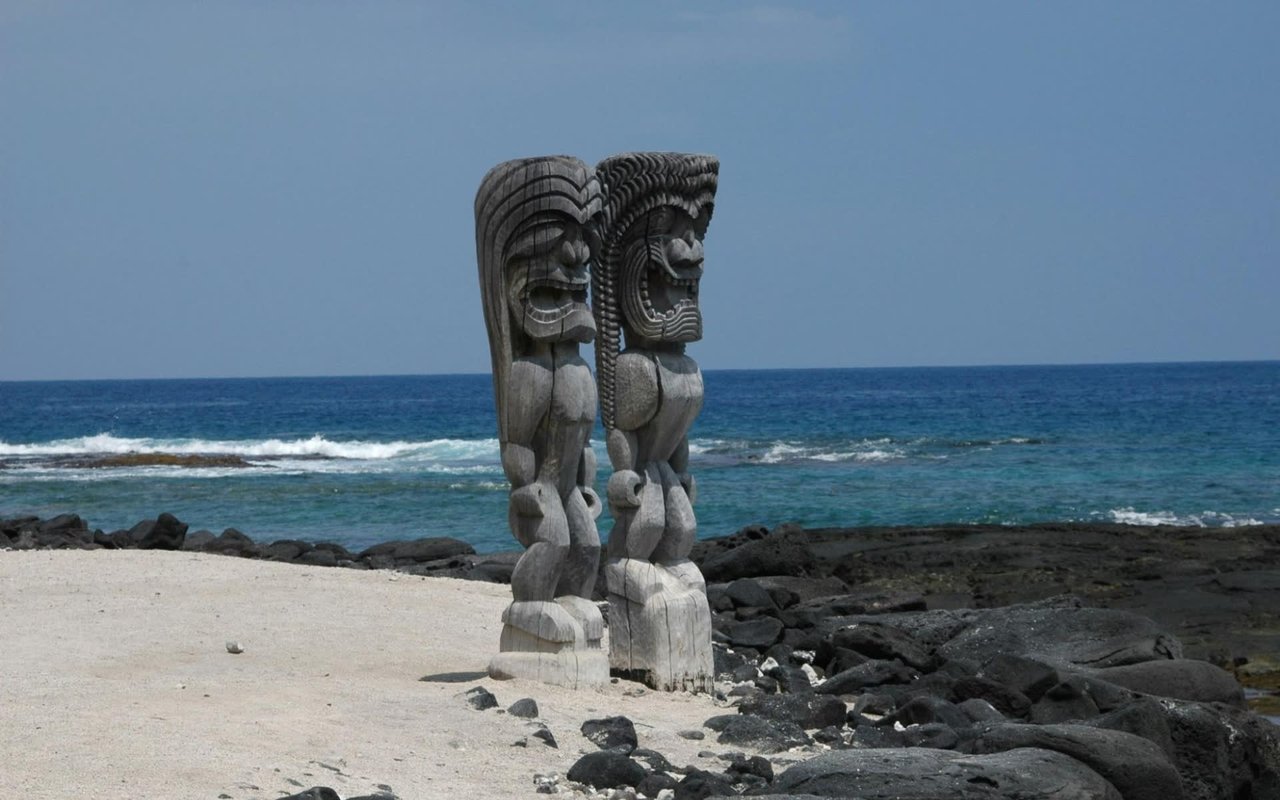
The race is named for Queen Liliʻuokalani, the last reigning monarch of the Kingdom of Hawaiʻi. Her birthday falls on September 2, and the race is scheduled to open in the days that follow. The choice of the King Kamehameha Kona Beach Hotel as the official race hotel is not arbitrary. It sits on the ground of Kamakahonu, the final royal compound of King Kamehameha I, with Ahuʻena Heiau reconstructed on the same footprint. If you have lived here long enough to take that site for granted, race week is the annual reminder that the village you walk through every day is layered with royal history that the paddling community treats with real weight. The opening ceremonies at the pier lean into that history, and they are worth the early wake-up even if you skip every race that follows.
Small Things Longtime Residents Do
- Walk the pier on Thursday evening while crews are still rigging. The atmosphere is calm, the paddlers are friendly, and you get to see the boats up close without a crowd.
- Skip driving entirely on Saturday. If you live within a mile of the pier, walking is faster.
- Bring water to the seawall in the morning. Concessions are limited and lines are long.
- Watch the finish, not just the start. The exhausted arrival of a mid-pack crew after two and a half hours in open water tells you more about the race than the mass launch does.
- Book brunch for Sunday, not Saturday. Sunday morning restaurants along the drive are calmer, and many crews are still asleep.
Why This Matters for the Neighborhood
Race weekend is the single clearest illustration of what Aliʻi Drive actually is. Not a resort strip, and not a residential street, but a working shoreline that the wider Pacific outrigger community treats as a home base for one week of the year. The value of living here shows up in weekends like this one, where the biggest cultural event in West Hawaiʻi unfolds inside walking distance of your kitchen. A calendar full of quieter weekends is what makes the loud ones feel like a gift instead of a disruption.
If you are thinking about your own place on Aliʻi Drive, or considering a move within Kailua-Kona that keeps you close to weeks like this one, Kris Hazard knows this stretch of coast the way residents know it. Schedule a personalized Kona consultation and talk through what living race-week close actually looks like the other fifty-one weeks of the year.