If you are looking at Holualoa, you are probably not shopping for a typical Kona home. You are likely searching for privacy, land, views, and a property that feels like a retreat. This overview will help you understand how Holualoa fits into the North Kona market, what serious buyers should watch for, and how to read listings with more confidence. Let’s dive in.
Holualoa in the Kona luxury market
Holualoa sits in North Kona and functions as a small, niche market rather than a broad, high-volume one. Public market data for April 2026 shows a median listing price of $1,675,000, a median price per square foot of $753, about 50 homes for sale, and a median 91 days on market.
That pricing puts Holualoa above several nearby Kona-area markets in the same snapshot. Kailua-Kona shows a median listing price of $726,500, North Kona is $978,000, and Keauhou is $1,150,000. The broader 96725 ZIP code comes in at $1,455,000, which also helps frame Holualoa as a higher-price hillside option.
For serious buyers, that matters because Holualoa is not usually a value play based on bedroom count alone. You are often paying for a combination of elevation, acreage, privacy, and view potential.
What luxury looks like in Holualoa
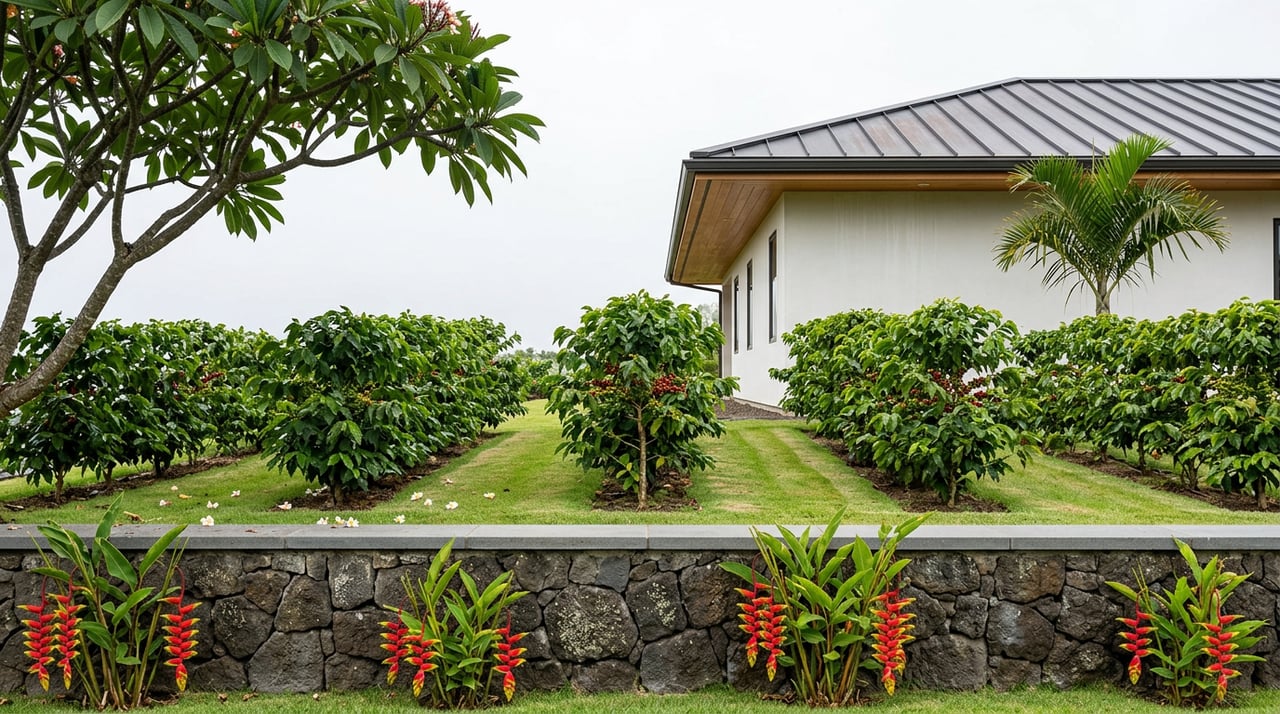
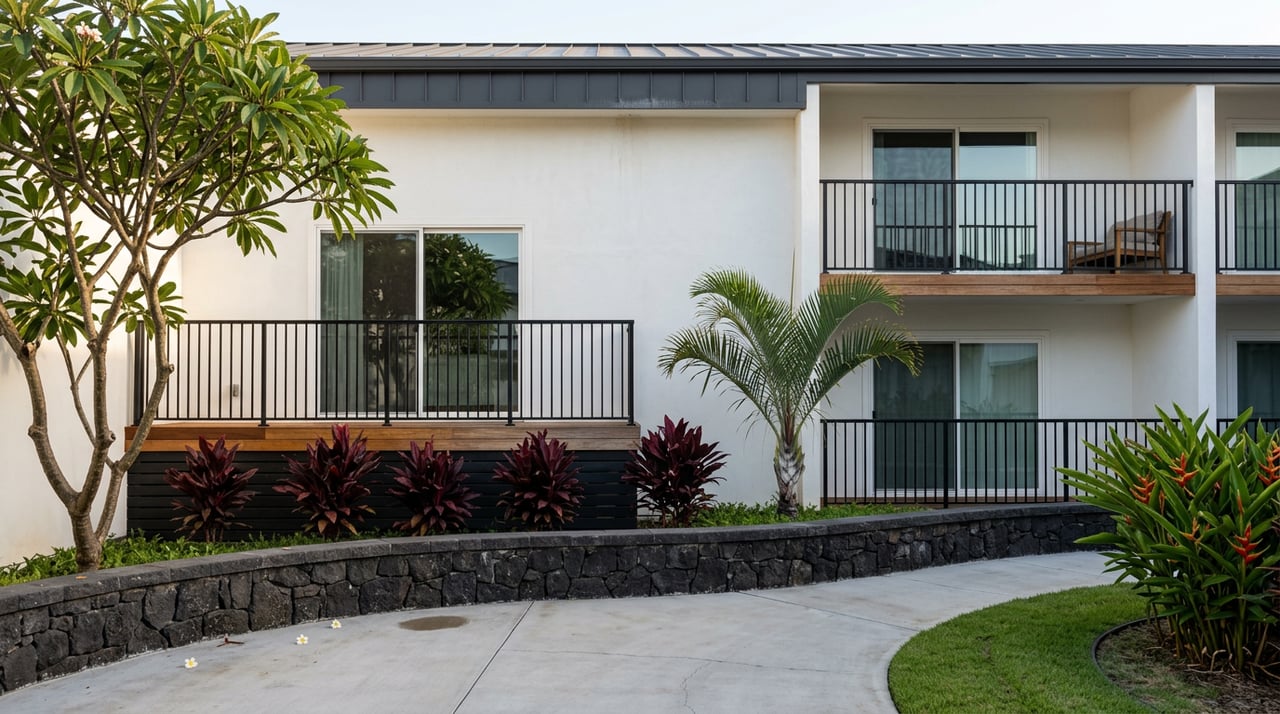
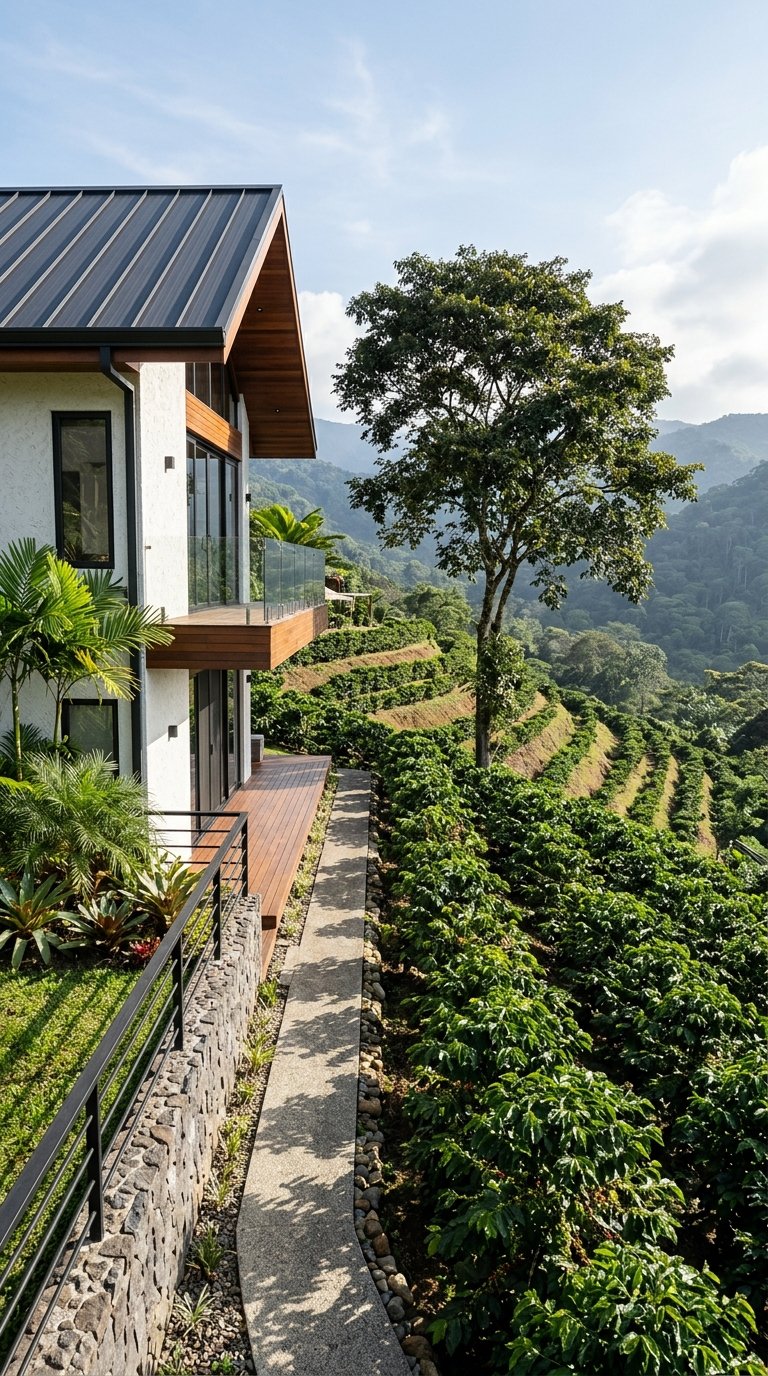
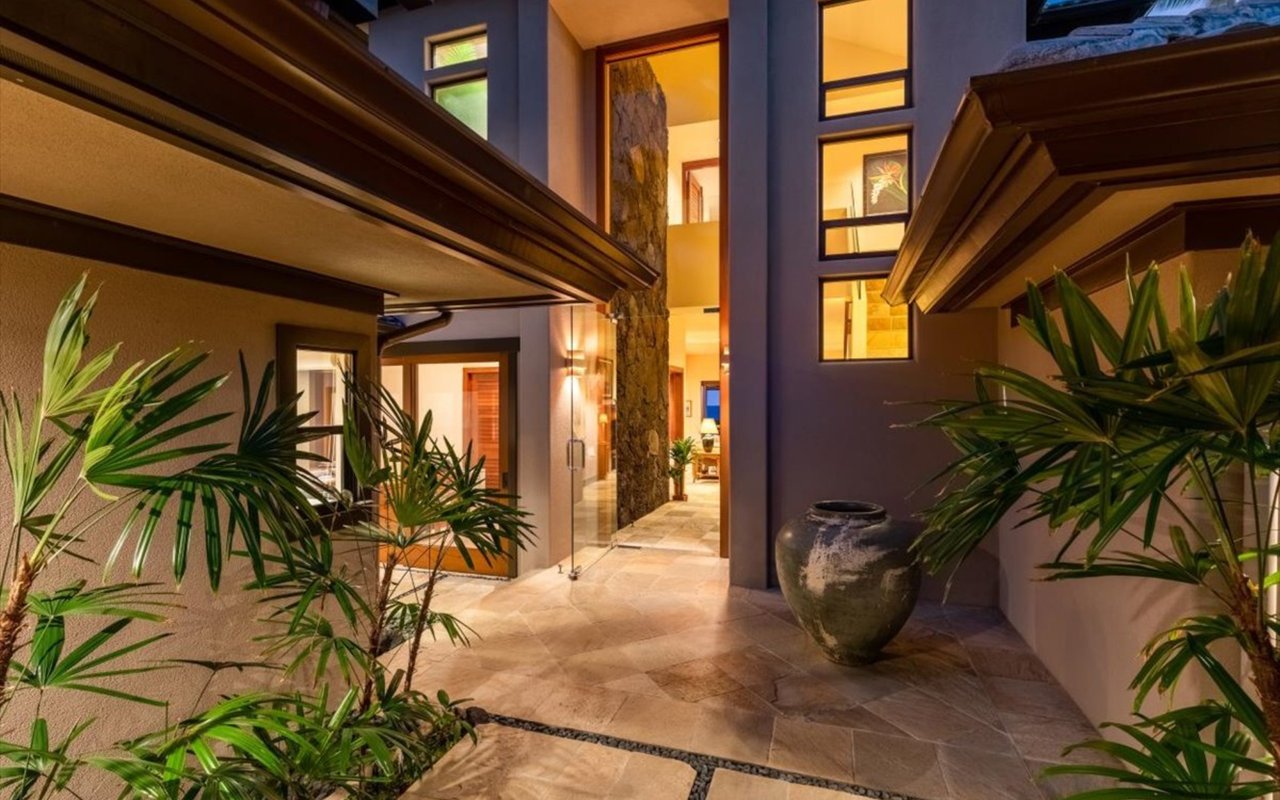
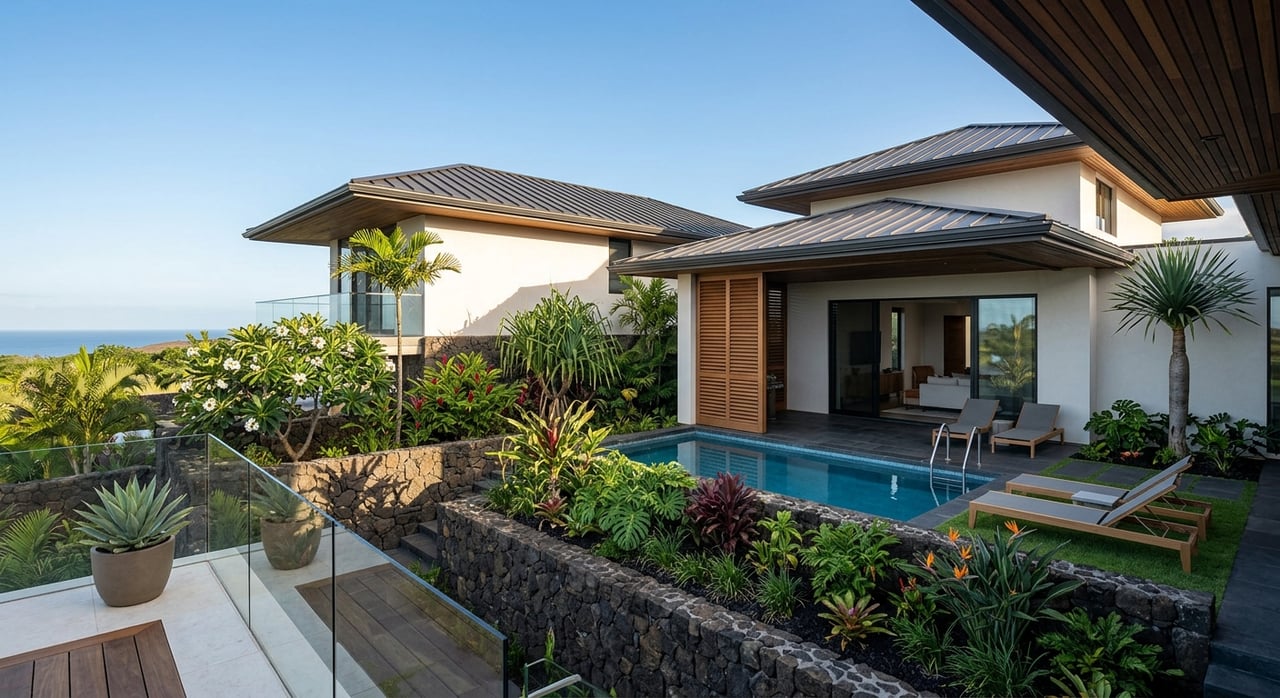
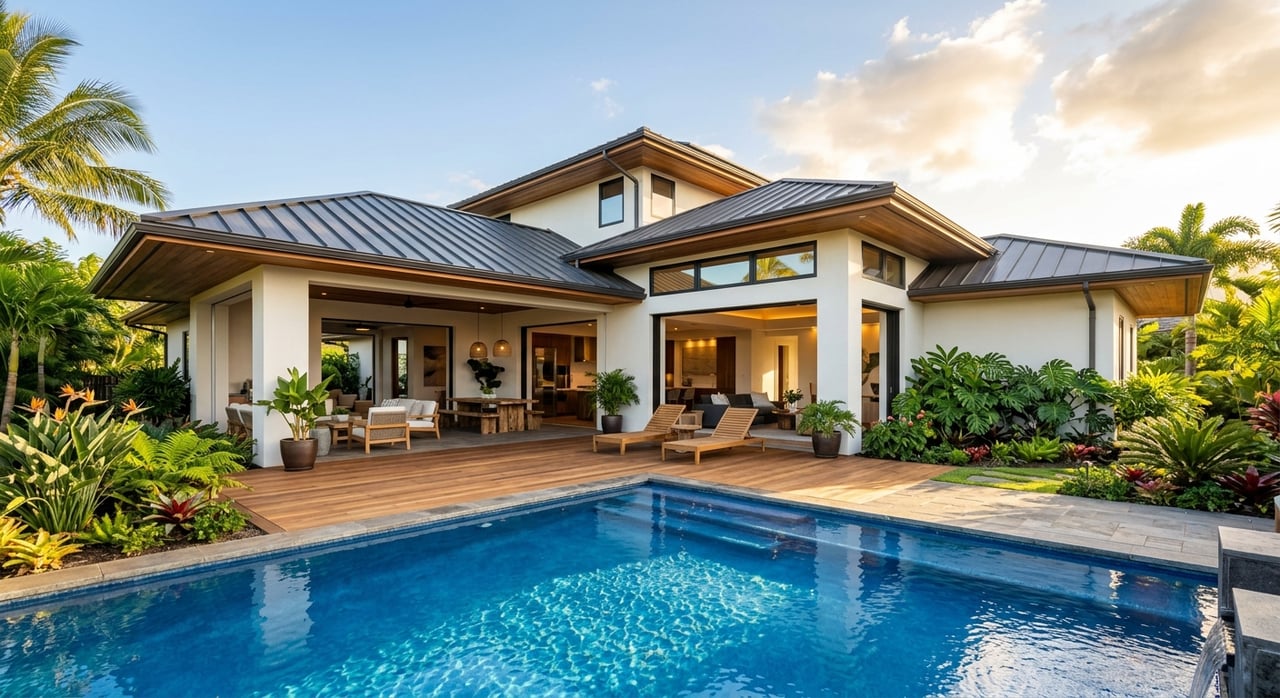
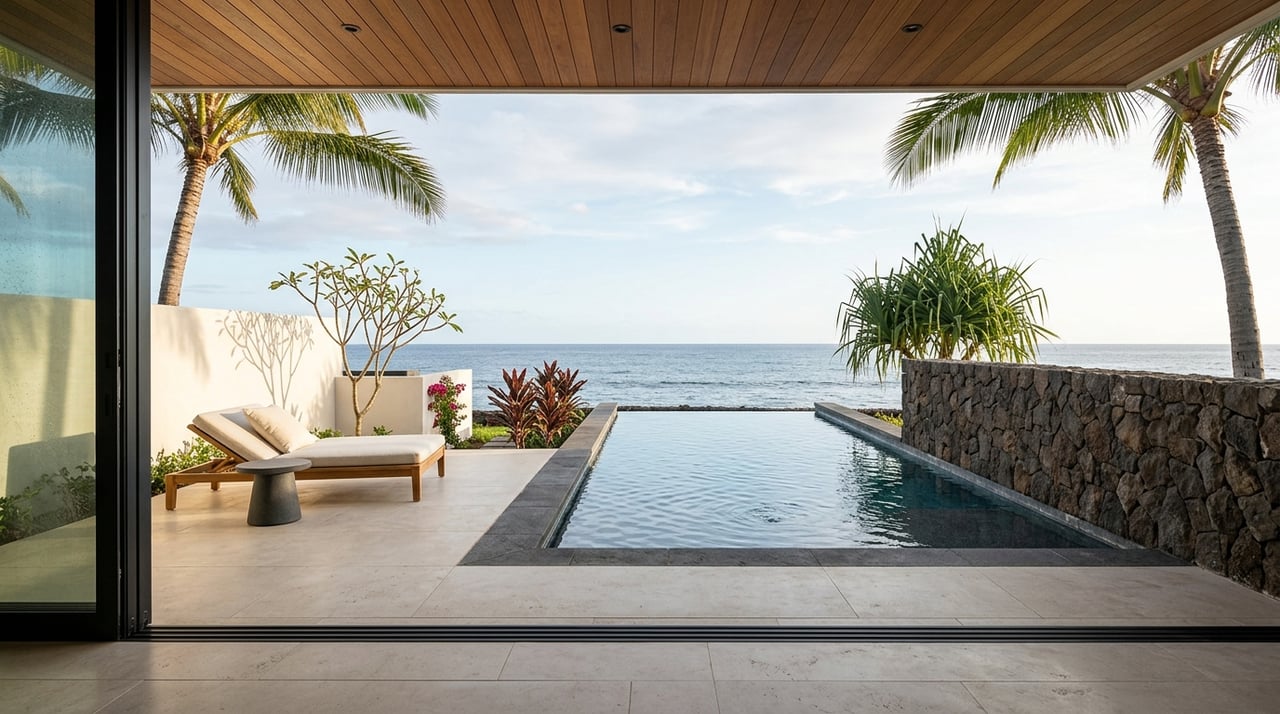
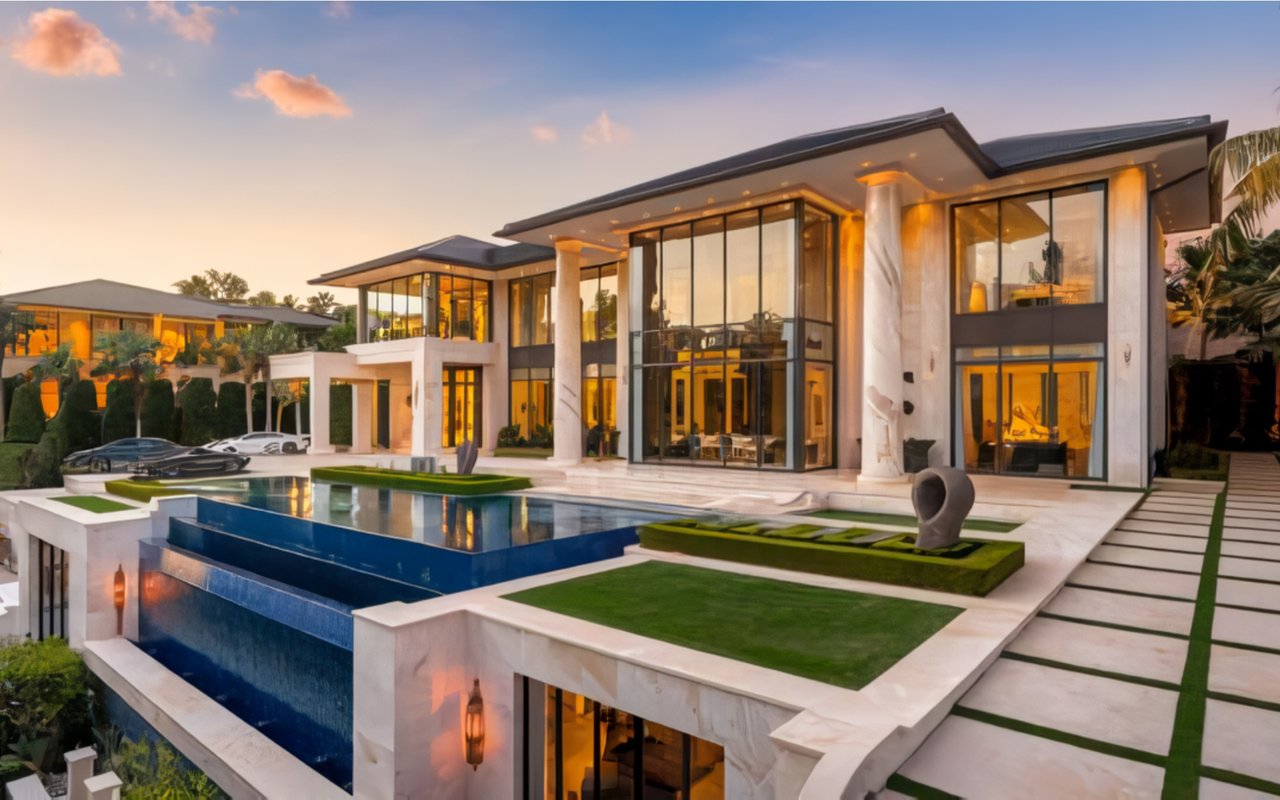
In Holualoa, luxury usually means a larger property package, not a dense amenity setting. The public inventory is dominated by custom homes, coffee-farm estates, and acreage properties rather than tract housing.
Current and recent listings show the range clearly. You may see older hillside homes and some agricultural or leasehold properties around the lower end of the visible market, while many core luxury properties sit on acre-plus parcels with stronger view packages. Legacy estates and larger multi-acre holdings can push far higher.
A practical working range based on current visible inventory and recent sales looks like this:
- Roughly $1.0M to $1.7M for smaller or older hillside homes and some agricultural or leasehold properties
- Roughly $1.7M to $3.0M for the core luxury tier on acre-plus parcels with stronger views
- Roughly $4.5M to $5.5M+ for larger estates and substantial multi-acre properties
That is not a formal market definition, but it is a useful buyer framework based on public listings and sold comps.
Why land matters as much as the house
One of the biggest mistakes buyers make in Holualoa is focusing too much on interior square footage. In this market, acreage, topography, and legal use can shape value just as much as the home itself.
Visible active inventory includes parcels around 1.3 acres, 5 acres, 5.75 acres, 11.13 acres, 13.58 acres, 14.47 acres, and even 20 acres. There are also smaller offerings in the broader Holualoa market, which shows just how wide the range can be.
That means two homes with similar square footage can feel very different in daily life and long-term utility. One may offer usable open land, orchards, or multiple dwellings, while another may have steeper terrain, more limited usable area, or a very different ownership structure.
Elevation changes the lifestyle equation
Holualoa is on the leeward side of the island in the Kona district, and elevation plays a major role in how a property lives. Weather patterns in this area are shaped by topography and upslope winds, with middle elevations in the coffee belt often seeing more afternoon cloud and rainfall under the right conditions.
In practical terms, hillside parcels often trade immediate beach proximity for cooler temperatures, greater privacy, and broader view potential. That can be a strong plus if you want a quieter, more retreat-like setting.
It also means your ideal property depends on how you want to live. If you picture quick walkability to the shoreline, Holualoa may feel different from what you expect. If you want space, a more rural setting, and a strong sense of separation from busier coastal areas, Holualoa often delivers that experience.
Common property types you may see
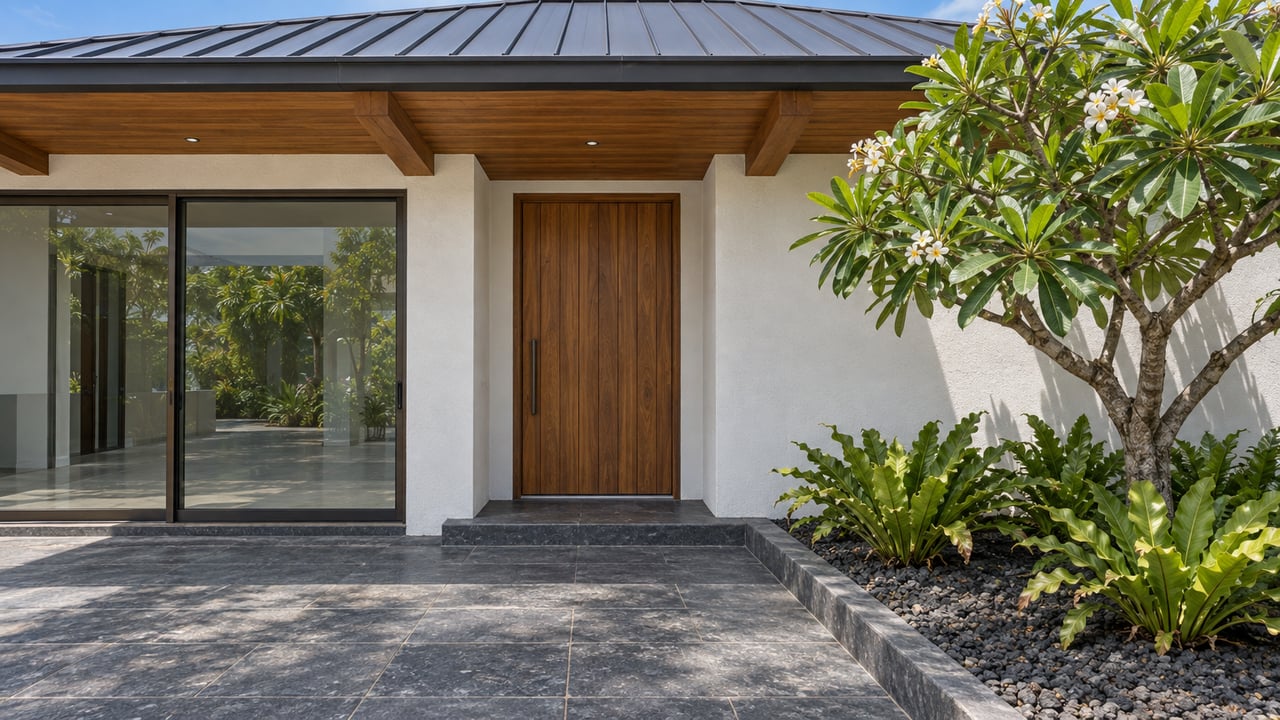
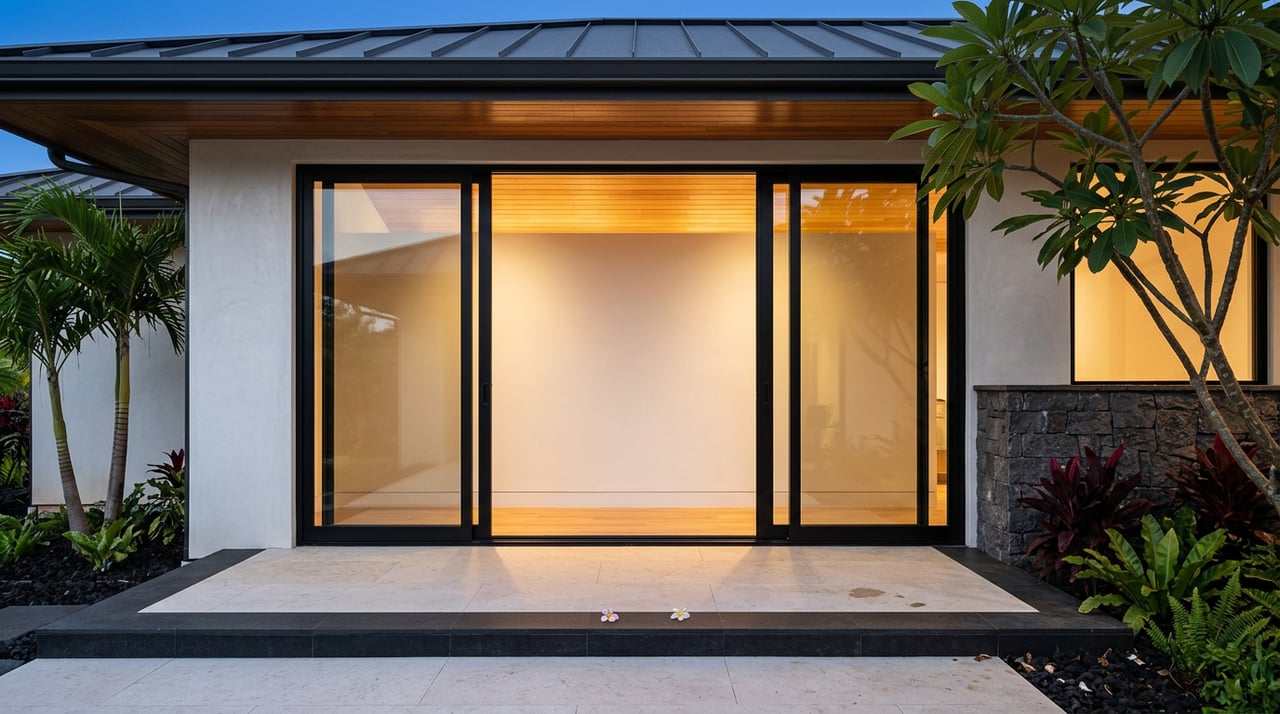
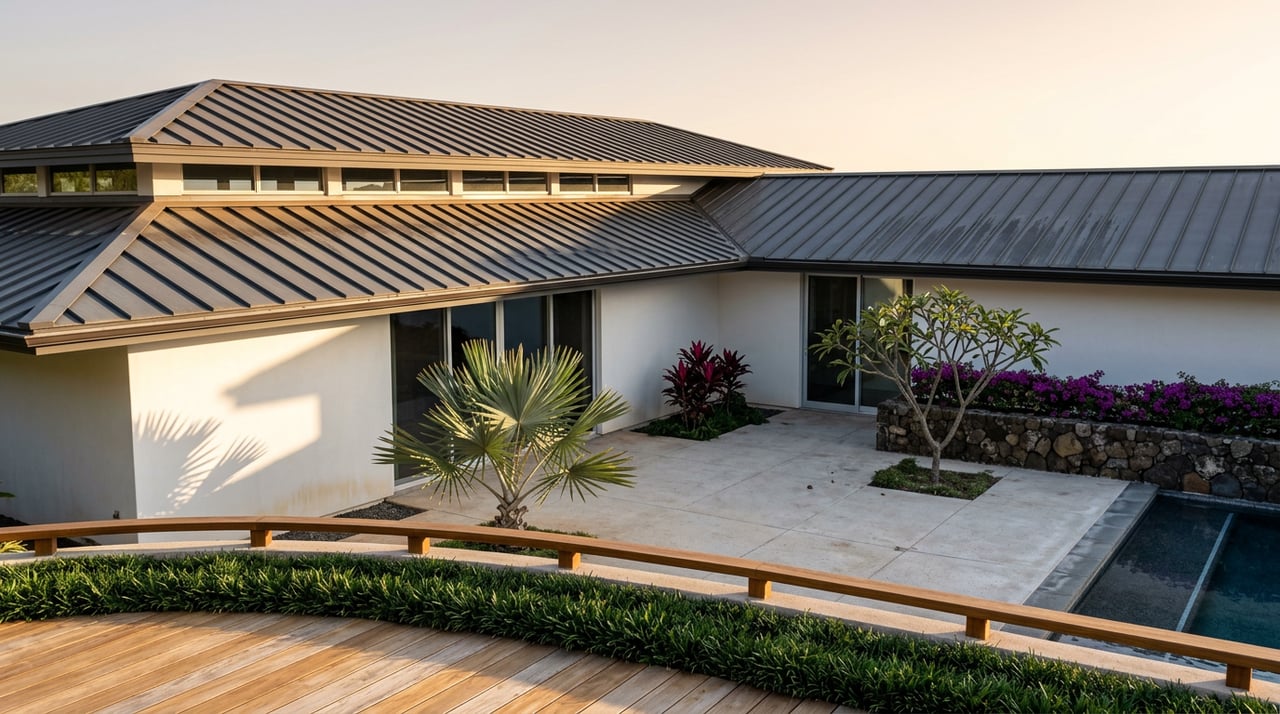
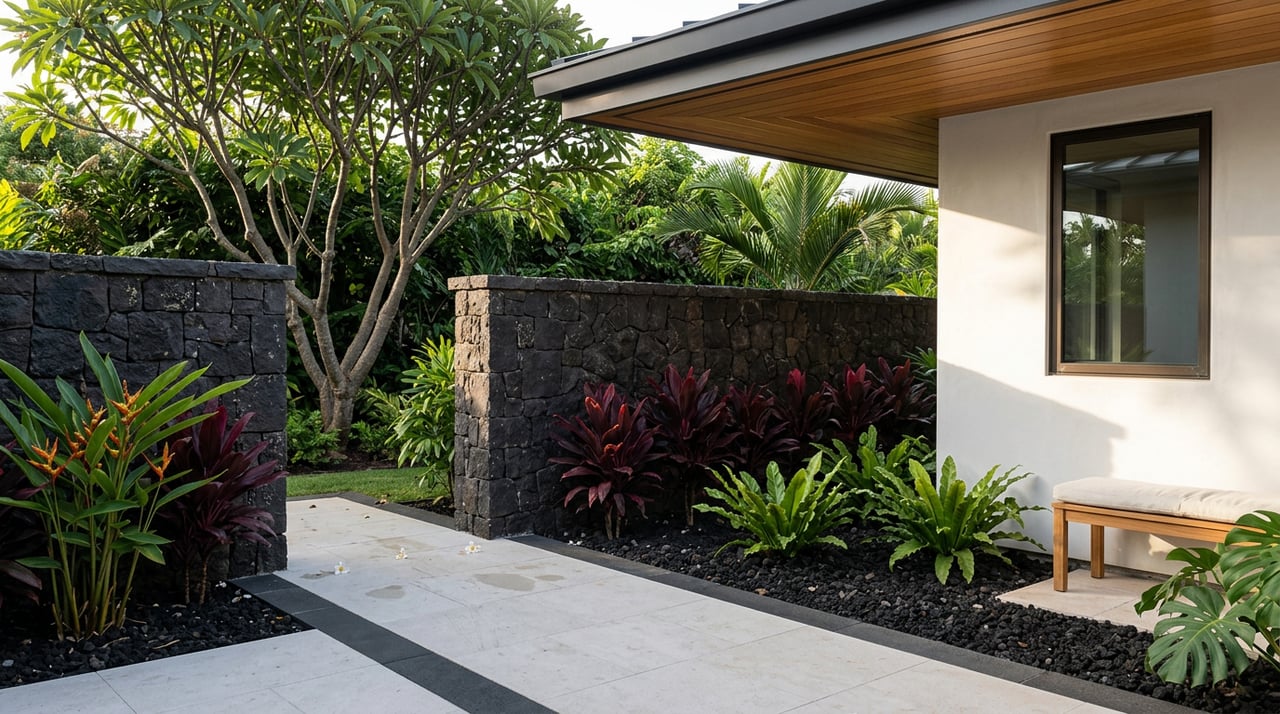
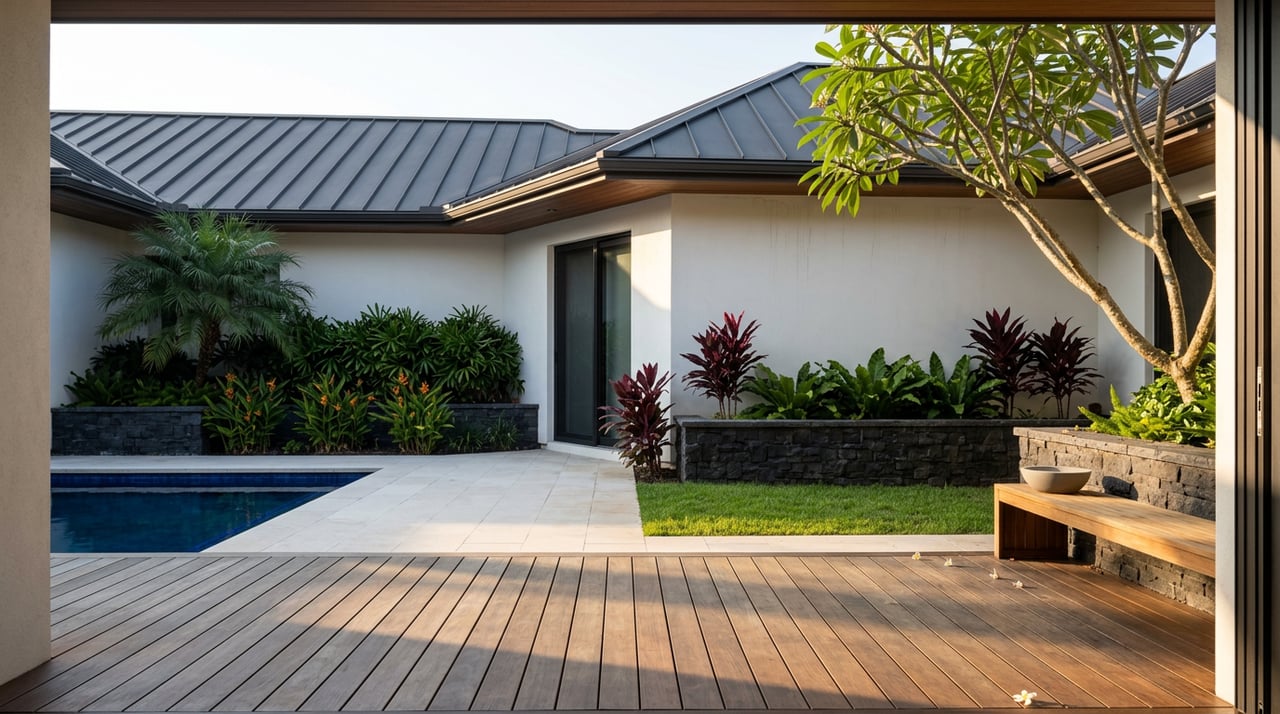
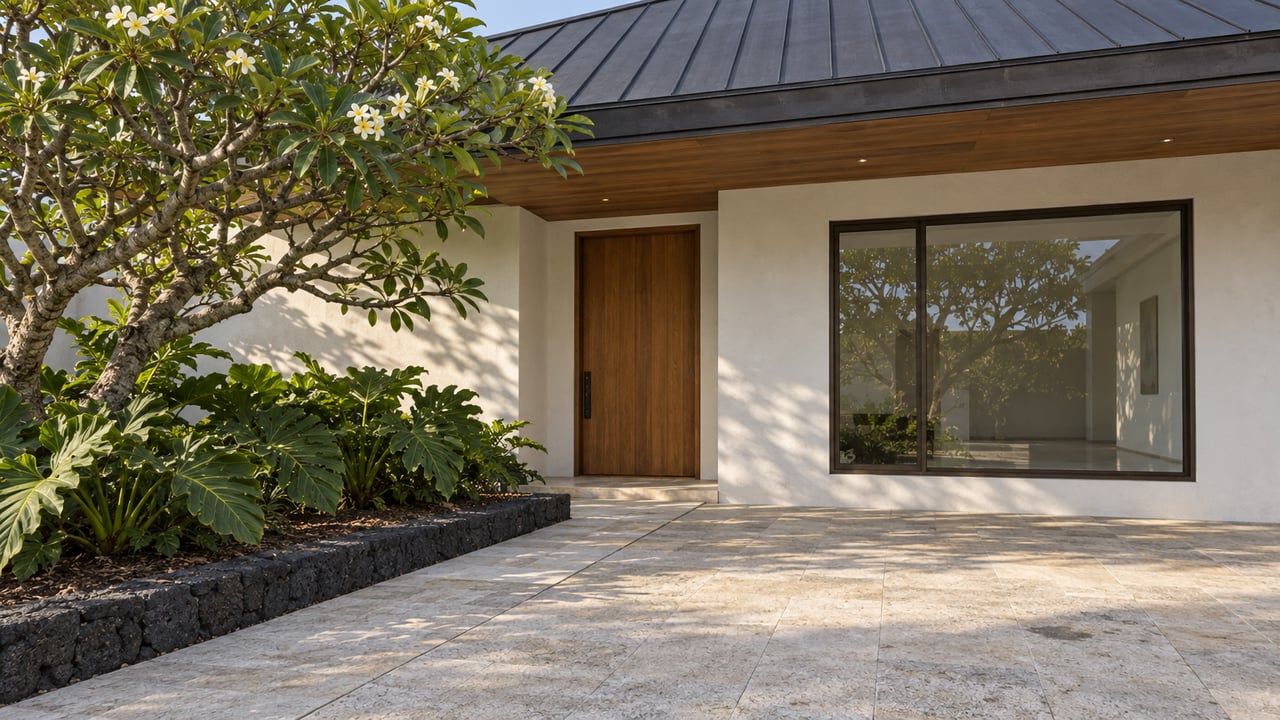
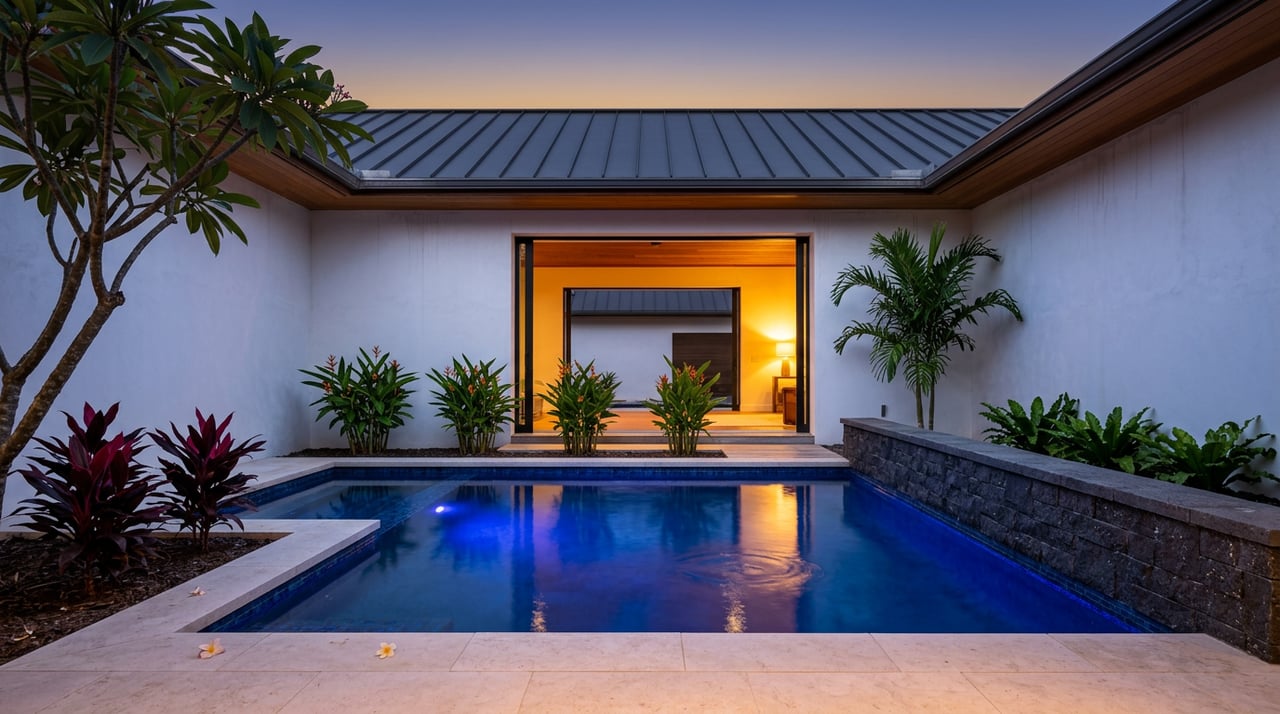
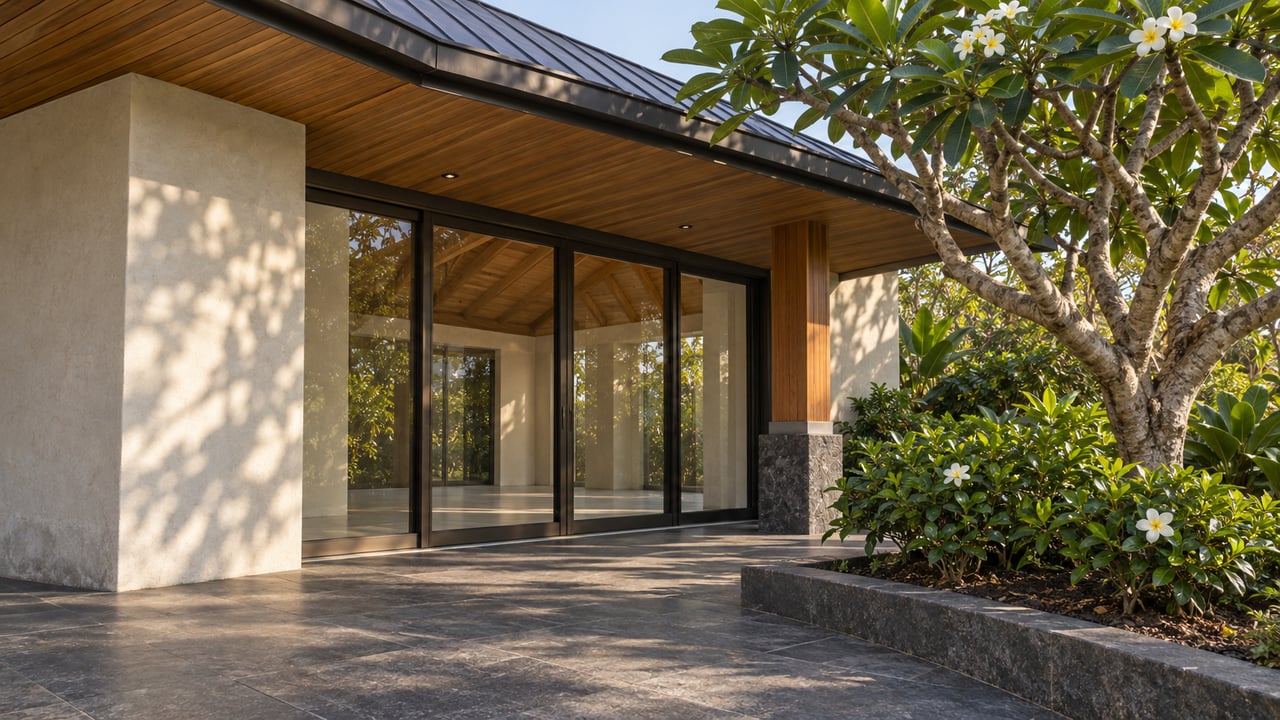
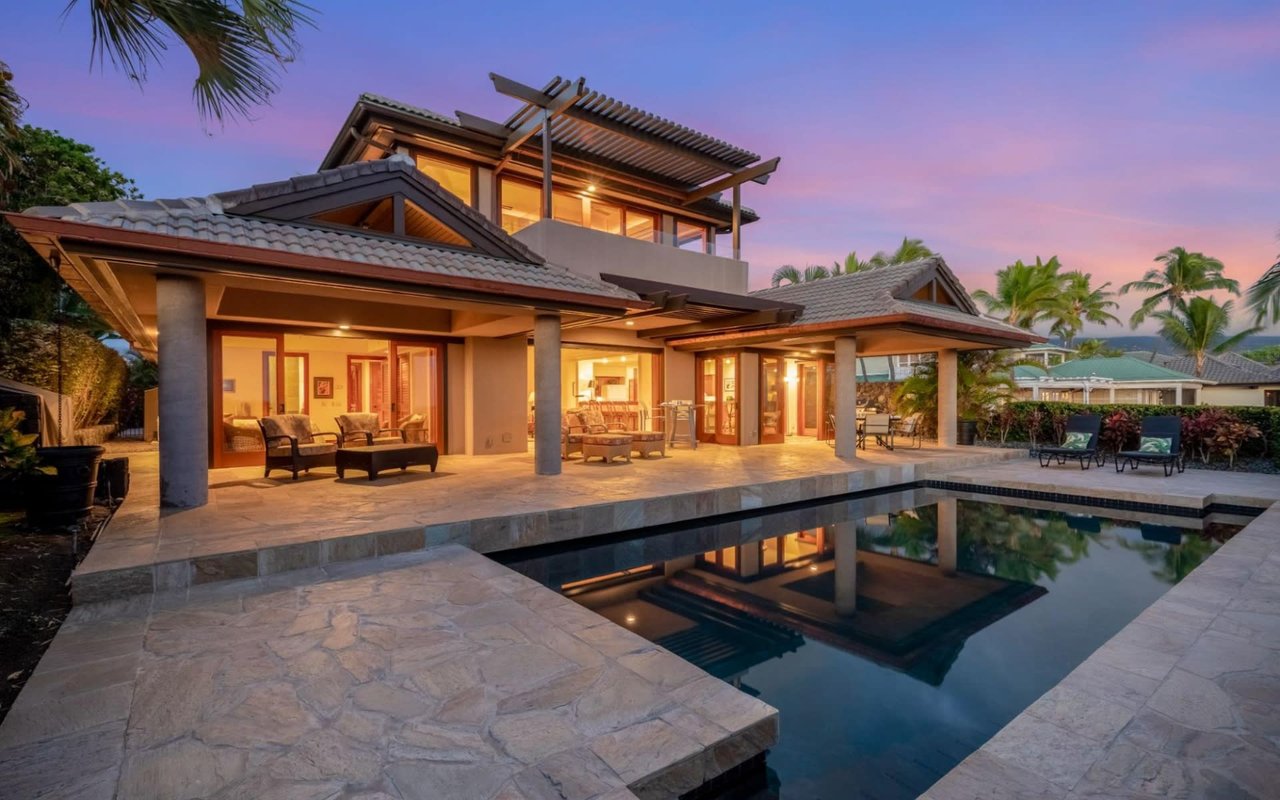
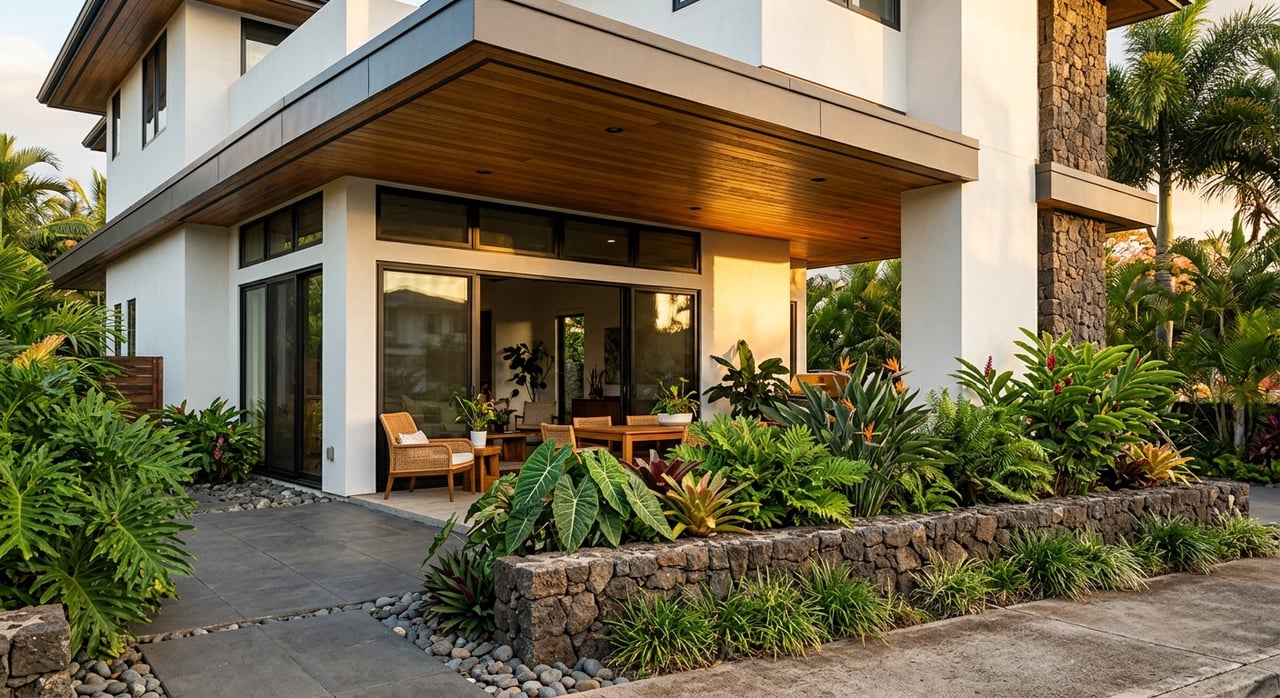
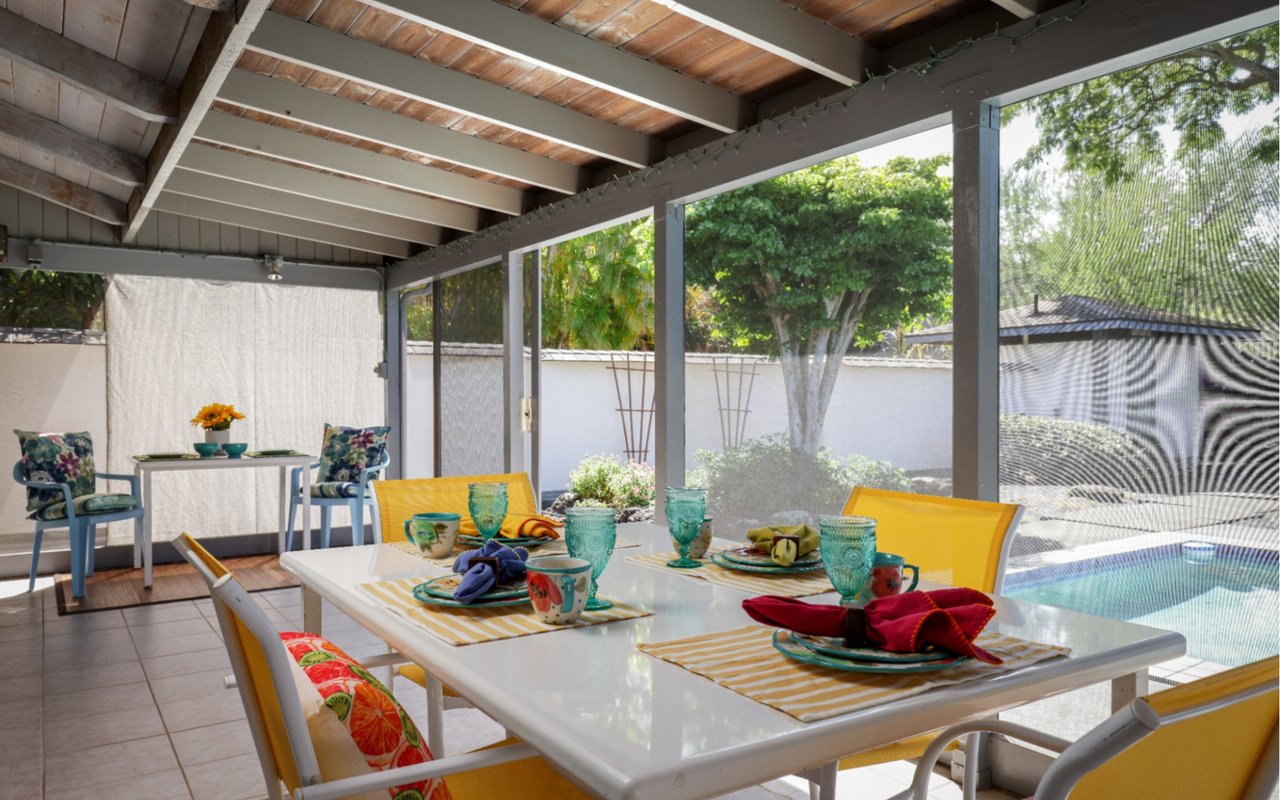
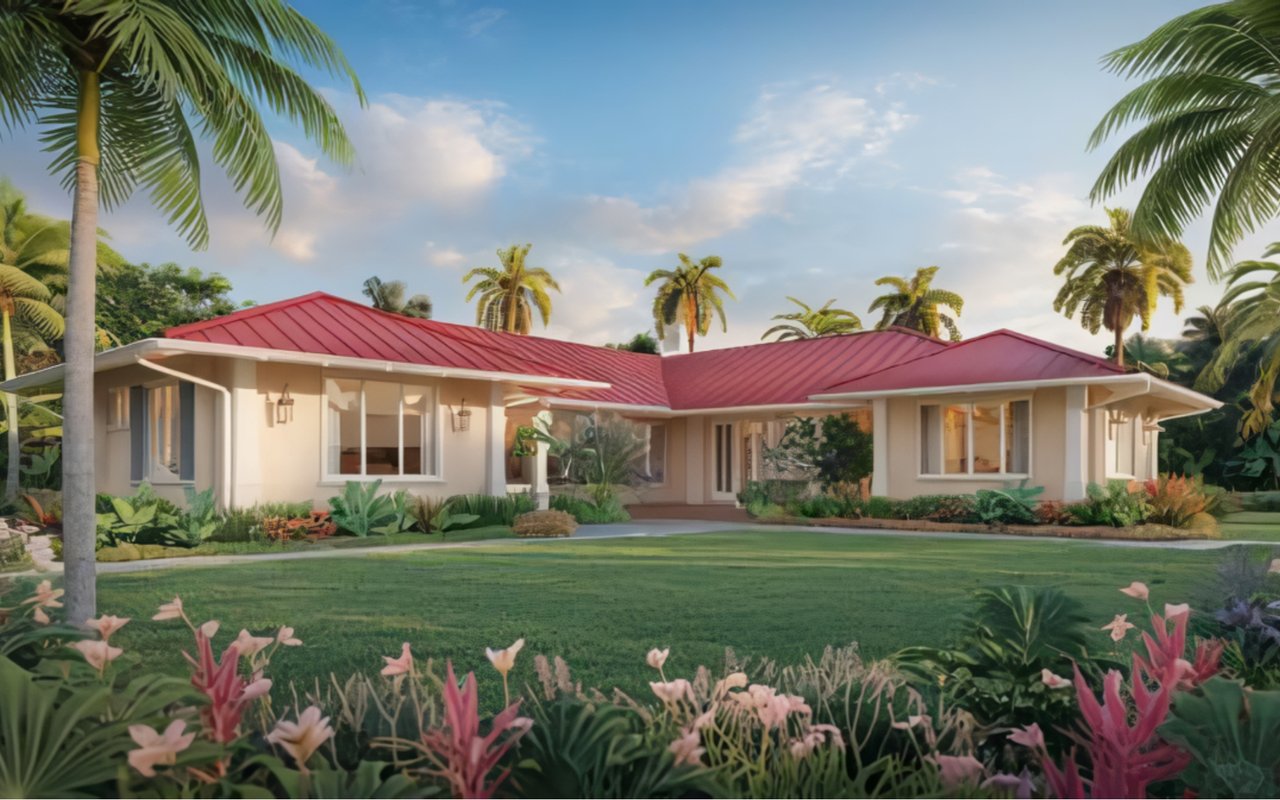
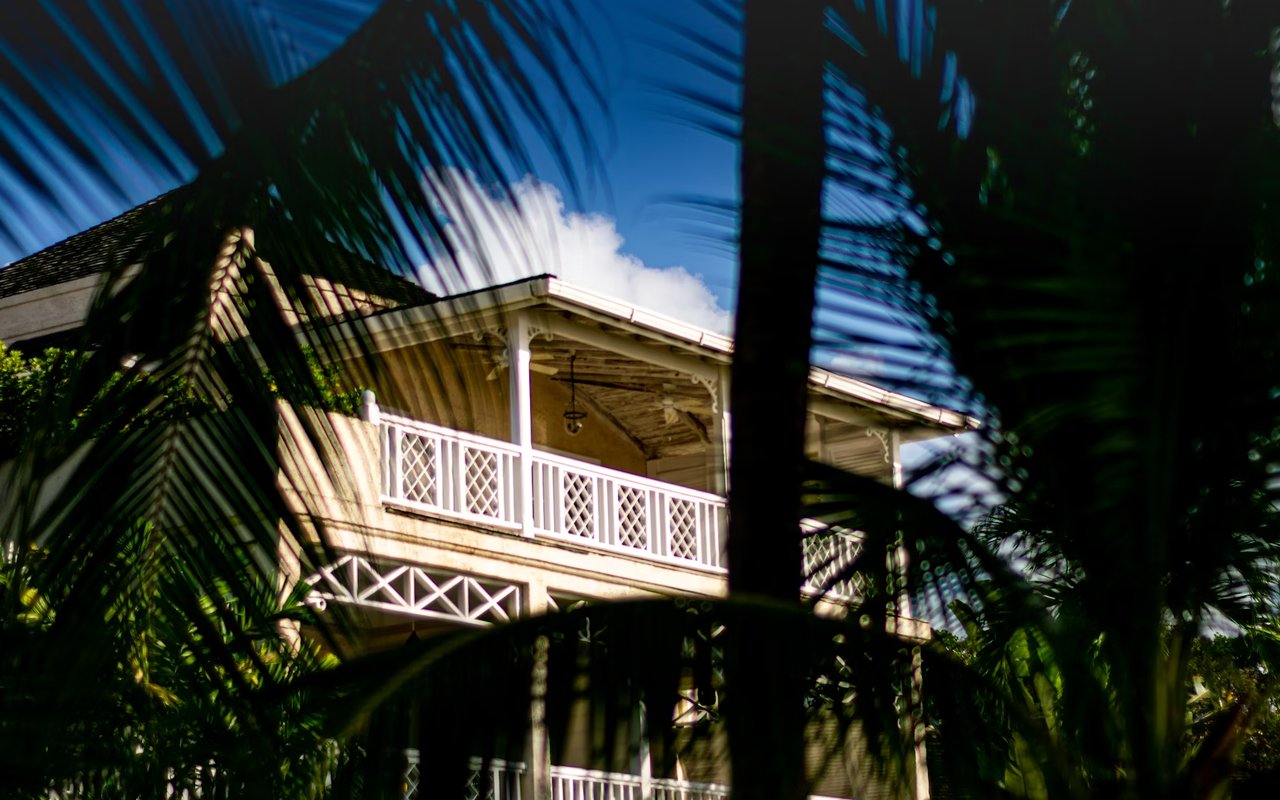
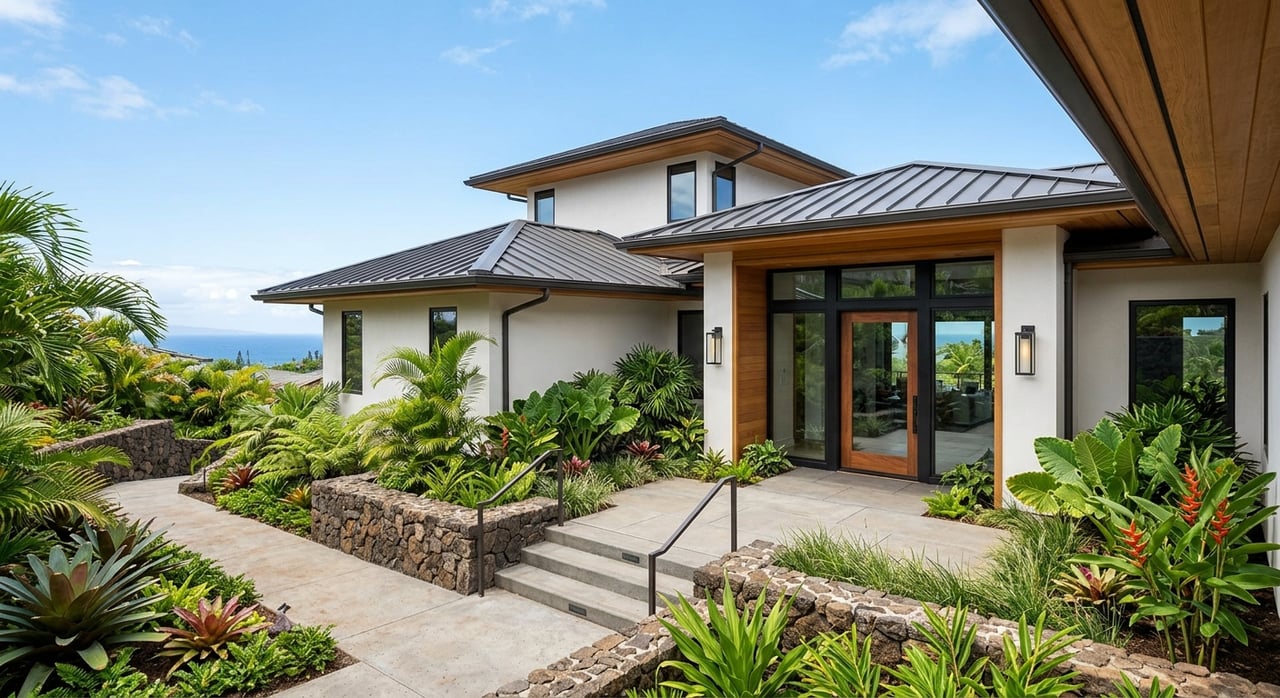
Holualoa listings tend to reflect custom design and land-based living. Public examples include kamaʻāina-style estates, one-level custom homes, rustic farm homes, coffee-farm properties, and gated estates with distinctive craftsmanship.
Many share a few common themes:
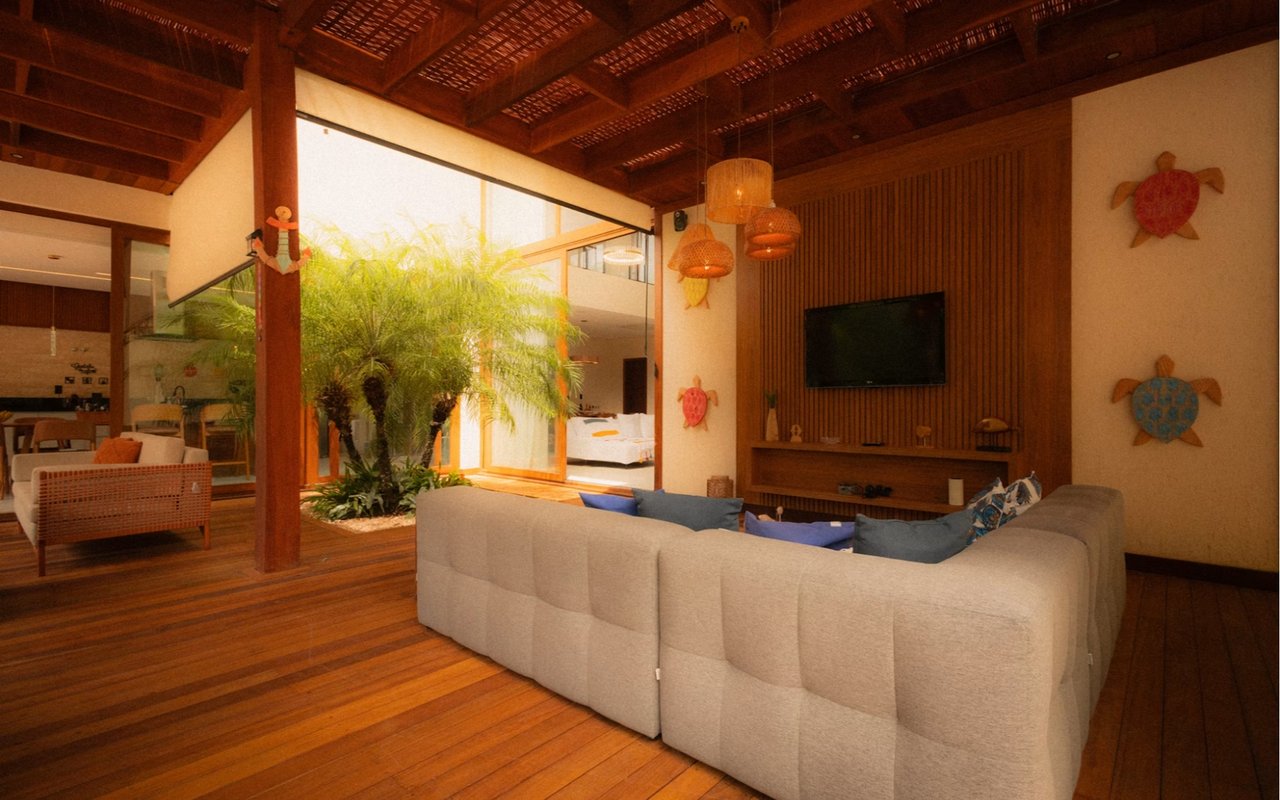
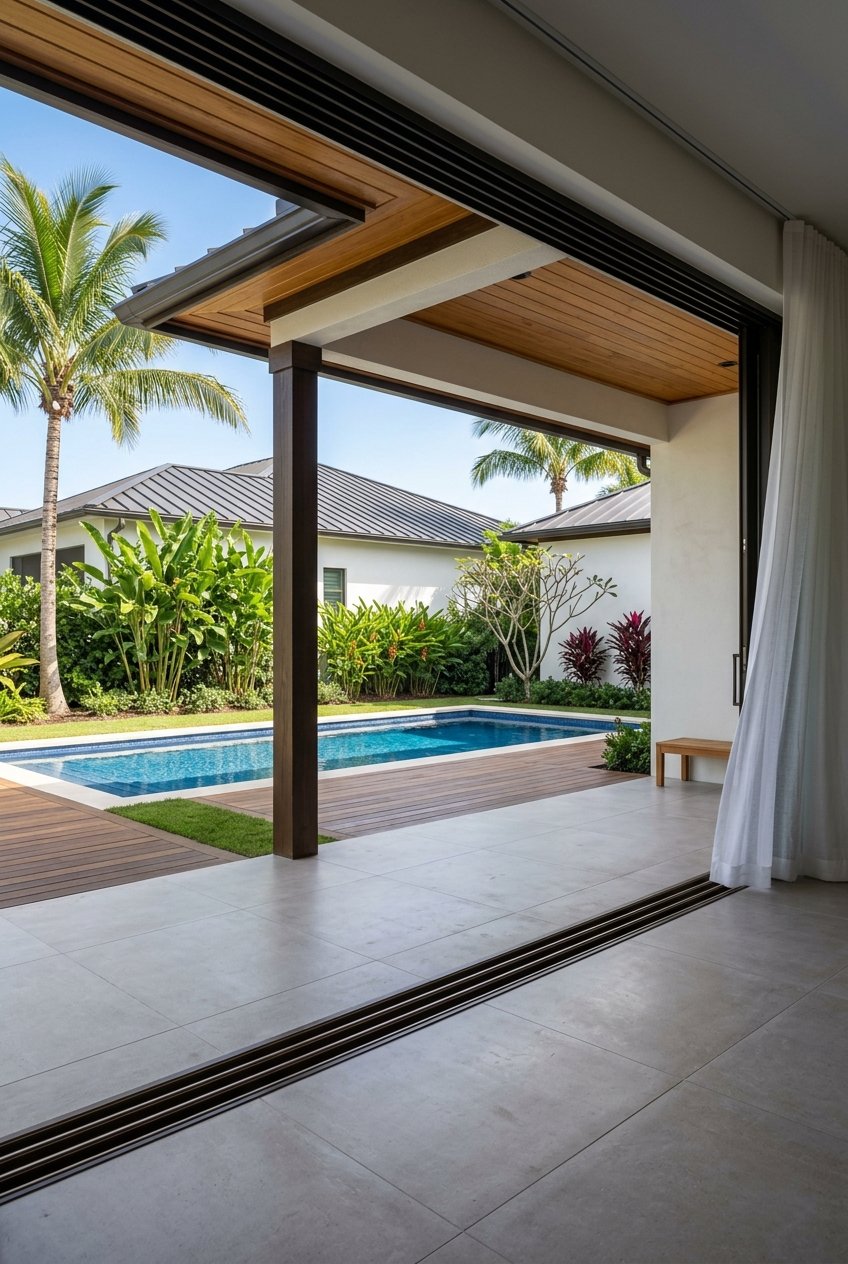
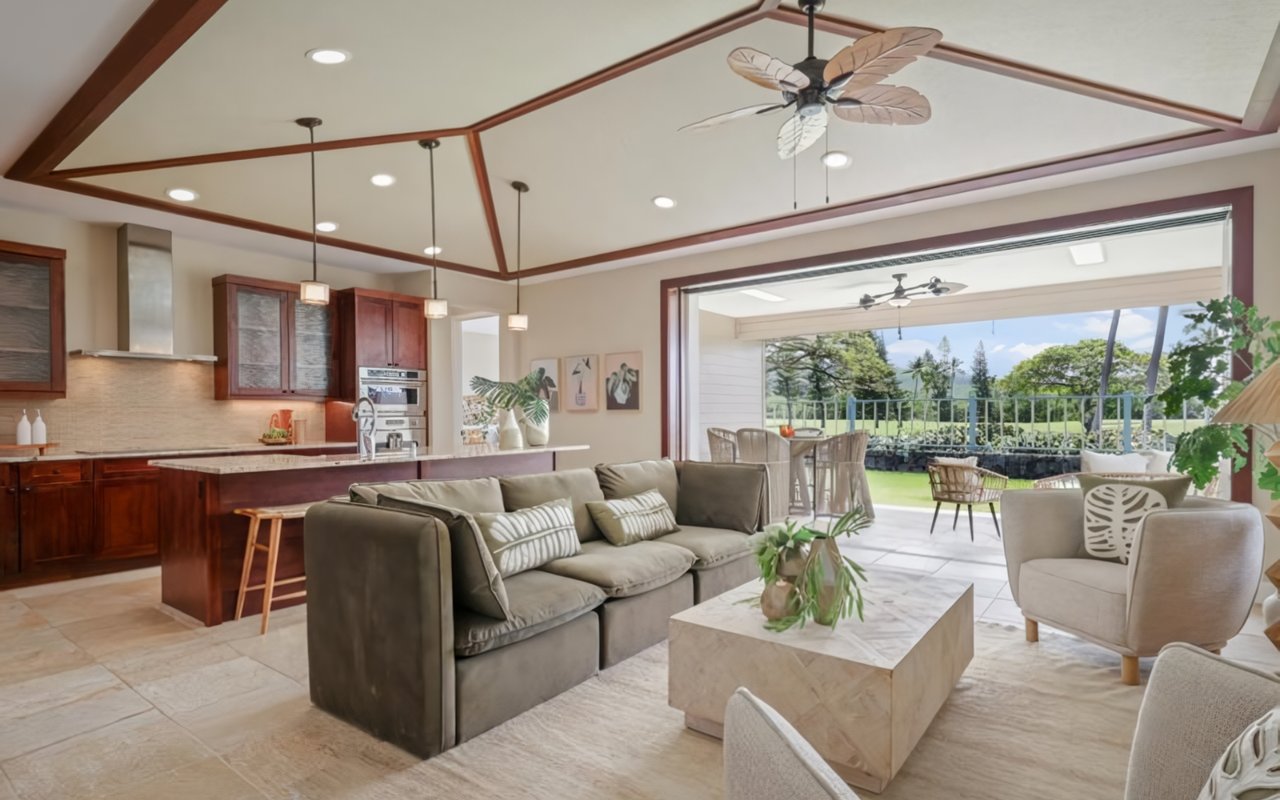
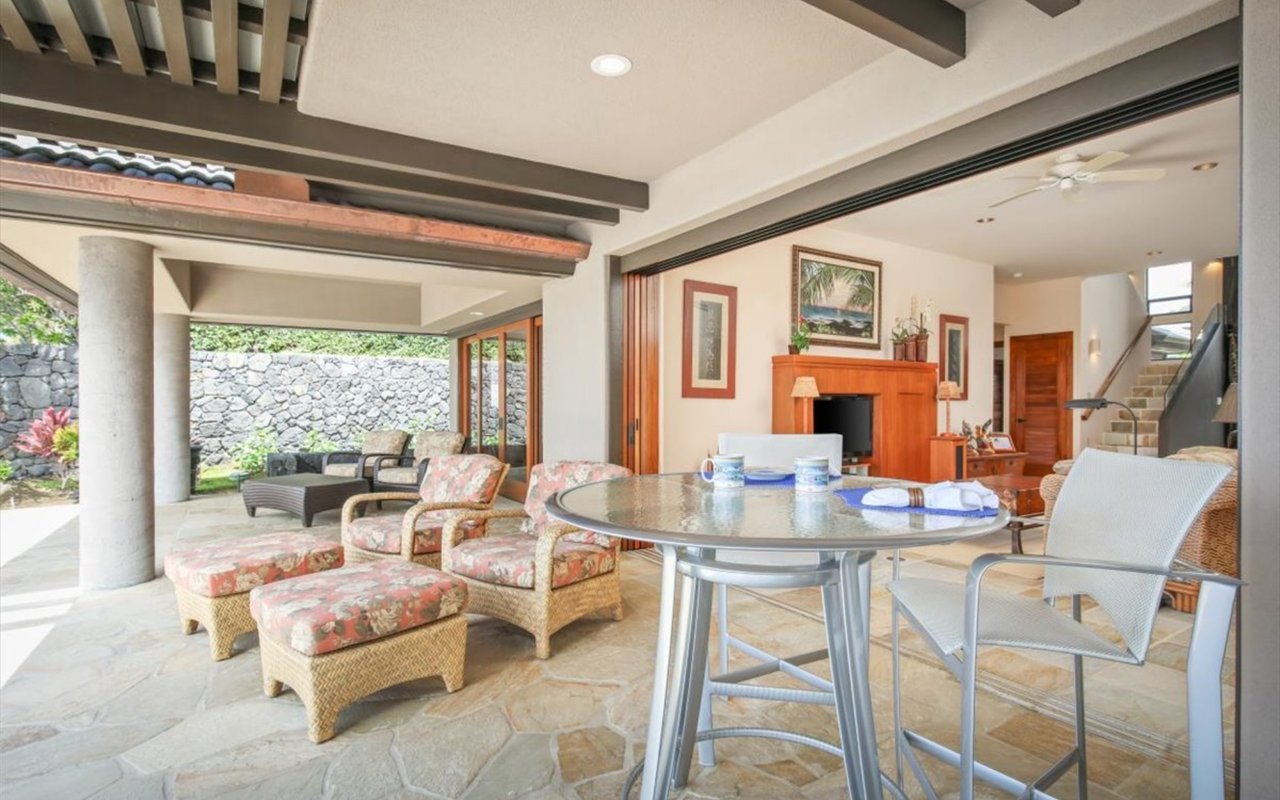
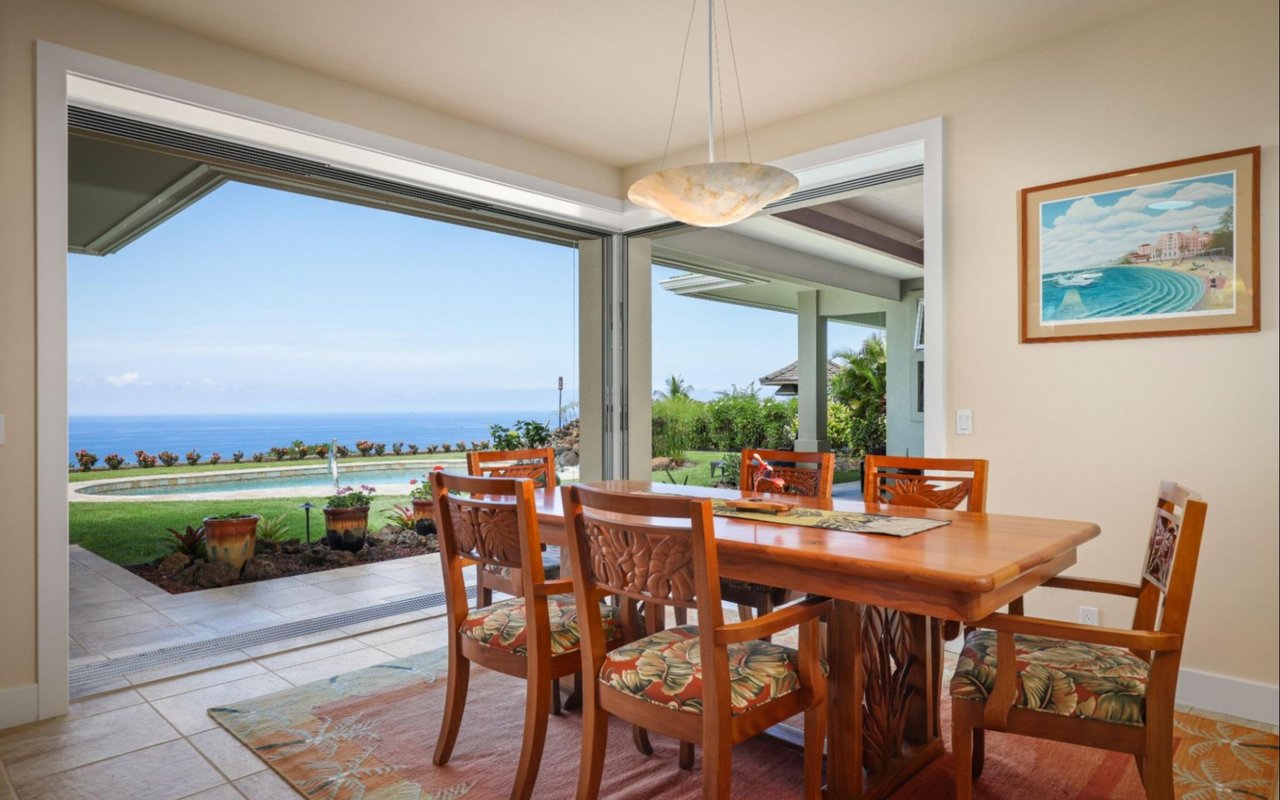
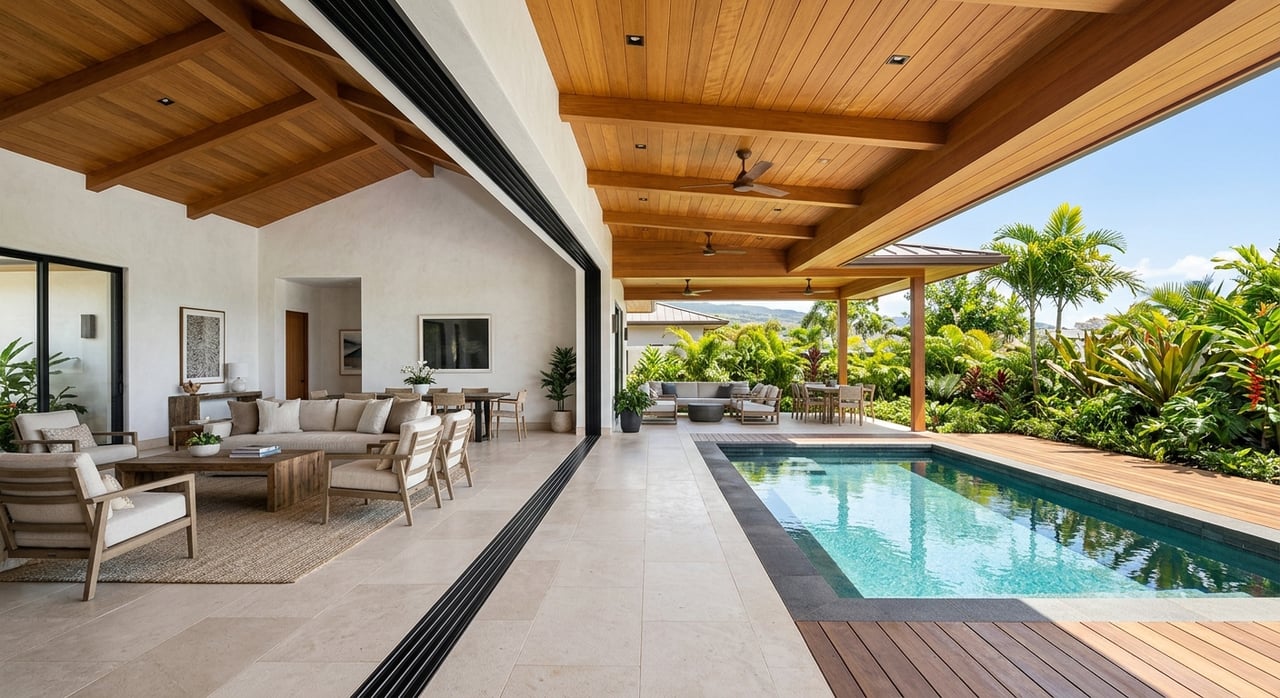
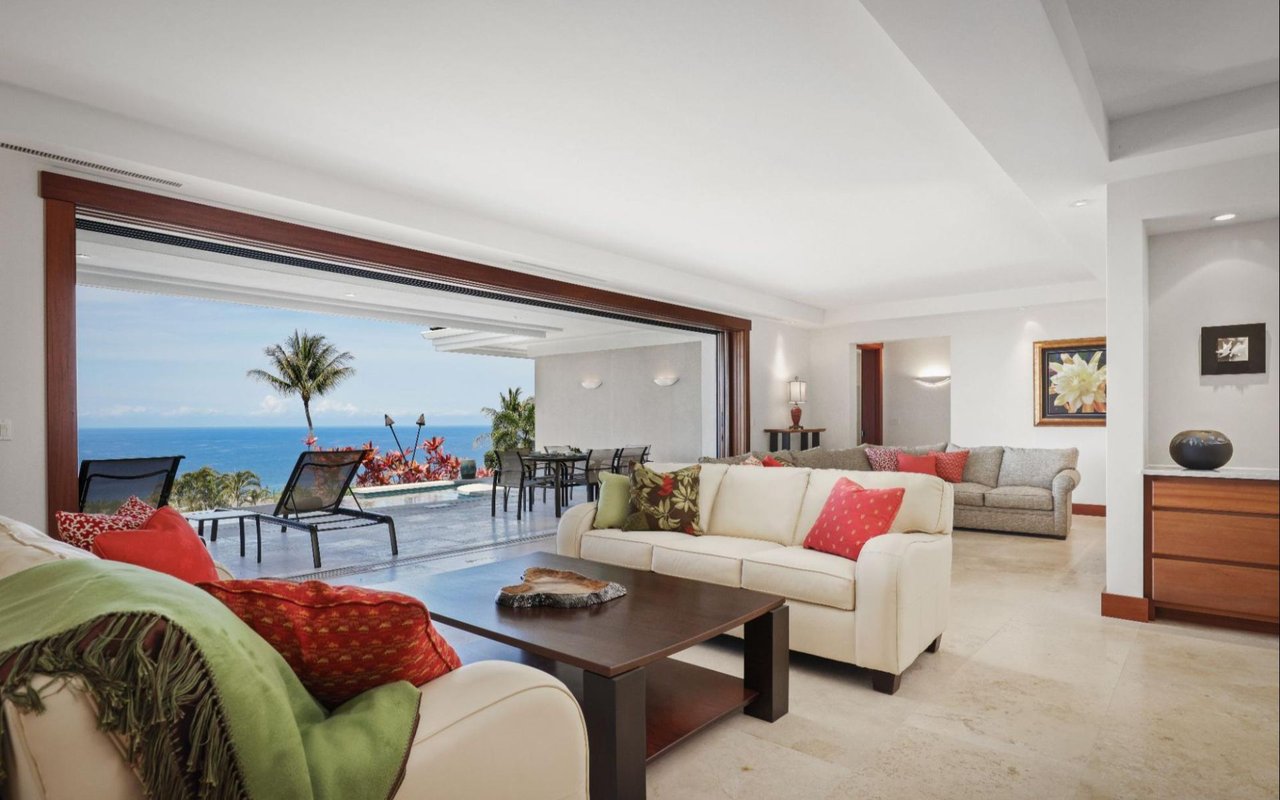
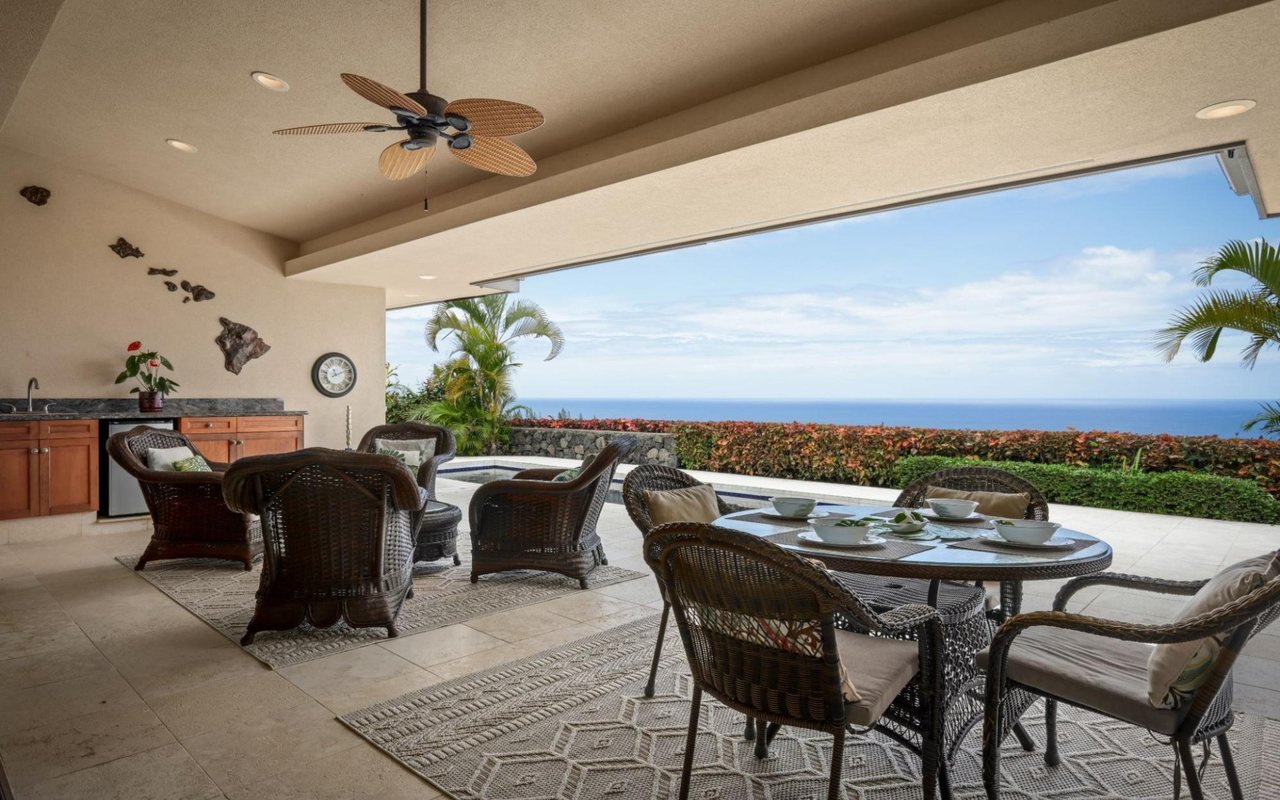
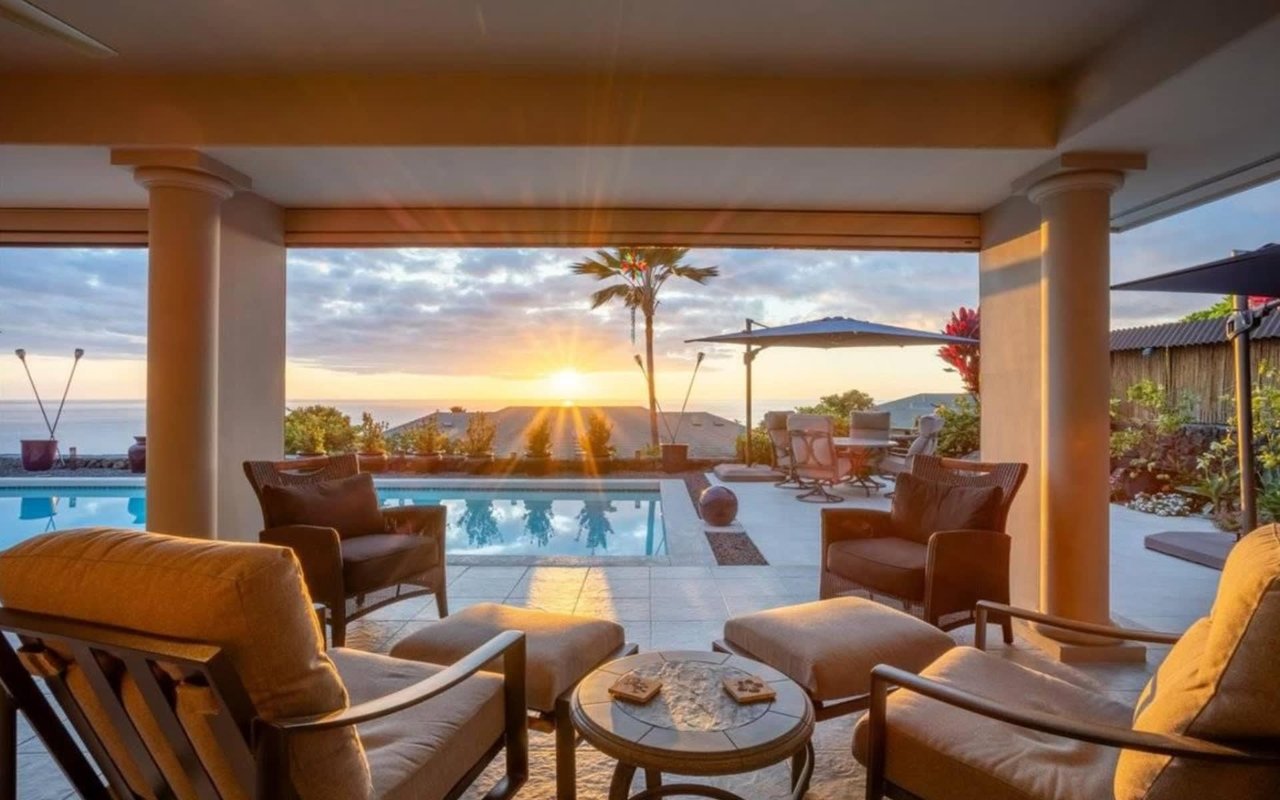
- Covered lanais and indoor-outdoor living
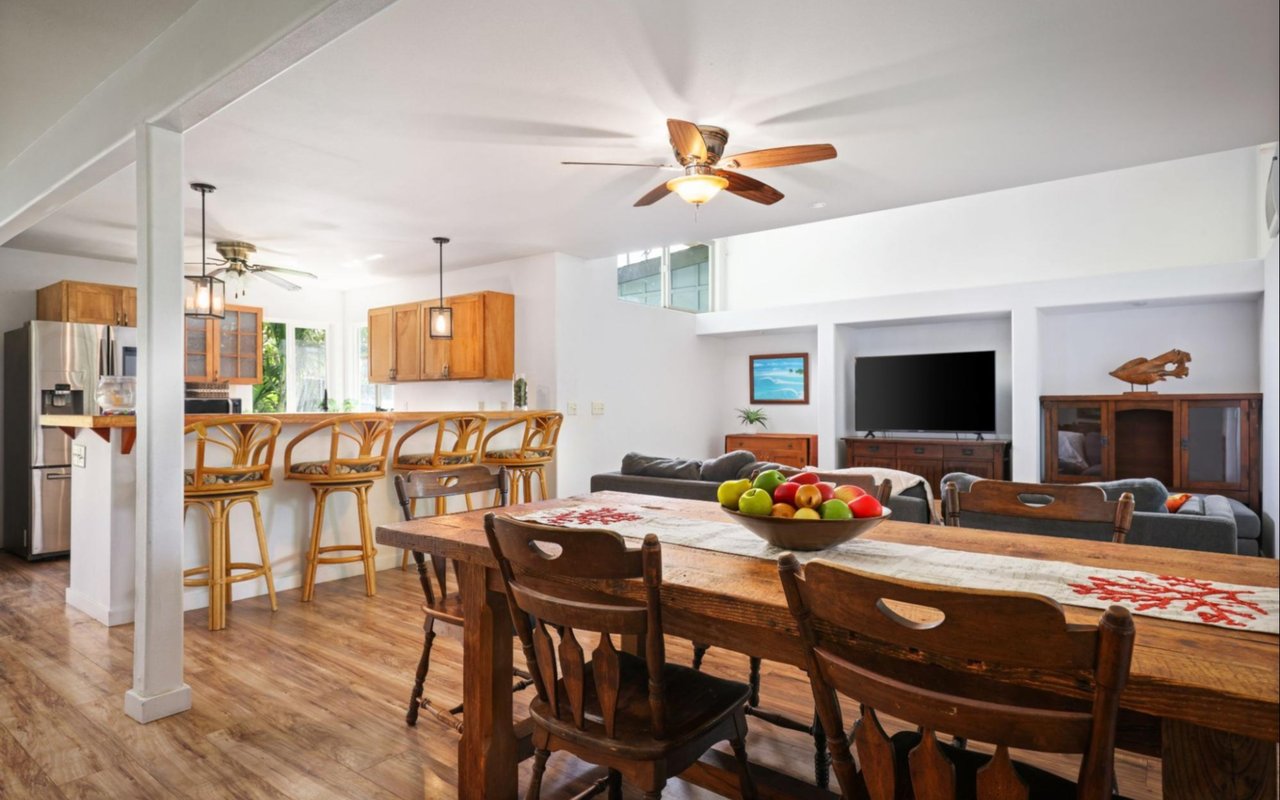
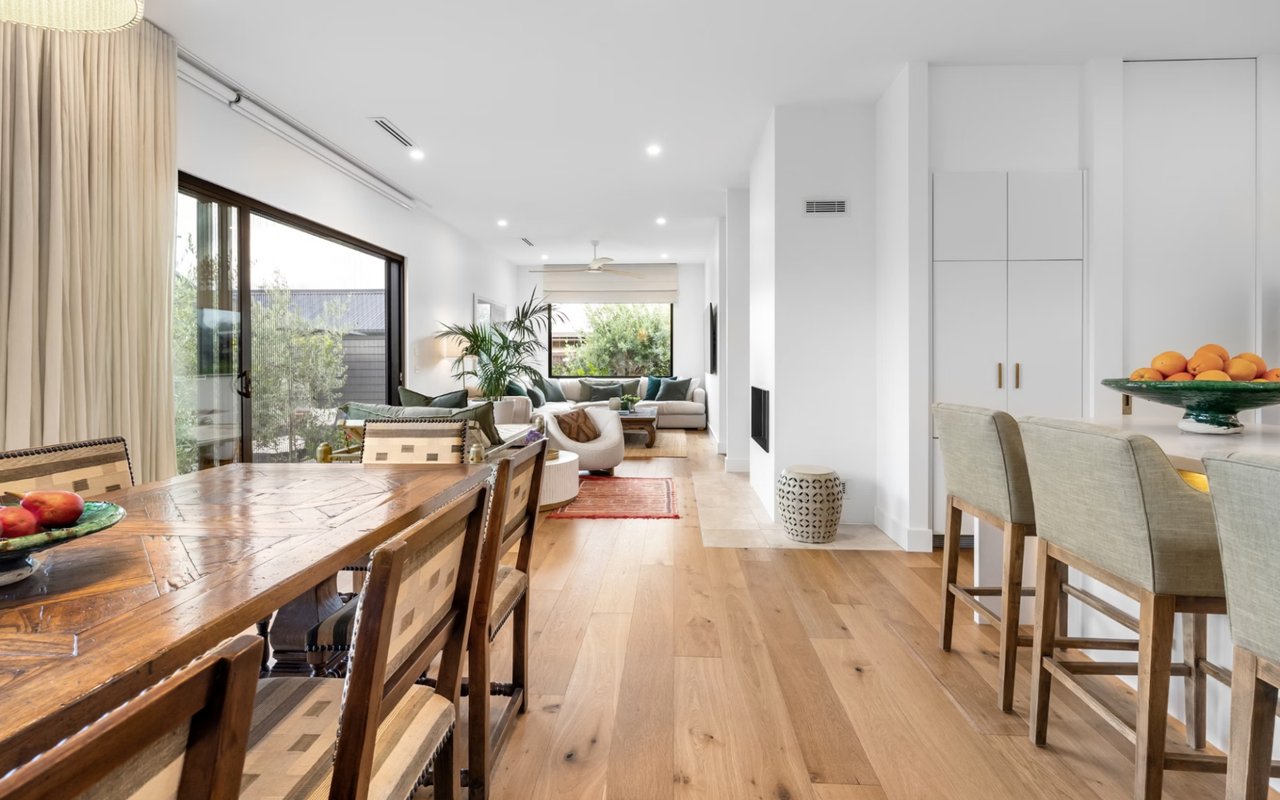
- Vaulted ceilings or open living spaces
- Mature landscaping, orchards, or agricultural use
- Detached parking or separate wings
- Multiple structures or additional farm dwellings on some properties
This is one reason Holualoa can be so appealing to second-home and luxury buyers. The inventory often feels individual and place-specific rather than repetitive.
How to read Holualoa listings carefully
In Holualoa, listing language can tell you a lot. Certain words may signal major differences in ownership, maintenance, or future use.
Pay close attention to terms like these:
- Fee simple
- Leasehold
- Farm
- Additional farm dwellings
- Private water
- Cesspool
- Covered lanai
- Detached parking
- Gated grounds
For example, a leasehold property is very different from a fee simple property, even if the photos are equally appealing. A listing that mentions private water, cesspool, or additional dwellings also deserves closer review because those details can affect your ownership experience and due diligence process.
Hawaiʻi County Planning provides public tools for TMK maps, zone maps, zoning information, setbacks, septic and cesspool requirements, and subdivision maps. For buyers considering acreage or agricultural property, those details are especially important.
Views are a core value driver
In many markets, buyers can compare homes mostly by size, finish level, and location. In Holualoa, the view package often carries far more weight.
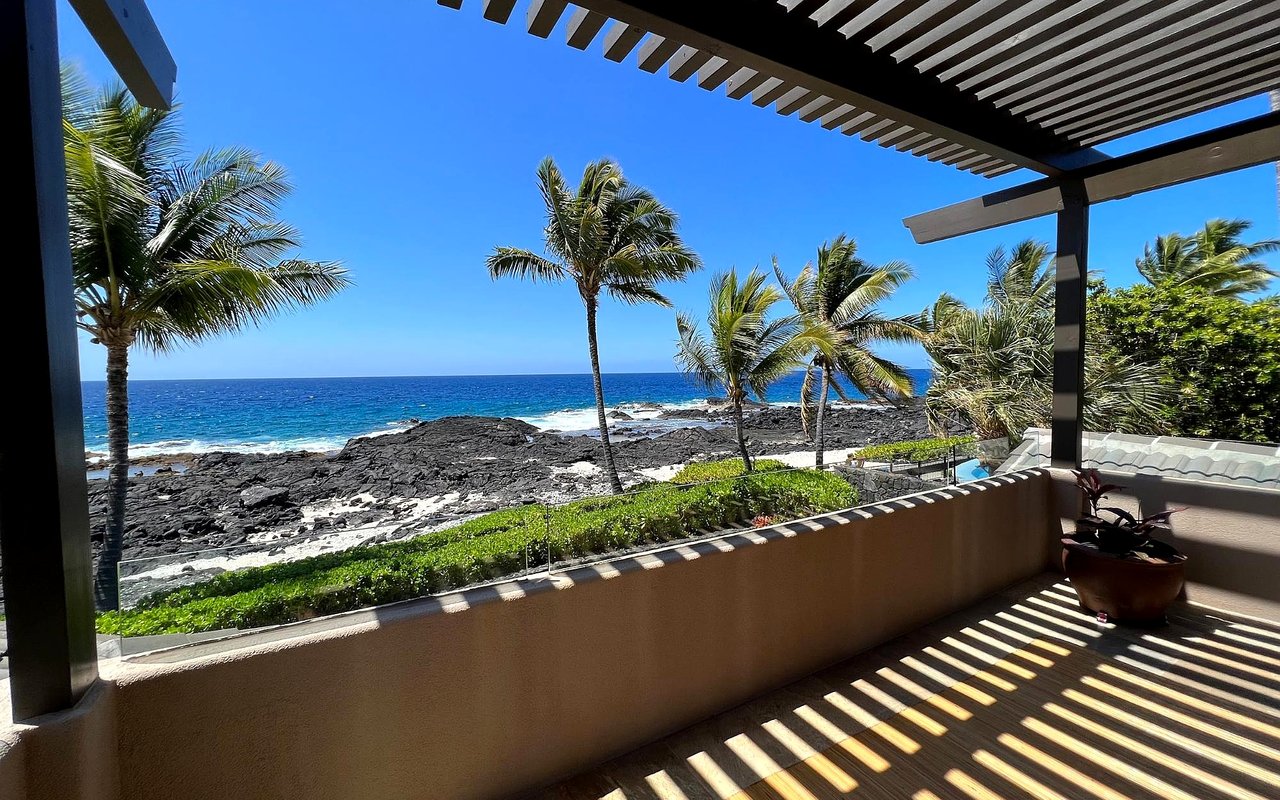
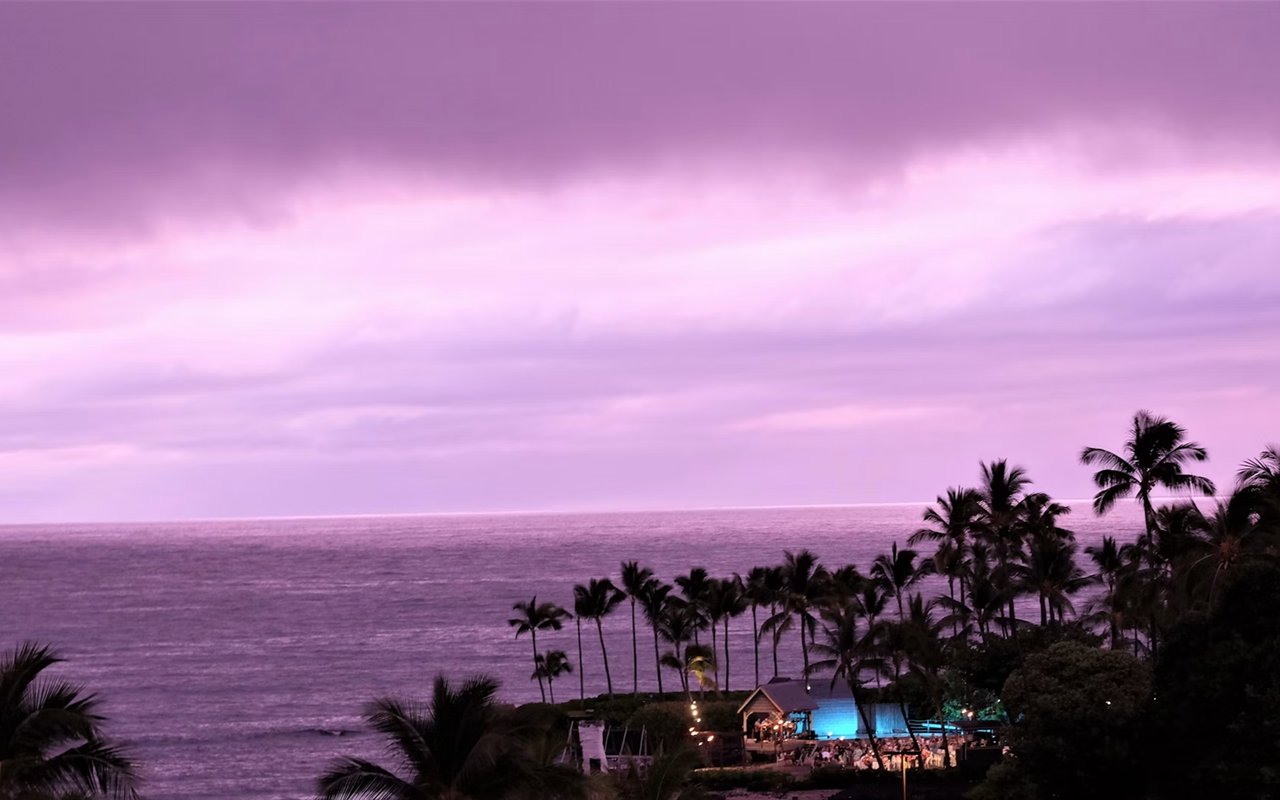
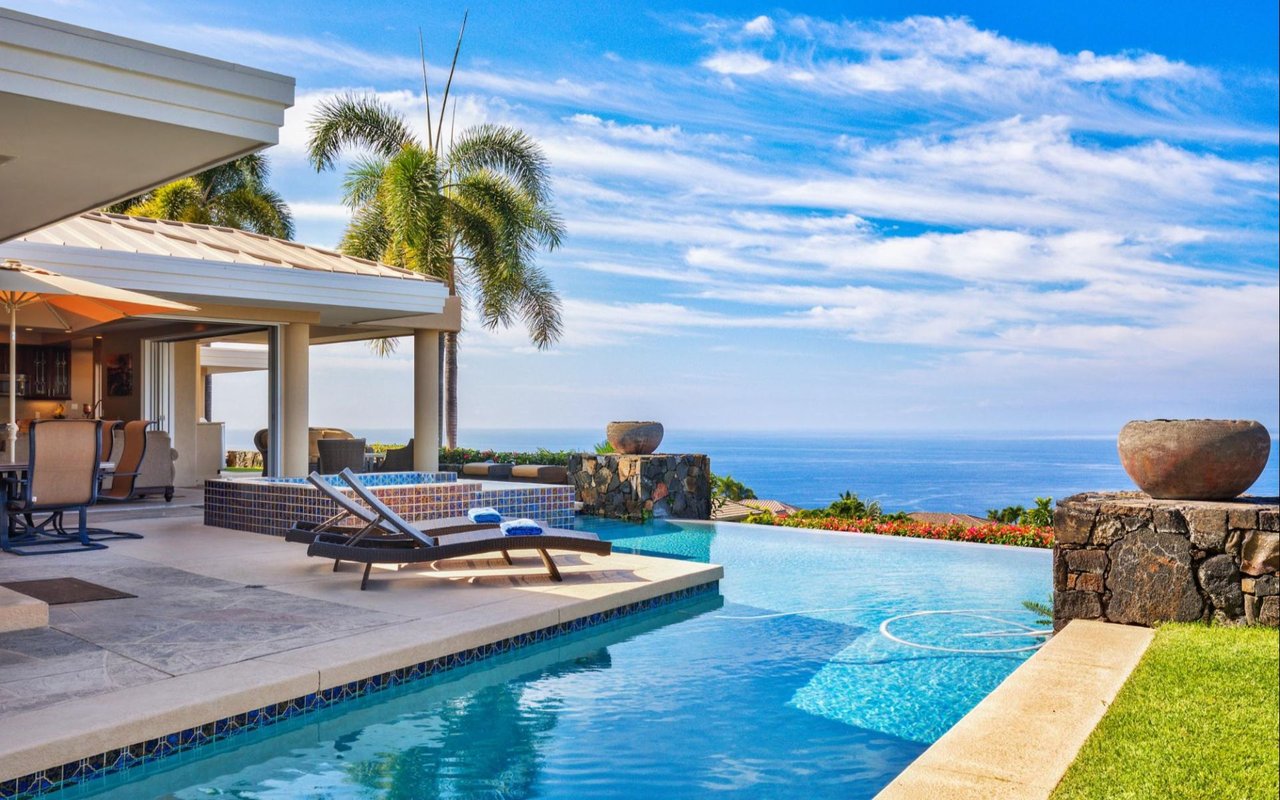
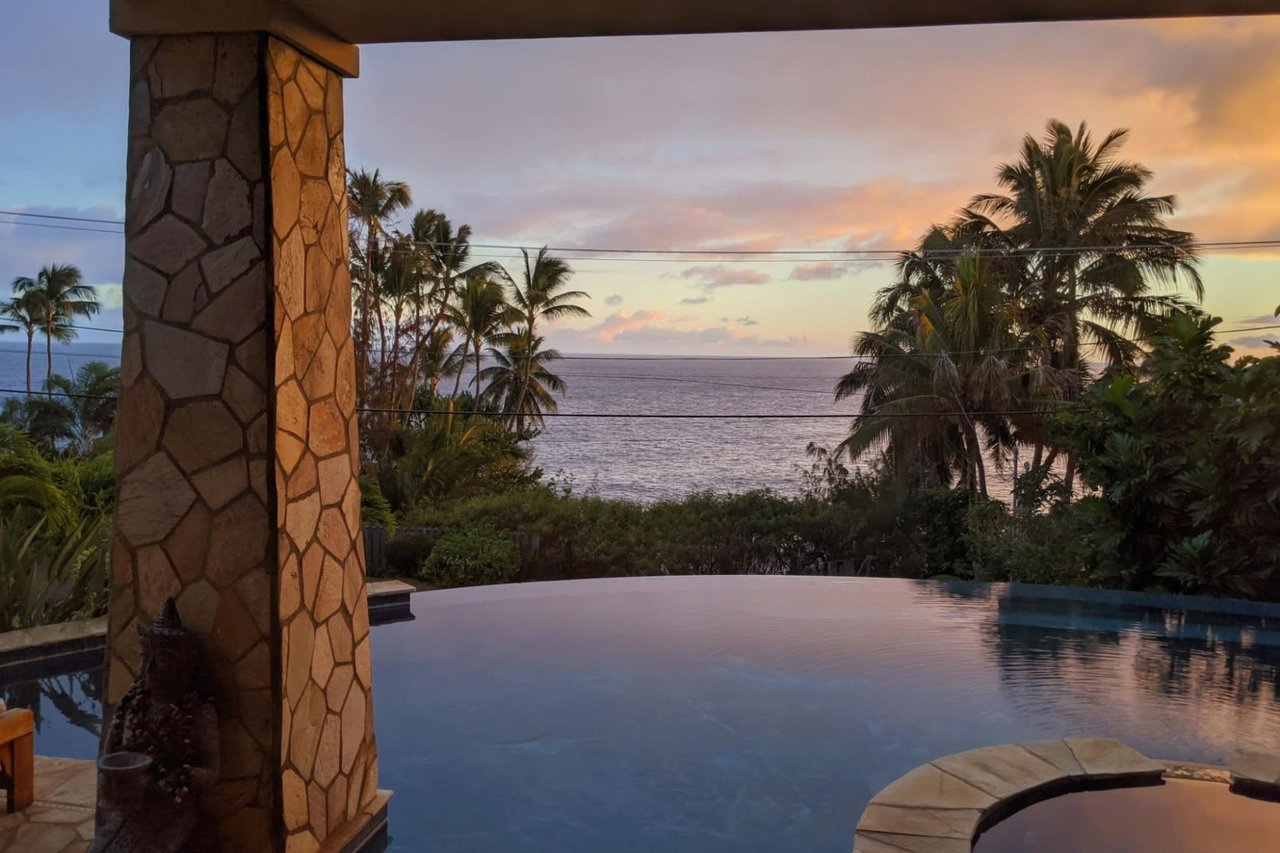
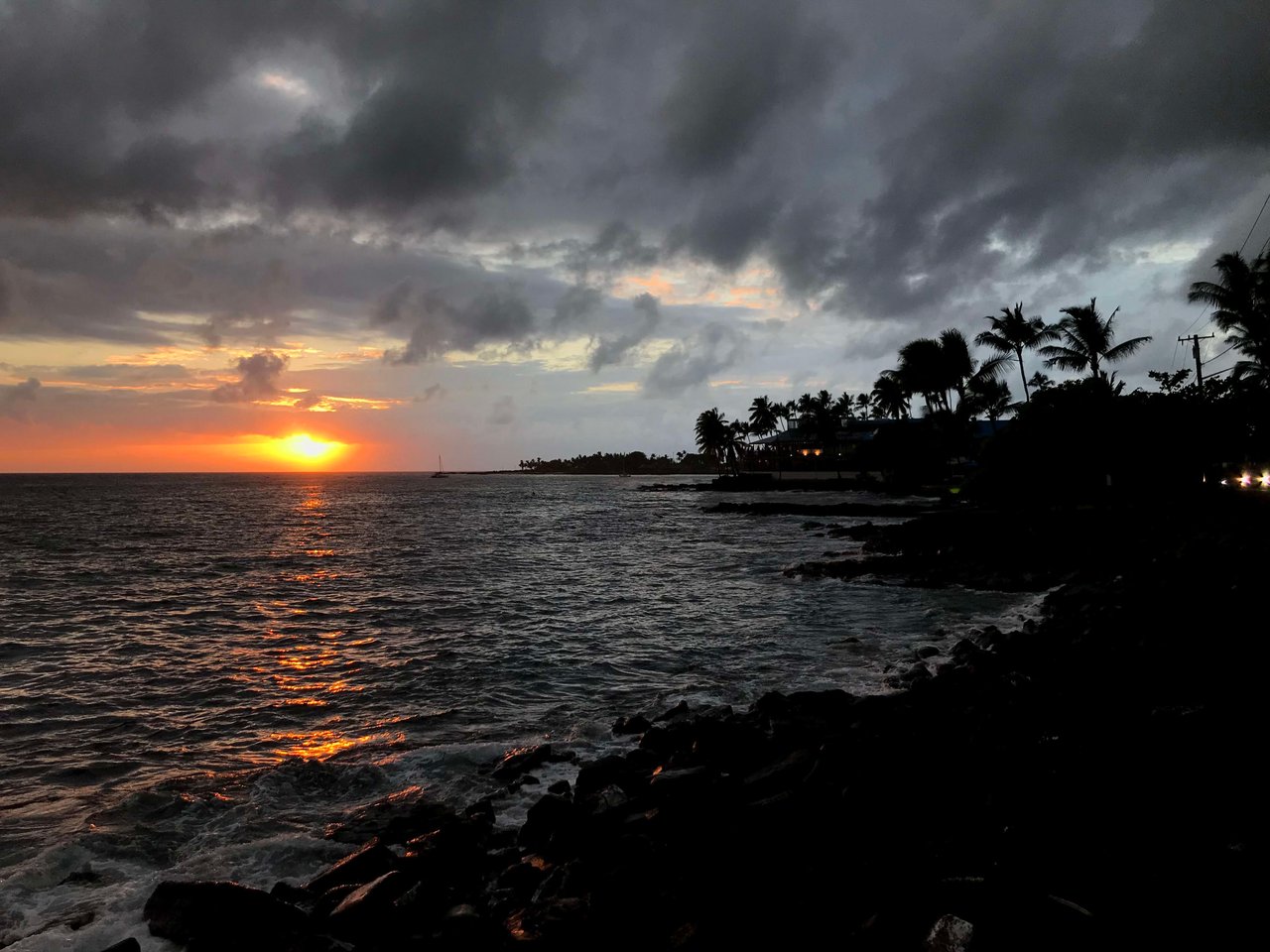
You will often see value tied to descriptions like ocean views, coastline views, sunset views, ocean horizon views, or sweeping vistas. The strongest properties combine those views with privacy, usable land, and a home placement that takes advantage of the setting.
That is why the headline price is only a starting point here. A lower-priced home with a weaker view corridor or less usable land may not be the better buy for your goals. A higher-priced property may justify its price through acreage, elevation, privacy, and a much stronger overall setting.
Inventory is thin, so comparison matters
Holualoa is not a market with endless interchangeable options. Public listing counts show a relatively thin single-family inventory, even while broader market snapshots indicate around 50 homes for sale and a median market time of 91 days.
For buyers, that creates an important dynamic. Homes may not move in a rush across the board, but the right property can still stand apart because each offering is so unique.
That is why a serious search in Holualoa usually works best when you compare the full package side by side:
- Land size
- Topography
- Elevation
- View corridor
- Ownership type
- Number of structures
- Agricultural features
- Utility and wastewater setup
This market rewards patience, but it also rewards sharp analysis.
How Holualoa compares with coastal Kona
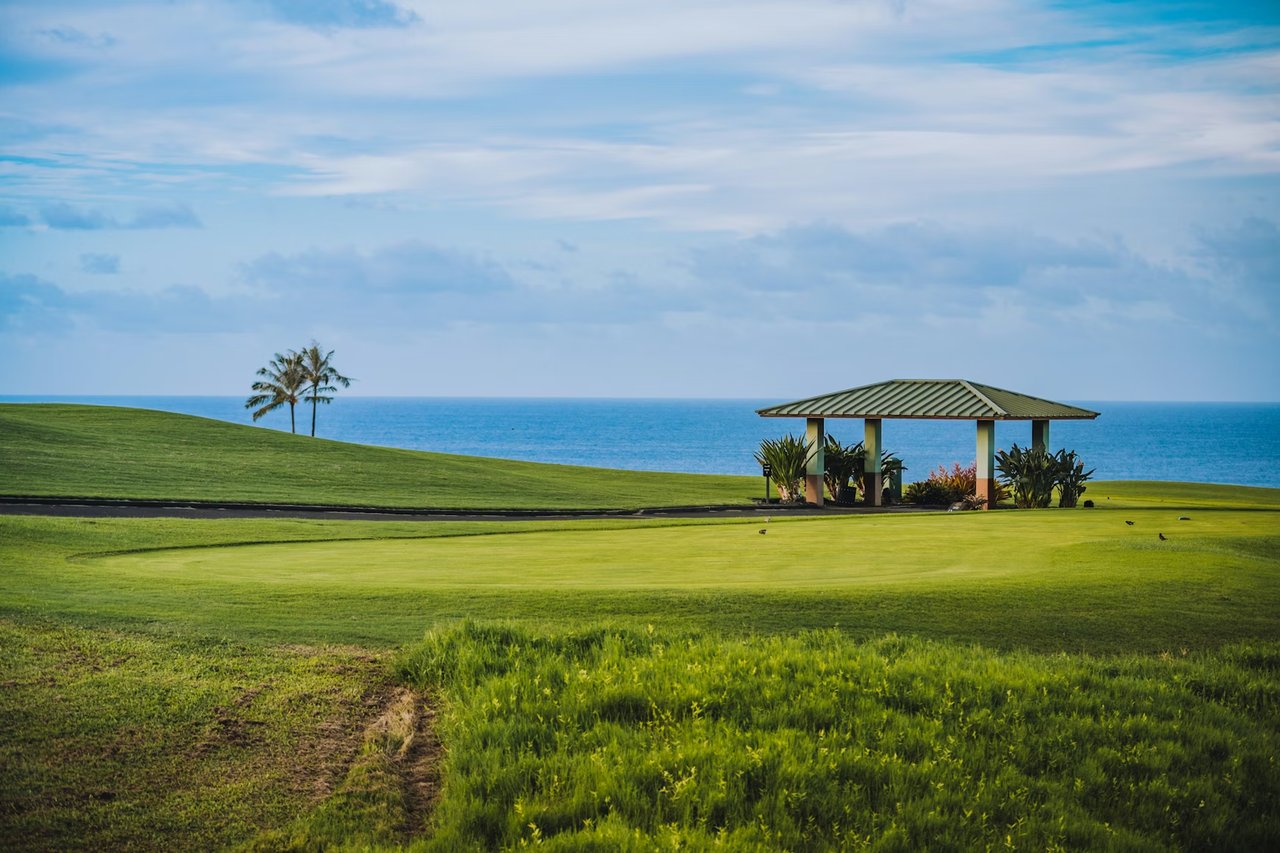
If you are deciding between Holualoa and more coastal North Kona areas, the tradeoffs are fairly clear. Holualoa is mostly an acreage-and-view market, not a beachfront product.
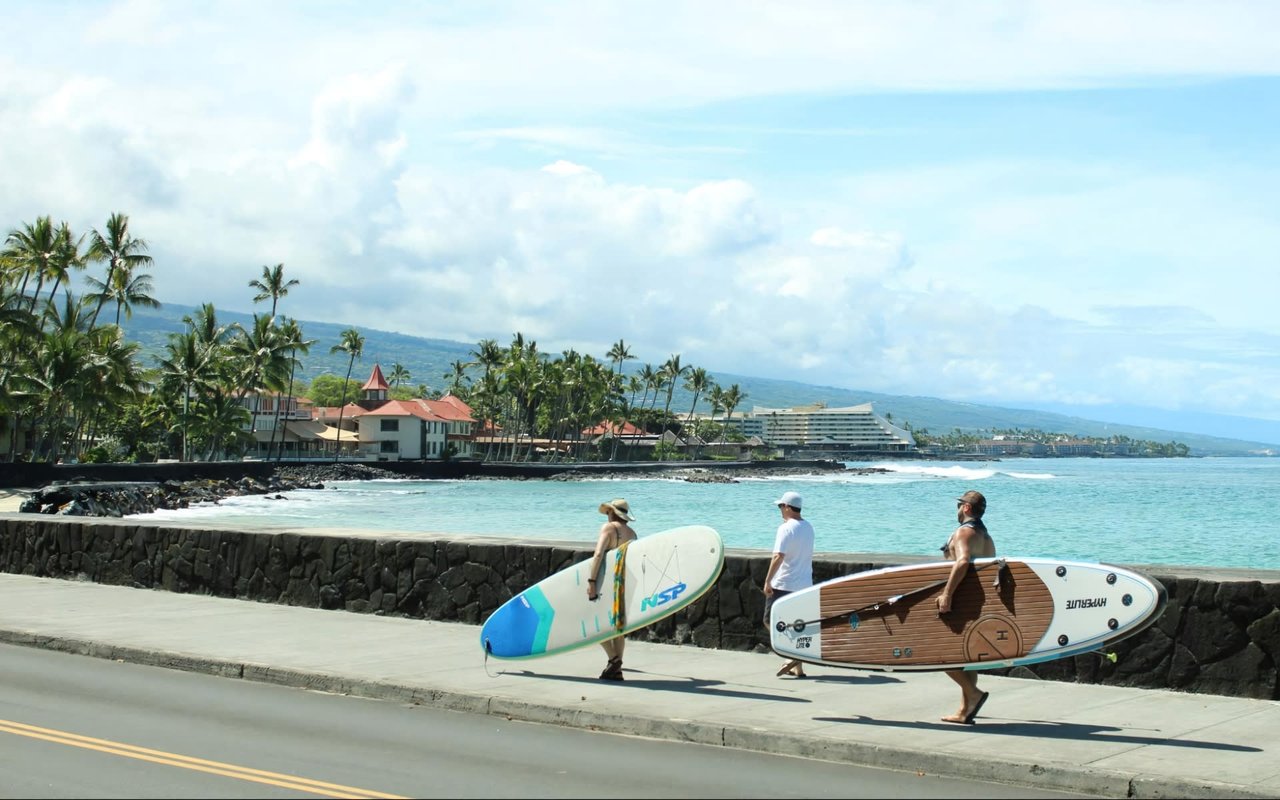
Compared with areas like Kailua-Kona or broader North Kona, Holualoa usually asks you to pay more for privacy, cooler hillside conditions, and rural estate character. Compared with coastal neighborhoods, you may get less immediate ocean access but often more land and a stronger sense of retreat.
That distinction is useful if you are a second-home buyer coming from out of state. The right fit depends on whether you value walkable coastal access or a quieter hillside property with a more expansive land component.
What serious buyers should do first
Before you narrow in on a specific home, get clear on the non-negotiables that matter most in Holualoa. This can save you time and help you evaluate listings more realistically.
Start with these questions:
- Do you want fee simple only, or will you consider leasehold?
- How much acreage do you actually want to maintain?
- Is your top priority ocean view, privacy, usable land, or a combination?
- Are you comfortable with agricultural or infrastructure details like private water or cesspool systems if present?
- Do you prefer a polished estate feel or a more rustic farm-style property?
When you answer those questions early, the market becomes much easier to read. You stop chasing pretty photos and start focusing on properties that truly match your goals.
A thoughtful Holualoa purchase takes local context, careful listing analysis, and a clear understanding of what drives value on the hillside. If you want a personalized read on current opportunities in Holualoa and the wider North Kona market, schedule a consultation with Kristina Vaughn-Hazard.
FAQs
What price range should buyers expect in the Holualoa luxury market?
- Public listings and recent sales suggest a practical working range from about $1.0M to $1.7M for smaller or older hillside homes, about $1.7M to $3.0M for core luxury properties, and about $4.5M to $5.5M+ for larger estates.
What makes Holualoa different from Kailua-Kona for luxury buyers?
- Holualoa is generally more of an acreage-and-view hillside market, while Kailua-Kona tends to offer more direct coastal access and lower median listing prices in the public market snapshot.
What should buyers look for in a Holualoa property listing?
- Focus on ownership type, acreage, topography, view corridor, number of structures, and terms like leasehold, private water, cesspool, or additional farm dwellings.
Why does elevation matter when buying in Holualoa?
- Elevation can affect temperature, rainfall patterns, privacy, and view potential, which all shape how the property feels and how it compares with coastal alternatives.
Are most Holualoa homes typical suburban houses?
- No. Public inventory shows more custom homes, coffee-farm estates, and acreage properties than tract-style suburban housing.
Is square footage the main way to judge value in Holualoa?
- No. In Holualoa, land size, topography, privacy, view quality, and ownership details can matter just as much as the house itself.