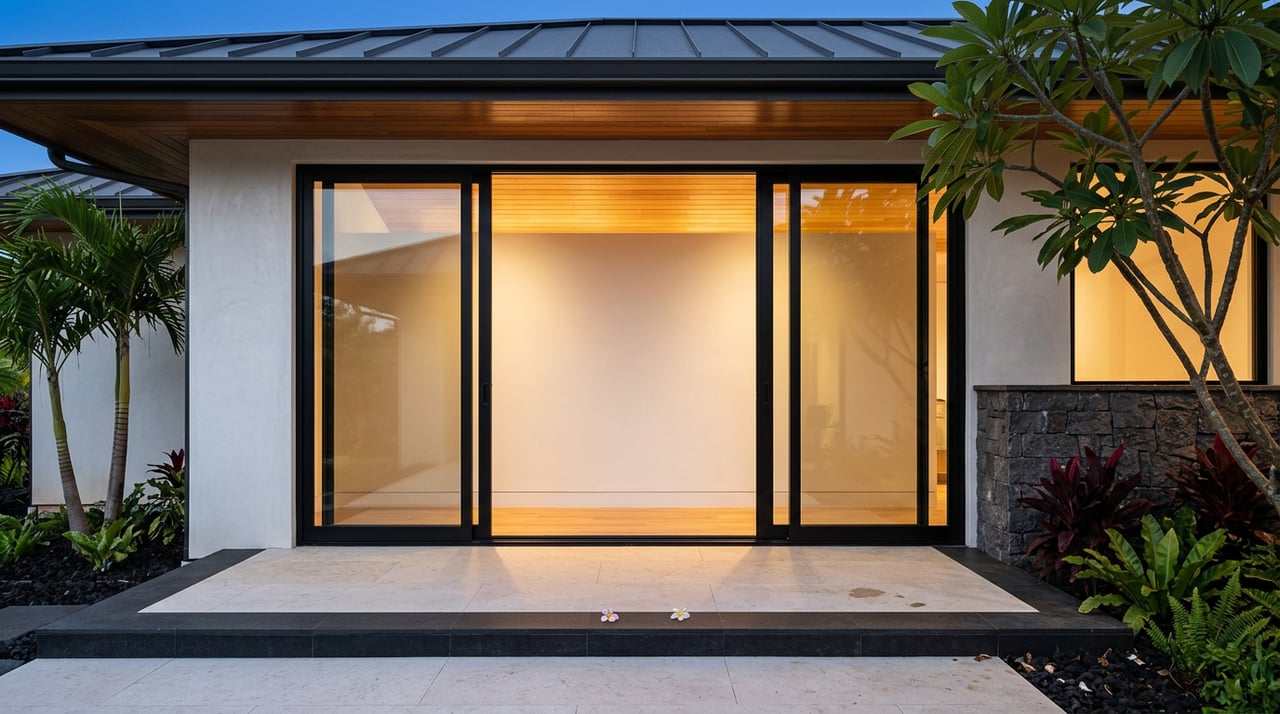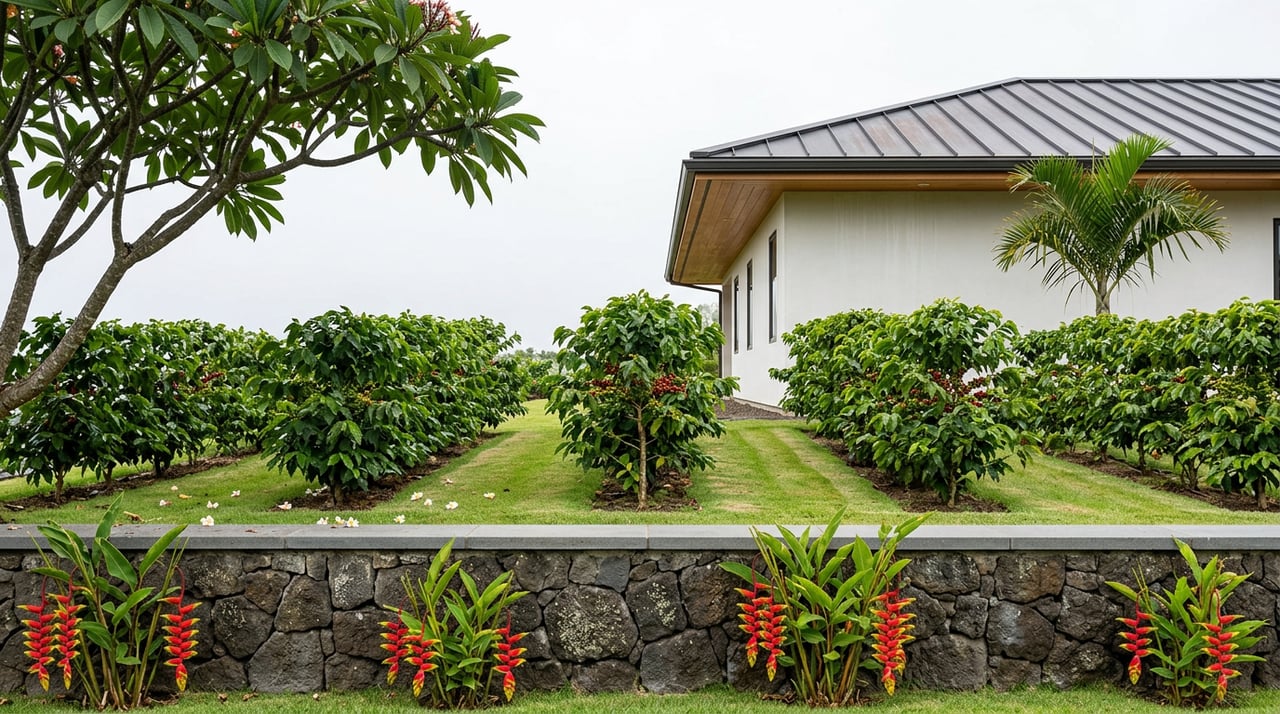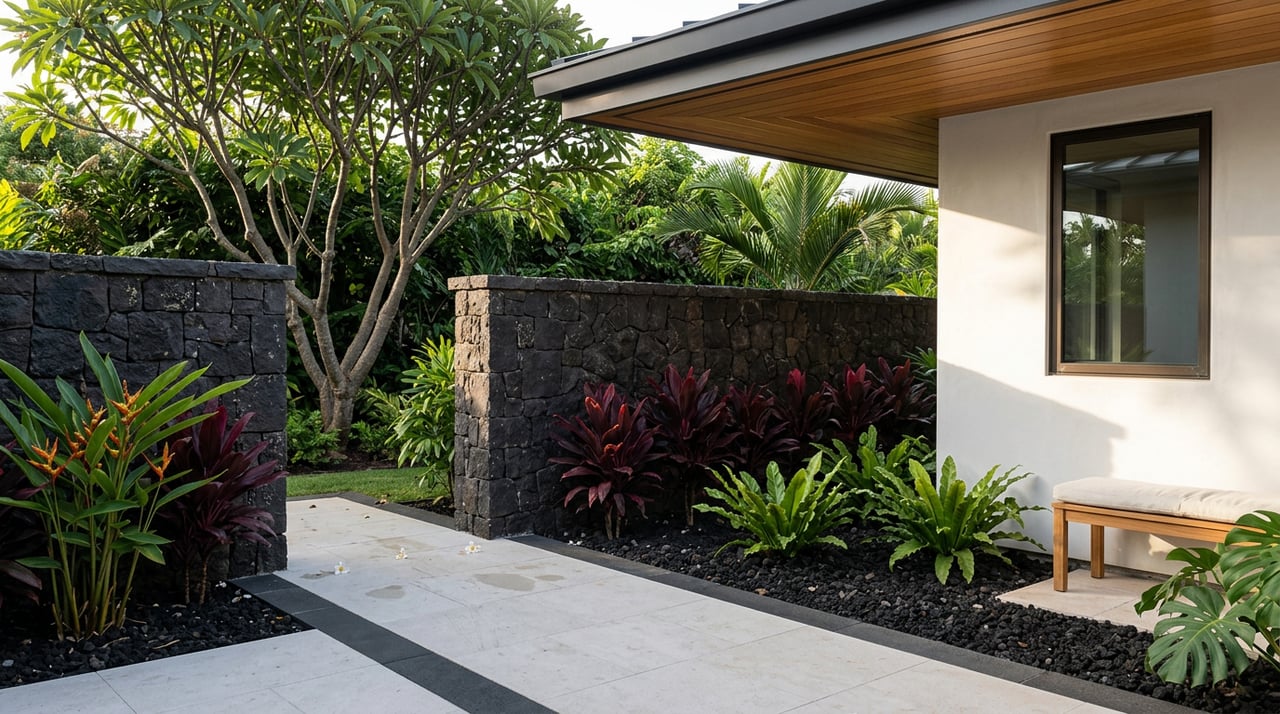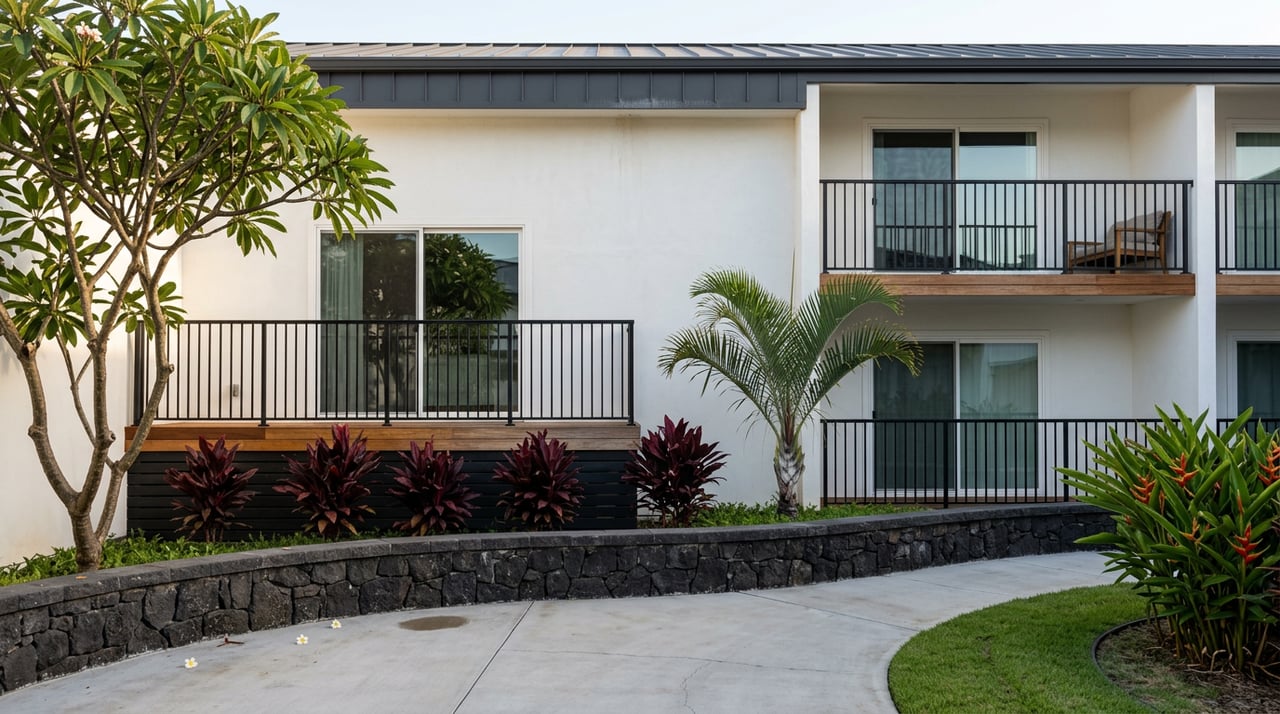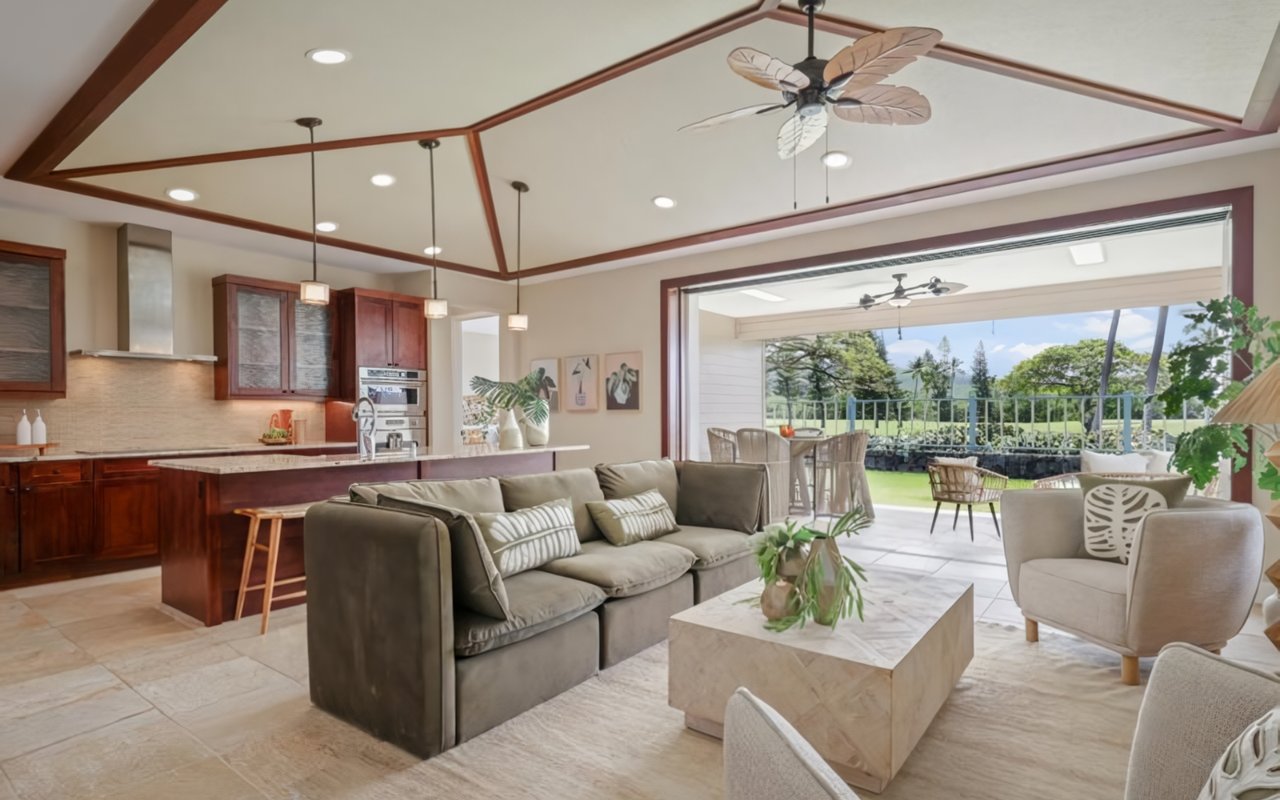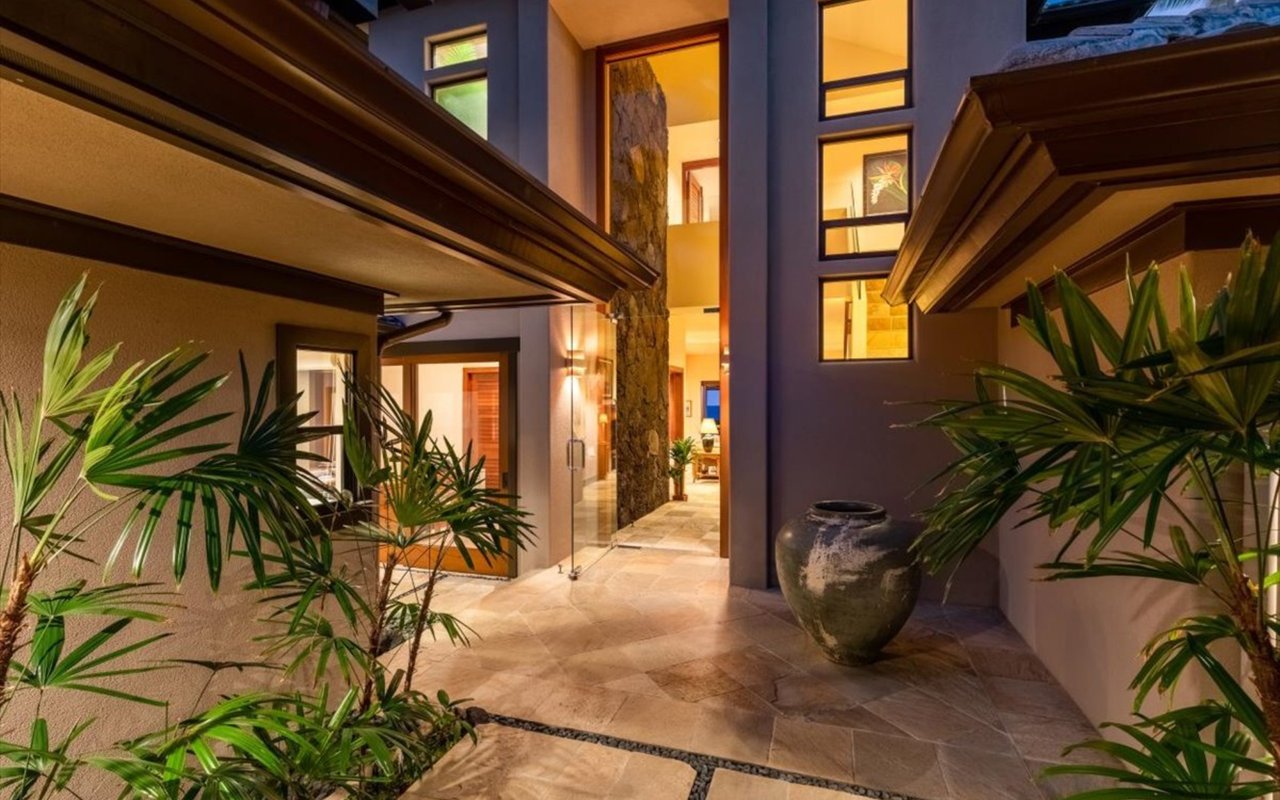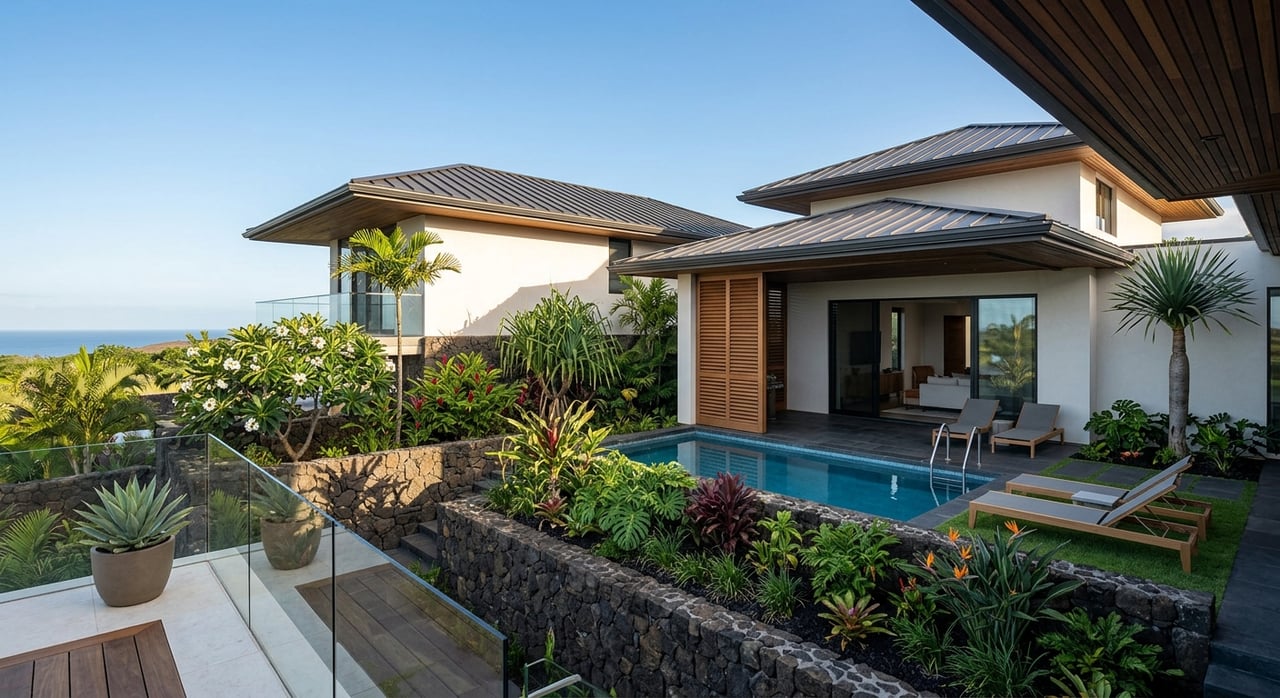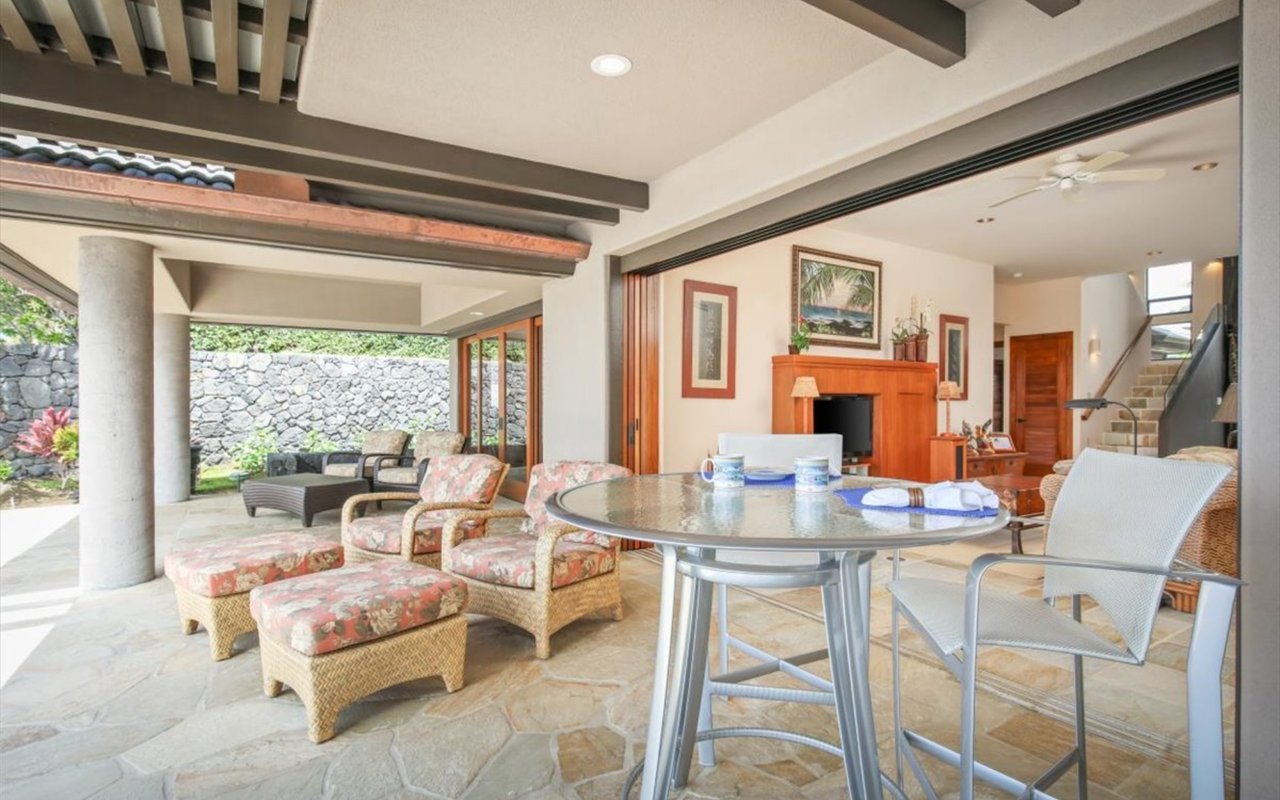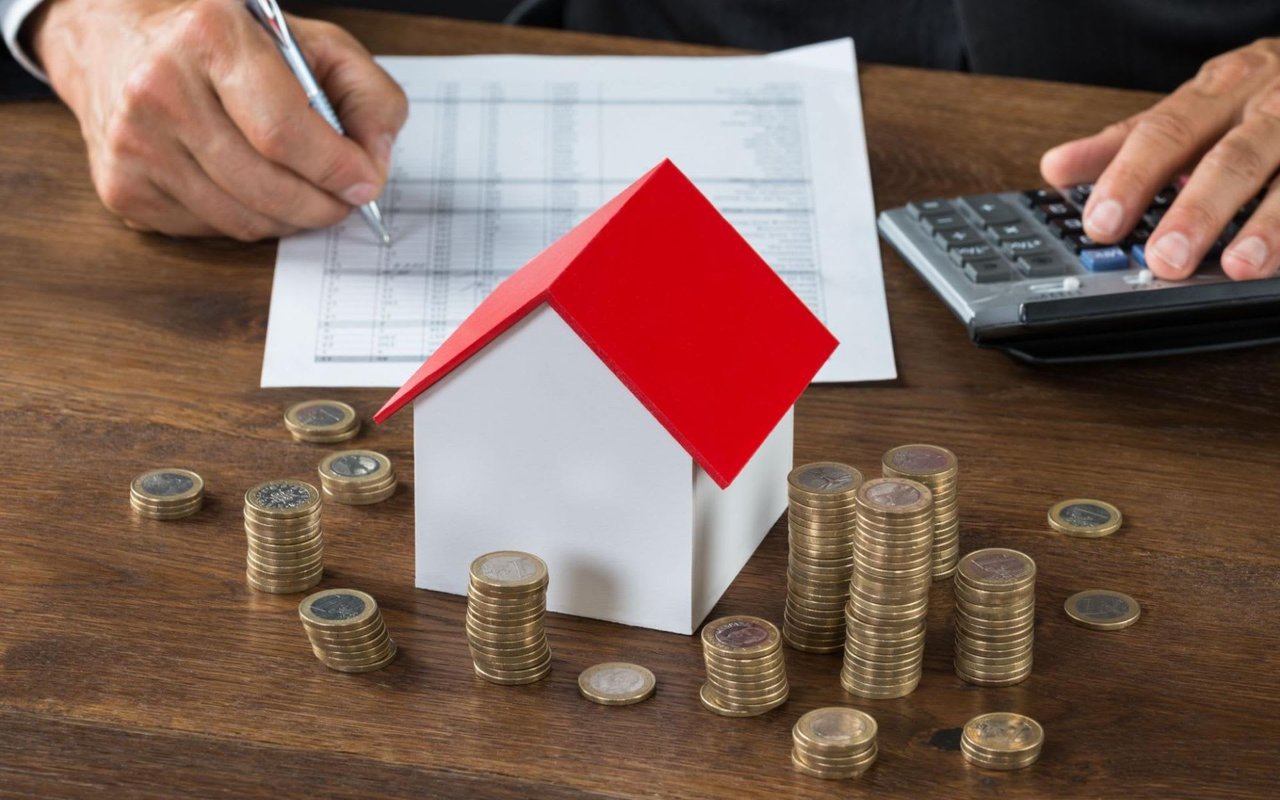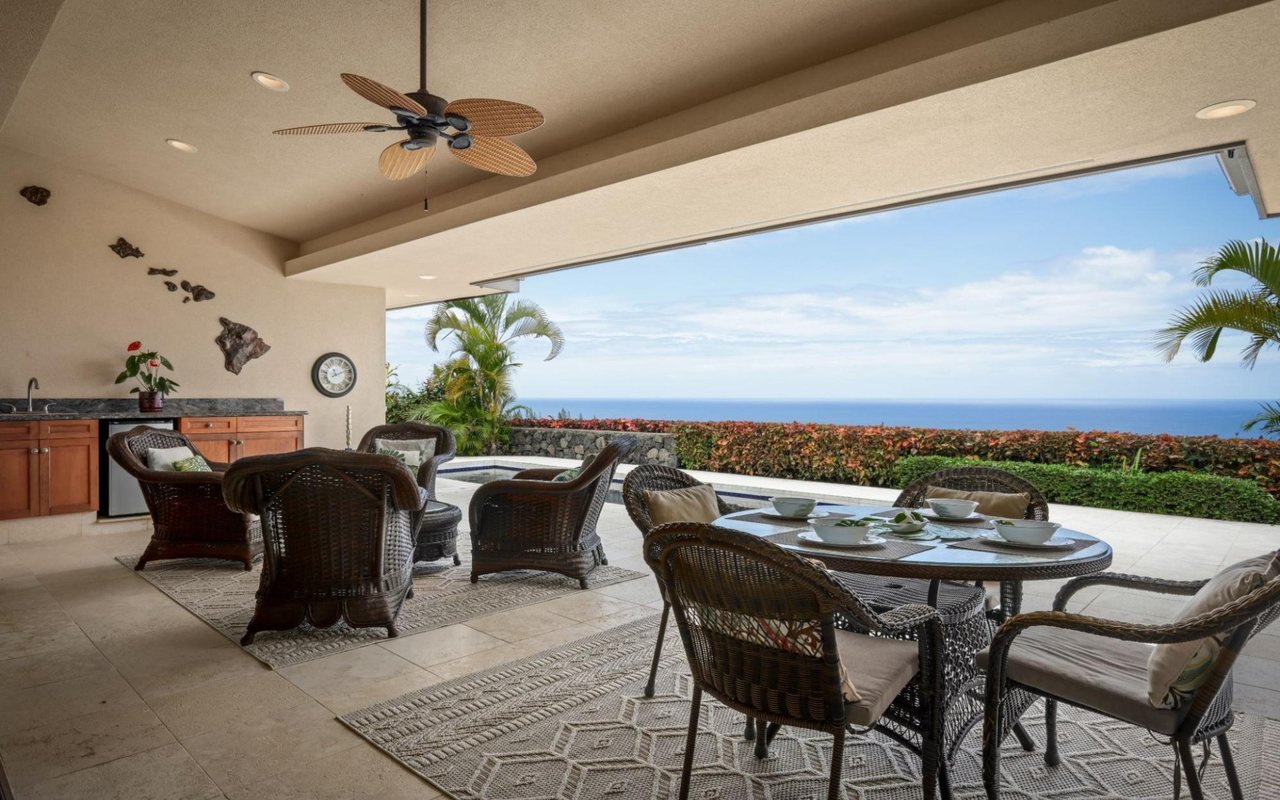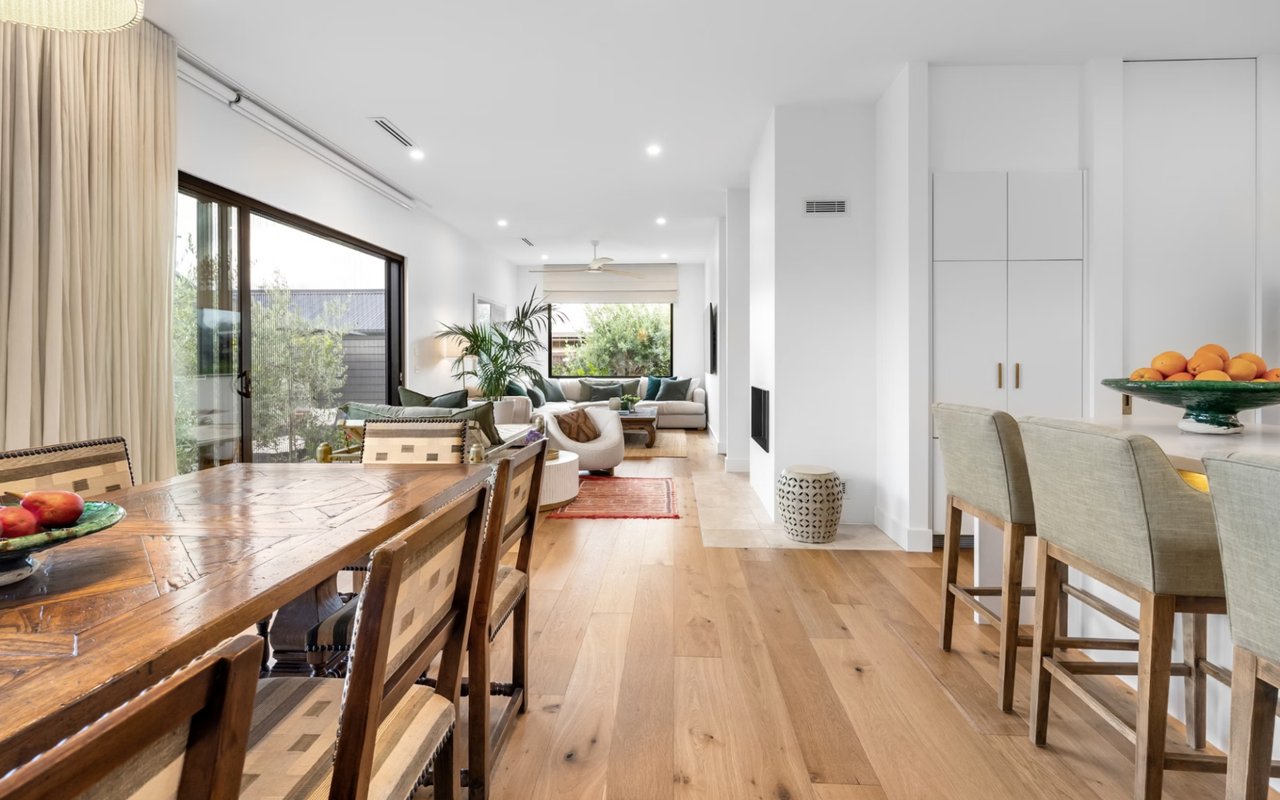
In the vibrant real estate market of Kona, Hawaii, both buyers and sellers encounter a crucial step in the transaction process that can significantly impact the final outcome—the home appraisal. Whether purchasing a luxury oceanfront property or selling a home with sweeping views of the Pacific, understanding what happens during home appraisal is essential for navigating a successful transaction.
The home appraisal provides an unbiased estimate of a property’s market value, typically ordered by a lender during the financing process to ensure the home is worth the loan amount being requested. While this step may seem routine, it plays a vital role in determining the deal’s viability and often influences negotiations and final sale terms. Here's a comprehensive overview of what to expect during the home appraisal process in Kona and how to prepare for it.
The Purpose of the Home Appraisal
The primary goal of a home appraisal is to determine a property's fair market value. Lenders use this figure to assess risk before issuing a mortgage. In Kona, where real estate values can fluctuate based on location, views, proximity to the ocean, and quality of finishes, the appraisal helps ensure that the lender is not financing more than the property is worth.
This valuation protects both the lender and the buyer. For the lender, it ensures the collateral (the home) is sufficient to cover the loan. For the buyer, it offers a layer of reassurance that they’re not overpaying for a home based on current market trends. In many cases, the appraisal also influences the terms of the purchase agreement, especially if the valuation comes in higher or lower than expected.
This valuation protects both the lender and the buyer. For the lender, it ensures the collateral (the home) is sufficient to cover the loan. For the buyer, it offers a layer of reassurance that they’re not overpaying for a home based on current market trends. In many cases, the appraisal also influences the terms of the purchase agreement, especially if the valuation comes in higher or lower than expected.
What Happens During Home Appraisal: The Process
To understand what happens during home appraisal, it's helpful to break the process down into several key steps. After the buyer and seller agree on a purchase contract and the lender initiates the mortgage process, the lender hires a licensed, independent appraiser to conduct the evaluation. The appraiser is selected through a neutral third-party appraisal management company (AMC) to ensure objectivity.
The appraiser then schedules a visit to the property, typically within one to two weeks. During this onsite inspection, the appraiser evaluates the home’s condition, size, layout, upgrades, location, and unique features. In Kona, elements such as ocean views, solar energy systems, lanai space, and proximity to popular destinations like Kailua Bay or Holualoa Village can significantly influence value.
They’ll take photographs of both the interior and exterior and measure the home's square footage. Any renovations, recent improvements, or structural additions will be noted. The appraiser also assesses the neighborhood and market trends, looking at comparable sales—referred to as “comps”—within the last six months in the surrounding area.
After gathering all necessary data, the appraiser compiles a detailed report. This report includes a written evaluation, photos, maps, comparable property data, and the final appraised value. This document is sent to the lender, and both the buyer and seller typically receive a copy.
The appraiser then schedules a visit to the property, typically within one to two weeks. During this onsite inspection, the appraiser evaluates the home’s condition, size, layout, upgrades, location, and unique features. In Kona, elements such as ocean views, solar energy systems, lanai space, and proximity to popular destinations like Kailua Bay or Holualoa Village can significantly influence value.
They’ll take photographs of both the interior and exterior and measure the home's square footage. Any renovations, recent improvements, or structural additions will be noted. The appraiser also assesses the neighborhood and market trends, looking at comparable sales—referred to as “comps”—within the last six months in the surrounding area.
After gathering all necessary data, the appraiser compiles a detailed report. This report includes a written evaluation, photos, maps, comparable property data, and the final appraised value. This document is sent to the lender, and both the buyer and seller typically receive a copy.
If the Appraisal Comes in High or Low
One of the most important outcomes of the appraisal is how it compares to the agreed-upon purchase price. If the home appraises at or above the contract price, the transaction generally moves forward as planned. However, if the appraisal comes in below the agreed price, it can complicate the deal.
In a lower-than-expected appraisal scenario, lenders may refuse to finance the full purchase price, requiring the buyer to either pay the difference out of pocket, renegotiate the sale price, or walk away from the deal if a financing contingency exists. Sellers in Kona need to be particularly mindful of this, especially in fast-moving or appreciating markets where buyers may bid above asking prices.
On the other hand, if the appraisal comes in higher than the purchase price, the buyer gains immediate equity in the home—a favorable situation that reinforces the soundness of the investment.
Understanding what happens during home appraisal allows all parties to anticipate these possibilities and prepare accordingly. Having a real estate professional experienced in the Kona market is invaluable in navigating these outcomes with clarity and confidence.
In a lower-than-expected appraisal scenario, lenders may refuse to finance the full purchase price, requiring the buyer to either pay the difference out of pocket, renegotiate the sale price, or walk away from the deal if a financing contingency exists. Sellers in Kona need to be particularly mindful of this, especially in fast-moving or appreciating markets where buyers may bid above asking prices.
On the other hand, if the appraisal comes in higher than the purchase price, the buyer gains immediate equity in the home—a favorable situation that reinforces the soundness of the investment.
Understanding what happens during home appraisal allows all parties to anticipate these possibilities and prepare accordingly. Having a real estate professional experienced in the Kona market is invaluable in navigating these outcomes with clarity and confidence.
Tips for Sellers Preparing for an Appraisal
For sellers, the appraisal is one of the final hurdles before closing. Presenting the home in its best light can influence how value is perceived. Though appraisers are objective and data-driven, a well-maintained, clean, and organized home makes it easier to assess condition and highlights upgrades.
It’s helpful to provide a list of recent improvements or upgrades, including permits for major renovations, HVAC replacements, or energy-efficient additions like solar panels. In Kona, sustainable features and outdoor living upgrades can add significant appeal. If a property has custom details, unique finishes, or view corridors that set it apart, drawing attention to these during the appraisal walkthrough is beneficial.
It’s helpful to provide a list of recent improvements or upgrades, including permits for major renovations, HVAC replacements, or energy-efficient additions like solar panels. In Kona, sustainable features and outdoor living upgrades can add significant appeal. If a property has custom details, unique finishes, or view corridors that set it apart, drawing attention to these during the appraisal walkthrough is beneficial.
The Appraisal and Cash Purchases
While appraisals are most commonly associated with financed purchases, cash buyers in Kona may also choose to order an appraisal as a safeguard before completing a transaction. For high-value luxury homes, a private appraisal ensures the investment aligns with market value, offering peace of mind regardless of financing. In such cases, the appraisal may be more flexible in scope and tailored to the buyer’s request, but the methodology remains consistent.
Appraisals in a Unique Market Like Kona
Kona’s real estate market presents unique variables that appraisers must account for. Unlike homogeneous developments found in some mainland communities, homes in Kona vary significantly in age, architecture, lot size, and elevation. Ocean proximity, mountain views, access to amenities like golf courses or beach clubs, and even lava zone classifications can influence value. An experienced appraiser familiar with Hawaii Island’s nuances is essential for producing a reliable report.
Appraisers must often travel farther to find suitable comparables due to the distinct nature of each property. This variability is why understanding what happens during home appraisal in Kona is different from other mainland markets and why local knowledge is crucial for accuracy.
Appraisers must often travel farther to find suitable comparables due to the distinct nature of each property. This variability is why understanding what happens during home appraisal in Kona is different from other mainland markets and why local knowledge is crucial for accuracy.
Work With a Local Expert to Navigate the Appraisal Process
Navigating the appraisal process successfully requires communication, preparation, and a clear understanding of local market dynamics. Buyers and sellers alike benefit from working with an experienced real estate professional who can offer guidance, advocate on their behalf, and help interpret the results within the context of current market trends.
Get Trusted Guidance From Kris Hazard
Whether you’re buying or selling property in Kona, knowing what happens during home appraisal helps you make informed decisions and avoid surprises during the closing process. From evaluating your home’s features to preparing for appraiser visits and responding to appraisal outcomes, expert guidance is key.
Contact Kris Hazard today to gain insight into the local real estate market and ensure your appraisal process runs smoothly. With extensive experience in Kona’s unique residential landscape, Kris Hazard offers the local knowledge and professional support needed at every stage of your real estate journey. Visit Kris Hazard and team to get started.
Contact Kris Hazard today to gain insight into the local real estate market and ensure your appraisal process runs smoothly. With extensive experience in Kona’s unique residential landscape, Kris Hazard offers the local knowledge and professional support needed at every stage of your real estate journey. Visit Kris Hazard and team to get started.