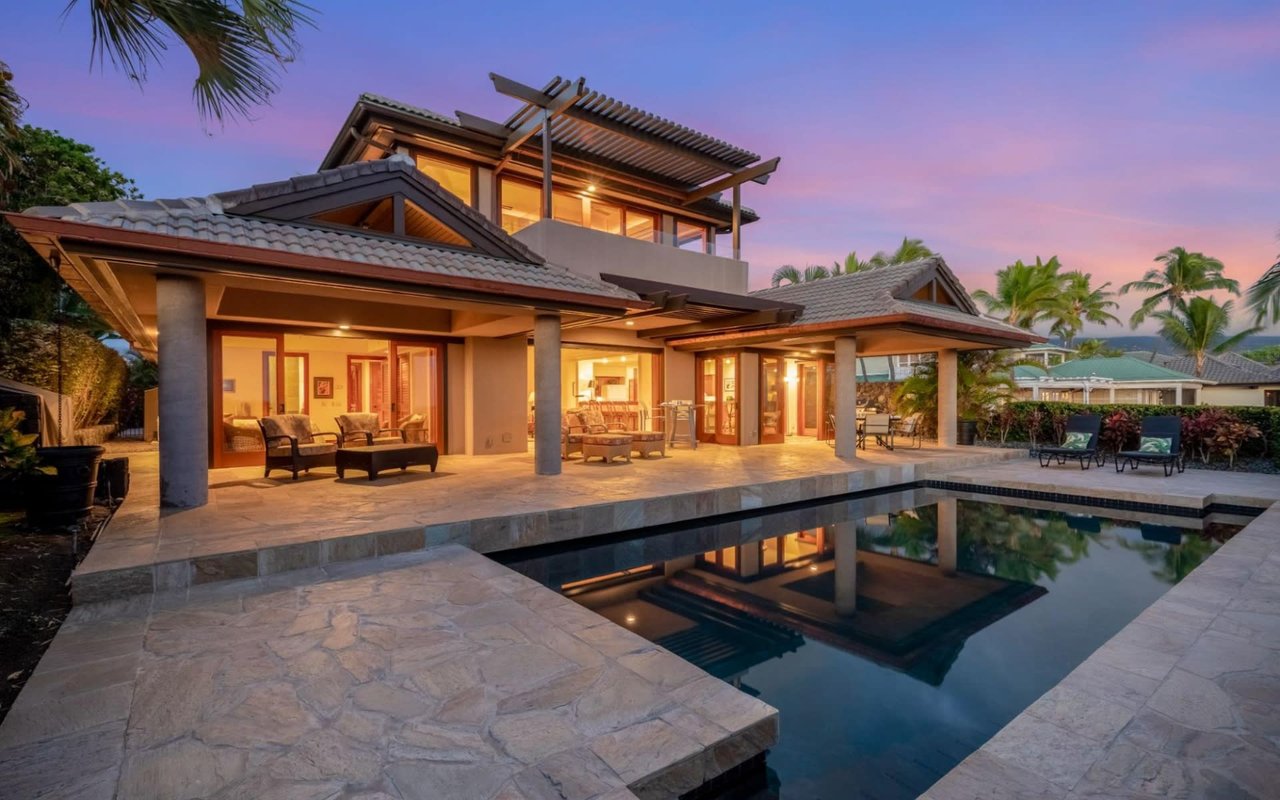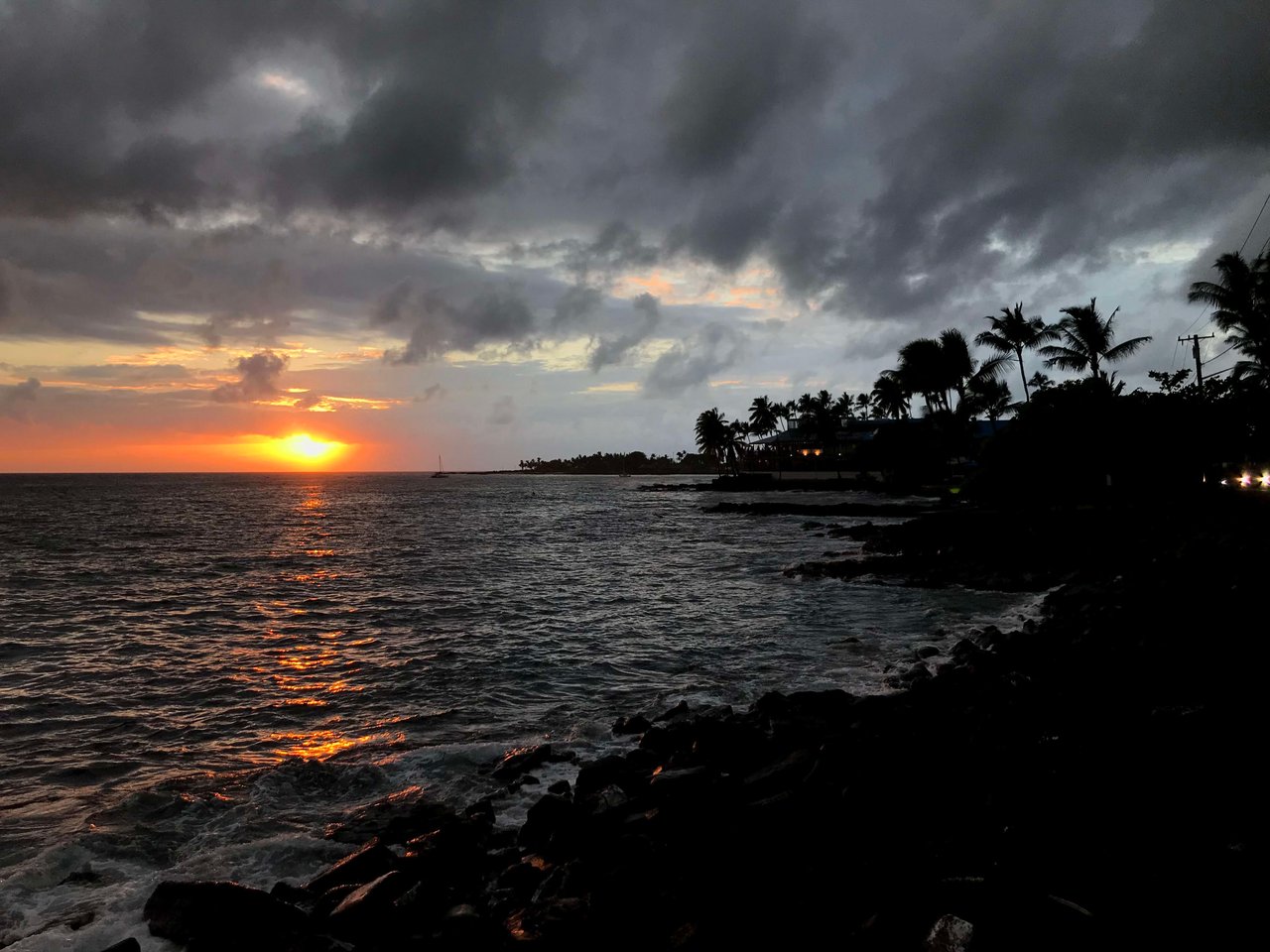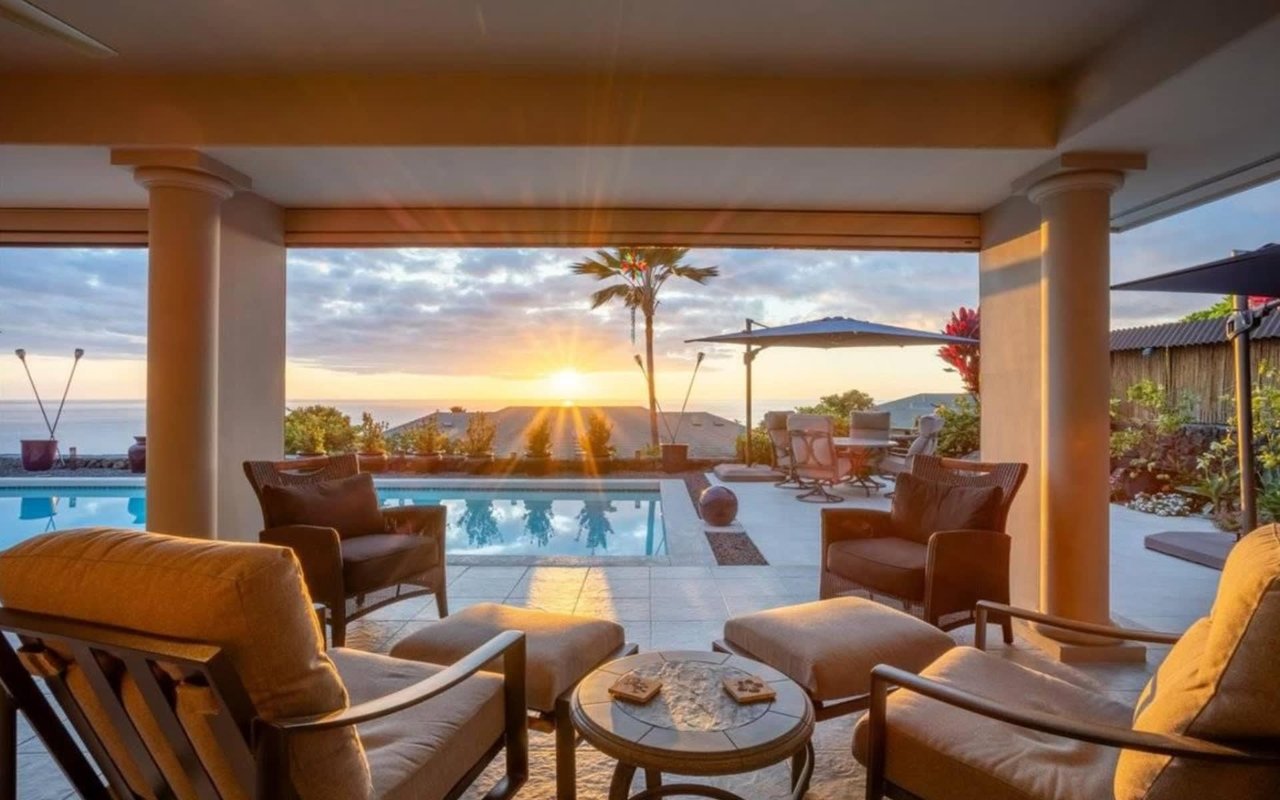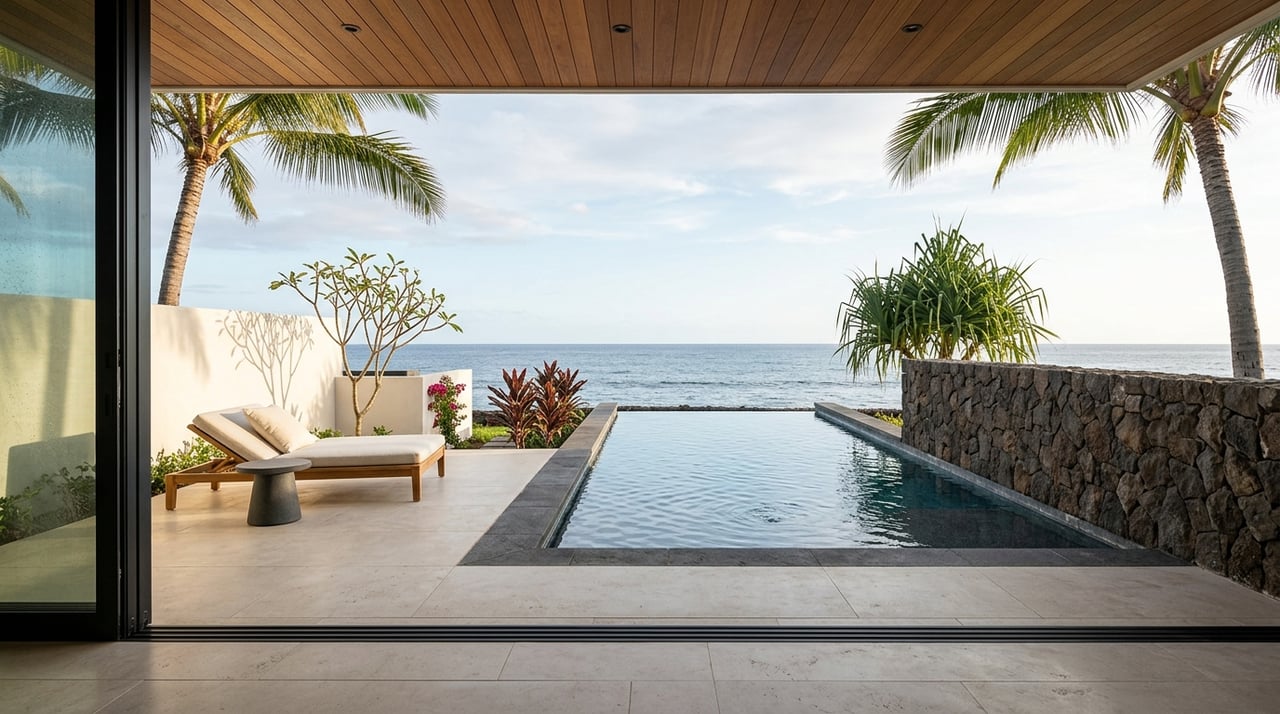
Dreaming of oceanfront living in Kona? The reality is even more nuanced and interesting than the postcard version. If you are considering a condo, second home, or shoreline property along the Kona Coast, it helps to know how daily life actually feels, what changes with the seasons, and where the biggest practical tradeoffs show up. This guide gives you a grounded look at what oceanfront living in Kona really looks like, so you can make a smarter and more confident decision. Let’s dive in.
Kona oceanfront is a shoreline corridor
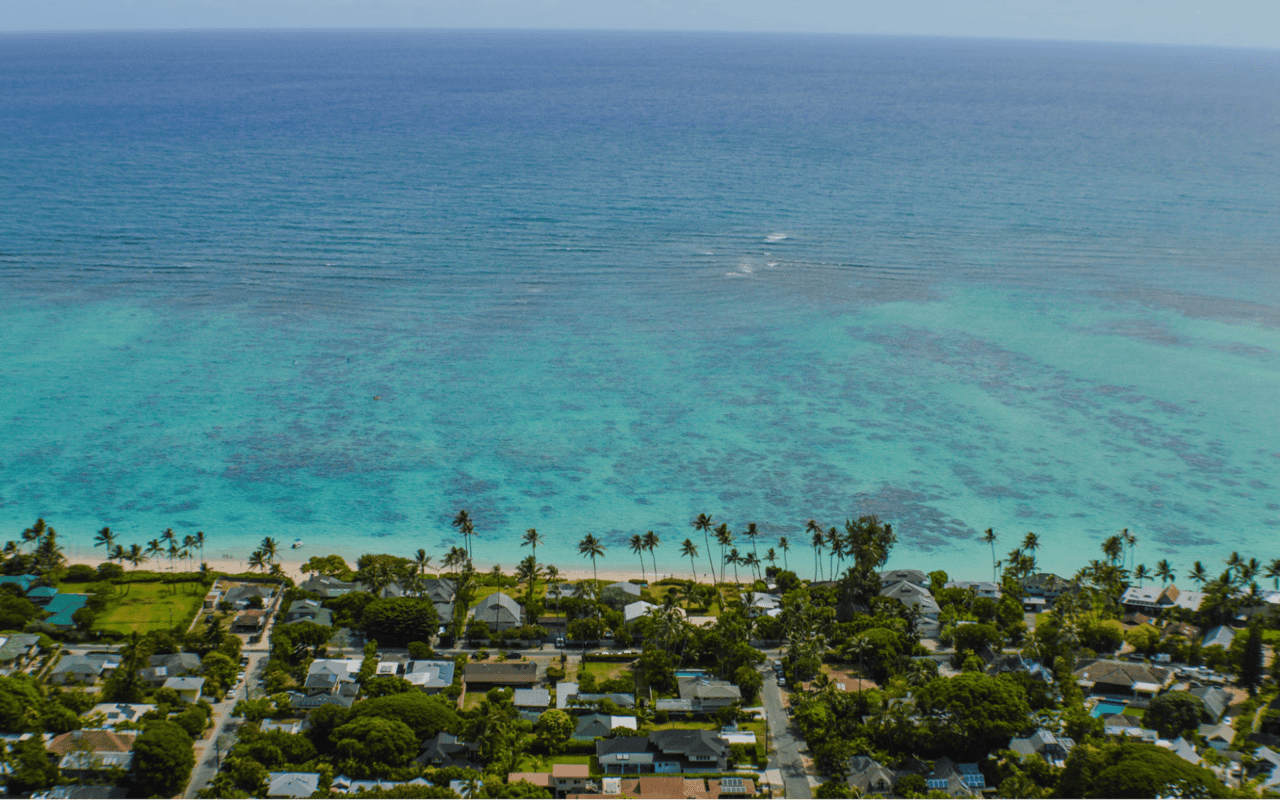
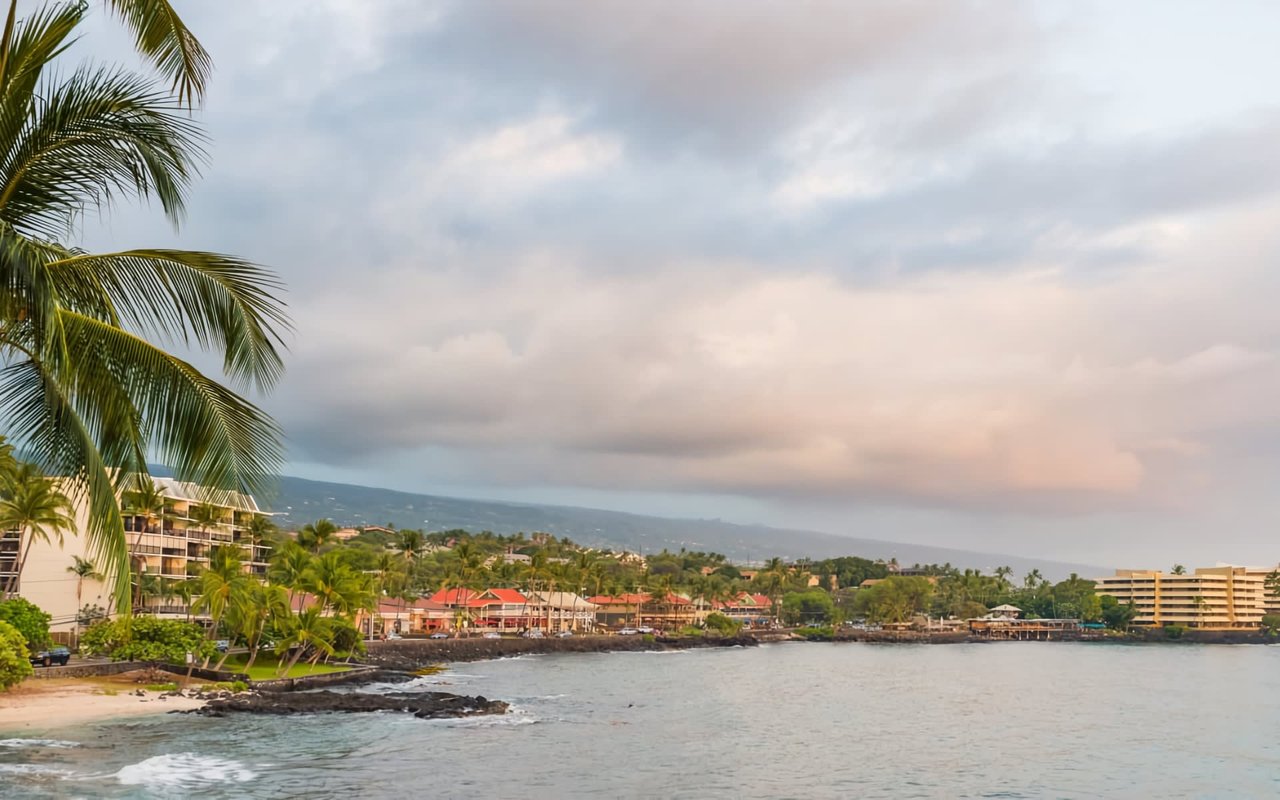
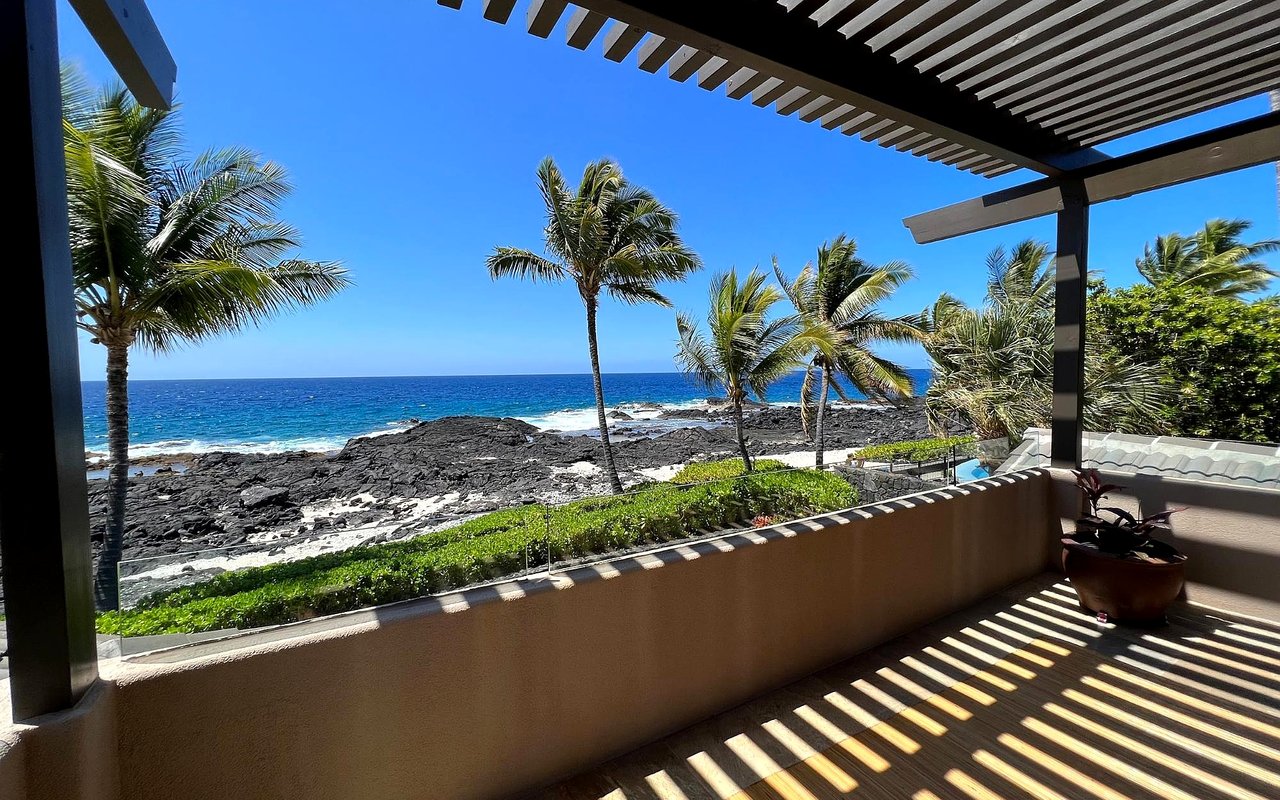
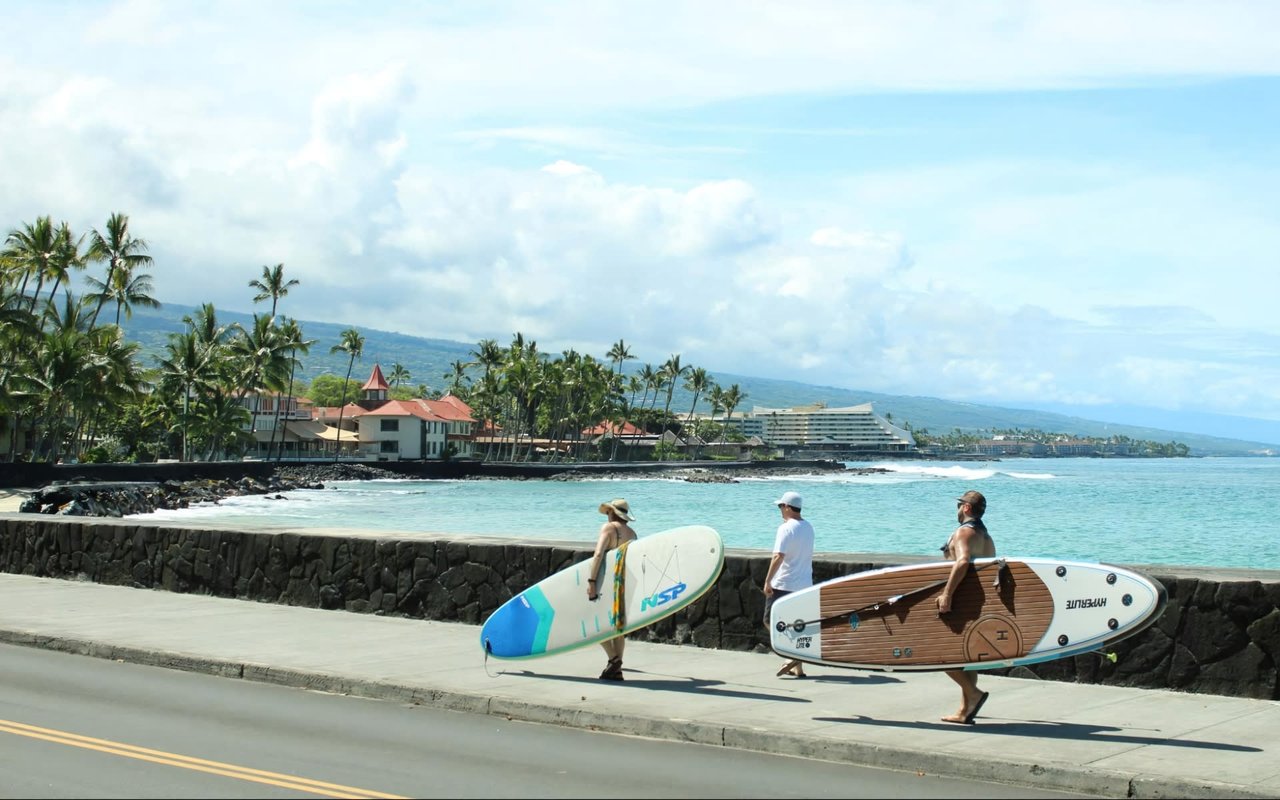
When people picture oceanfront Kona, they often imagine one long stretch of sandy coastline. In practice, Kona oceanfront living is more of a compact leeward shoreline corridor centered around Historic Kailua Village, Aliʻi Drive, and the Keauhou area south of town. According to Go Hawaii’s overview of Historic Kailua Village, this seaside area sits in the heart of the sunny Kona Coast, about 15 minutes south of the airport.
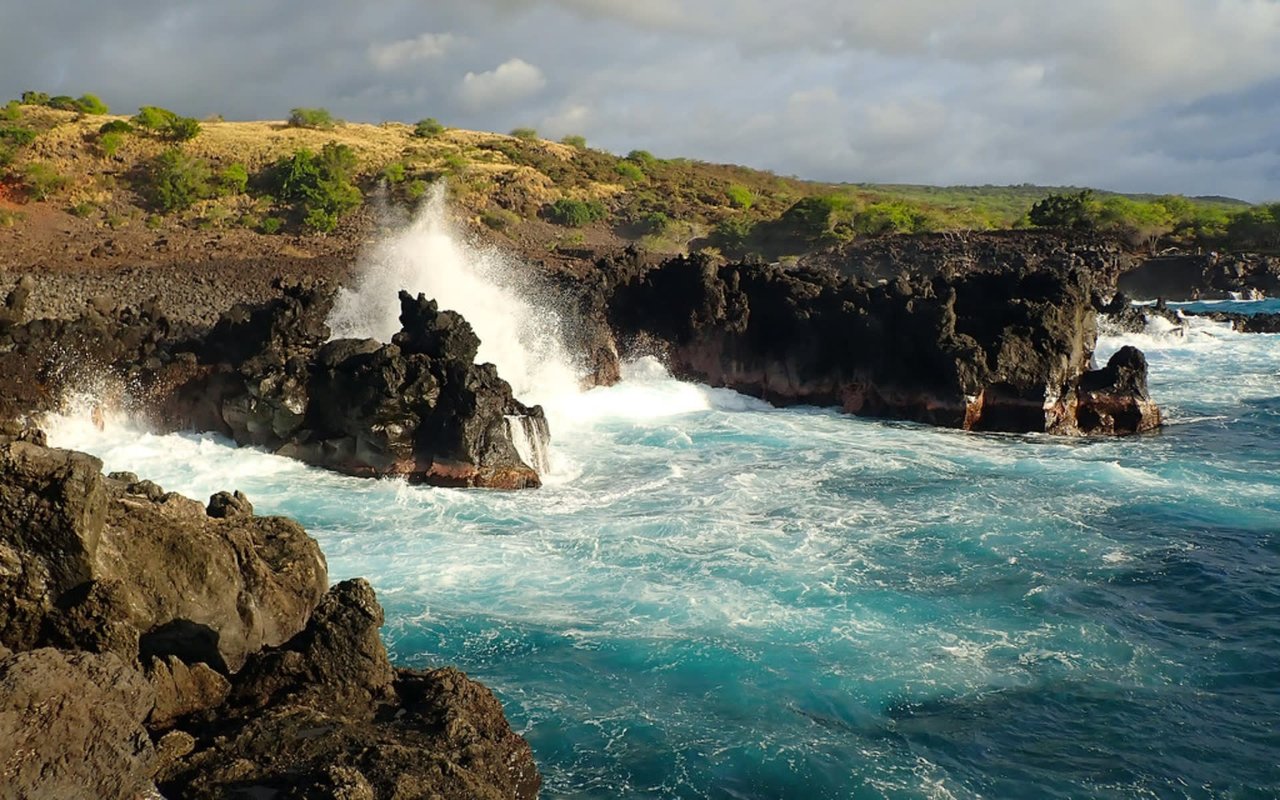
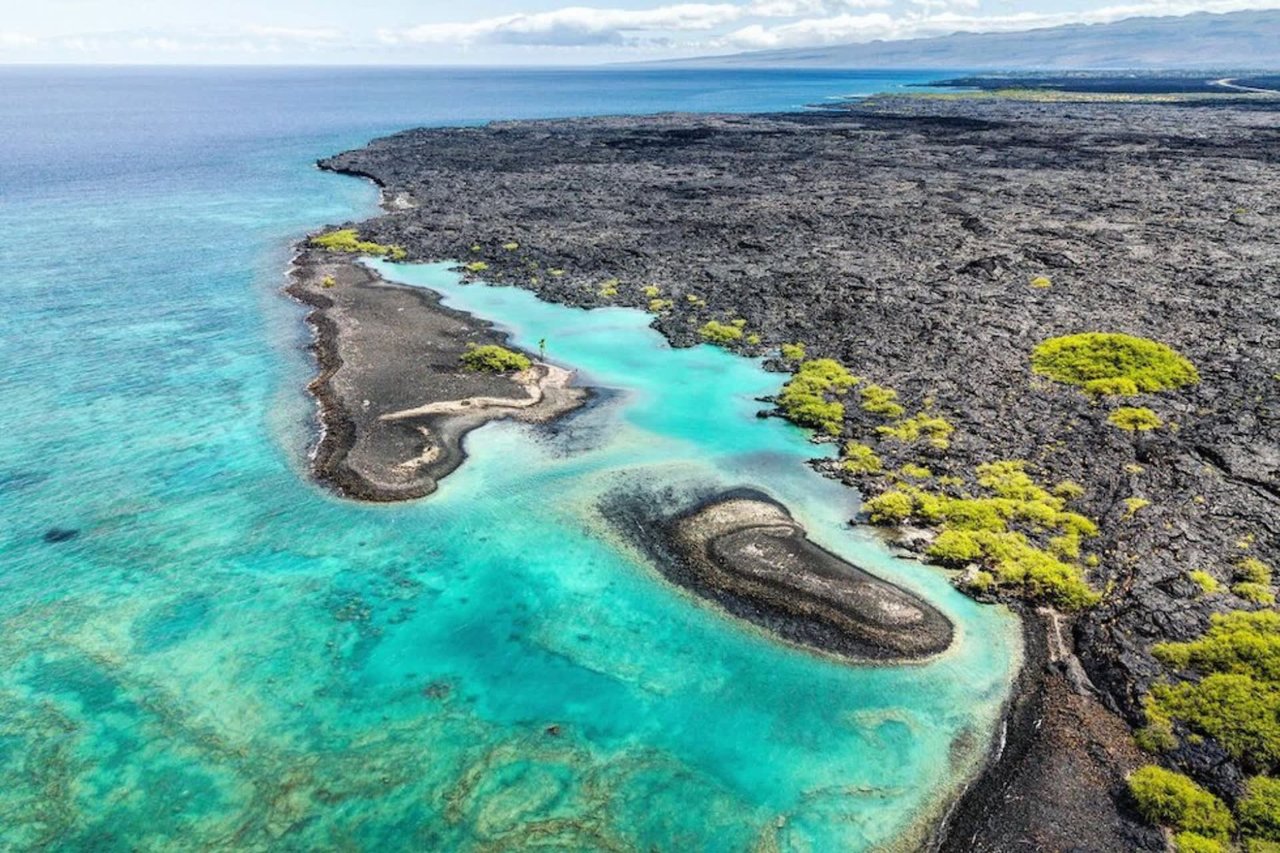
That setting shapes the experience in a big way. The shoreline here is not one uninterrupted band of private beach. Instead, it is a mix of pocket beaches, rocky access points, resort properties, gathering spots, and a busy coastal road that ties everything together.
Historic Kailua Village shapes the vibe
Oceanfront living in Kona is not only about views. It is also about being close to places that define the area, including Huliheʻe Palace, Mokuʻaikaua Church, Kailua Pier, and Kamakahonu Bay along Aliʻi Drive. The result is a waterfront environment that blends history, visitor activity, local businesses, and everyday residential life.
If you want a shoreline setting with energy and context, this can be a strong fit. If you are expecting a quiet, isolated beachfront feel in every oceanfront location, Kona may feel different than you first imagined.
Daily life along Aliʻi Drive and Keauhou
One of the biggest draws of Kona oceanfront living is convenience. This part of the coast is one of the more walkable areas on Hawaiʻi Island, though walkability is concentrated rather than urban. You can often reach dining, shops, beaches, and ocean views without covering much ground, especially near Kailua Village.
Hele-On Route 201 runs seven days a week from 6:00 a.m. to 9:00 p.m. with hourly service along Aliʻi Drive, including stops near Royal Kona Resort, Honl’s Beach, Magic Sands, Kahaluʻu, and Keauhou. That adds a practical transportation option for getting up and down the coast without always driving.
Walkability is real, but limited
Kona’s oceanfront lifestyle is walkable in pockets, not everywhere all at once. The county walking guide highlights Aliʻi Drive for its shops, restaurants, breweries, and Coconut Grove area. The Old Kona Airport area also offers walking options, including a paved 0.7-mile loop and a sandy path just under a mile.
That means you can enjoy an active, outdoor routine, but your exact address matters. Some properties place you near dining and shoreline paths, while others require more driving for errands or beach access.
Dining and nightlife are part of the experience
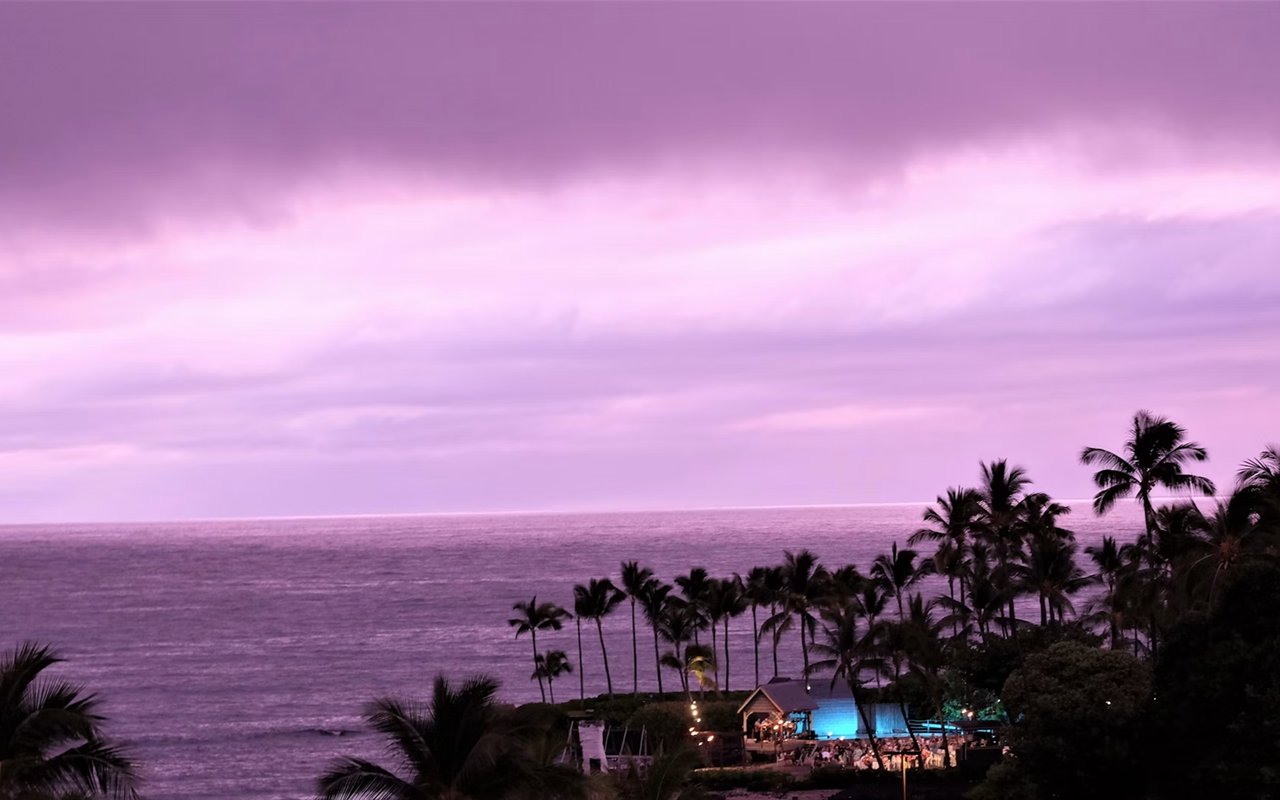
If you enjoy stepping out for dinner with an ocean view, Kona delivers that better than many other parts of the island. Go Hawaii’s listing for Royal Kona Resort describes it as an oceanfront landmark near restaurants, shops, and historic sites. The same district around Kailua Bay and Kailua Pier is known for dining, live music, and activity after sunset.
This is an important part of what buyers are really choosing. Oceanfront Kona often means being close to a social shoreline, not removed from it.
Beach access is varied, not uniform
This is where expectations matter most. Kona’s shoreline is a patchwork of small sandy areas, protected coves, and rockier shoreline entry points. Kailua Bay offers a small, protected swimming beach at the pier, while other access points feel more rugged and changeable.
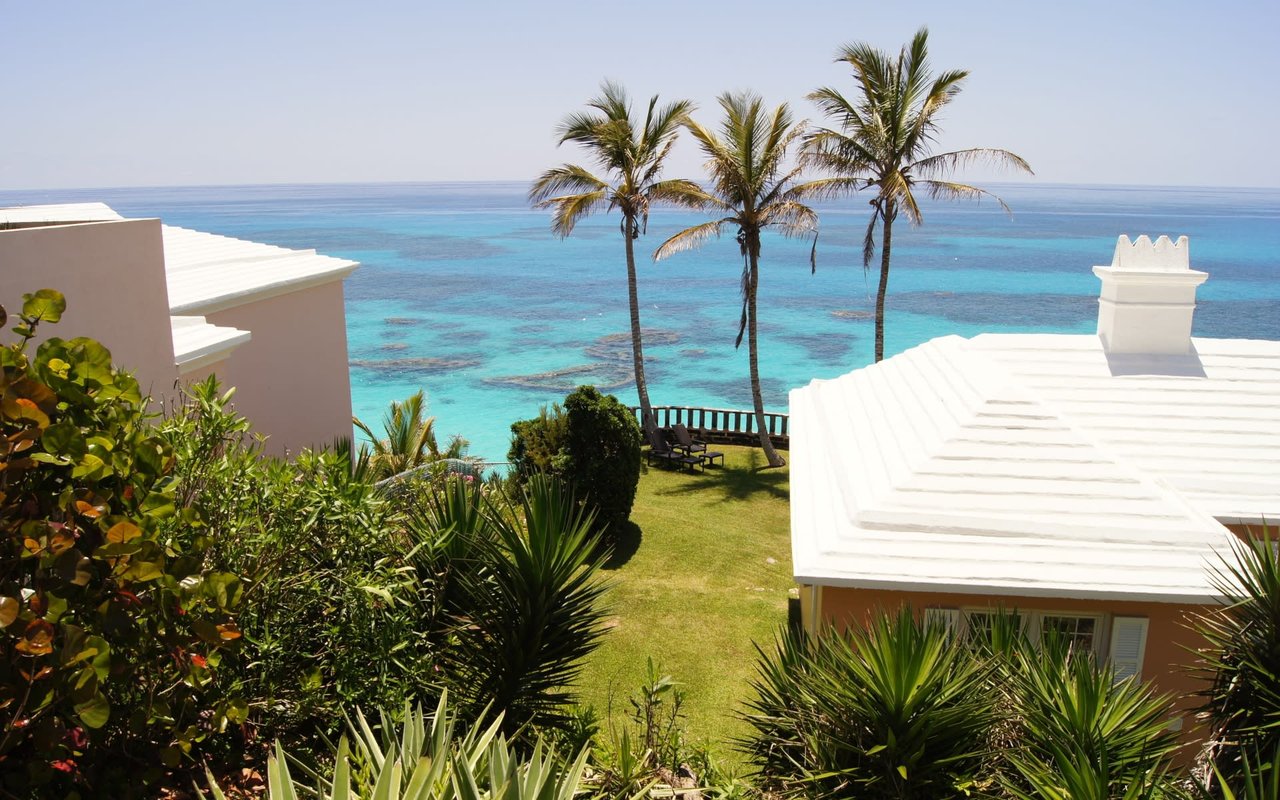
In other words, “oceanfront” does not always mean “steps to a wide sandy beach.” In many parts of Kona, it means immediate proximity to the shoreline, views, breezes, and water access that may vary by location and season.
Kahaluʻu and Magic Sands show the contrast
Kahaluʻu Beach Park in Keauhou is known for calm snorkeling conditions, turtles, parking, and lifeguards. It is one of the area’s most recognized water-access spots, but it is also one of the busiest. Hawaiʻi County reports that Kahaluʻu draws more than 400,000 visitors each year and may close periodically for coral-spawning rest periods so the reef can recover, according to the county recovery update.
Laʻaloa, also known as White Sands or Magic Sands, offers a very different example. It sits on Aliʻi Drive just north of Kahaluʻu Bay, and its sandy shoreline can disappear quickly when winter surf or tidal shifts expose rock. That is a great reminder that Kona beach conditions can be dynamic rather than fixed.
Shoreline access can be more challenging
The county’s shoreline access guidance notes that some access points require travel over rocks and that waves can make entry and exit difficult. It also explains that seasonal surf patterns affect different sides of the island at different times of year.
For Kona’s west-facing shoreline, ocean conditions are part of daily life, not a side note. If you are buying for regular swimming, snorkeling, or simply easy shoreline use, that local nuance matters.
Kona weather supports year-round coastal living
One reason Kona remains so appealing is its climate. Kona sits on the leeward side of Hawaiʻi Island, which generally means sunnier and drier conditions than windward areas. According to NOAA’s Hawaiʻi climate summary, the islands have mild temperatures year-round, with two broad seasons: summer from May to October and winter from October to April.
Even with those seasonal shifts, leeward areas like Kona tend to stay sunny and relatively dry. Winter can bring more clouds, rainstorms, and occasional Kona lows, but most homeowners still experience the shoreline as comfortable across the calendar.
Temperatures stay steady through the year
NOAA normals for Kailua Kona Keāhole Airport show an annual mean temperature of 78.2°F, with average daily highs of 84.2°F and lows of 72.3°F, based on 1991 to 2020 climate normals. Ocean temperatures near Hawaiʻi also remain relatively stable through the year, which helps support year-round water activities.
For you as a buyer, that means seasonal differences are usually more about surf, clouds, and wind patterns than dramatic temperature swings. Kona’s coastal lifestyle is remarkably consistent, even when the shoreline mood shifts a bit by season.
Ownership comes with real coastal considerations
The most important oceanfront questions often go beyond the view. If you are buying along the shoreline, you also need to understand setbacks, permitting, coastal exposure, and long-term stewardship. These are not reasons to avoid oceanfront property, but they are reasons to evaluate it carefully.
Hawaiʻi County states that shoreline-adjacent lots are subject to Special Management Area review, and lots that abut the shoreline must have at least a 40-foot setback. If a structure needs to sit closer than allowed, a shoreline setback variance may be required.
Sea level rise is part of the picture
State climate guidance adds another layer of planning. The State of Hawaiʻi reports that sea level has already risen 5 inches since 1970, and it identifies high-tide flooding, beach loss, and coastal erosion as ongoing concerns on its sea level rise fact page.
For buyers, this reinforces the value of looking beyond surface appeal. Two properties may both be labeled oceanfront, but their access, shoreline condition, regulatory context, and long-term coastal exposure can be very different.
What oceanfront Kona feels like day to day
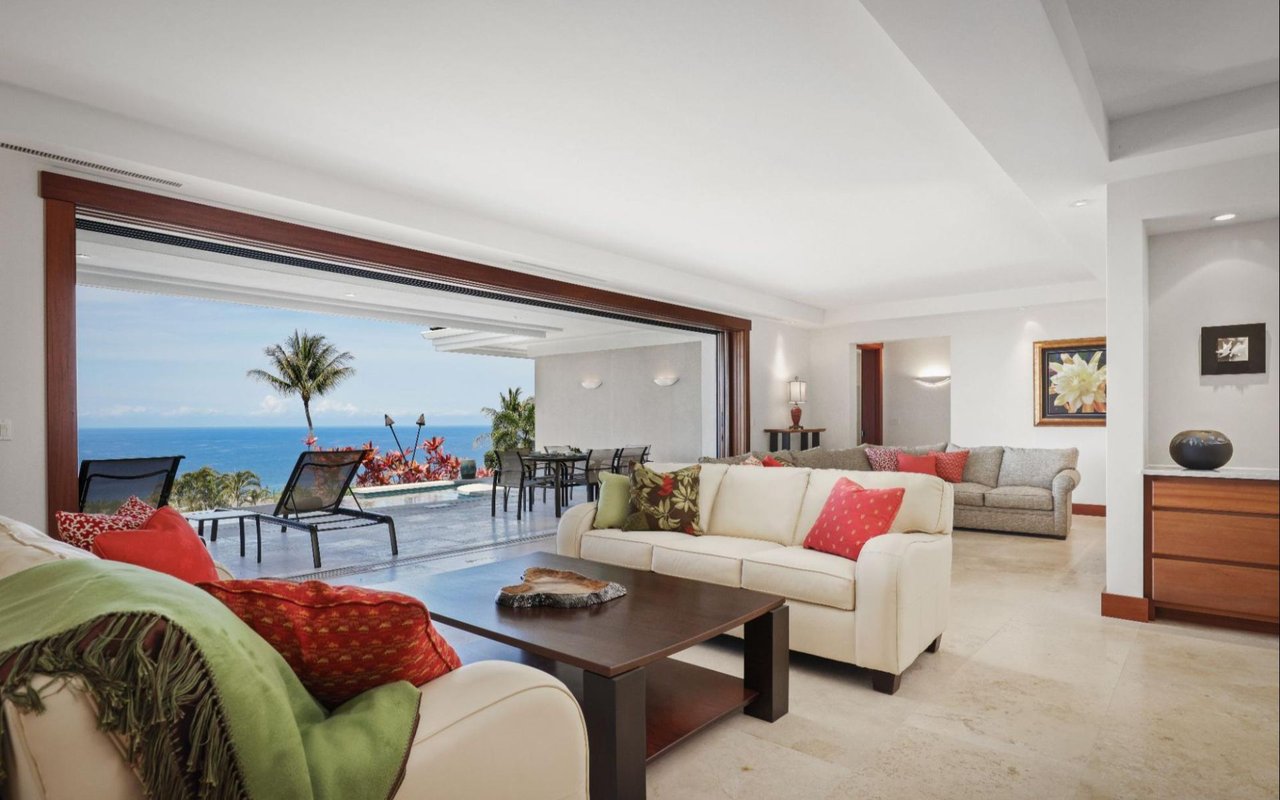
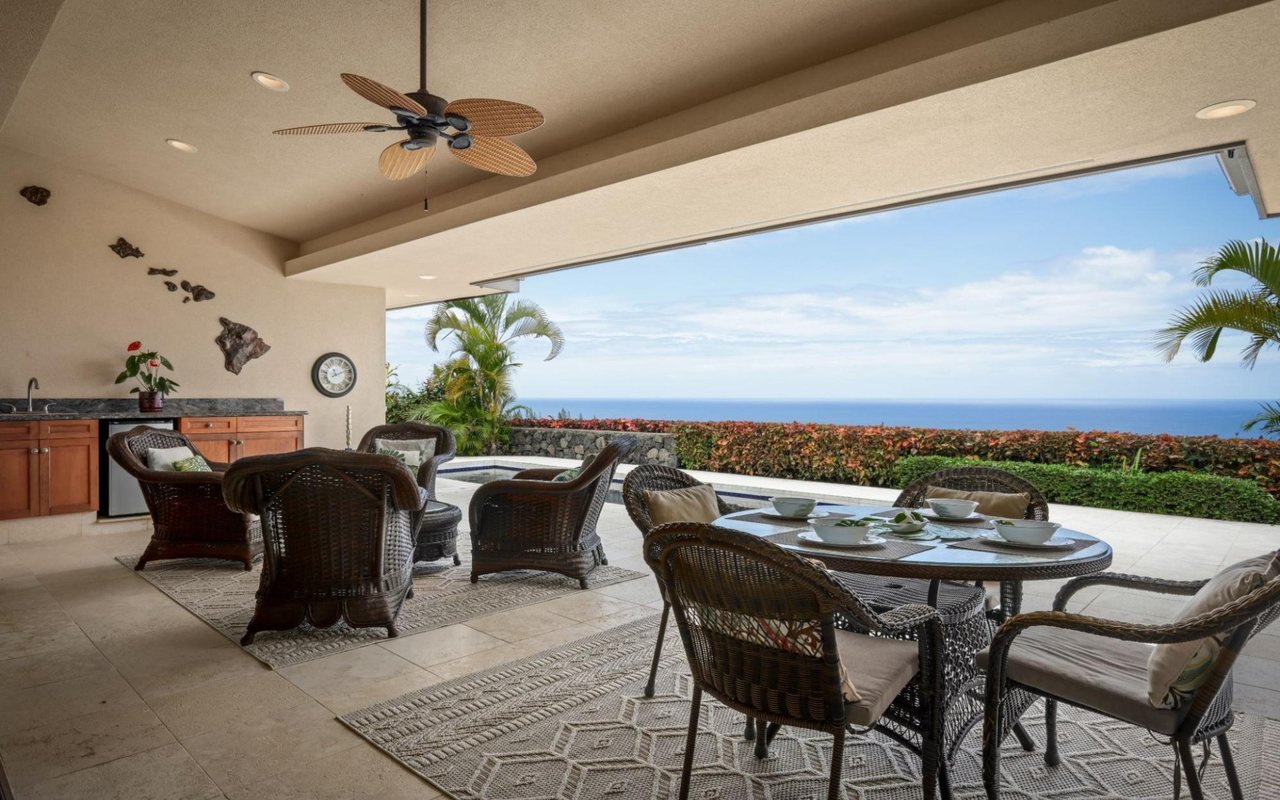
So what does oceanfront living in Kona really look like? In most cases, it looks like a warm, scenic, active coastal lifestyle tied closely to Aliʻi Drive, Historic Kailua Village, and Keauhou. You get year-round outdoor appeal, quick access to dining and shoreline activity, and a waterfront setting shaped by history, tourism, and local routines.
It also means adapting your expectations. The coastline is beautiful, but it is not uniform. Access can be rocky, beaches can change, parking can be limited in busy areas, and shoreline development comes with rules and long-term planning considerations.
That is why the right fit often comes down to your priorities. You may prefer a harbor-adjacent setting near town, a snorkeling-oriented area near Kahaluʻu, or a stretch of coast where the views matter more than sandy entry. The best choice is usually the one that matches how you actually want to live.
If you are exploring Kona oceanfront condos, second homes, or shoreline properties, working with someone who understands these micro-differences can save you time and help you buy with more clarity. When you are ready for personalized guidance, connect with Kristina Vaughn-Hazard to schedule a personalized Kona consultation.
FAQs
What does oceanfront living in Kona usually mean?
- Oceanfront living in Kona usually means being along a compact shoreline corridor near Historic Kailua Village, Aliʻi Drive, or Keauhou, with a mix of views, small beach areas, rocky shoreline access, and walkable activity rather than one continuous sandy coast.
Is Kona oceanfront property directly on sandy beaches?
- Not always. Kona’s shoreline includes pocket beaches, protected coves, and rockier stretches, so an oceanfront property may offer shoreline proximity and views without direct access to a wide sandy beach.
How walkable is oceanfront Kona for daily life?
- Parts of oceanfront Kona are quite walkable, especially near Aliʻi Drive and Historic Kailua Village, where you can find shops, restaurants, and shoreline access, though walkability is concentrated and depends on the exact location.
What are the beach conditions like in Kona through the year?
- Beach and ocean conditions in Kona can change with seasonal surf and tidal shifts, and some shoreline entry points may be rocky or difficult depending on wave conditions.
What should buyers know about Kona shoreline regulations?
- Buyers should know that shoreline-adjacent lots may be subject to Special Management Area review, and lots abutting the shoreline must meet county setback requirements, which can affect future improvements or redevelopment.
Why does local guidance matter for oceanfront Kona homes?
- Local guidance matters because shoreline access, seasonal ocean conditions, regulatory requirements, and long-term coastal considerations can vary significantly from one Kona oceanfront property to another.