By Kris Hazard
I walk buyers through contingencies on nearly every transaction here in Kona, and Hawaii's system works a bit differently than what many mainland buyers expect. The standard Hawaii purchase contract, known as the DROA, builds in several specific protections with their own deadlines and rules, and understanding each one ahead of time changes how confidently you can move through a transaction. Here's what I think is worth understanding about real estate contingencies in this specific market.
Key Takeaways
- The J-1 inspection contingency is your main protection, typically running 7 to 14 days
- An "As Is" sale doesn't remove your inspection or cancellation rights under the J-1 contingency
- Hawaii's termite contingency and seller disclosure timeline both run on their own specific deadlines
- Lava zone designation varies even within Kona itself, and it's worth checking for a specific property
The J-1 Inspection Contingency: Your Main Protection
The J-1 contingency gives you the right to have the property professionally inspected, typically within 7 to 14 days of acceptance, and to cancel the contract for any reason if you're not satisfied with what the inspection turns up. During this window, you can also bring in general contractors, structural engineers, or other specialists beyond a standard home inspector if a specific concern warrants it, which matters more here in Kona given how varied construction and foundation types can be across this side of the island. If you cancel within this period, you're generally entitled to your full deposit back.
Why This Contingency Matters So Much
- Typically runs 7 to 14 days from the date your offer is accepted
- Gives you the right to cancel for any reason if you're not satisfied
- Allows bringing in specialists beyond a standard home inspector when needed
- Canceling within this window generally protects your full deposit
Why "As Is" Doesn't Remove Your Inspection Rights
A property marketed or sold "As Is" in Hawaii doesn't actually remove your J-1 inspection contingency rights, which surprises a lot of buyers who assume "As Is" means no inspection protections at all. You can still have the home professionally inspected and still cancel within your inspection period if you're not satisfied, regardless of the As Is language in the listing. What does change is that a seller has no obligation to make repairs or offer a credit, so any resolution becomes a negotiation rather than a requirement.
Why This Distinction Matters So Much
- "As Is" doesn't remove your J-1 inspection or cancellation rights
- You can still inspect and still cancel within your inspection period
- A seller has no obligation to make repairs or offer a credit
- Any resolution becomes a negotiation rather than something you can demand
The Termite Contingency and Hawaii's Disclosure Timeline
Termites are a real, year-round concern in Hawaii, which is why a separate termite inspection contingency is common, with a report typically delivered 10 to 15 days before closing, well ahead of your actual closing date. If that report reveals live termites, the seller is generally responsible for covering the recommended treatment. Separately, and independent of the J-1 contingency timeline, Hawaii law requires sellers to deliver a written disclosure statement within 10 calendar days of contract acceptance, after which you have 15 calendar days to review it and decide whether to rescind.
Why These Timelines Deserve Close Attention
- A termite inspection report is typically delivered 10 to 15 days before closing
- Sellers generally cover treatment costs if live termites are found
- Hawaii law requires a written seller disclosure within 10 calendar days of acceptance
- You then have 15 calendar days to review it and decide whether to rescind
Lava Zone Considerations Are Their Own Kind of Contingency Here
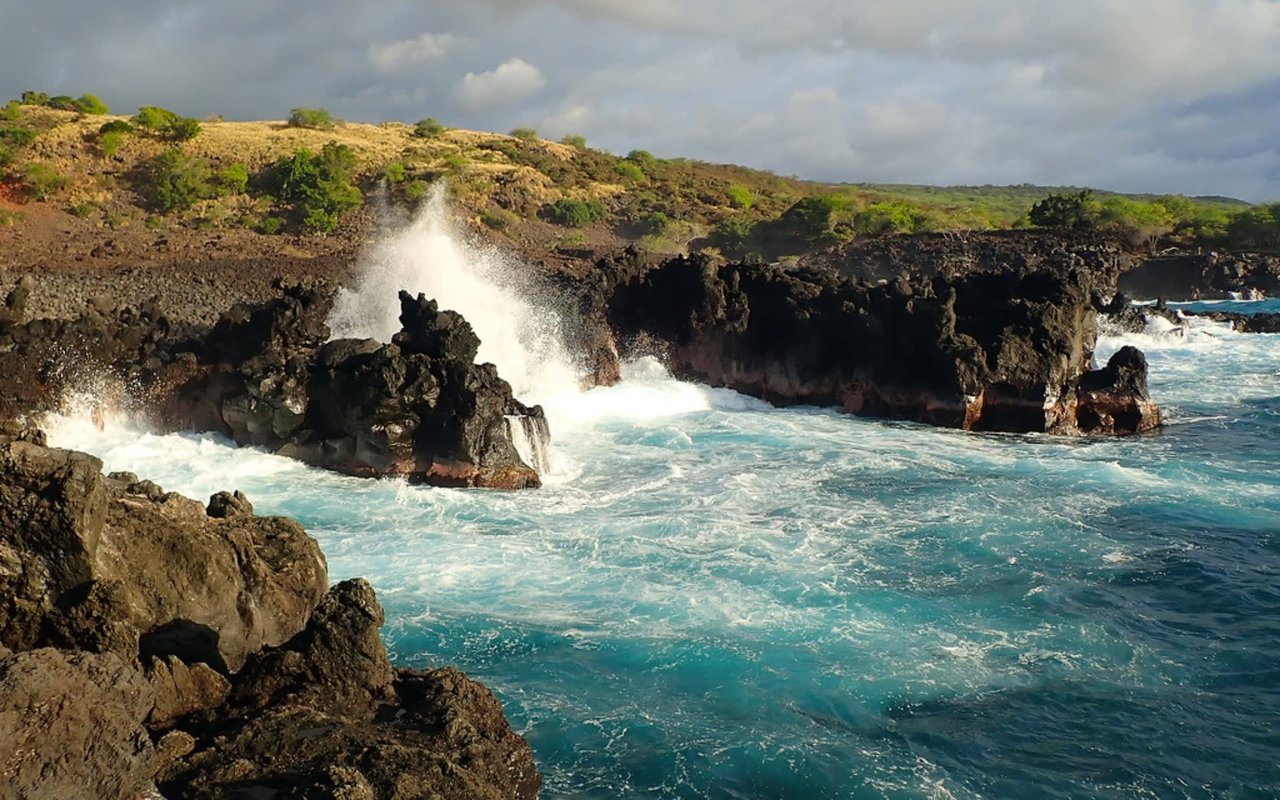
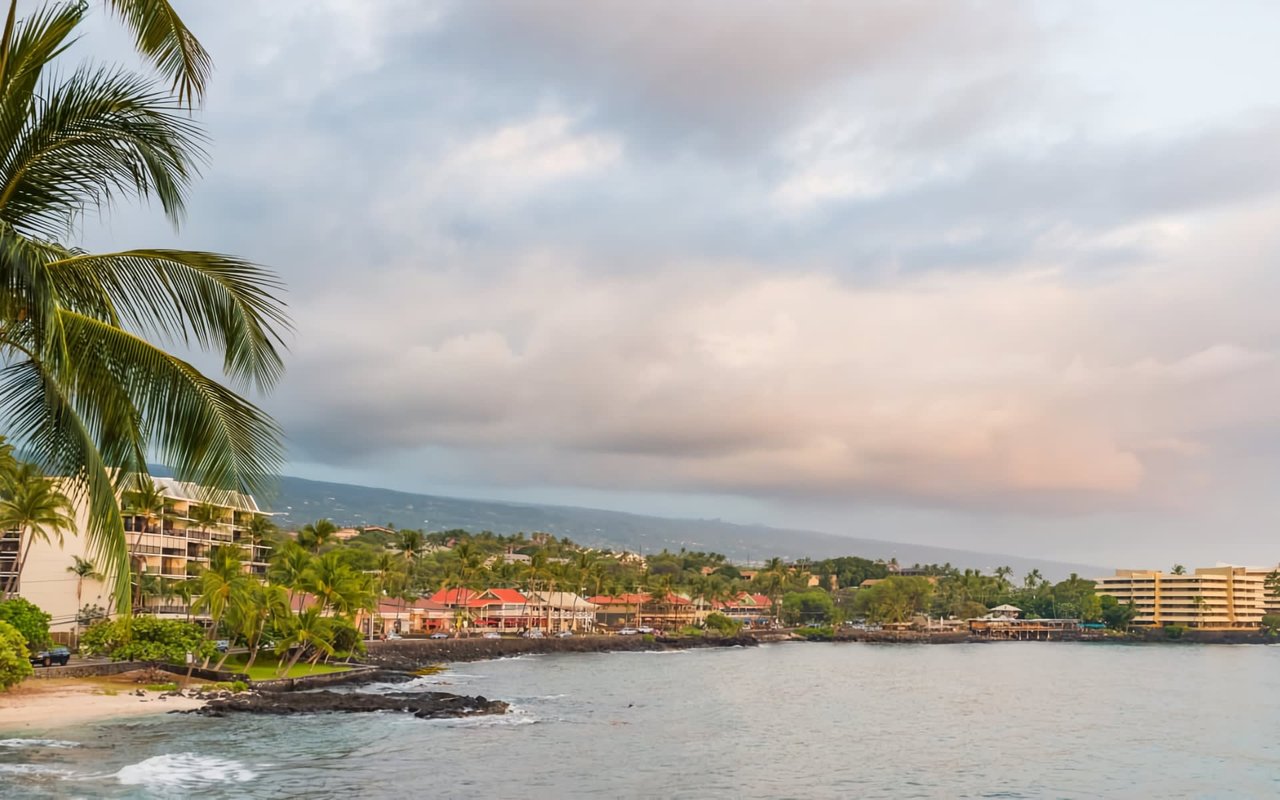
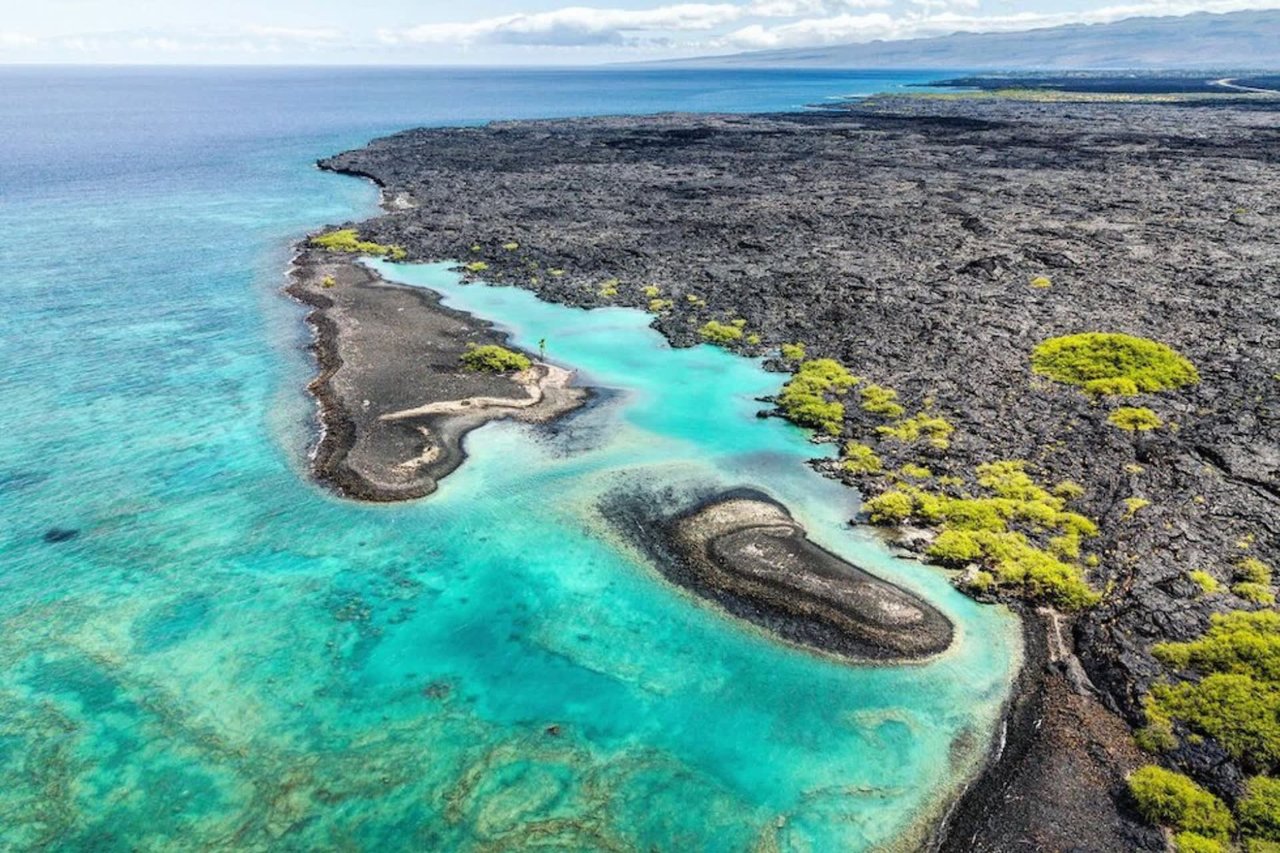
Most of Kailua-Kona, Keauhou, and Holualoa sit in Lava Zone 4, tied to Hualalai, a volcano that last erupted in 1801, and properties in this zone generally see standard insurance and lending terms. South Kona is the real exception, with parts of that area falling in Zones 2 and 3, where insurance and financing can face real restrictions. Since a property's specific zone can vary meaningfully even within greater Kona, confirming the exact designation for a specific address matters more than assuming based on the general area.
Why This Matters Specifically Here
- Most of Kailua-Kona, Keauhou, and Holualoa sit in Lava Zone 4, generally with standard insurance and lending terms
- South Kona is the real exception, with parts falling in the higher-risk Zones 2 and 3
- Zone designation can vary meaningfully even within greater Kona
- Confirming a specific property's exact zone matters more than assuming based on general area
The Final Walk-Through: Your Last Checkpoint Before Closing
Beyond the inspection period itself, Hawaii's standard contract includes a final walk-through, typically scheduled 4 to 6 days before closing, to confirm the property remains in the same condition it was in during your original inspection. If something has changed, meaning damage, missing items, or anything else that doesn't match what was agreed upon, this triggers a separate resolution process under the contract. Treating this walk-through as a real checkpoint, not just a formality, is worth doing regardless of how smooth the rest of the transaction has felt.
Why This Final Step Still Matters
- Typically scheduled 4 to 6 days before closing
- Confirms the property matches its condition from the original inspection
- A mismatch triggers a separate resolution process under the contract
- Worth treating as a real checkpoint, not just a formality
FAQs
Does an "As Is" listing mean we can't get an inspection at all?
No, not at all. You can still inspect the property and still cancel within your inspection period, even on an As Is sale. What changes is that the seller isn't obligated to make repairs or offer a credit.
Do we really need to worry about lava zones if we're not buying near an active flow?
It depends on exactly where the property sits. Most of greater Kona is in Zone 4 with standard terms, but South Kona includes areas in higher-risk Zones 2 and 3, so confirming the specific zone for an address is worth doing early in your search.
What happens if the final walk-through reveals a problem?
That triggers a separate resolution process under the contract rather than an automatic right to cancel. It's part of why treating the walk-through seriously matters, even late in the process.
Contact Kris Hazard Today
Understanding exactly how these contingencies work here in Kona, including what's specific to the Big Island more broadly, is something I walk buyers through carefully before any offer goes in.
Reach out to me, Kris Hazard, and I'll help you think through what to expect for your specific transaction.
Reach out to me, Kris Hazard, and I'll help you think through what to expect for your specific transaction.