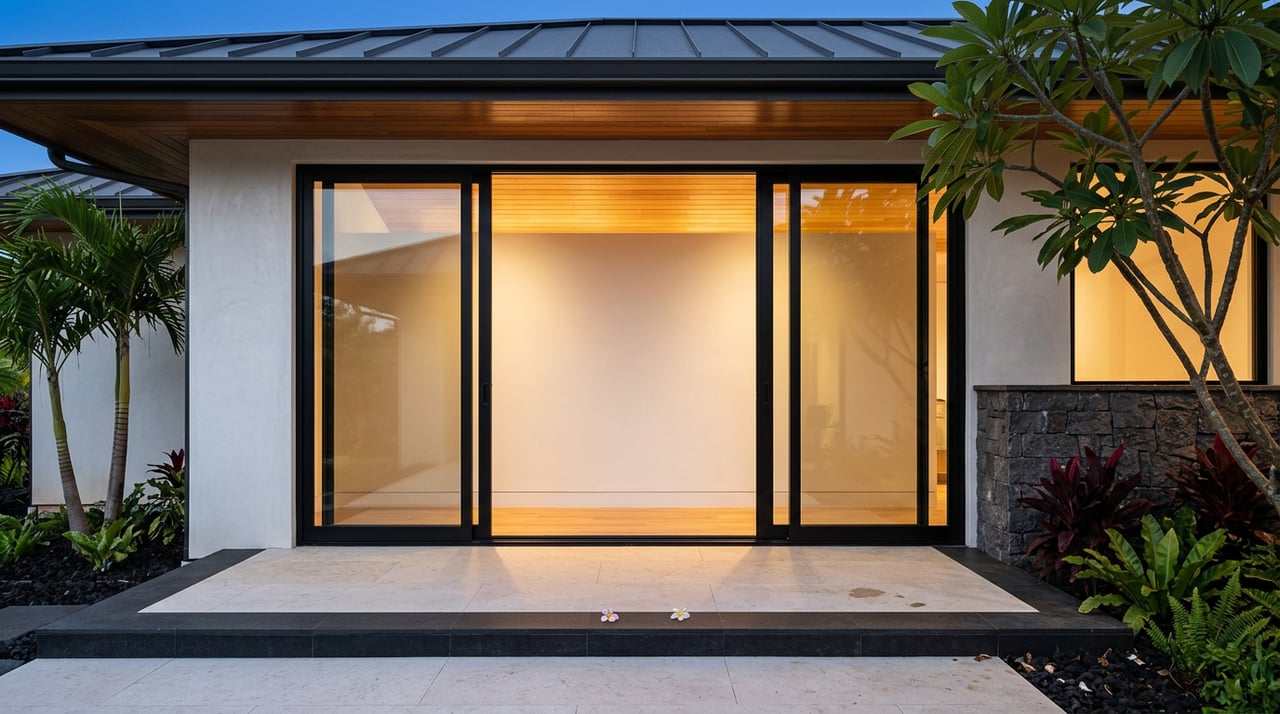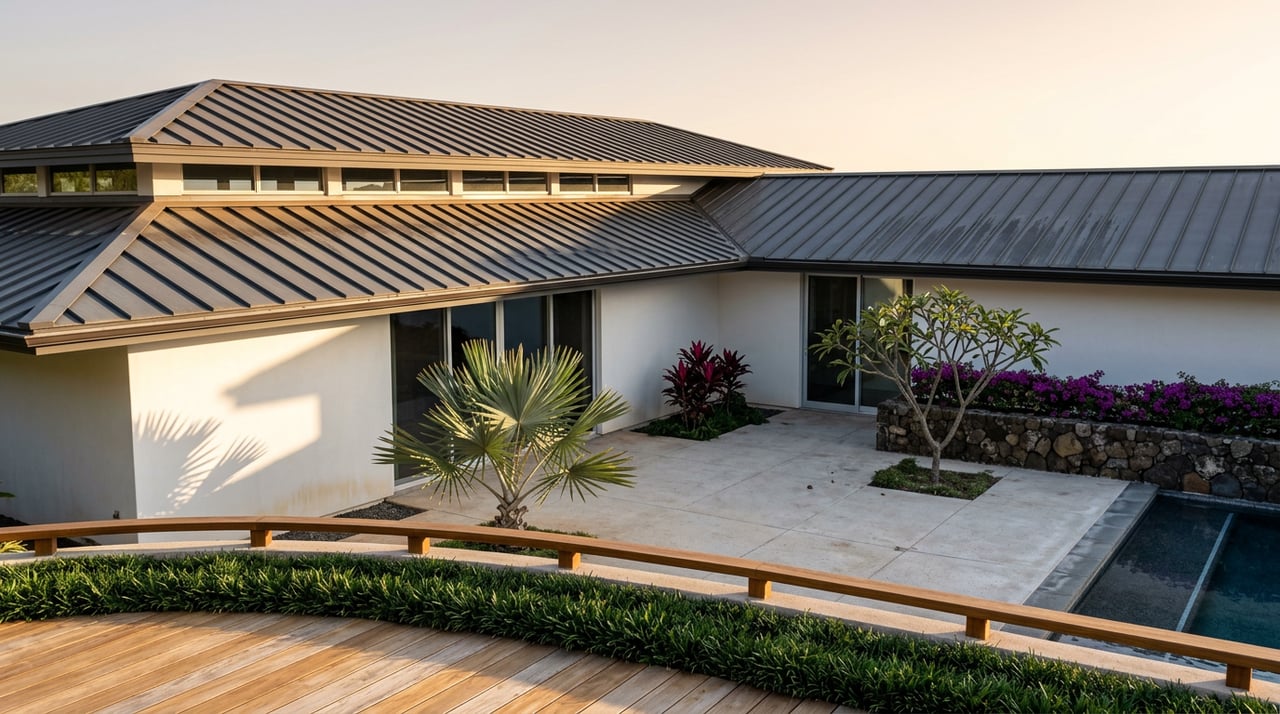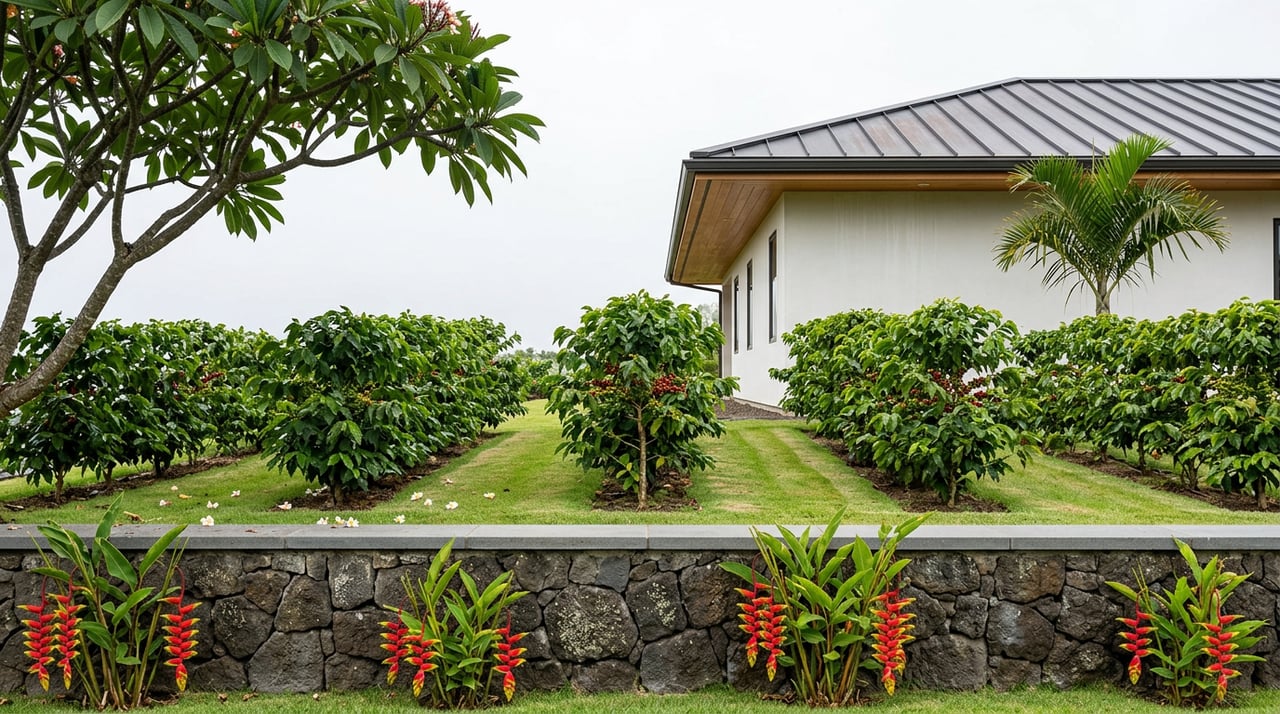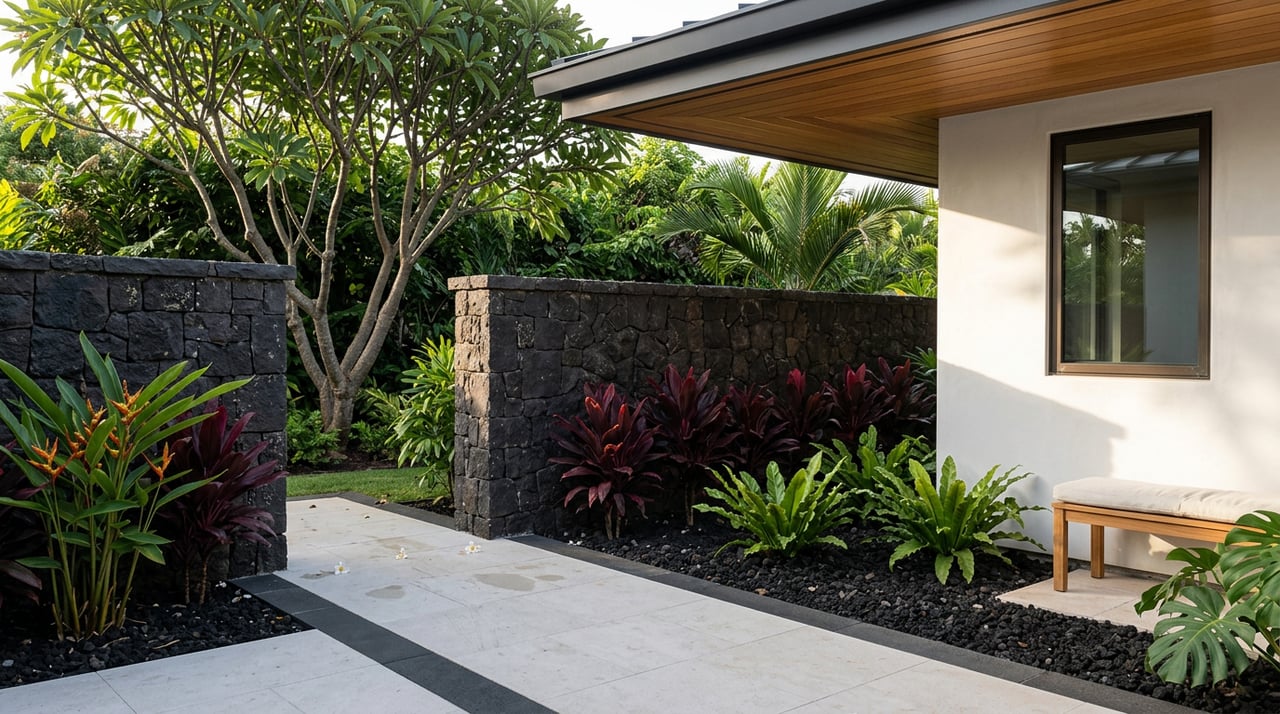
Wondering why one Kona home feels breezy and bright while another just a few miles away feels cooler, greener, or more humid? In North Kona, that difference is often not about the house alone. It is about microclimate, and it can shape your comfort, energy use, and day-to-day lifestyle in a big way. If you are comparing Kailua Village, Keauhou, Holualoa, or the hills above town, understanding Kona’s climate patterns can help you buy with more confidence. Let’s dive in.
Why Kona Feels Different Block to Block
Kona is a classic microclimate market. According to NOAA, Hawaiʻi has mild temperatures year-round, persistent northeast trade winds, and sharp rainfall differences over short distances. NOAA also notes that temperature drops by about 3°F for every 1,000 feet of elevation.
In Kona, Hualālai and Mauna Loa help shape those changes. The mountains block and redirect wind, while local land-sea breezes and upslope flow affect cloud cover and rainfall. That means you can drive a short distance and experience a very different comfort profile.
For homebuyers, this matters more than many people expect. Two homes with similar views, square footage, or price points may feel completely different at different times of day. That is why elevation, exposure, and airflow deserve just as much attention as layout and finishes.
Elevation Often Matters Most
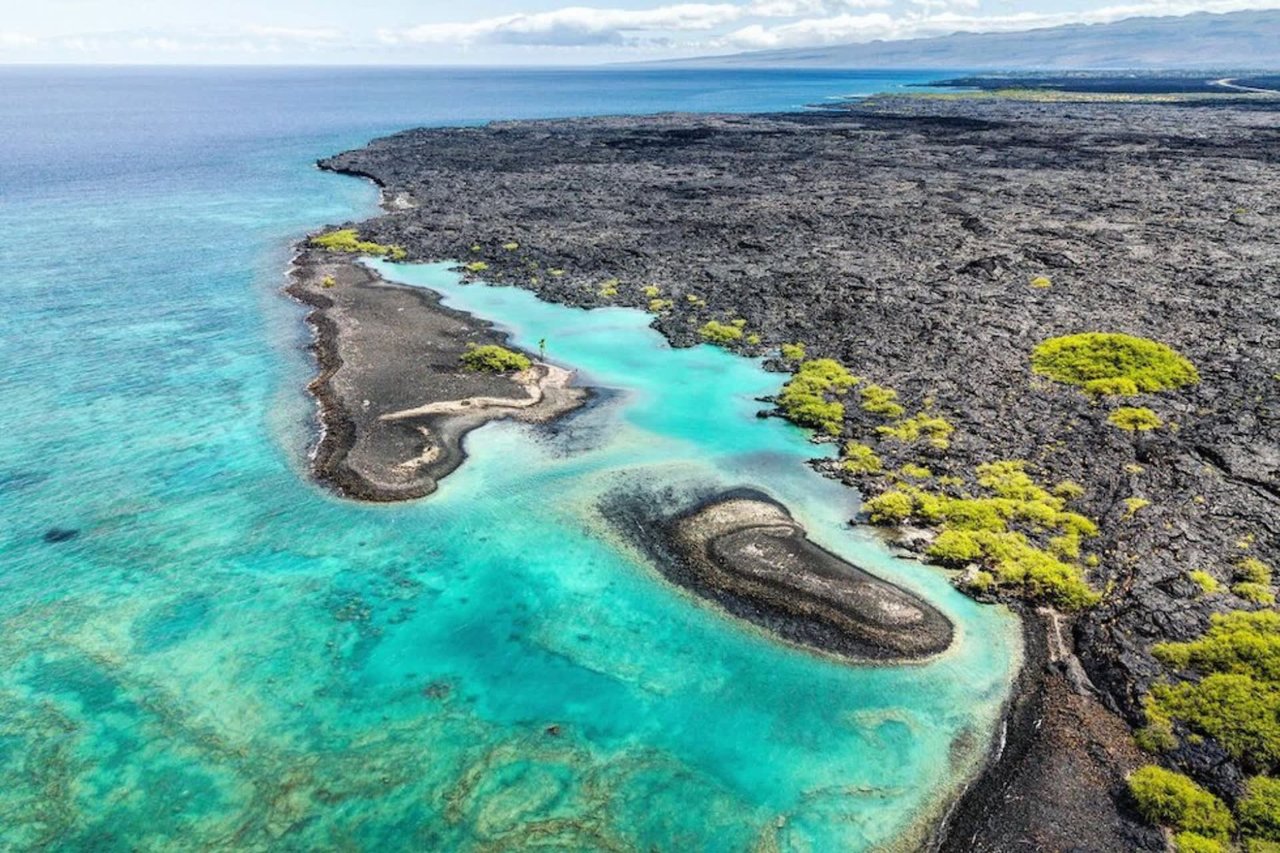
If you are new to Kona, it helps to think beyond mileage from town. In many cases, the bigger variable is how high a property sits and how exposed it is to sun, wind, and moisture. Near the coast, conditions are usually warmer and drier.
As you move upslope, temperatures tend to cool and cloud cover can increase. Sheltered pockets and exposed hillside areas can also behave differently from one another, even within the same general neighborhood. In practical terms, your daily comfort may depend on where the home sits on the slope, not just which area name appears on the listing.
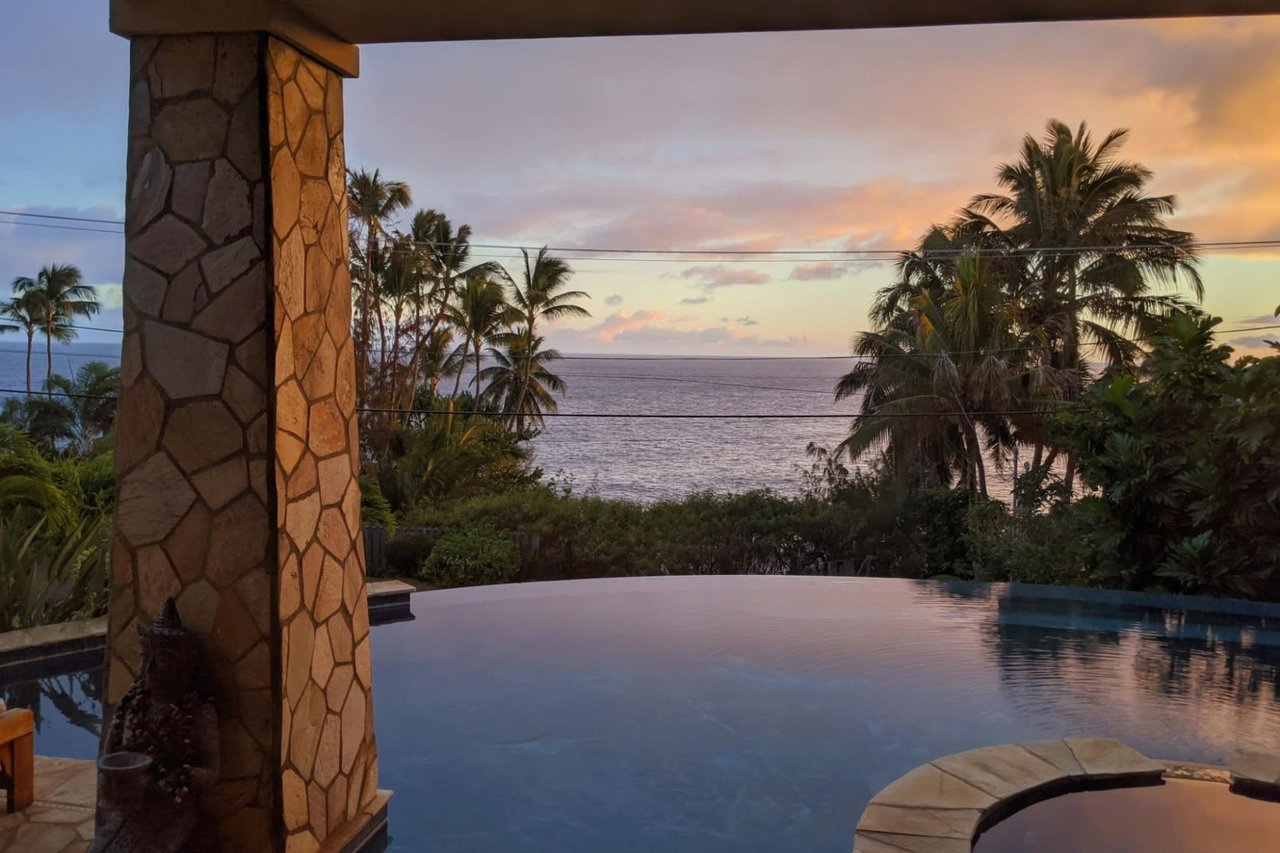
Coastal Kona: Warm, Sunny, and Active
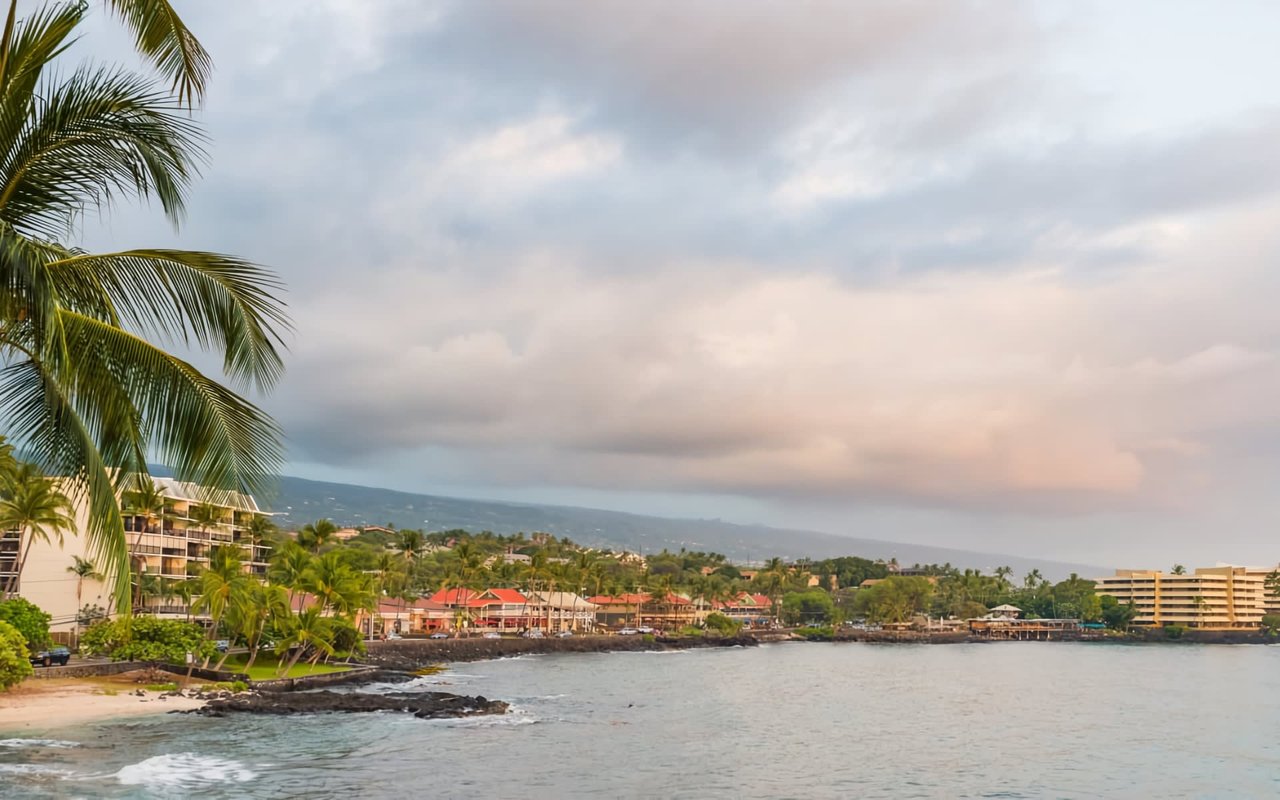
Kailua Village at a Glance
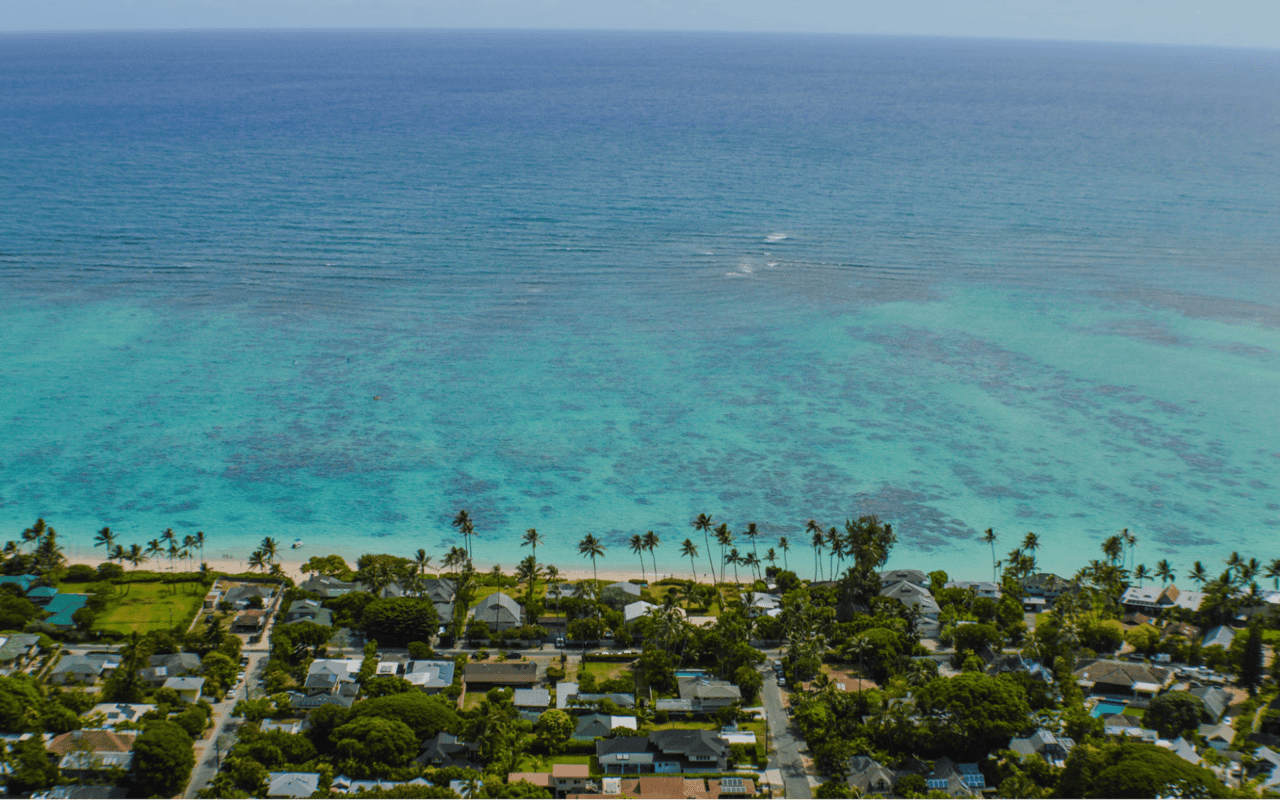
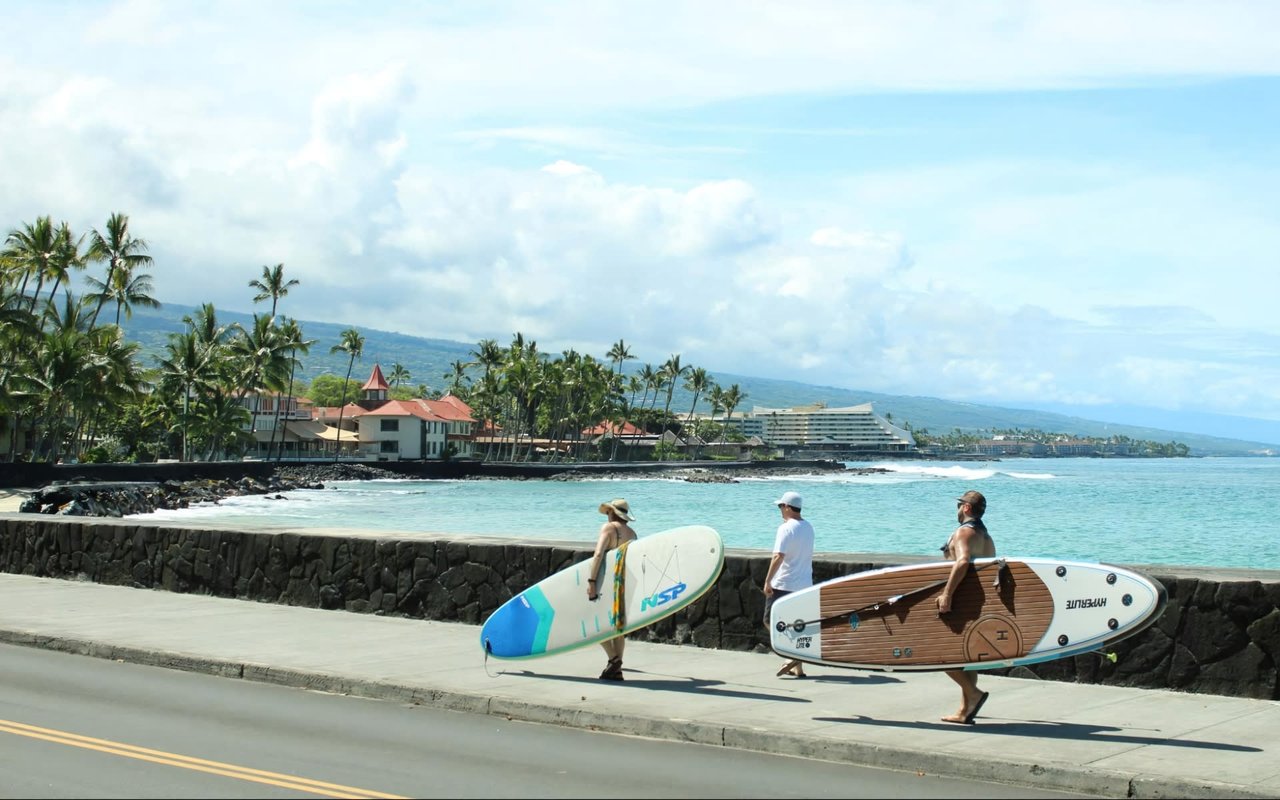
Kailua Village is the historic town center and a major cultural, retail, and visitor hub in the Kona District, according to the County of Hawaiʻi general plan. The planning vision for Aliʻi Drive includes pedestrian-oriented improvements, which supports the area’s walkable, town-centered character.
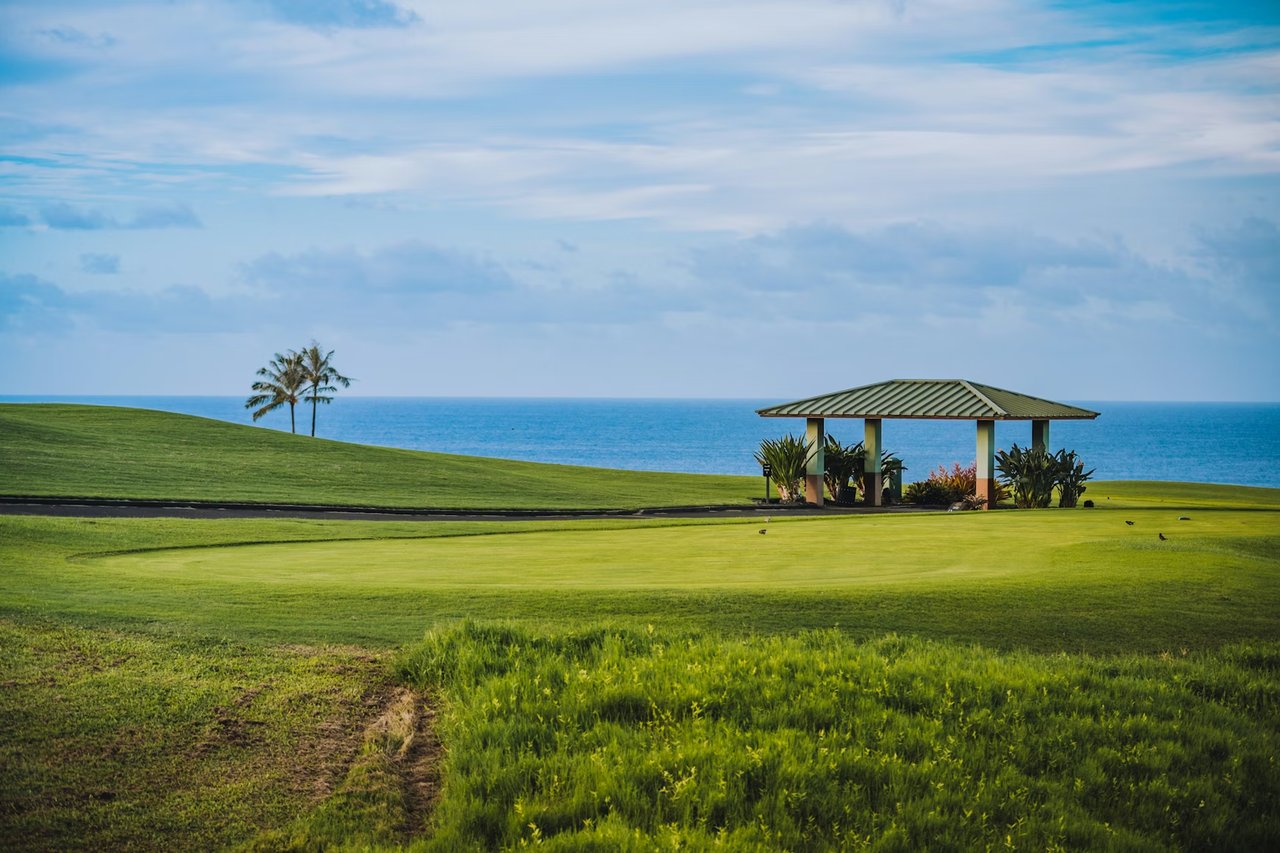
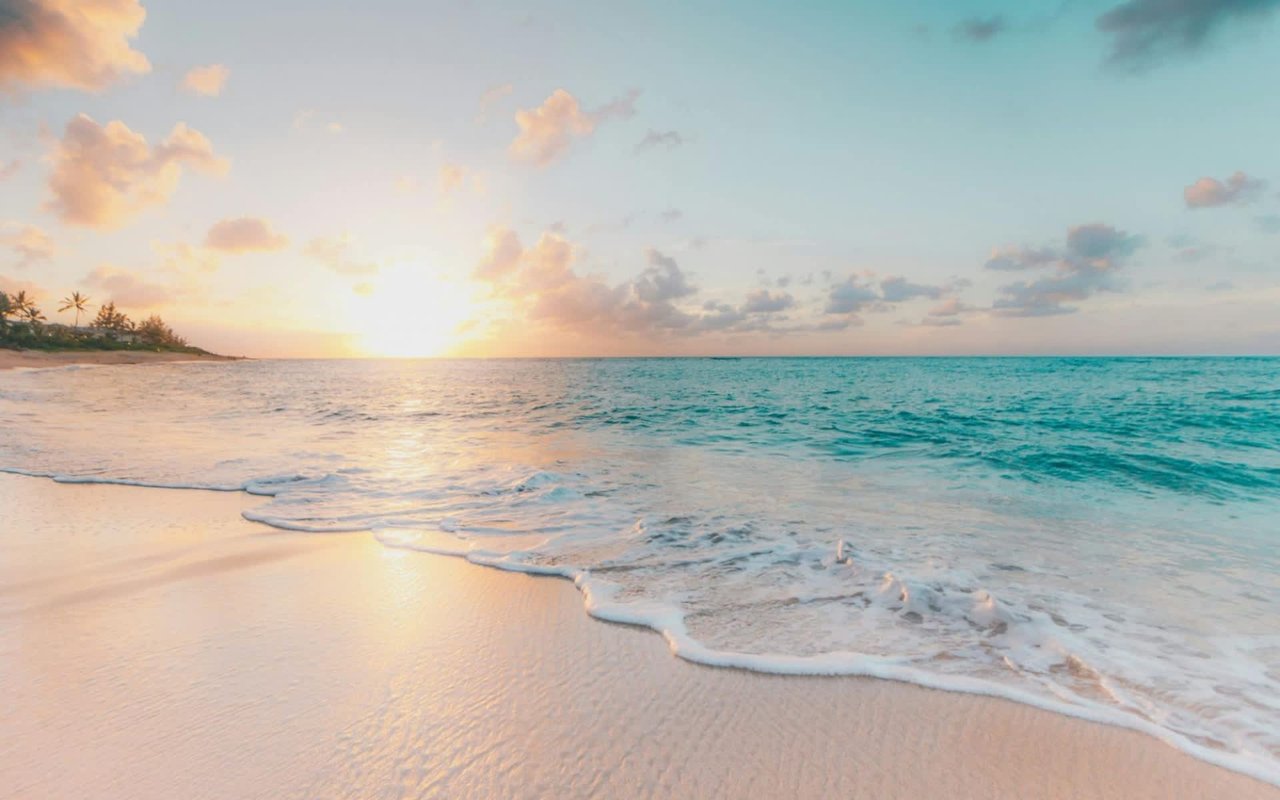
Because the coastal strip sits at lower elevation, it is generally the warmest part of Kona’s climate gradient. If you enjoy being close to dining, shops, the shoreline, and a lively daily rhythm, this part of Kona may feel like a natural fit.
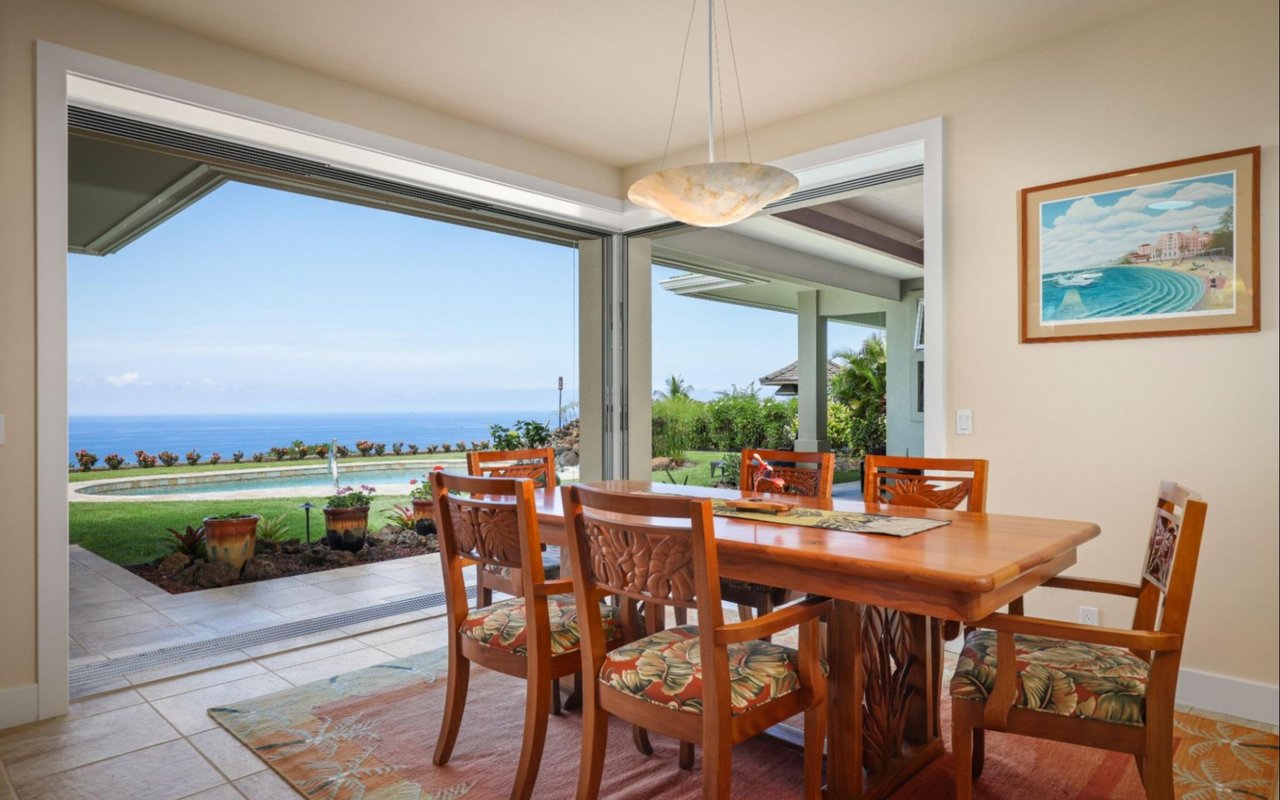
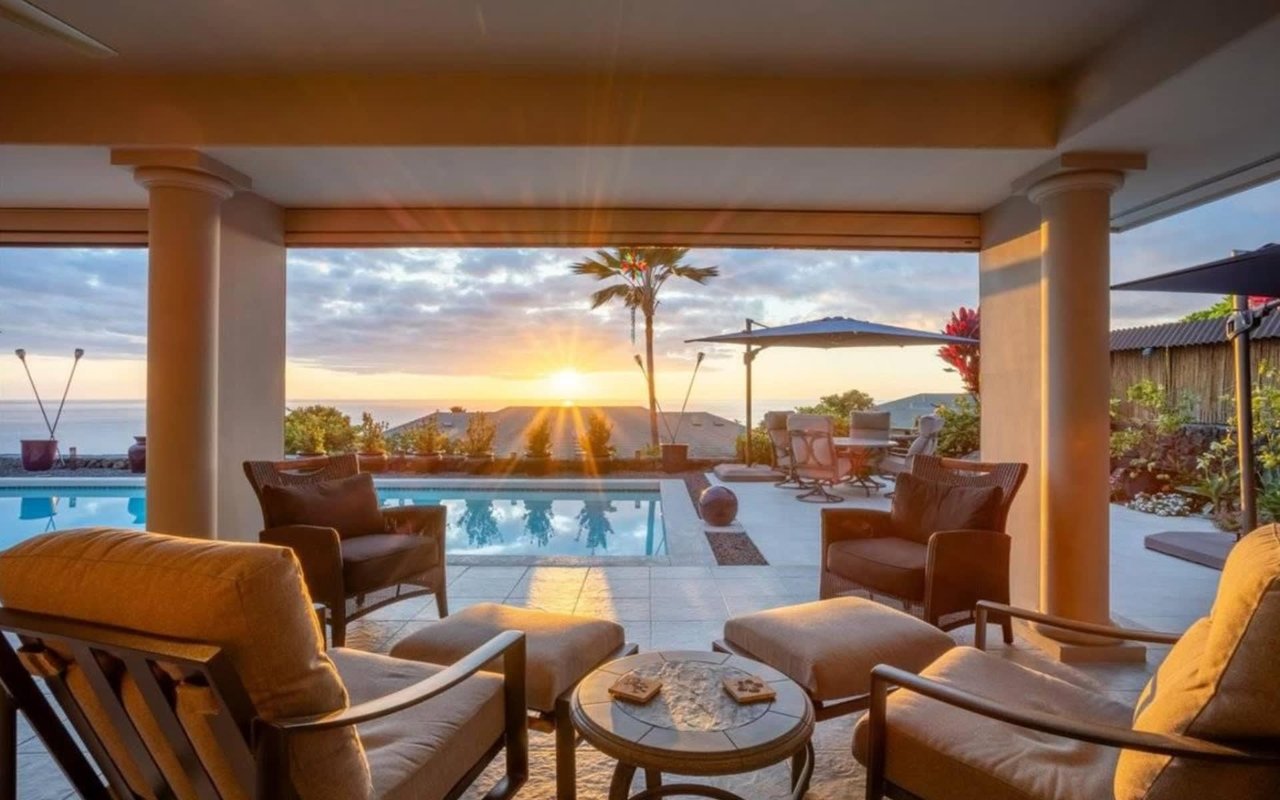
From a homebuying perspective, warm coastal conditions can make cooling strategy more important. You may want to pay close attention to shade, airflow, fan placement, and how the home handles afternoon sun.
Keauhou and Resort-Style Living
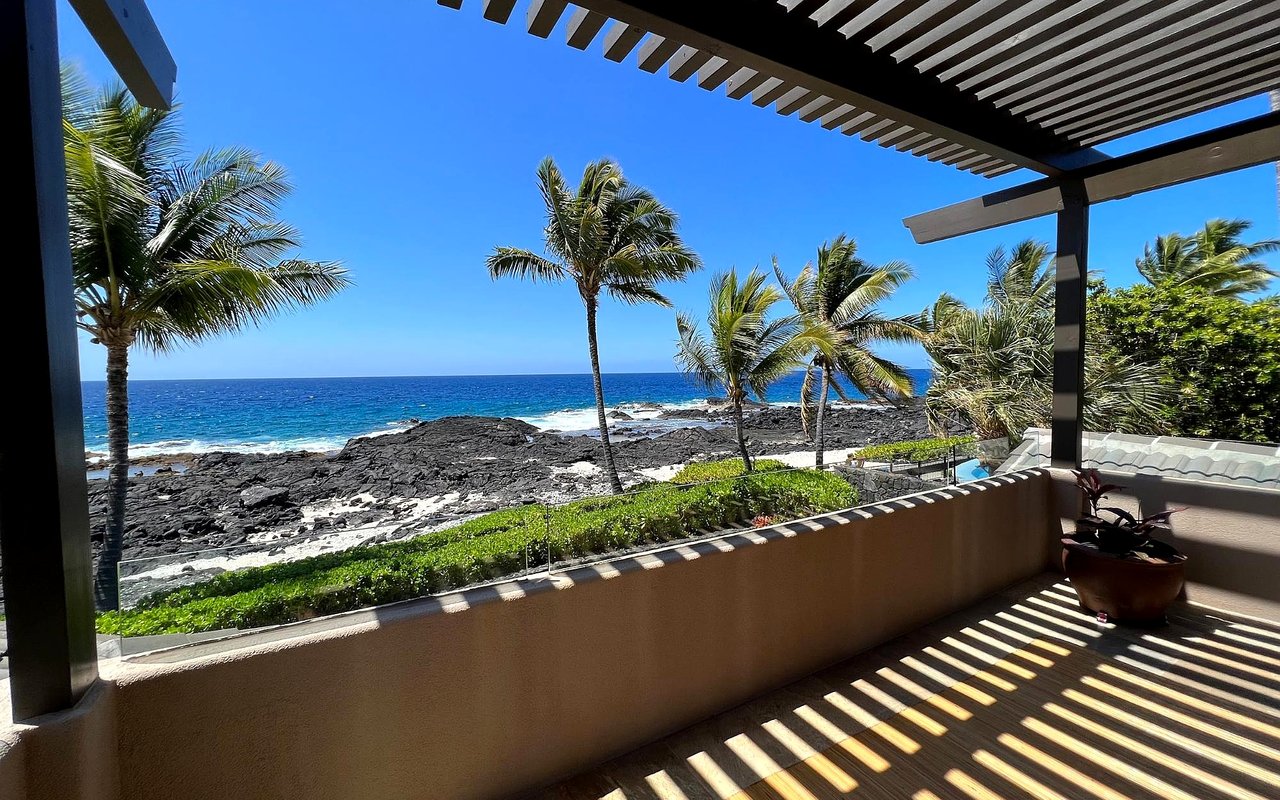
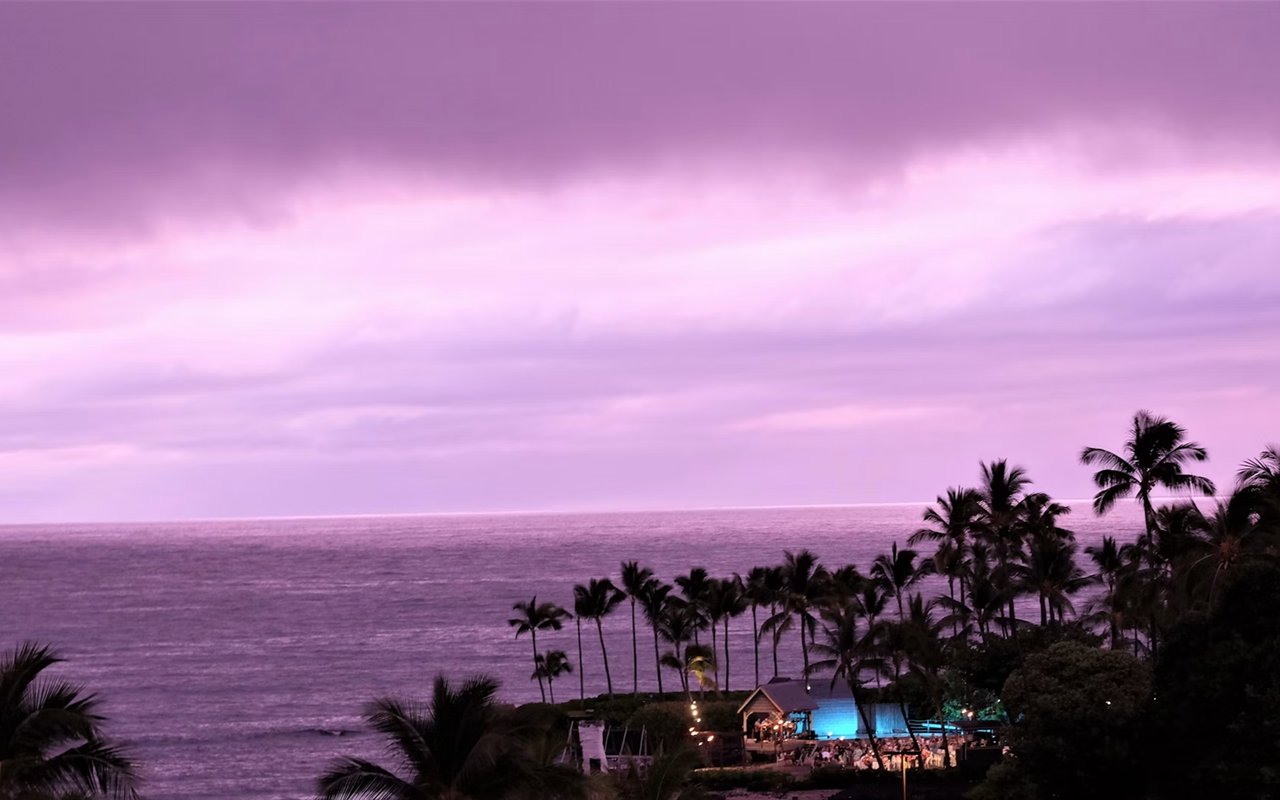
Keauhou is recognized in county planning as a major resort area. County records describe the Keauhou Resort Community as a large master-planned area in the makai portion of Kahaluʻu, and the North Kona shoreline-access guide highlights its bays, beaches, resort-front access, and shoreline trails.
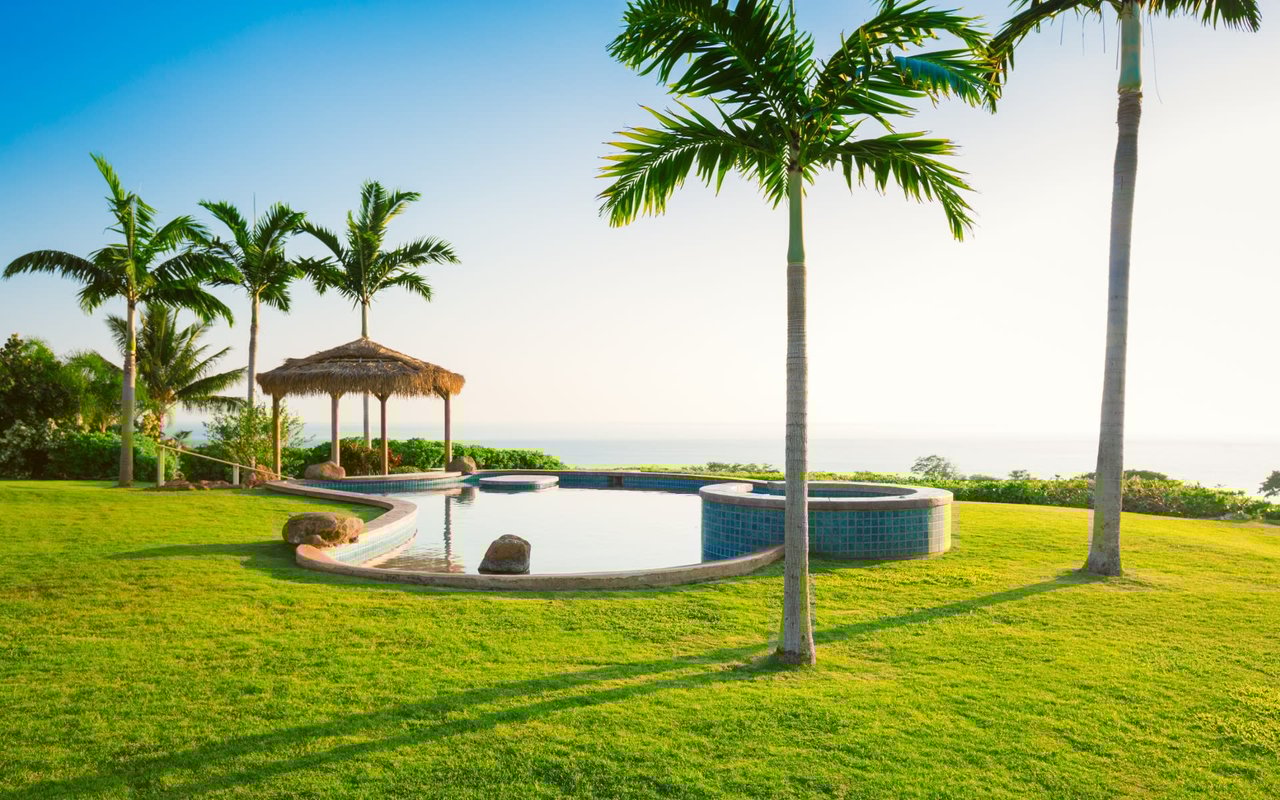
For many buyers, Keauhou offers a resort-oriented lifestyle with strong access to ocean recreation and nearby amenities. If you picture mornings near the water and an easy connection to golf, shoreline walks, or bay access, this area often stands out.
The tradeoff is that lower-elevation warmth can make cooling and ventilation more important in your buying decision. Hawaii Energy notes that cooling is a home’s largest energy consumer and that fans and whole-house fans can reduce air conditioning use substantially.
Mid-Elevation Kona: The Coffee Belt Balance
Holualoa and Nearby Slopes
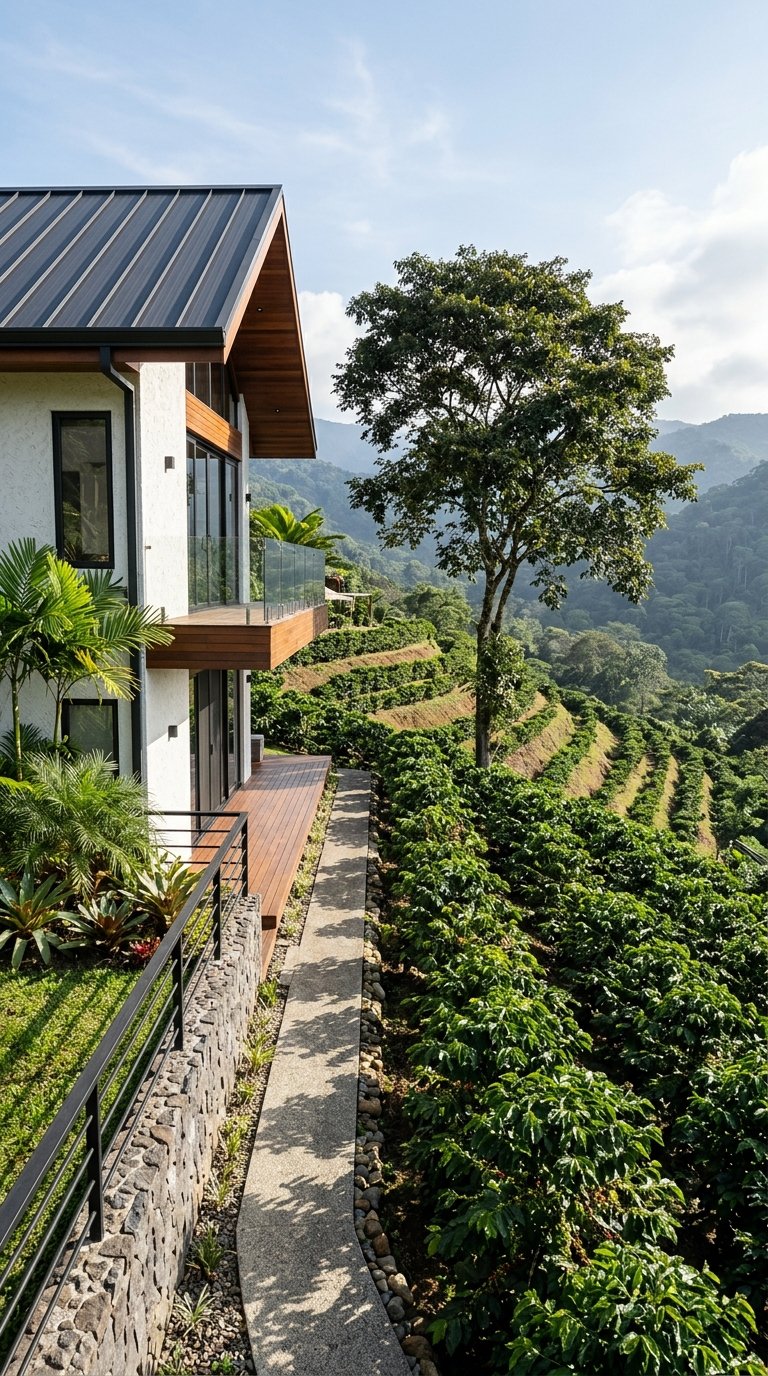
If coastal Kona feels a little too warm or busy, the mid-elevation zone may offer a balance you prefer. The Kona Coffee Belt runs roughly from 700 to 2,000 feet in elevation and stretches about 30 miles from Holualoa south through Honaunau, according to CTAHR.
This zone is known for cooler temperatures, more greenery, and a distinct climate pattern. CTAHR reports that the Kona Research Station in Kainaliu averages about 69°F annually, with an average minimum of 60°F and average maximum of 78°F.
The Rainfall Atlas of Hawaiʻi describes the coffee belt as a narrow upslope strip where persistent clouds and rain form. It also notes that Kona is unique in Hawaiʻi for having an afternoon rainfall peak and more summer rain than other seasons.
What Daily Life Can Feel Like
For buyers, the mid-elevation zone often feels like a middle ground between coast and hillside. It is typically cooler and greener than the shoreline, which many people find appealing for everyday comfort.
At the same time, afternoon showers, cloud cover, and higher humidity can become part of the routine. That does not make one area better than another. It simply means your home should match the way you want to live.
If you are considering Holualoa or similar elevations, features like cross-ventilation, dehumidification, roof condition, and drainage may deserve extra attention. In this part of Kona, moisture management can matter just as much as cooling.
Higher Hillsides: Cooler Air, More Variability
As you move farther up the slopes of Hualālai, temperatures continue to drop. USGS lists Hualālai’s summit at 8,278 feet, and NOAA’s temperature lapse rate helps explain why even a short inland drive can feel noticeably cooler.
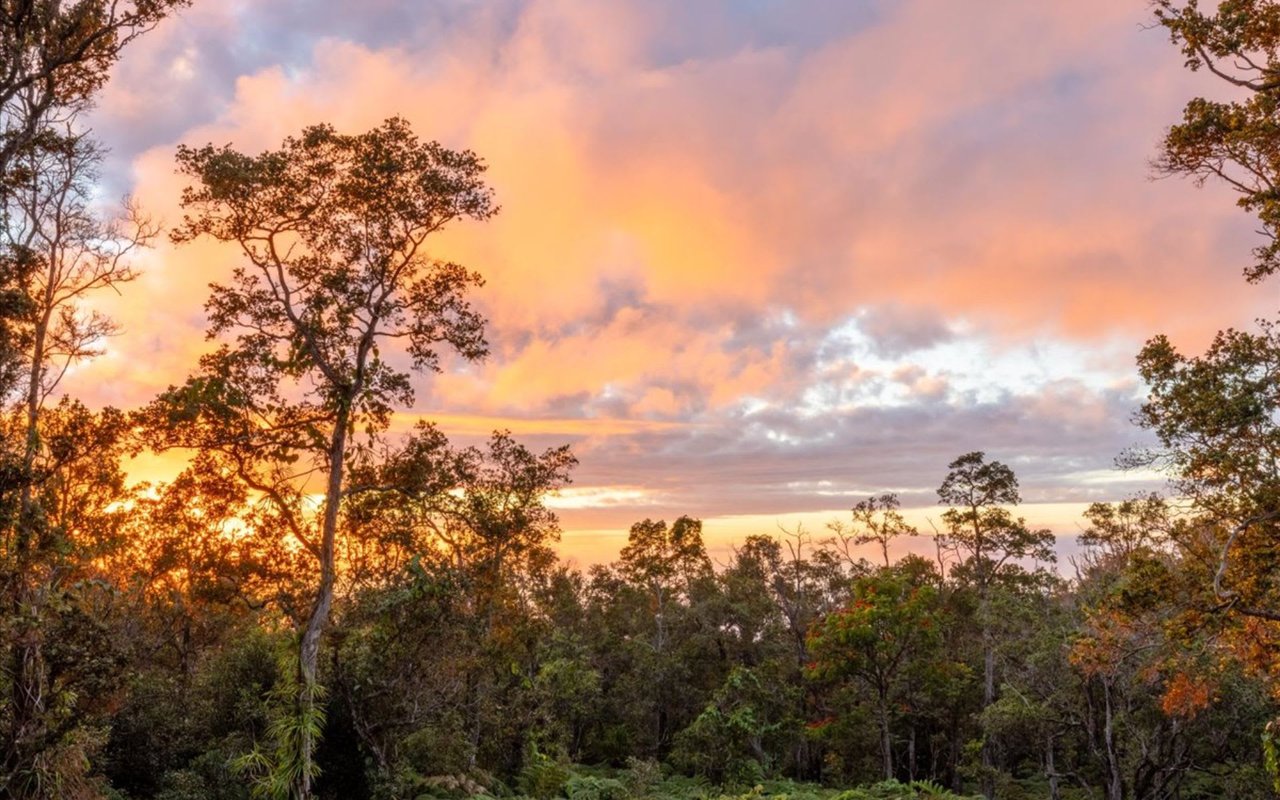
NOAA also notes that Hawaiʻi’s mountains create sharp local weather differences between sheltered and exposed places. On the hillsides, wind, cloud cover, and rain can change quickly from one pocket to the next.
For some buyers, this cooler setting is a major draw. You may find that evenings feel more comfortable and that air conditioning becomes less of a priority. The tradeoff is more weather variability and a greater need to think about moisture and maintenance.
What Microclimates Mean for Home Features
A smart Kona home search is not just about choosing a neighborhood. It is also about identifying the features that support comfort in that location.
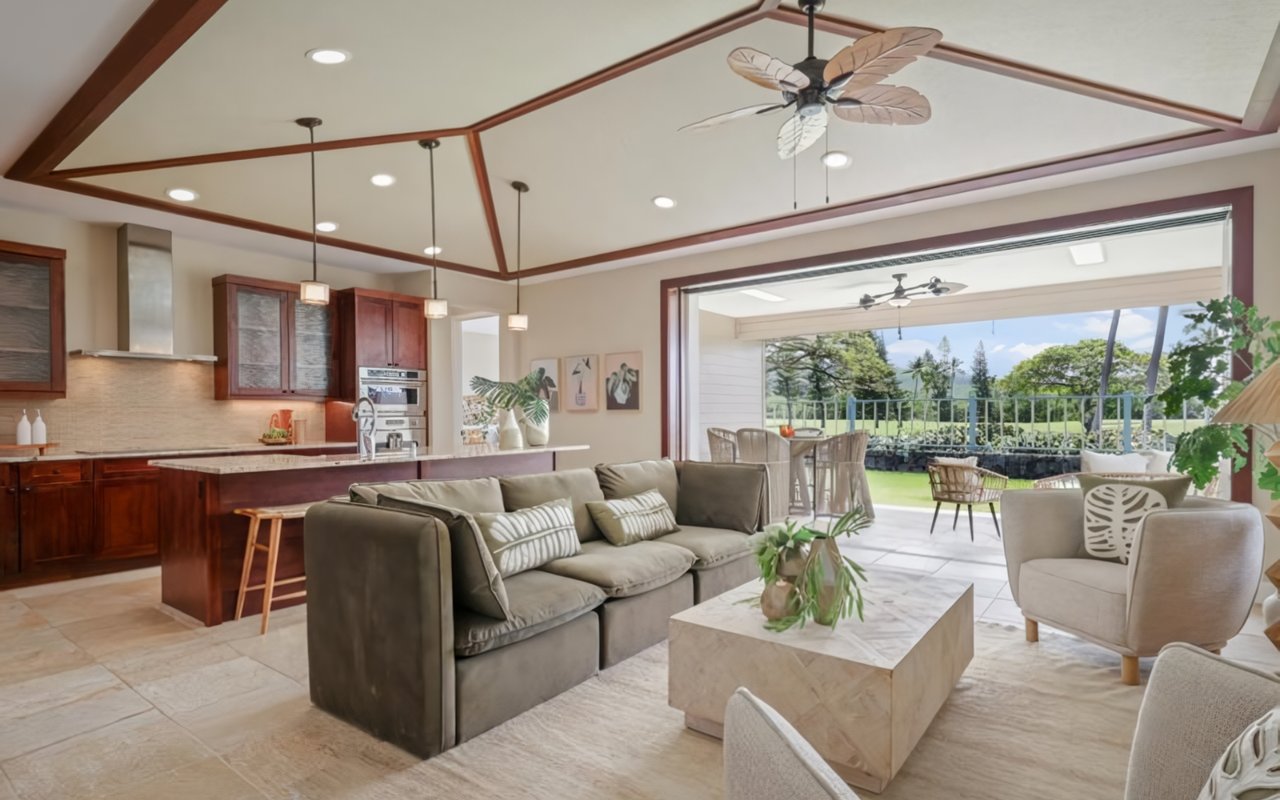
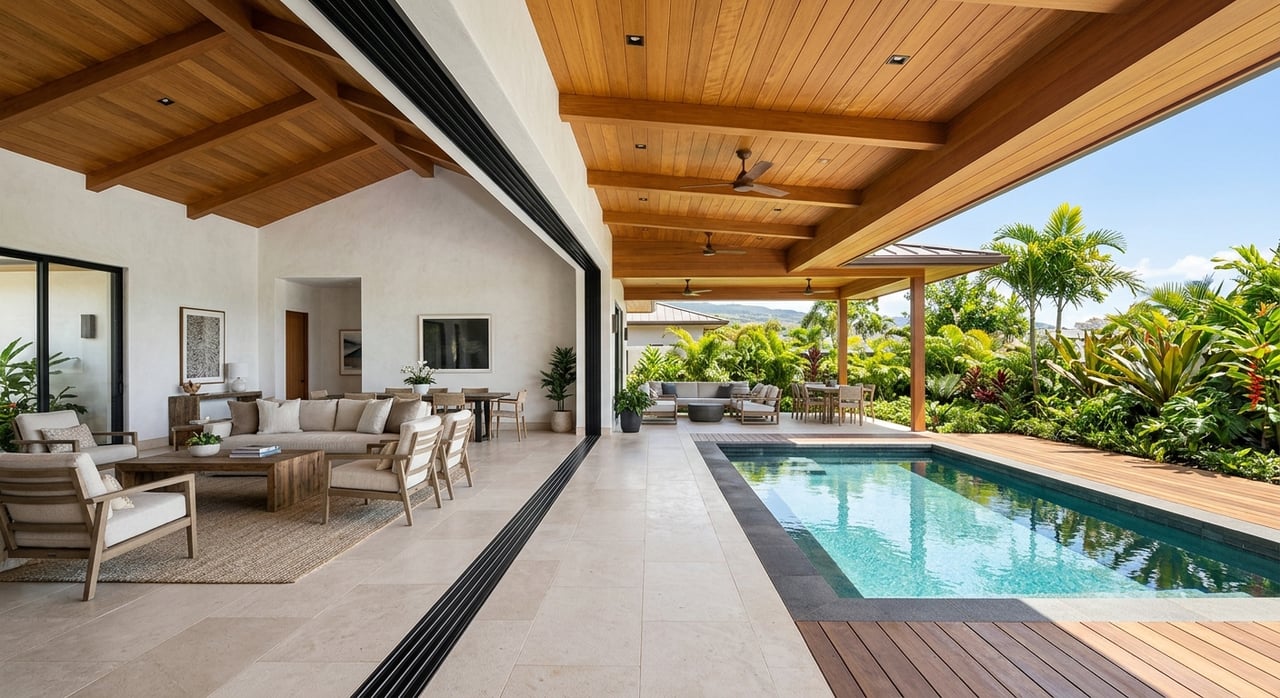
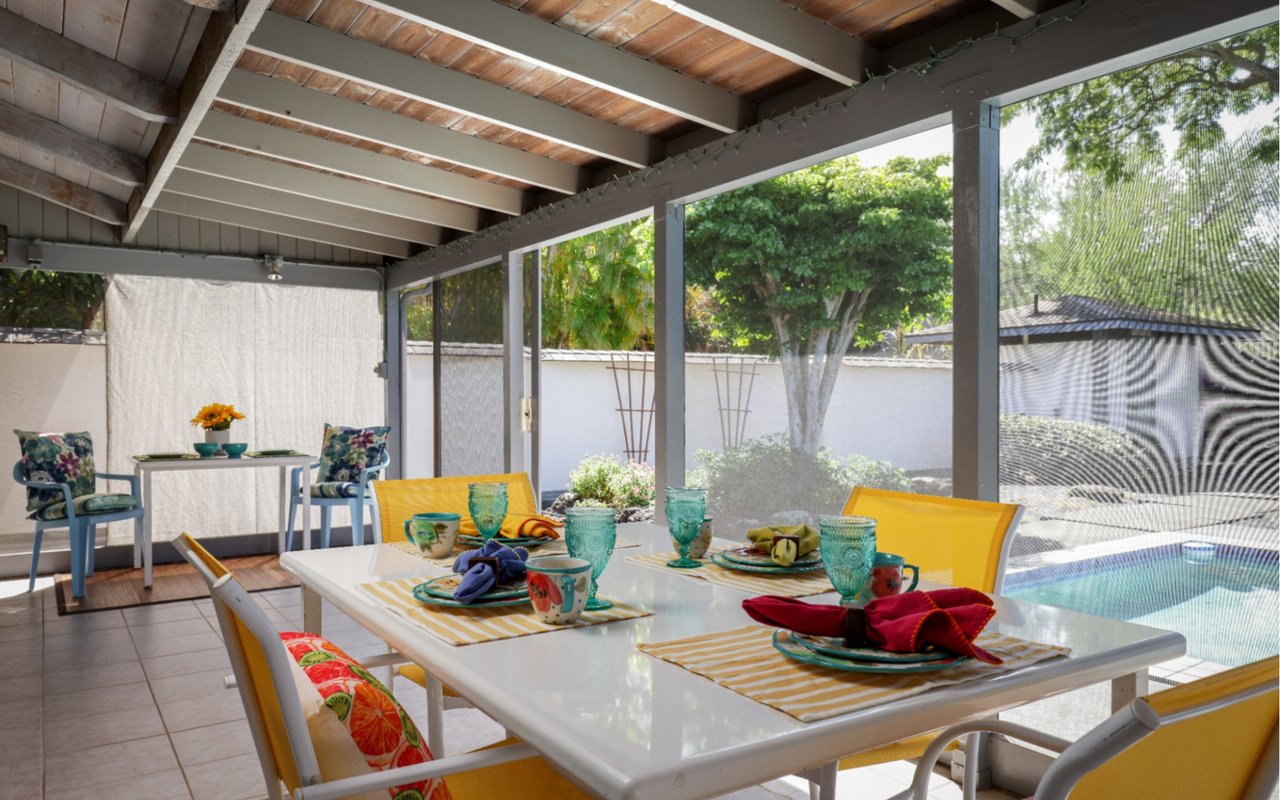
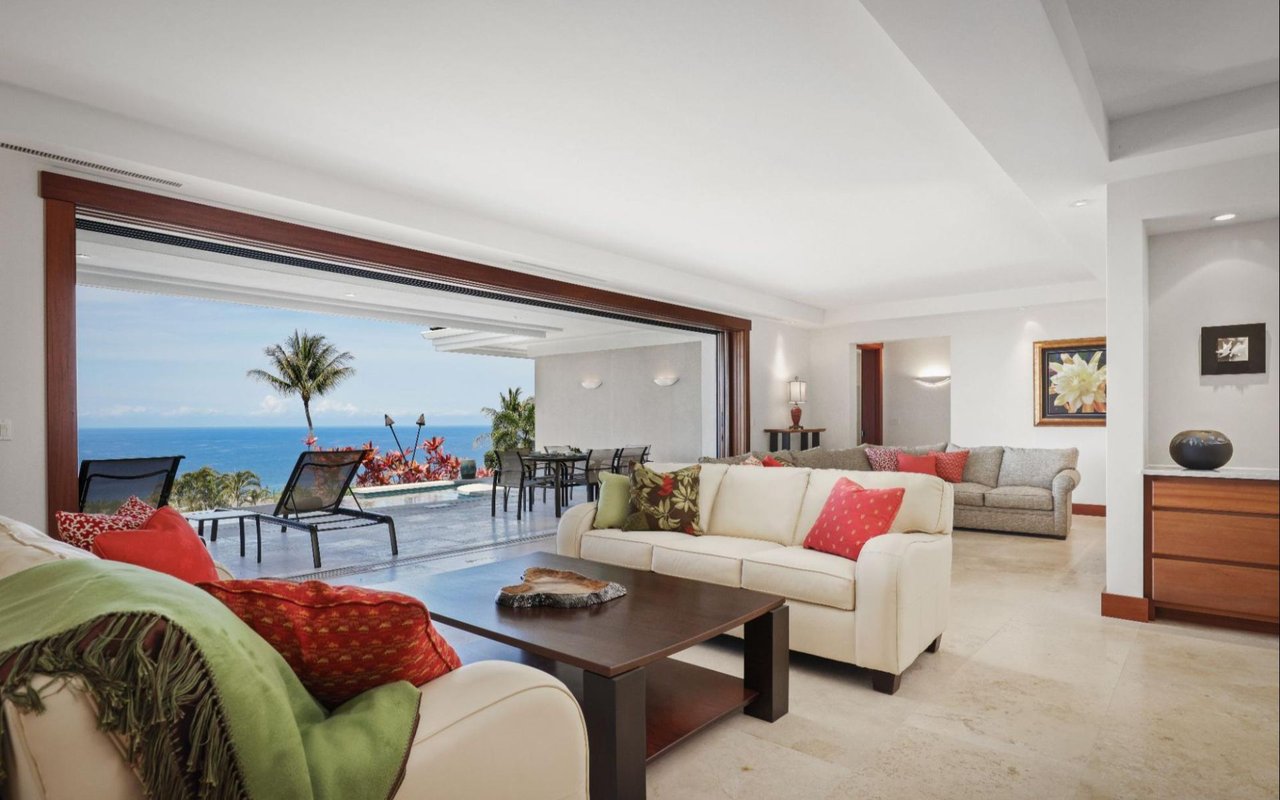
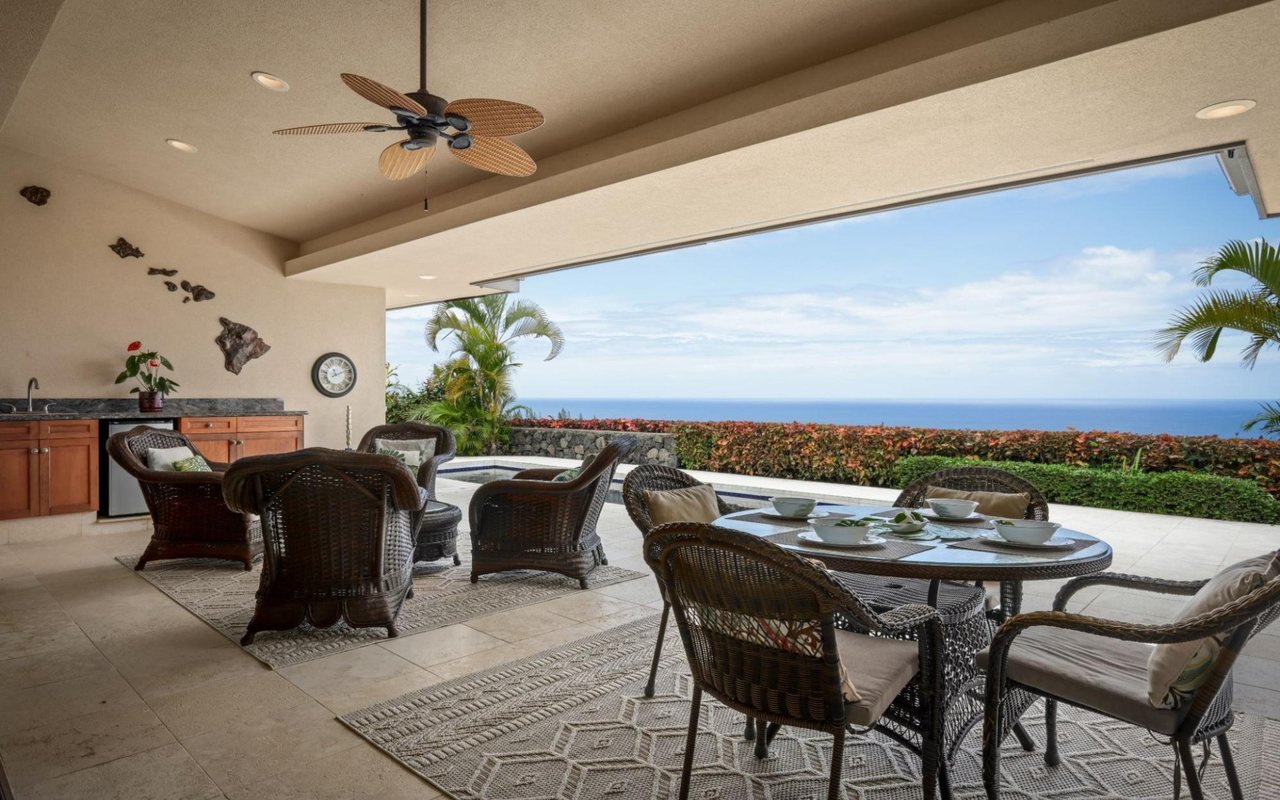
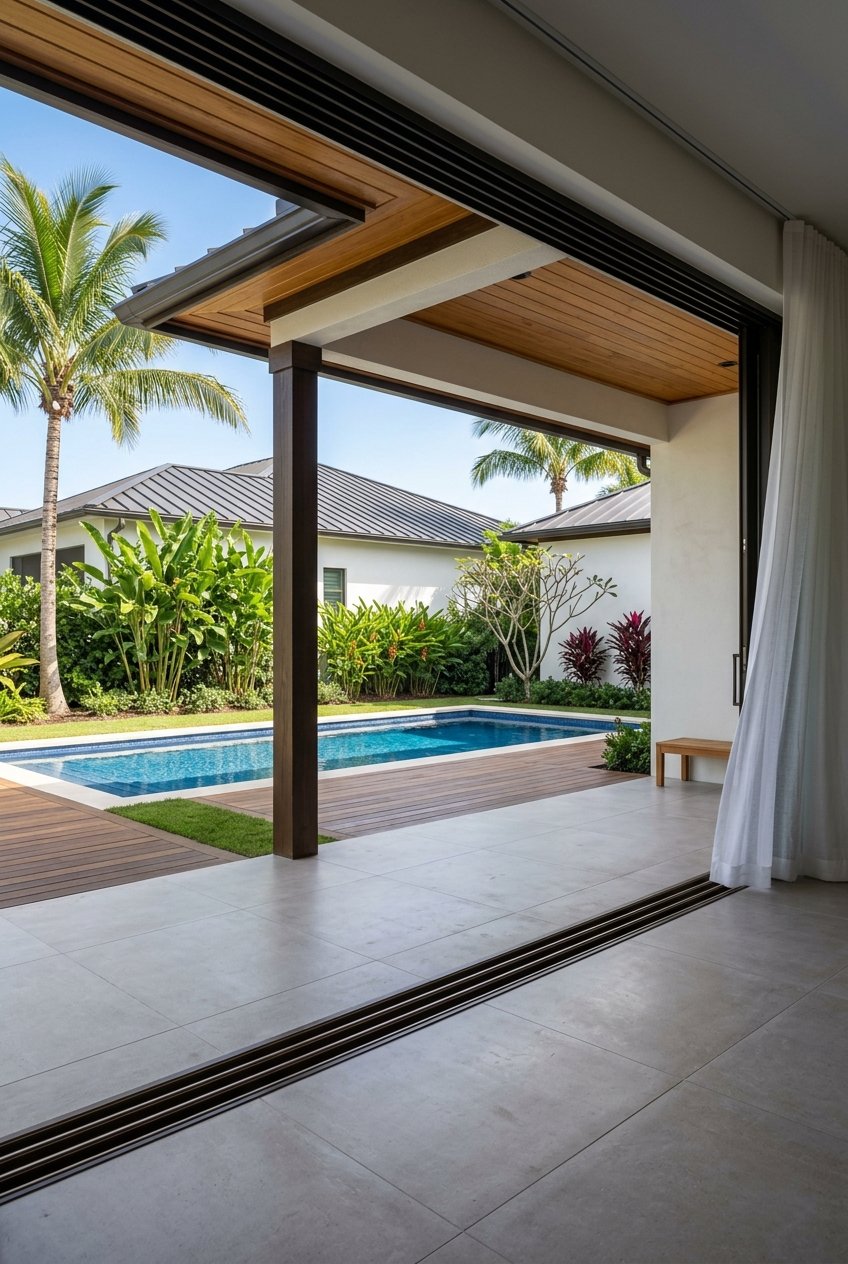
On the coast, homes may benefit from strong shading, efficient cooling, and good natural airflow. In the coffee belt or hills, ventilation still matters, but dehumidification, roof condition, and drainage can become more important.
Hawaii Energy recommends fans as an ultra-efficient cooling strategy and notes that dehumidifiers help remove excess moisture from the air. Those practical details can affect how a home feels every day and what it may cost to run over time.
What to Inspect First in Kona
When you tour homes in Kona, it helps to look at climate fit before you get distracted by staging or views alone. A beautiful property can still feel less comfortable than expected if its design does not match its microclimate.
Start with these basics:
- Cooling system type
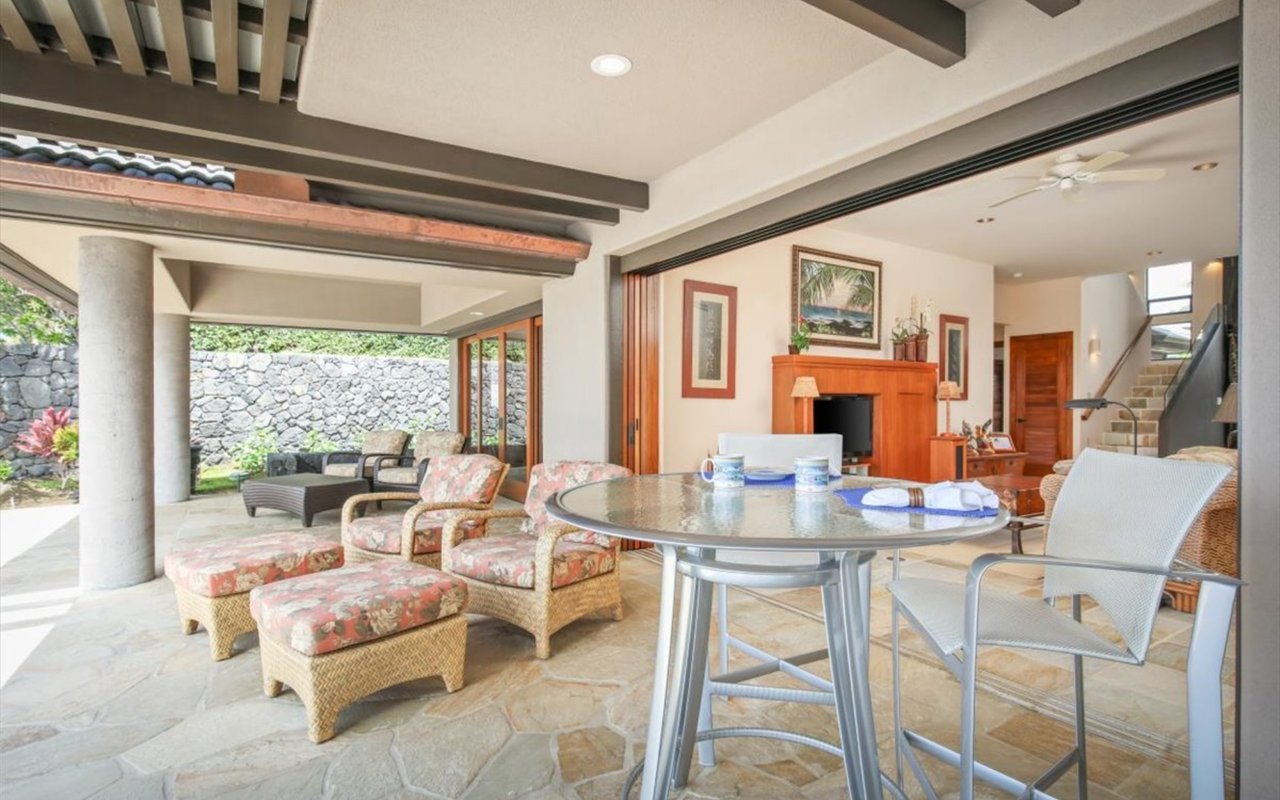
- Cross-ventilation
- Shade exposure
- Roof condition
- Drainage around the home
These features can influence comfort, energy use, and maintenance from day one. In a market with fast climate shifts over short distances, they are not small details.
Matching Area to Lifestyle
If you are trying to narrow your search, think about how you want your day to feel.
Choose Coastal Areas If You Want
- Warmer temperatures
- More sun exposure
- Closer access to town amenities
- A more active, urban feel in Kailua Village
- Resort-oriented living and ocean access in Keauhou
Consider Mid-Elevation Areas If You Want
- Cooler temperatures
- Greener surroundings
- A balance between town access and hillside comfort
- A climate where clouds and afternoon showers are more common
Look Higher on the Hillside If You Want
- Cooler evenings
- Less need for air conditioning in some settings
- More separation from the coastal strip
- A home search focused on weather exposure and moisture management
Kona Buying Decisions Work Best in Person
Photos and listing details can only tell you so much in a place like Kona. Because microclimates shift quickly, two properties that look similar online can live very differently in real life.
That is especially true for second-home buyers, relocating buyers, and anyone purchasing from the mainland. Walking a property at different times of day, noticing airflow, checking sun exposure, and understanding elevation can give you a much clearer picture of fit.
A thoughtful Kona home search should connect the property to the lifestyle you want, not just the address on paper. That local nuance is where experienced, neighborhood-level guidance becomes especially valuable.
If you want help comparing Kailua Village, Keauhou, Holualoa, or the hills above Kona, Kristina Vaughn-Hazard can help you evaluate not just the home, but how it is likely to feel and function in daily life.
FAQs
How do Kona microclimates affect home buying choices?
- Kona microclimates can change comfort, temperature, humidity, rainfall, and energy use over short distances, so you should compare homes by elevation, exposure, and ventilation, not just price or location.
Which Kona area usually feels warmest?
- The coastal strip, including Kailua Village and much of Keauhou, is generally the warmest part of the Kona gradient because it sits at lower elevation.
Which Kona area usually feels cooler and greener?
- The mid-elevation Kona Coffee Belt, including areas around Holualoa, often feels cooler and greener than the shoreline.
Is Keauhou a good fit for buyers who want ocean access?
- Keauhou is widely associated with a resort-oriented lifestyle, shoreline access, bays, beaches, and convenient access to ocean recreation and nearby amenities.
What home features matter most in Kona’s microclimates?
- Cooling system type, cross-ventilation, shade, roof condition, and drainage are important features to review because Kona’s climate can shift quickly from one area to another.
Why should you visit Kona homes in person before buying?
- In-person visits help you experience airflow, warmth, humidity, cloud cover, and sun exposure directly, which can be hard to judge from photos or listing descriptions alone.