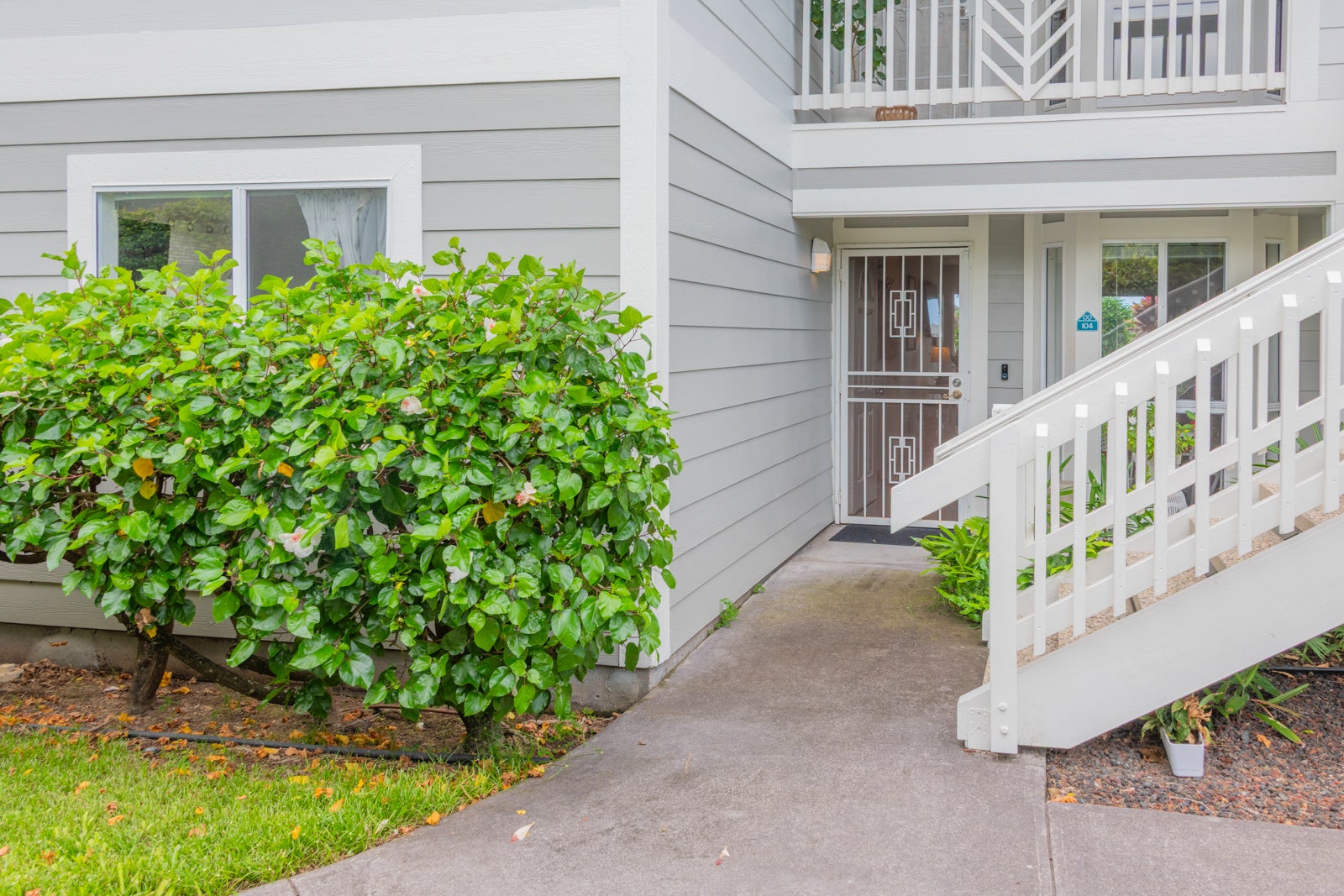
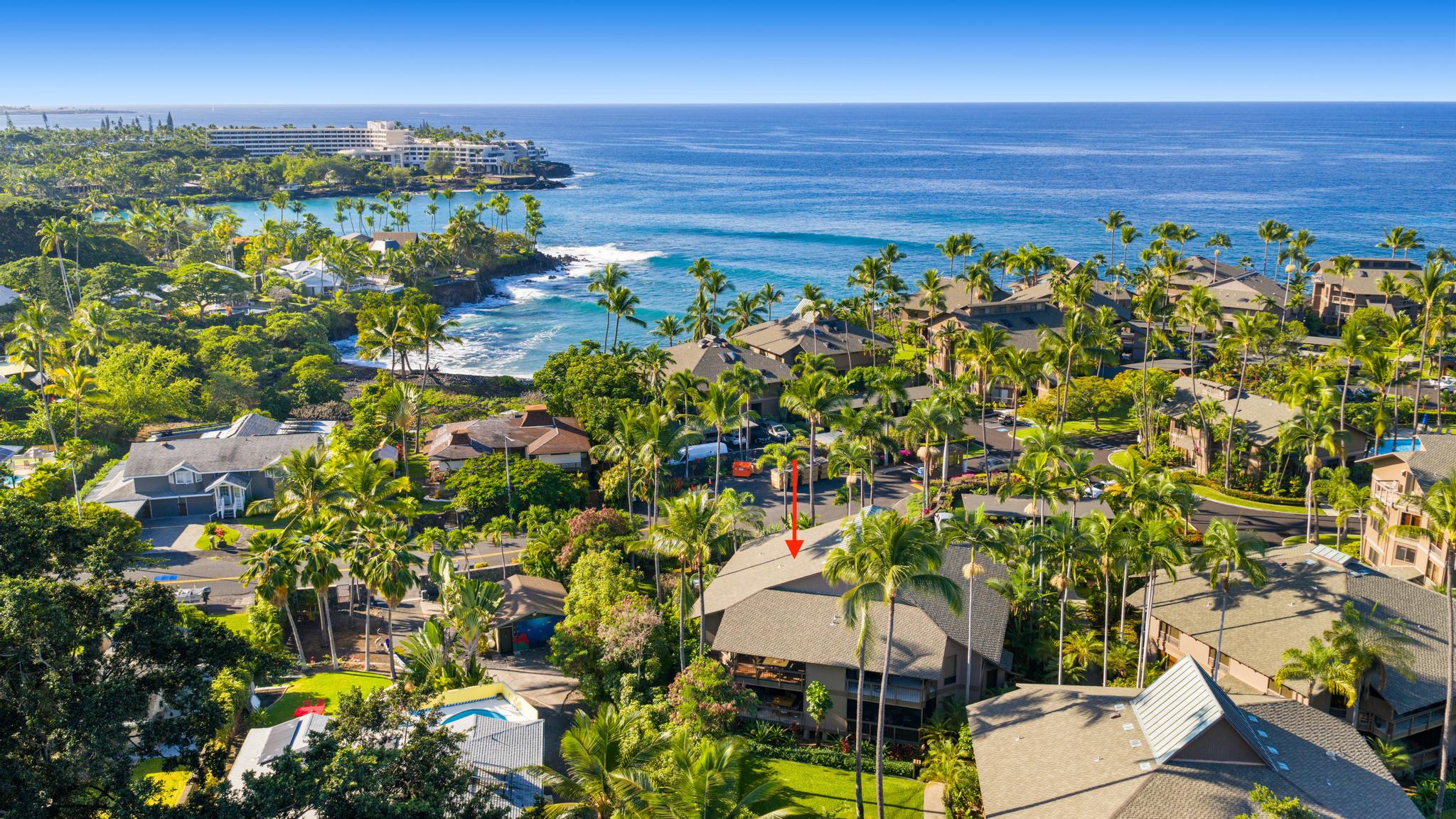
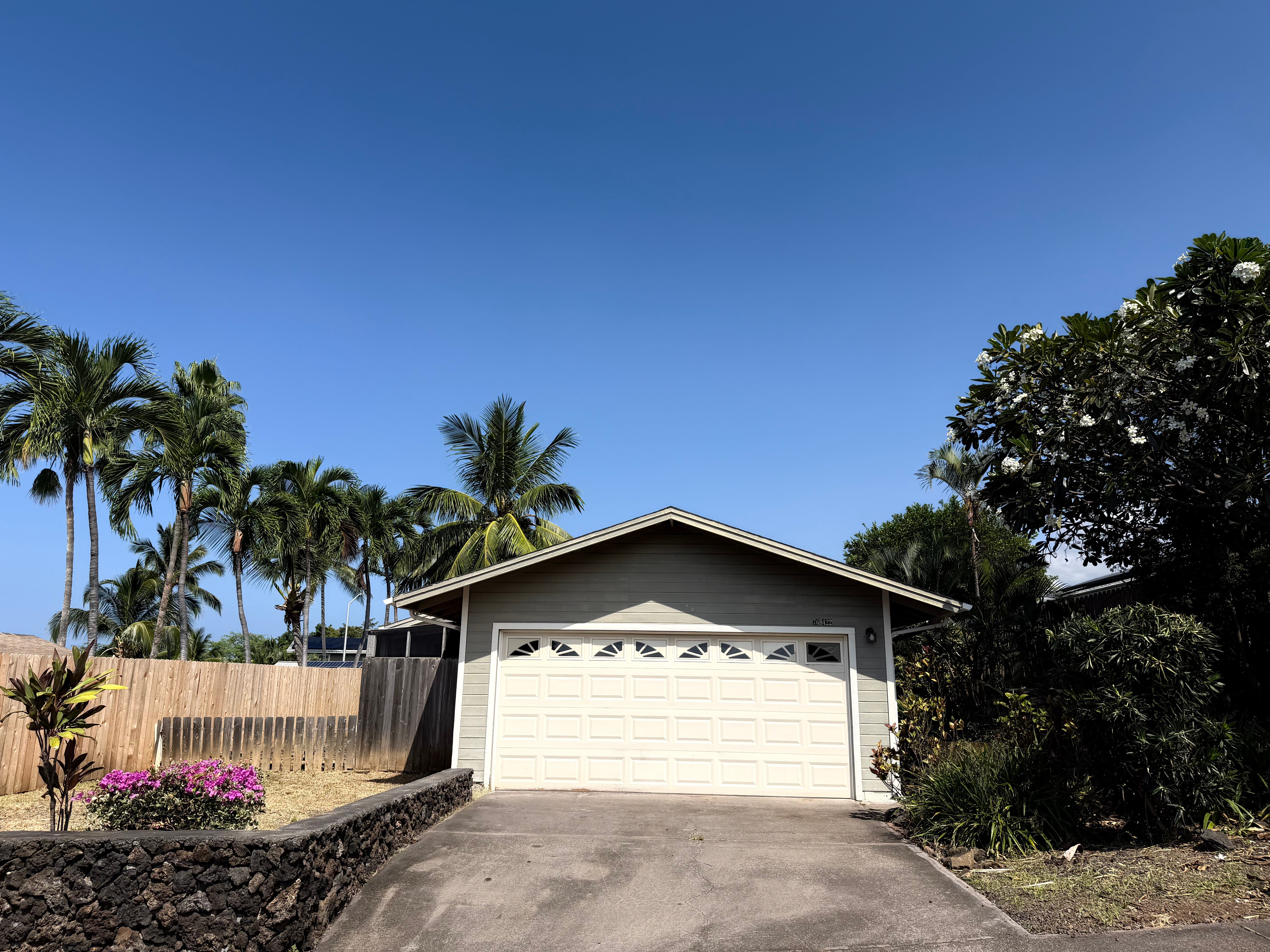
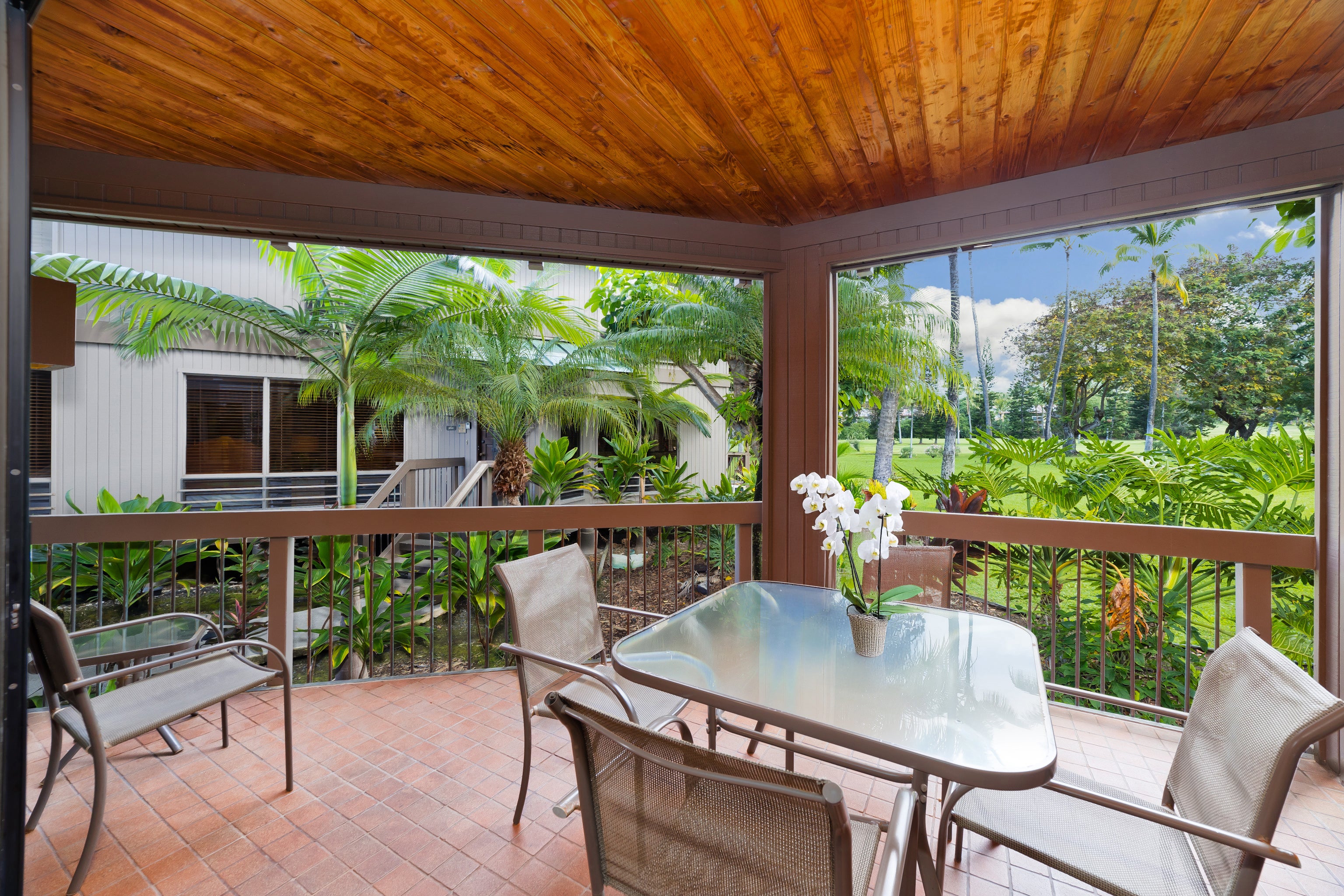
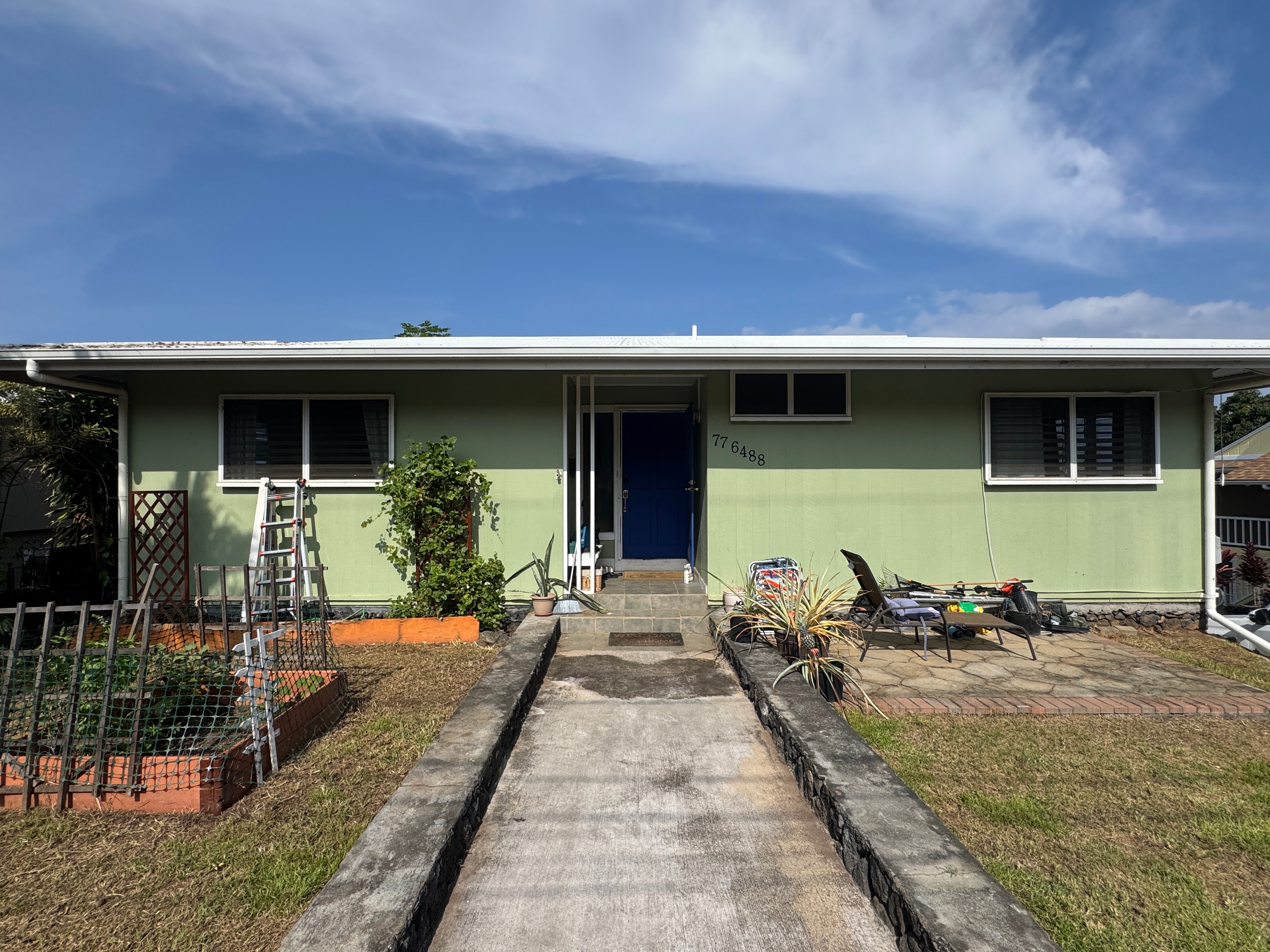
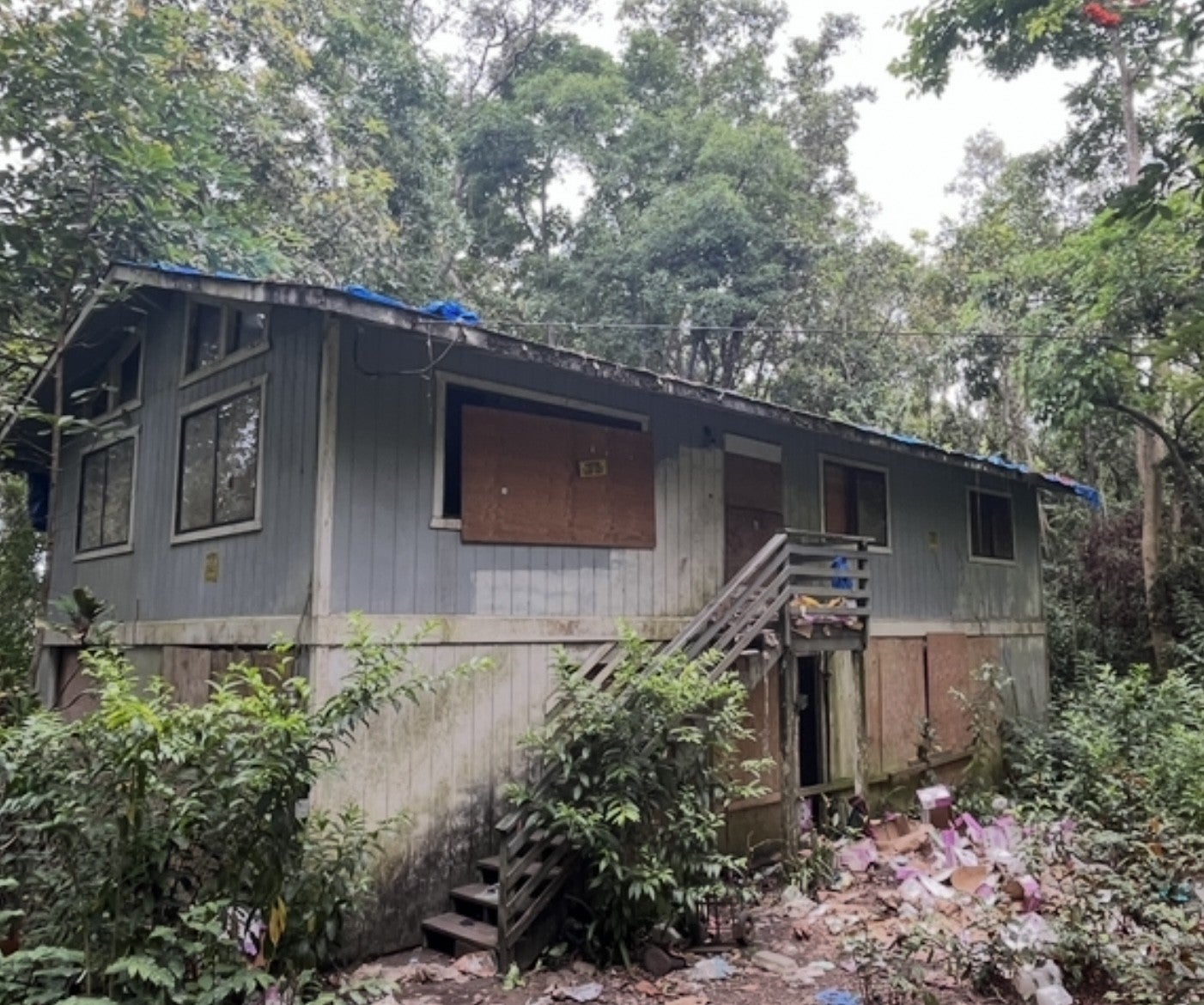
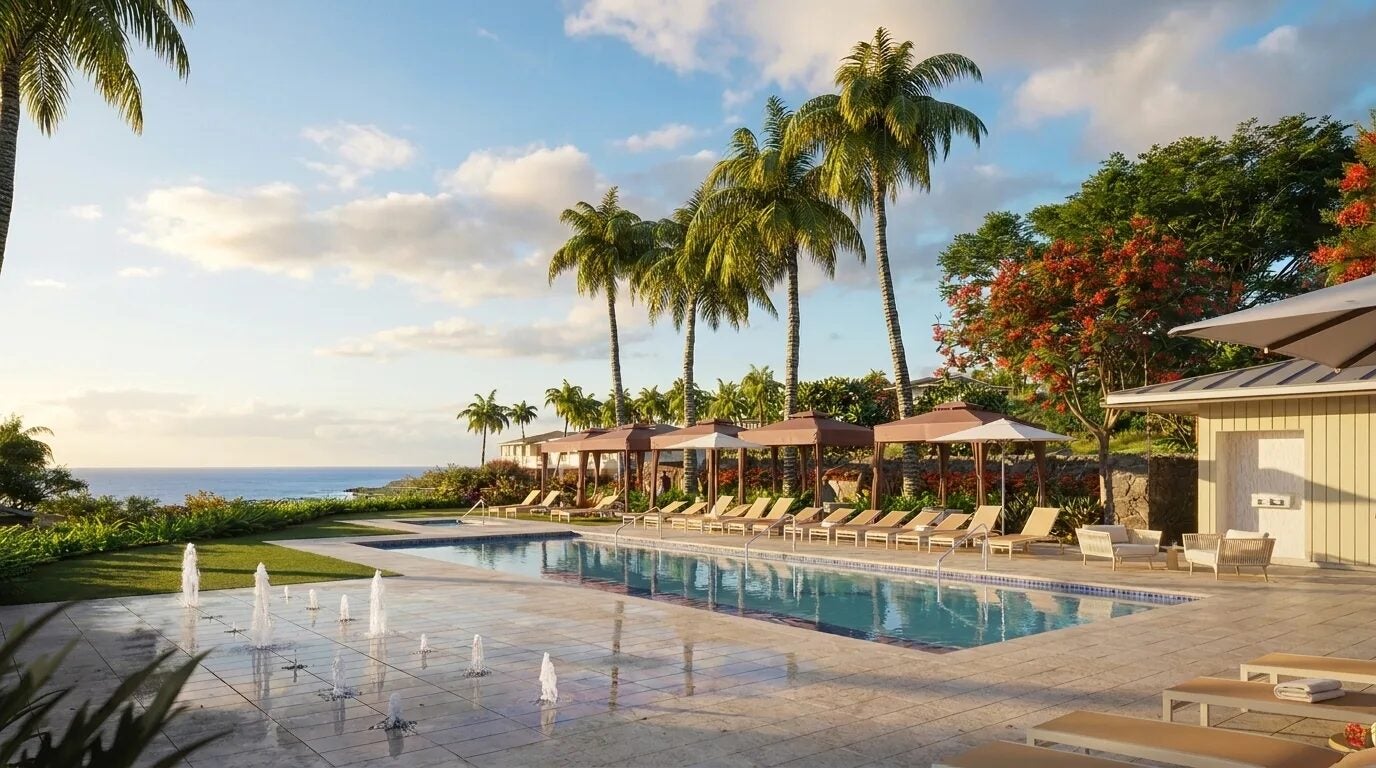
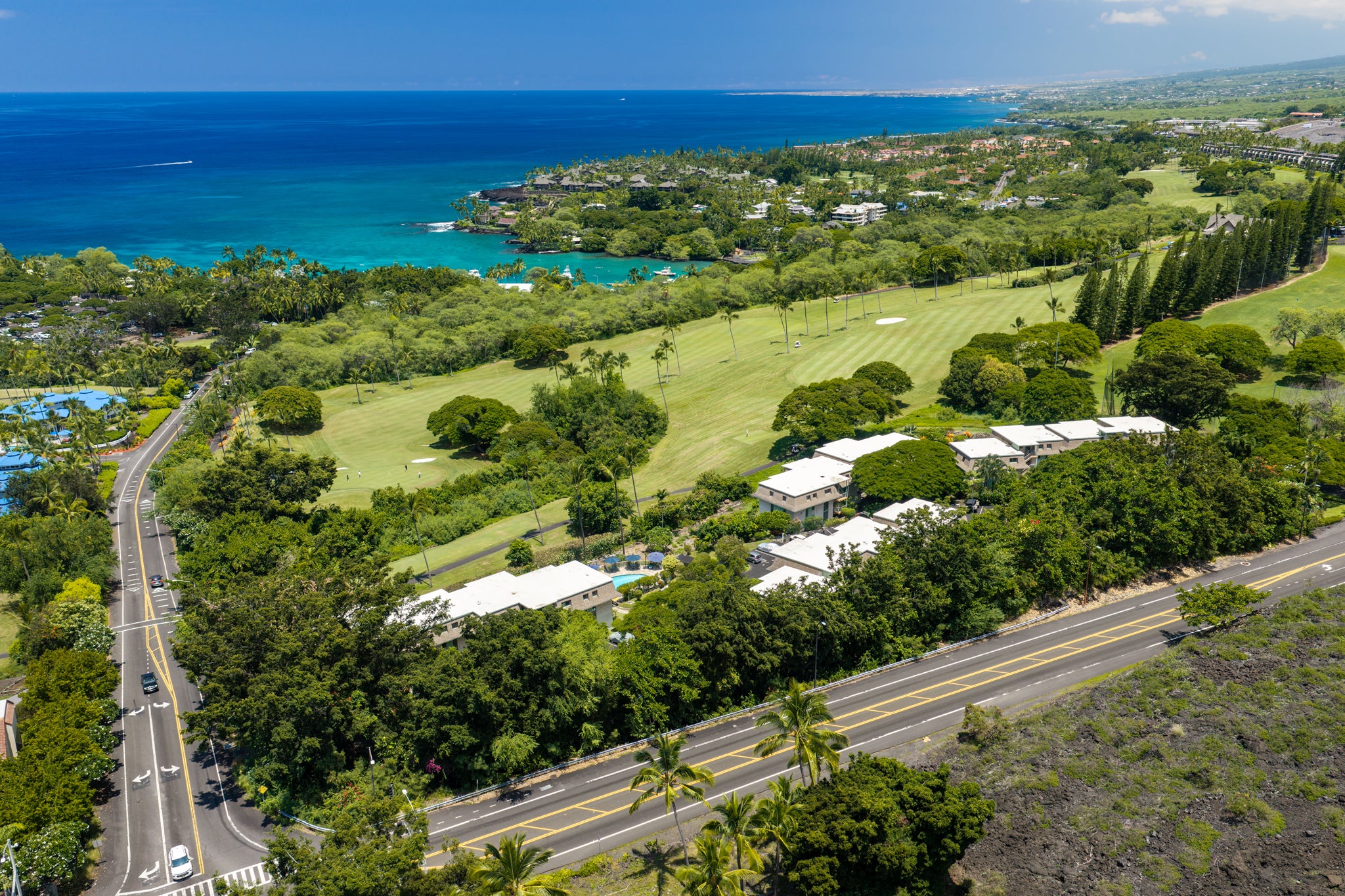
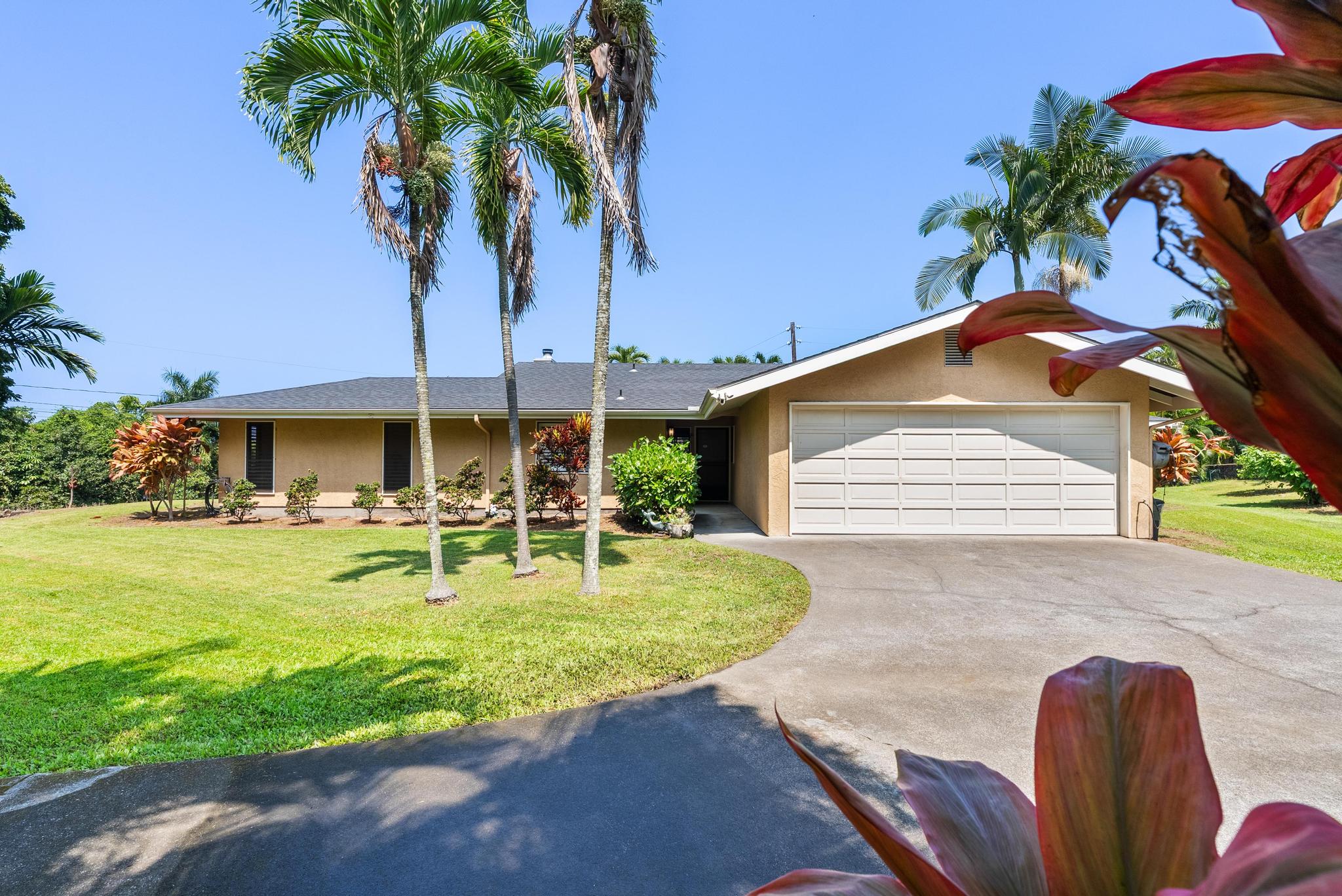
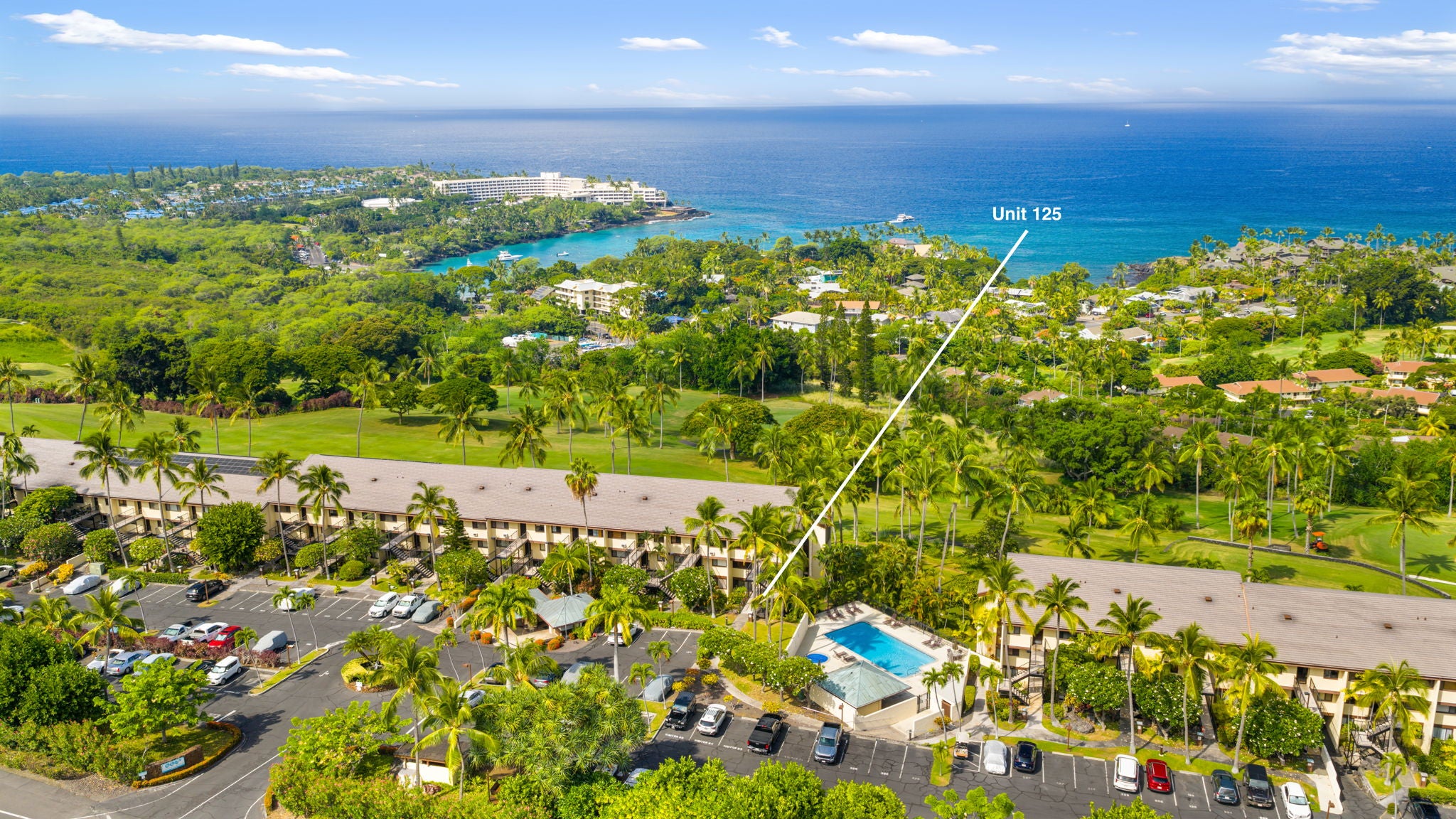
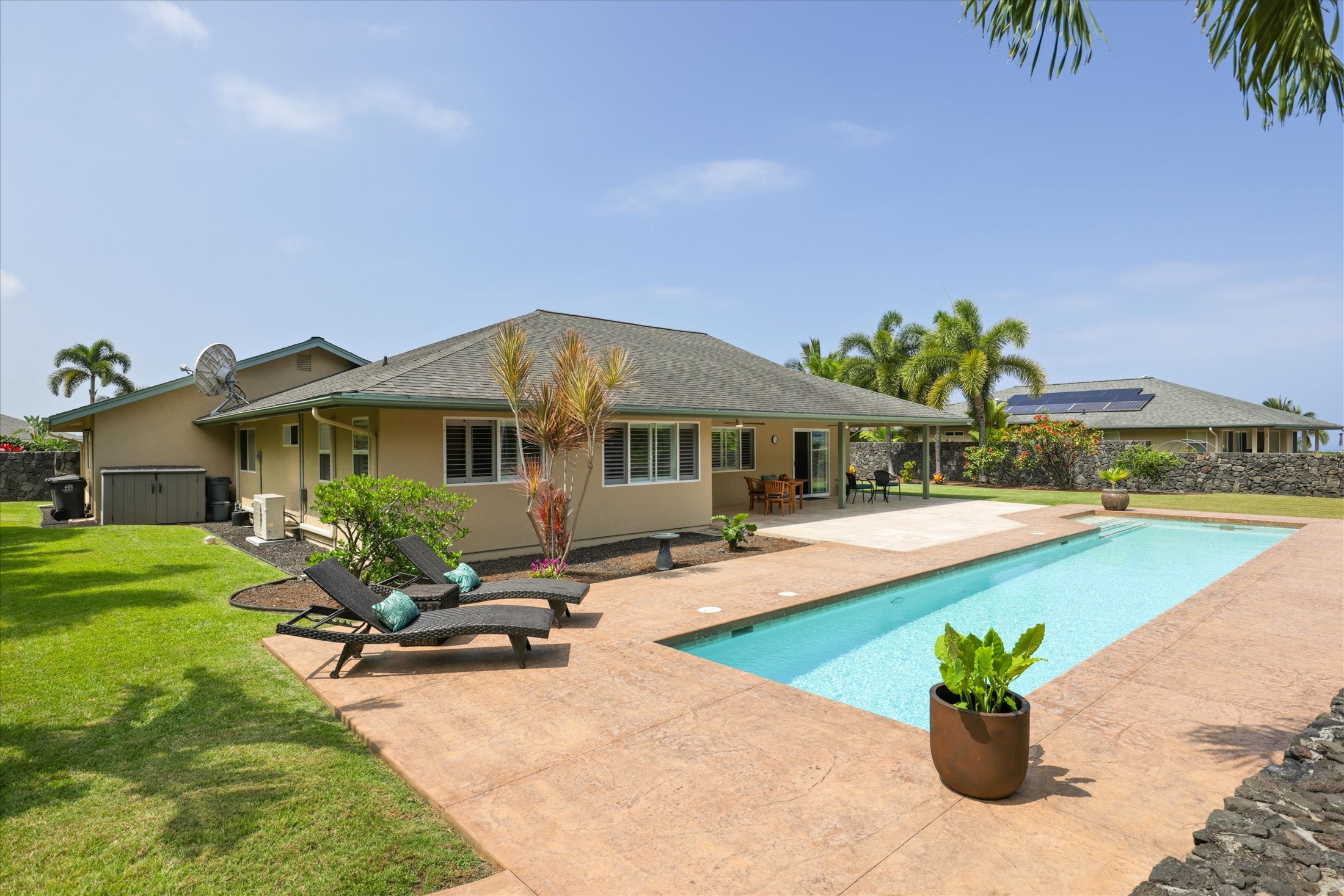
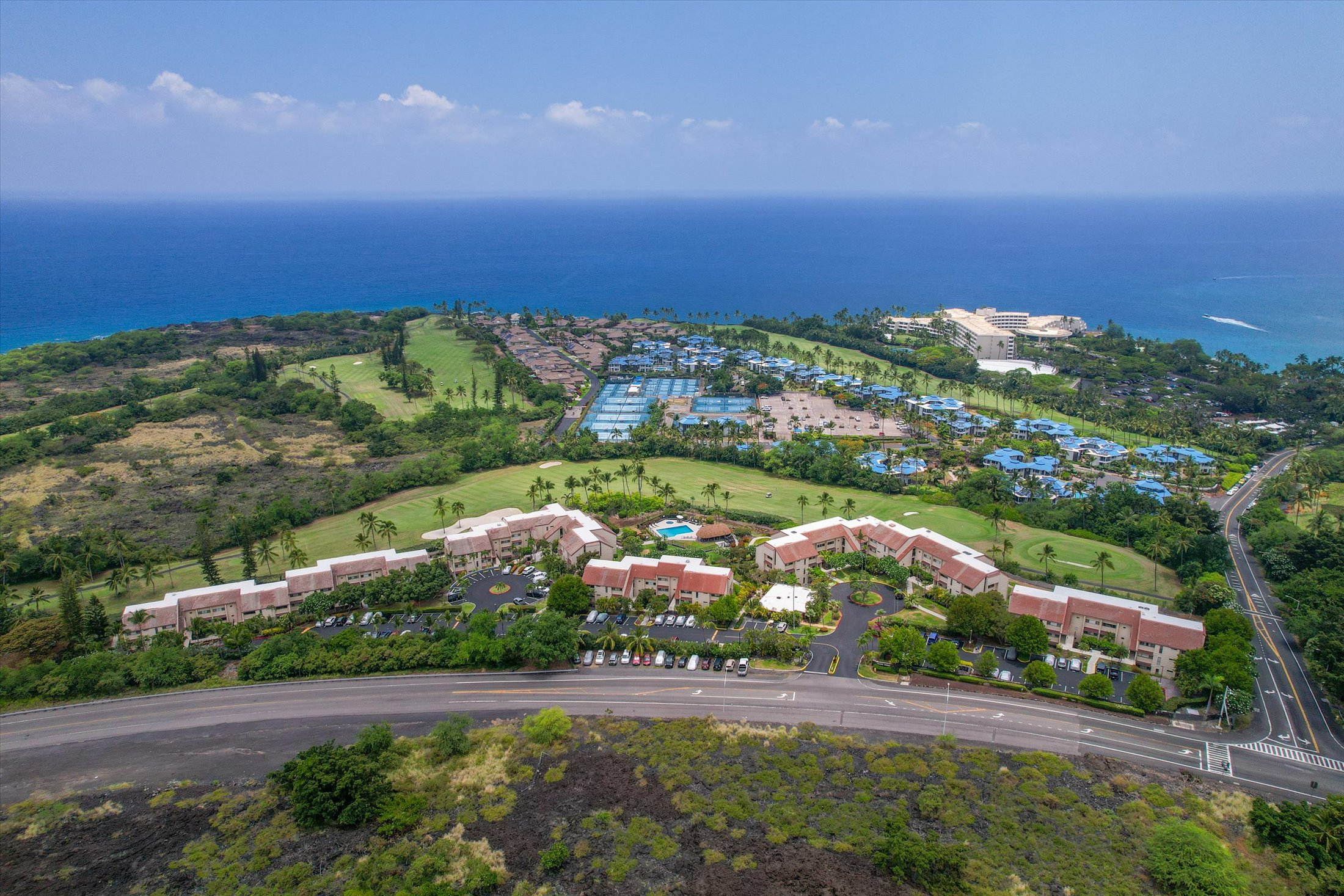
Are you in search of your dream Kailua-Kona home? Browse property listings featuring condos, single-family homes, & luxury houses for sale.
Kailua-Kona boasts vibrant sunsets, pristine beaches, and a laid-back island lifestyle that converge to create the perfect haven for home buyers seeking tranquility and natural beauty. From stunning beachfront estates and luxury condos to charming single-family homes nestled in lush tropical landscapes. Whether you desire ocean views, golf course access, or a close-knit community, Kailua Kona has the perfect residential property to call your dream home or next vacation property.
Connect With a Kailua-Kona Realtor
Find the freshest seafood and strongest flavors in these top Kailua-Kona restaurants.
04/22/22   |   Kris HazardSelling your home? Incite interest and land a superb sale with these eight savvy ways to receive multiple offers.
09/27/22   |   Kris HazardConsidering purchasing a getaway? Read on for Kris Hazard’s expert advice on weighing the pros and cons.
09/21/22   |   Kris HazardCurating the finest single-family estates and coastal tracts on Hawaii's Gold Coast.
When exploring residential listings for a luxury house for sale kona style or browsing the competitive kailua kona homes for sale registries, identifying ocean access parameters, lava flow safety risk, and short-term zoning regulations is essential. The West Hawaii luxury single-family real estate sector tracks along explicit district segments, where securing kona homes for sale or high-end kona waterfront homes for sale requires verifying target neighborhood indicators before initializing escrow:1
The recent fiscal period in West Hawaii marks a decoupling from standard mainland trends. While secondary mainland markets adjust, Konas premium real estate sector faces a structural supply limitation. We are tracking a specific migration of investment capital into world-class private enclaves like Hualalai and Kukio from high-tax states.1,3
The Mauka Elevation Advantage: Serious estate buyers are increasingly prioritizing topographical location. Single-family properties situated in the 800-foot to 1,500-foot elevation boundaries, such as Holualoa, command structural premiums due to cooler ambient temperatures that eliminate high air conditioning dependency, alongside expansive views of the historic coffee belt.1
Submarket Enclave | Topographical Elevation | County Zoning Code | Lava Hazard Zone | Permit Eligibility Profile |
|---|---|---|---|---|
Alii Drive Corridor | 0 to 100 Feet (Makai) | Resort / Residential1 | Lava Zone 44 | STVR Eligible Footprint3 |
Hualalai Resort Loop | 200 to 600 Feet | Project District / V-Resort | Lava Zone 4 | Gated Resort Registry |
Holualoa Slopes | 800 to 1,500+ Feet (Mauka) | Agricultural (Ag-5)1 | Lava Zone 4 | Long-Term Dwelling Only |
Kukio Enclave | 0 to 300 Feet | Project District | Lava Zone 4 | Private Luxury Gated |
Kona structural real estate indicators: County of Hawaii Planning Department / USGS Volcanic Data 2026
Select your primary residential or investment pathway below to access current MLS database profiles.
Seeking an off-market consultation regarding custom condo investments? Schedule a strategic advisory session with Kristina Vaughn-Hazard.
Navigating Hawaii County zoning laws requires explicit local expertise. The long-term valuation and utility of an island home are directly connected to its county permit eligibility and regional boundary class. Sourcing a property without recognizing these zoning rules can restrict your ownership goals.1,3
Short Term Vacation Rental (STVR) permits are restricted by county ordinance. Purchasing a single-family home outside designated resort zones without an existing, non-transferable registration limits the property strictly to 30-day minimum lease terms. Verifying historical Non-Conforming Use Certificates (NUC) is an essential due diligence requirement during escrow.3
Properties situated near active coastlines fall within the state Special Management Area (SMA) boundaries. Remodeling or expanding a home within the SMA setback requires specialized county environmental permits. Knowing what can and cannot be constructed within these oceanfront parcels protects your capital deployment.1
Maximizing multi-generational value typically involves constructing a secondary detached dwelling, commonly referred to as an Ohana unit. Isulating this potential requires calculating your properties specific zoning class (such as Agricultural Ag-5 versus Residential RS-10) alongside municipal septic volume requirements.1
West Hawaii presents diverse micro-climates and community styles, allowing buyers to select a residential setting that matches their design and lifestyle preferences:1
"We do not just sell homes; we steward the transition of stewardship for these legacy properties."
West Hawaii single-family residential listings require expert market positioning, structural verification, and legal due diligence. Contact Kristina Vaughn-Hazard for a dedicated review of active MLS opportunities and private off-market pocket listings.
Serious buyers must evaluate a properties exact elevation metrics (Mauka cooler side versus Makai beach side), local volcanic lava flow hazard zones, current HOA reserve balances, and underlying county zoning limitations regarding expansion or secondary structures.1,4
Under local Hawaii County ordinances, transient vacation rentals (under 30 consecutive days) are prohibited within standard single-family residential or agricultural subdivisions unless the home possesses a historical Non-Conforming Use Certificate or sits inside a designated resort district.3
Waterfront estates along Alii Drive deliver direct shoreline access, resort neighborhood walkability, and warm beach weather conditions. Mauka mountain homes, located at elevations above 1,000 feet, provide larger acreage plots, enhanced perimeter privacy, and cooler temperatures that minimize cooling utility costs.1,3
While Hawaii supports the lowest owner-occupant residential property tax rate in the country at roughly 0.28%, out-of-state investors must plan for the state General Excise Tax (GET) assessed on all services and rental receipts, along with standard HARPTA withholding rules during future asset liquidation. For more neighborhood info, check our Kona neighborhood guide.1,2
Sources
1. Hawaii County Planning Department Geographic Information Systems (GIS) Housing Survey Archive (June 2026 Audit): verifies single-family residential parcel limits, Special Management Area (SMA) shoreline rules, and elevation boundaries.
2. State of Hawaii Department of Taxation (DOTAX) Statutory Asset Disposition Protocols (May 2026 Release): details resident real estate carry deductions, General Excise Tax (GET) lines, and HARPTA holding exemptions.
3. Hawaii Real Estate Commission Licensing Registry & West Hawaii Multiple Listing Service (MLS) Transaction Database (Quarter 2 2026 Close): tracks residential median single-family home valuations, cash transaction volumes, and average days-on-market metrics.
4. United States Geological Survey (USGS) Hawaiian Volcano Observatory Volcanic Flow Hazard Zonation Assessment (January 2026): records geographic hazard indexes across West Hawaii, assigning the central Kailua-Kona shelf within stable Lava Zone 4 lines.