Drive Makolea Street toward the water these days and the first thing you notice is how slow everyone is going. Not from traffic. From the signs. The speed limit drops from 25 to 15 miles an hour as you approach the park, and where cars used to nose into any open shoulder near Kahaluu Surf and Sea, there's now a marked no-parking zone and a crosswalk that wasn't there last year.
Most residents will read that as a traffic fix. It isn't. It's the same idea the county has been testing in the water since 2017, now moved onto the road.
The Speed Limit Sign Is Doing Reef Work
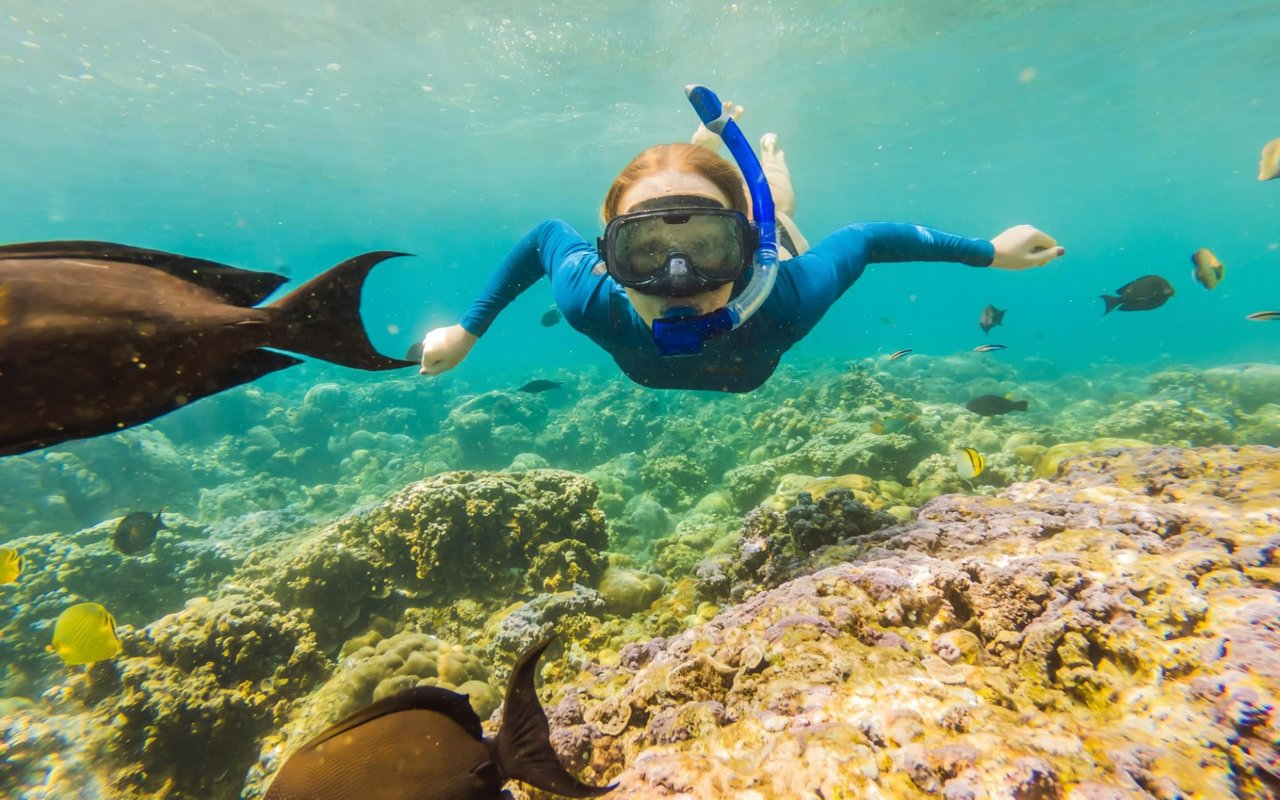
Kahalu'u Bay closes every year now for coral spawning, and this year's closure ran May 1 through May 10, with the park reopening on May 11, according to Big Island Video News. That ten-day window matters because of what came before it. The bay's cauliflower coral was hit hard by marine heat waves in 2015 and again in 2019, and Kohala Center staff have said the bay lost roughly 90 percent of that once-dominant species. The county's first response, back in 2017, was modest: two half-day closures. Even that small a gap was enough to let a handful of survivors spawn. The closures have run every year since, and by this spring the Kohala Center was reporting that the milky water sign of active coral reproduction had returned to the bay for the first time in decades, per West Hawai'i Today.
Now scale that same logic up to the road. The Hawai'i County Council's move to expand the no-parking zone and cut speeds near the park cleared a second and final reading this spring, and the changes are already visible on the ground: reduced speed signage on both approaches and new crosswalk markings at the Makolea Street intersection, as reported by the Hawai'i Tribune-Herald. It's the same intervention as the closure, just applied to the cars that funnel people into the water instead of the water itself. Fewer casual, spillover parking spots means fewer casual, spillover visits during the hours the park isn't staffed to manage them.
Here's the arc, laid out plainly:
| Year | What happened |
|---|---|
| 2015 & 2019 | Marine heat waves bleach the bay's cauliflower coral; roughly 90% of the species is lost |
| 2017 | County agrees to a first, limited closure of two half-days during spawning |
| 2018–2025 | Annual spawning closures continue and lengthen, with ReefTeach volunteers monitoring recovery |
| 2026 | Ten-day closure (May 1–10) plus a new county ordinance cutting speeds and expanding no-parking near the park |
Read across that table and the reef and the road are the same project.
Who's Actually Running This
Cindi Punihaole, known locally as Aunty Cindi, grew up swimming at Kahalu'u and now serves as the Kohala Center's director of 'āina advocacy. The ReefTeach program she champions has had volunteers on the sand since 2000, and they're still there every day the park is open, roughly 8:30 a.m. to 3:30 p.m., steering visitors toward mineral sunscreen and away from standing on live coral. It's a small, quiet operation for a beach that pulls in an estimated 400,000 visitors a year.
The funding model is worth knowing if you live nearby. The Kohala Center charges nonresident visitors $12 for four hours of parking at the bay, and Hawai'i residents with valid ID park free, a detail confirmed on the Kohala Center's own site. Every dollar of that fee goes back into the stewardship program, the same monitoring and education effort that's been tracking the coral's slow return.
A beach park that used to just get used is now a beach park that gets managed, the same way you'd manage a shared resource anyone could otherwise overuse for free.
If you're heading down for a snorkel, checking spawning closure dates before you go has become as routine as checking surf conditions.
What This Means for Your Saturday
None of this changes the rhythm most Keauhou residents actually keep on a Saturday morning, it just runs alongside it now. The Keauhou Farmers Market sets up every Saturday from 8 a.m. to noon in front of Ace Hardware at the Keauhou Shopping Center, run by the Kona County Farm Bureau and managed by Rayna Rasmussen since 2022, with free parking at the center itself, a contrast worth noting against the paid model down at the bay. If you'd rather shop on a weekday, the Ho'oulu Farmers Market runs Wednesdays and Fridays from 9 a.m. to 2 p.m. on the front lawn of the Outrigger Kona Resort & Spa at Keauhou Bay, with anywhere from 20 to 40 vendors depending on the week.
Walk the shopping center itself and the tenant list reads like a resident's errand run: Kona Stories, the independent bookstore that's been there since 2006, Kenichi Pacific for Japanese and Pacific Rim fusion, Sam Choy's Kai Lanai, and Regal Cinemas 7, still the only movie theater in Kona licensed to serve alcohol. The most recent notable addition came in 2024, when the center brought in Clover and Mug, a Korean and American fusion spot, alongside Dolphin Discoveries & Ocean Adventures, a snorkeling and boat charter operator with more than three decades on the Kona coastline, according to a Kamehameha Schools news release.
A few things longtime residents already build into their routine:
- Check the Kohala Center's posted hours before a spontaneous snorkel trip, spawning closures and rough surf can shut the park with little notice
- Bring ID if you're parking at Kahalu'u, it's the difference between free and $12
- The Keauhou Farmers Market leans produce and prepared food, while the smaller Ho'oulu market skews toward crafts and a quieter pace
- The new 15 mph zone on Makolea catches visitors off guard more than residents, but it's worth the reminder after a season away
Why This Matters for the Neighborhood
Keauhou isn't a place where the natural environment and the built one operate on separate tracks. The same bay that residents treat as a regular swim spot is also the site of one of the more closely watched coral recovery efforts on this coast, and the same road that gets you to brunch at Sam Choy's now carries the same protective logic as the reef itself. That's not a small thing for a neighborhood. It means the place is being managed as a whole system, not a collection of separate amenities, and it's part of what makes Keauhou feel different from a resort strip that only optimizes for visitors passing through.
If you're weighing whether Keauhou's blend of everyday routine and long-term stewardship fits how you want to live, Kris Hazard has spent more than two decades watching this stretch of North Kona change, one shopping center tenant and one county ordinance at a time. Reach out to schedule a personalized Kona consultation and talk through what a home base near Kahalu'u Bay actually looks like day to day.
This article is general information, not legal, tax or financial advice. Consult a qualified professional about your situation.