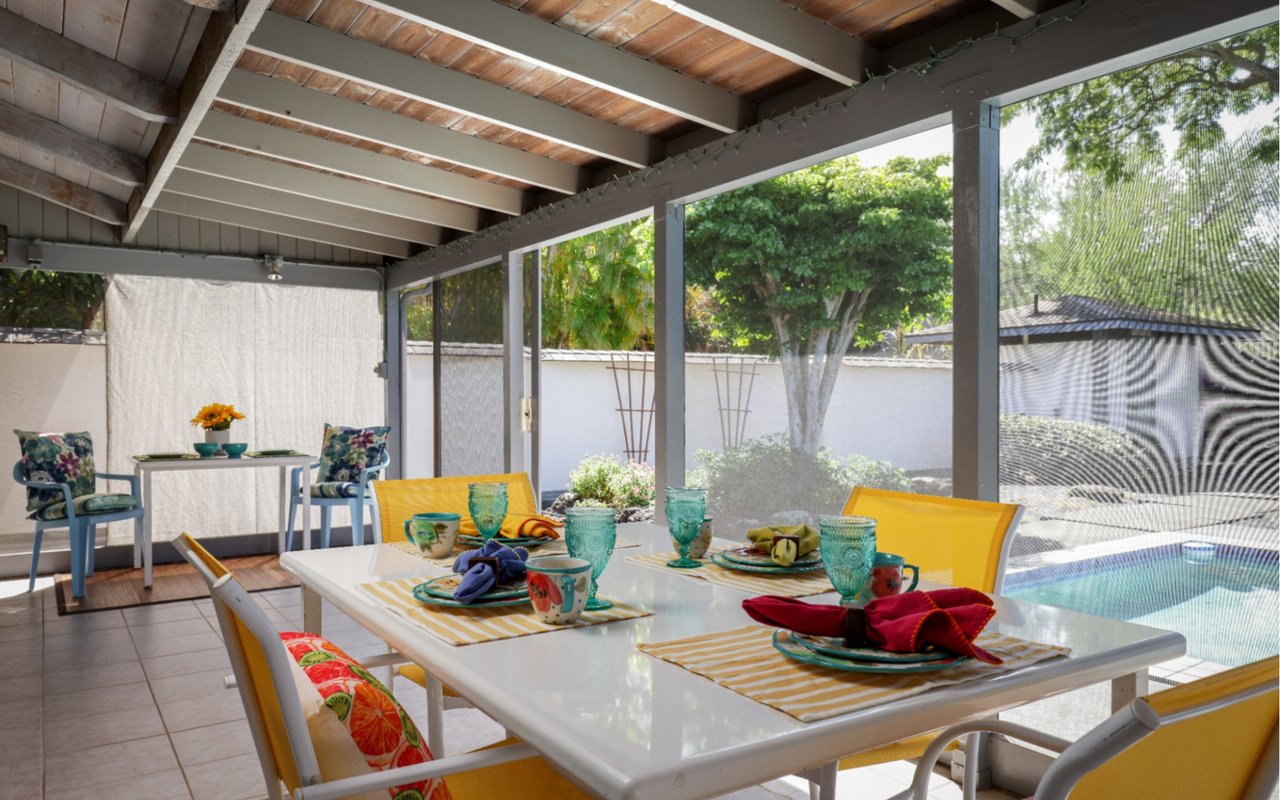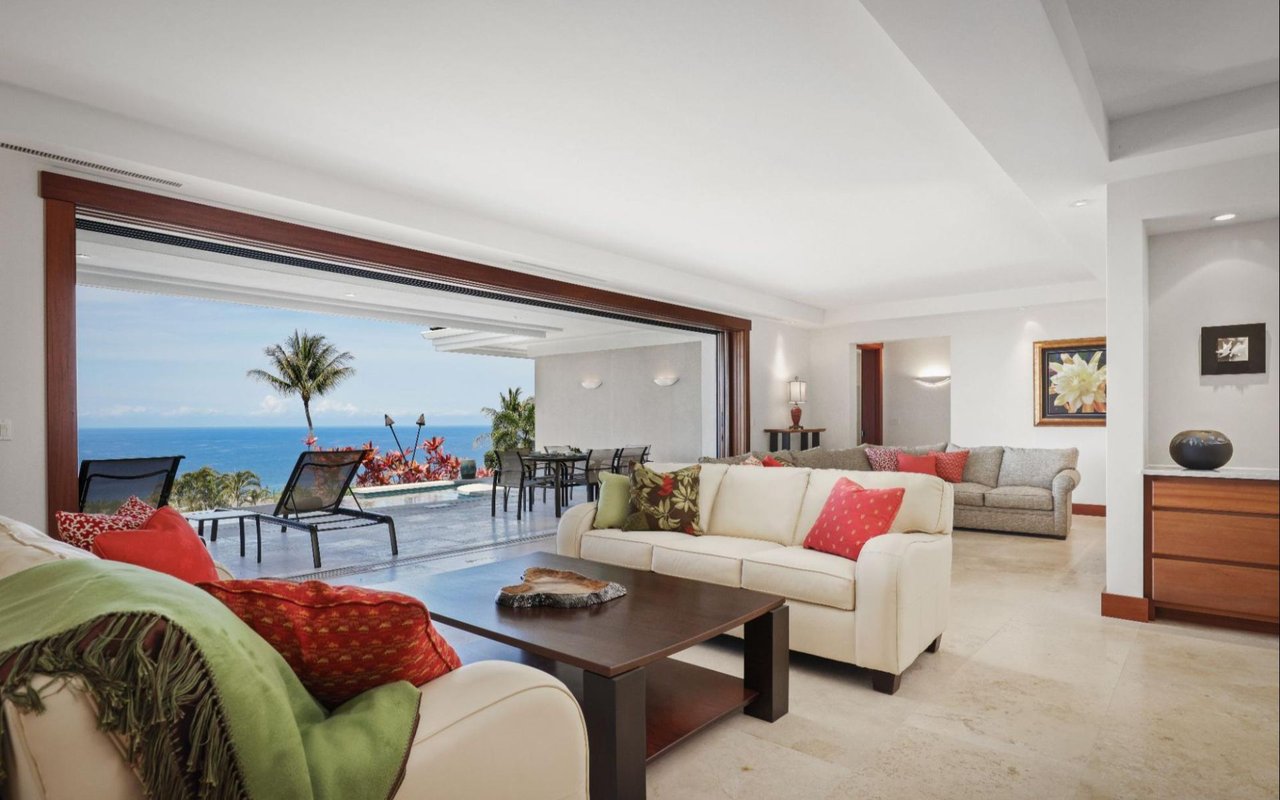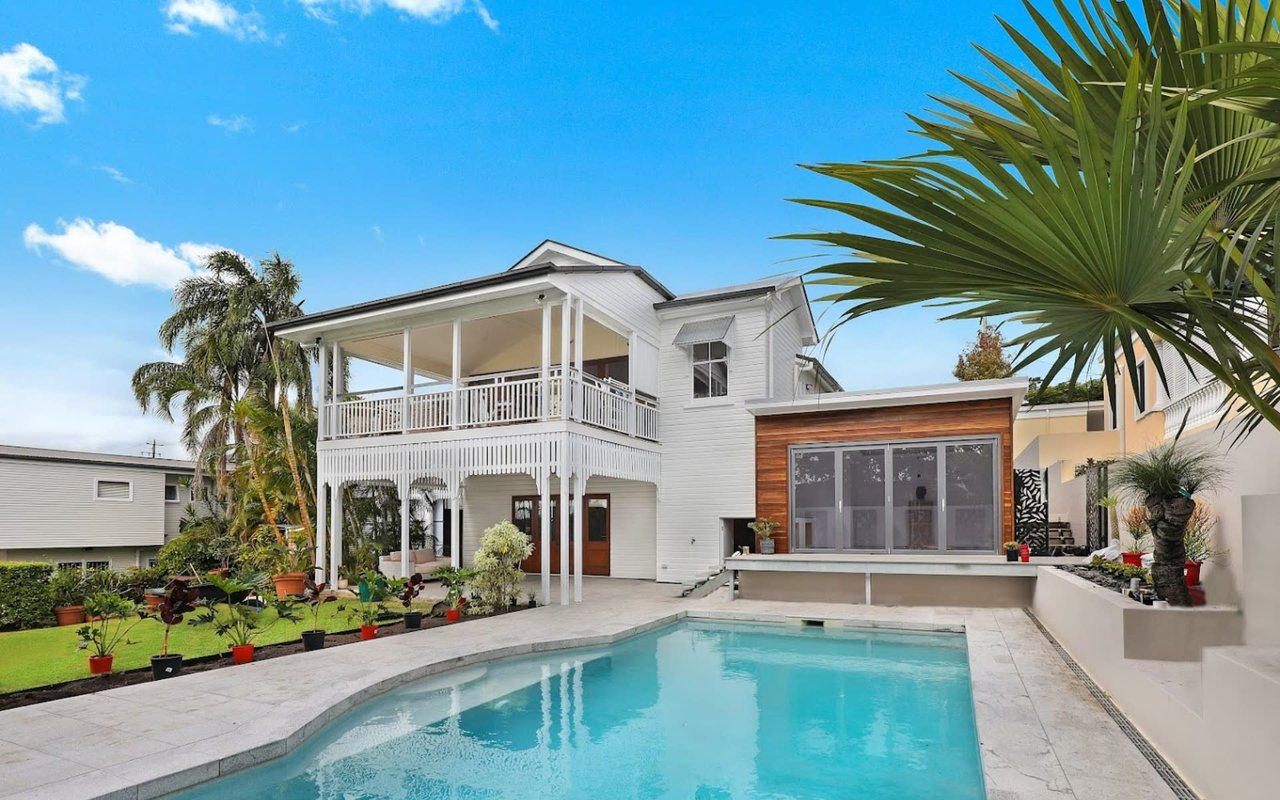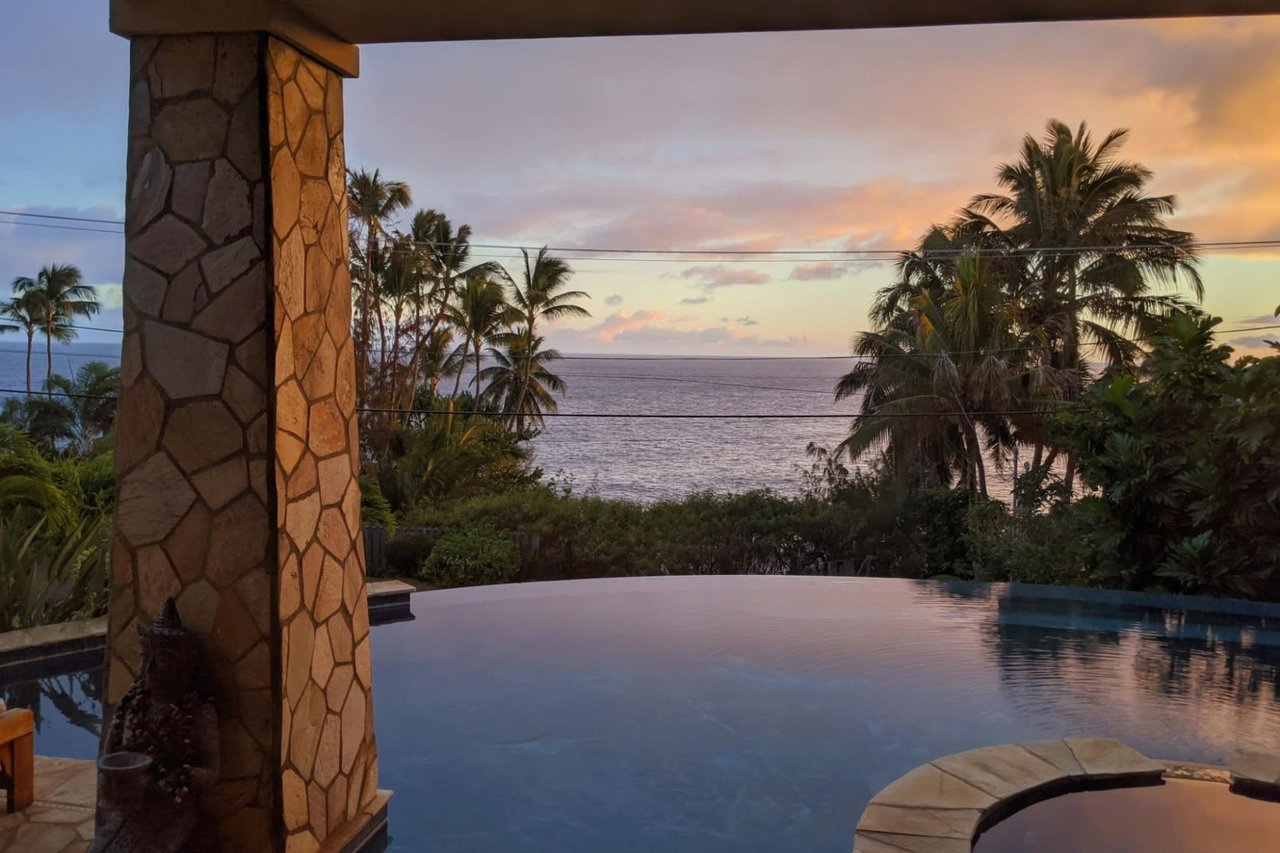
In a world where productivity often takes precedence over rest, the importance of quality sleep has become increasingly clear. For homeowners in Kona, Hawaii—a location already celebrated for its natural tranquility and lifestyle balance—creating a space that promotes restorative sleep can elevate daily living and long-term wellness. Whether settling into a new property or refreshing an existing residence, understanding how to design a sleep-friendly home is essential for those who value health, peace, and personal retreat.
The Importance of Sleep in Home Design
Sleep is one of the most foundational elements of personal well-being, influencing everything from mental clarity and emotional stability to physical health and immune function. As more homeowners prioritize wellness in their living environments, the concept of a sleep-friendly home has gained traction, particularly in luxury and wellness-focused real estate markets like Kona.
Designing for sleep goes beyond simply placing a bed in a quiet room. It includes intentional choices around lighting, sound control, temperature regulation, materials, layout, and even colors—all of which contribute to an environment that naturally supports deep, uninterrupted rest. In Hawaii, the calming rhythm of ocean waves, tropical breezes, and access to fresh air already provide an ideal foundation for relaxation. Incorporating thoughtful interior and architectural elements can further support the body’s circadian rhythm and optimize nightly rest.
Designing for sleep goes beyond simply placing a bed in a quiet room. It includes intentional choices around lighting, sound control, temperature regulation, materials, layout, and even colors—all of which contribute to an environment that naturally supports deep, uninterrupted rest. In Hawaii, the calming rhythm of ocean waves, tropical breezes, and access to fresh air already provide an ideal foundation for relaxation. Incorporating thoughtful interior and architectural elements can further support the body’s circadian rhythm and optimize nightly rest.
Optimizing Bedroom Layout and Location
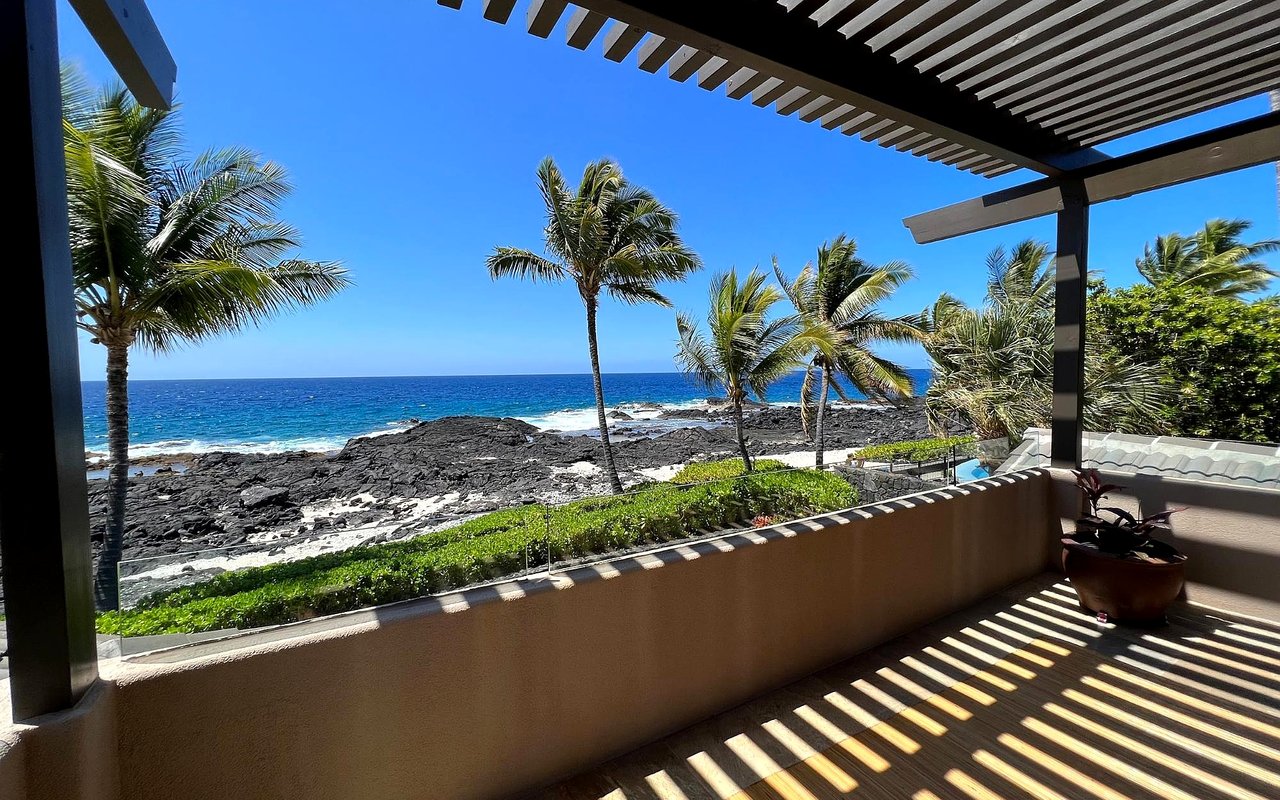
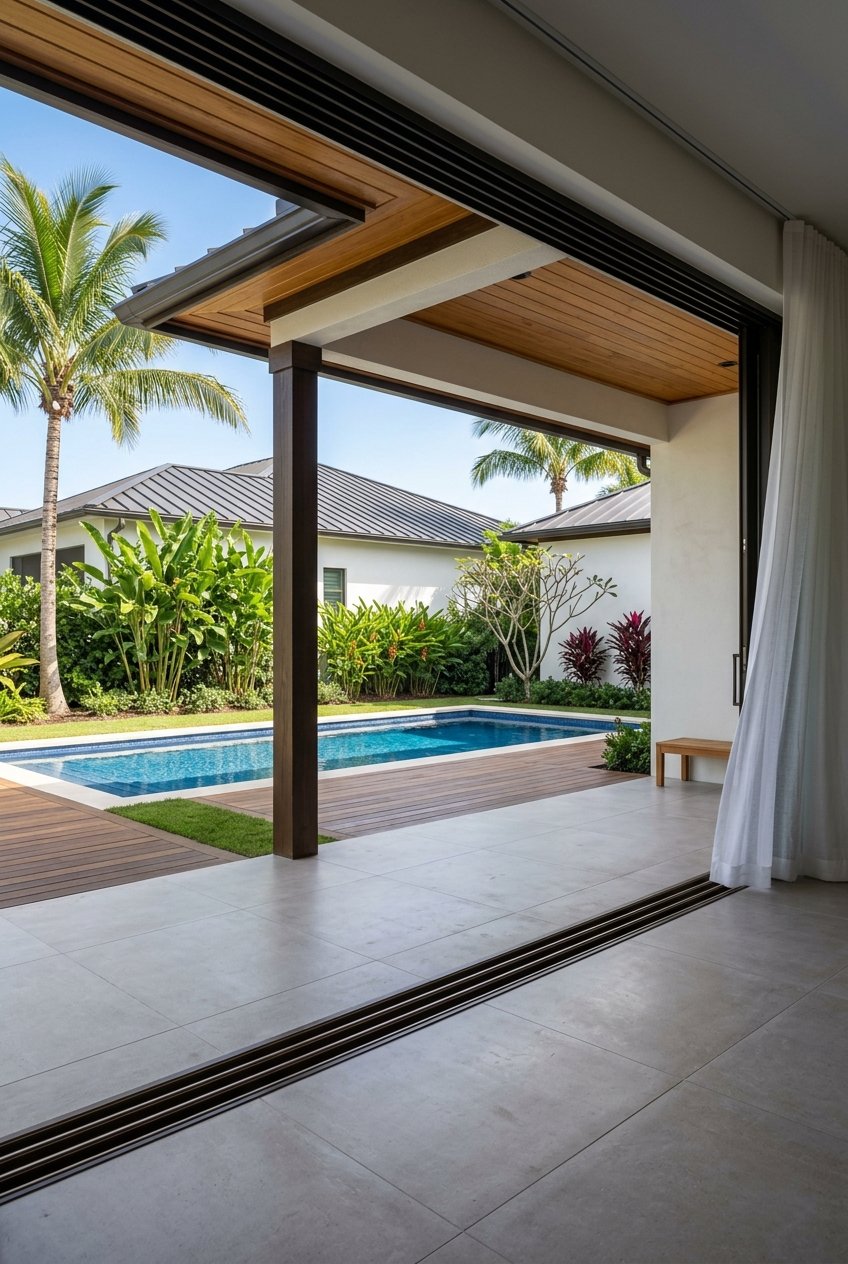
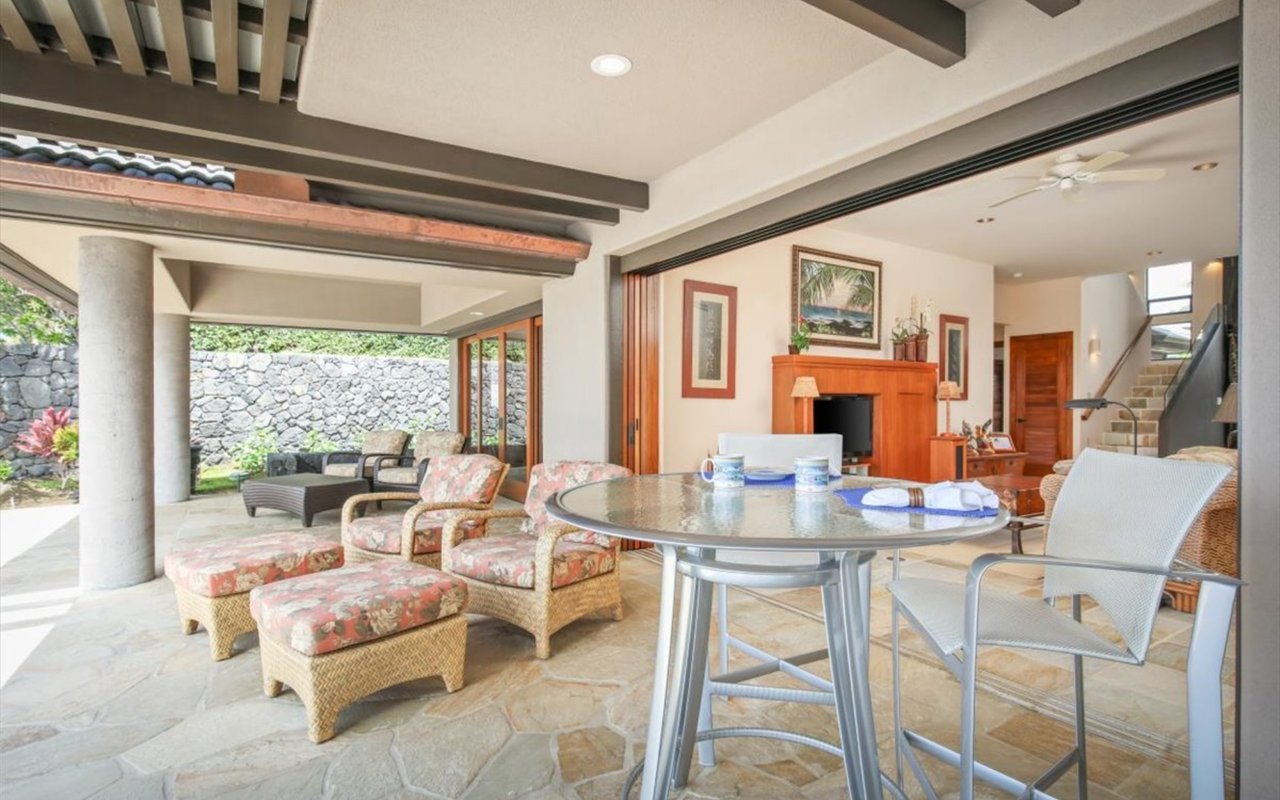
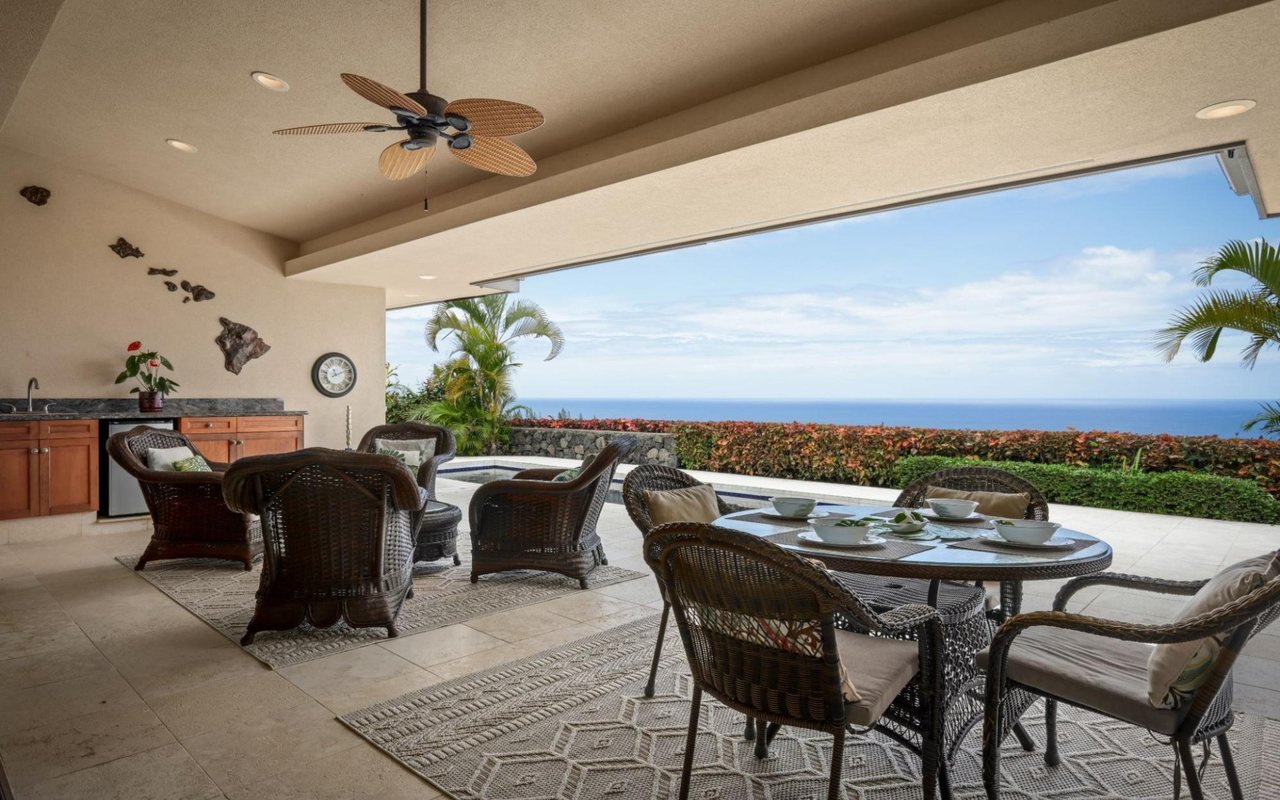
The first step in learning how to design a sleep-friendly home is to evaluate the bedroom’s physical location within the home. Ideally, primary bedrooms should be situated away from high-traffic areas and communal spaces like the kitchen or living room to reduce noise exposure. In Kona, many homes are designed with lanais, ocean-view terraces, and open-air layouts. While these features offer aesthetic appeal, it's essential to ensure that the bedroom maintains privacy and insulation from external distractions.
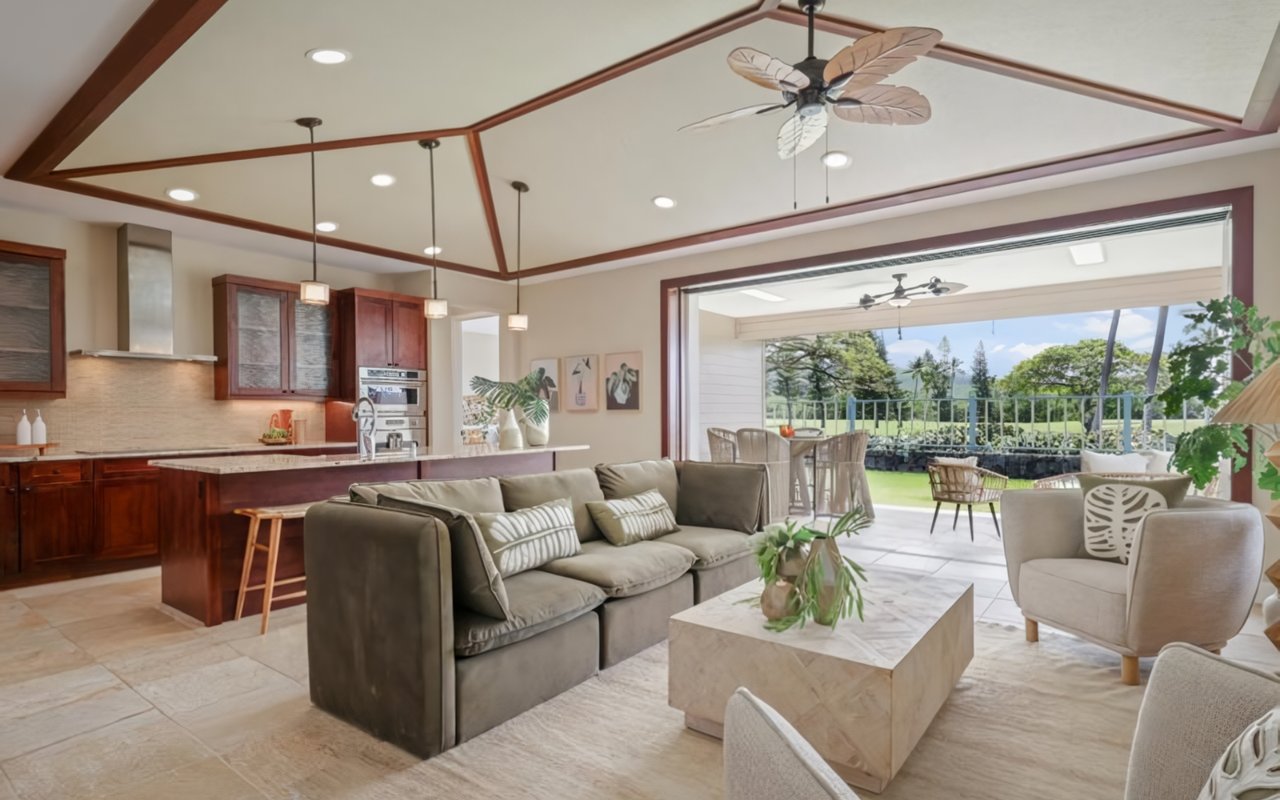
Homes built to take advantage of mauka-makai (mountain-to-sea) breezes can offer natural ventilation, which is conducive to sleep, but it’s also important to control humidity and temperature. Ceiling fans, operable windows with screens, and adjustable louvers are valuable for airflow, but air conditioning or dehumidifiers may still be necessary to maintain an optimal sleep environment, especially during warmer months.
Homes built to take advantage of mauka-makai (mountain-to-sea) breezes can offer natural ventilation, which is conducive to sleep, but it’s also important to control humidity and temperature. Ceiling fans, operable windows with screens, and adjustable louvers are valuable for airflow, but air conditioning or dehumidifiers may still be necessary to maintain an optimal sleep environment, especially during warmer months.
Lighting: Natural and Artificial Considerations
Light has a profound effect on the body’s internal clock. Exposure to bright light in the morning can help regulate sleep cycles, while dim lighting in the evening signals the brain to prepare for rest. Bedrooms should ideally receive ample natural light during the day but be equipped with blackout curtains or shades to ensure total darkness at night. This balance is key to understanding how to design a sleep-friendly home that works with, rather than against, the body’s natural rhythms.
Incorporating dimmable lighting, warm-toned bulbs, and low-light options like sconces or bedside lamps also helps ease the transition into sleep. Home automation systems available in many modern Kona properties can be programmed to adjust lighting levels throughout the evening, creating a consistent pre-sleep routine that supports melatonin production and reduces overstimulation.
Incorporating dimmable lighting, warm-toned bulbs, and low-light options like sconces or bedside lamps also helps ease the transition into sleep. Home automation systems available in many modern Kona properties can be programmed to adjust lighting levels throughout the evening, creating a consistent pre-sleep routine that supports melatonin production and reduces overstimulation.
Sound Management and Acoustic Comfort
While Kona’s environment offers natural sounds that many find soothing—such as rustling palms or ocean surf—it’s still important to consider sound insulation, especially for homes located near roads or in denser areas. Solid-core doors, sound-absorbing materials, and insulated windows help minimize intrusive noises that can disrupt sleep.
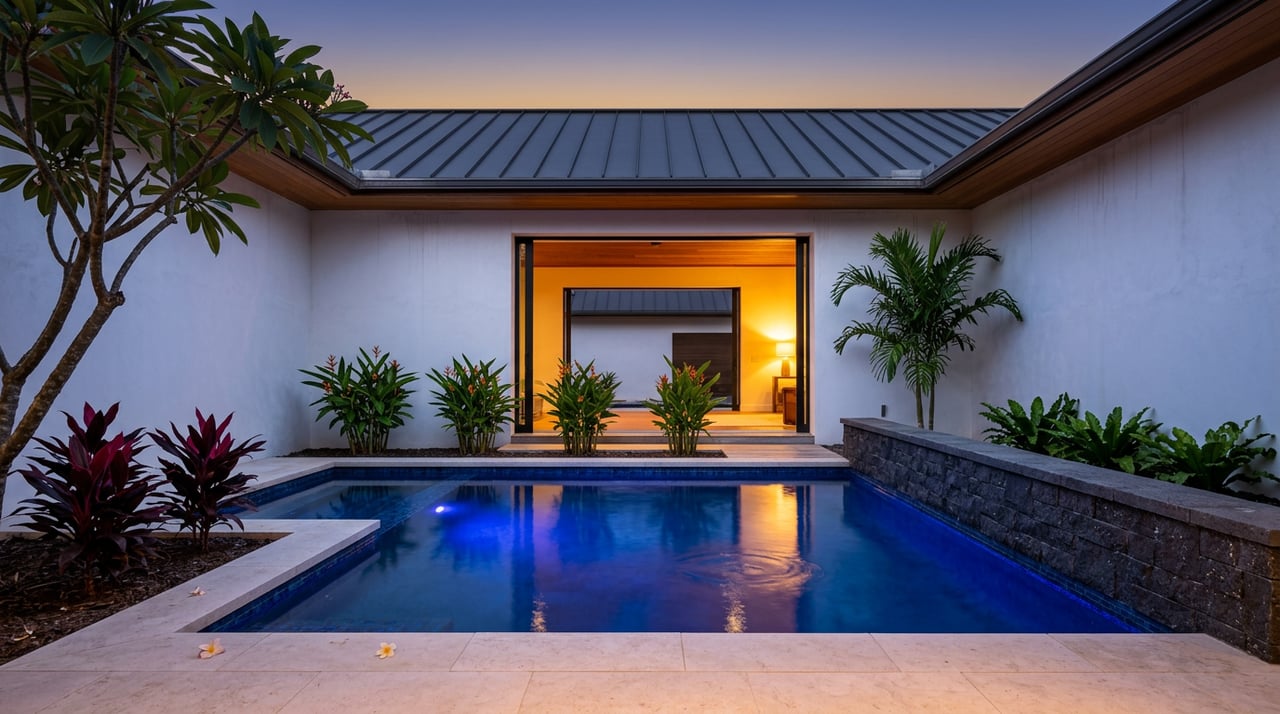
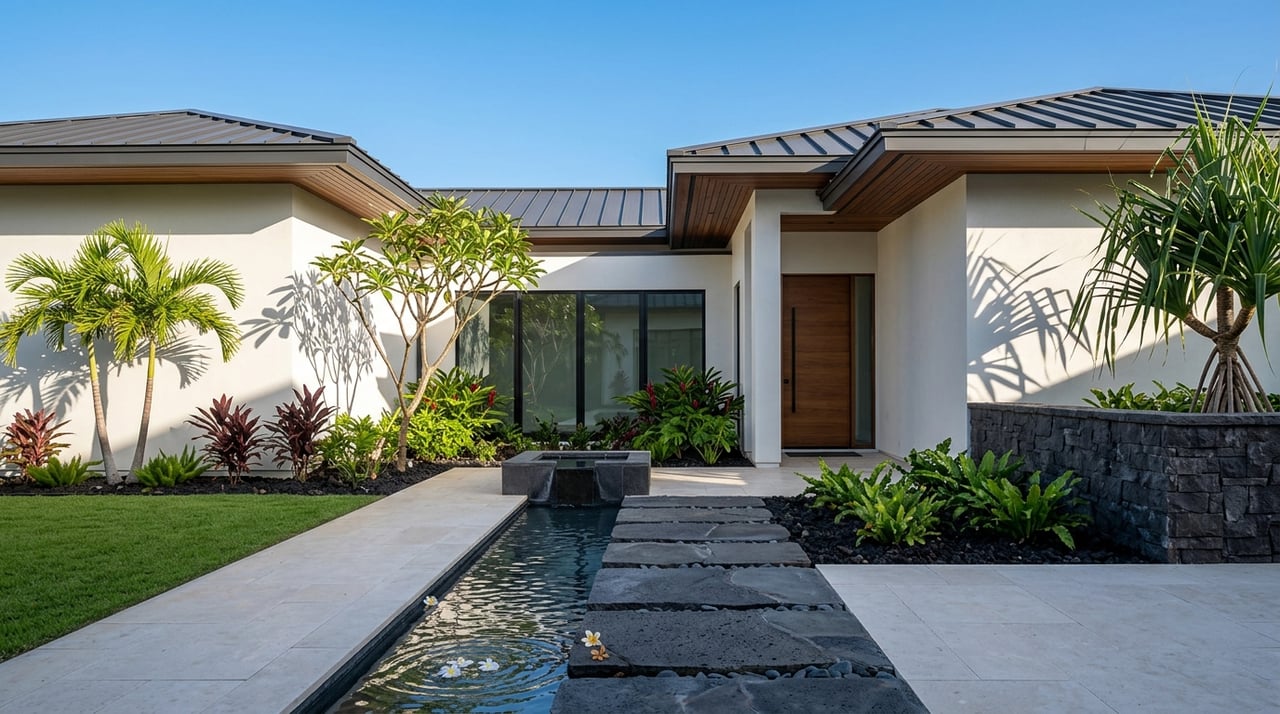
For homeowners who enjoy the ambient sounds of nature, integrating features like water fountains or sound machines with ocean or rainforest tones can enhance the calming atmosphere. When done with intention, sound becomes a design element that reinforces relaxation and contributes meaningfully to how to design a sleep-friendly home.
For homeowners who enjoy the ambient sounds of nature, integrating features like water fountains or sound machines with ocean or rainforest tones can enhance the calming atmosphere. When done with intention, sound becomes a design element that reinforces relaxation and contributes meaningfully to how to design a sleep-friendly home.
Choosing Sleep-Supportive Materials
Materials used in the bedroom also play a significant role in sleep quality. Mattresses, pillows, and bedding should support proper alignment, breathability, and temperature regulation. Natural fibers like organic cotton, linen, and bamboo are ideal in a Hawaiian climate due to their cooling properties and moisture-wicking abilities.
Beyond textiles, wall and floor finishes can also affect the sensory experience of a room. Low-VOC paints, natural wood flooring, and non-toxic materials contribute to indoor air quality and overall comfort. For those designing or renovating a Kona home with wellness in mind, prioritizing clean, breathable, and eco-friendly finishes is key.
Beyond textiles, wall and floor finishes can also affect the sensory experience of a room. Low-VOC paints, natural wood flooring, and non-toxic materials contribute to indoor air quality and overall comfort. For those designing or renovating a Kona home with wellness in mind, prioritizing clean, breathable, and eco-friendly finishes is key.
Color Psychology and Mood
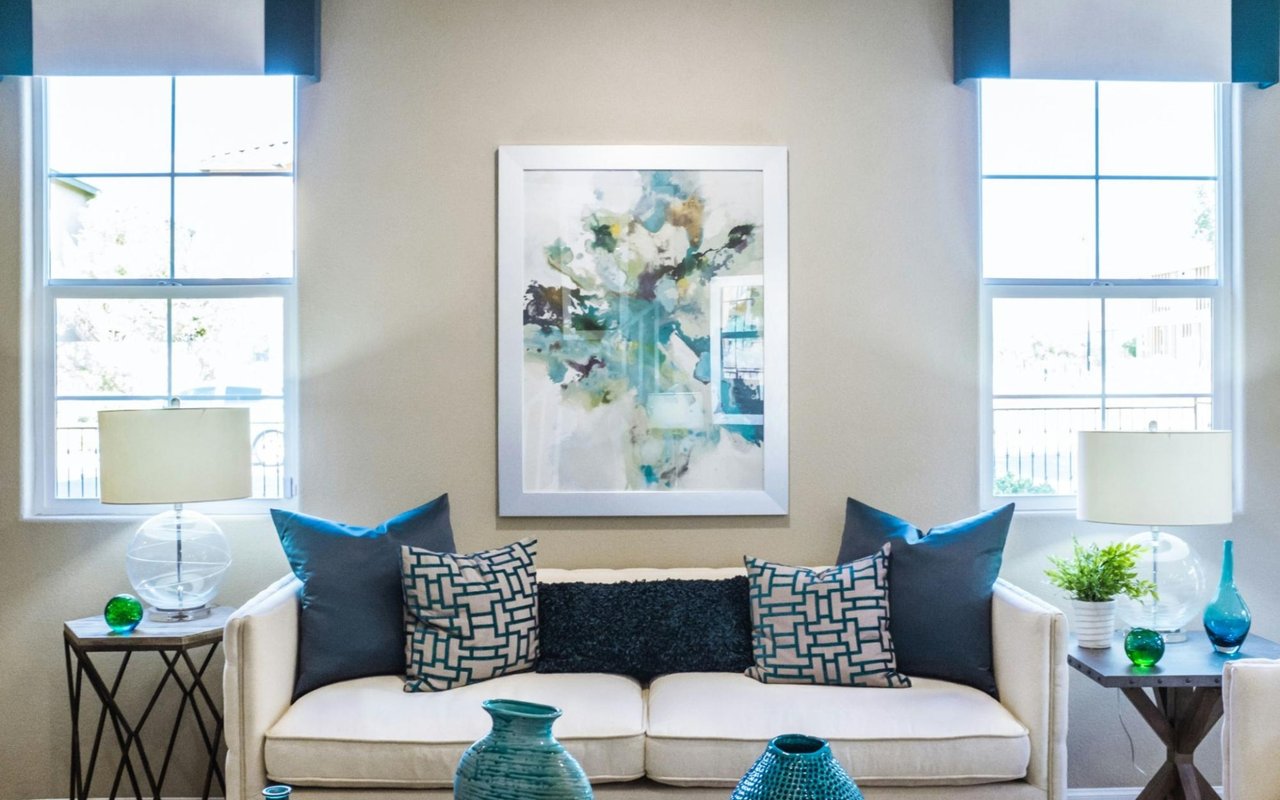
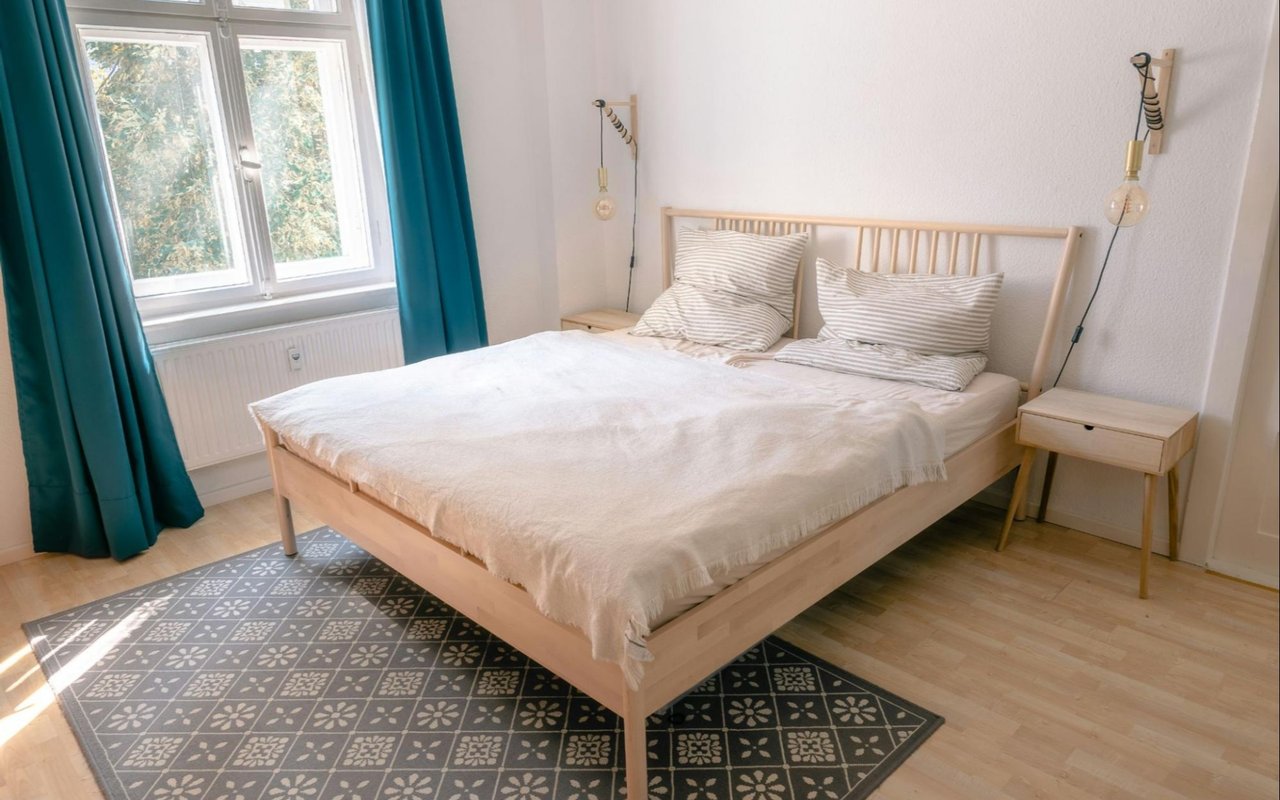
Color is another powerful design element that influences emotional response and relaxation. Soft, muted tones like blues, greens, and warm neutrals tend to create a calming effect, while bold or saturated colors can be stimulating. In bedrooms, sticking with subdued palettes encourages mental quiet and promotes rest.
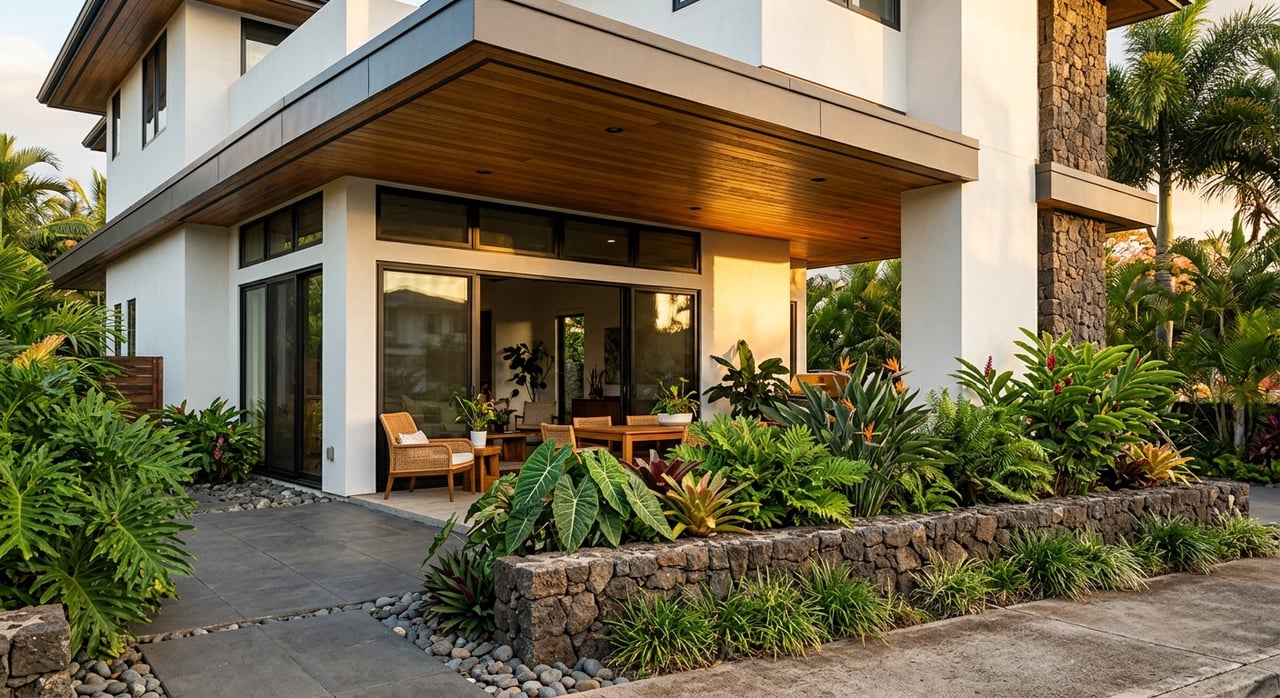
Incorporating natural textures such as wood, rattan, or stone—common in many Hawaiian design schemes—also helps ground the space and connect it to the surrounding landscape. This sense of harmony can be an important part of how the home feels when it’s time to unwind, supporting the overall goal of designing a sleep-friendly retreat.
Incorporating natural textures such as wood, rattan, or stone—common in many Hawaiian design schemes—also helps ground the space and connect it to the surrounding landscape. This sense of harmony can be an important part of how the home feels when it’s time to unwind, supporting the overall goal of designing a sleep-friendly retreat.
Decluttering and Simplicity
A cluttered space can subconsciously contribute to stress and anxiety, making it harder to fall asleep or stay asleep. Storage solutions such as built-in closets, under-bed drawers, or minimalist furniture can keep the bedroom tidy and distraction-free. When considering how to design a sleep-friendly home, simplicity in décor, layout, and function is often more effective than ornate or overly personalized design.
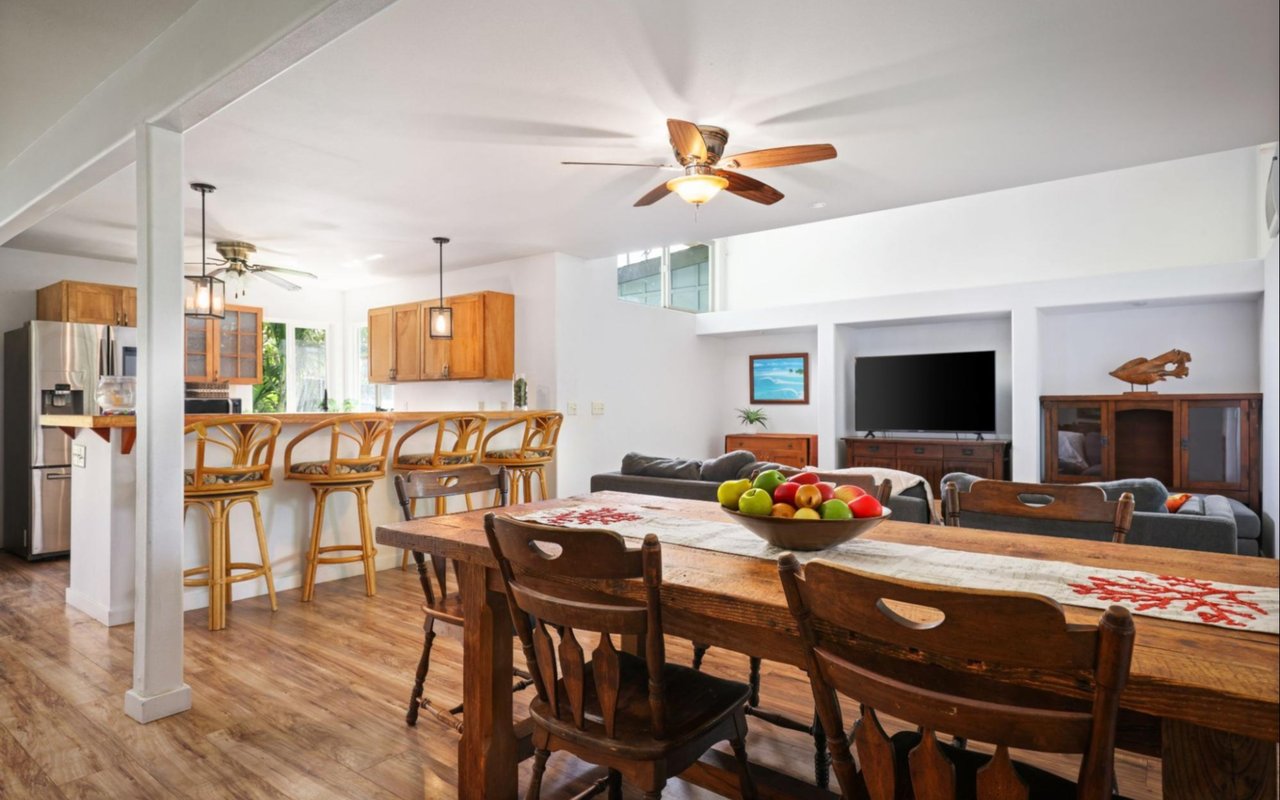
Creating dedicated zones within the home for entertainment, work, and activity ensures that the bedroom remains focused solely on rest. In many Kona homes, this is easily achievable thanks to spacious floor plans and separate living areas. Preserving the bedroom as a serene, technology-free sanctuary supports better sleep hygiene and allows the mind to relax more easily.
Creating dedicated zones within the home for entertainment, work, and activity ensures that the bedroom remains focused solely on rest. In many Kona homes, this is easily achievable thanks to spacious floor plans and separate living areas. Preserving the bedroom as a serene, technology-free sanctuary supports better sleep hygiene and allows the mind to relax more easily.
Embracing the Kona Lifestyle
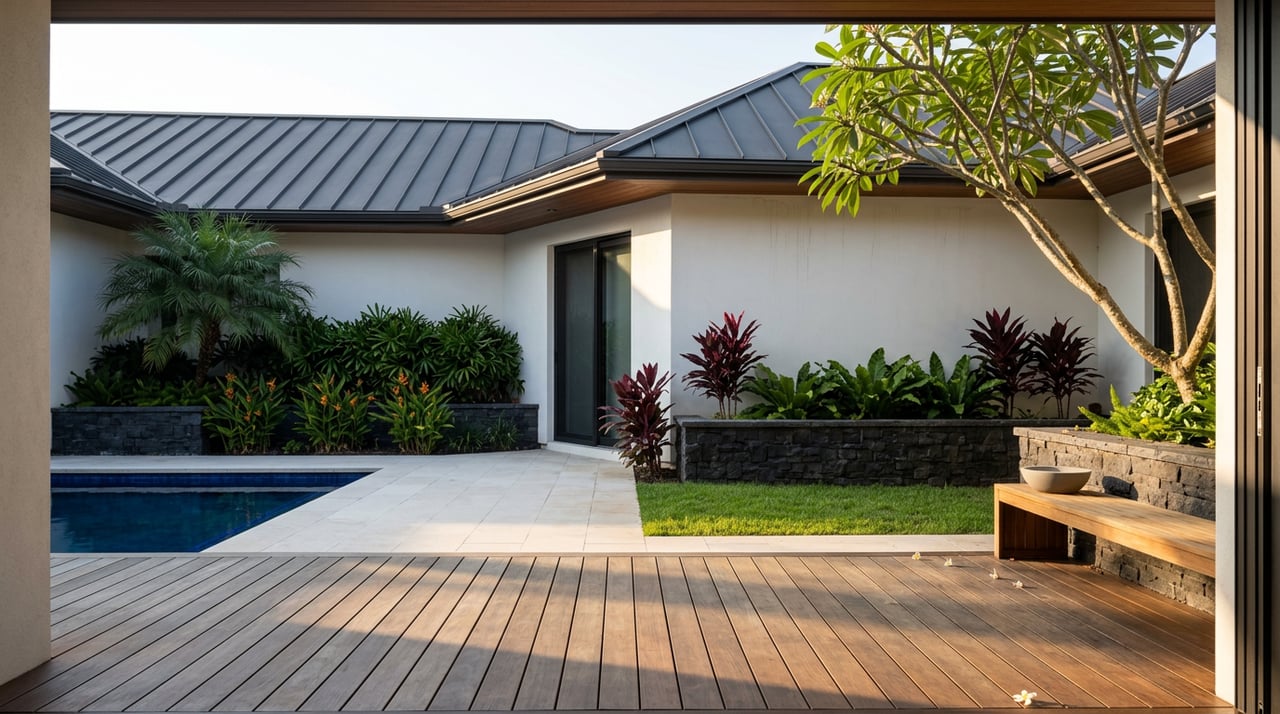
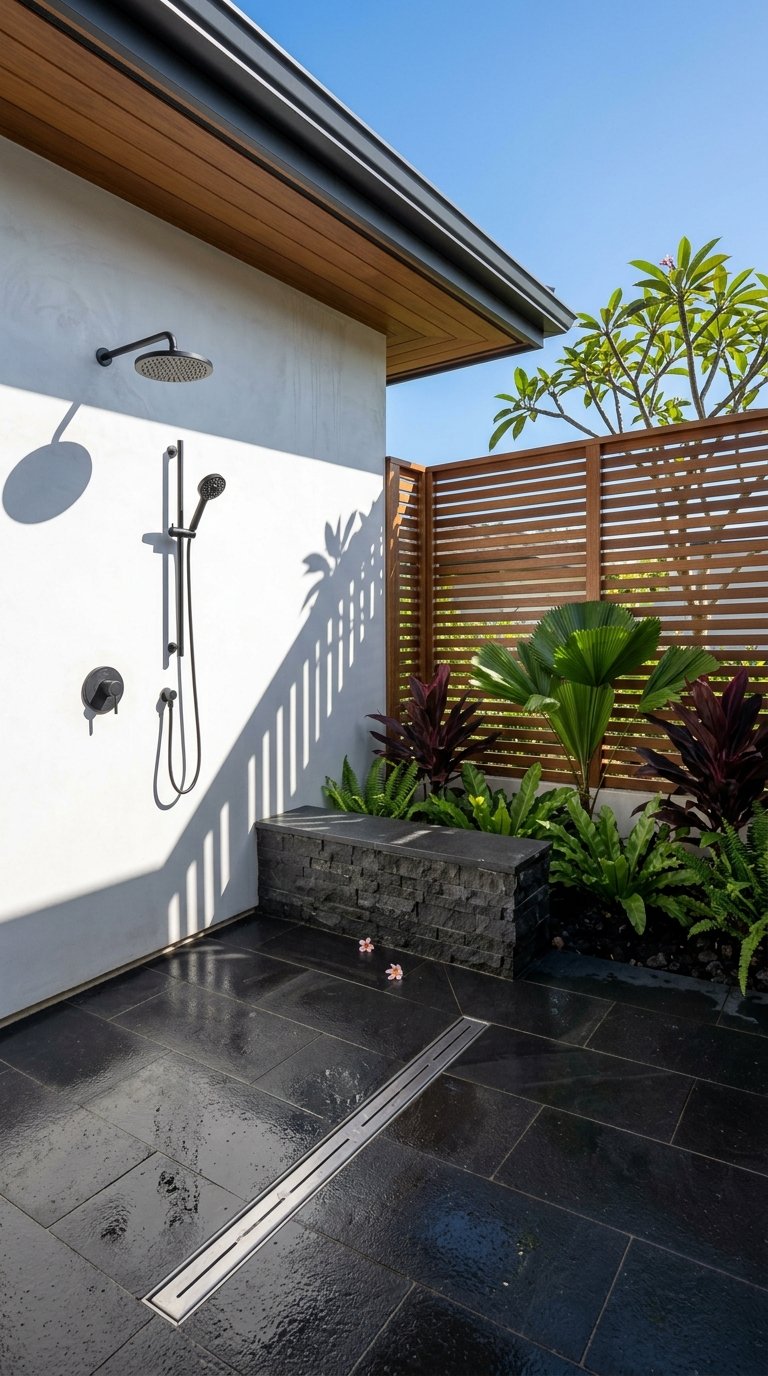
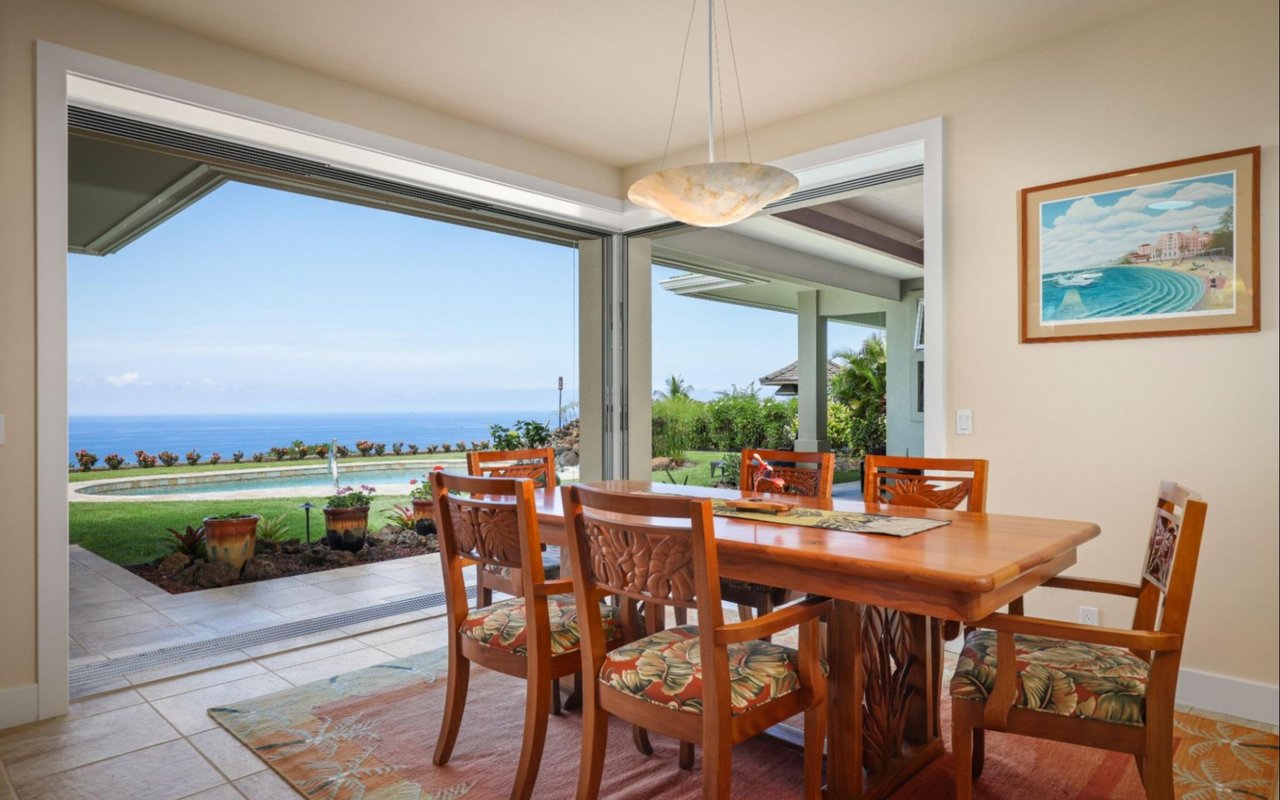
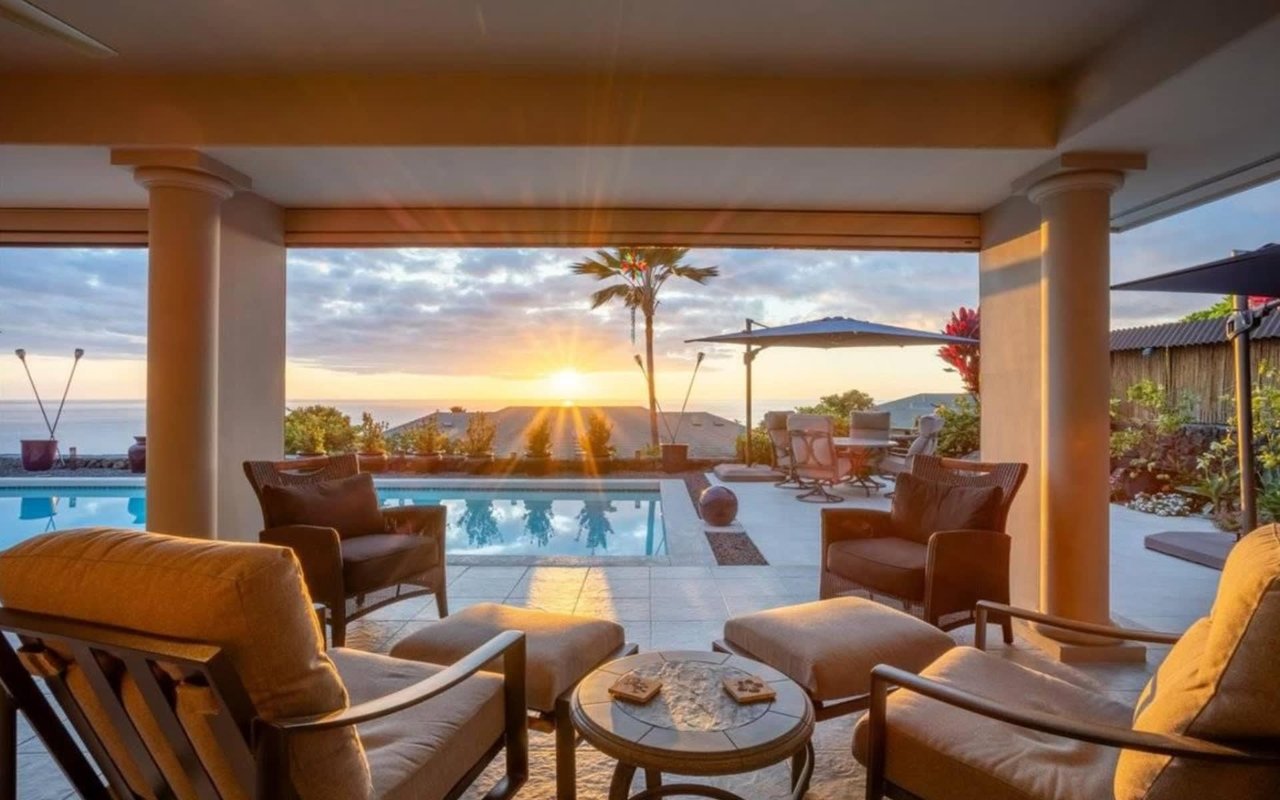
Kona’s climate and natural surroundings offer distinct advantages when it comes to creating a restful home. By integrating indoor and outdoor living, homeowners can enjoy the benefits of morning sunlight, afternoon breezes, and evening stargazing—all of which align with healthy sleep rhythms. Outdoor showers, meditation gardens, and lanais with lounge seating extend the sense of relaxation beyond the bedroom, contributing to an overall lifestyle of wellness and restoration.
Still, even in a location as idyllic as Hawaii, it takes deliberate design choices to ensure a home truly supports sleep. For those seeking to create a personal haven that nurtures health and well-being, understanding how to design a sleep-friendly home is a meaningful step toward a better quality of life.
Still, even in a location as idyllic as Hawaii, it takes deliberate design choices to ensure a home truly supports sleep. For those seeking to create a personal haven that nurtures health and well-being, understanding how to design a sleep-friendly home is a meaningful step toward a better quality of life.
Consult Kris Hazard to Find or Design a Sleep-Friendly Home in Kona
Whether you're relocating to the Big Island or upgrading your current residence, the right home environment can have a lasting impact on your wellness. From site orientation and layout to lighting, materials, and design features, every element of the home contributes to your ability to rest and recharge.
Contact Kris Hazard today to explore real estate opportunities in Kona that align with your lifestyle goals. With deep local expertise and a passion for wellness-focused living, Kris can help you find or design a home that supports both comfort and rest. Begin your journey by visiting Kris Hazard and team.
Contact Kris Hazard today to explore real estate opportunities in Kona that align with your lifestyle goals. With deep local expertise and a passion for wellness-focused living, Kris can help you find or design a home that supports both comfort and rest. Begin your journey by visiting Kris Hazard and team.