Dreaming of a home surrounded by coffee trees, cooler upland air, and a village rhythm that feels distinctly Big Island? Holualoa offers exactly that kind of setting, but living here is about more than a pretty backdrop. If you are considering a move, a second home, or a sale in this part of North Kona, it helps to understand how coffee-country lifestyle, local culture, and land-use rules shape daily life. Let’s dive in.
Why Holualoa Feels Different
Holualoa is a small census-designated place in North Kona with 2,994 residents and 1,125 households, according to the 2020 Census. That smaller scale helps explain why the area often feels more like a hillside village than a typical town center.
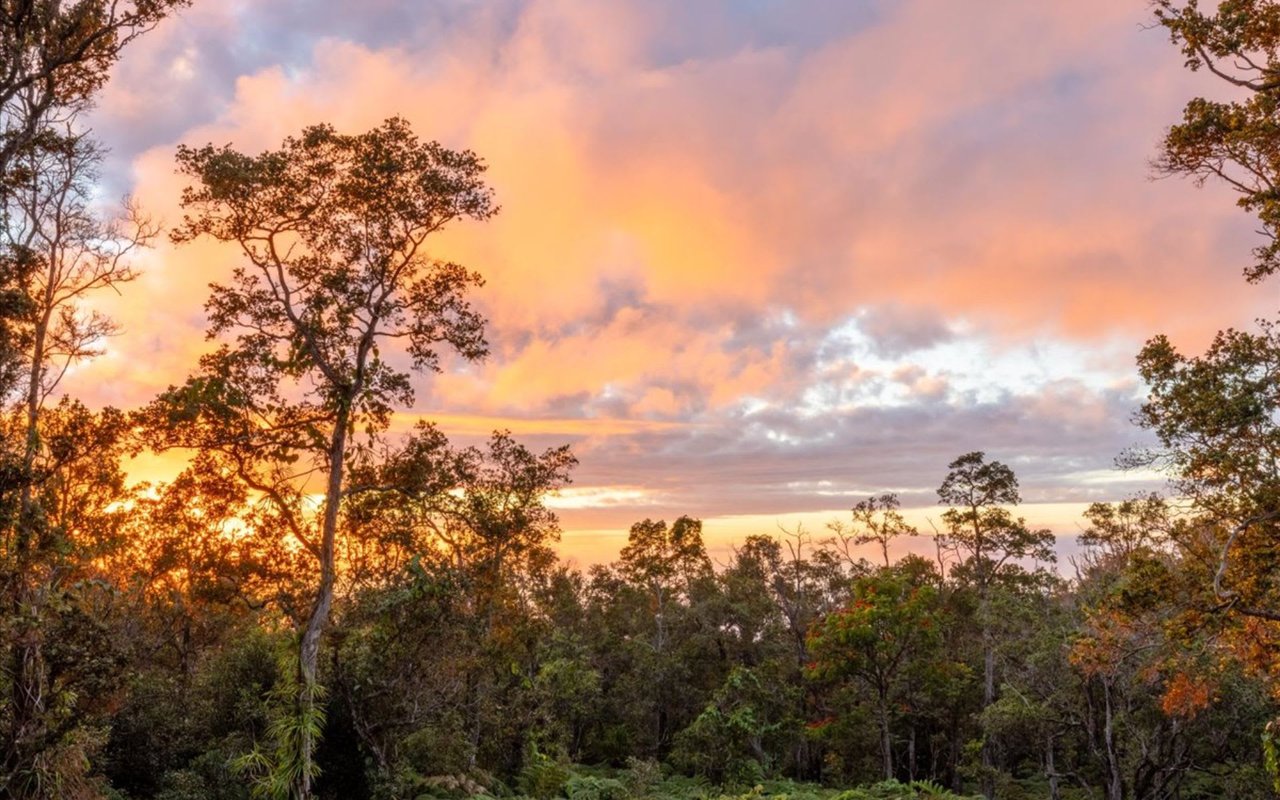
Local community materials describe Holualoa as a place of art, culture, and history in the heart of Kona’s coffee country. The slopes of Mt. Hualālai around the village are home to dozens of small farms, which gives the area its working-landscape character and a strong sense of place.
The Coffee-Farm Setting
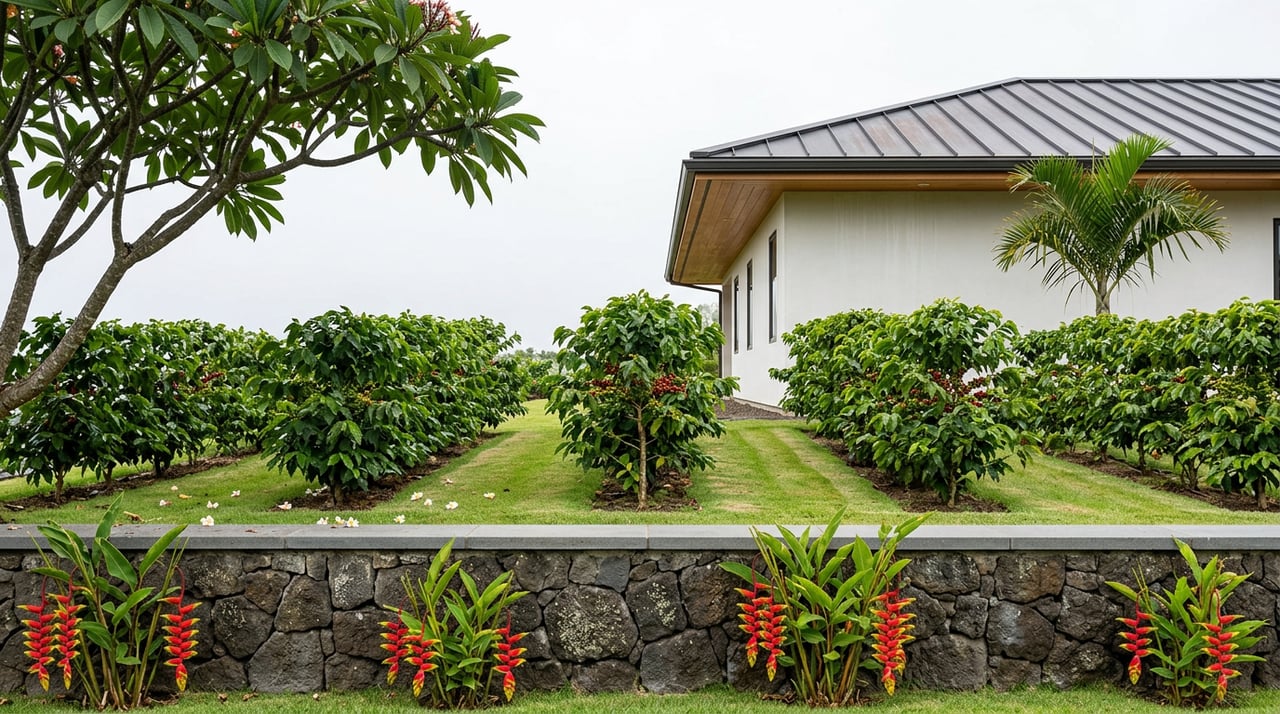
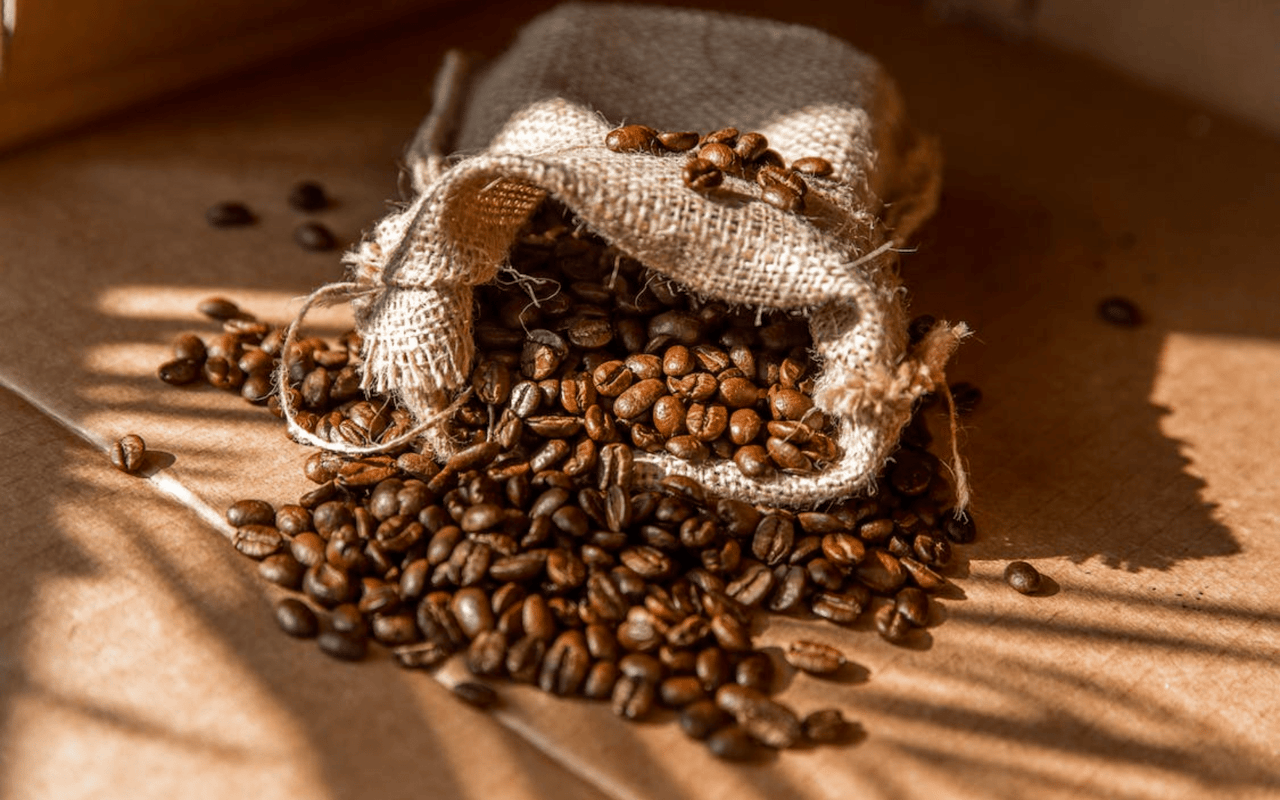
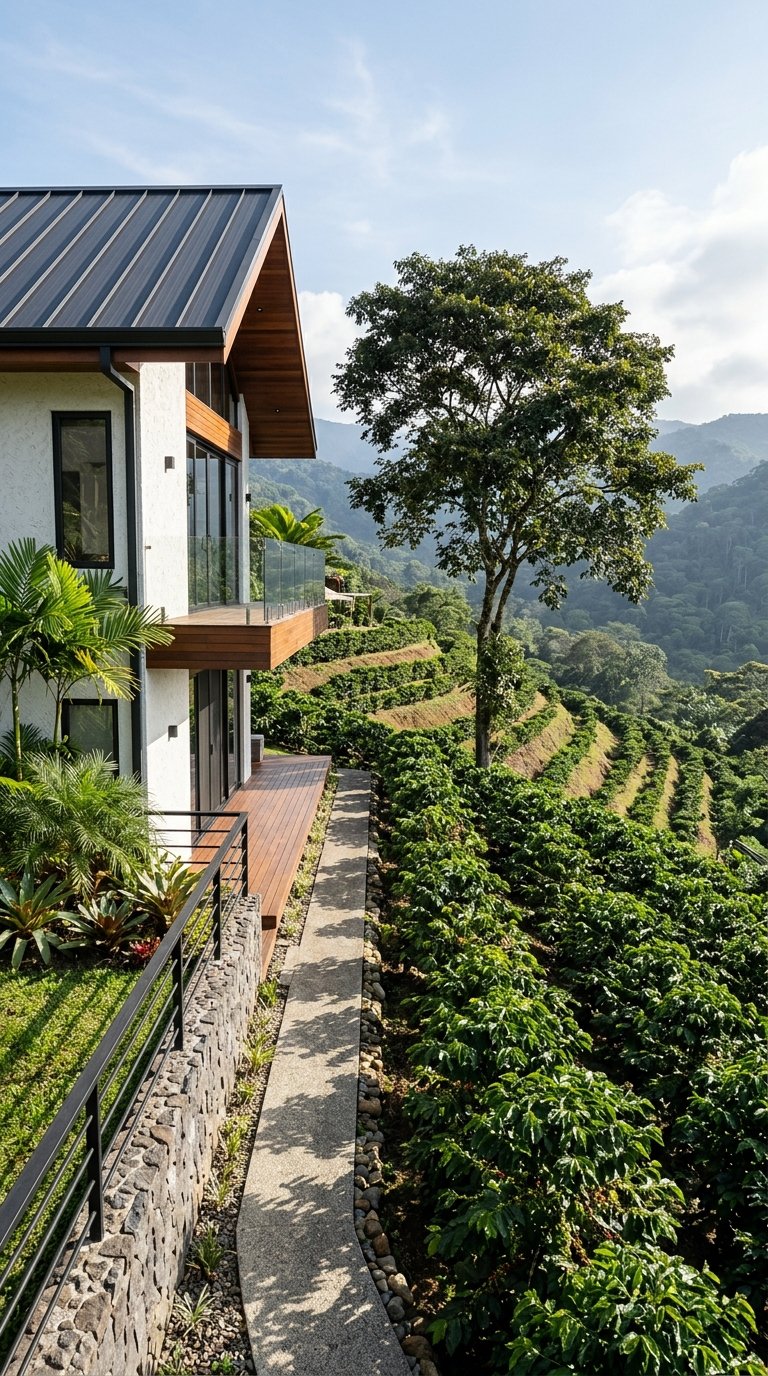
One of Holualoa’s biggest draws is its coffee-belt environment. You are not just near coffee farms here. In many parts of the area, they are part of the everyday scenery and the broader identity of the community.
The landscape is shaped by upland slopes, volcanic soils, and an agricultural pattern that feels very different from coastal resort areas or denser residential neighborhoods. USDA Agricultural Research Service materials note that Hawaiʻi’s climate and volcanic soils make it an ideal place for coffee and macadamia nut production.
That agricultural backdrop matters when you are thinking about lifestyle. In Holualoa, views, privacy, and land use often connect directly to the working character of the land around you.
What the Microclimate Means for Daily Life
Holualoa’s weather is part of its appeal. NOAA’s Kona precipitation study explains that the Kona Coast is sheltered by Mauna Loa and Hualālai, and daytime upslope winds can trigger afternoon convective rainfall at middle elevations during summer.
In practical terms, that means Holualoa can feel cooler and greener than lower coastal areas, with weather that shifts based on elevation and time of day. If you love the idea of an upcountry feel in Kona, this pattern is part of what creates it.
For many buyers, this is a major quality-of-life benefit. It can shape everything from how a property feels in the afternoon to the kind of landscape and outdoor routine you may enjoy year-round.
Village Life Beyond the Farms
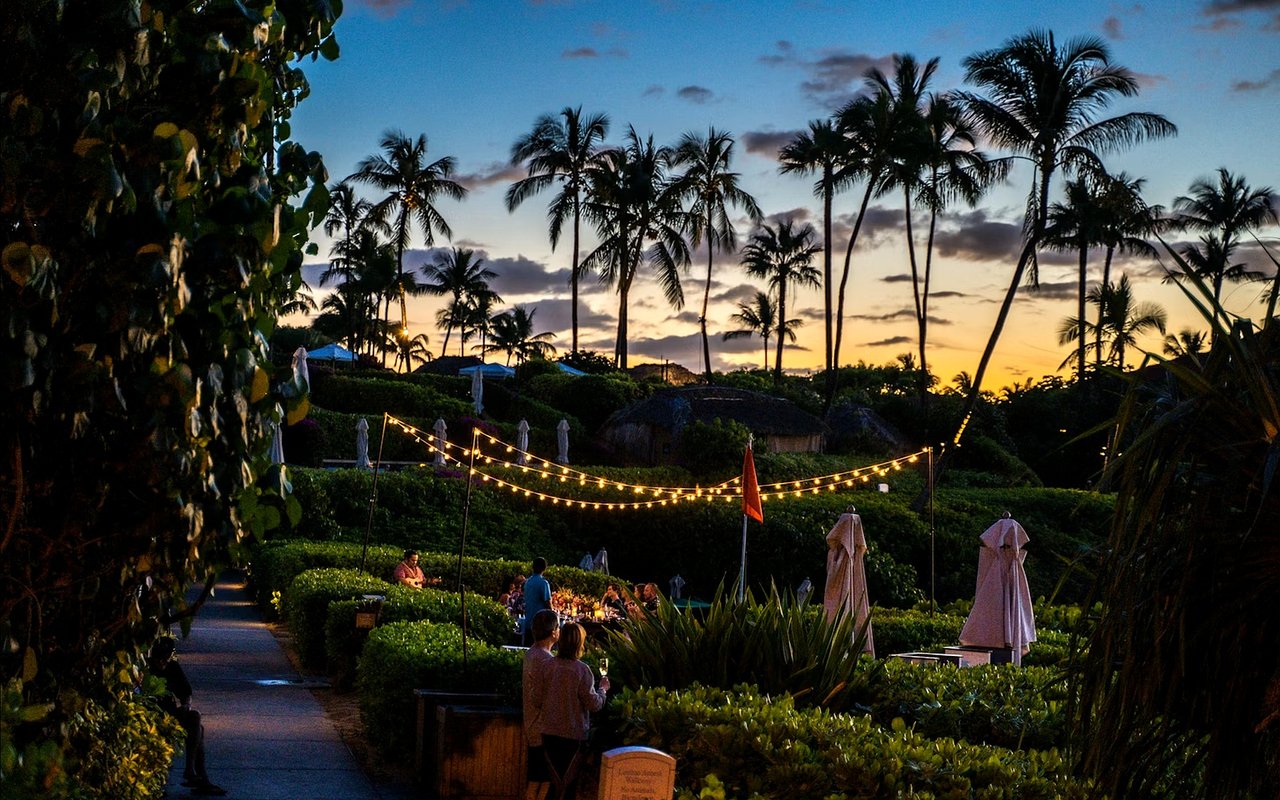
A common misconception is that Holualoa is nothing but coffee farms. In reality, the village core has a distinct cultural identity, with galleries, shops, restaurants, and recurring community events.
Holualoa Village Ohana describes the area as home to more than a dozen art galleries, shops, and restaurants. It also highlights events like First Friday Art After Dark, the annual Coffee & Art Stroll, and the Music & Light Festival.
That mix gives Holualoa a rhythm that feels both creative and grounded. You can enjoy a rural hillside setting while still being connected to a local gathering place with art, food, and community activity.
Connected, Yet Upcountry
Another reason Holualoa stands out is location. Local community materials note that the village is within about 20 minutes or less of most places in the Kona District.
That balance is important if you want an upcountry setting without feeling isolated. You get a more tucked-away atmosphere, but you are still connected to the broader North Kona area.
For second-home buyers and relocating buyers, this can be especially appealing. Holualoa offers a lifestyle that feels removed from busier areas while remaining tied to everyday services, activities, and the larger Kona community.
What Homes in Holualoa Tend to Look Like
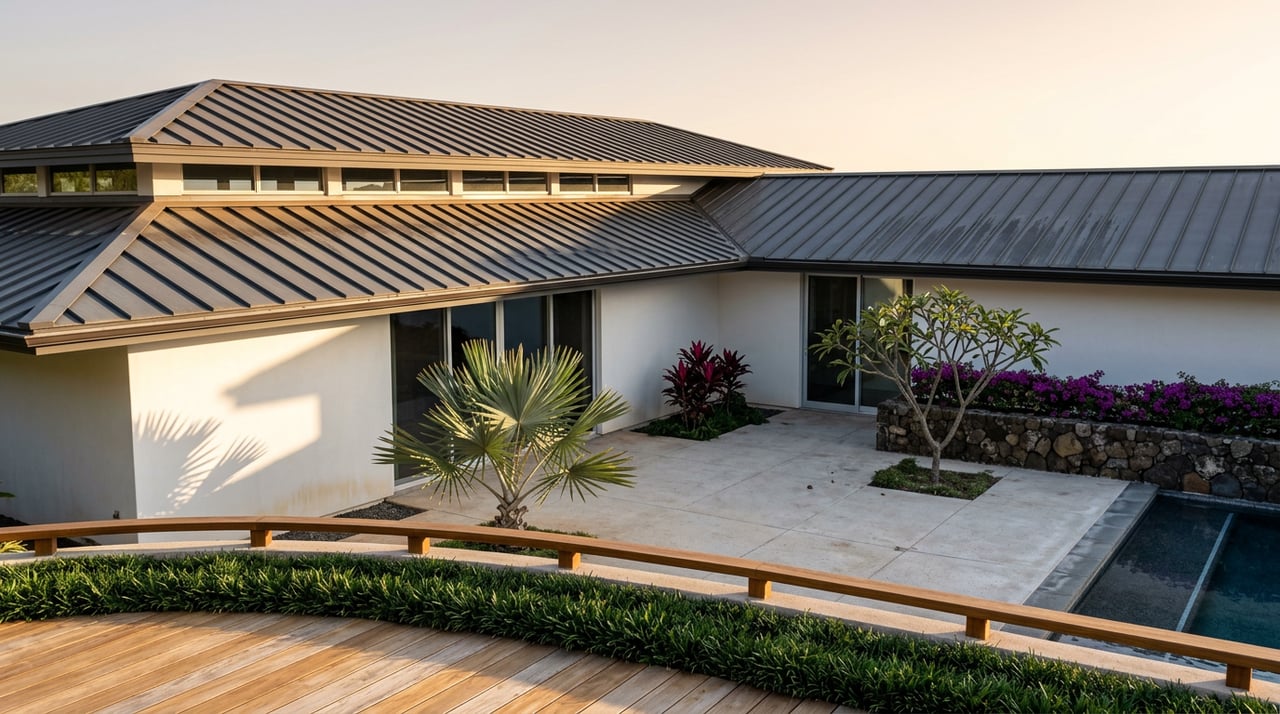
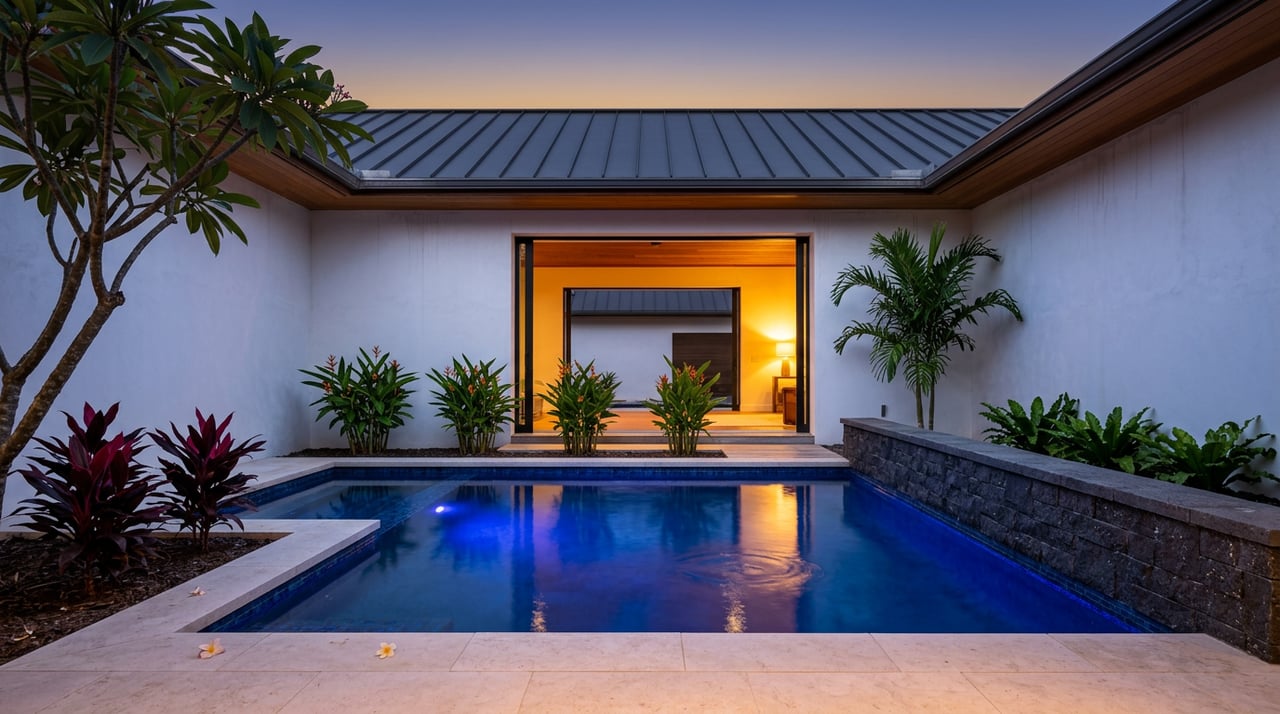
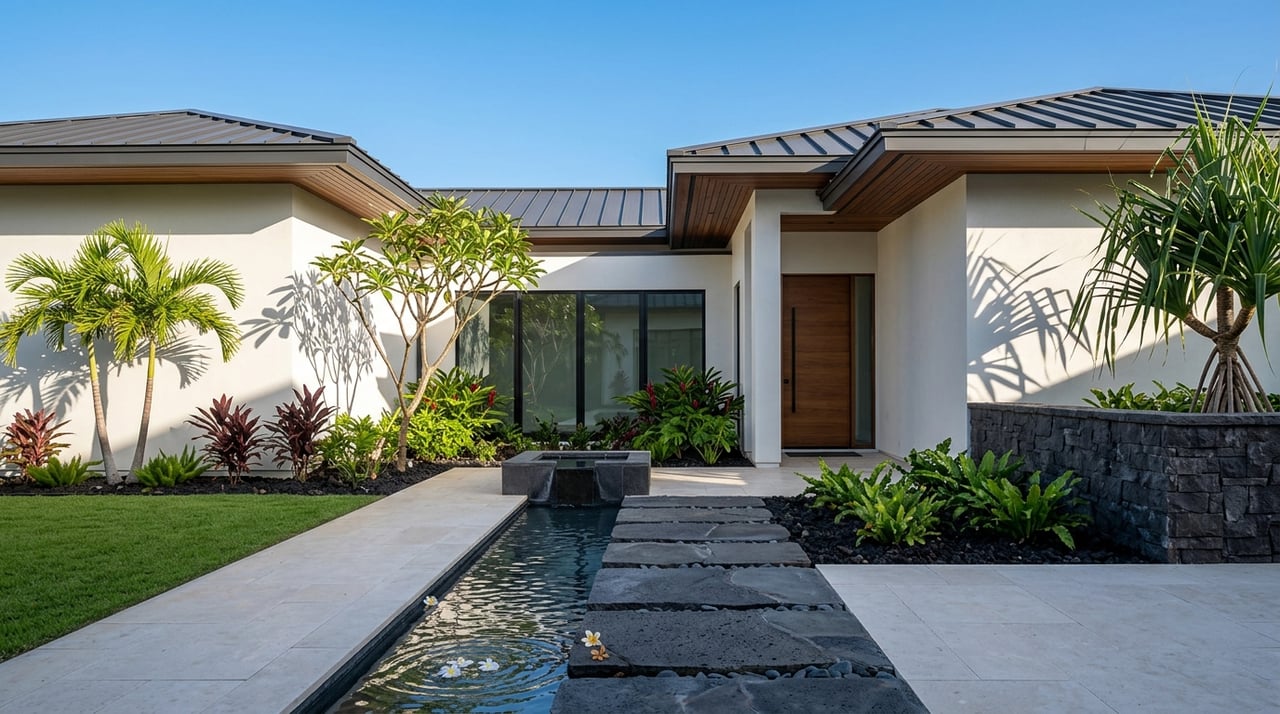
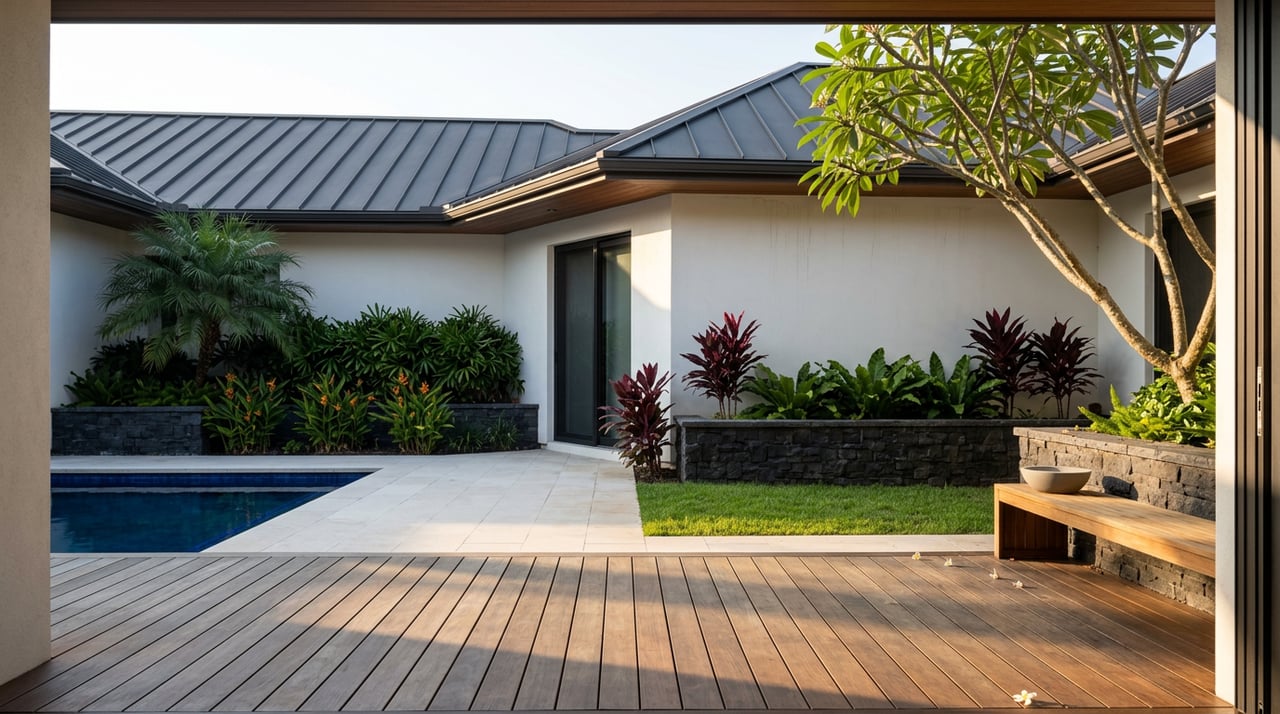
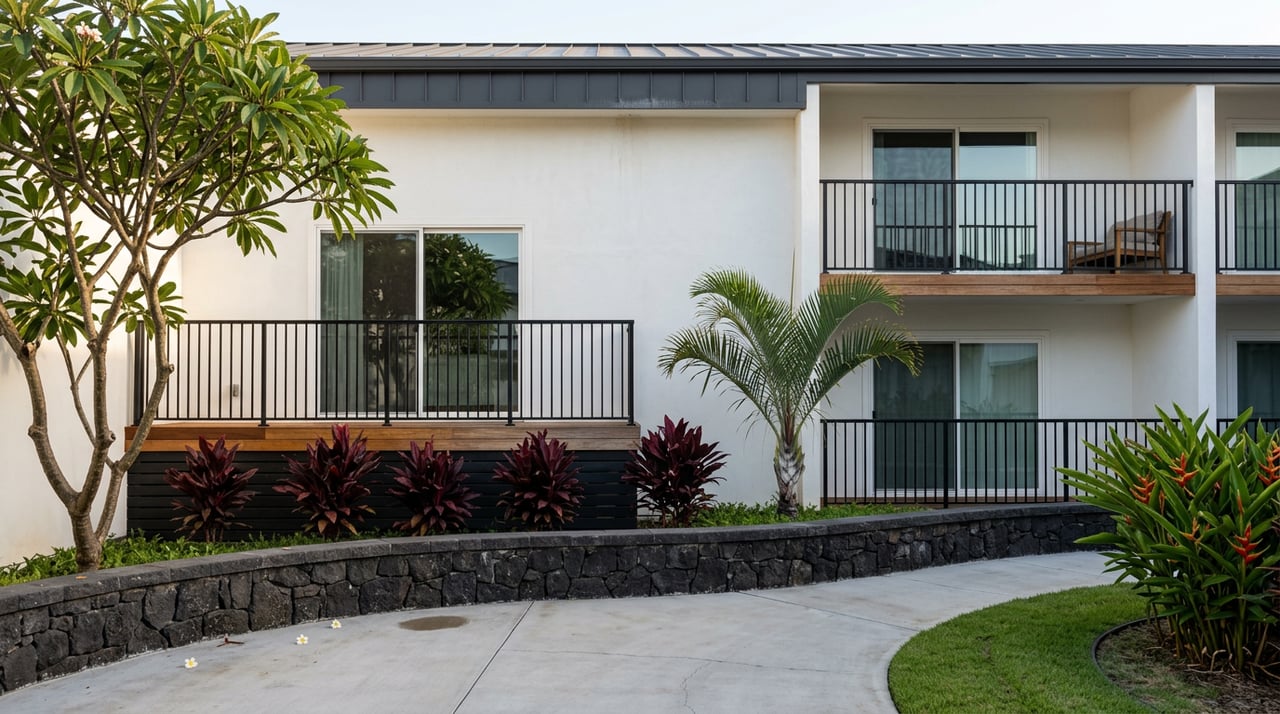
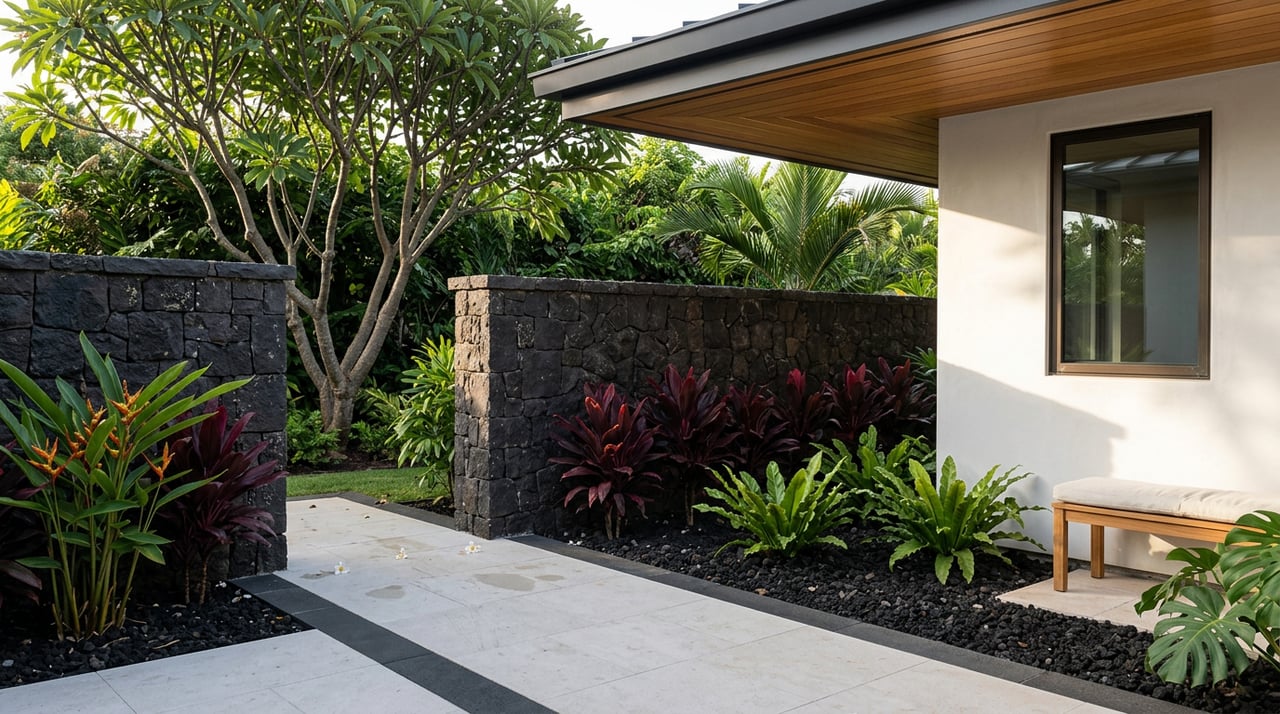
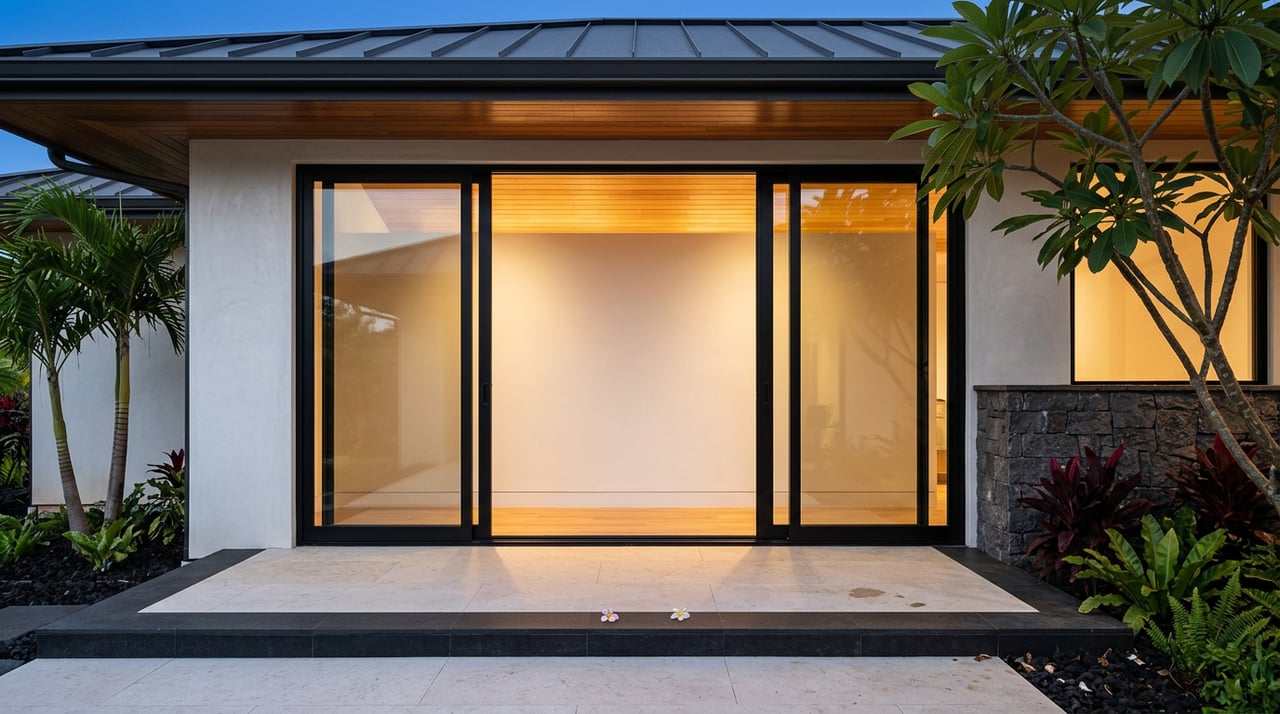
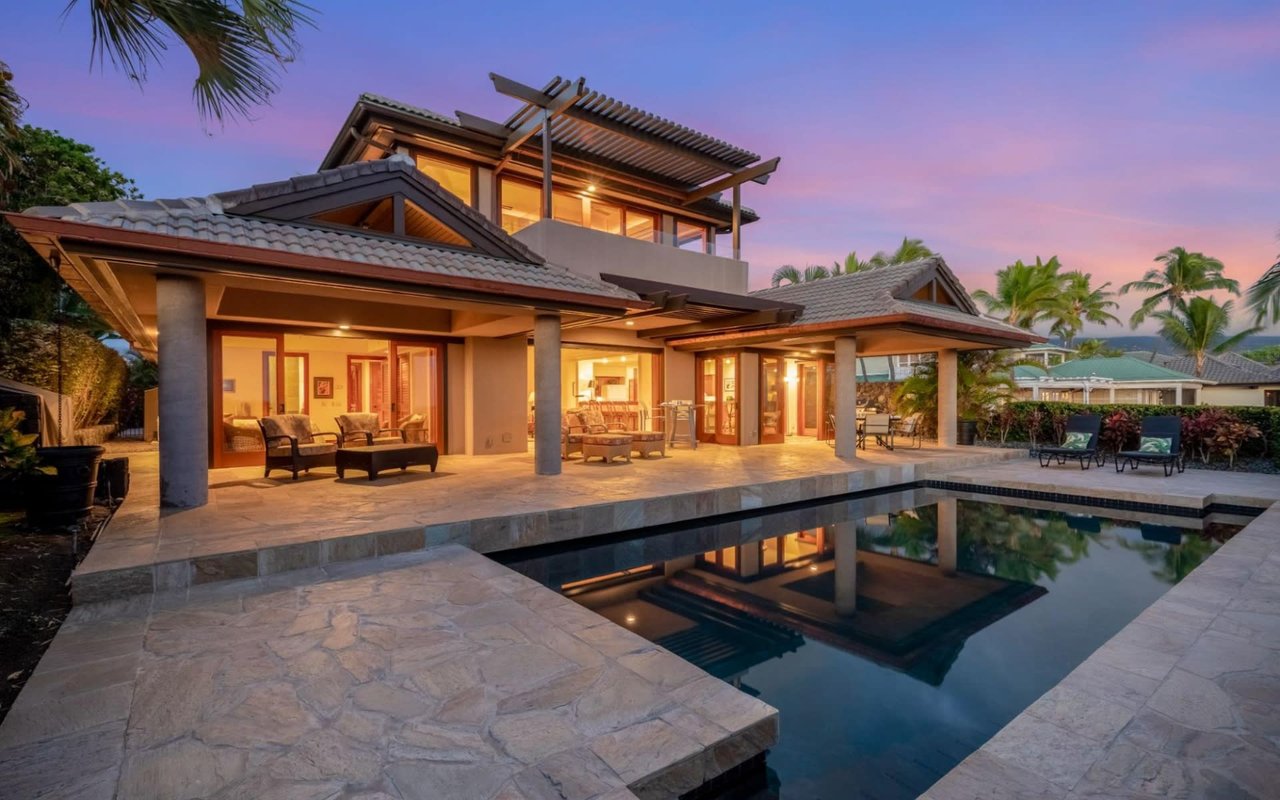
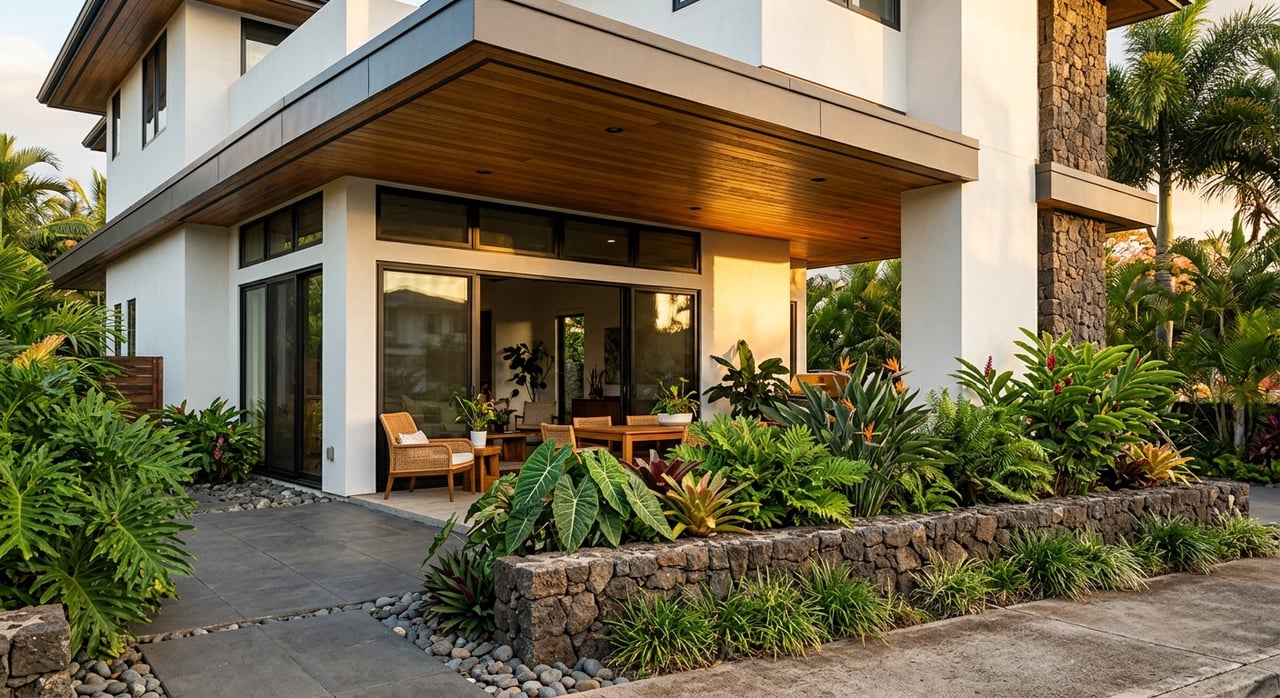
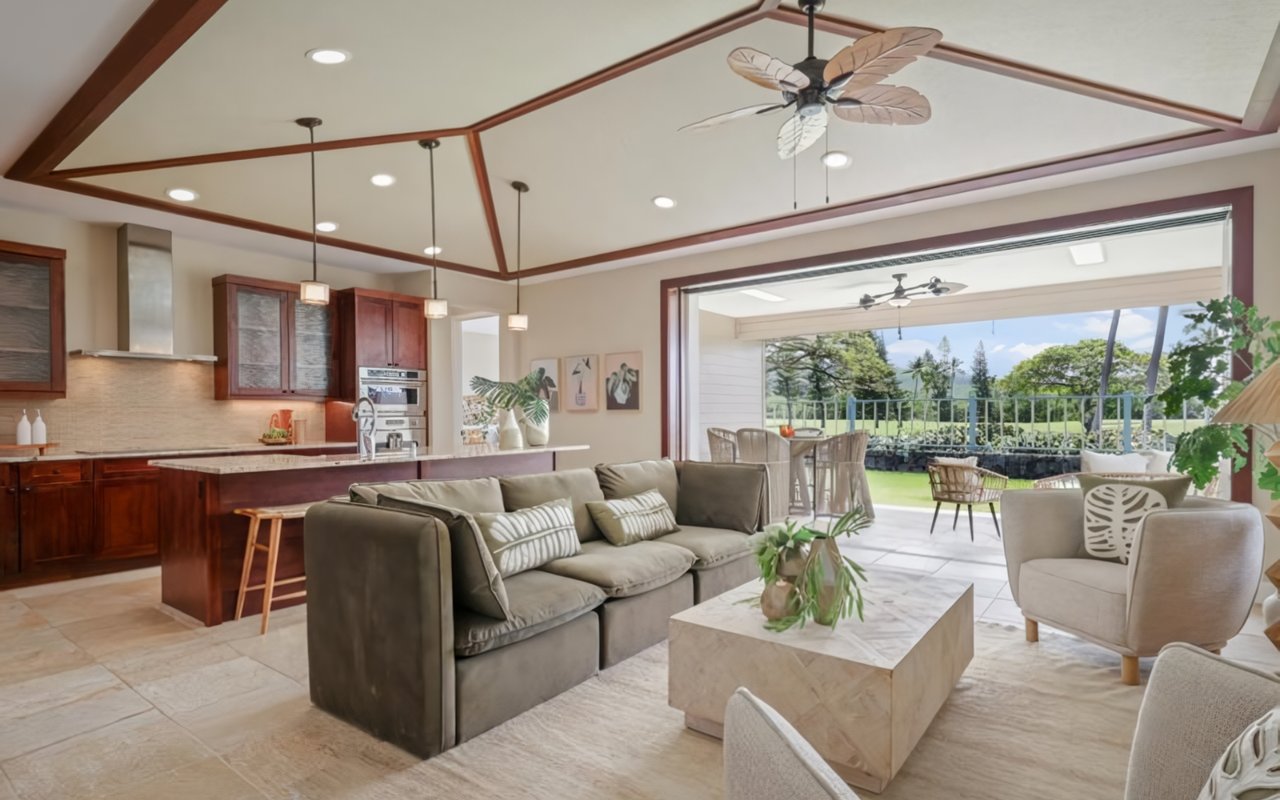
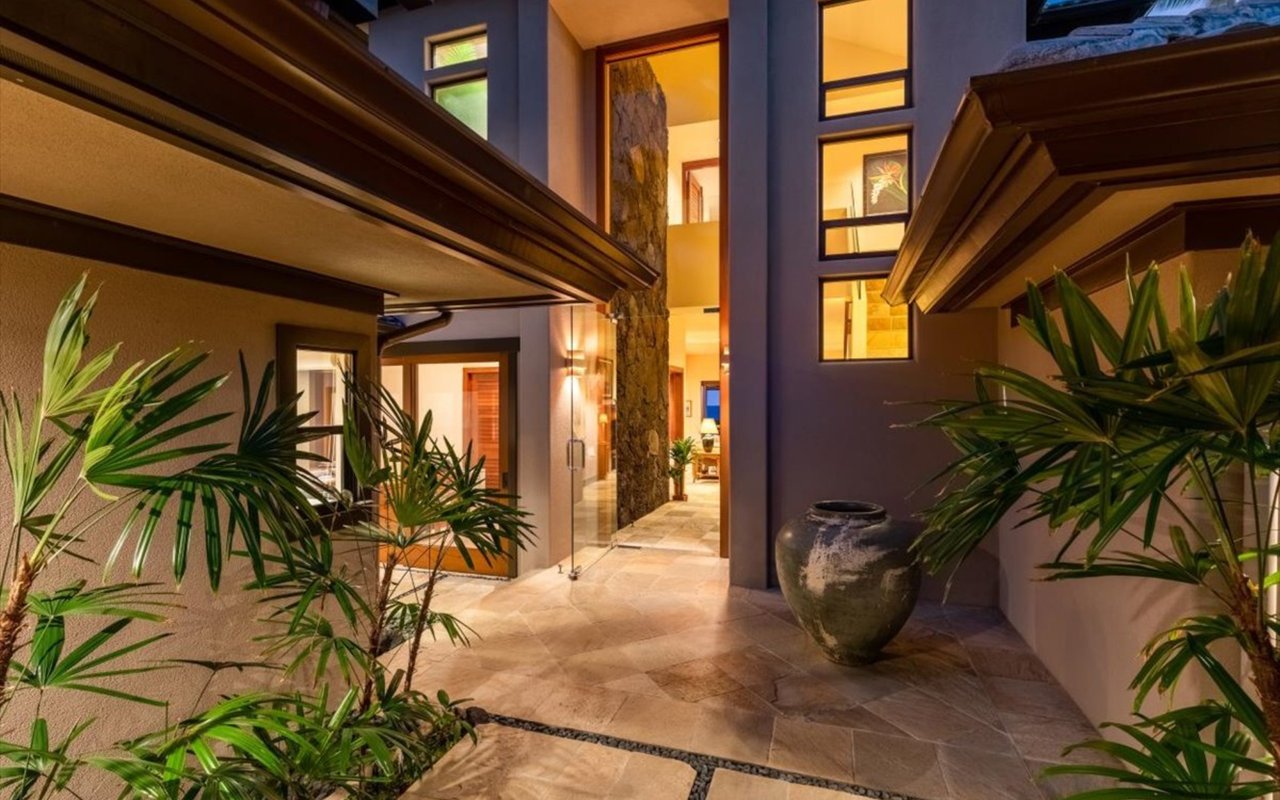
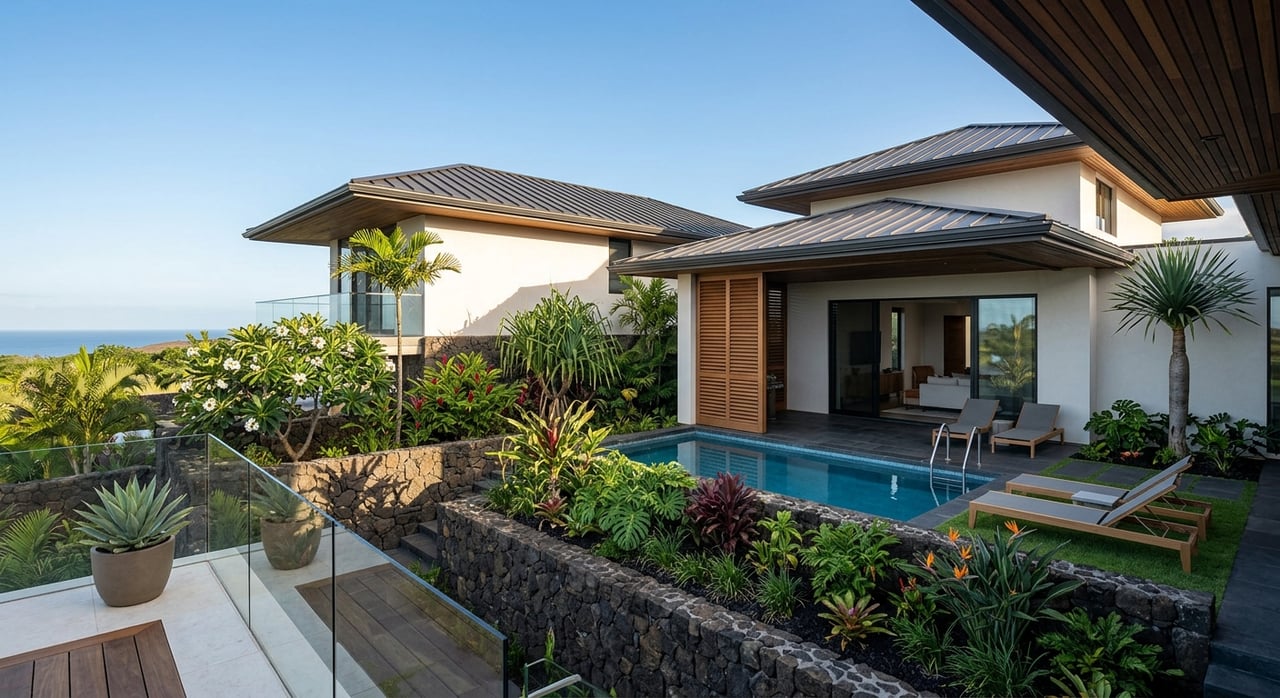
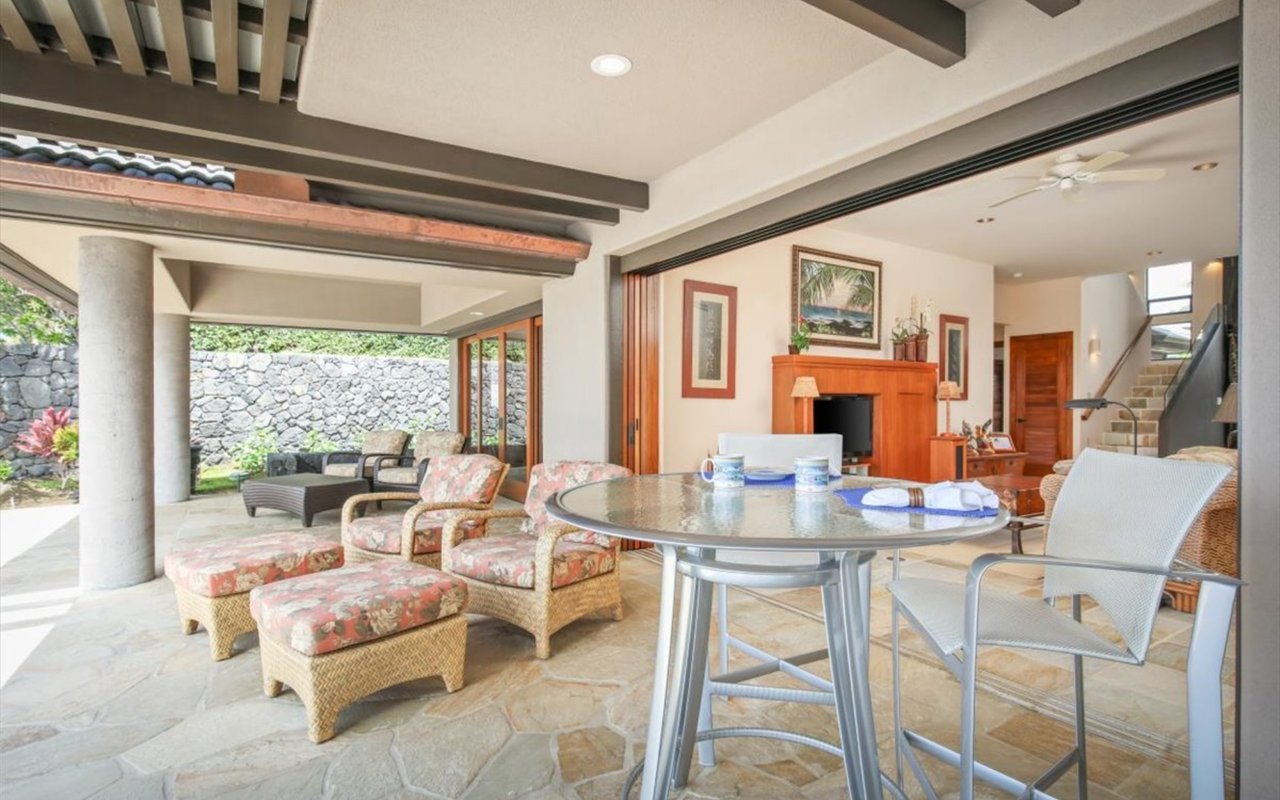
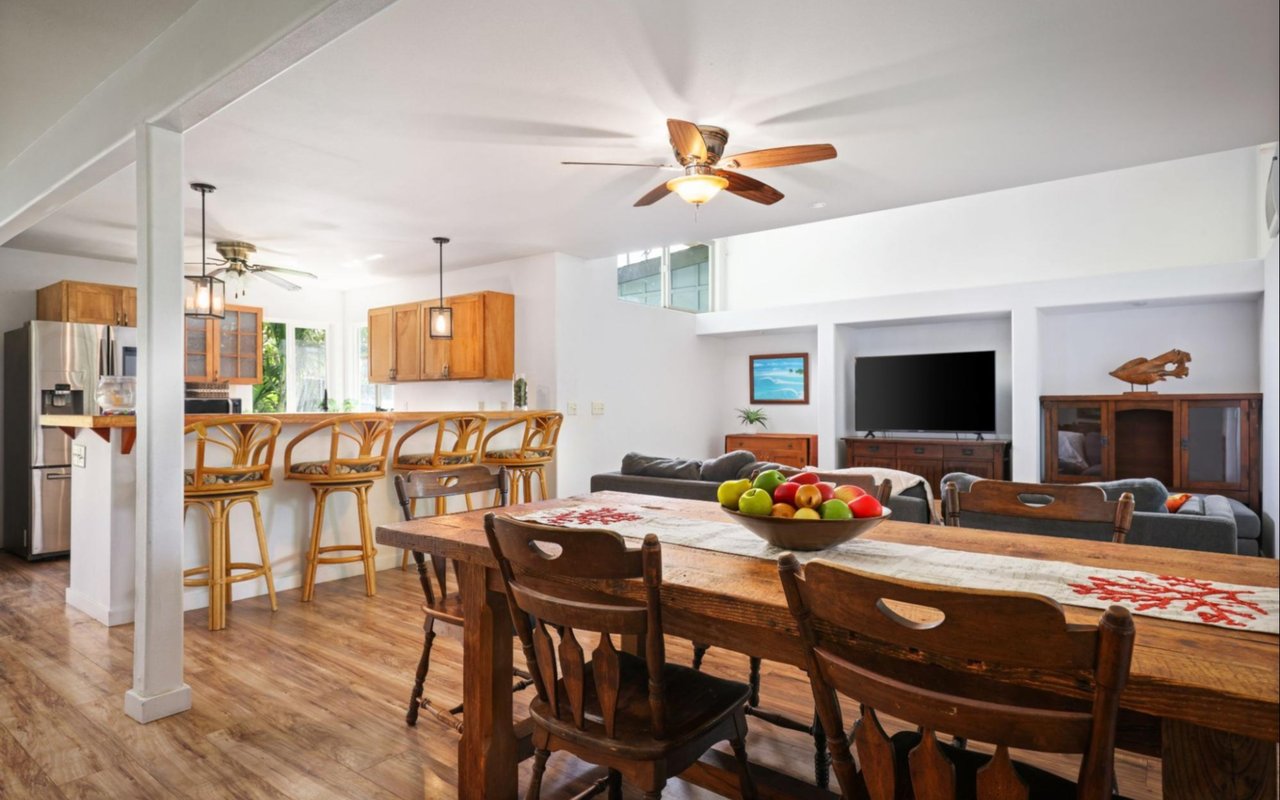
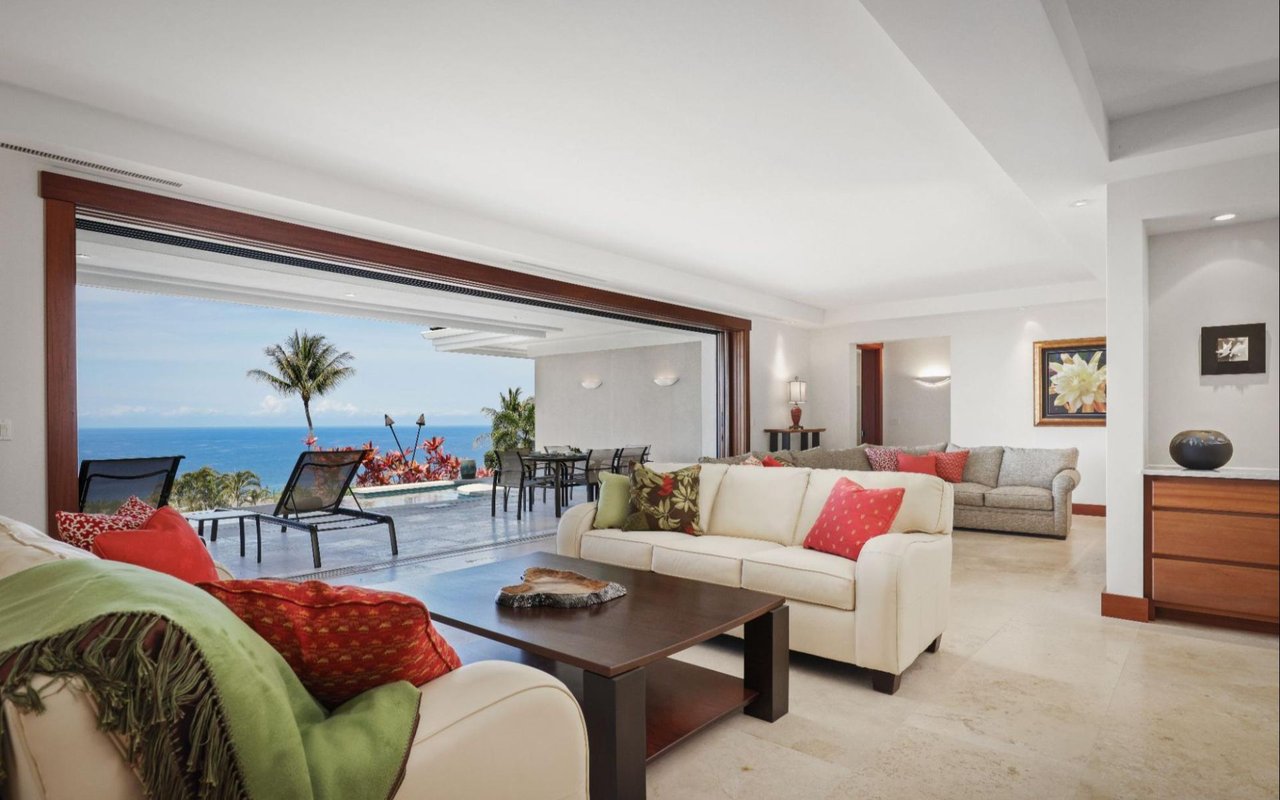
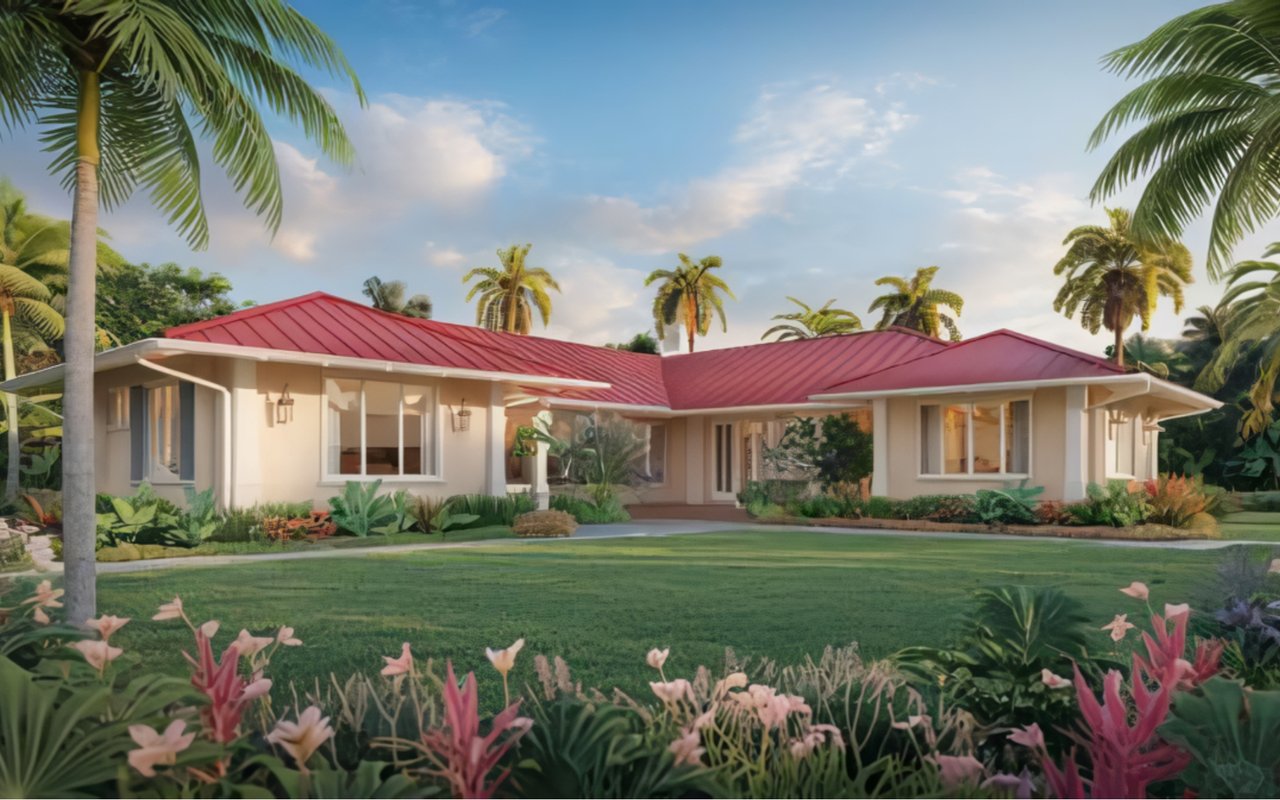
From a housing perspective, Holualoa is not defined by condo clusters or large master-planned subdivisions. The area is better understood as a mix of hillside single-family homes, farm dwellings, and acreage parcels.
That variety is part of the appeal, but it also means each property can be very different from the next. Two homes in the same general area may have very different land-use conditions, lot sizes, or allowed uses.
If you are shopping here, it helps to think in terms of parcel-specific opportunities rather than assuming a uniform neighborhood pattern. In Holualoa, the details of the property matter just as much as the location.
Why Zoning Matters So Much
In Holualoa, lifestyle and land use are closely linked. Hawaiʻi County explains that land use is governed through a layered system that includes state land use classifications, county zoning districts, and the General Plan.
The county zoning code sets out permitted uses, setbacks, height limits, and other development constraints. This is one reason Holualoa often retains its agricultural character rather than shifting toward urban density.
For buyers, this means you should not make assumptions about what can be built, added, or operated on a parcel. For sellers, it means accurate property positioning is essential when bringing a home or land listing to market.
Understanding Agricultural Parcels
County planning information offers an important example of how this works. In Hawaiʻi County’s A district, the minimum building site area is five acres, and one single-family dwelling or one farm dwelling is allowed on each building site.
Additional farm dwellings require a farm-dwelling agreement and evidence of ongoing agricultural productivity. The county’s permitted-use table also shows that some agricultural parcels may allow uses such as bed-and-breakfasts, guest ranches, lodges, and agricultural tourism through the appropriate permit process.
This does not mean every parcel has the same approvals or potential. It means verification is essential before you move forward with a purchase or make plans for future use.
What Buyers Should Verify First
If you are buying in Holualoa, due diligence should start early. County planning guidance makes clear that zoning, state land use district, permit history, and approval status for any farm-related uses are key items to verify.
A good starting checklist includes:
- County zoning designation
- State land use classification
- Permit history for structures and improvements
- Whether any farm-related or visitor-related uses are actually approved for the parcel
- Any parcel-specific constraints tied to setbacks, height, or permitted uses
This kind of review is especially important for out-of-state buyers who may be comparing Holualoa to mainland rural or agricultural markets. The setting may feel relaxed, but the property analysis should be careful and specific.
Why Sellers Benefit From Local Positioning
If you own property in Holualoa, your home’s value story is often about more than square footage. Buyers are drawn to the coffee-country ambience, the cooler upland setting, the artistic village culture, and the sense of space that comes with hillside and agricultural parcels.
At the same time, buyers in this market often need clarity. A well-positioned listing should present the lifestyle honestly while also showing the practical facts that matter, such as parcel context, permitted uses, and the property’s relationship to the village and greater Kona area.
This is where local knowledge can make a real difference. In a place as nuanced as Holualoa, thoughtful marketing and accurate guidance help buyers see both the emotional appeal and the real-world considerations.
The Bigger Picture of Agriculture
Holualoa’s identity fits into a broader Hawaiʻi Island agricultural context. County agriculture data show that coffee is grown on 790 farms covering 3,800 acres across Hawaiʻi Island.
The same source reports that 62 percent of the state’s farms and ranches are located on Hawaiʻi Island, and 90 percent of those farms and ranches are under 50 acres. That helps explain why small-scale agricultural landscapes remain such a visible and authentic part of life in areas like Holualoa.
For you as a buyer or seller, this reinforces an important point. The rural feel here is not just a marketing idea. It is tied to the island’s real agricultural footprint and to local land-use patterns designed to preserve that character.
Is Holualoa Right for You?
Holualoa can be a wonderful fit if you are looking for a North Kona lifestyle that feels scenic, creative, and rooted in the land. The area offers a rare blend of working coffee farms, village culture, and an upcountry atmosphere that stays connected to the rest of Kona.
It may be especially appealing if you value privacy, views, and a slower rhythm over a more standardized neighborhood setting. But because properties can vary so much, it is important to approach the market with both excitement and careful due diligence.
If you are considering buying or selling in Holualoa, a local, high-touch approach can help you understand not just what a property looks like, but how it truly lives. For personalized guidance on Holualoa and the wider North Kona market, connect with Kristina Vaughn-Hazard.
FAQs
What is Holualoa like for full-time or second-home living?
- Holualoa offers a small-community feel, coffee-farm surroundings, cooler upland weather patterns, and a village scene with galleries, shops, restaurants, and recurring events.
Is Holualoa only made up of coffee farms?
- No. The village core includes small businesses, galleries, restaurants, and community events, while the surrounding slopes include a mix of agricultural and residential properties.
What kinds of homes are common in Holualoa?
- Holualoa is generally known for hillside single-family homes, farm dwellings, and acreage parcels rather than condo-heavy or master-planned development.
What should buyers verify before buying property in Holualoa?
- Buyers should verify county zoning, state land use district, permit history, and whether any farm-related uses or other uses are actually approved for the specific parcel.
Why do Holualoa properties feel different from suburban neighborhoods?
- Many properties are shaped by agricultural land patterns, elevation, and parcel-specific zoning rules, which create a more rural and individualized setting than a typical subdivision.
How close is Holualoa to the rest of Kona?
- Local community materials say Holualoa is within about 20 minutes or less of most places in the Kona District, giving it an upcountry feel while staying connected to the broader area.