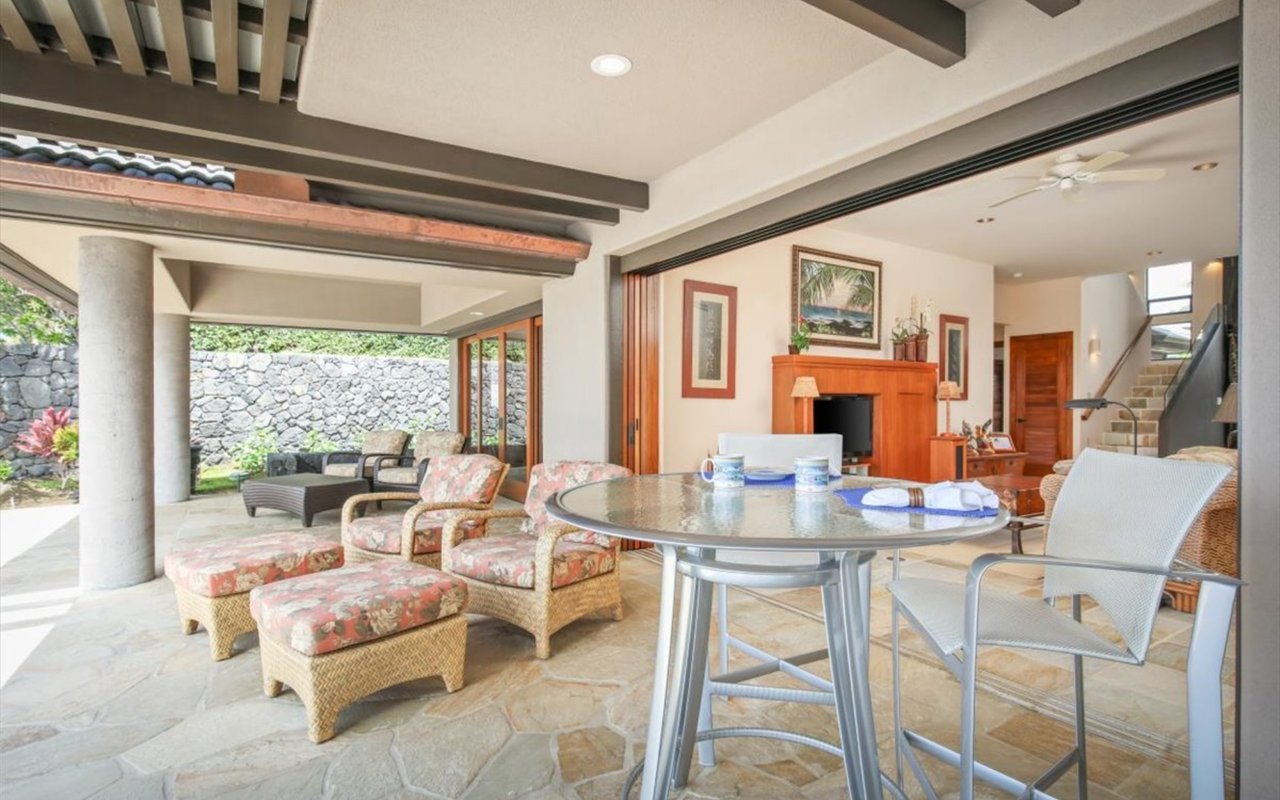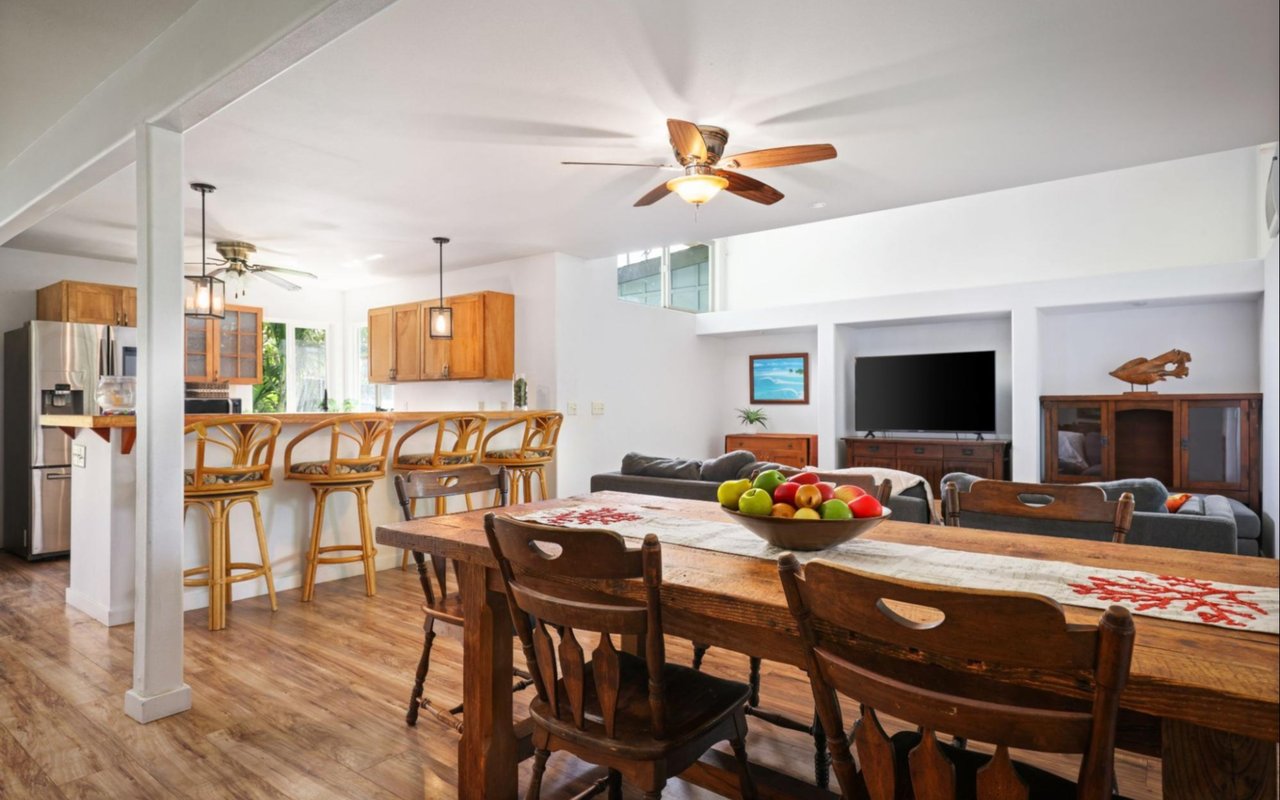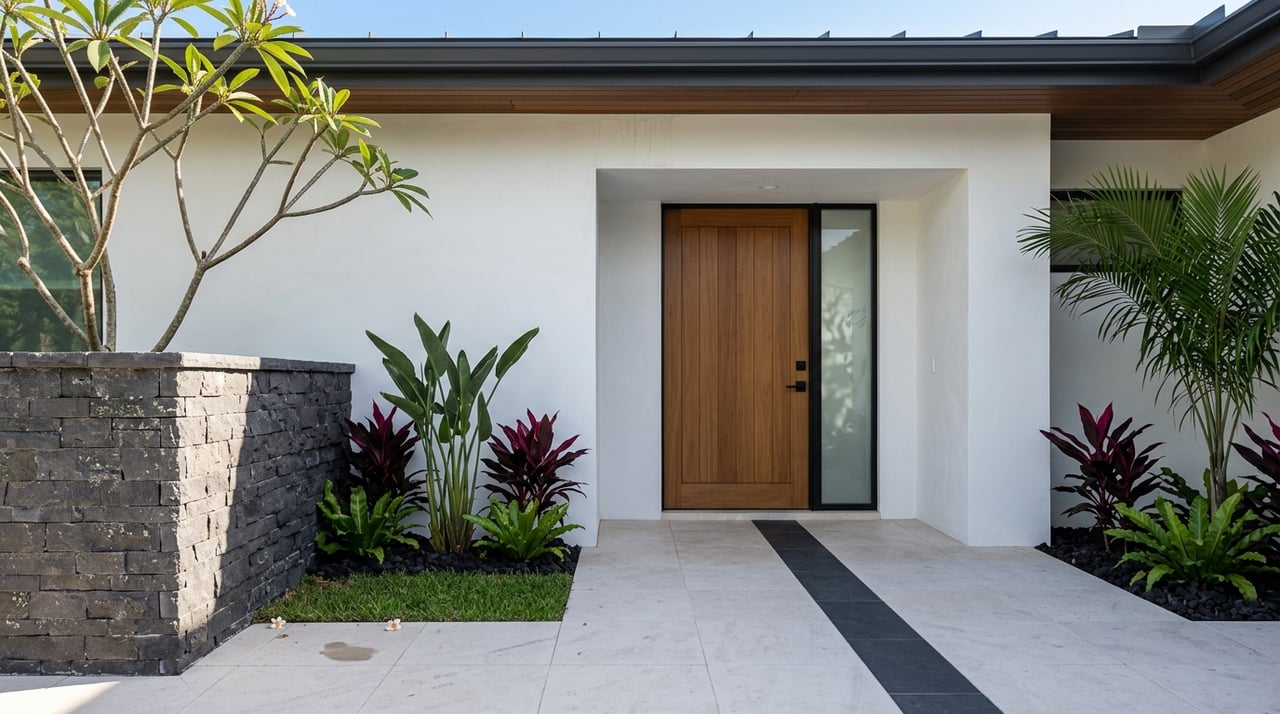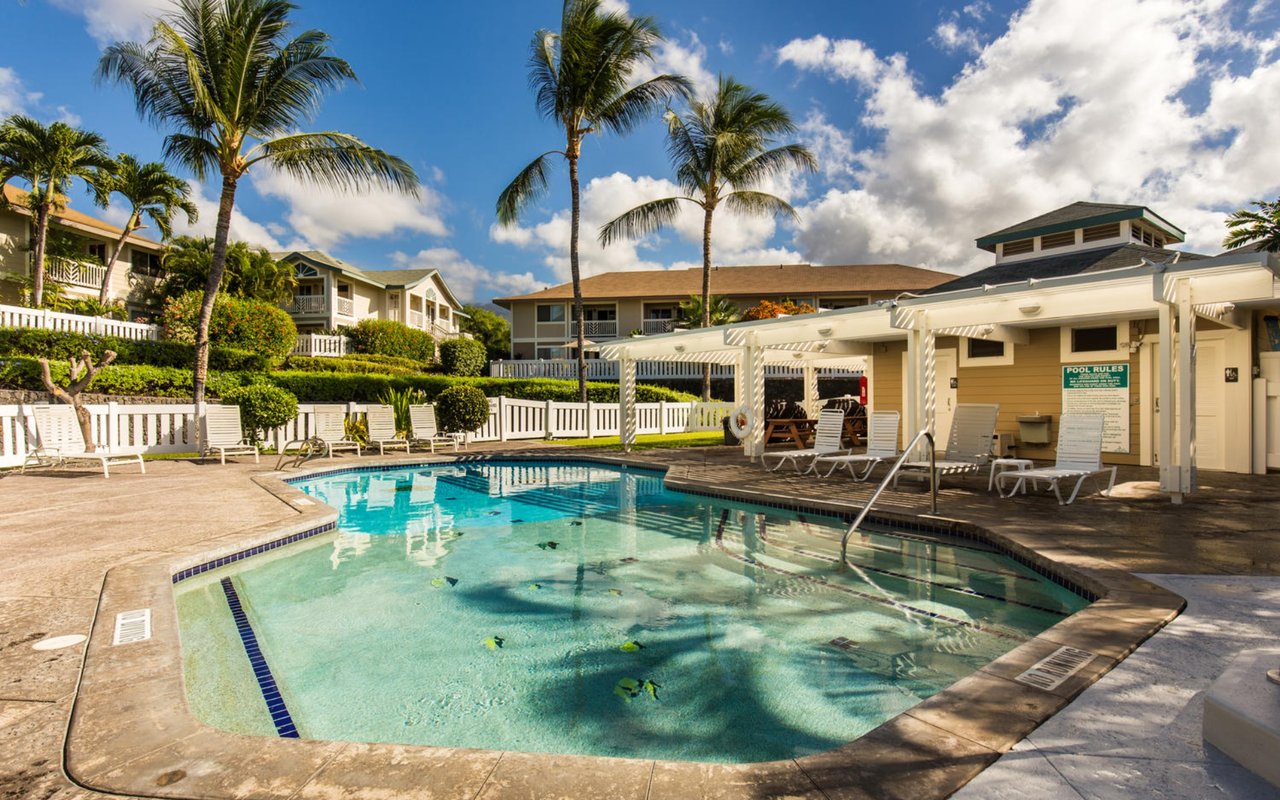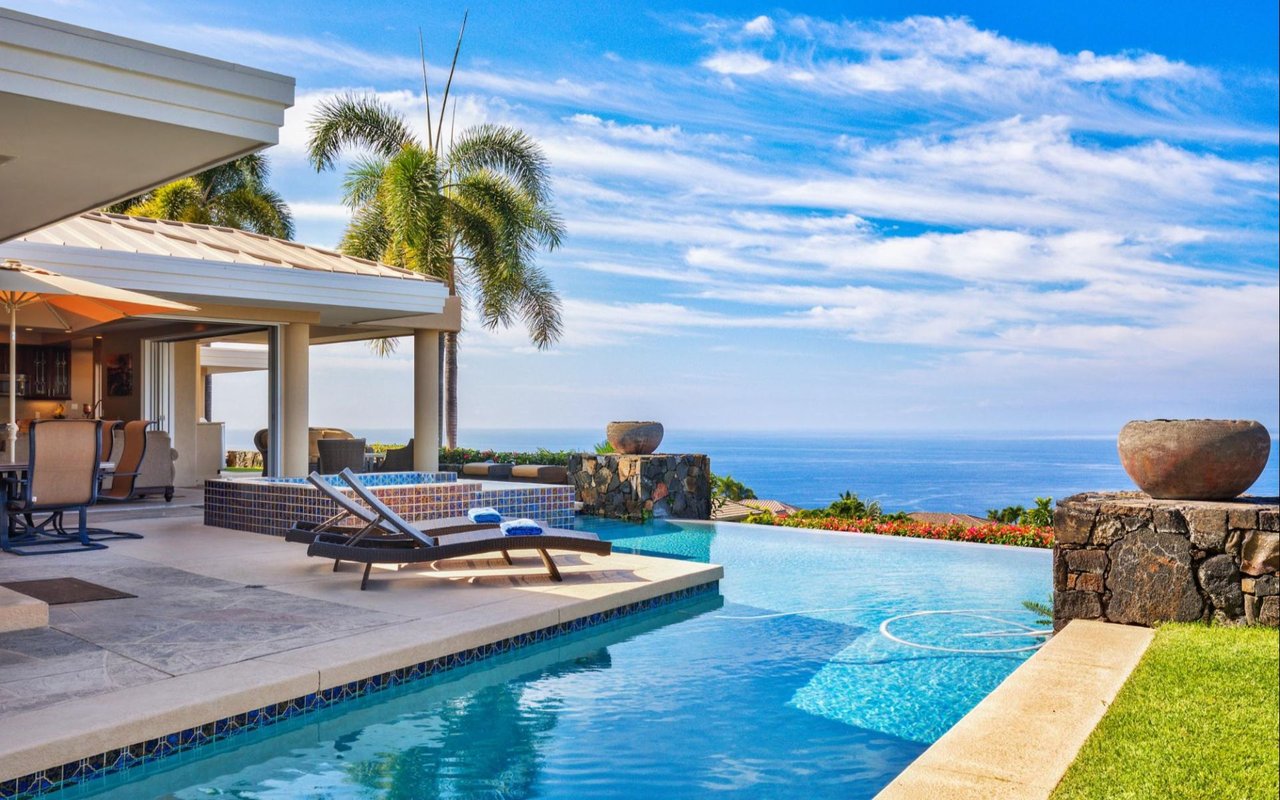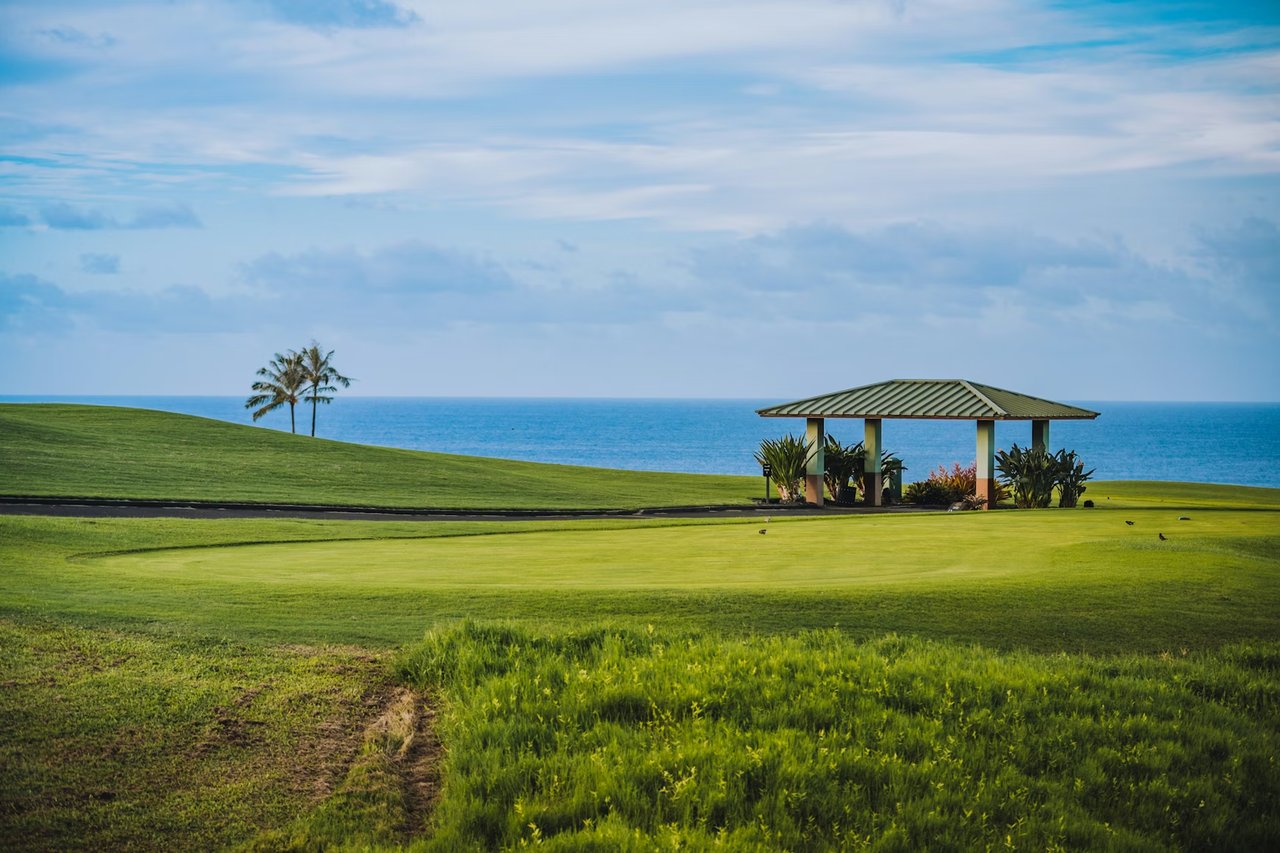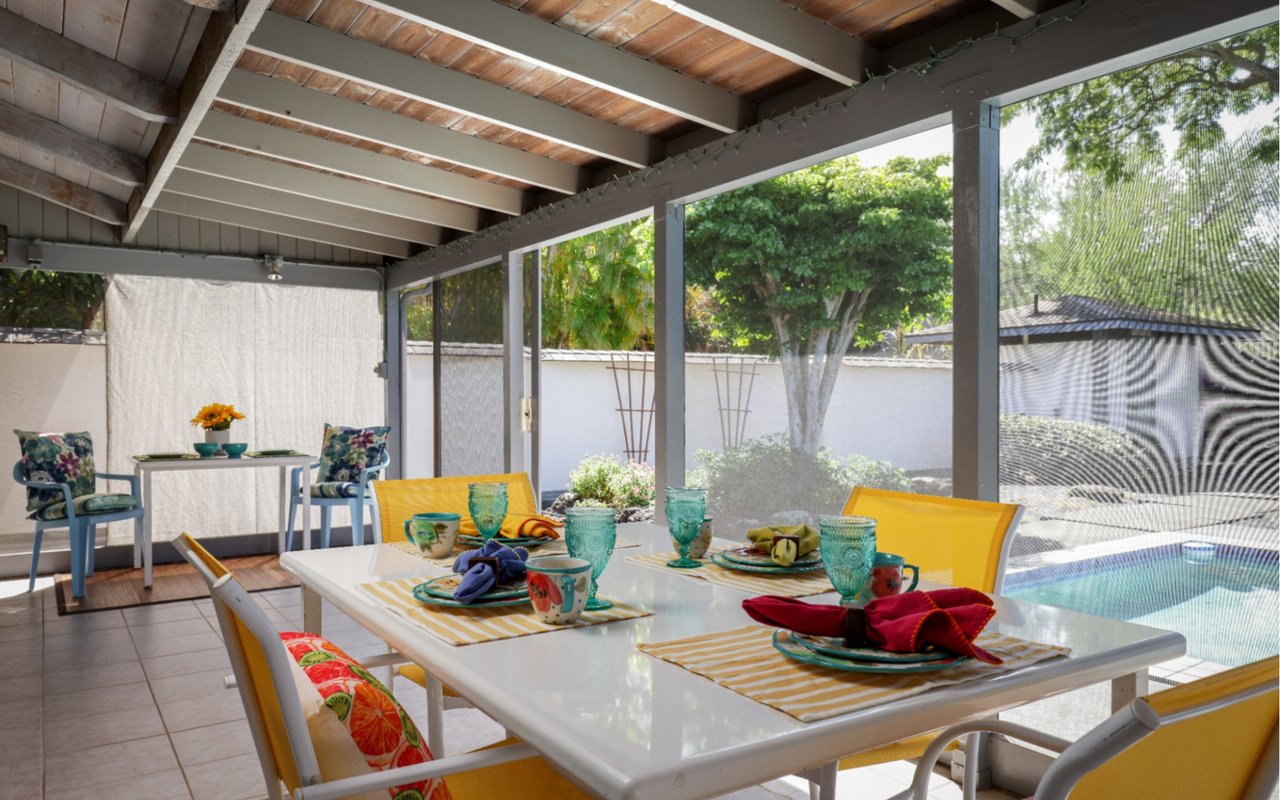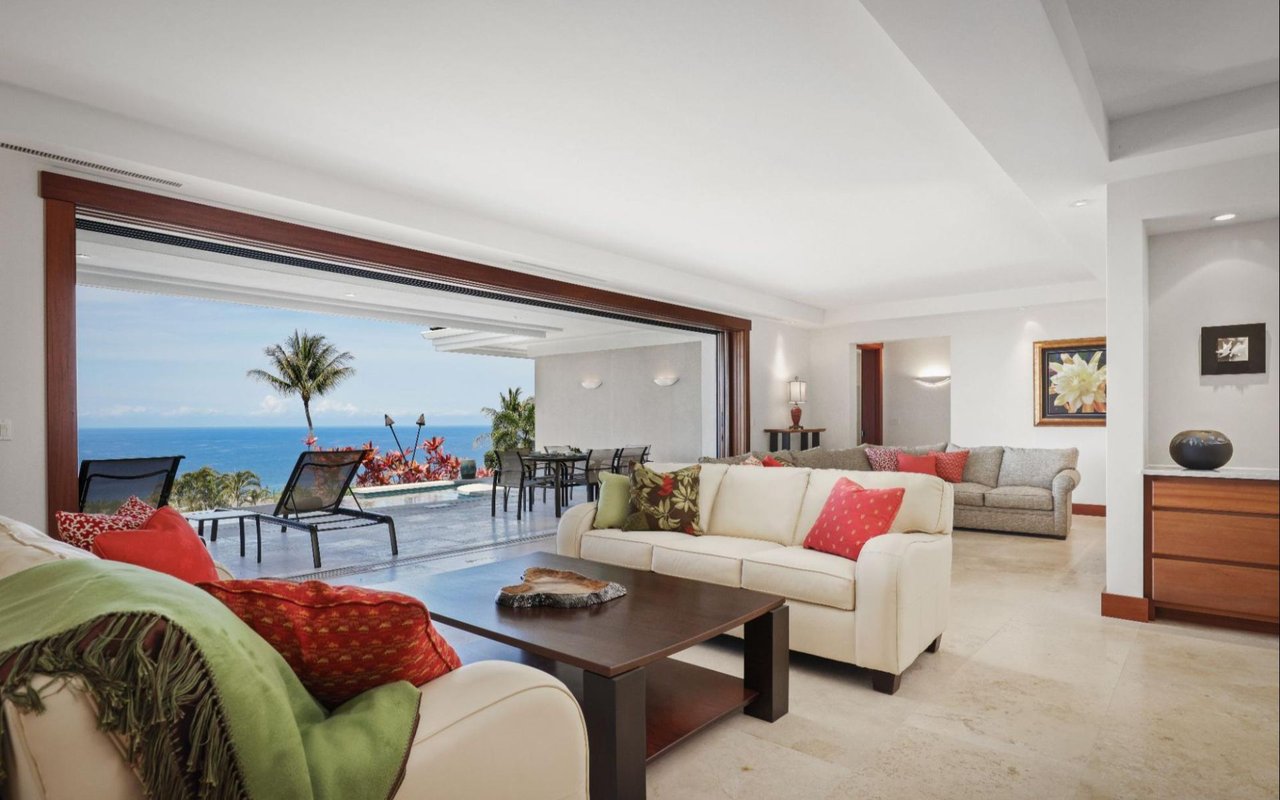
Trying to choose between a hillside home and an oceanfront property in Kailua-Kona? On the Big Island, that choice is about much more than view or price. You are really choosing between two different daily experiences, from climate and maintenance to shoreline access and permitting review. If you want a clearer way to weigh the pros and tradeoffs, this guide will help you focus on what matters most. Let’s dive in.
Why This Choice Feels So Different
In Kailua-Kona, oceanfront and hillside homes can live in very different climate zones. NOAA normals for Keahole Airport, a coastal reference point, show an annual mean temperature of 78.2 degrees and about 9.87 inches of annual precipitation. By contrast, the University of Hawaii Kona Research Station at roughly 1,200 to 1,500 feet reports about 60 inches of annual rainfall.
That gap helps explain why two homes in the same general market can feel so different. The west-facing slopes of Hualalai and Mauna Loa create a narrow Kona rainfall belt upslope of the coast, and afternoon sea-breeze patterns help lift moisture inland. In practical terms, hillside living often feels cooler, greener, and wetter than the dry coastal baseline.
Oceanfront Living in Kailua-Kona
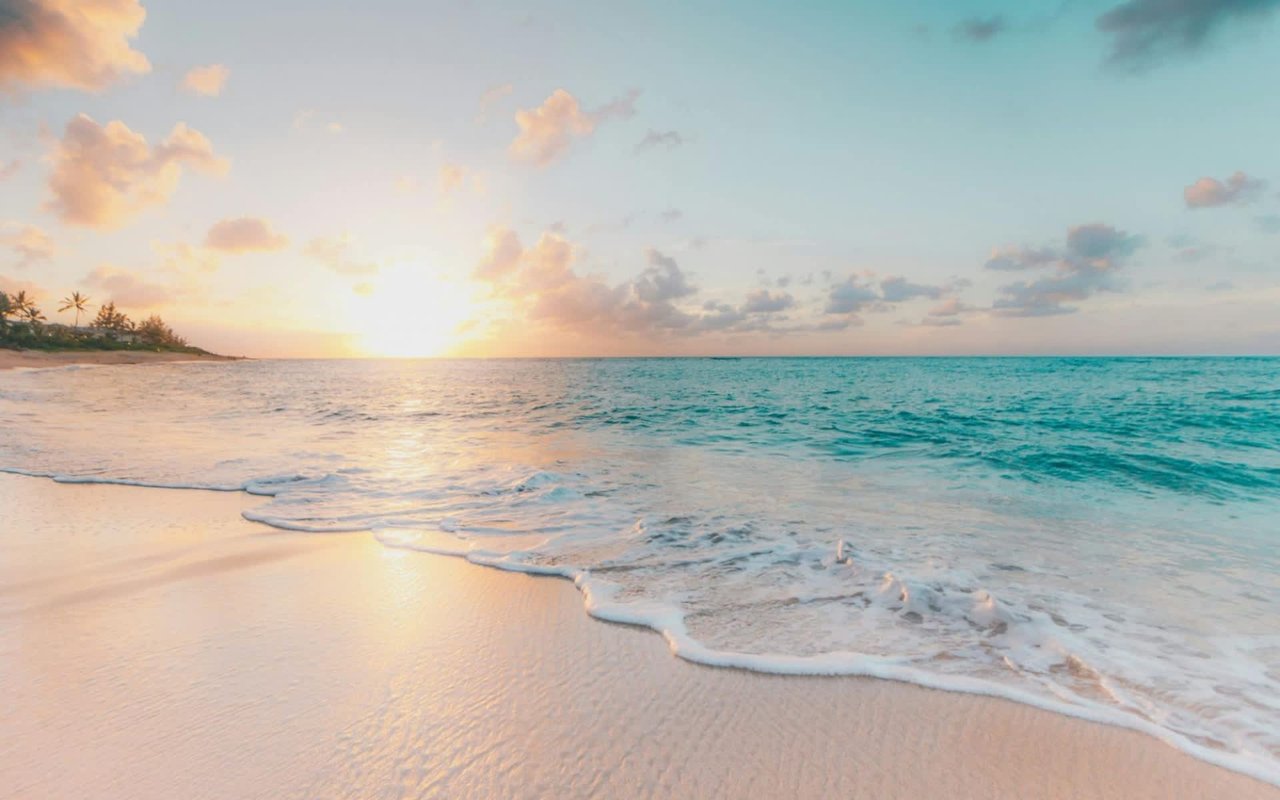
Oceanfront Does Not Always Mean Sandy Beach
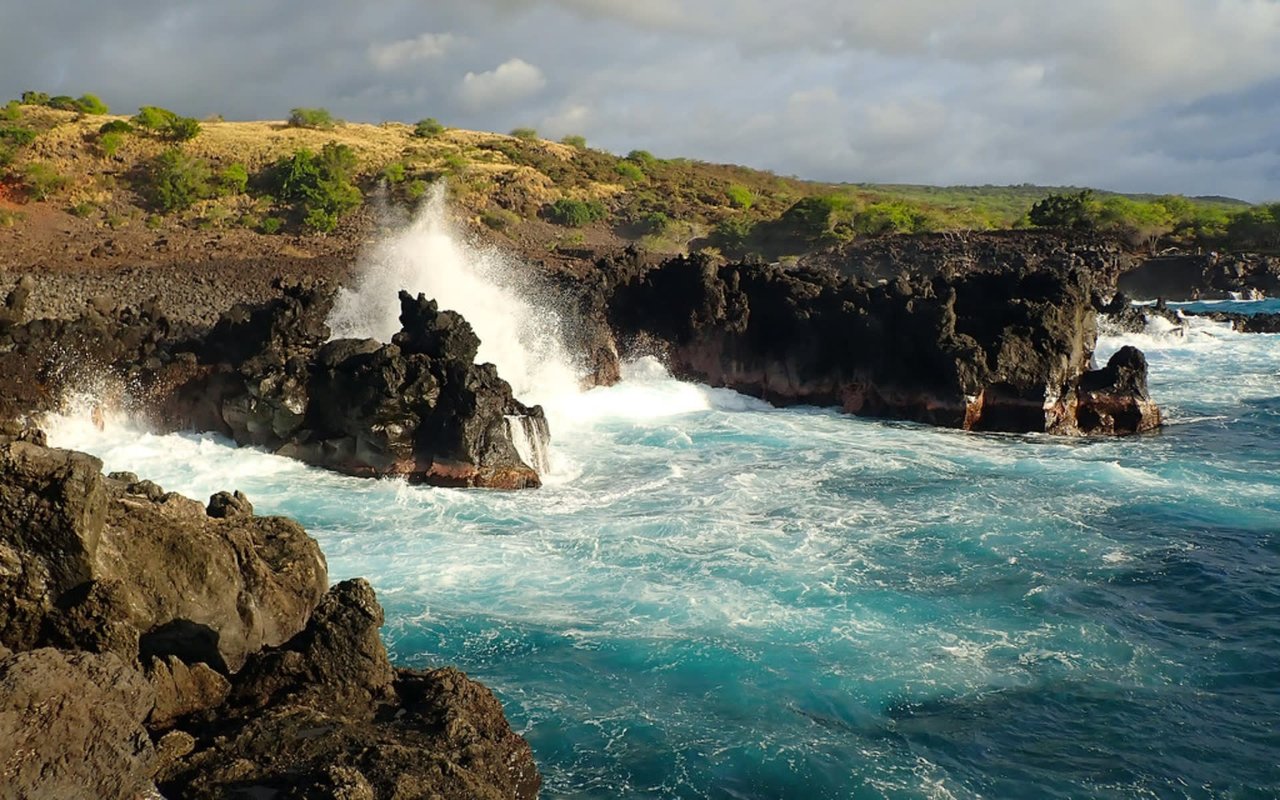
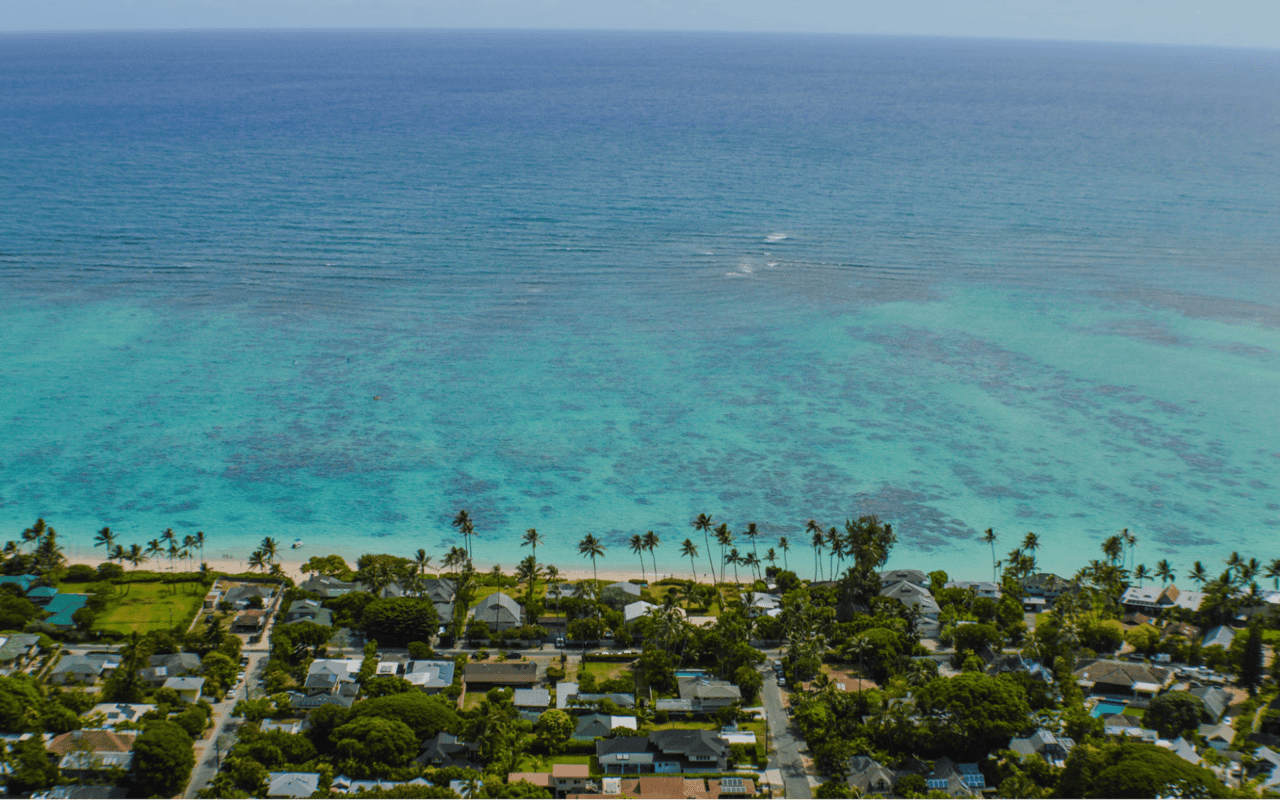
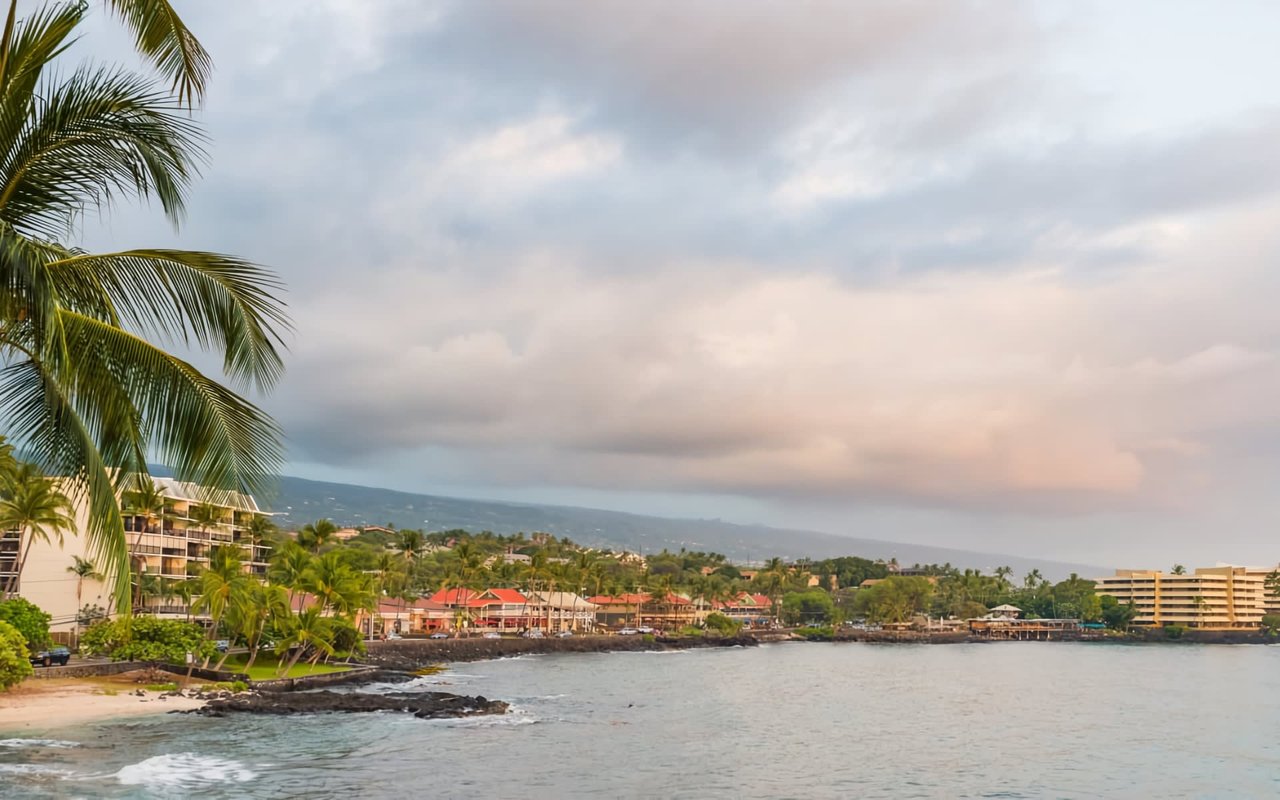
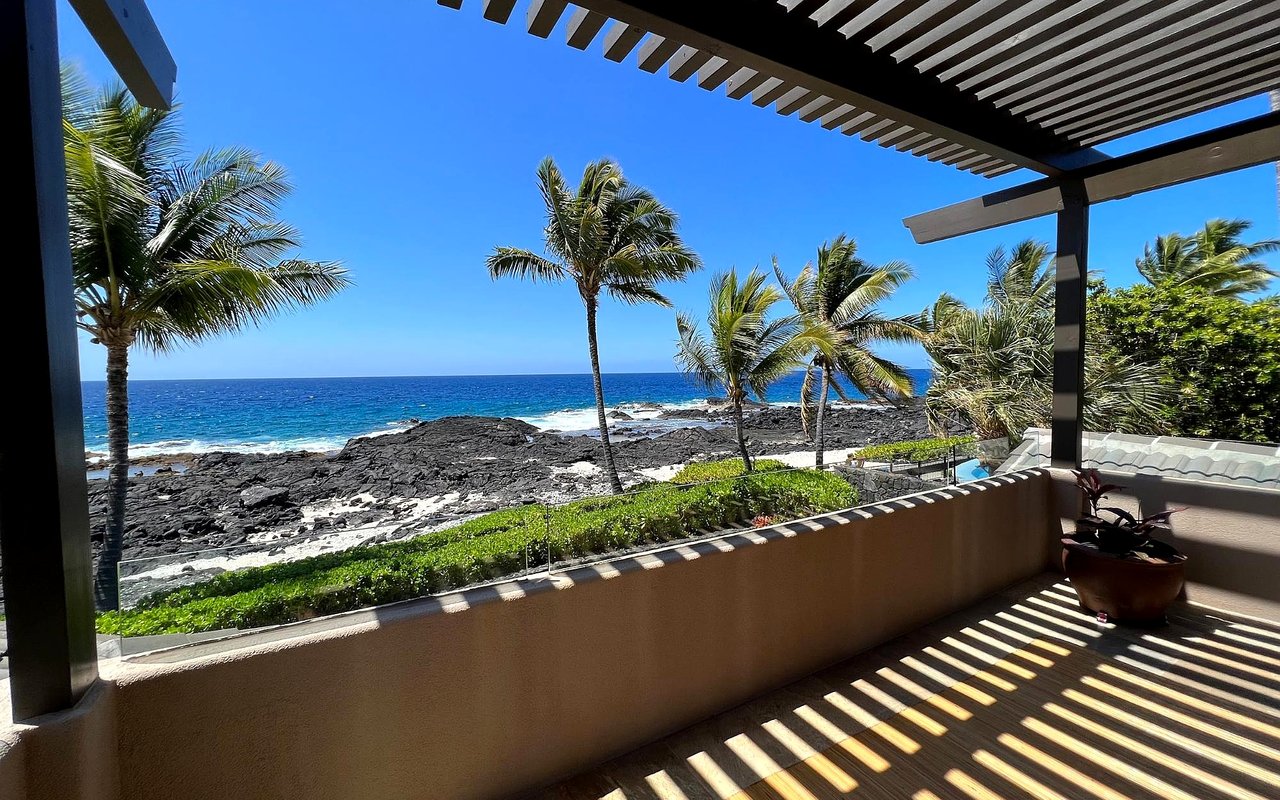
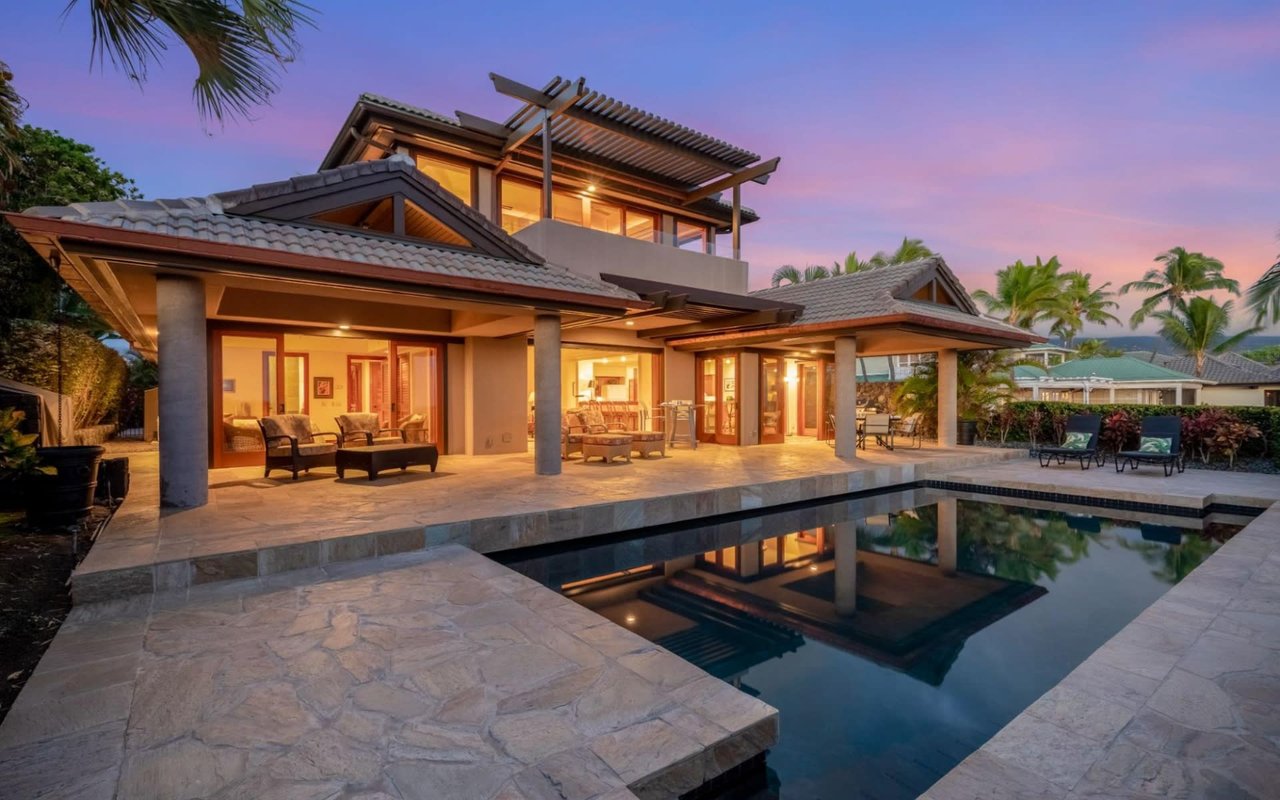
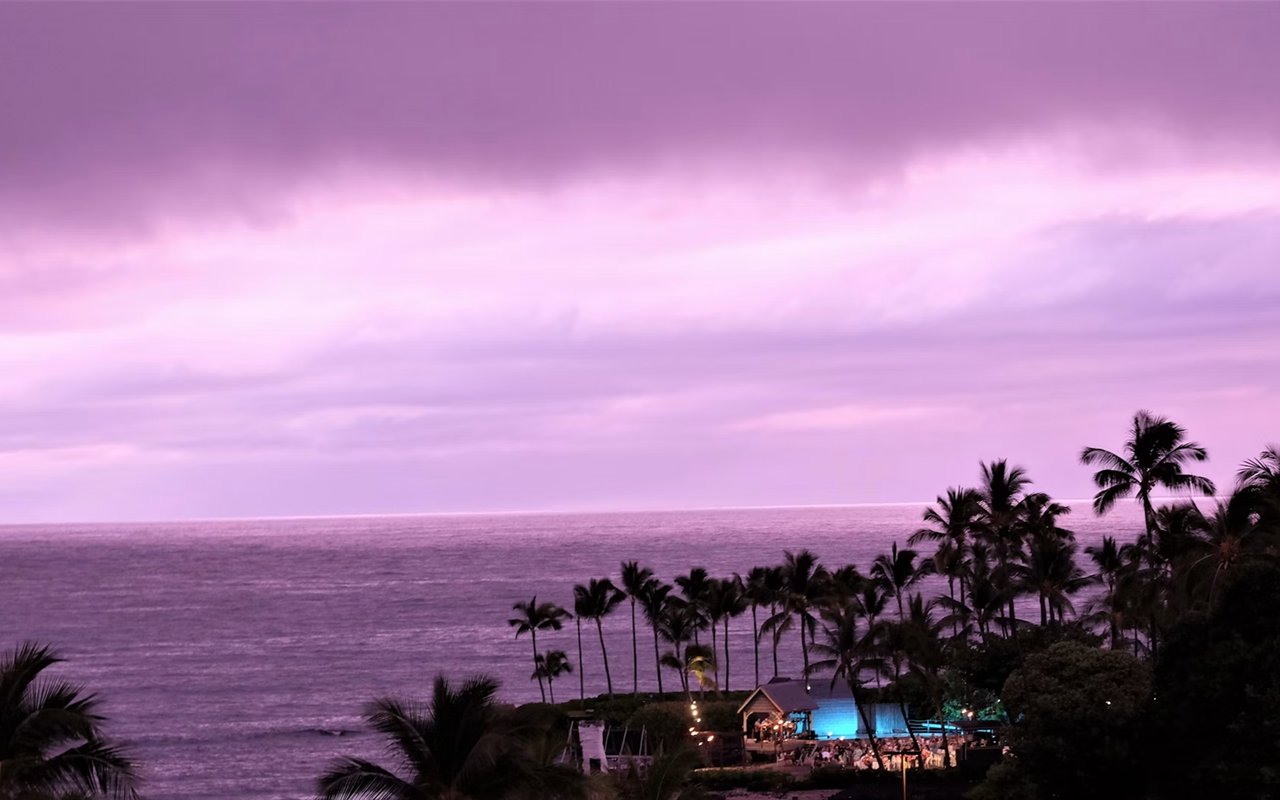
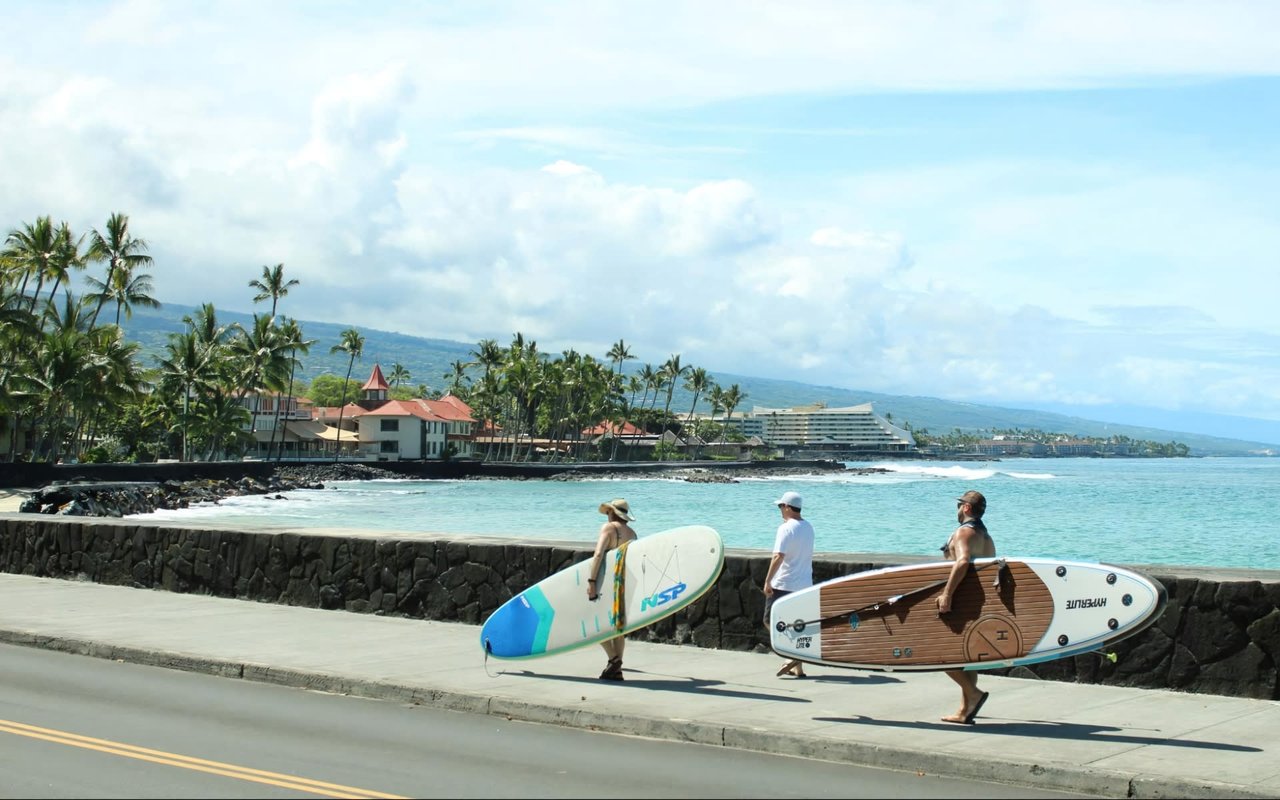
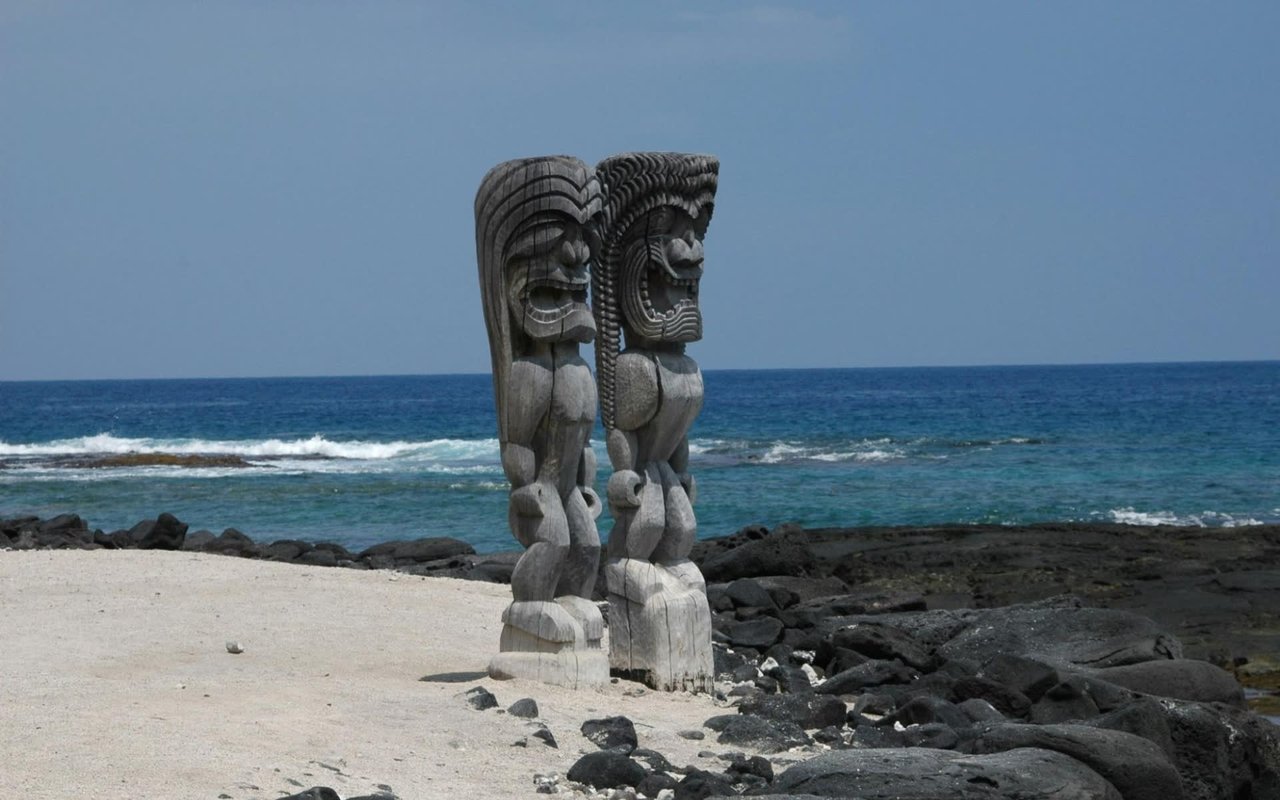
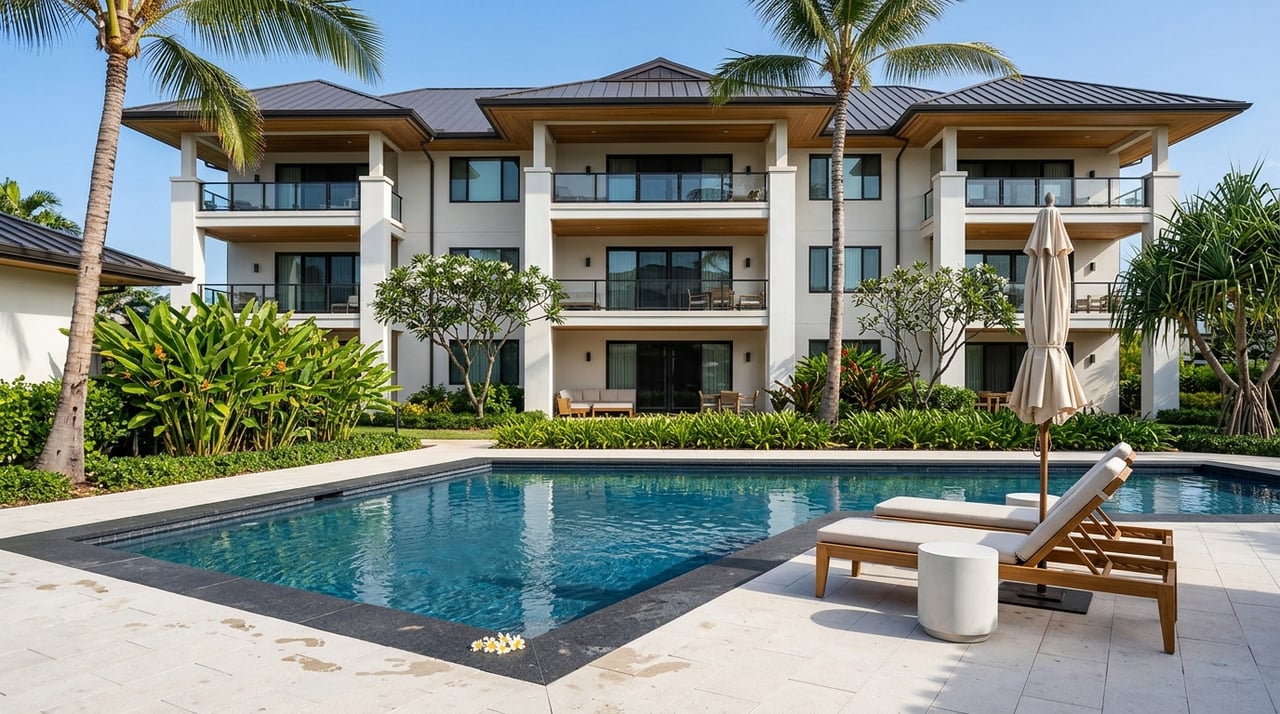
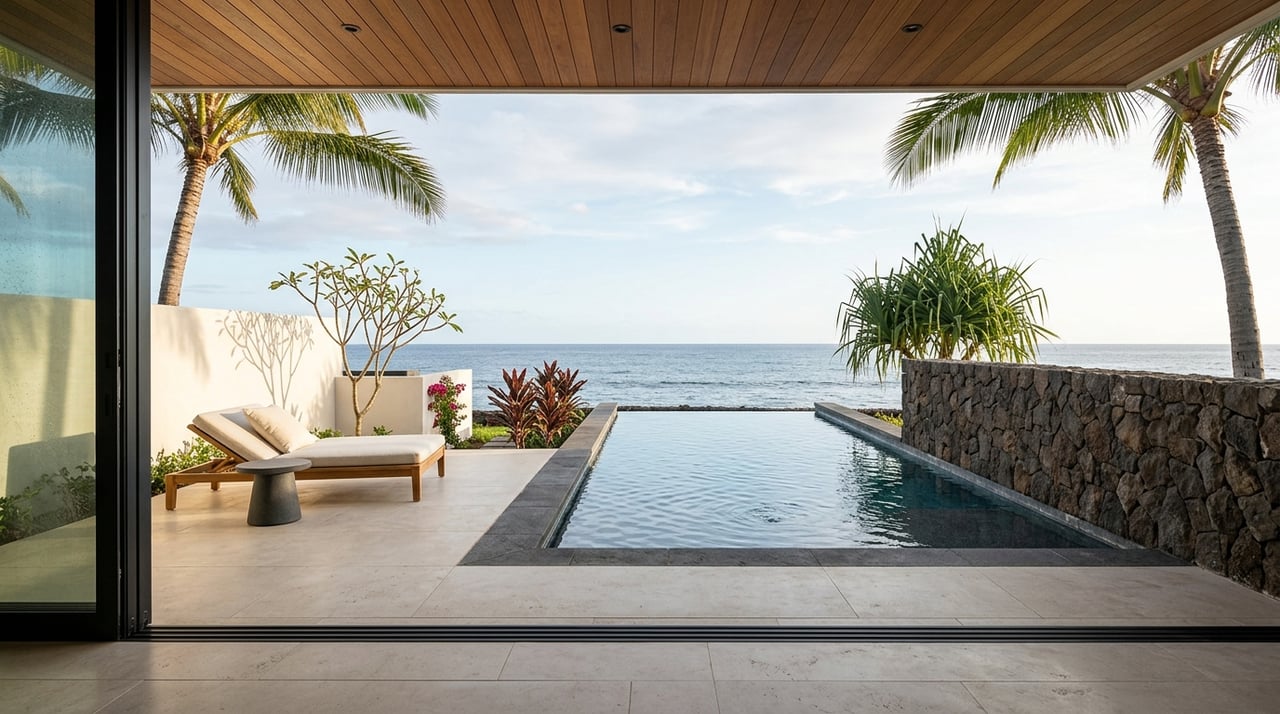
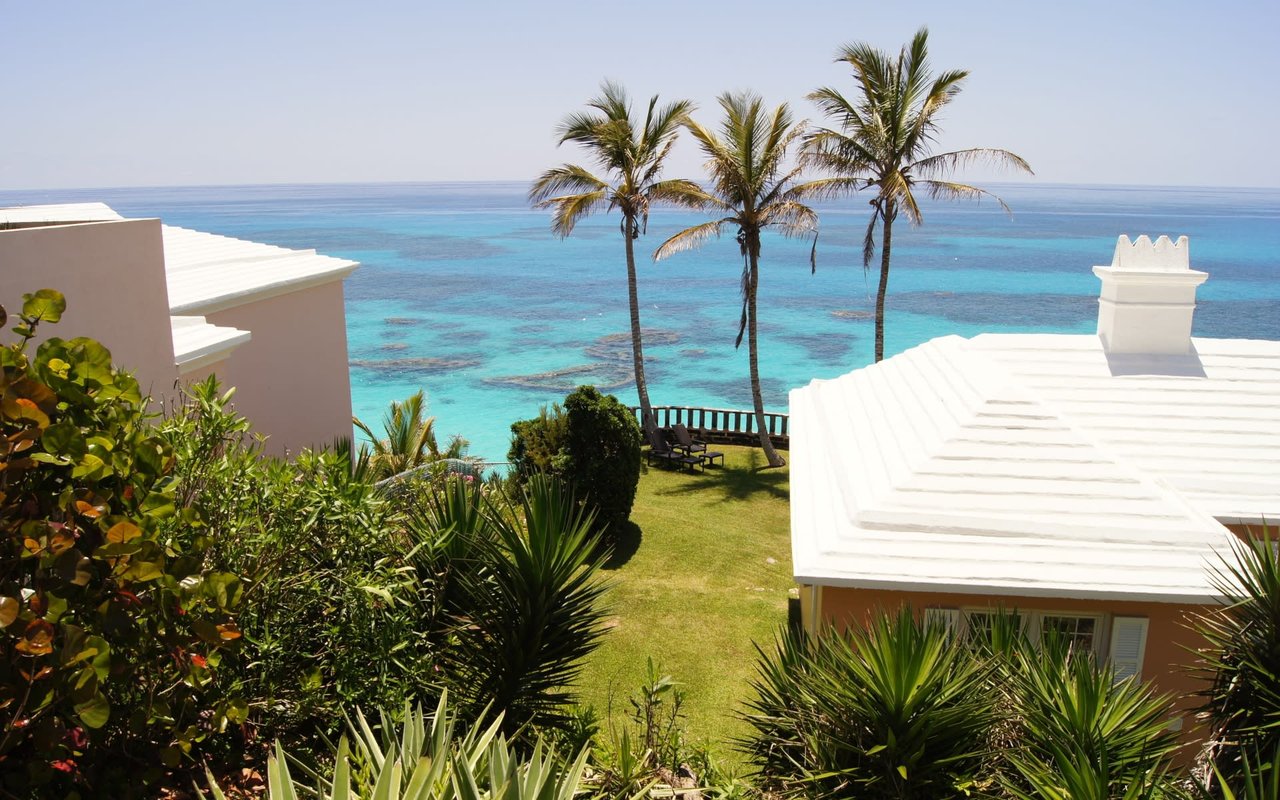
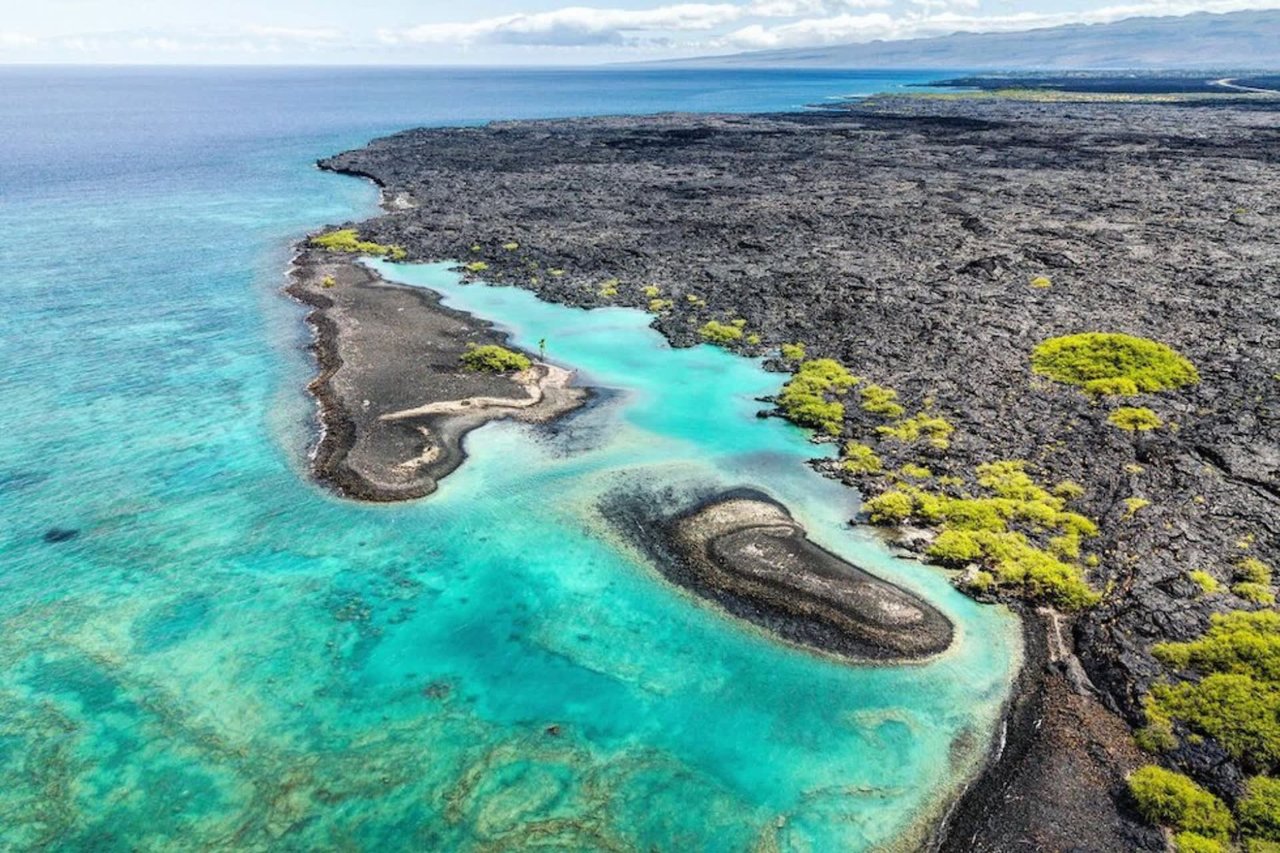
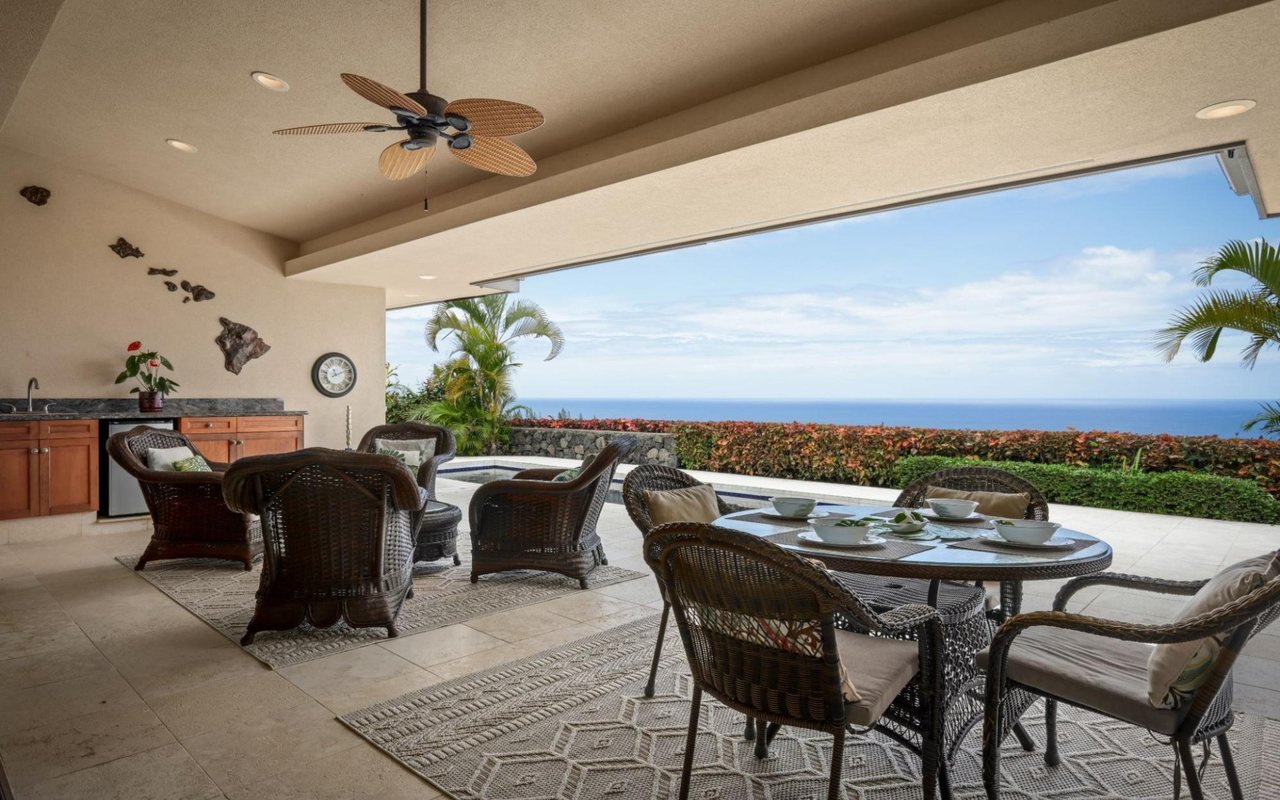
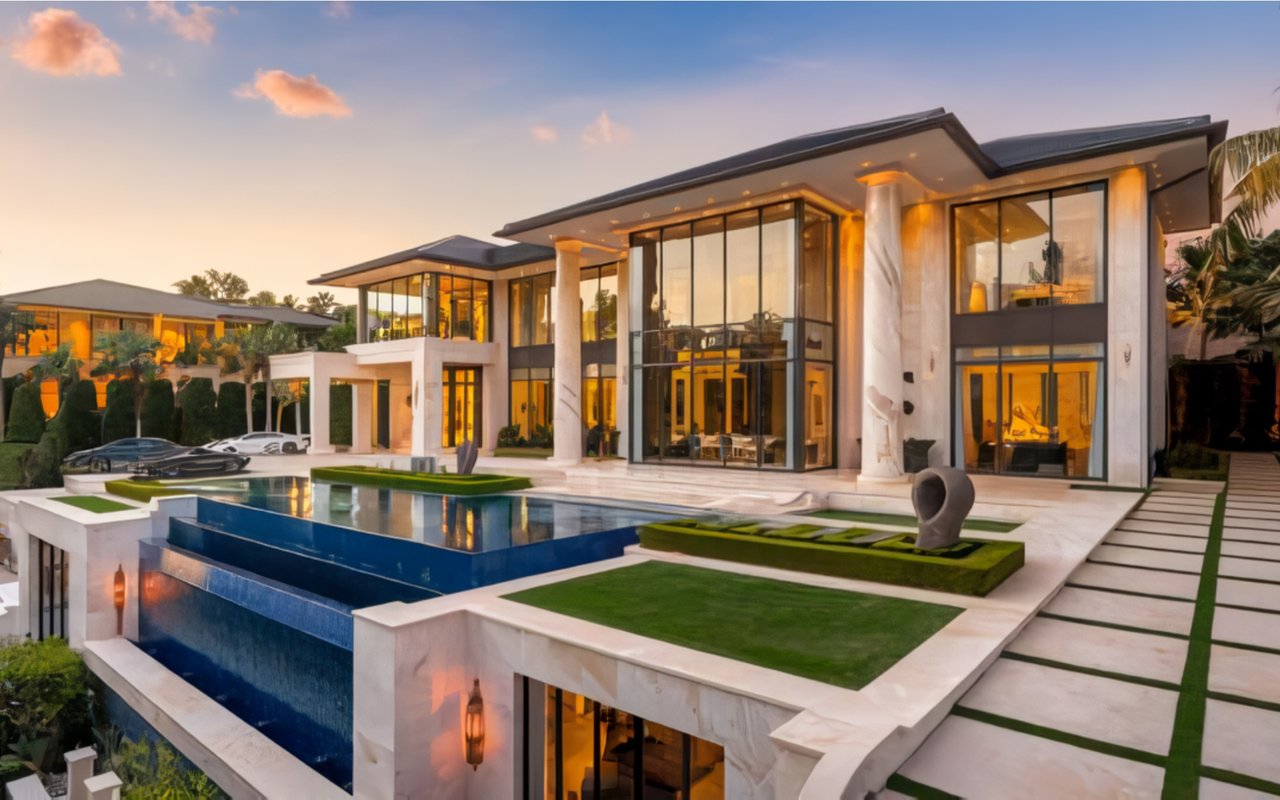
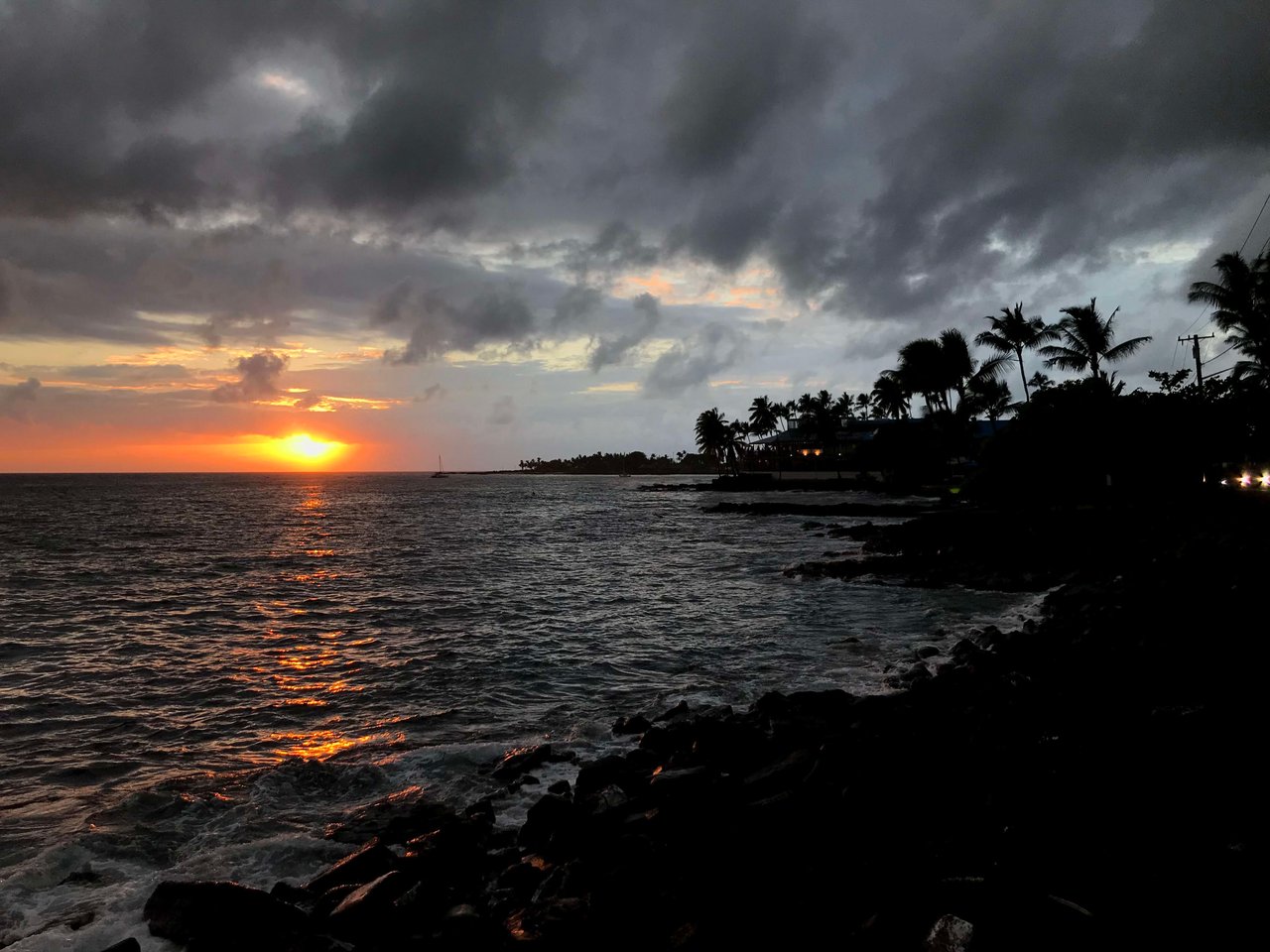
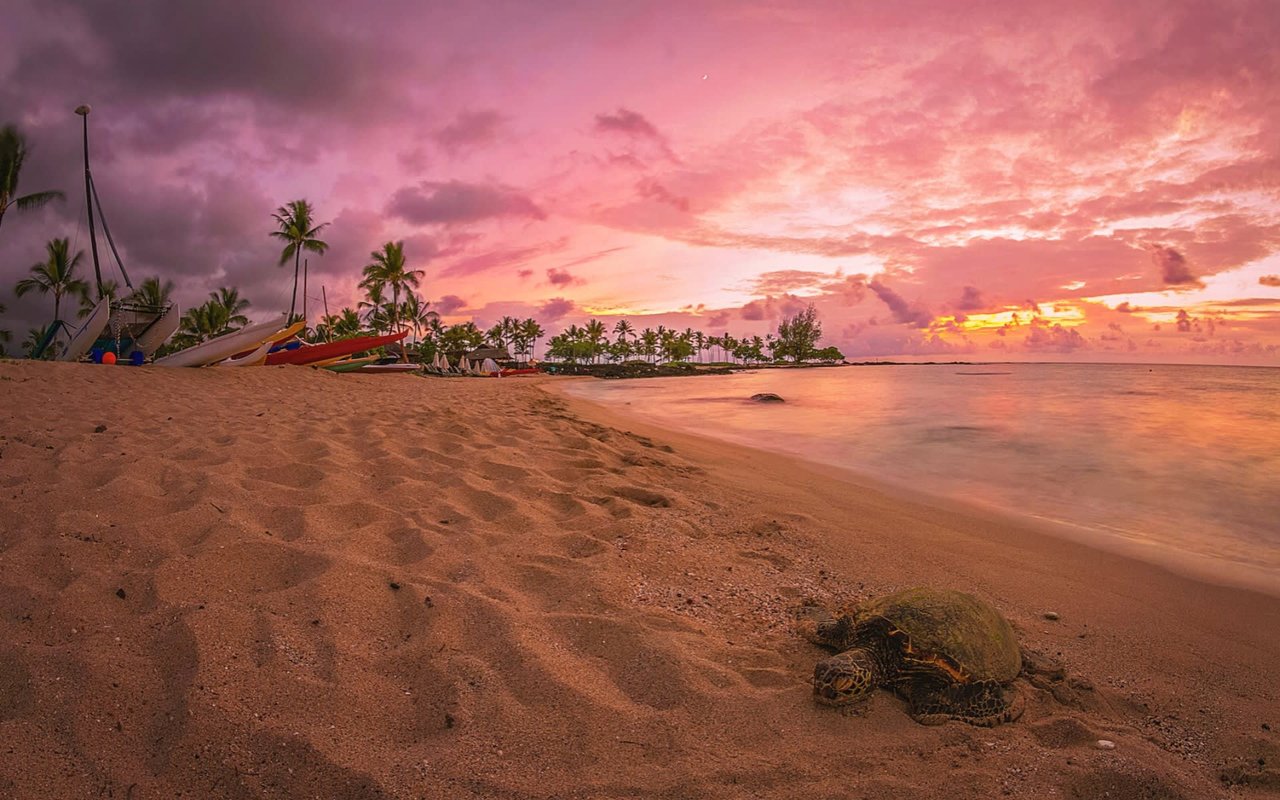
One of the biggest surprises for buyers is that oceanfront in North Kona comes in many forms. The shoreline includes areas around Kailua Bay, Honl's, Magic Sands, Kahaluu, and Keauhou Bay, and frontage can range from rocky edges and seawalls to white sand and snorkeling or surf access. Some oceanfront properties also have a condo or resort-adjacent setting rather than a stand-alone single-family feel.
That means the term oceanfront does not automatically tell you what your day-to-day access will feel like. Some areas are better known for shoreline views, while others connect more directly to swimming, kayaking, snorkeling, fishing, surfing, or picnicking. In some spots, footing can be hazardous, parking may be limited, and access may be more involved than buyers expect.
Access Matters as Much as the View
If your goal is everyday beach use, you will want to look beyond the listing photos. Ask whether access is truly direct or whether reaching the water means walking through a park area, down a trail, or from a condo frontage. Also confirm where the nearest public access and parking are located.
This is especially important in Kona, where shoreline character changes quickly from one area to the next. A property may be close to the water but still offer a very different experience from the broad sandy-beach picture many buyers imagine. That local nuance can have a big effect on how well a home fits your lifestyle.
Oceanfront Risk Review Is Essential
Coastal property can be exceptional, but it also deserves a more detailed review. Hawaii's coastal hazards program identifies erosion, tsunamis, hurricanes, sea level rise, flooding, subsidence, earthquakes, and lava flows among the threats facing the coastline. Not every parcel faces the same level of exposure, which is why lot-by-lot review matters.
For buyers using federally backed financing, flood-zone status can also affect insurance requirements. FEMA notes that coastal V and VE zones are high-risk areas with storm-wave hazards, and these zones can trigger mandatory flood insurance for federally backed mortgages. A parcel-level review helps you understand what applies to the specific property you are considering.
Shoreline Rules Can Affect What You Do
In the County of Hawaii, shoreline lots must meet a minimum 40-foot setback, and setbacks are often established early in the permitting process. In many cases, this happens during SMA review. That means future plans for improvements, additions, or redevelopment may need a closer look long before work begins.
Before moving forward on an oceanfront purchase, it is smart to check the County of Hawaii Coastal Zone Viewer, DLNR FHAT, FEMA flood maps, and HIEMA tsunami zones. DLNR also notes that FHAT does not identify all flood-prone areas, so one map alone is not enough. This is one reason experienced local guidance can be so valuable in Kona.
Salt Air Means More Upkeep
Oceanfront ownership also comes with a maintenance reality that buyers should plan for early. FEMA notes that salt spray is strongest near breaking waves and declines inland. Its coastal construction guidance recommends corrosion-resistant detailing, with stainless steel recommended within 3,000 feet of the coast.
For you, that usually means paying closer attention to metal components, fasteners, exterior finishes, and long-term wear. Even a beautifully maintained property may need a different upkeep rhythm than a home farther upslope. If you value low-maintenance ownership, this factor deserves real weight in your decision.
Hillside Living in Kailua-Kona
A Greener, Cooler Daily Environment
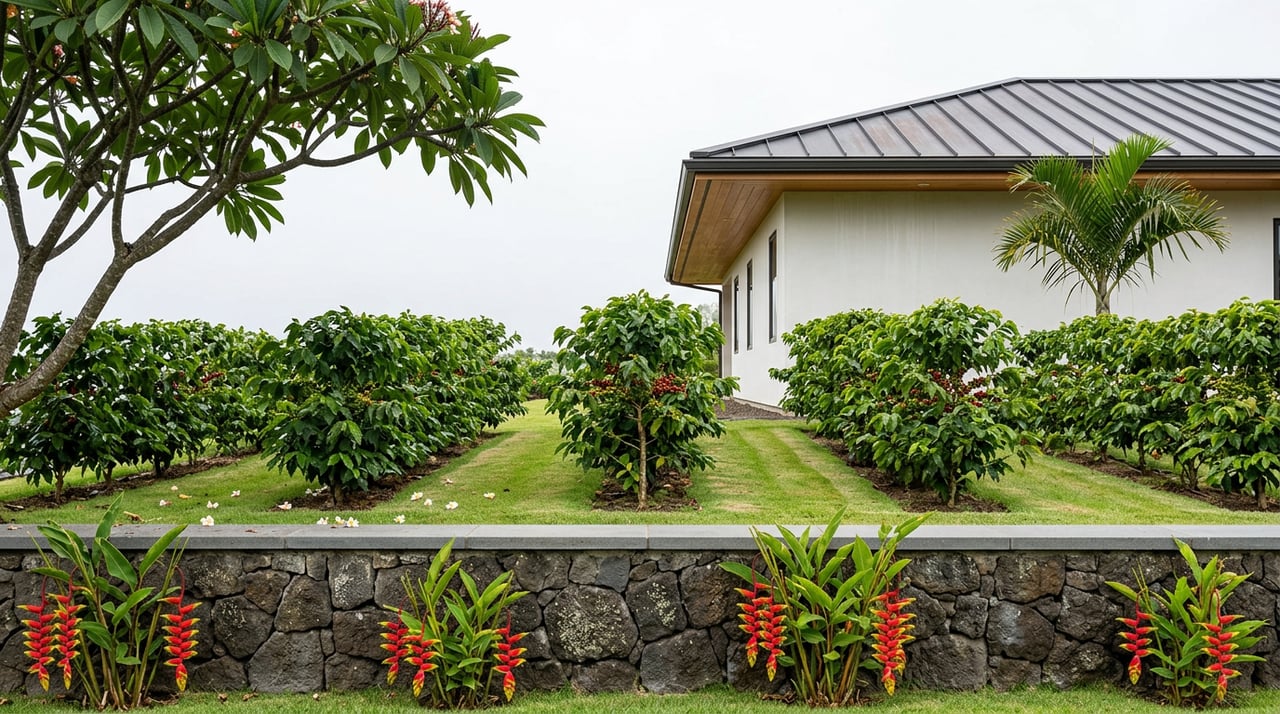
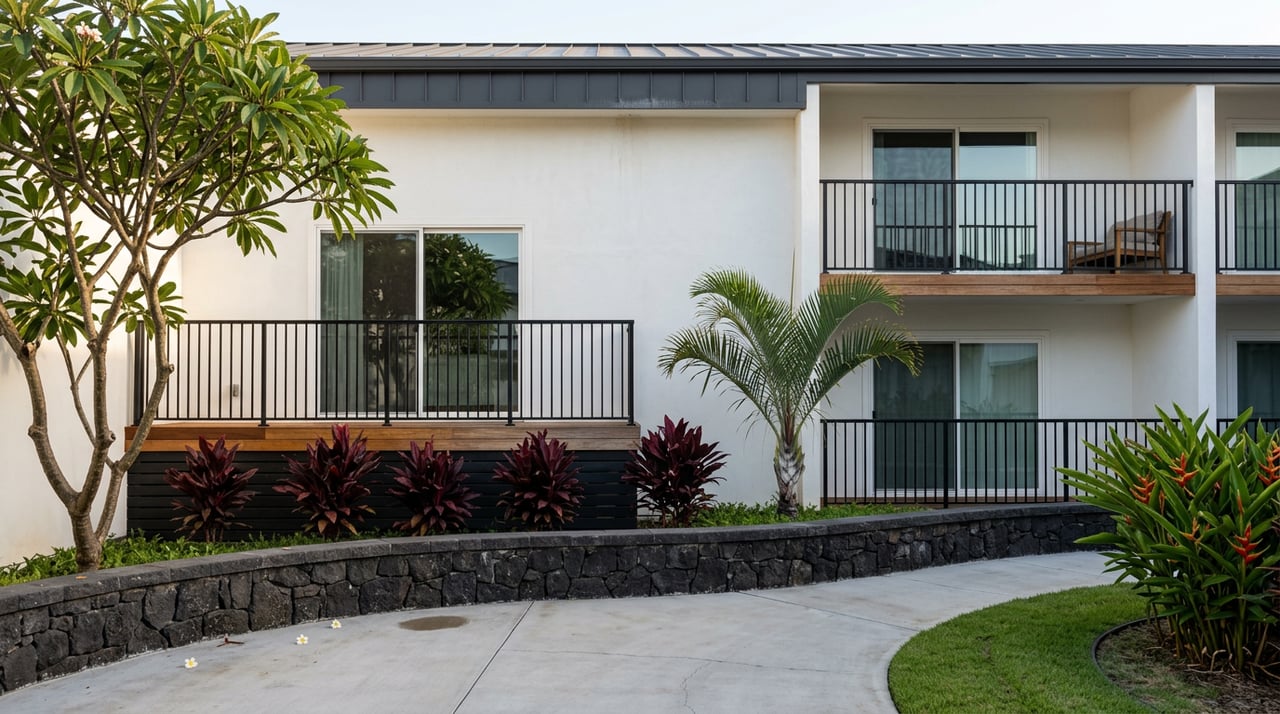
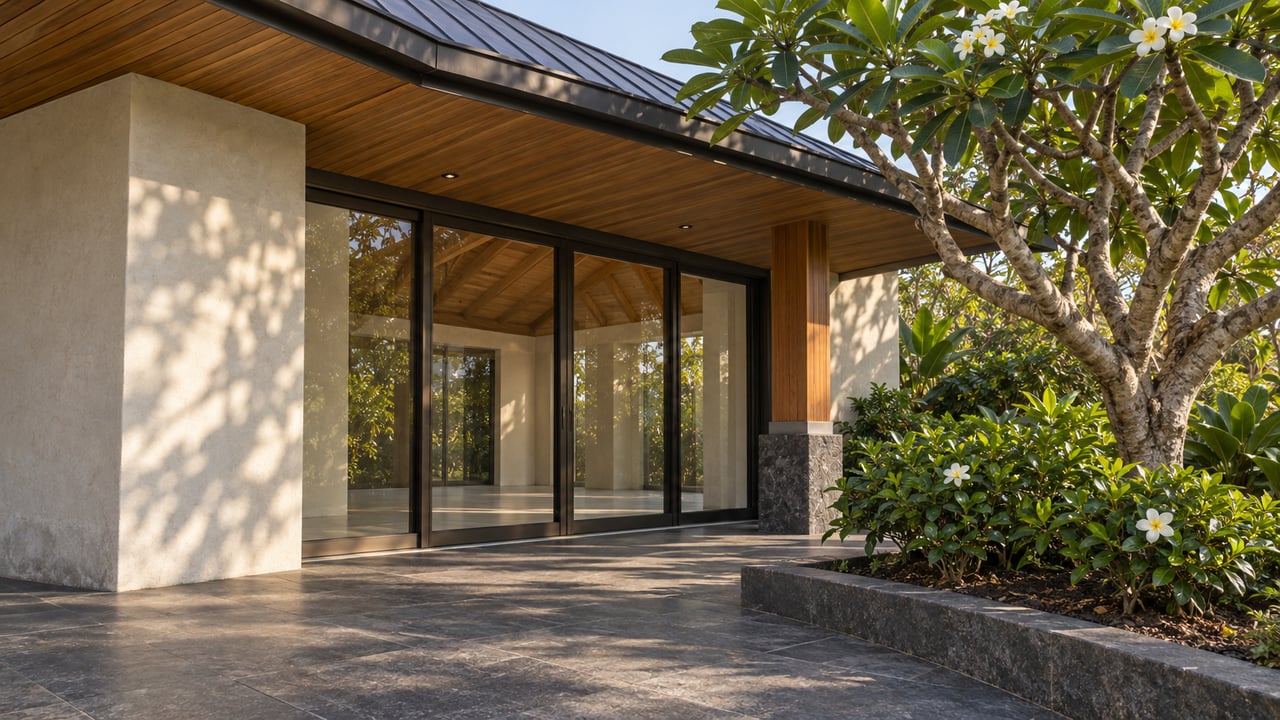
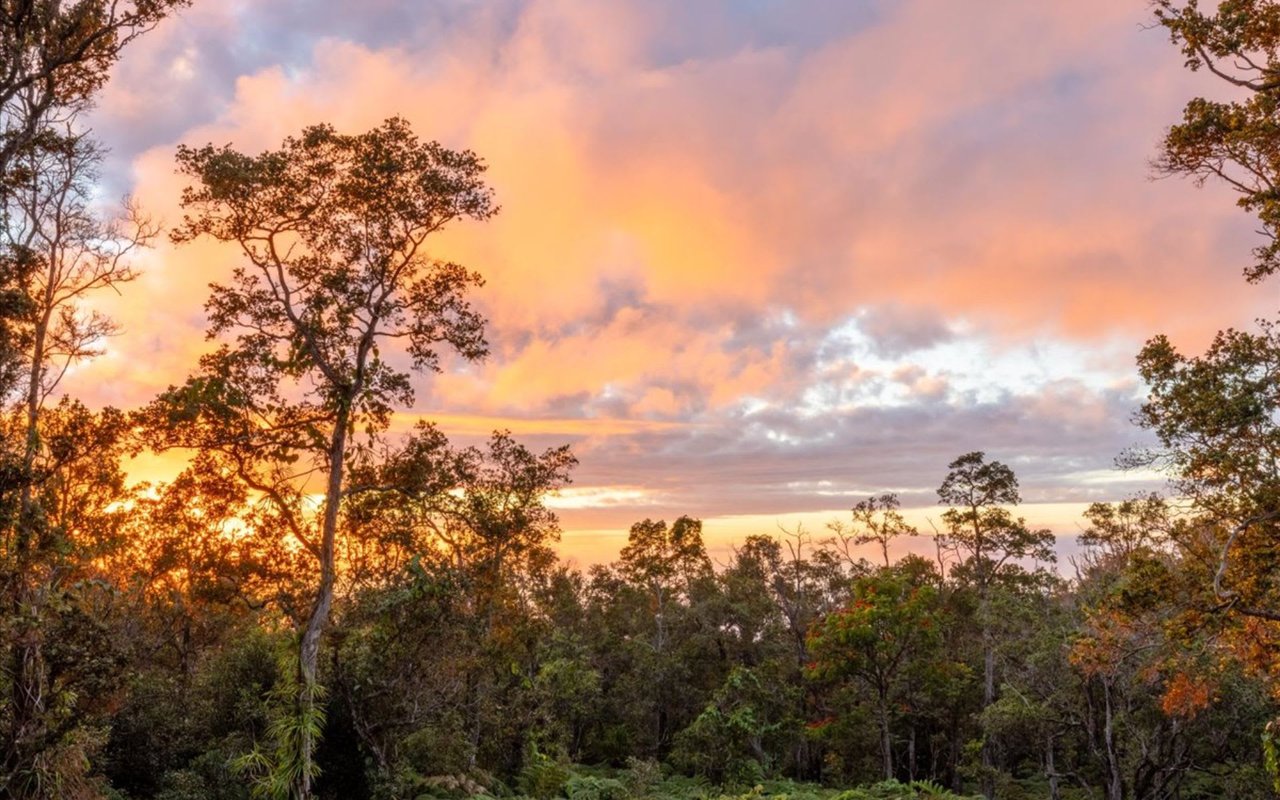
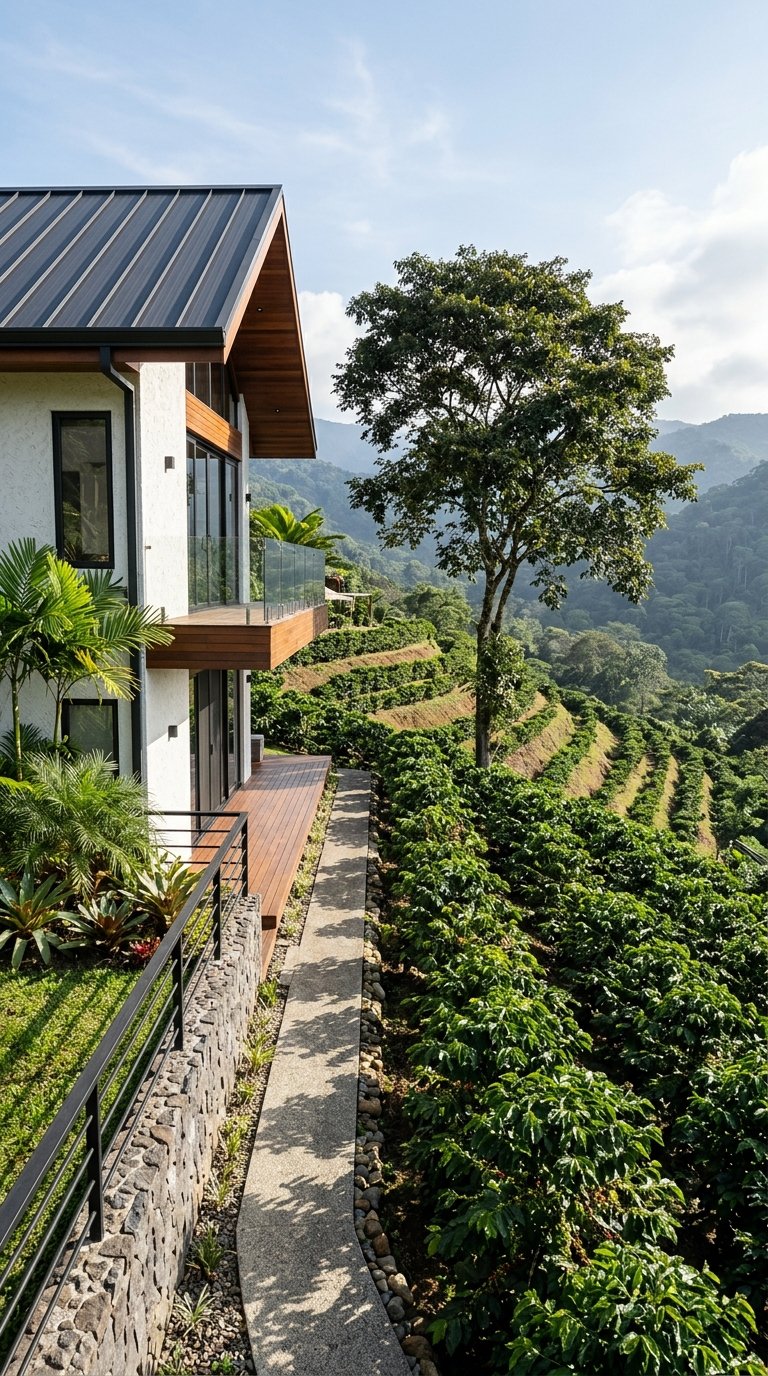
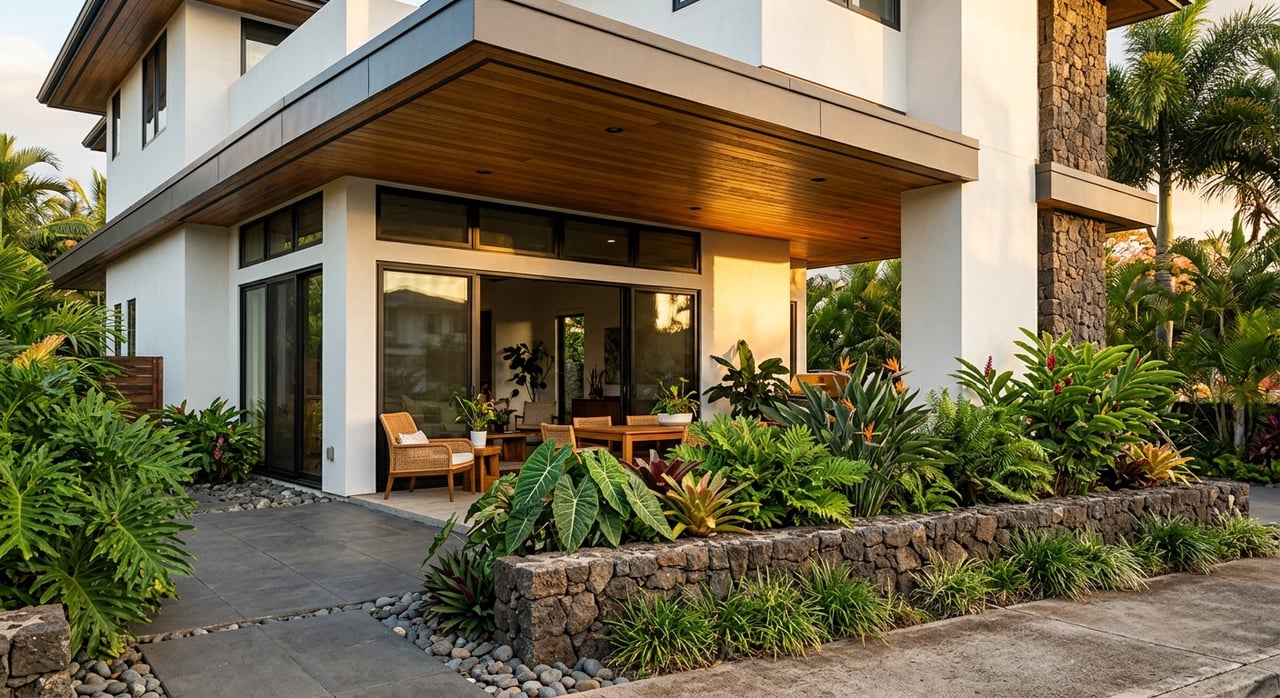
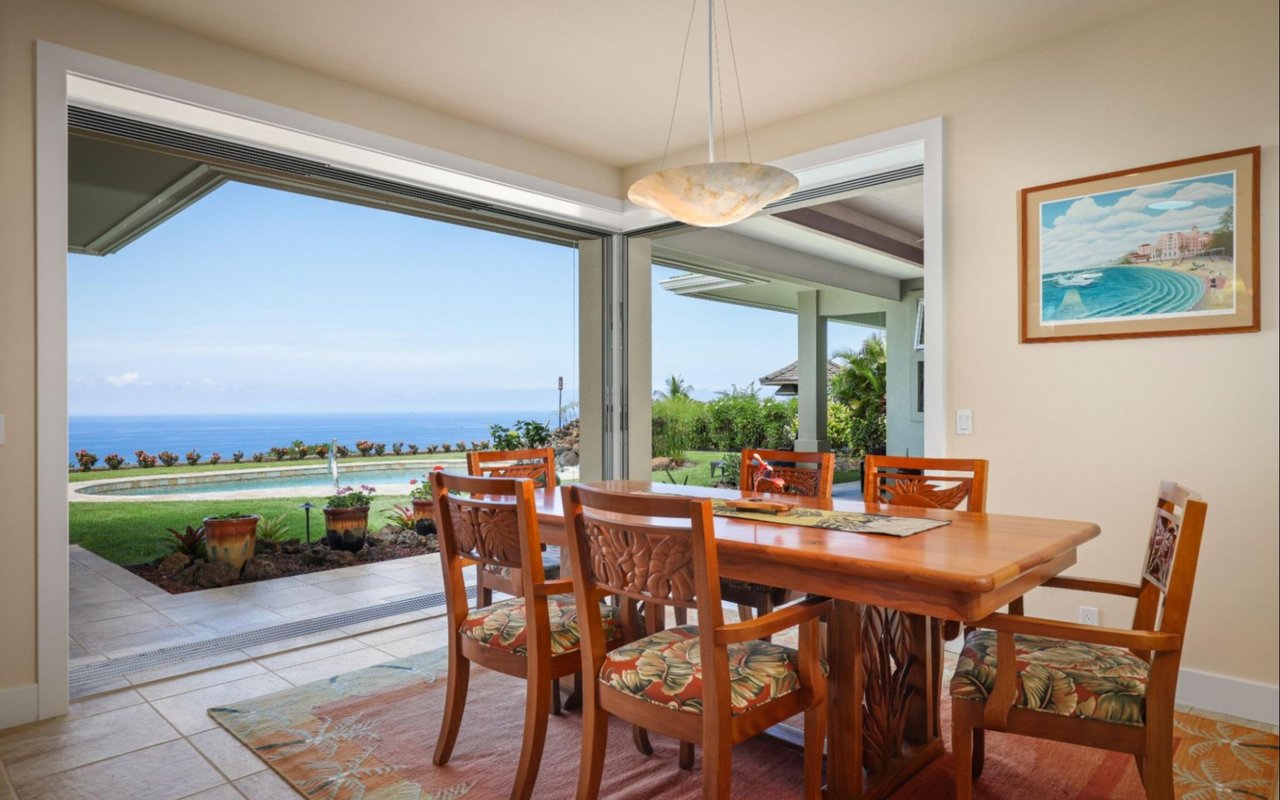
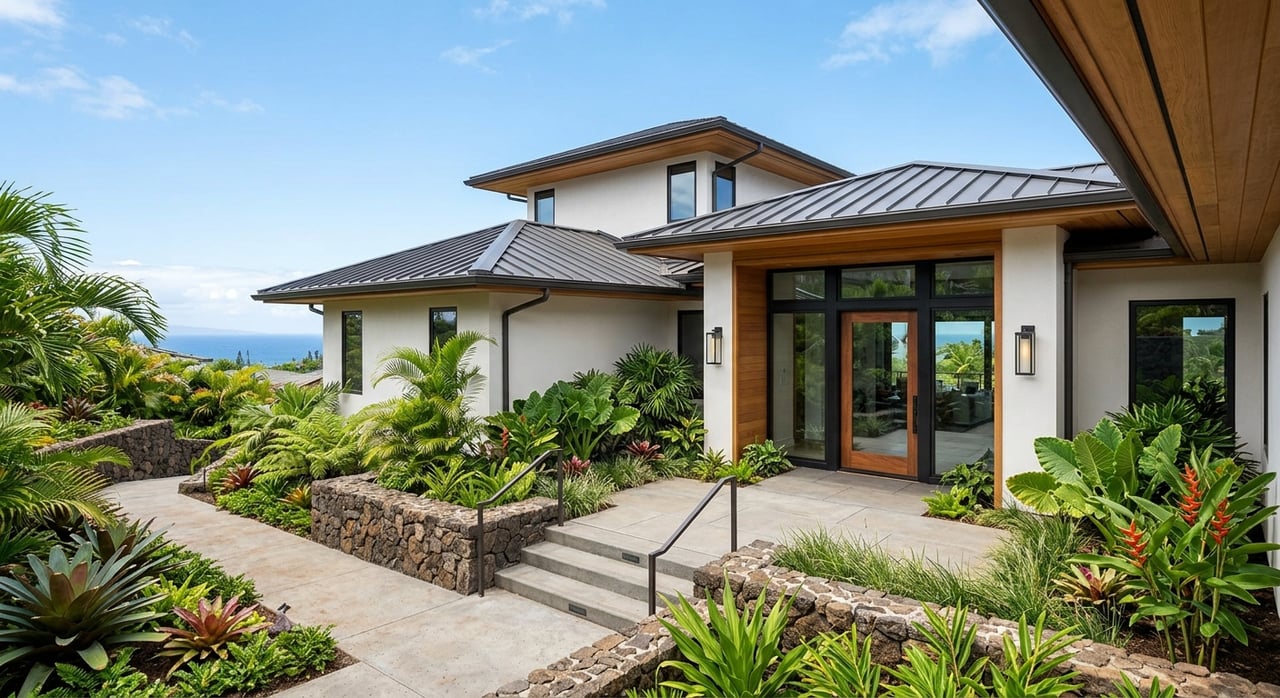
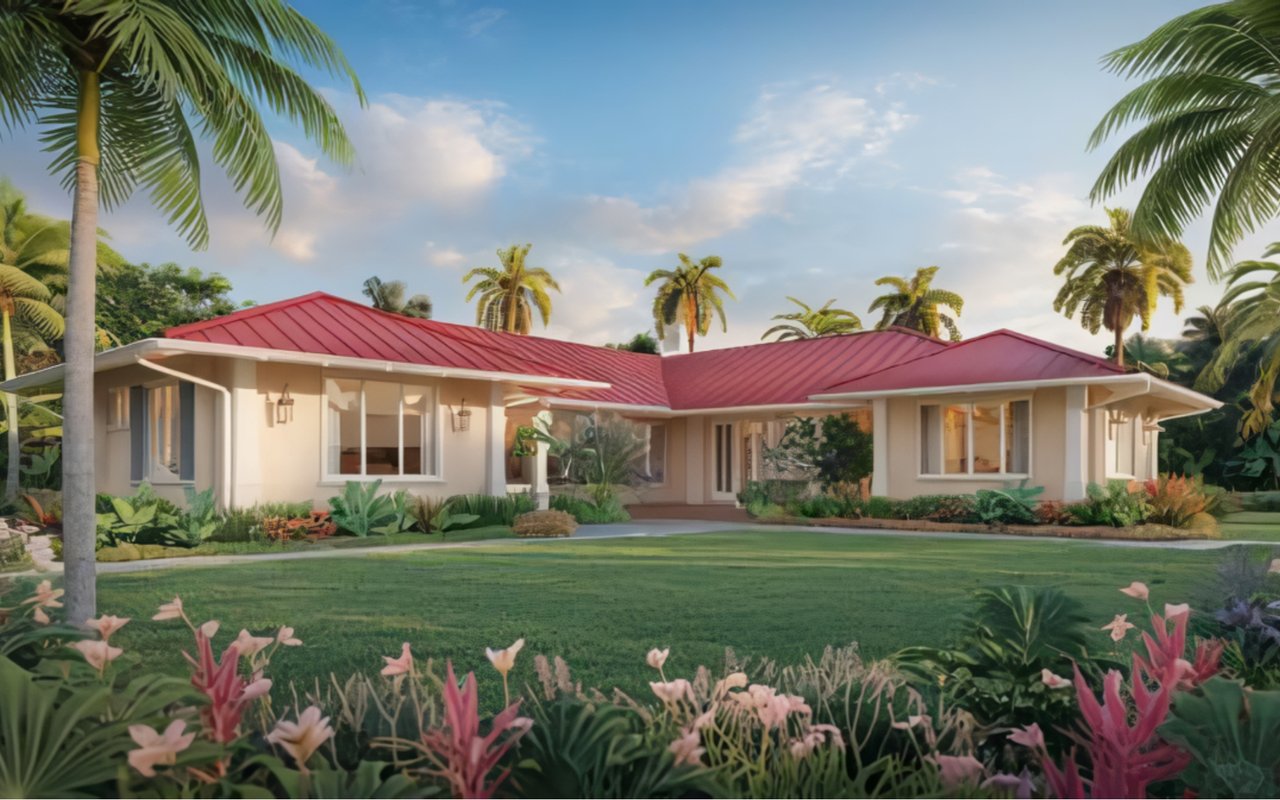
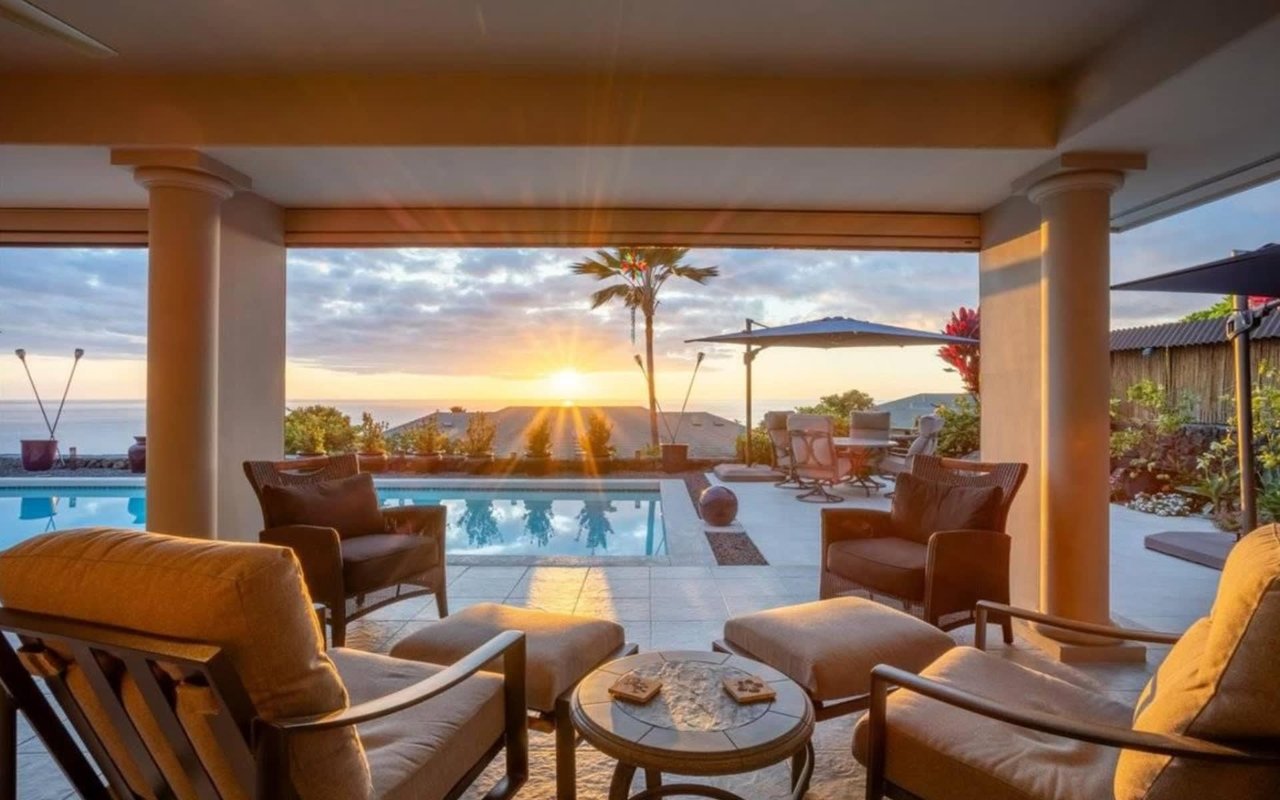
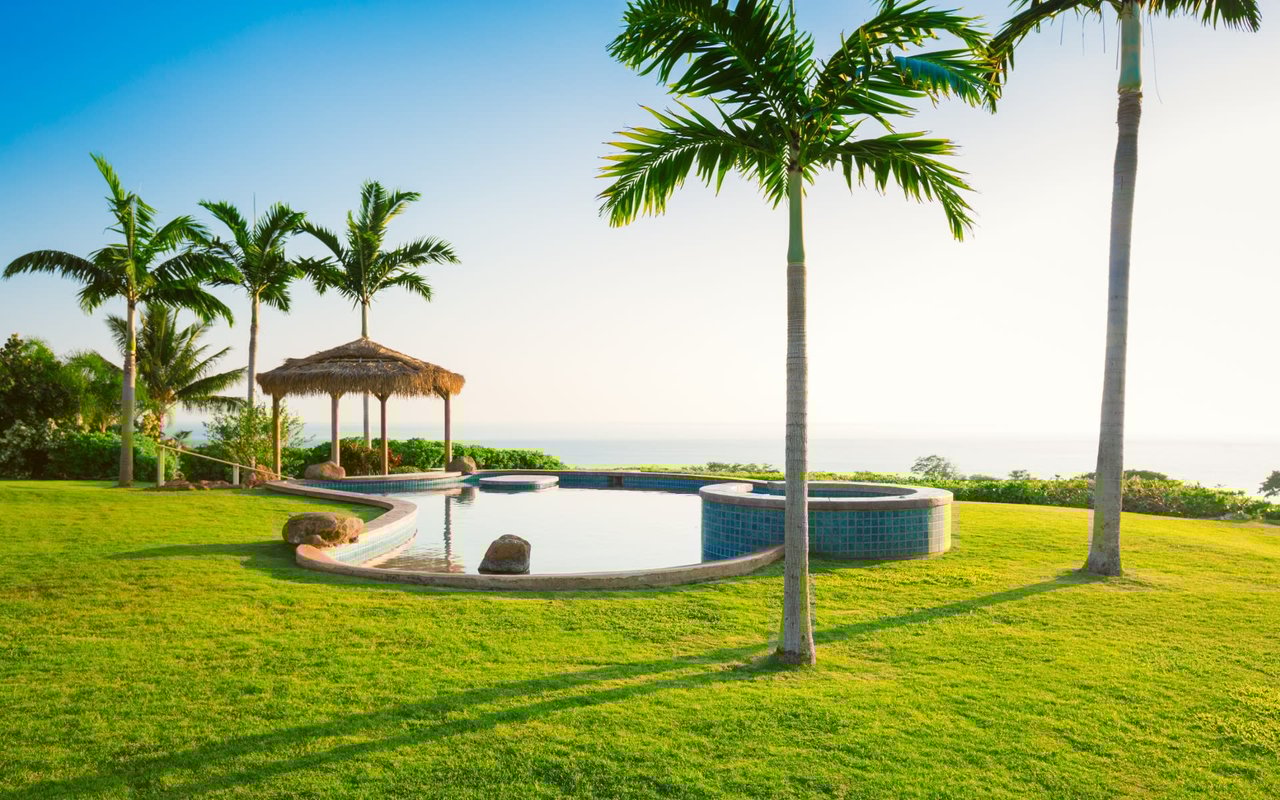
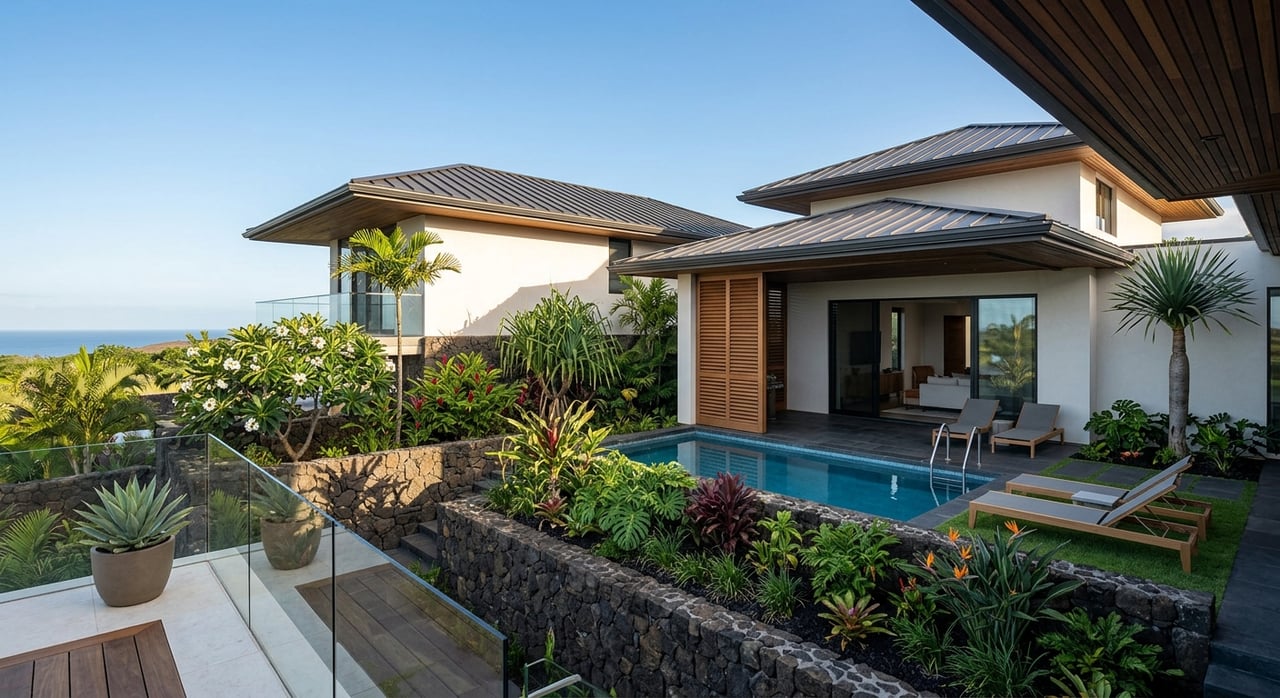
Hillside neighborhoods in Kona often appeal to buyers who want a different feel from the coast without leaving the North Kona market. Because these areas sit closer to the rainfall belt, they generally experience more moisture and cloud cover than the shoreline. The result is often a greener setting and a climate that feels less dry.
The Kona Research Station data helps illustrate that pattern, with average minimum and maximum temperatures of 60 and 78 degrees and much higher rainfall than the coast. Exact conditions still vary by street and elevation, but the overall trend is clear. As you move upslope, the day-to-day environment can change in a meaningful way.
Less Direct Salt Exposure
Another practical advantage of hillside living is lower exposure to salt spray. FEMA says salt effects decline with distance from the shoreline and may drop off quickly within the first 300 to 3,000 feet from the coast. That can translate into less corrosion pressure on exterior materials and hardware.
For buyers thinking about long-term stewardship, this matters. A hillside home may still deliver ocean views in some locations, while reducing one of the most common maintenance stressors tied to immediate coastal living. If you want Kona lifestyle with fewer salt-related demands, upslope areas can be a strong fit.
Privacy and Elevation Change the Feel
Many hillside buyers are drawn to the sense of elevation and separation from the shoreline activity. Even without being far from town, an upslope setting can feel quieter and more removed from the busiest coastal stretches. That difference is not better or worse by itself, but it often aligns with buyers who want a more tucked-away everyday environment.
This is where your lifestyle priorities matter most. If you picture quick shoreline access and spontaneous beach time, oceanfront may feel more natural. If you picture a greener setting and a bit more breathing room, hillside living may be the better match.
How to Decide Which Fit Is Right
A simple way to think about the choice is this: oceanfront buys immediacy, while hillside buys elevation and a different climate envelope. Both can be excellent options in Kailua-Kona, but they support different routines. The right answer depends on how you want the property to live, not just how you want it to look.
Here are a few questions to ask as you compare homes:
- What type of shoreline does the parcel actually face: sand, rock, cliff, or seawall?
- Is water access direct, or do you need to use a trail, park, road, or shared frontage?
- How far is the nearest public access or parking area?
- Is the property in a flood zone, tsunami evacuation zone, or shoreline setback area?
- How much salt-air maintenance has the home already required?
- Do you want easier beach access, or do you prefer more elevation and a greener setting?
A Smart Approach for Remote Buyers
If you are buying from the mainland or comparing second-home options from afar, this decision can be harder than it looks online. Listing photos may highlight a view, but they do not always show the full shoreline character, access pattern, or climate difference between locations. In Kona, those details can shape your ownership experience as much as the home itself.
That is why many buyers benefit from a neighborhood-by-neighborhood review before they narrow the search. A boutique, high-touch approach can help you compare micro-locations, understand parcel-specific questions, and stay focused on the lifestyle fit you actually want. In a market with so much local nuance, that kind of clarity matters.
Whether you are drawn to an Ali‘i Drive condo near the shoreline or a hillside property with a greener feel, the best choice is the one that matches your daily priorities and comfort with upkeep, access, and risk review. If you want personalized guidance on North Kona neighborhoods and property types, Kristina Vaughn-Hazard can help you compare options with the local insight and concierge-level care your decision deserves.
FAQs
What is the main difference between hillside and oceanfront living in Kailua-Kona?
- Oceanfront living is generally drier and closer to shoreline access, while hillside living is often wetter, greener, and shaped by higher elevation.
Does oceanfront in Kailua-Kona always mean a sandy beach?
- No. Oceanfront frontage in North Kona can include rocky shoreline, seawalls, white sand areas, or condo and resort-adjacent settings.
What official maps should you check before buying oceanfront in Kona?
- You should review the County of Hawaii Coastal Zone Viewer, DLNR FHAT, FEMA flood maps, and HIEMA tsunami zones.
Why do hillside homes in Kona often feel greener?
- Upslope areas sit closer to the Kona rainfall belt, where afternoon sea-breeze patterns and elevation contribute to more rain and cloud cover.
Does oceanfront property in Kailua-Kona need more maintenance?
- Often, yes. Salt spray is strongest near breaking waves, which can increase wear on metals, fasteners, and exterior finishes.
How can you tell if a Kailua-Kona property is the right lifestyle fit?
- Focus on your daily priorities, including shoreline access, privacy, climate preference, maintenance tolerance, and any parcel-specific coastal review needs.