By Kris Hazard
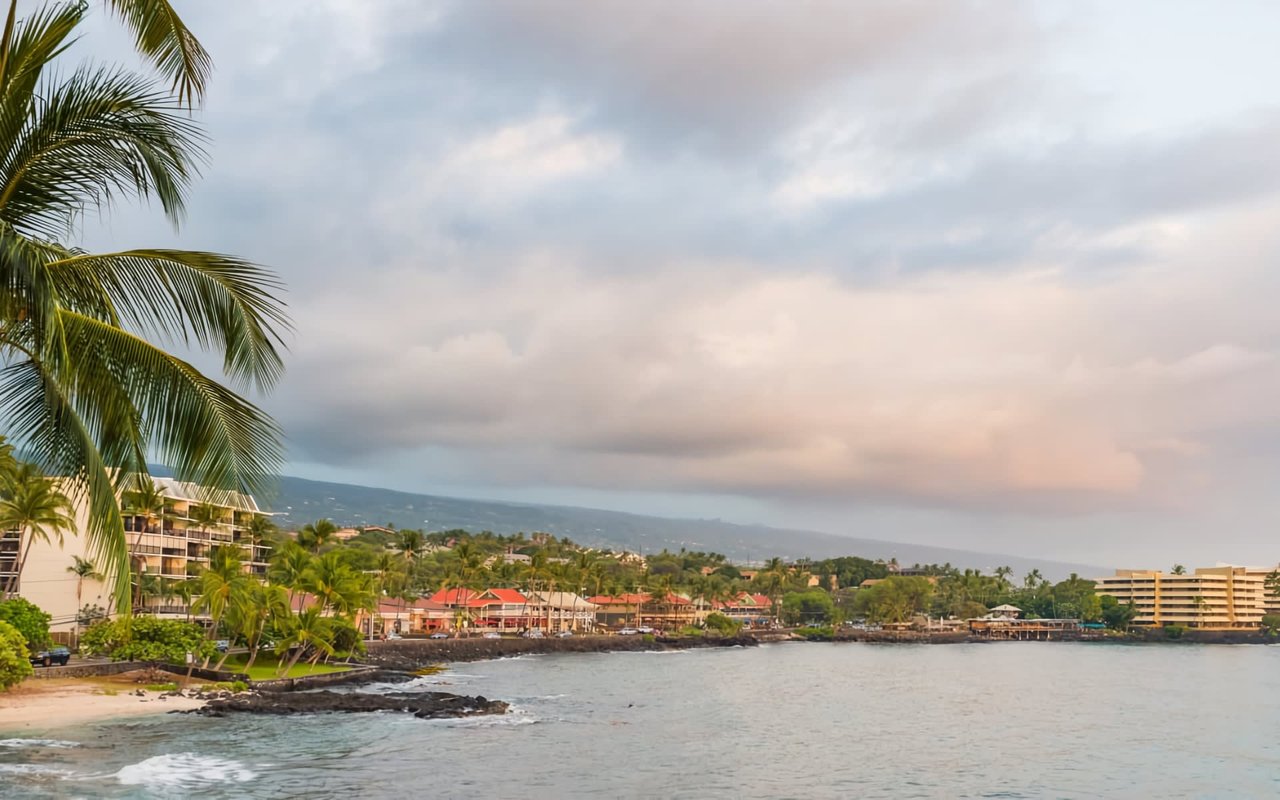
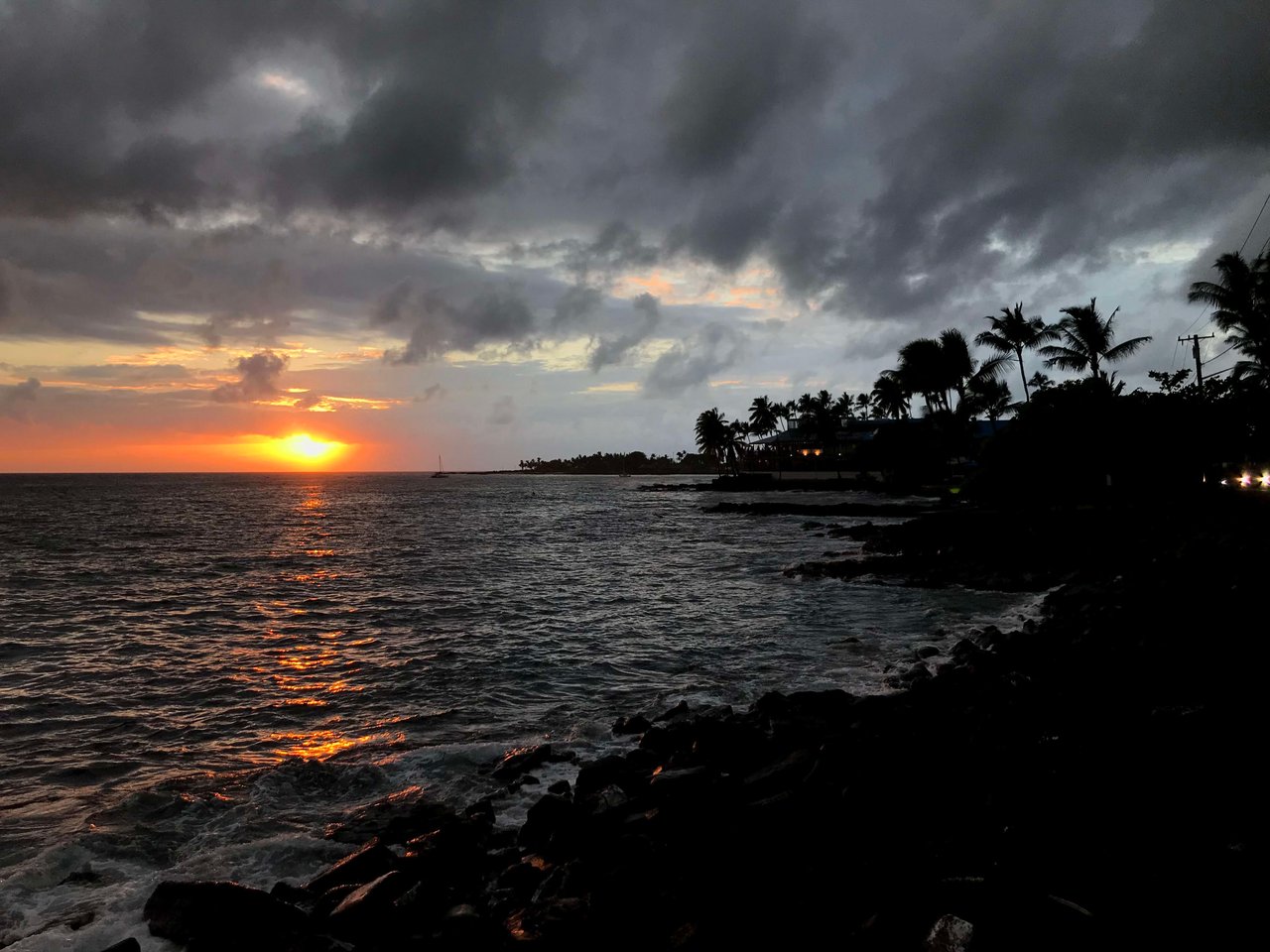
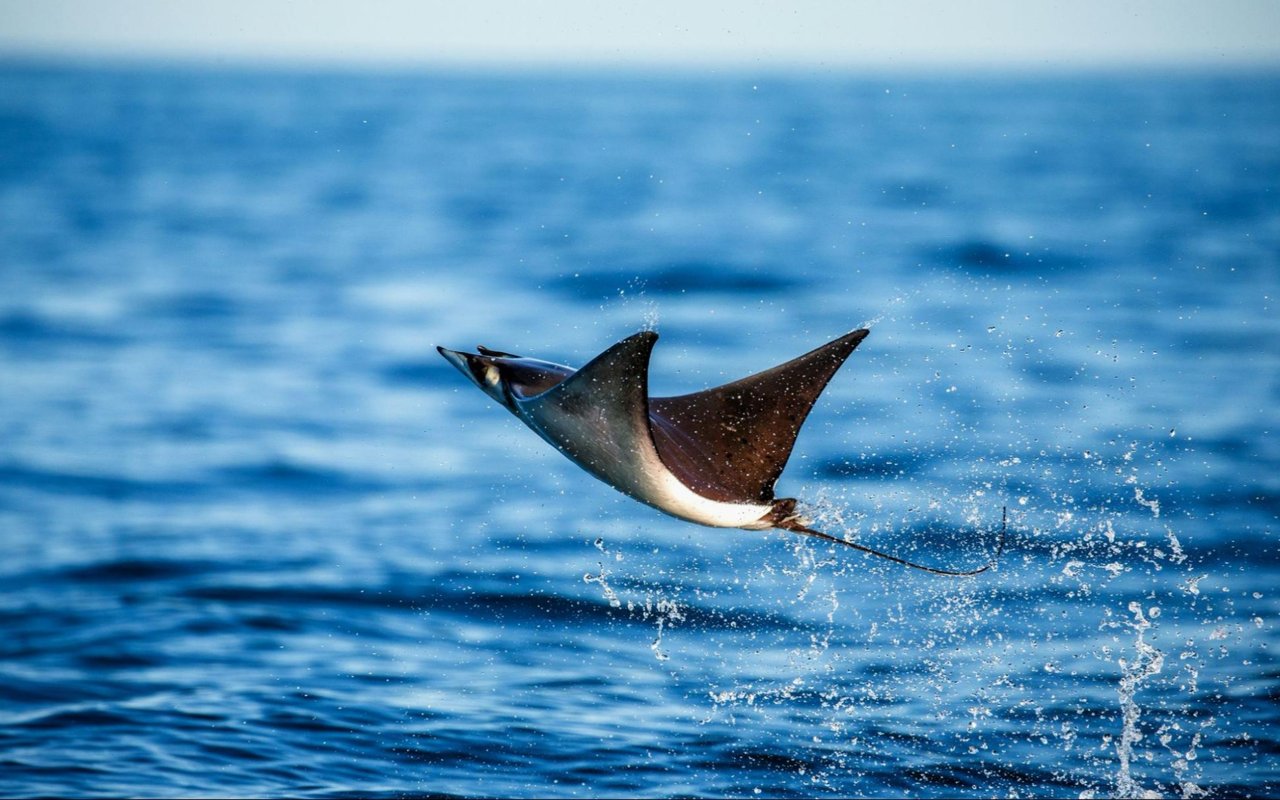
Keauhou Bay sits a few miles south of Kailua-Kona town, and on most evenings after sunset, something remarkable happens just offshore. Boat lights illuminate the water, plankton rises to the surface, and manta rays, some with wingspans reaching 14 feet, glide up from the dark to feed. This exciting experience happens year-round, is accessible to nearly any swimmer, and The Travel Channel named it one of the ten things you must do in your lifetime. For visitors and residents of the Big Island alike, it should be on your bucket list.
Key Takeaways
- Learn why Keauhou Bay is considered the birthplace of the manta ray night snorkel and what makes it one of the most consistent manta ray viewing locations in the world.
- Discover how the tour experience works, from sunset departure to nighttime entry into the water, and what guests can expect once the mantas arrive.
- Find out what makes manta rays safe to swim alongside and why their behavior during a feeding session puts them within inches of guests in the water.
- Understand how to choose the right tour format for your group and what to look for when booking a manta ray experience in Kona.
Why Keauhou Bay
Manta ray viewing began at Keauhou Bay in the 1980s, when resort lights along the shoreline started attracting plankton to the surface after dark. The manta rays followed the food source and never left. Today, Keauhou Bay, locally known as Manta Ray Village, is considered one of the most reliable manta ray viewing sites on the planet, with sightings reported on the vast majority of nights throughout the year.
What Makes This Bay Different From Other Viewing Sites
- The bay's calm, protected waters keep conditions manageable for swimmers across most of the year, making it accessible to guests who might find open-ocean snorkeling difficult.
- The consistent plankton supply created by coastal currents and surrounding resort lights draws manta rays to feed in the same area night after night, which is why sightings here are so reliable compared to other locations.
- The shallow feeding site just outside the bay mouth puts manta rays within easy range of snorkelers floating on the surface, with no diving required to see them up close.
- Manta rays in Hawaiian culture are called hahalua, and they carry a deep significance in Native Hawaiian tradition as ancestral guardians of the sea.
The manta ray night snorkel originated here, and Keauhou Bay remains the premier location for the experience.
What to Expect on a Tour
Most manta ray snorkeling tours depart from Keauhou Bay in the early evening, giving guests time to enjoy the sunset from the water before darkness brings the main event. The schedule remains unchanged regardless of which operator you book with.
How a Typical Manta Ray Tour Unfolds
- Guests board their boat or canoe at the Keauhou pier and travel just a few minutes offshore to the feeding site, close enough that the journey itself is brief.
- Once anchored, guides lower light boards into the water to attract plankton to the surface, recreating the same conditions that draw manta rays to the bay each night.
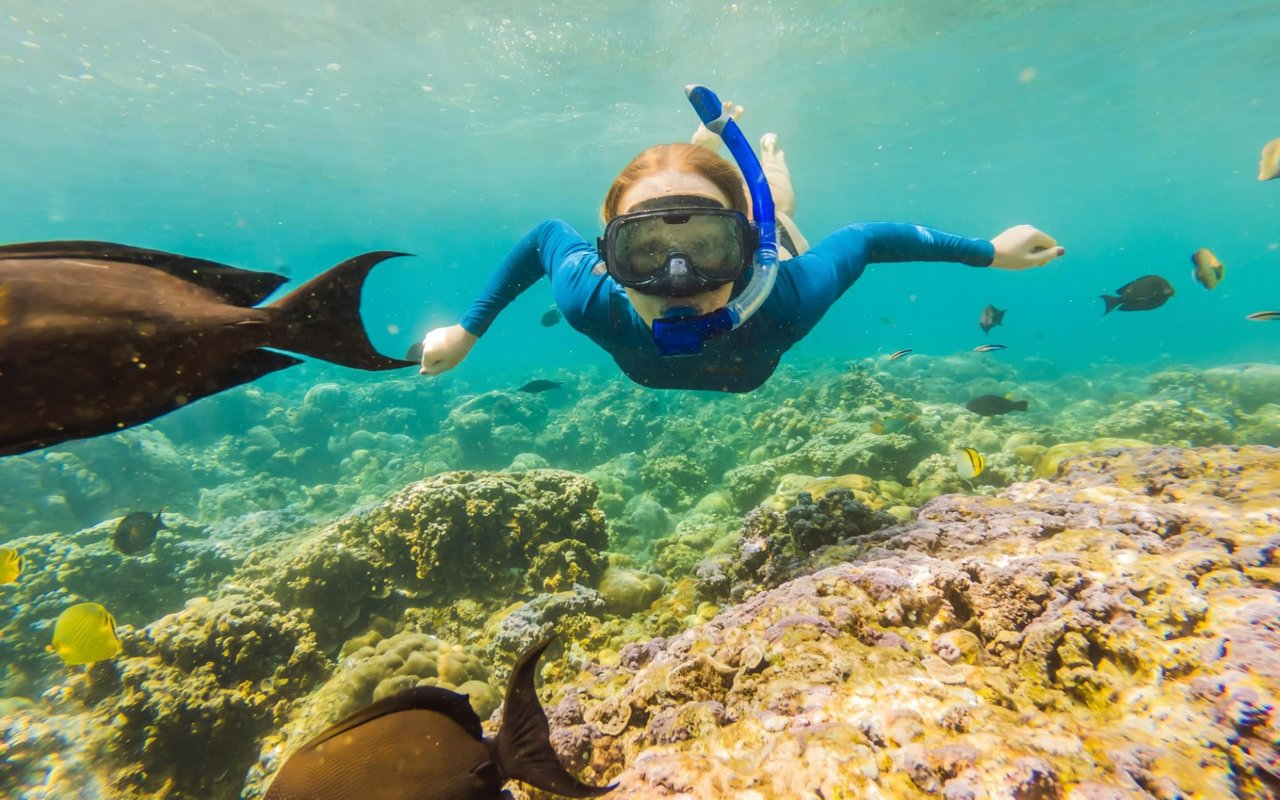
- Guests enter the water and float horizontally on the surface, holding the light boards or a float line, while the manta rays rise from below to feed on the plankton gathering in the light.
- Manta rays are filter feeders with no teeth and no stinger, and they pose no threat to swimmers whatsoever, often passing within inches of guests as they complete slow, rolling loops through the illuminated water.
The experience typically lasts 45 minutes to an hour in the water. For most guests, it is unlike anything else they have encountered in or near the ocean.
Choosing a Tour Format
Several reputable operators offer manta ray tours from Keauhou Bay, and they differ in group size, vessel type, and overall experience. Choosing the right format depends on your group’s necessities.
The Main Tour Formats Available
- Motorized snorkel boats with larger group capacities, such as those offered by Sea Quest Hawaii and Hawaii Island and Ocean Tours, provide a structured experience with Coast Guard certified captains, wetsuits, and post-snorkel refreshments.
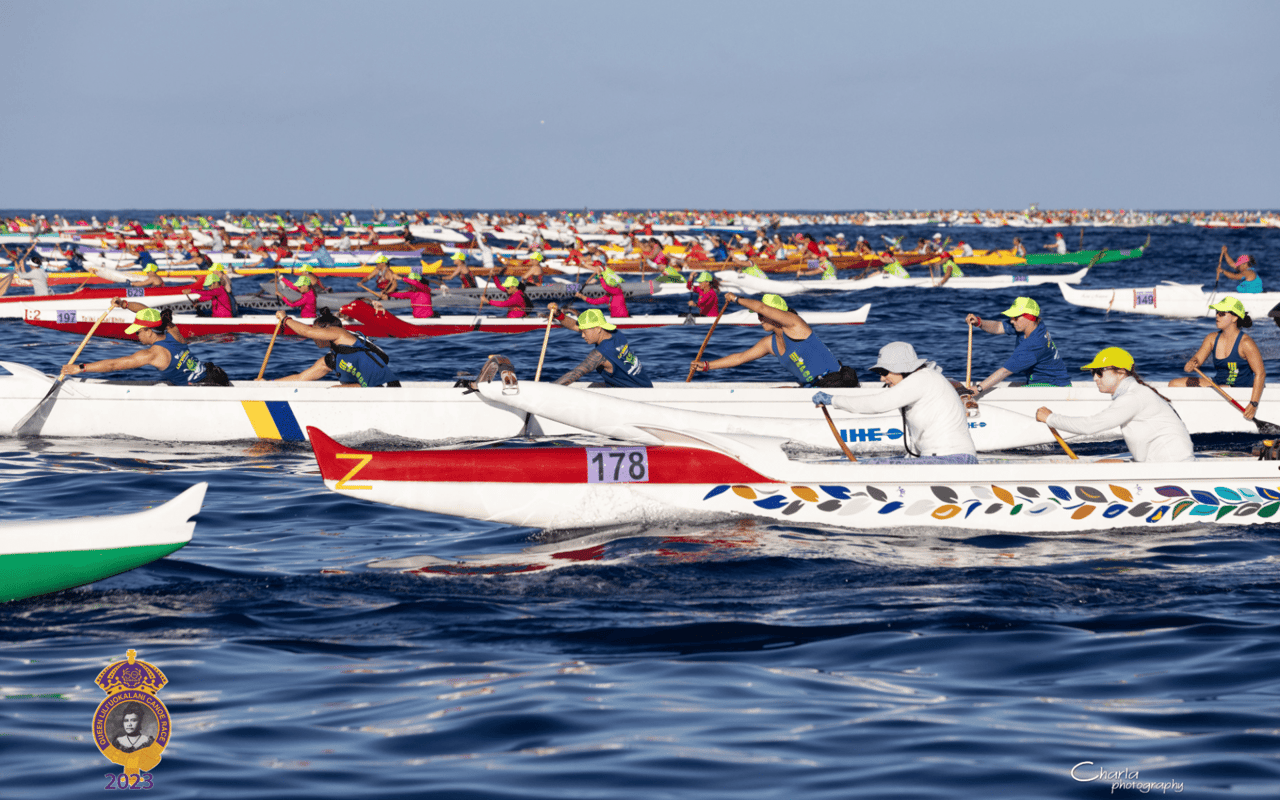
- Traditional Hawaiian outrigger canoe tours limit groups to six guests per canoe, paddle out quietly without engine noise, and provide a more intimate and culturally connected encounter with the mantas.
- Both formats position guests above the feeding site using light boards, and both deliver the same fundamental experience of watching manta rays rise through illuminated water beneath a dark sky.
- Guests who prefer a quieter, smaller group experience with minimal environmental impact tend to gravitate toward the canoe operators; guests who want more structure and a larger support team often prefer the motorized options.
Booking in advance is recommended, particularly during peak visitor season, as the most well-reviewed tours fill quickly and last-minute availability is not guaranteed on every night.
What to Know Before You Go
A few practical considerations make the experience more comfortable and ensure guests are prepared for the adventure.
Practical Tips for First-Time Manta Ray Snorkelers
- All necessary gear, including wetsuits or wet suit tops, masks, and snorkels, is provided by tour operators, so guests do not need to bring their own equipment.
- The water temperature at Keauhou Bay runs warm by most standards, but the evening air and the boat ride back can feel cool, and a light jacket or dry layer to put on after the snorkel is worth bringing.
- Guests should be able to float unassisted and climb back onto a boat or canoe ladder without help, as most tour operators list this as a minimum physical requirement.
- Touching manta rays is not permitted and should be avoided entirely, as the oils from human skin can damage their protective mucus coating and disrupt their behavior.
The manta ray night snorkel is appropriate for most ages and swimming abilities, and the calm bay conditions make it one of the more accessible ocean wildlife experiences available anywhere in Hawaii.
Frequently Asked Questions
Can manta rays be seen in Keauhou Bay year-round?
Yes. Because plankton gather in Kona's coastal waters throughout the year and the bay lights provide a consistent nightly food source, manta rays are present at Keauhou Bay in every season. This year-round reliability is one of the primary reasons the site has developed such a strong international reputation.
Is the manta ray night snorkel appropriate for children?
Most operators welcome children who can swim unassisted and float comfortably on the surface with snorkel gear. The calm bay conditions and the non-threatening nature of the manta rays make it a genuinely appropriate family experience for confident swimmers. Age and weight minimums vary by operator, so confirming requirements at the time of booking is recommended.
What happens if the mantas do not show up?
Manta ray sightings at Keauhou Bay are highly consistent, and most operators report sightings on the large majority of their tours. No wildlife encounter can be guaranteed, but the feeding conditions created by the lights and the plankton supply make this one of the most reliable wildlife viewing experiences in Hawaii. Most operators will offer a complimentary rebooking if no rays appear during a tour.
Experience Kona From the Water and the Shore
The manta ray night snorkel at Keauhou Bay is the experience that visitors to Kona describe for years after returning home, and for residents of the Big Island it is a standing invitation available any evening of the week. Kona's combination of ocean access, natural beauty, and year-round outdoor living is a large part of what draws buyers to this side of the Big Island.
I work with buyers and sellers throughout the Kona market and know what it means to find a home in a place where evenings like this are simply part of the calendar. If the Big Island is calling you home, reach out to me, Kris Hazard. I can help you find your dream property.
I work with buyers and sellers throughout the Kona market and know what it means to find a home in a place where evenings like this are simply part of the calendar. If the Big Island is calling you home, reach out to me, Kris Hazard. I can help you find your dream property.