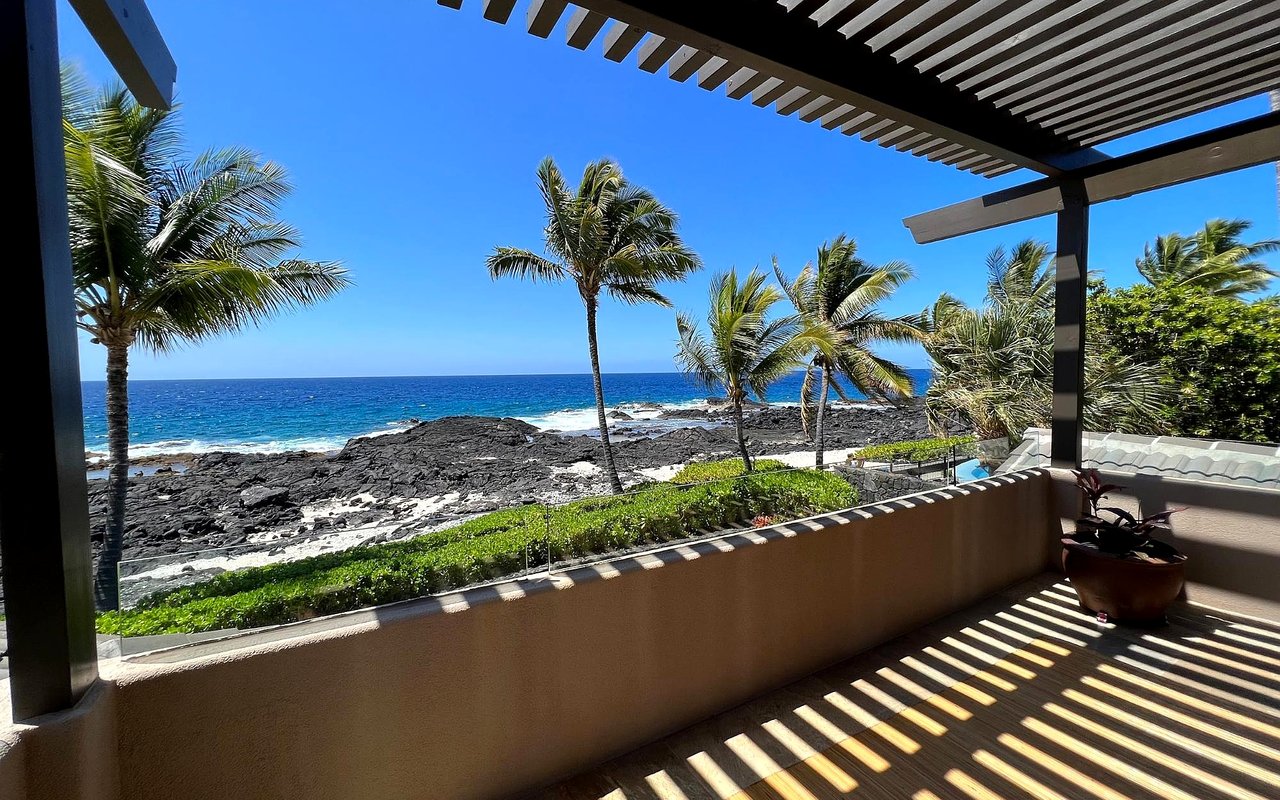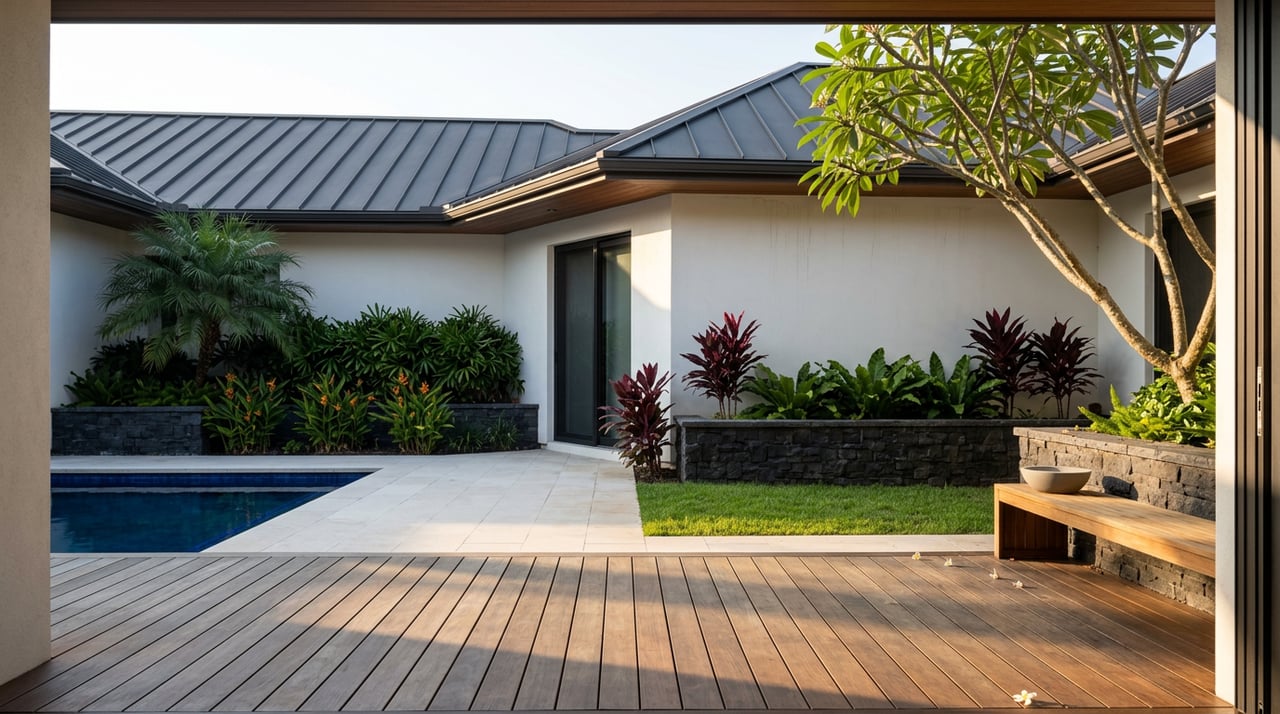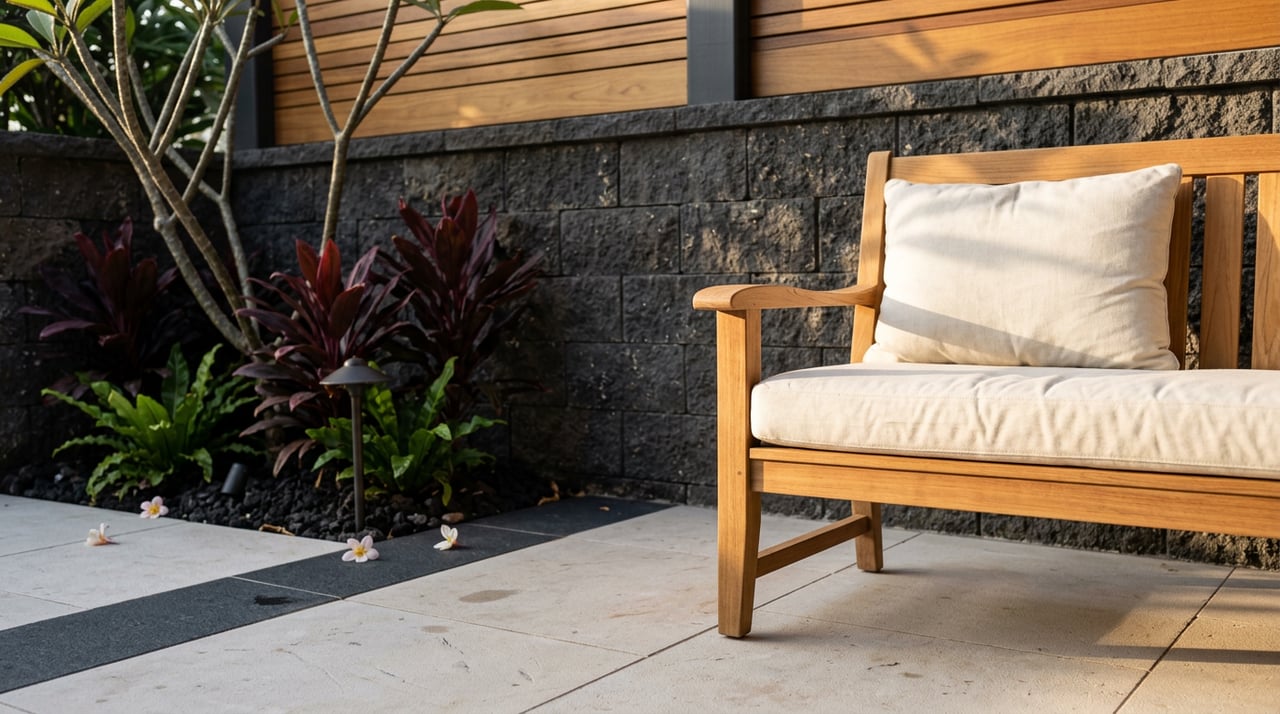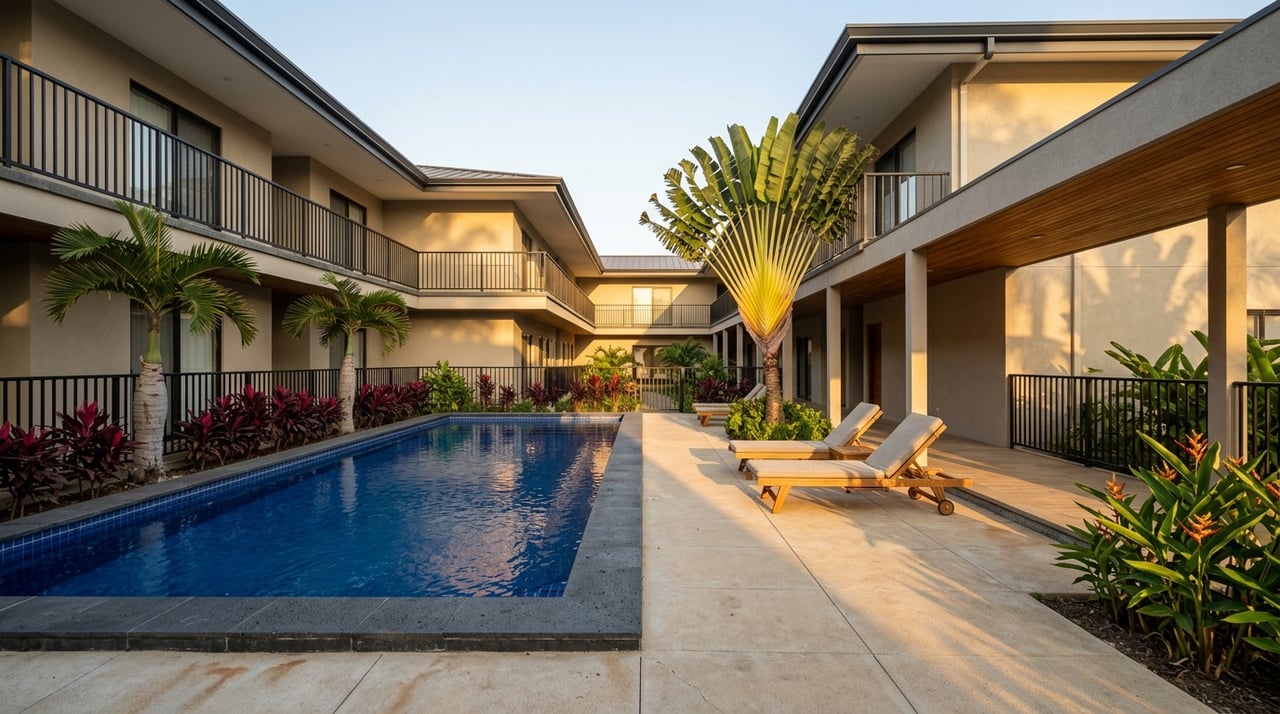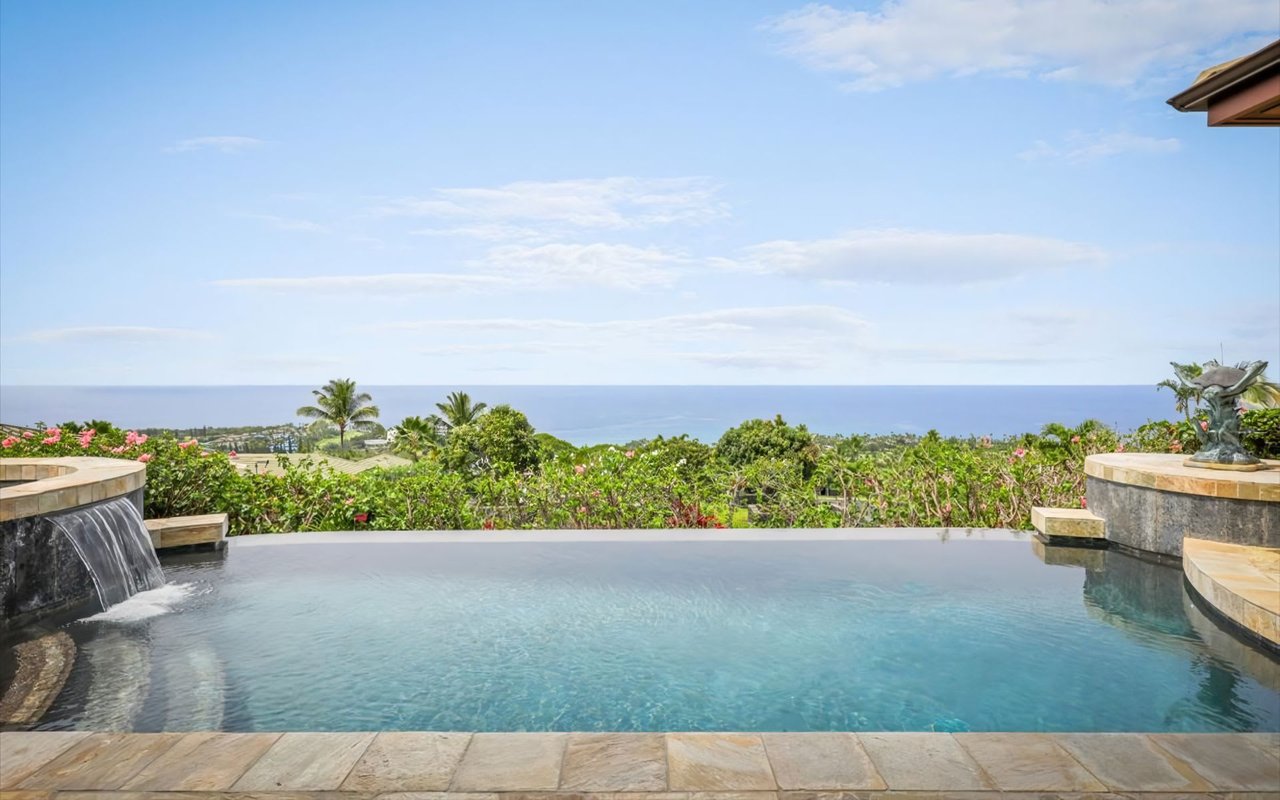
Learning how to find a historic home in Kona requires an understanding of the area’s architecture, preservation practices, and real estate structure. Historic homes in Kona often reflect decades of evolution, with influences from the plantation era, early ranch developments, and the mid-century expansion that shaped much of the Big Island’s coastal character.
Buyers drawn to these properties value craftsmanship, authenticity, and a connection to Hawaii’s cultural and architectural history. This guide outlines eight essential aspects of the process.
Identify Historic Home Inventory
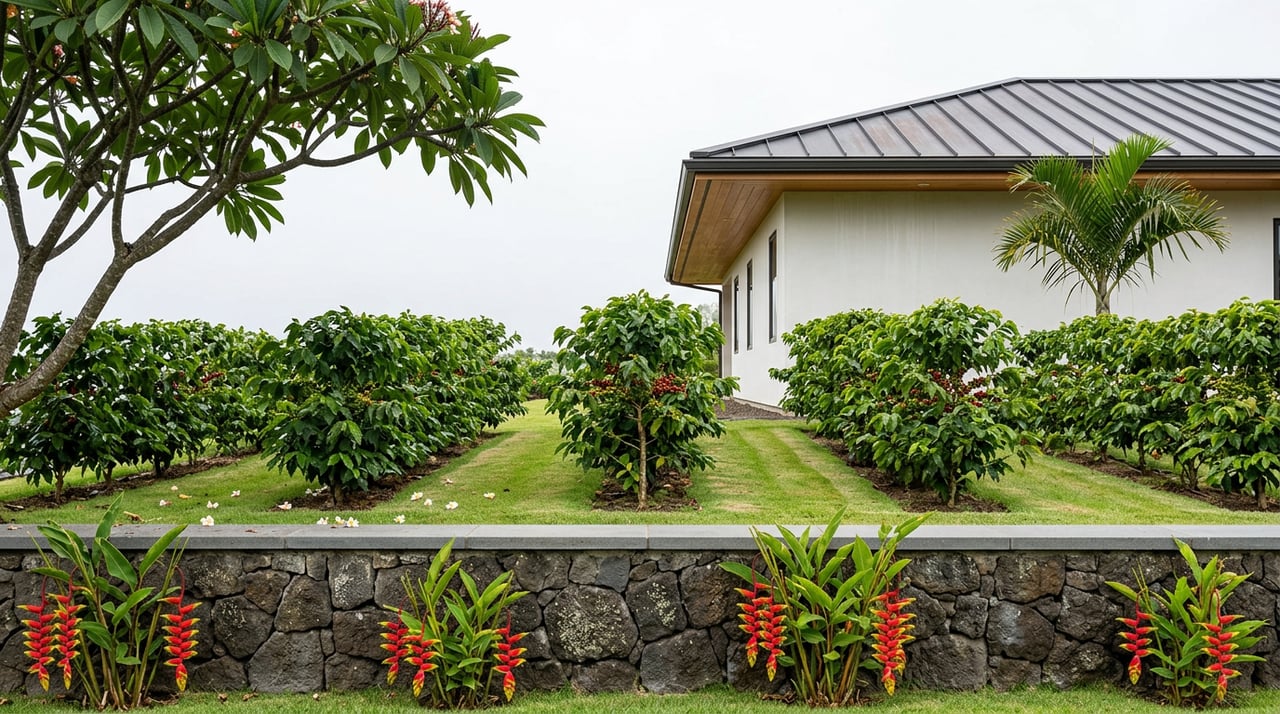
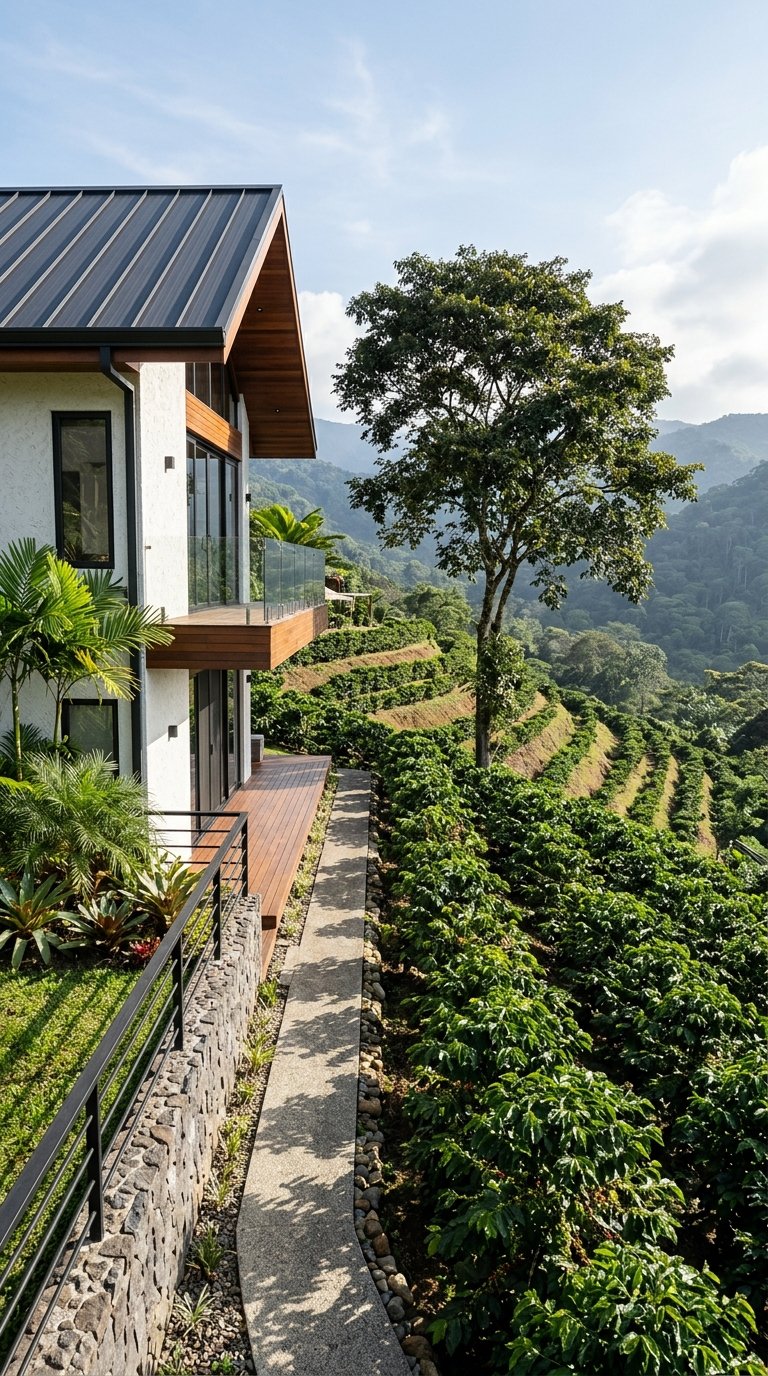
The Kona district includes plantation-style houses, lava-rock cottages, and mid-century estates built with materials that blend with the island’s environment. Many of these properties are concentrated near Kailua-Kona, Kealakekua, and Holualoa, areas known for coffee farming and early community settlements. Listings may appear under categories such as “historic,” “plantation era,” or “legacy properties,” but not every older home is officially recognized as historic.
Buyers benefit from working with local professionals who understand the nuances of the Kona market. Many historic homes are still privately owned by local families and may be sold quietly before reaching public listing services. Early awareness of these opportunities enables buyers to assess a home’s condition and history before competing offers are made.
Buyers benefit from working with local professionals who understand the nuances of the Kona market. Many historic homes are still privately owned by local families and may be sold quietly before reaching public listing services. Early awareness of these opportunities enables buyers to assess a home’s condition and history before competing offers are made.
Kona’s Architectural Heritage
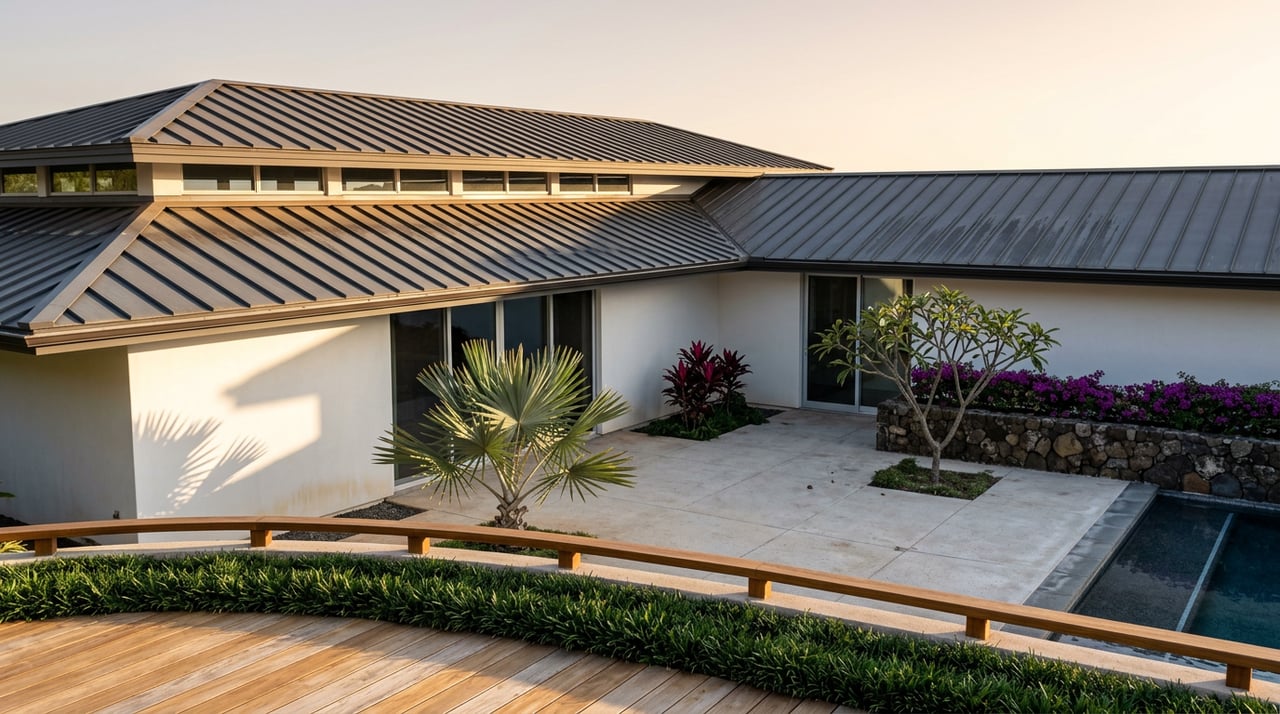
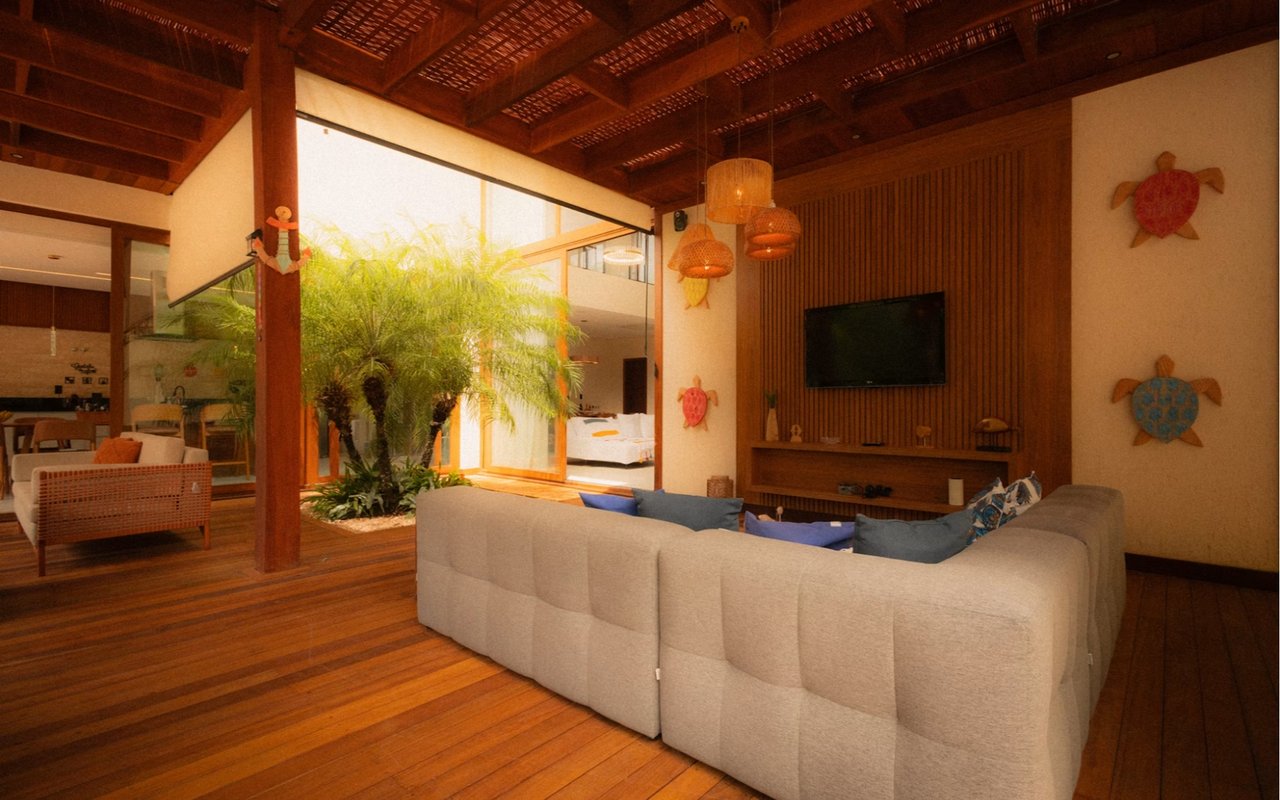
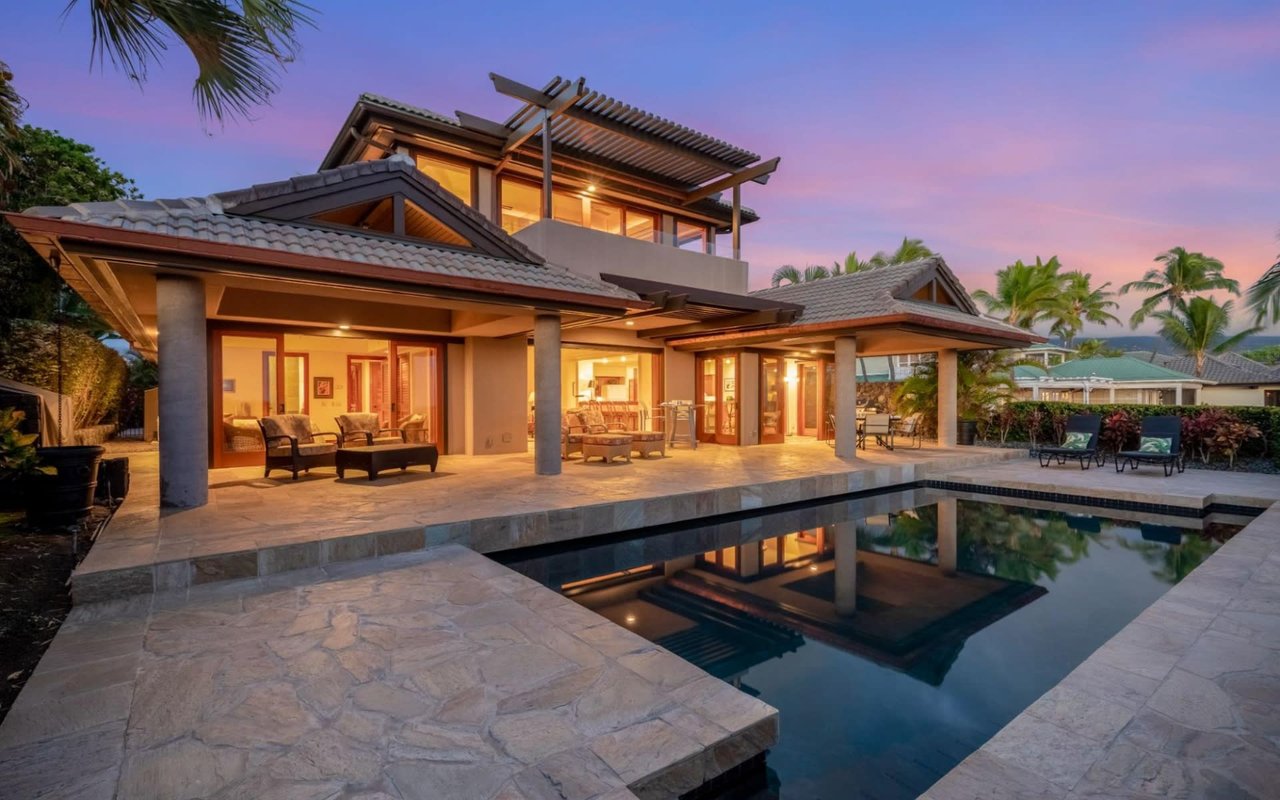
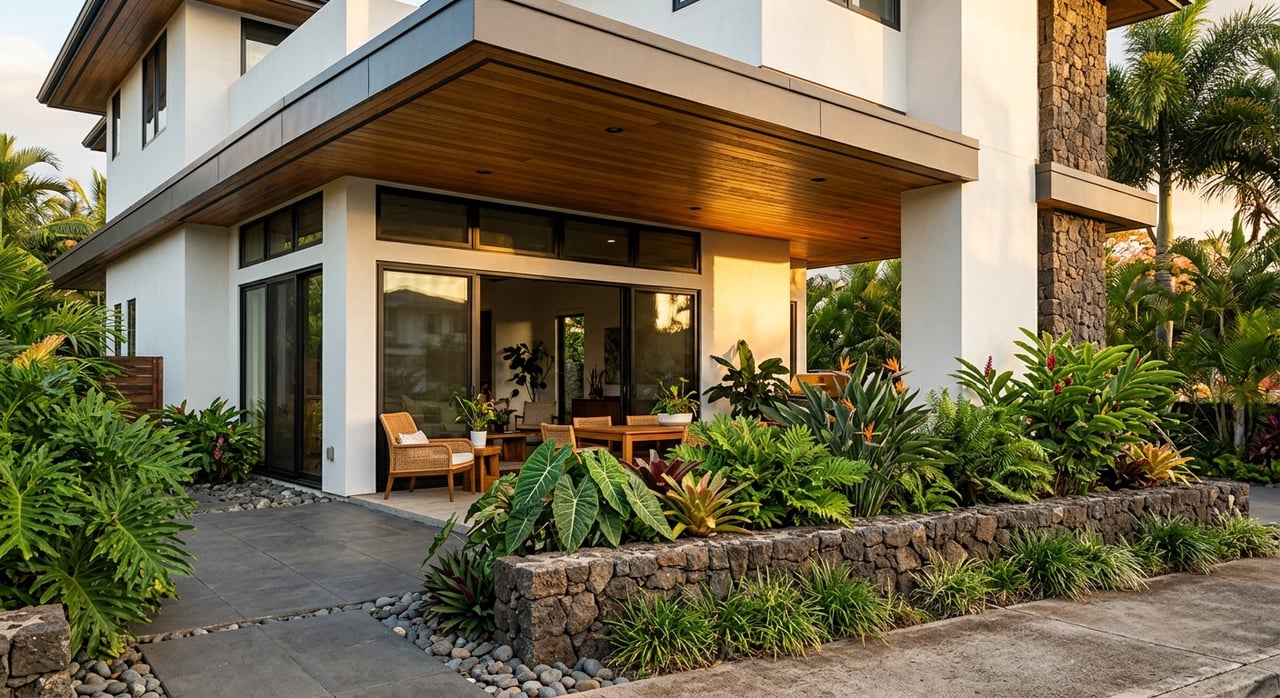
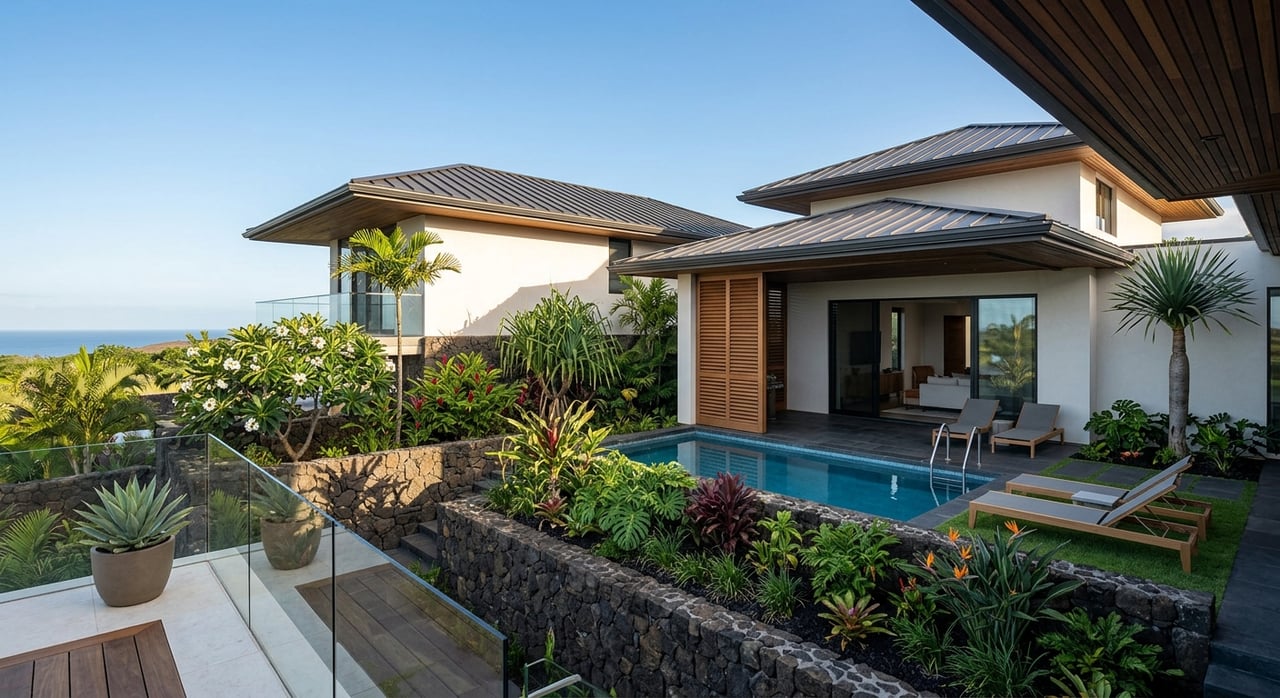
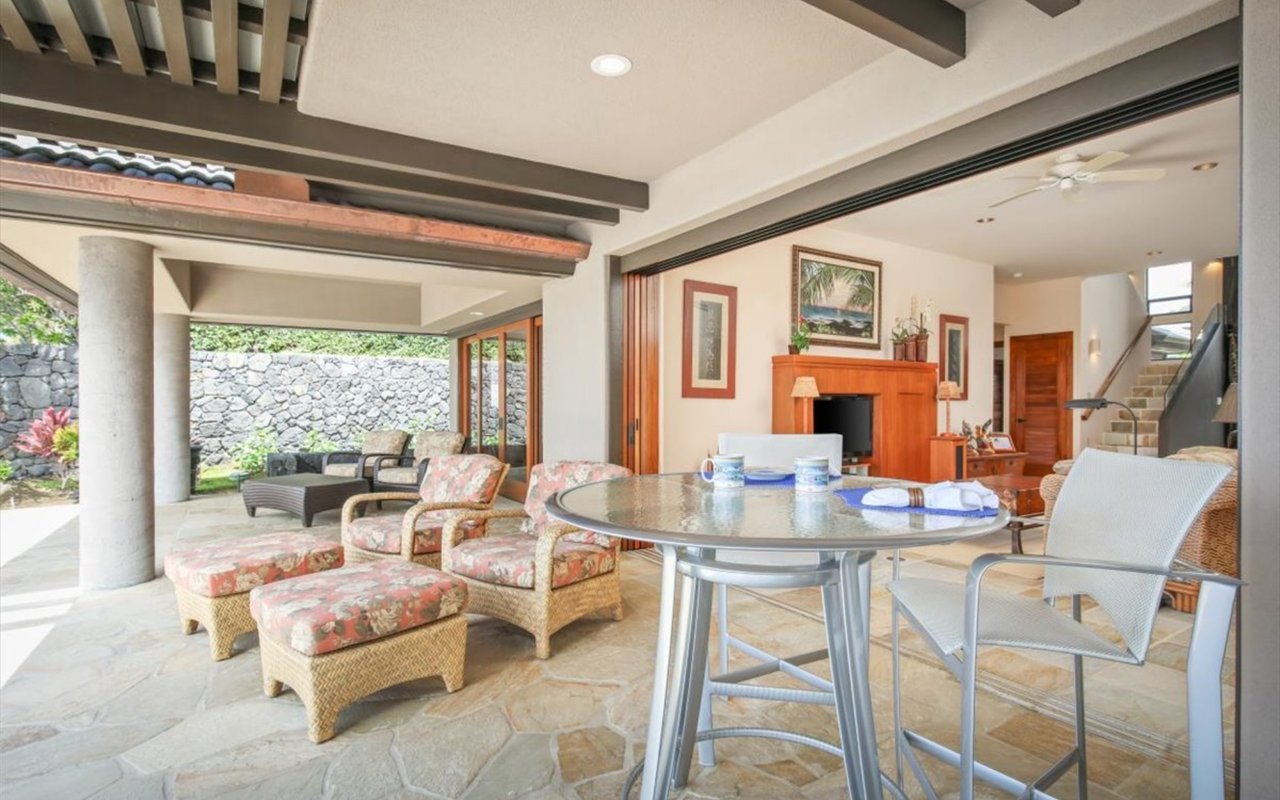
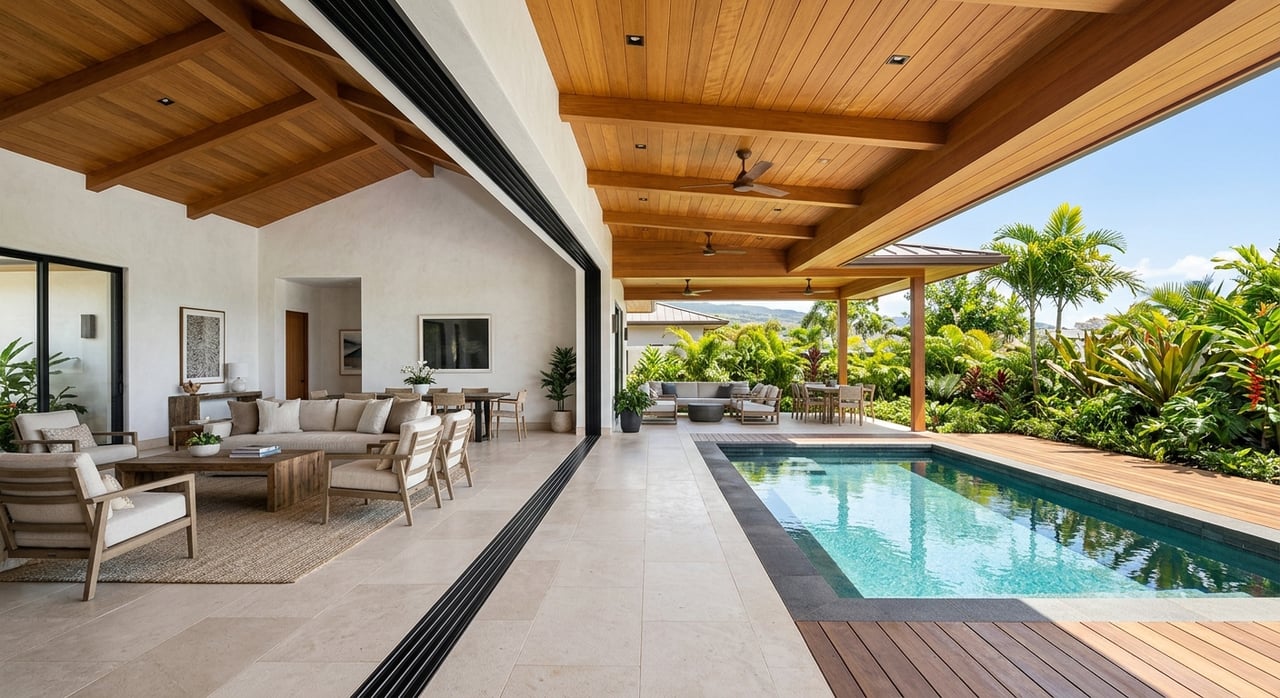
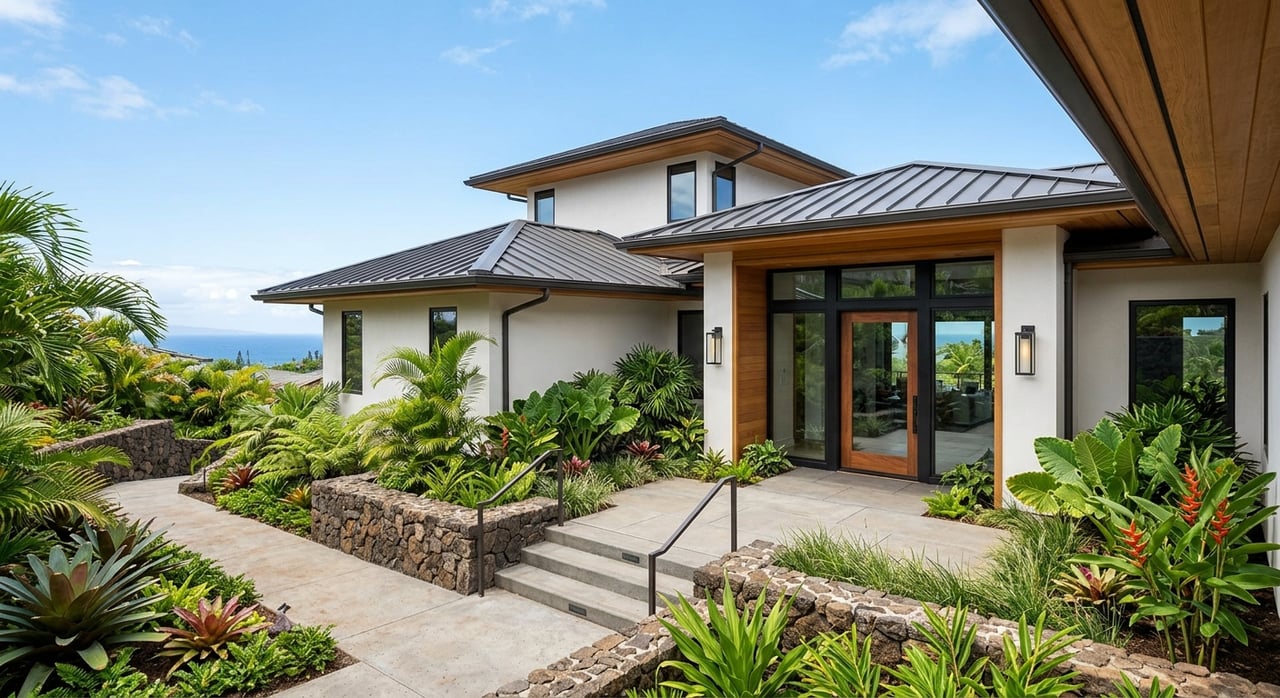
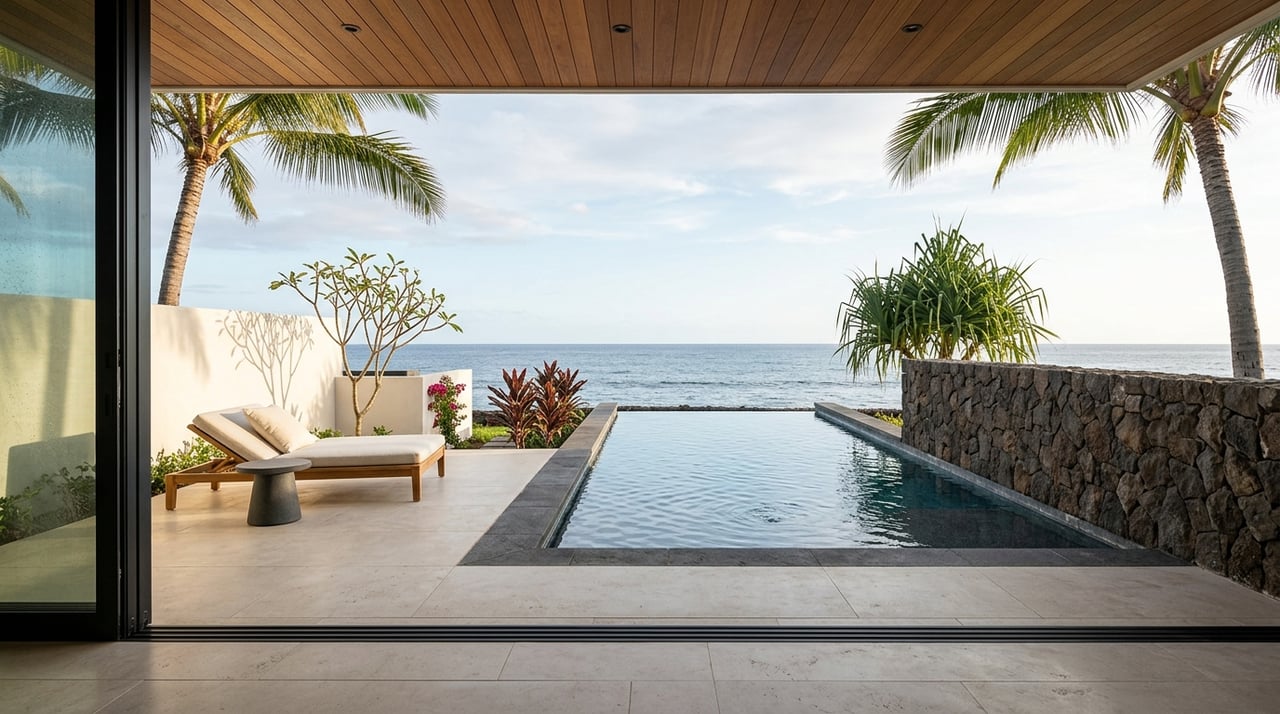
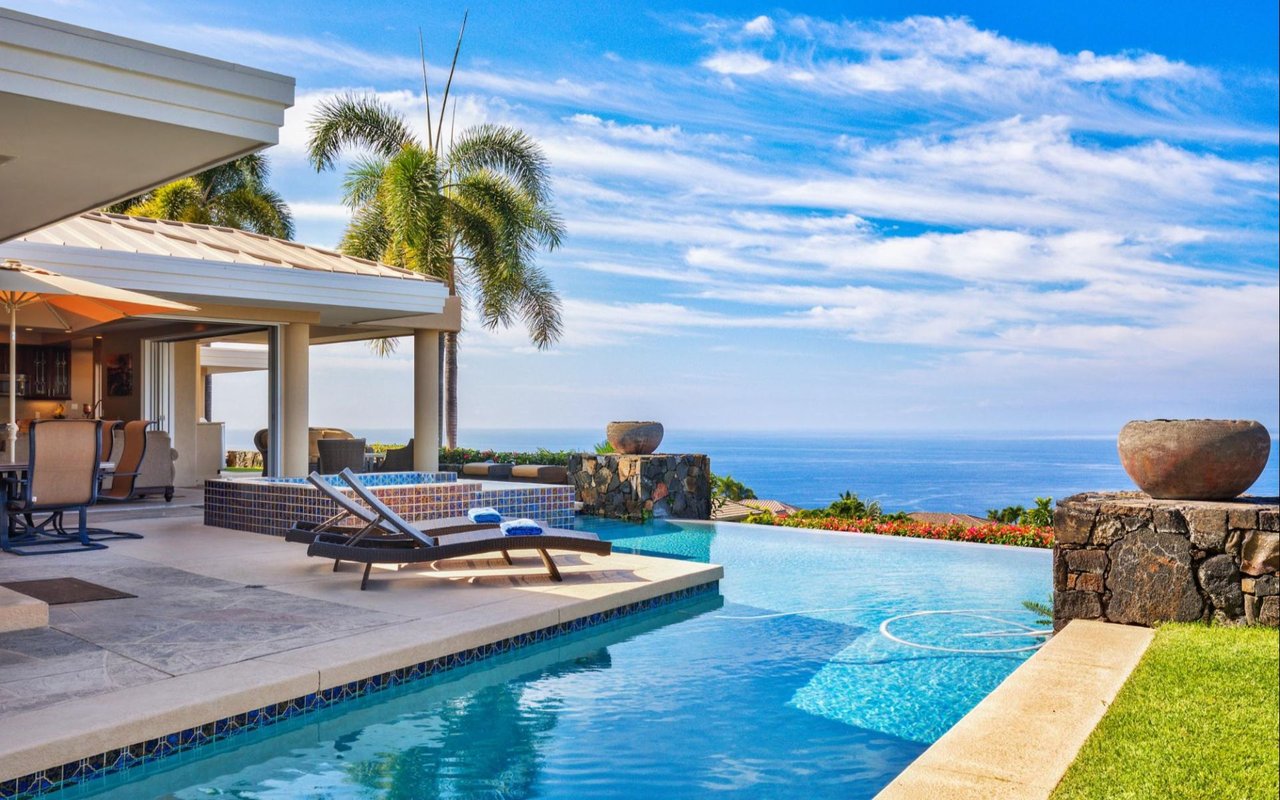
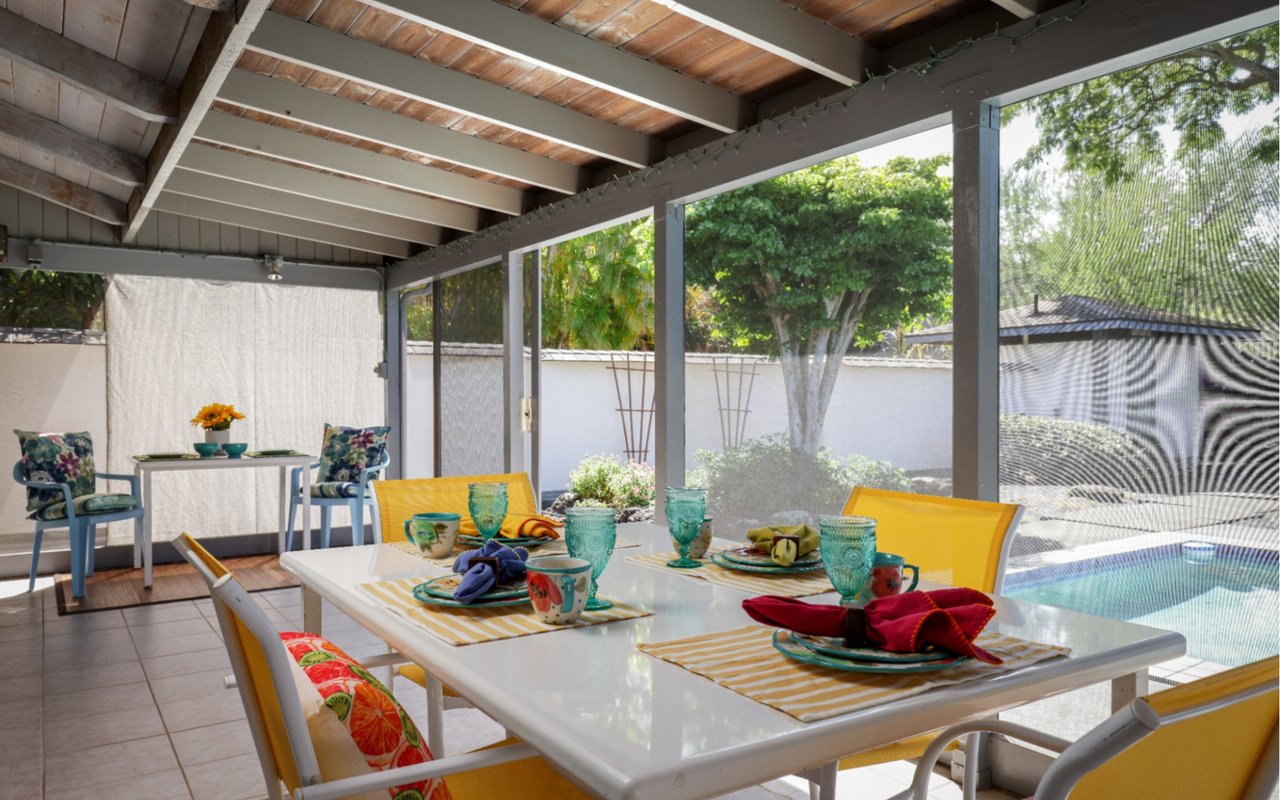
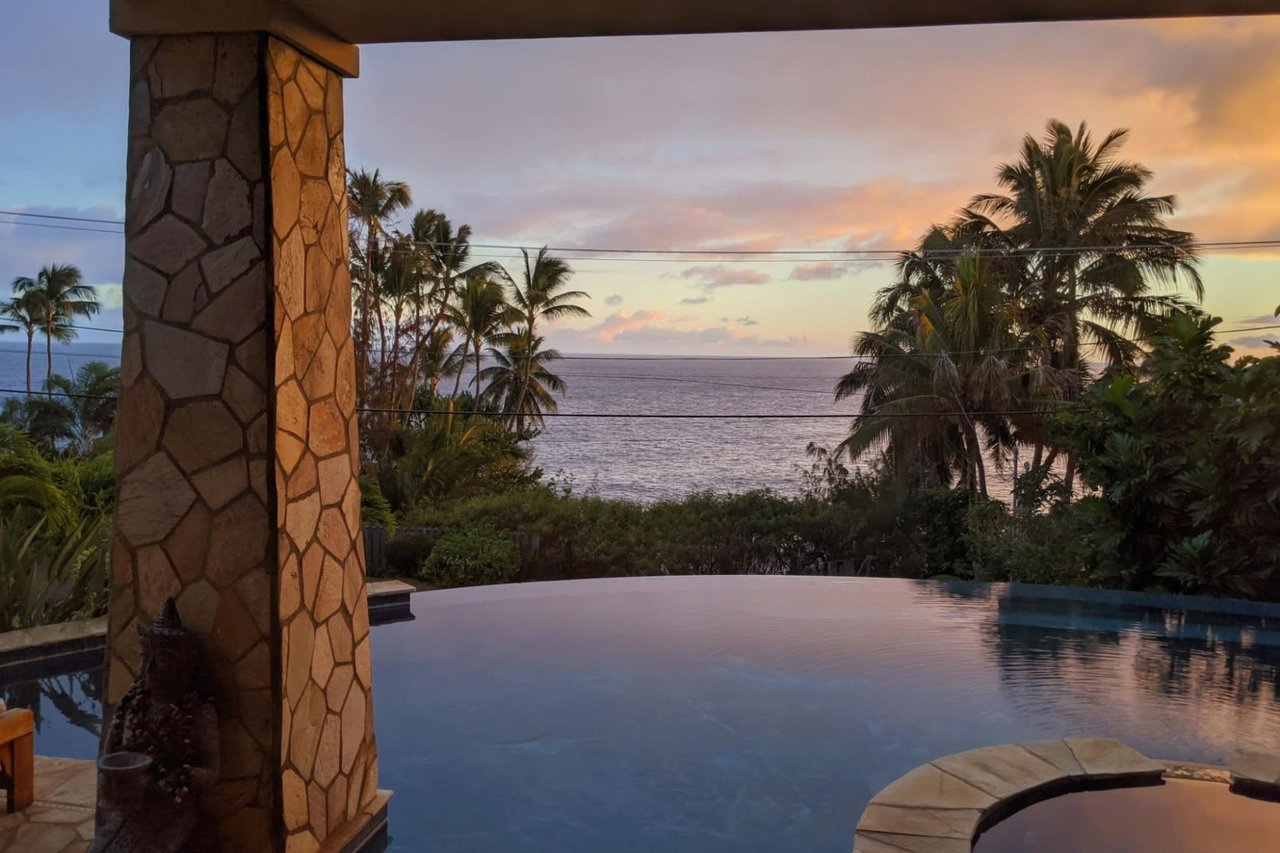
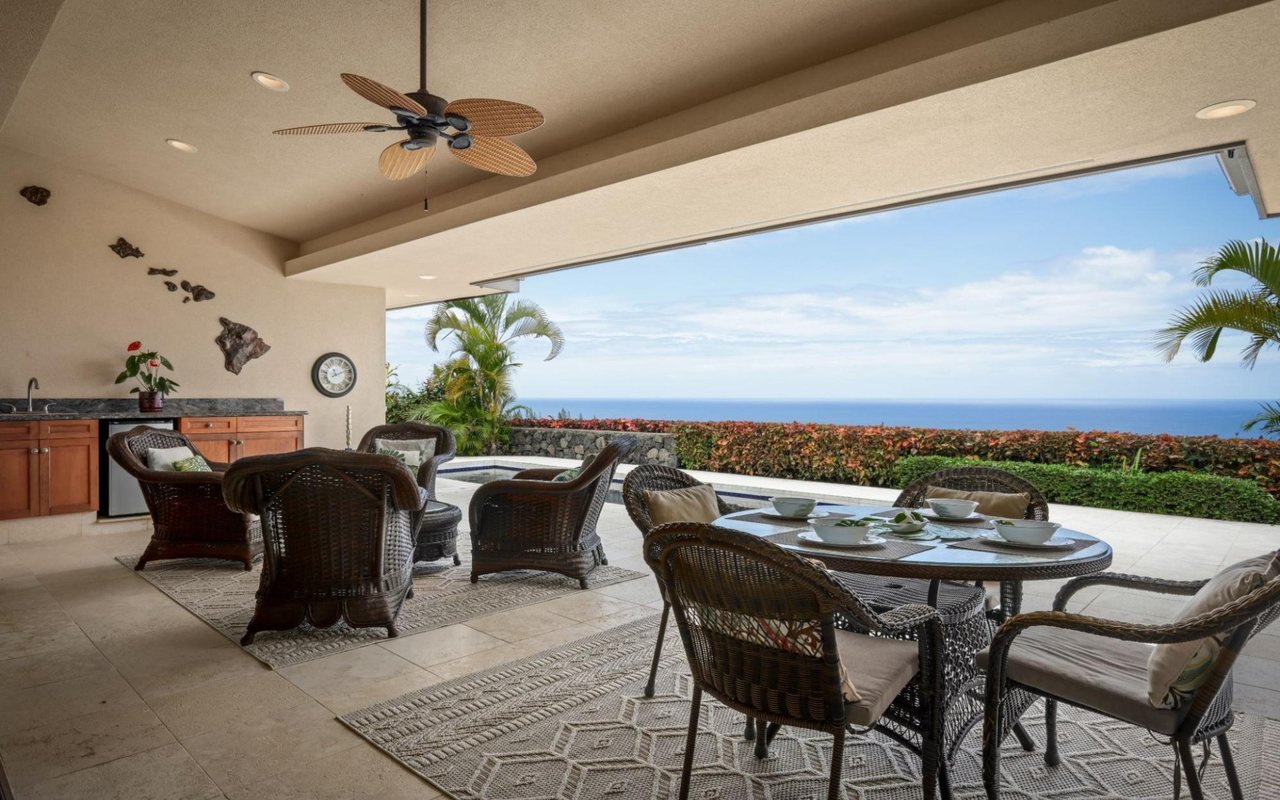
Architecture across historic Kona reflects Hawaii’s unique blend of cultural influences and adaptation to the island’s climate. Standard features include lava-rock foundations, expansive lanais, exposed wooden beams, and open-air interiors designed to maximize breezes and views. Some homes in the Holualoa area were built as coffee-farm residences and later converted into private estates or art studios.
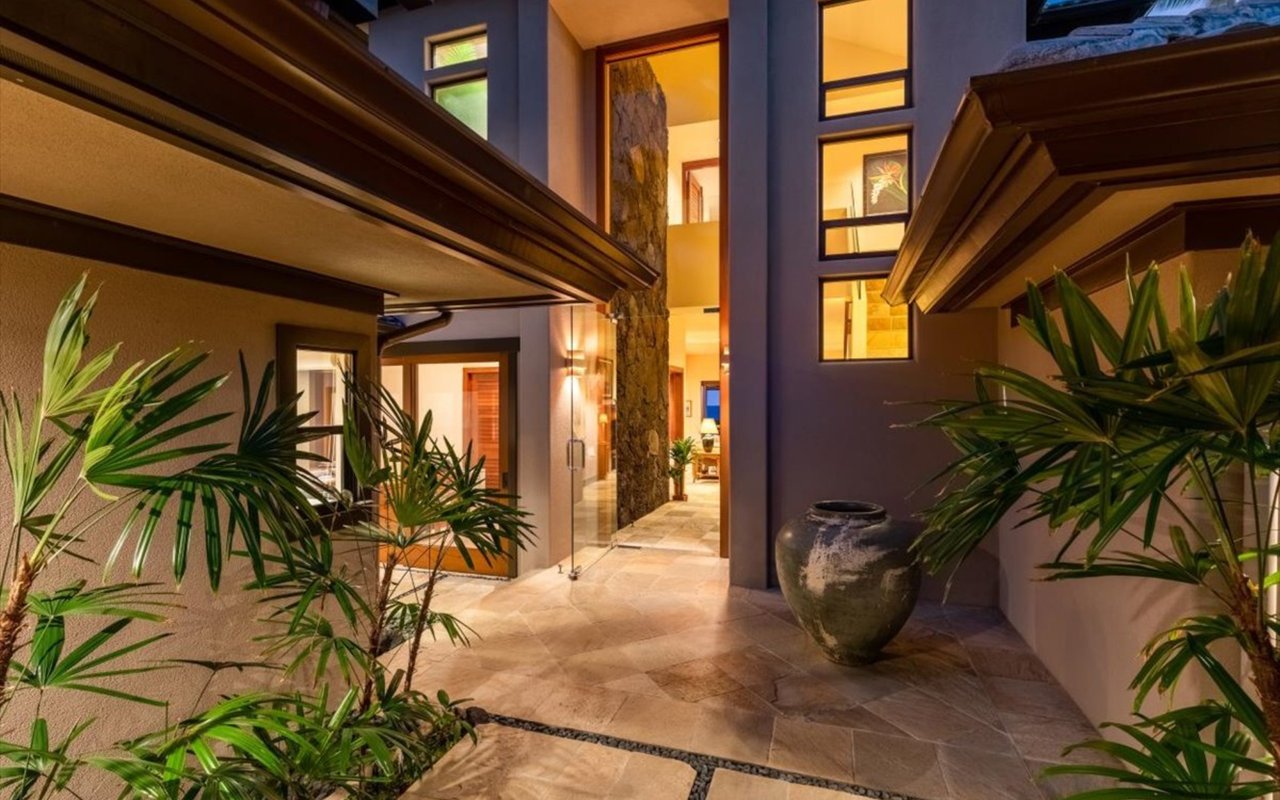
A key part of identifying historic value lies in observing design integrity. Original features (like clerestory windows, handcrafted joinery, and native wood finishes) enhance authenticity and long-term desirability. A knowledgeable eye can distinguish between authentic restoration and modern replication, enabling buyers to find homes that retain both their historical and structural character.
A key part of identifying historic value lies in observing design integrity. Original features (like clerestory windows, handcrafted joinery, and native wood finishes) enhance authenticity and long-term desirability. A knowledgeable eye can distinguish between authentic restoration and modern replication, enabling buyers to find homes that retain both their historical and structural character.
Research Property History and Provenance
Tracing a home’s origins helps establish its authenticity and potential eligibility for historic recognition. Many properties in Kona have long ownership chains or were part of early plantation holdings. Buyers should investigate the building’s construction date, ownership timeline, and major renovations. Local institutions such as the Kona Historical Society and Hawaii County property archives can provide documents, photos, and records of changes over time.
Detailed research often reveals unique backstories, such as a home that once served as a ranch manager’s residence or a plantation supervisor’s cottage. Understanding how a property evolved provides buyers with a more comprehensive perspective on its architectural and cultural significance, which can impact its value and appeal.
Detailed research often reveals unique backstories, such as a home that once served as a ranch manager’s residence or a plantation supervisor’s cottage. Understanding how a property evolved provides buyers with a more comprehensive perspective on its architectural and cultural significance, which can impact its value and appeal.
Evaluating Structural Integrity and Maintenance Requirements
Historic homes may show wear consistent with decades of exposure to the island’s environment. Common issues include termite damage, outdated electrical systems, and roofing deterioration caused by humidity and salt air. Professional inspection is essential to determine whether the foundation, framing, and key systems remain sound.
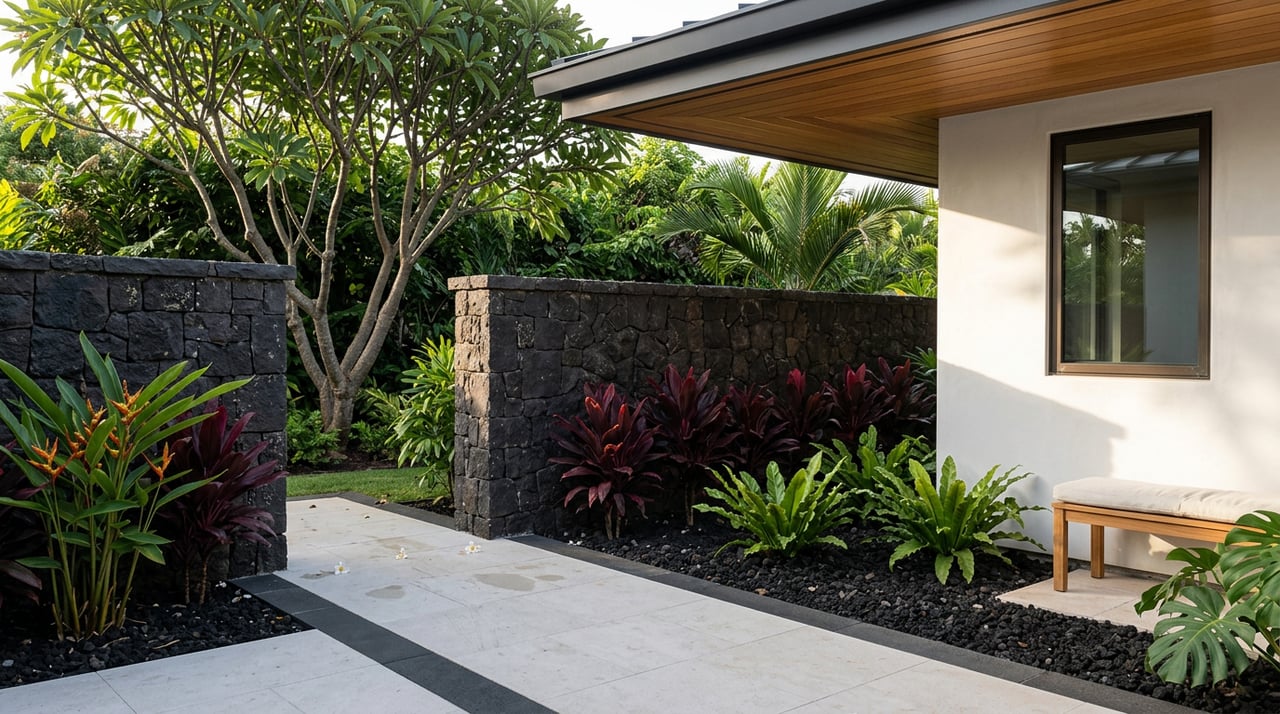
Some Kona homes retain original lava-rock walls, open-beam ceilings, or native-wood floors. Preserving these features often requires specialized materials and contractors familiar with traditional techniques. Buyers should account for these maintenance considerations when assessing total ownership costs and project feasibility.
Some Kona homes retain original lava-rock walls, open-beam ceilings, or native-wood floors. Preserving these features often requires specialized materials and contractors familiar with traditional techniques. Buyers should account for these maintenance considerations when assessing total ownership costs and project feasibility.
Zoning and Historic Designations
Certain properties in Kona are subject to zoning overlays or heritage protections that restrict alterations. Homes recognized by the Hawaii State Register of Historic Places or listed in a preservation district may require approval before changes can be made to exteriors, additions, or materials.
Before finalizing a purchase, it’s important to review local zoning maps and any relevant preservation guidelines. Homes in historic zones near Kailua-Kona or within coffee-growing districts often carry special review requirements. Understanding these regulations in advance ensures that any future renovations align with community and county standards.
Before finalizing a purchase, it’s important to review local zoning maps and any relevant preservation guidelines. Homes in historic zones near Kailua-Kona or within coffee-growing districts often carry special review requirements. Understanding these regulations in advance ensures that any future renovations align with community and county standards.
Historic Character and Modern Comforts
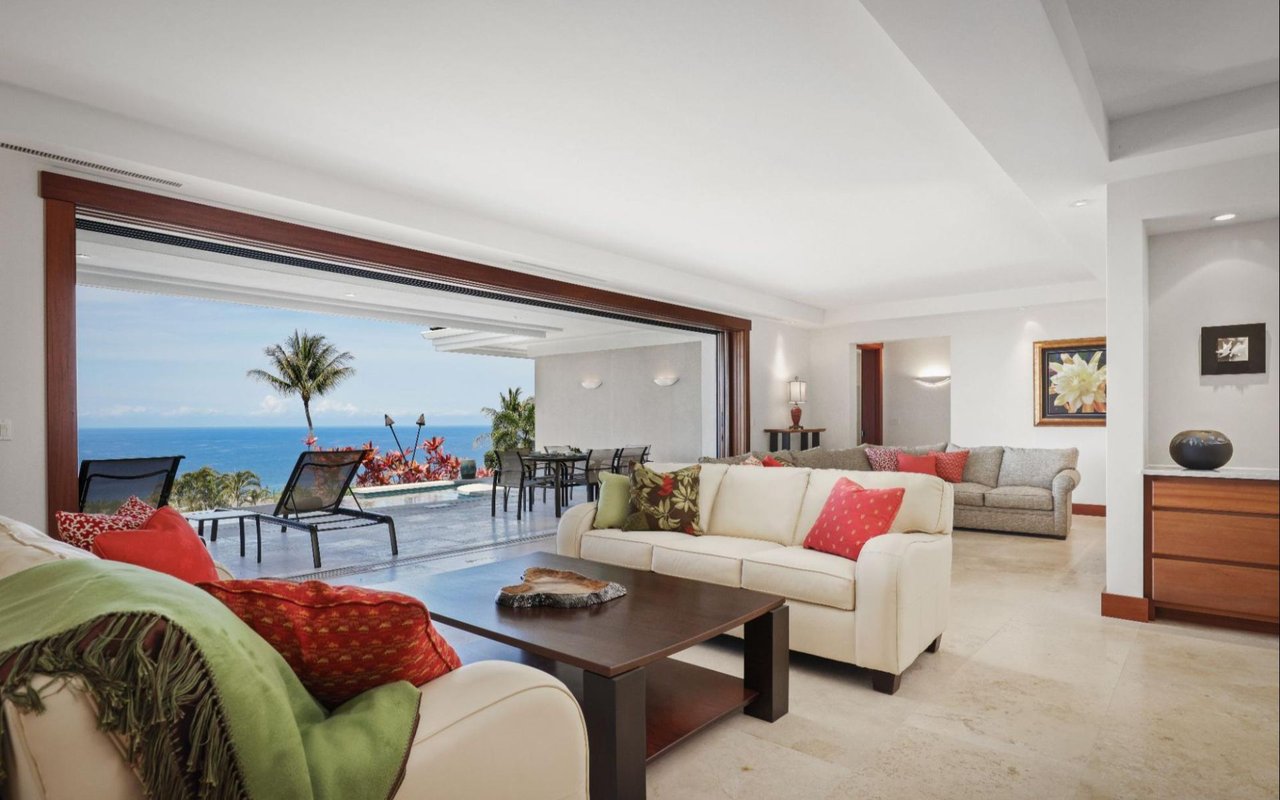
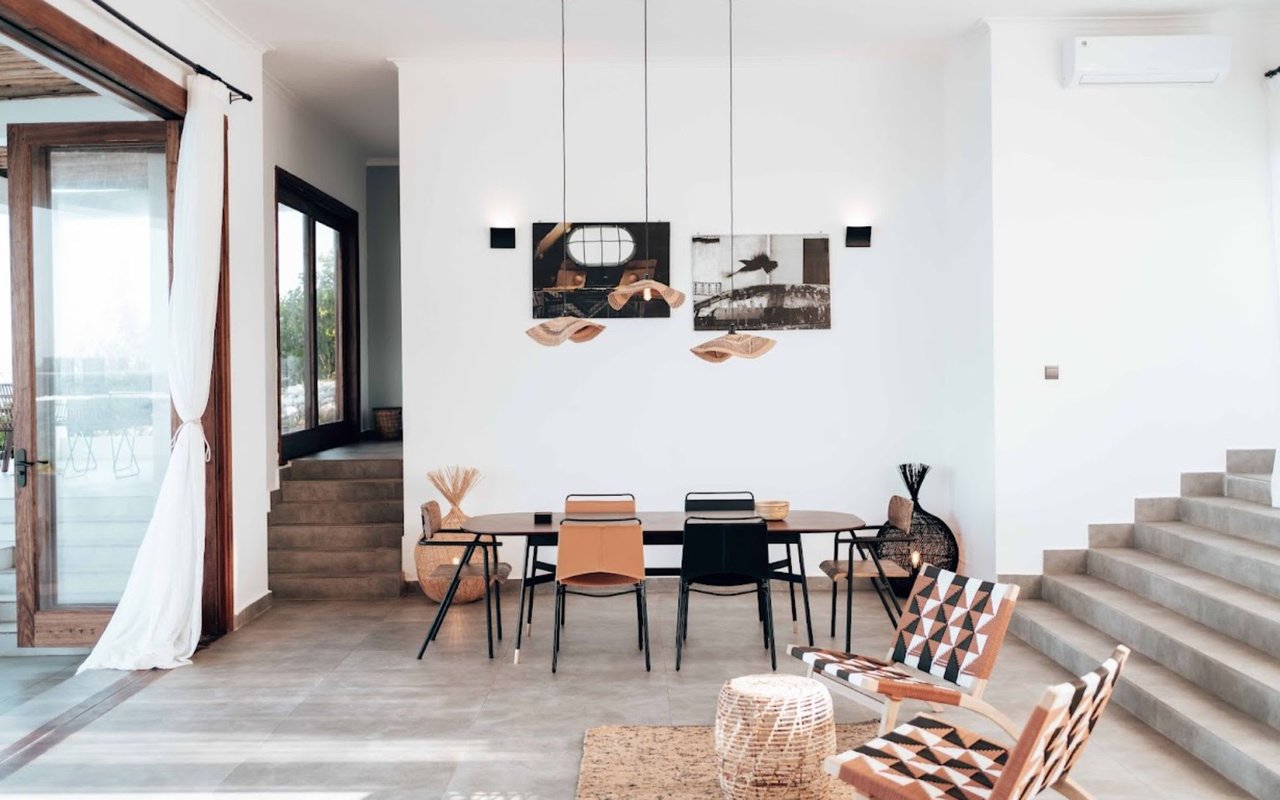
Preserving a home’s original charm doesn’t mean living without convenience. Many buyers seek to integrate discreet modern updates without compromising design integrity. The goal is to create a livable and efficient home that maintains its authenticity while meeting contemporary needs.
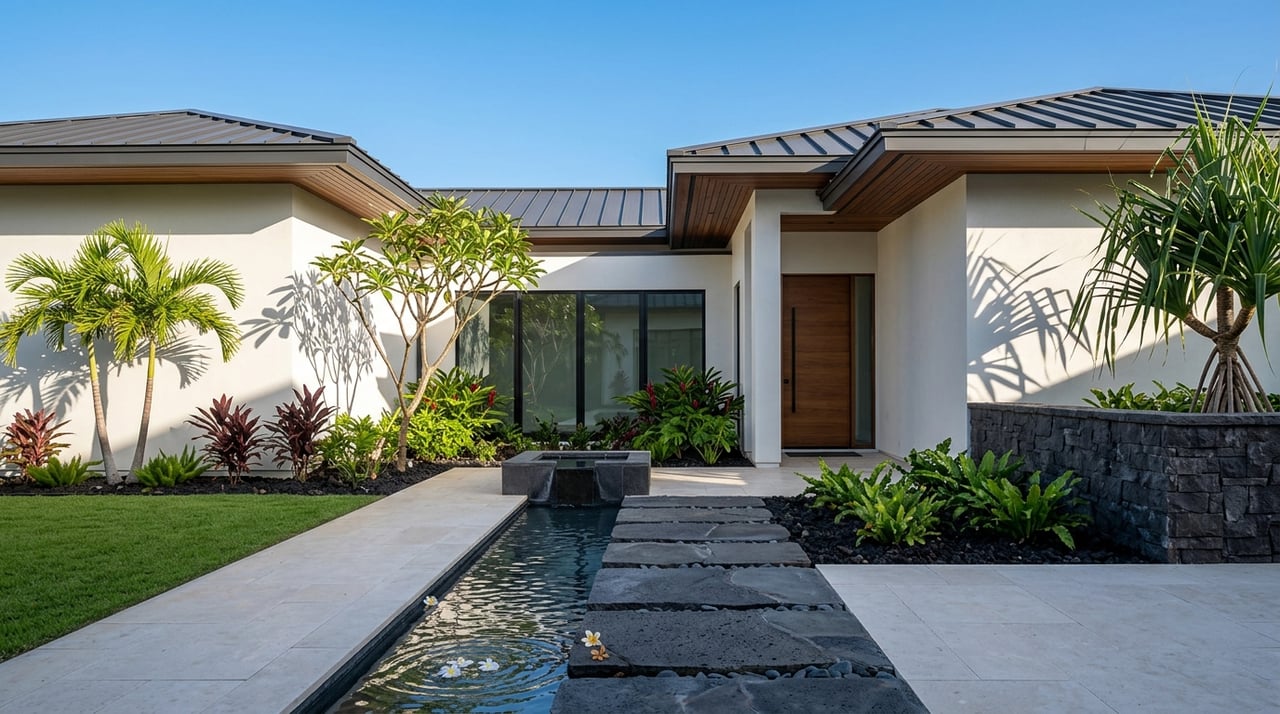
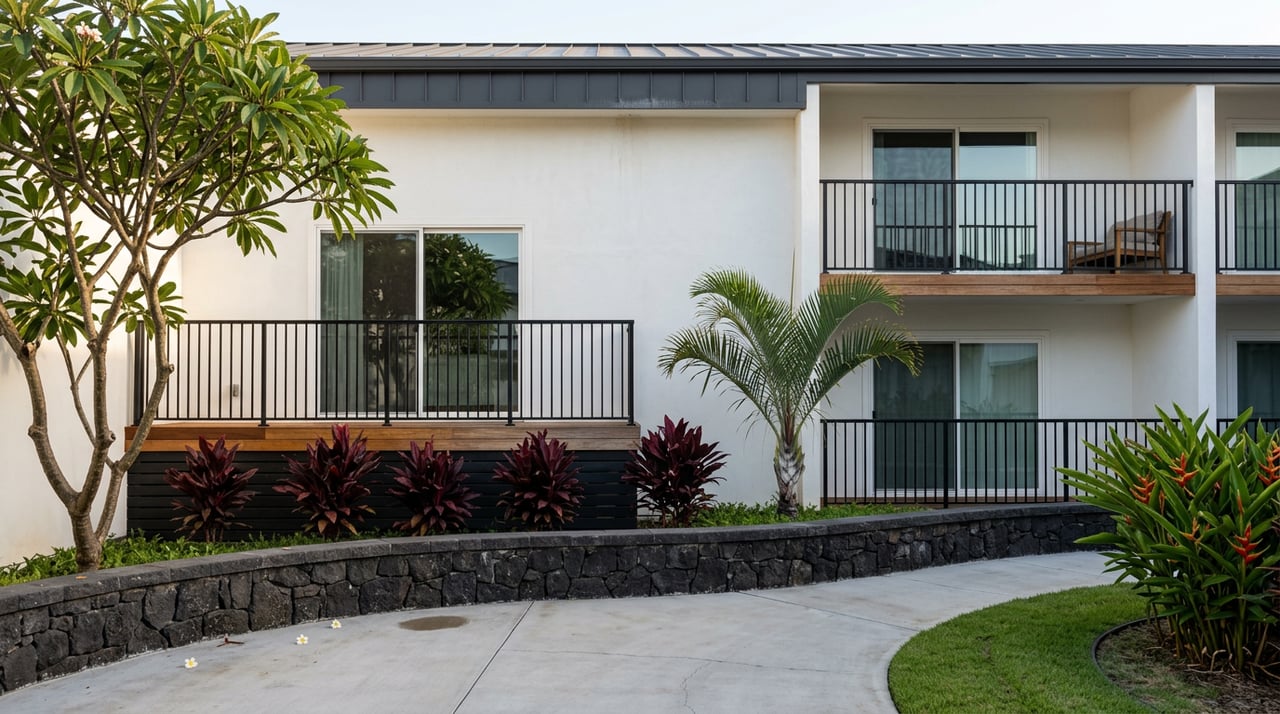
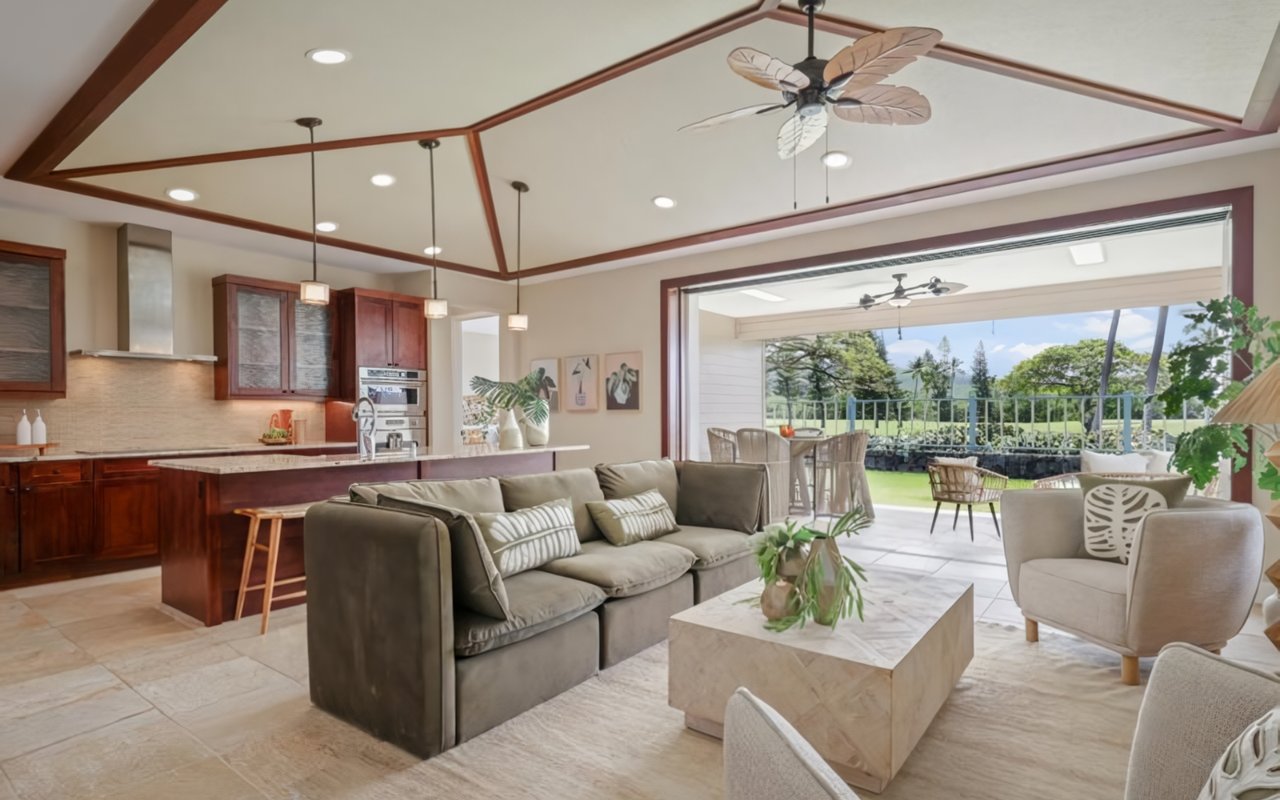
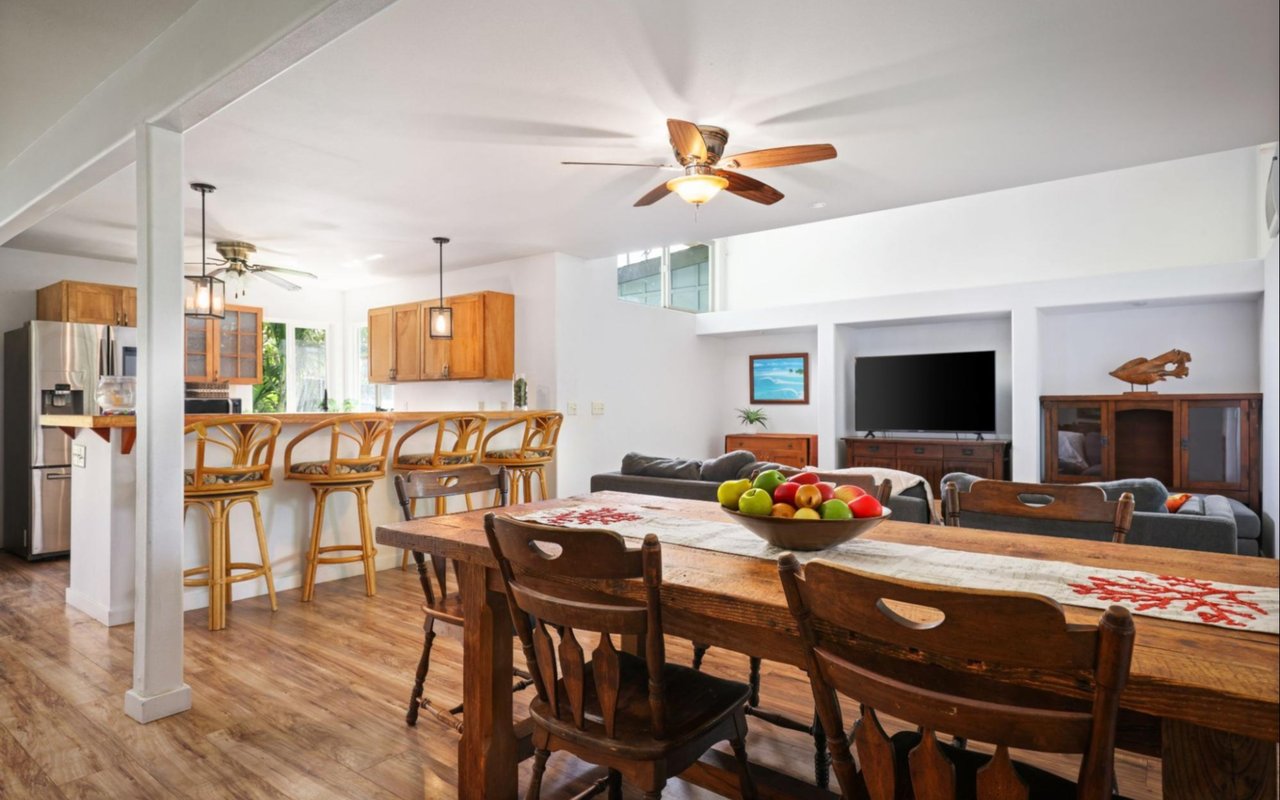
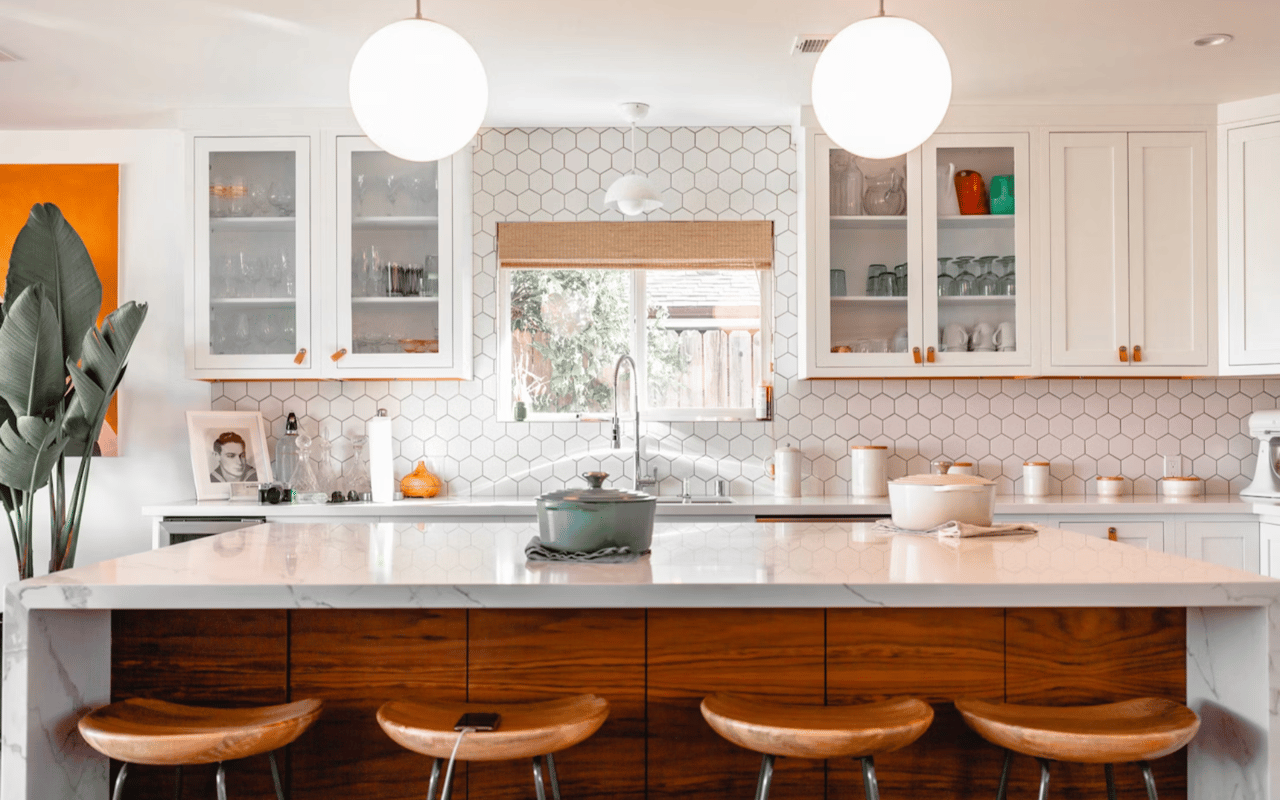
In Kona, thoughtful renovations often include modern kitchens designed within existing footprints or upgraded materials that complement original woodwork. By retaining signature elements like handcrafted shutters or native-stone facades, buyers can preserve the essence of the home while enhancing its function and comfort.
In Kona, thoughtful renovations often include modern kitchens designed within existing footprints or upgraded materials that complement original woodwork. By retaining signature elements like handcrafted shutters or native-stone facades, buyers can preserve the essence of the home while enhancing its function and comfort.
Conduct Due Diligence and Structuring a Purchase
Buying a historic home involves distinct due diligence steps. Buyers should review building permits, prior restoration documentation, and any previous assessments related to termite treatment, roof work, or foundation reinforcement. Homes with official historic status may also come with maintenance obligations or preservation easements that restrict alterations.
When presenting an offer, buyers should consider the property’s condition, its historical significance, and the potential scope of any necessary renovations. Negotiations for historic homes often include additional contingencies related to inspections or a review of documentation. Closing typically involves coordination between attorneys, inspectors, and contractors to ensure both compliance and clarity about future responsibilities.
When presenting an offer, buyers should consider the property’s condition, its historical significance, and the potential scope of any necessary renovations. Negotiations for historic homes often include additional contingencies related to inspections or a review of documentation. Closing typically involves coordination between attorneys, inspectors, and contractors to ensure both compliance and clarity about future responsibilities.
Find Your Dream Home in Kona
For those seeking to discover the timeless appeal of Kona’s historic homes, expert guidance ensures a smoother and more informed experience. Local market knowledge, heritage awareness, and access to exclusive listings enable buyers to identify homes that seamlessly blend architectural significance with modern livability.
To begin exploring opportunities and learn more about finding a historic home in Kona, connect with Kris Hazard.
To begin exploring opportunities and learn more about finding a historic home in Kona, connect with Kris Hazard.