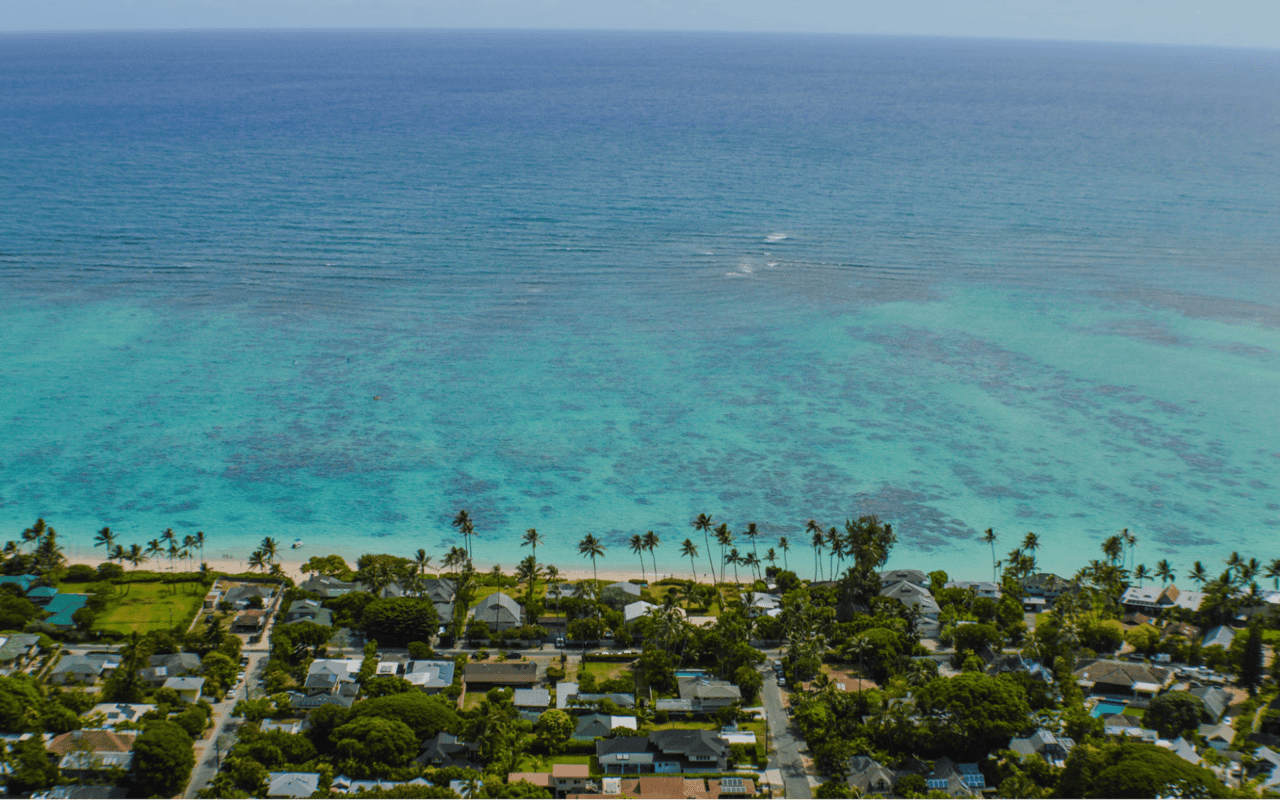
Big Island Relocation & Expense Analysis
The Real Cost of Living in Kona, Hawaii: 2026 Budget Guide
Cost of Living in Kona HI: Direct Answer
The cost of living in Kailua-Kona, HI requires budgeting $4,000 to $6,000 monthly for a two-person household, excluding primary mortgage or rent. While electric utilities (43 cents per kWh) and imported groceries run high, these costs are balanced by Hawaii's low residential owner-occupant property tax rate (0.28%) and Solar PV energy systems that eliminate power bills.
Planning a Move to Kailua-Kona, Hawaii?
Search Kona Homes for Sale vs. Consult Kristina Vaughn-Hazard
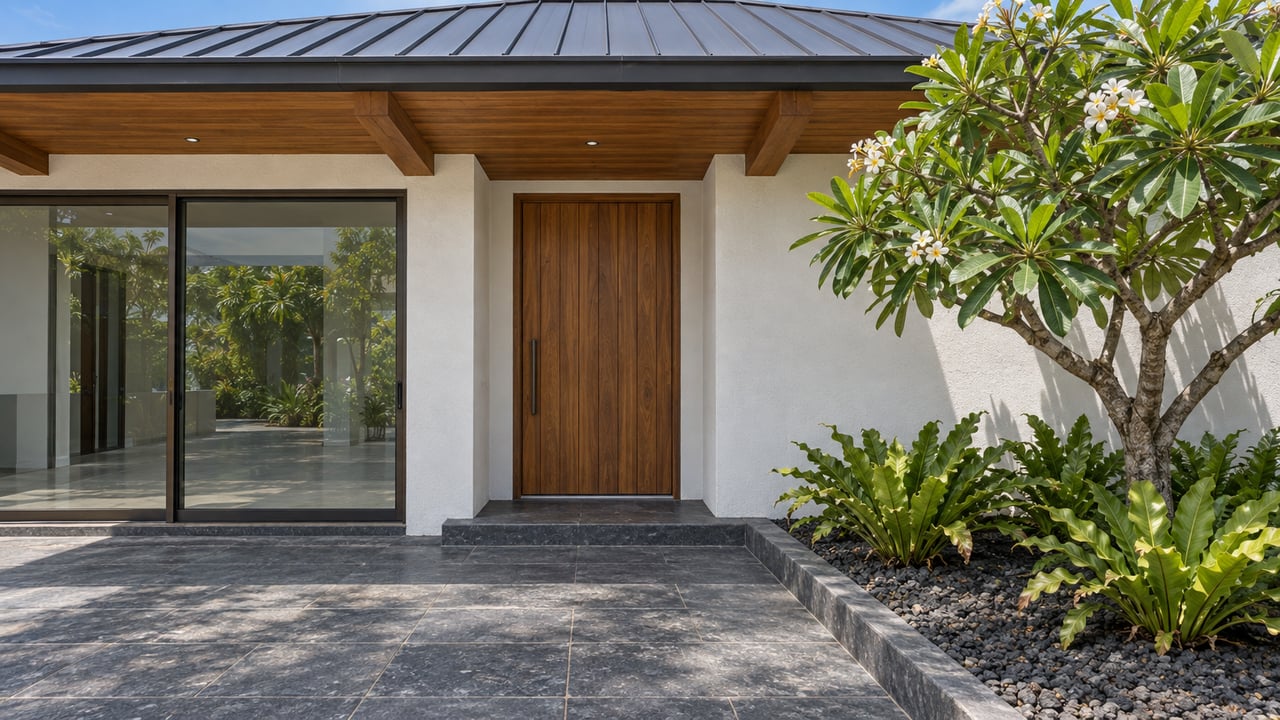
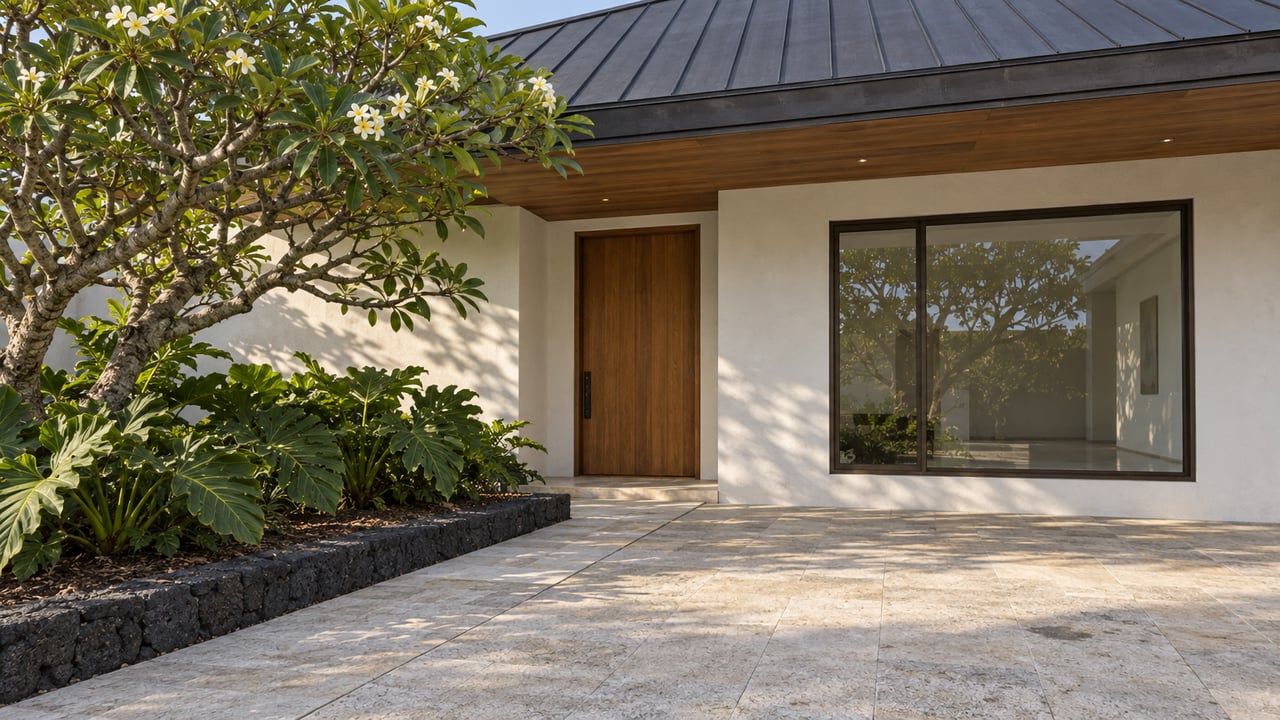
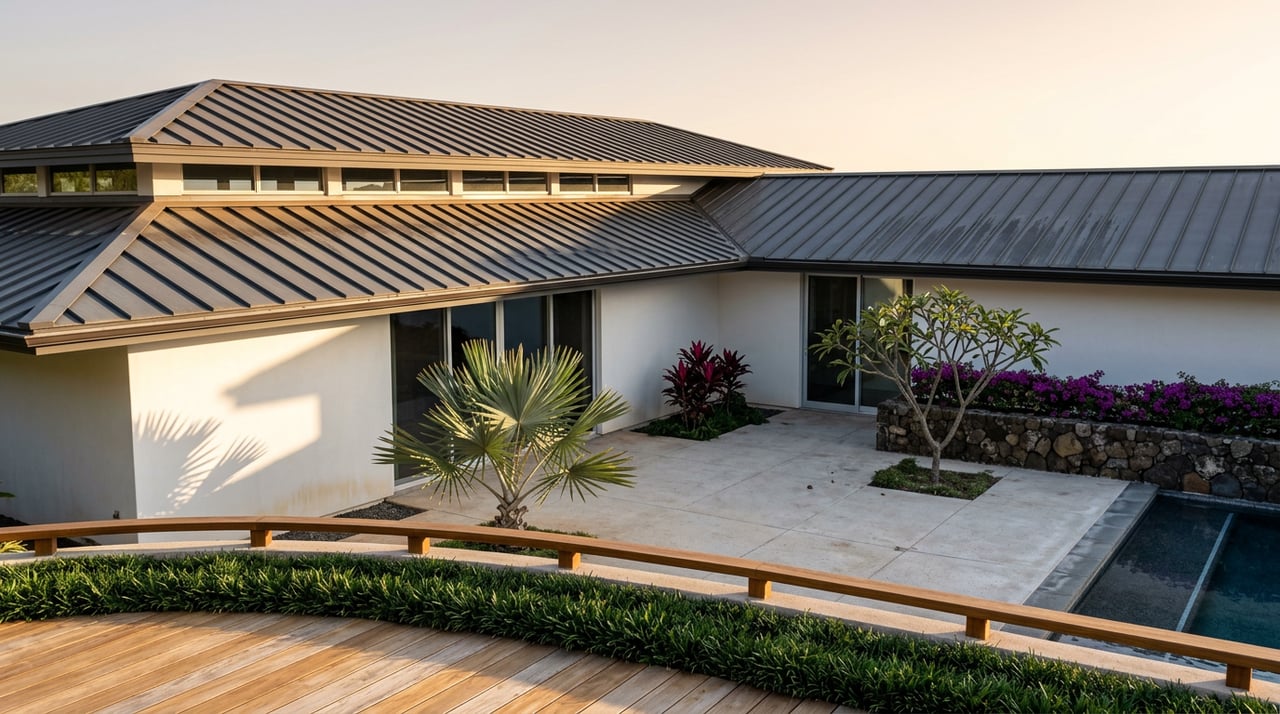
Explore energy-efficient West Hawaii properties with integrated solar arrays, legal Ohana units, and low carrying costs alongside Big Island Realtor Kristina Vaughn-Hazard. Select your path below:
Island Living Ledger & Financial Reality
Balancing Island Overhead with Low Property Carrying Taxes
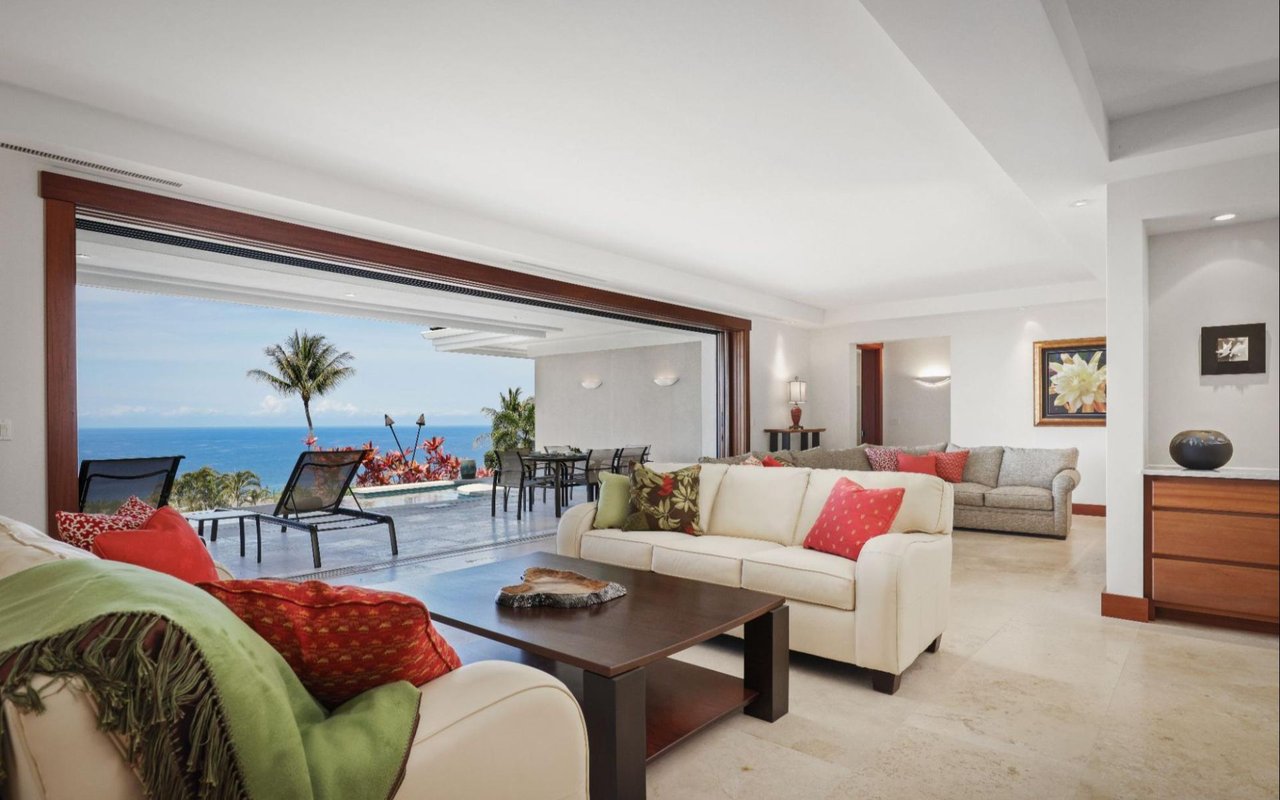
Relocating to West Hawaii requires understanding how electricity rates, grocery imports, fuel, and General Excise Tax (GET) interact with local real estate advantages. Sourcing solar-equipped homes in Holualoa or low-HOA oceanfront condos along Alii Drive optimizes monthly cash flow.
Primary Budget Categories
4 Pillars of Living Expenses in Kailua-Kona
PILLAR 01 | ELECTRICITY & SOLAR
1. Power Grid vs. Solar PV
At 43 cents per kWh, electricity averages $400-$600/month. Homes with paid-off Solar PV arrays drop grid bills down to minimum connection fees.
PILLAR 02 | GROCERIES & IMPORTS
2. Grocery Logistics & Wholesale
Imported goods command a premium (milk $8/gal). Sourcing staples from Costco near Kona Airport cuts food spending up to 30%.
PILLAR 03 | LOW PROPERTY TAXES
3. Nationwide Low Property Tax
Hawaii's 0.28% owner-occupant real estate tax rate means a $1M home carries roughly $2,800 annually, balancing GET tax lines.
PILLAR 04 | ELEVATION & CLIMATE
4. Mauka vs. Makai Cooling
Mauka (mountain elevation) homes in Holualoa offer natural breezes that reduce air conditioning demands compared to Makai beachfront condos.
Data Extraction Matrix
Kailua-Kona Budget Breakdown Matrix
Expense Category | Monthly Budget Range | National Benchmark Comparison | Key Island Savings Strategy |
|---|---|---|---|
Electricity & Power | $400 to $600 / month | Highest in US (43 cents / kWh) | Buy homes with paid-off Solar PV arrays to drop bills to baseline |
Groceries & Household | $900 to $1,300 / month | 30% to 40% above mainland | Shop wholesale at Costco near Kona Airport and local farmer markets |
Property Tax (Owner-Occupant) | $230 to $460 / month ($1M-$2M) | Lowest in US (~0.28% assessed value) | File for Hawaii County home exemption to lock in primary tax rate |
Gasoline & Transit | $200 to $350 / month ($5.20/gal) | 20% above national average | Combine errands into single coastal trips or switch to EV solar charging |
General Excise Tax (GET) | 4.712% added to services/goods | State business tax passed to consumers | Factor 5% into contractor, legal, and local service agreements |
Sources: Hawaii County Department of Research & Development, Hawaii Public Utilities Commission (PUC), Hawaii Department of Taxation (DOTAX).
Housing, Utilities, and Taxes in Kailua-Kona
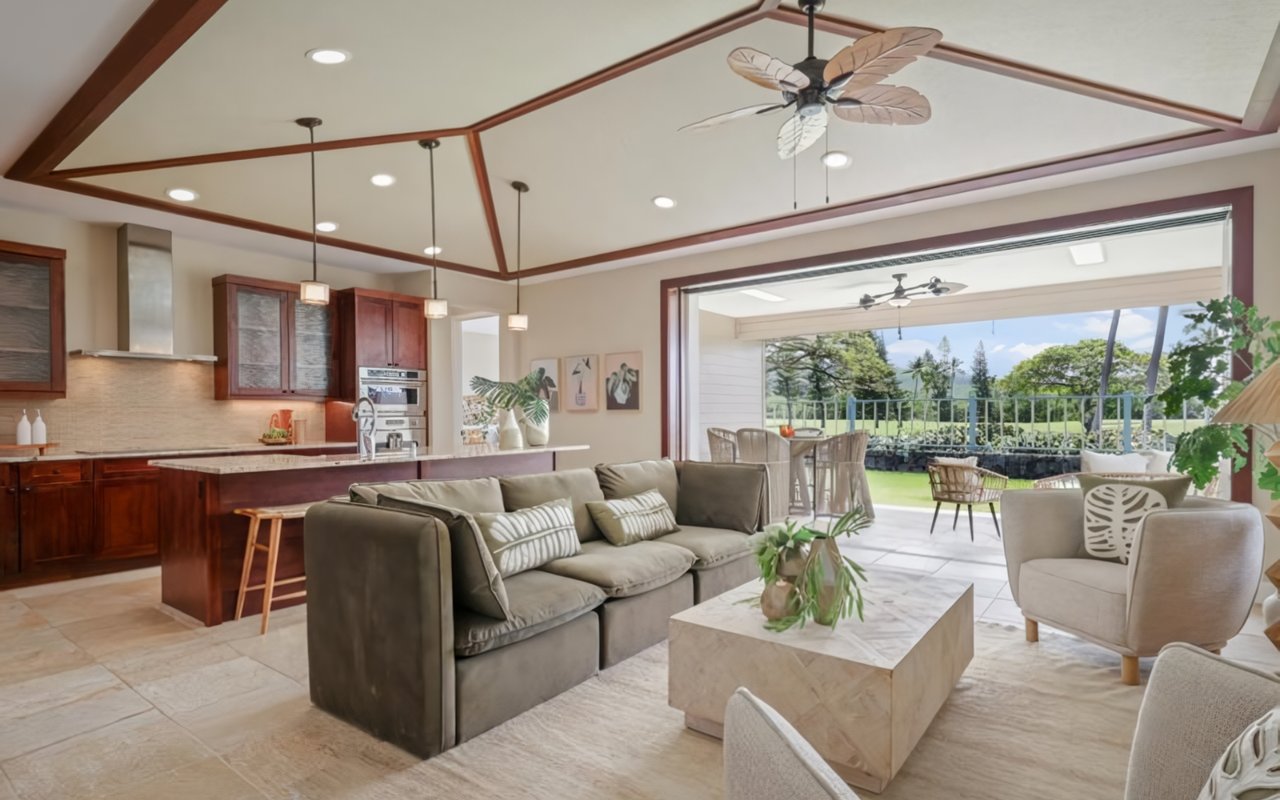
Evaluating the cost of living in Kona requires looking past purchase prices to monthly operational expenses. Electricity rates on the Big Island track at 43 cents per kWh, placing standard air-conditioned home power bills between $400 and $600 per month. Sourcing single-family homes or Kailua-Kona condos equipped with paid-off Solar PV systems provides immediate cash-flow relief.
Fortunately, property carrying costs in Hawaii County are exceptionally favorable. At roughly 0.28% of assessed value for primary owner-occupants, a $1,000,000 home carries an annual tax of approximately $2,800. This low rate helps balance Hawaii's 4.712% General Excise Tax (GET) assessed on retail goods and services.
Key Kona Budget Benchmarks & Coordinates
- Costco Wholesale Kona: 73-5600 Maiau St, Kailua-Kona, HI 96740 (Primary grocery hub).
- Hawaii Owner-Occupant Property Tax Rate: ~0.28% of assessed municipal value.
- Household Income Target: $150,000 to $200,000 recommended for comfortable Big Island living.
Mauka vs. Makai Living and Long-Term Real Estate Planning
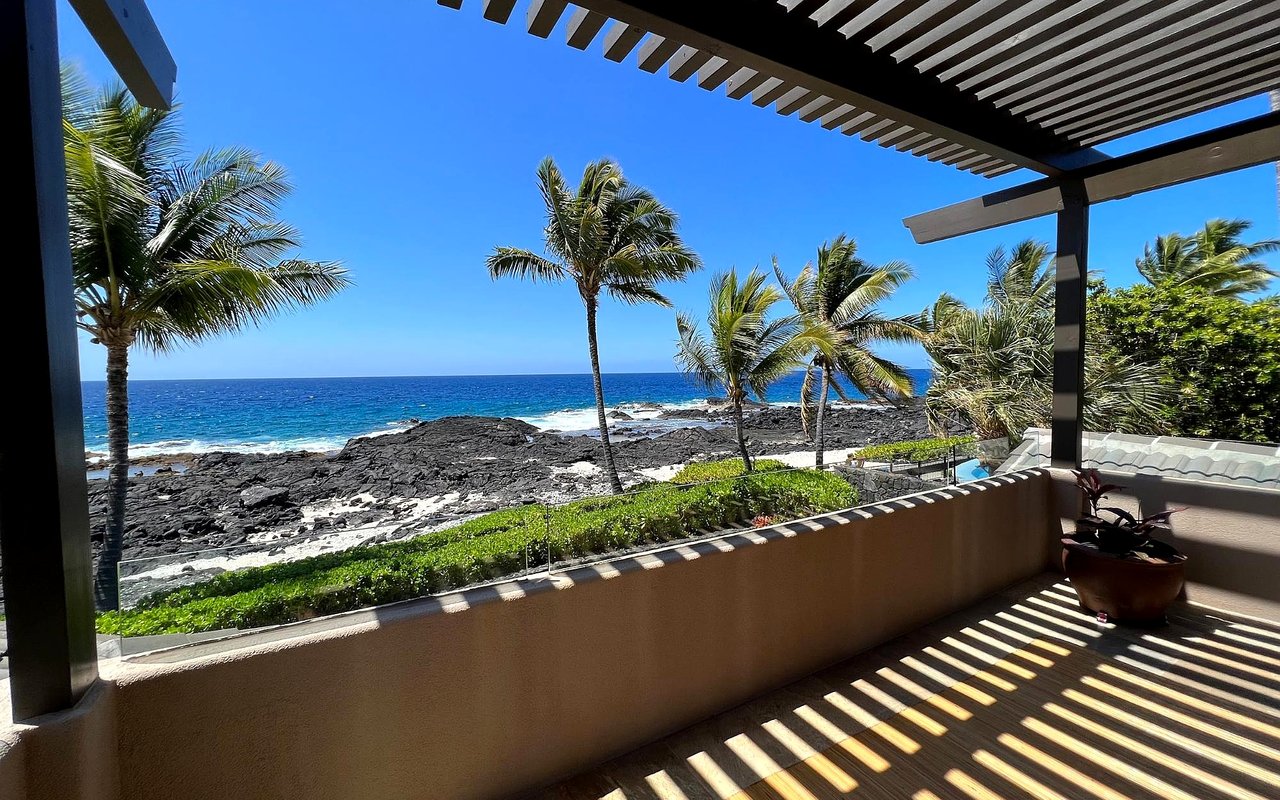
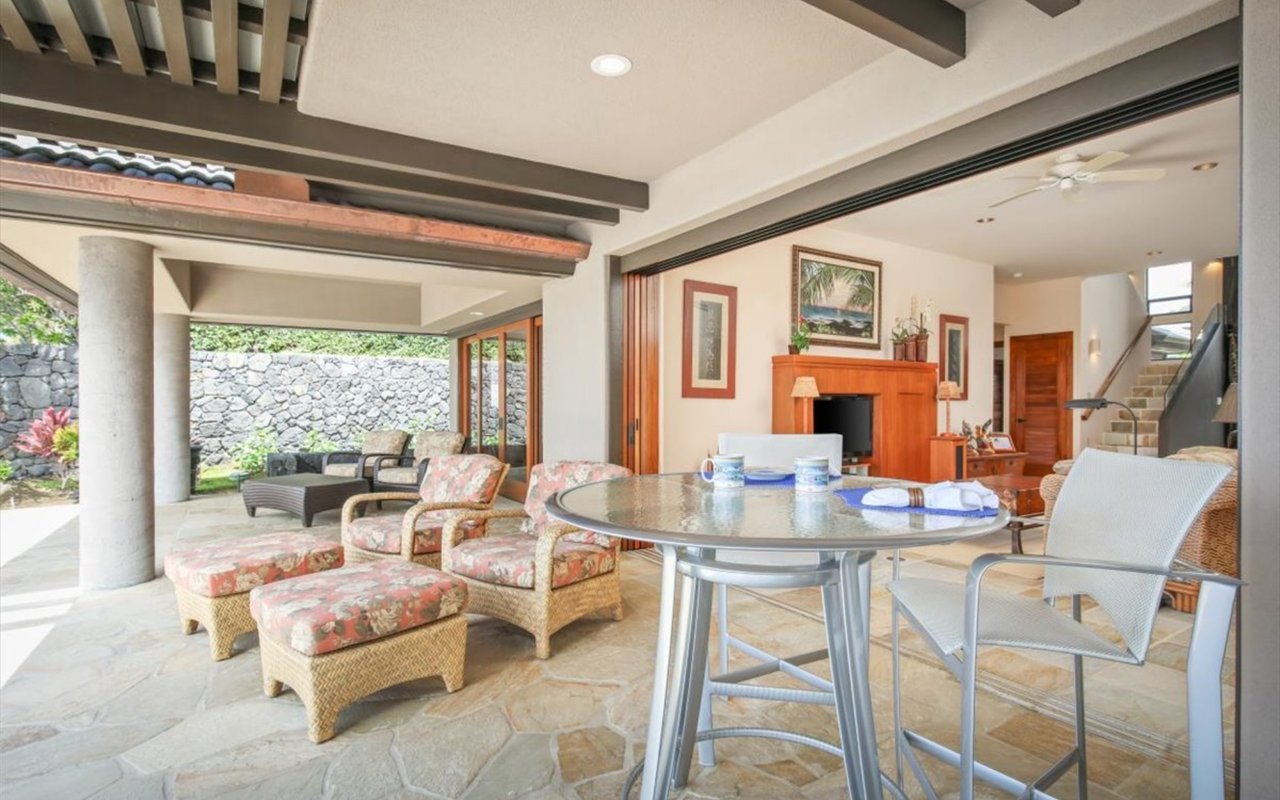
Where you live in West Hawaii directly impacts your monthly expenses. Coastal Makai homes along Alii Drive offer ocean access but require higher air conditioning usage. Upcountry Mauka properties in Holualoa sit at 1,000+ feet elevation, where cooler mountain air eliminates the need for air conditioning entirely.
Working with an experienced local agent like Kristina Vaughn-Hazard helps buyers identify energy-efficient properties, Ohana rental income opportunities, and tax advantages. Explore active Kailua-Kona homes for sale or contact Kris Hazard today for a custom relocation consultation.
Common Inquiries
Frequently Asked Questions
What is the average cost of living in Kailua-Kona, Hawaii?
A two-person household typically needs $4,000 to $6,000 monthly for living expenses (utilities, groceries, gas, insurance), excluding primary housing payments.
Why is electricity so expensive in Kona, Hawaii?
Hawaii relies on imported oil for power generation, creating electricity rates of 43 cents per kWh. Buying homes with Solar PV arrays reduces power bills to baseline connection fees.
What is the property tax rate for homeowners in Kailua-Kona?
Hawaii offers the lowest residential owner-occupant property tax rate in the nation at approximately 0.28%, equaling roughly $2,800 per year on a $1,000,000 assessed property.
How much income is needed to live comfortably in Kona?
A household income of $150,000 to $200,000 provides a comfortable baseline for home buyers in Kailua-Kona, managing utility and grocery costs effectively.
How do I contact Kristina Vaughn-Hazard for Big Island relocation advice?
Contact Kristina Vaughn-Hazard at Compass Real Estate in Kailua-Kona, HI for personalized relocation consultations, budget analysis, and home searches.
Kristina Vaughn-Hazard Real Estate | West Hawaii Specialist
Kristina Vaughn-Hazard is a premier Compass agent representing buyers, sellers, and investors across Kailua-Kona, Holualoa, Keauhou, and the Kohala Coast.
Planning your relocation to Kailua-Kona, HI? Connect with Kristina Vaughn-Hazard to begin your journey.