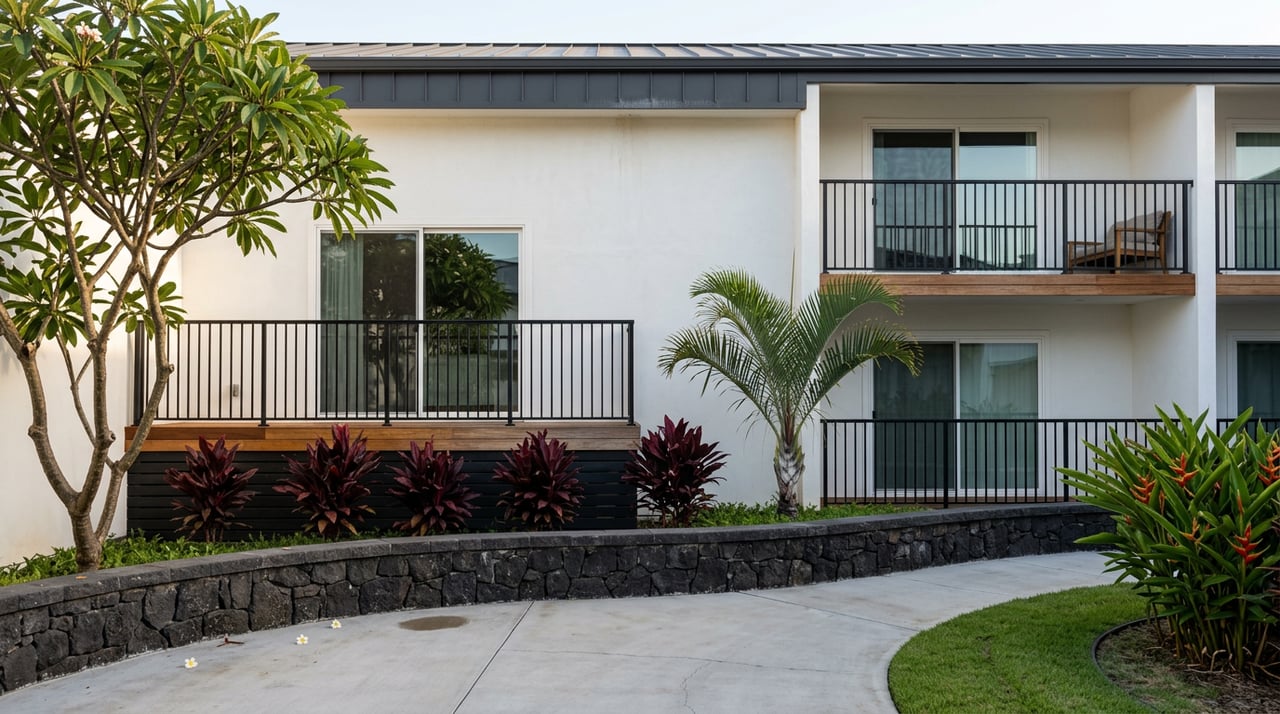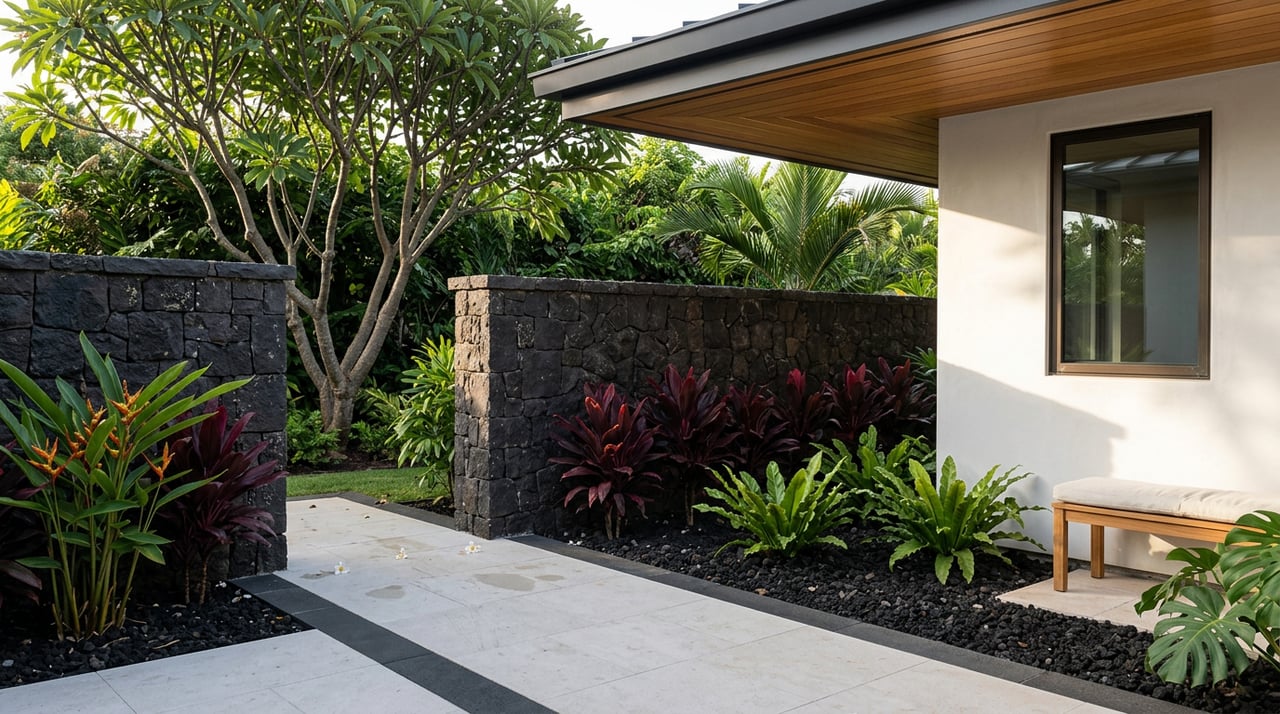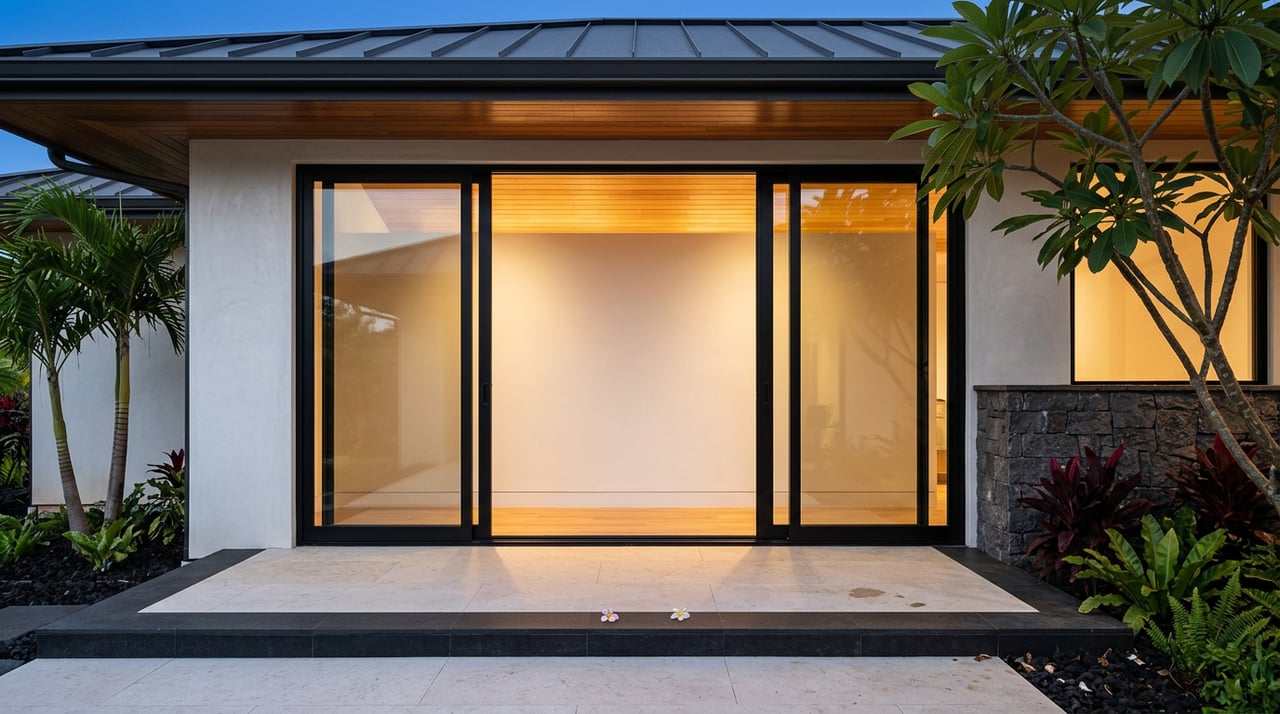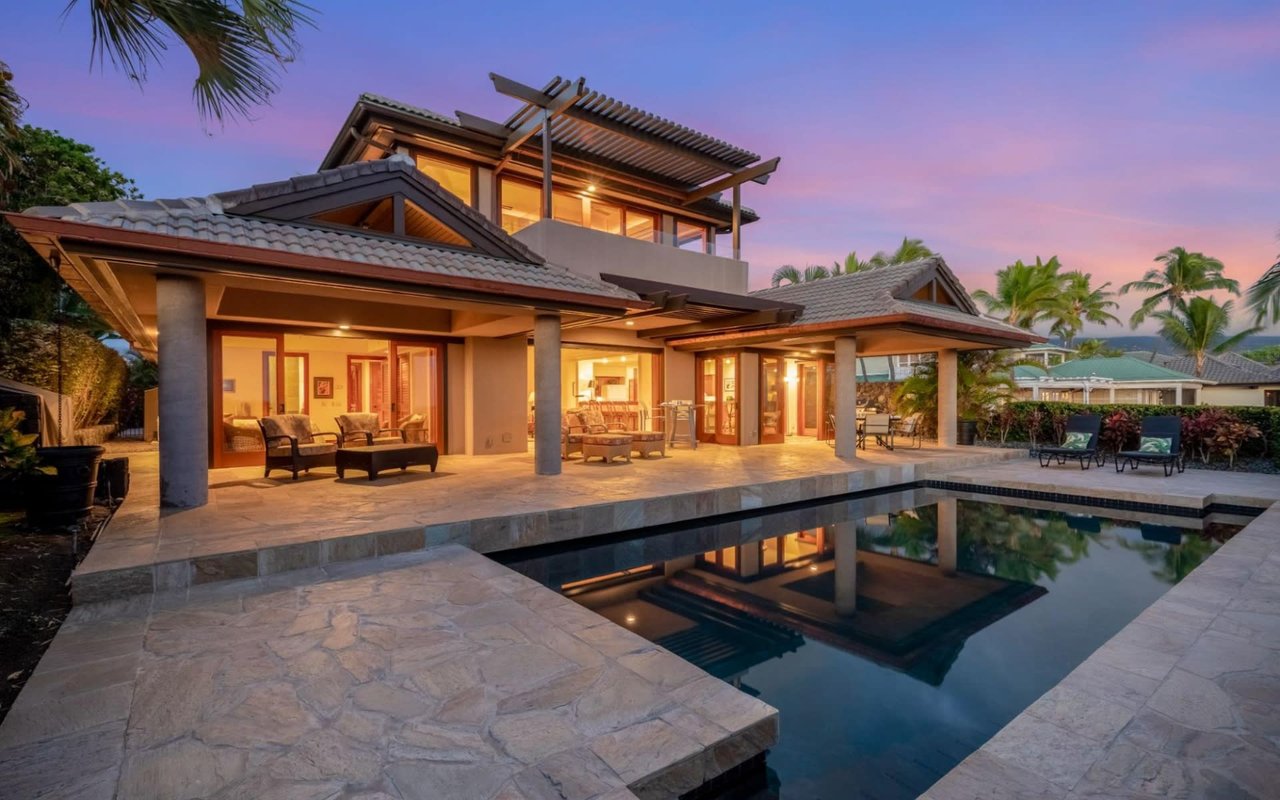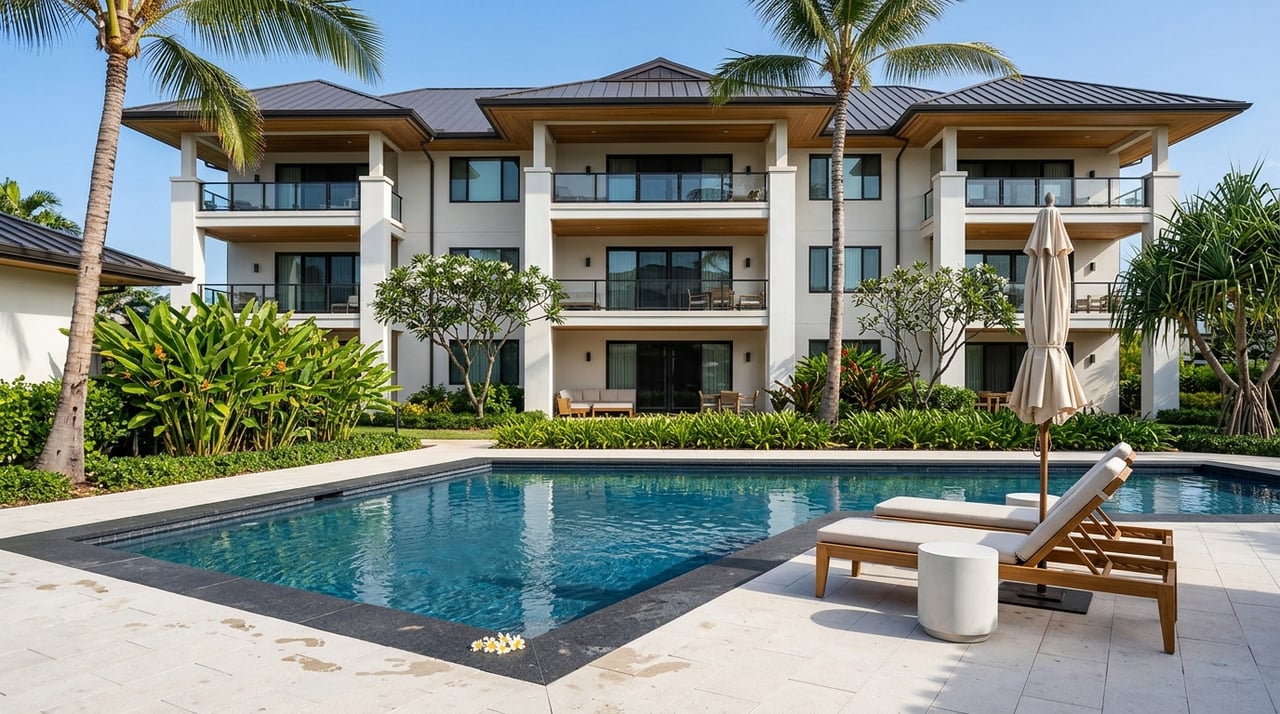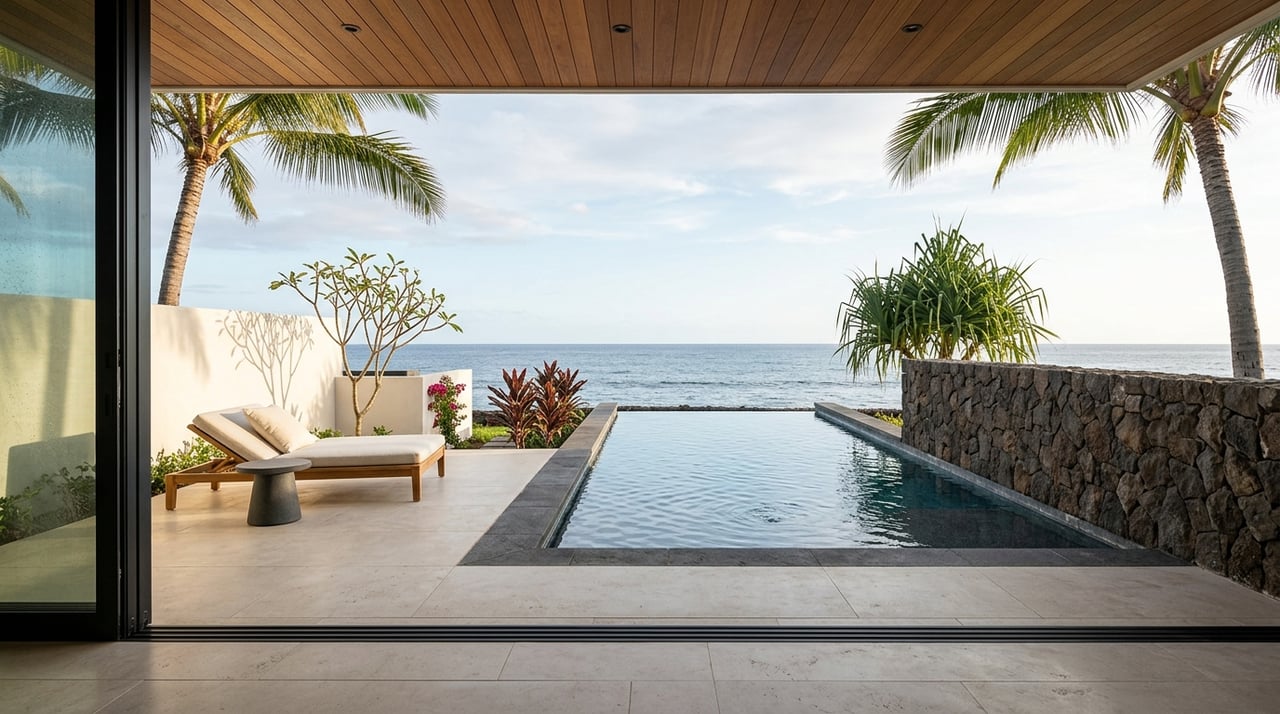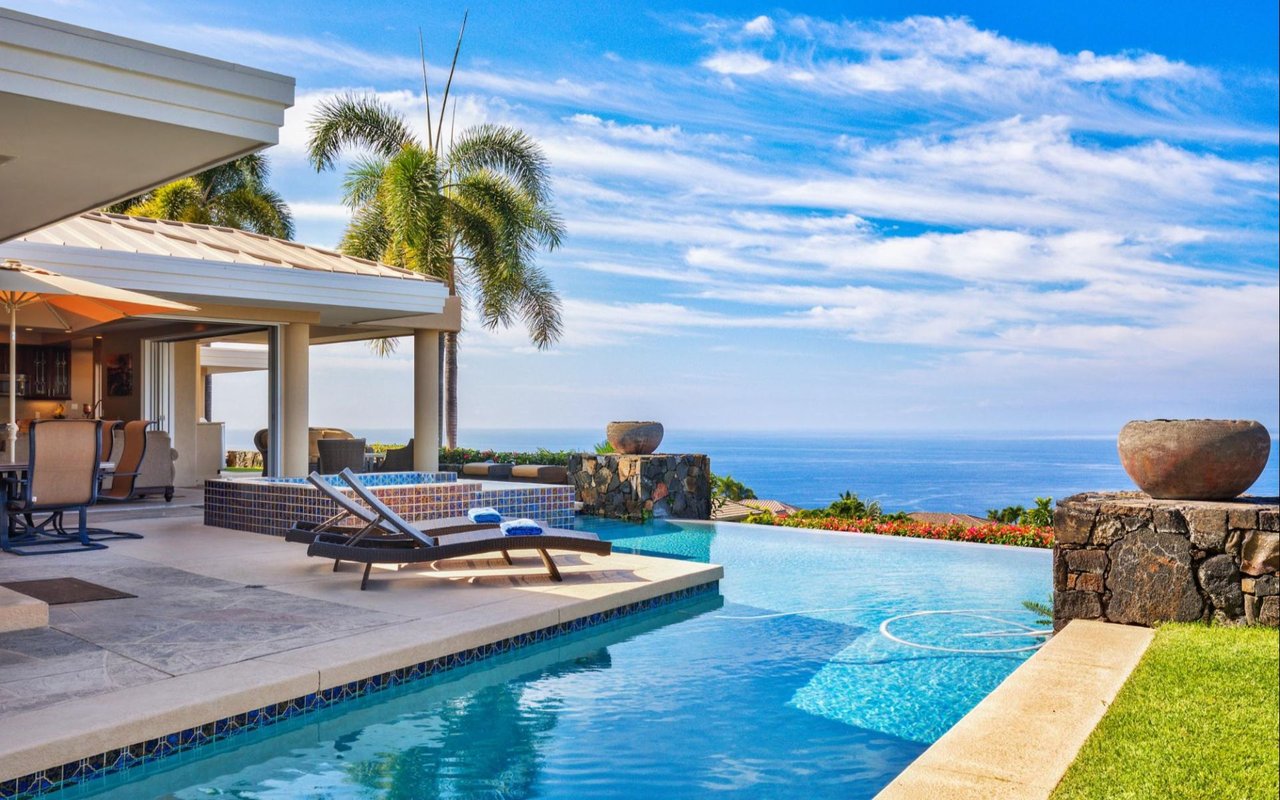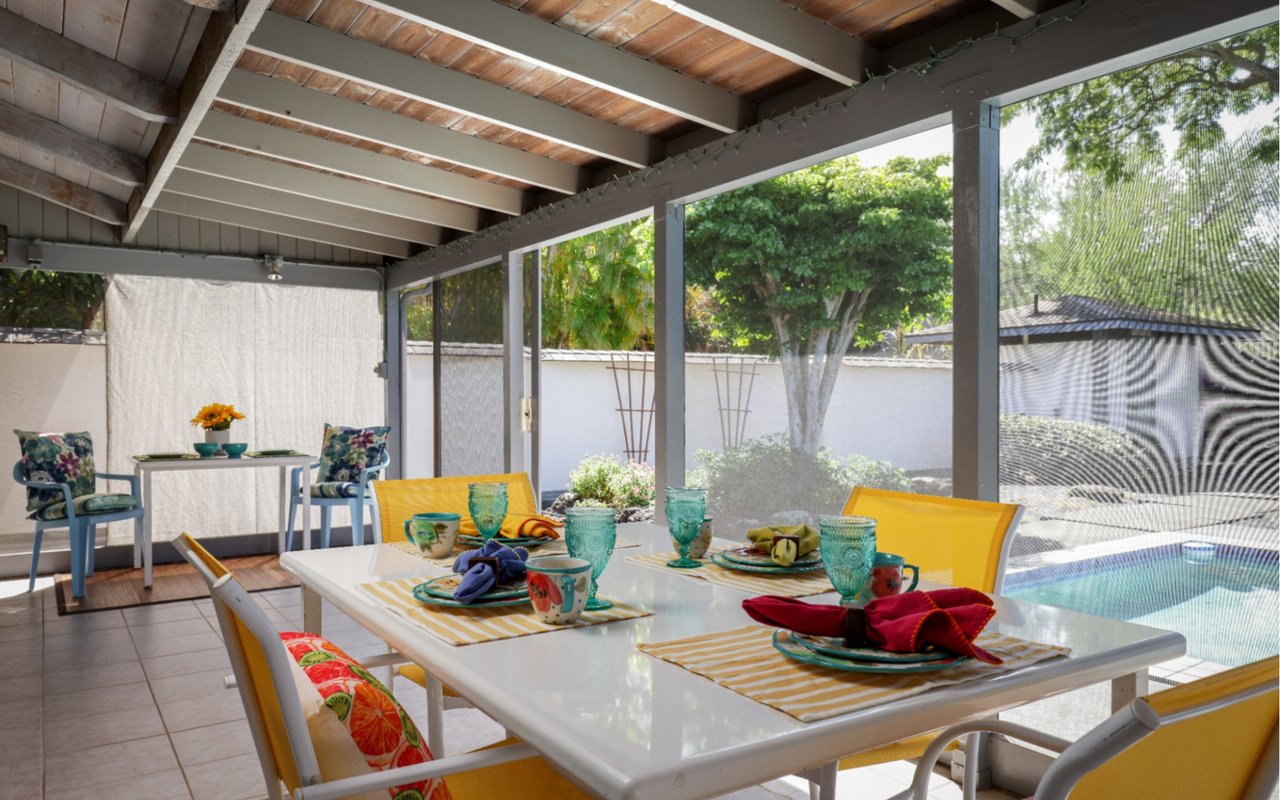
Shopping for an Ali‘i Drive condo can feel simple at first. You see an ocean view, a pool, and a great Kailua-Kona location, and it is easy to think the choices are all pretty similar. In reality, Ali‘i Drive is a spectrum of condo options, and the details can have a big impact on your costs, your lifestyle, and your long-term comfort as an owner. This guide will help you understand the biggest factors to compare before you buy. Let’s dive in.
Ali‘i Drive offers more than one condo experience
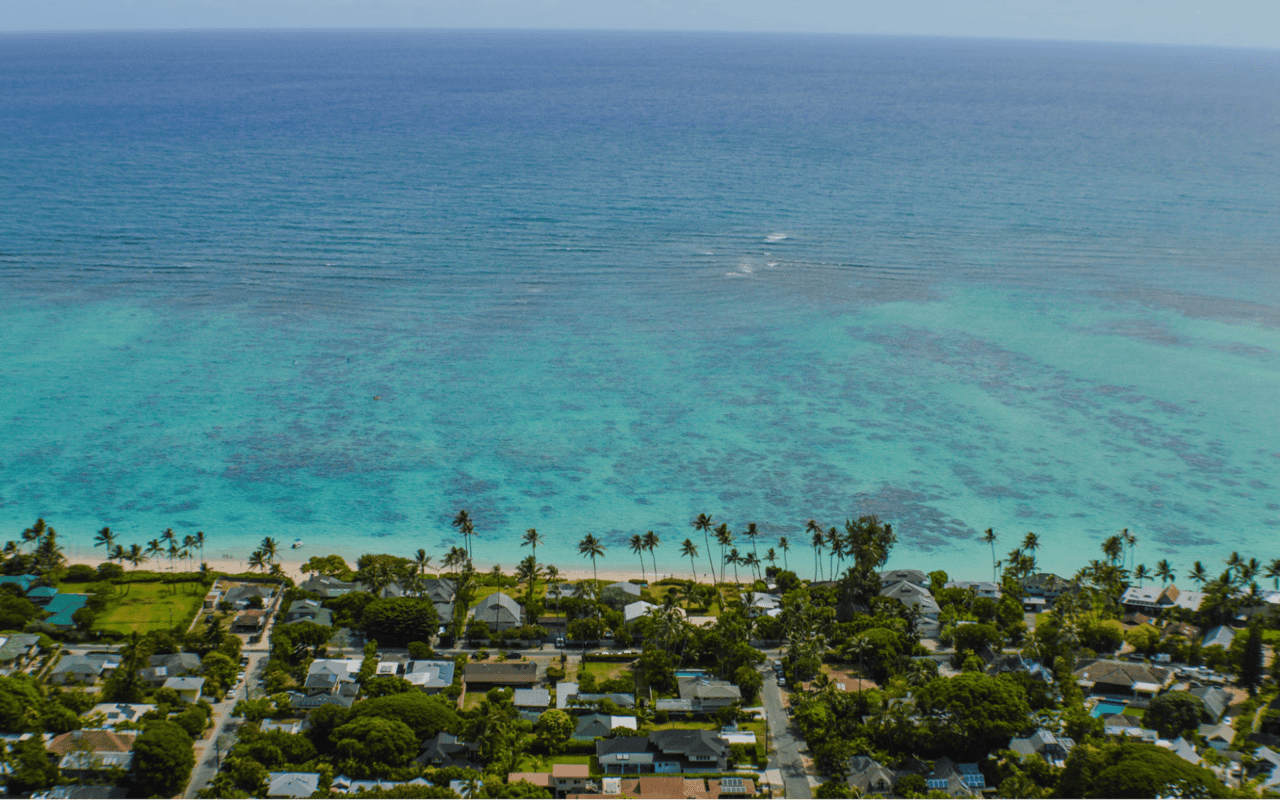
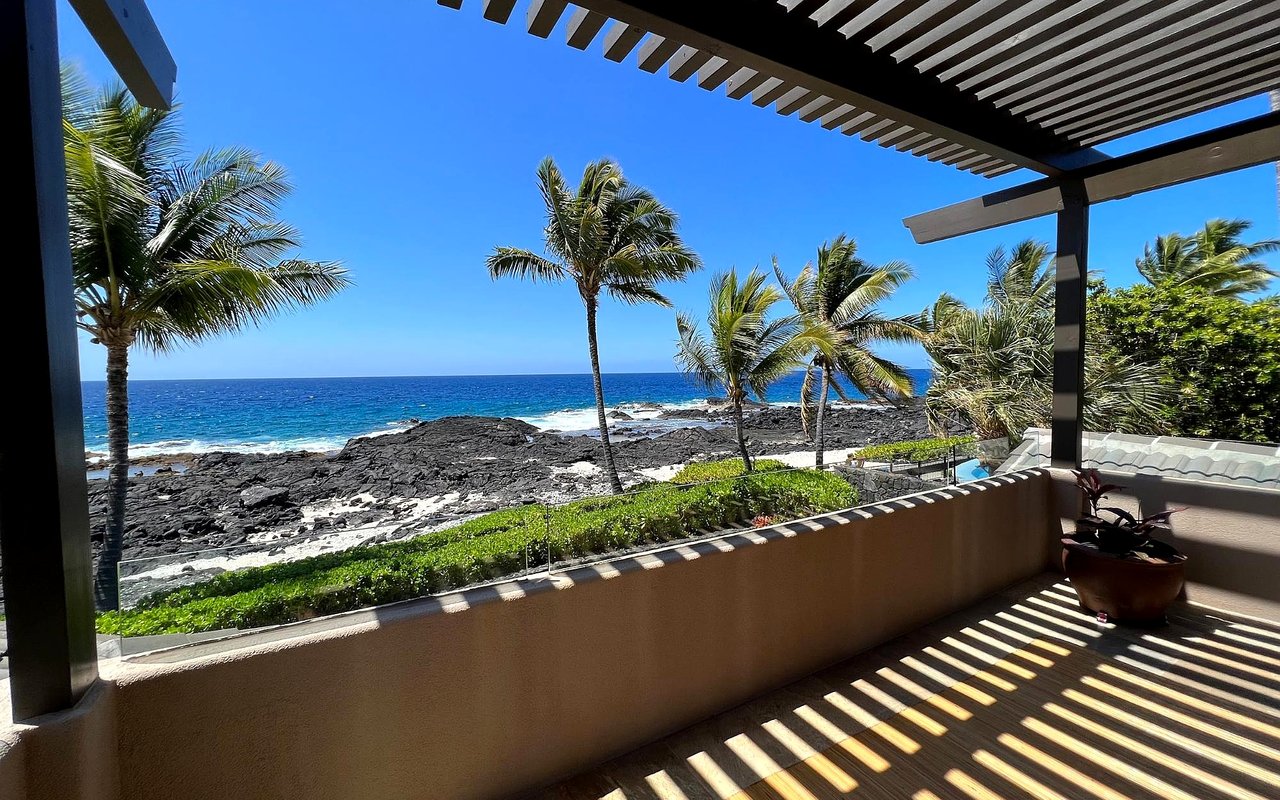
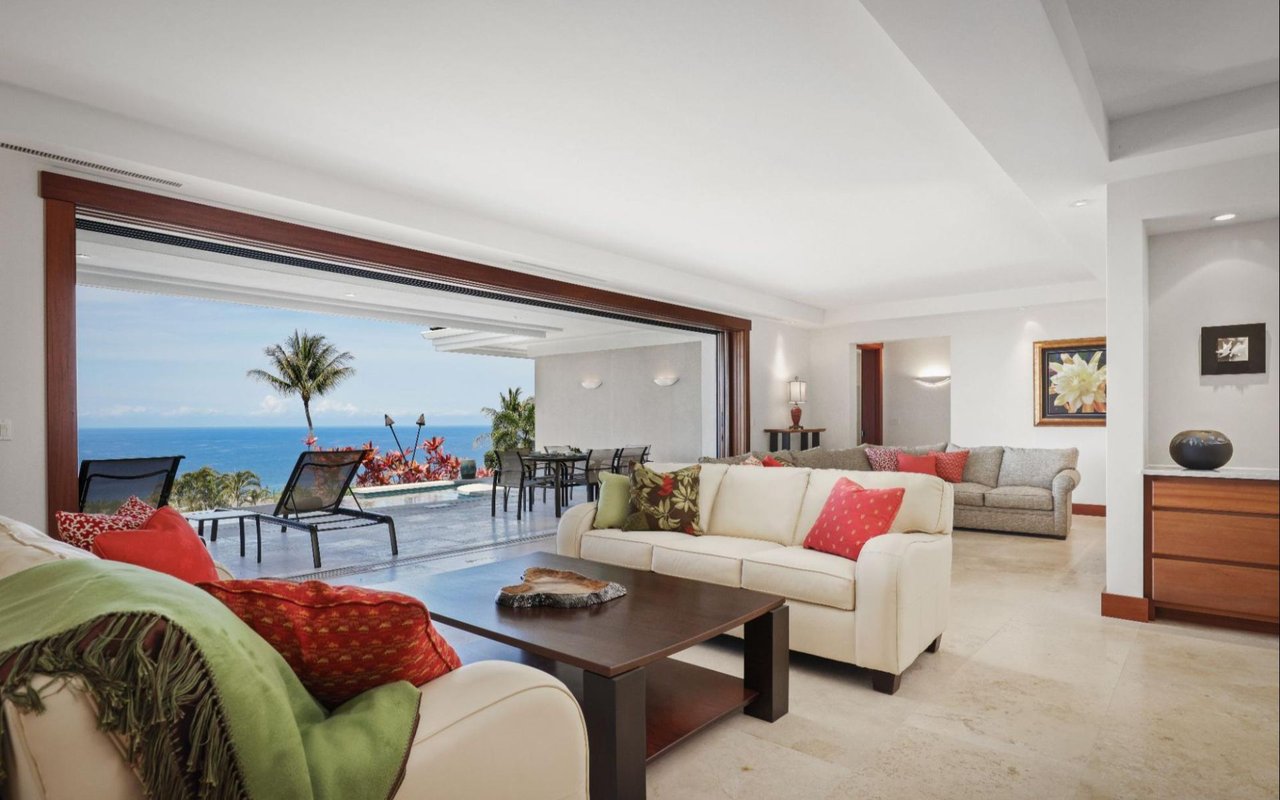
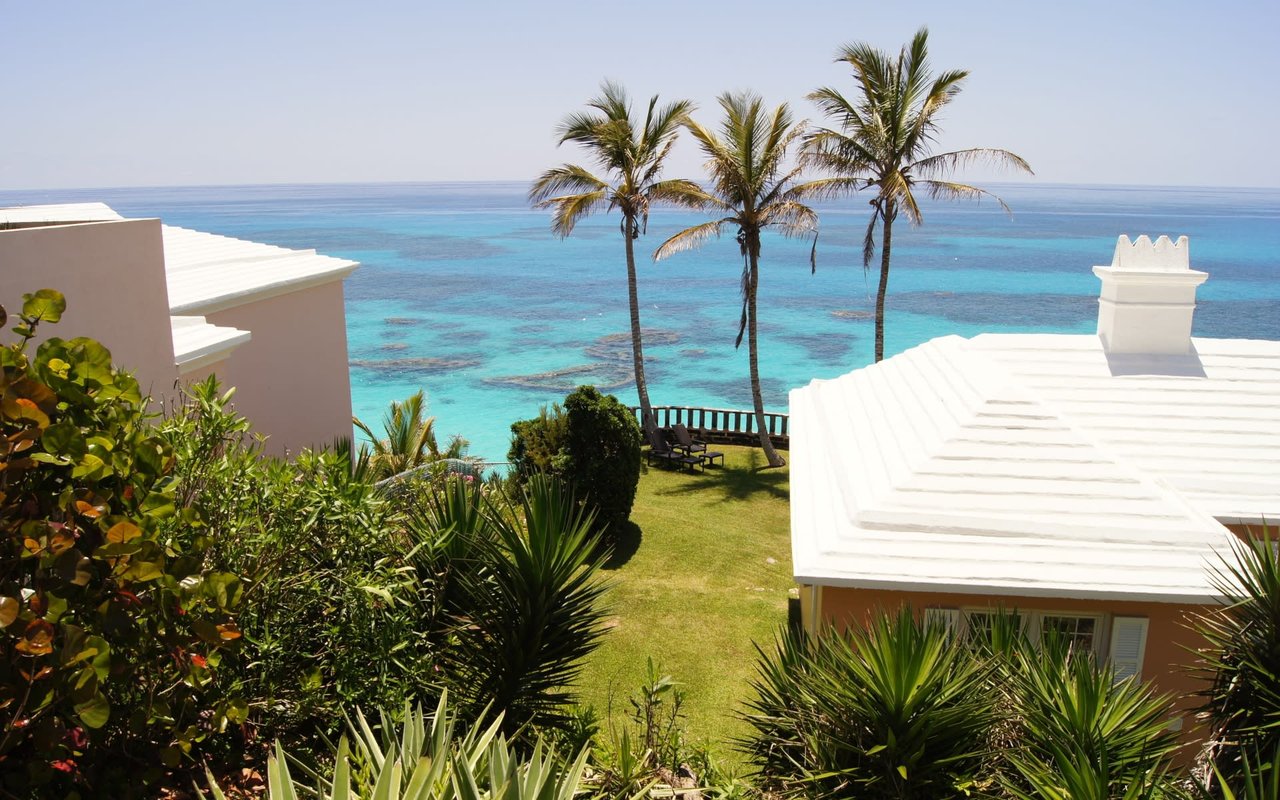
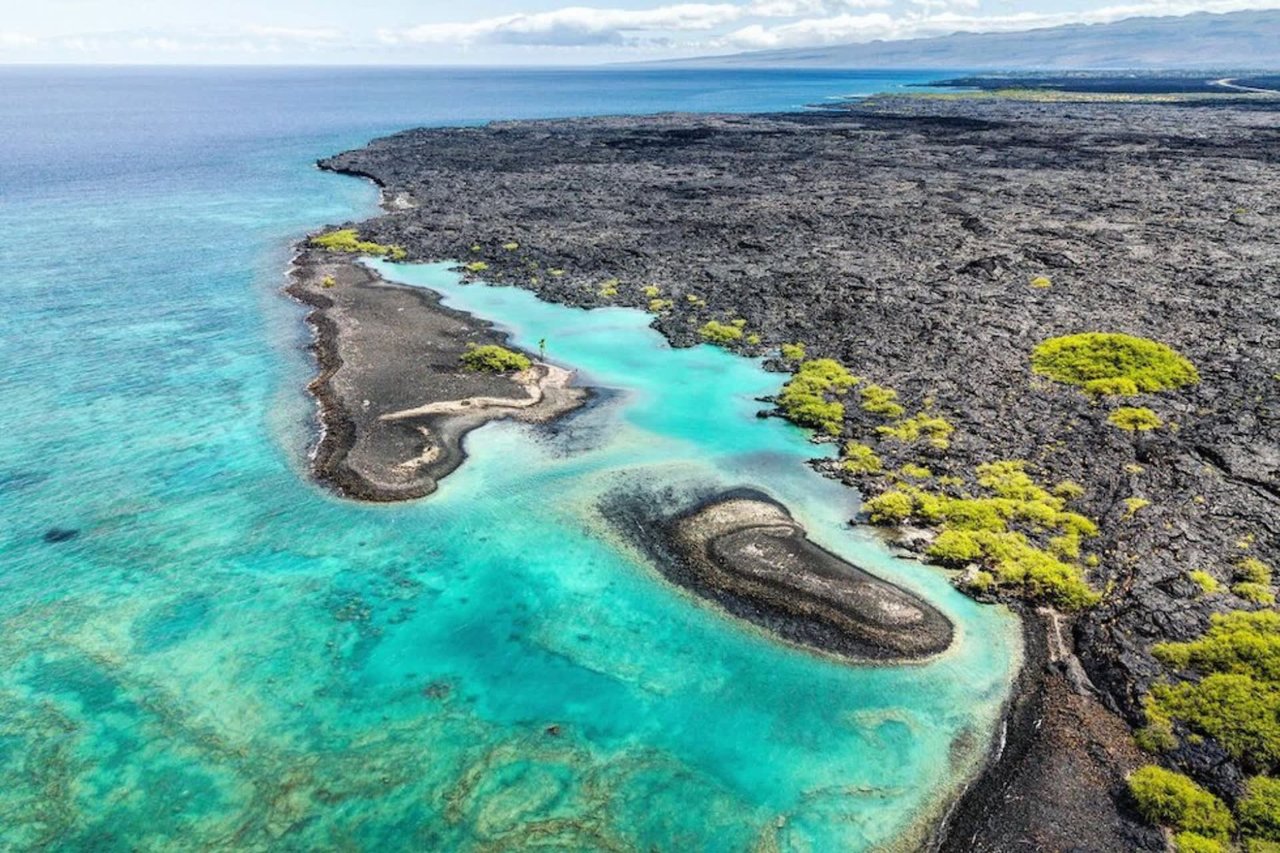
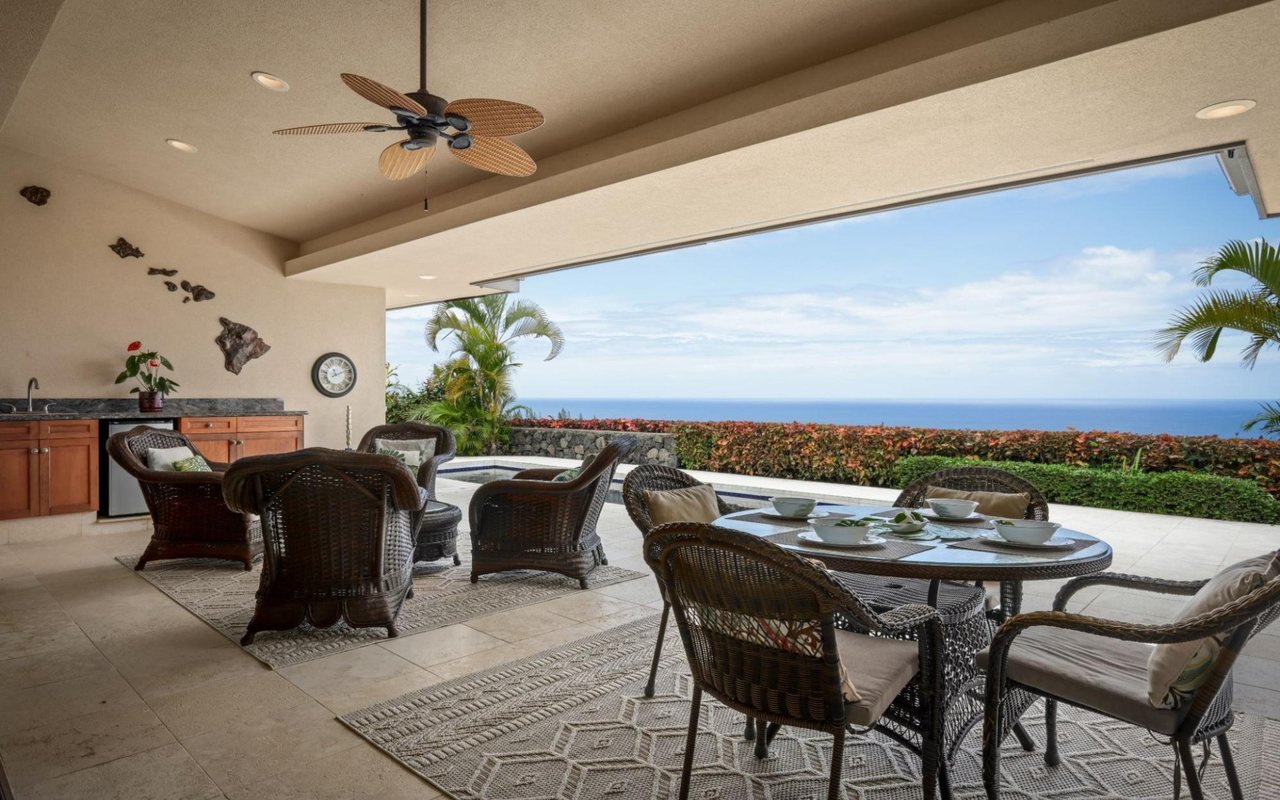
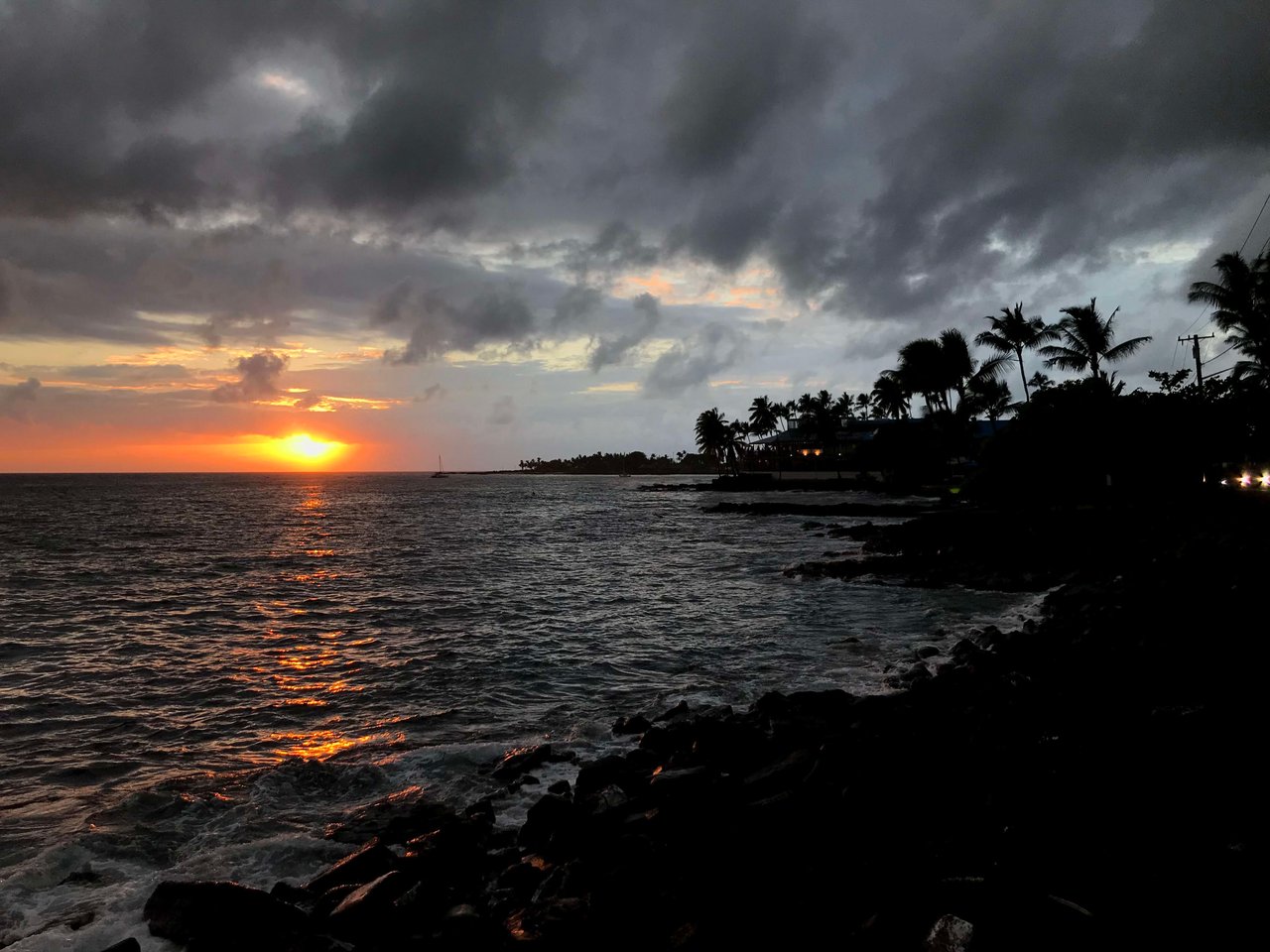
Ali‘i Drive is the oceanfront spine of Kailua-Kona, and the County’s Kailua-Kona master plan describes the corridor as central to the Kona way of life because of its relationship to the ocean. That setting is a big part of the appeal for buyers who want walkability, views, and quick access to shoreline parks and town amenities.
Along the corridor, nearby public beach parks include Waiʻaha Beach Park, Pāhoehoe Beach Park, and Kahaluʻu Beach Park. But while the address may sound straightforward, the condo inventory is not all one thing. Some projects sit directly on the shoreline, some are partly ocean side and partly across the street, and some are set a little farther back while still offering easy access to town and the coast.
Condo location affects daily ownership
One of the most important tradeoffs on Ali‘i Drive is proximity to the water. In general, the closer a condo project sits to the shoreline, the more likely you are to gain stronger views and a more immediate oceanfront feel.
At the same time, closer shoreline placement can also mean more noise, more salt exposure, and more shoreline-related risk. That is why the exact building, stack, and placement within a project matter just as much as the street address.
Direct oceanfront projects
Several well-known Ali‘i Drive communities are direct oceanfront properties. Sea Village, Kona Reef, Royal Sea Cliff, Kona by the Sea, Kona Makai, and Alii Villas all fall into that general category, but they still differ in meaningful ways.
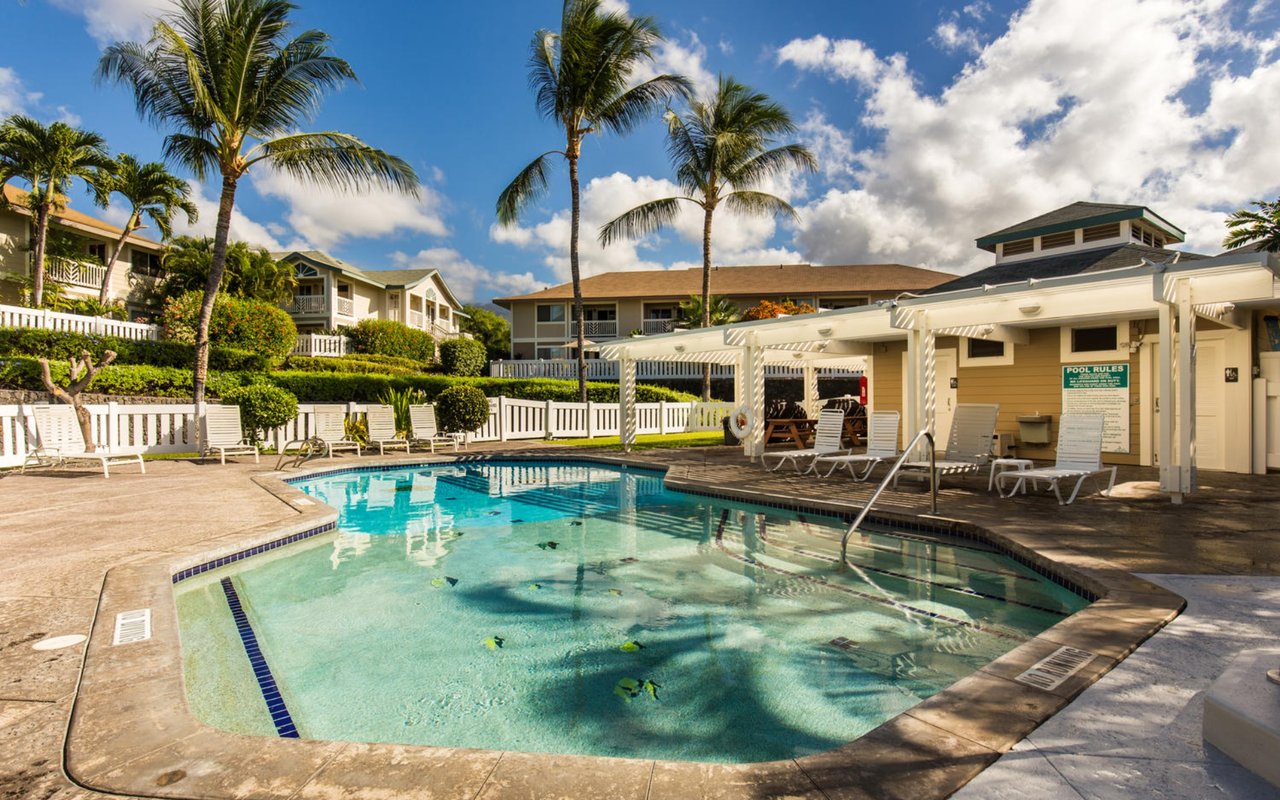
For example, Sea Village is a 1974 low-rise oceanfront project with amenities that include a pool, hot tub, BBQ area, and tennis. Kona Reef, built in 1980 next to Honl’s Beach, offers direct oceanfront positioning with pool, spa, and BBQ amenities, but environmental review documents also show erosion-abatement planning on the site. That is an important reminder that first-row ownership can come with added maintenance considerations.
Royal Sea Cliff sits on a lava-rock bluff and is known for panoramic ocean views, along with oceanfront pools, a spa, tennis courts, and BBQ areas. Kona by the Sea leans more toward a full-service resort model, with amenities that include a pool, jet spa, tennis court, front desk, daily maid service, elevators, and beach services.
Mixed-position communities
Some projects are more mixed than buyers expect. Kona Bali Kai is a strong example because it includes shoreline-side buildings as well as buildings across the street.
That matters because two condos in the same project may offer very different experiences. One may feel much more connected to the ocean, while another may trade some of that immediacy for a different price point or a different level of privacy.
Near-ocean options
Not every strong Ali‘i Drive condo choice needs to be first row. Kona Pacific is a good example of a near-ocean project that still offers walkability to town, elevator access, wheelchair ramps, and ocean convenience without direct first-row shoreline exposure.
Alii Cove is another useful comparison. Built in 2004 across from Honl’s Beach, it offers newer construction, gated entry, hot tub, fitness amenities, BBQ areas, and garages or parking, which can appeal to buyers who want a more updated setup than some of the 1970s and 1980s oceanfront inventory.
Leasehold versus fee simple needs close review
This is one of the biggest details buyers should confirm early. Not every condo on Ali‘i Drive is fee simple, and some well-known projects are identified in current materials as leasehold.
Kona Bali Kai, Kona Makai, and Alii Villas are examples where current materials identify leasehold structure. In the case of Alii Villas, current materials also note a separate fee-purchase path. If you are not expecting a land-lease structure, this can materially change how you evaluate value, financing, and long-term ownership.
Before you move too far into a condo search, make sure the legal structure matches your goals. If you want a second home, a part-time retreat, or an investment property, this is not a detail to leave for later.
HOA fees can vary more than buyers expect
Many buyers focus first on purchase price, but monthly ownership costs can differ sharply from one Ali‘i Drive condo to another. HOA dues along the corridor vary widely based on building age, amenities, insurance exposure, and reserve funding.
Recent listing examples show a broad range. Kona Makai has been shown around $310 per month in one recent example, while Kona by the Sea was around $699, Sea Village and Kona Reef were about $912 to $933, and Alii Cove ranged roughly from $962 to $1,495 or more depending on the unit and assessment structure.
That range shows why you should compare more than just the monthly number. In some projects, dues may include water, sewer, trash, cable, internet, landscaping, insurance, or resident management. In another project, the lower monthly fee may come with fewer inclusions or a different reserve picture.
Reserve funding matters in older buildings
A large share of Ali‘i Drive condo inventory was built in the 1970s and 1980s. That does not make those properties a poor choice, but it does mean buyers should review building condition and reserves carefully.
The State of Hawaiʻi DCCA says reserve studies should cover long-life common components such as roofs, elevators, spalling, plumbing, windows, and electrical systems. DCCA also notes that older public-report files and governance documents may be out of date, so buyers should ask the association or the Bureau of Conveyances for the current declaration, bylaws, house rules, and reserve materials.
DCCA also says maintenance-fee increases require 30 days written notice. That is helpful context, but from a practical buyer standpoint, the bigger question is whether the association appears prepared for future repair and replacement needs.
Coastal exposure should be part of your due diligence
Oceanfront living is a major part of the Ali‘i Drive appeal, but buyers should go in with clear eyes about coastal exposure. According to the USGS, the Kailua-Kona shoreline along Ali‘i Drive faces near-annual high-wave overwash, flooding, power outages, and a high sea-level-rise threat.
That does not mean every condo is the wrong fit. It does mean shoreline condition, erosion history, and reserve strength should be part of your purchase review. The Kona Reef example is especially useful here because site documents show erosion-abatement planning, which highlights how shoreline issues can affect ownership over time.
If you are comparing projects, try to weigh the oceanfront experience against the practical realities of salt air, maintenance, and shoreline risk. For many buyers, this is where the best-fit decision becomes clearer.
Rental use is not just about the unit
If you are buying with vacation rental income in mind, do not stop at the listing description. Short-term rental use involves more than whether a unit has been marketed as rental-friendly.
Hawaiʻi tax officials say rental income from a condo is taxable, and short-term rentals under 180 consecutive days are subject to tax. County of Hawaiʻi planning materials say buyers may also need a county STVR permit. On top of that, association rules can also affect whether and how a condo may be used for short-term rental activity.
Current listing materials for projects such as Kona Bali Kai, Kona Reef, Kona Makai, Alii Cove, and Royal Sea Cliff may reference STVR potential or licensing. Still, you should verify the county registration or permit layer, the state tax layer, and the HOA rules before you underwrite any income assumptions.
A smart Ali‘i Drive condo checklist
Before you write an offer, it helps to compare each option with the same framework. That keeps emotion from taking over when one lanai view stands out.
Here are the key items to review:
- Fee simple versus leasehold
- Direct oceanfront versus across-the-street versus near-ocean location
- What the HOA fee includes
- Current or pending special assessments
- Reserve study details
- Age and condition of roofs, windows, elevators, plumbing, and spalling-related components
- STVR permission and county registration status
- Parking, AC, elevator, and pet rules
- Whether the project is self-managed, professionally managed, or resort-operated
The most important question is simple: Does the building’s legal structure, carrying cost, and use profile match the way you plan to own it?
Matching the condo to your goals
Ali‘i Drive works best when you think of it as a range of ownership styles rather than a single condo market. If you want the front-row ocean experience, you may accept stronger shoreline exposure and sometimes higher dues in exchange for that setting.
If you want a newer gated community, Alii Cove may stand out. If you want near-ocean walkability without first-row exposure, Kona Pacific may be worth a closer look. If you are seeking a vacation-rental-oriented purchase, mixed-use and resort-style projects may deserve deeper review, but only after you confirm the legal and operational details.
That kind of comparison is where local, property-by-property guidance can make a real difference, especially if you are buying from the mainland or trying to balance lifestyle goals with long-term stewardship. If you want a tailored look at Ali‘i Drive options that fit how you plan to use the property, Kristina Vaughn-Hazard can help you sort through the details with clear, local insight and concierge-level support.
FAQs
What should buyers know first about Ali‘i Drive condos?
- Buyers should know that Ali‘i Drive is not one uniform condo market. Projects vary by shoreline position, age, legal structure, HOA costs, amenity package, and rental rules.
Are all Ali‘i Drive condos in Kailua-Kona oceanfront?
- No. Some are direct oceanfront, some include both shoreline and across-the-street buildings, and some are near the ocean without first-row shoreline placement.
Are any Ali‘i Drive condos leasehold?
- Yes. Current materials identify projects such as Kona Bali Kai, Kona Makai, and Alii Villas as leasehold, so buyers should confirm legal structure early in the process.
Why do HOA fees vary so much at Ali‘i Drive condos?
- Fees can vary because of differences in building age, amenities, insurance exposure, reserve funding, and what is included, such as water, sewer, trash, cable, internet, landscaping, or management.
What coastal risks should buyers consider for Ali‘i Drive condos?
- The USGS says the Kailua-Kona shoreline along Ali‘i Drive faces near-annual high-wave overwash, flooding, power outages, and high sea-level-rise threat, so buyers should review shoreline condition and reserve funding carefully.
Can buyers use an Ali‘i Drive condo as a short-term rental?
- Possibly, but buyers should verify county permit or registration requirements, state tax obligations, and HOA rules before assuming short-term rental use is allowed.
What is a good checklist for comparing Ali‘i Drive condo projects?
- Compare fee simple versus leasehold, shoreline position, HOA inclusions, reserve studies, special assessments, repair history, rental rules, parking, elevator access, pet rules, and management structure.